Daily Multivitamin Packs
(0 Results)
Discover a convenient way to support your overall health and wellness with our selection of daily multivitamin packs. Packed with essential vitamins, minerals, and nutrients, these convenient packs are designed to help fill any nutritional gaps in your diet. Whether you're looking for a simple solution to meet your daily vitamin needs or seeking targeted support for specific health goals, our range of multivitamin packs offers something for everyone. Say hello to a healthier you with these easy-to-use daily supplements.
-
-
-

-

-
-
-
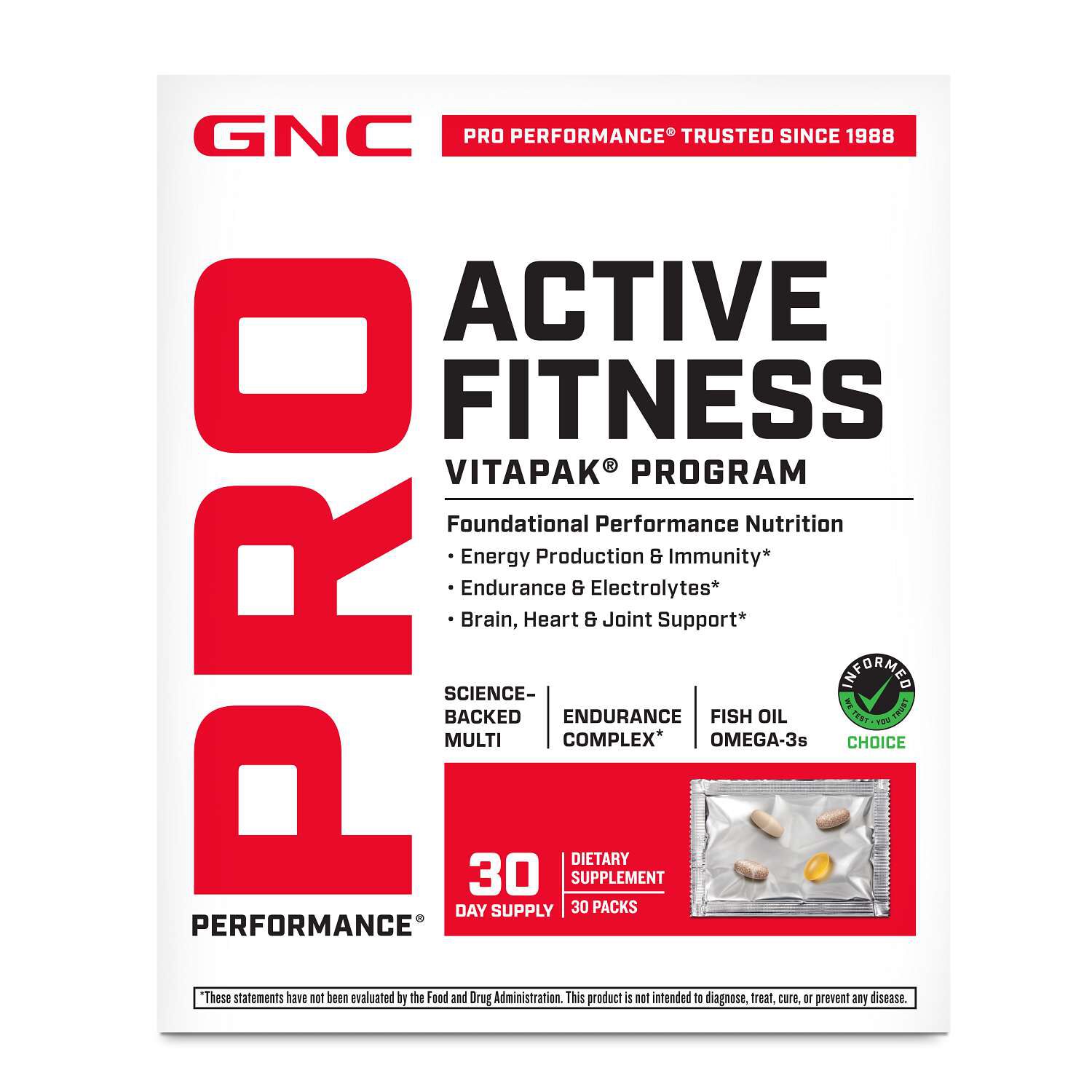 GNC Pro Performance$39.99
-

-

-

-
-

-
-

-
-

-

-

-

-
-
-
-
-
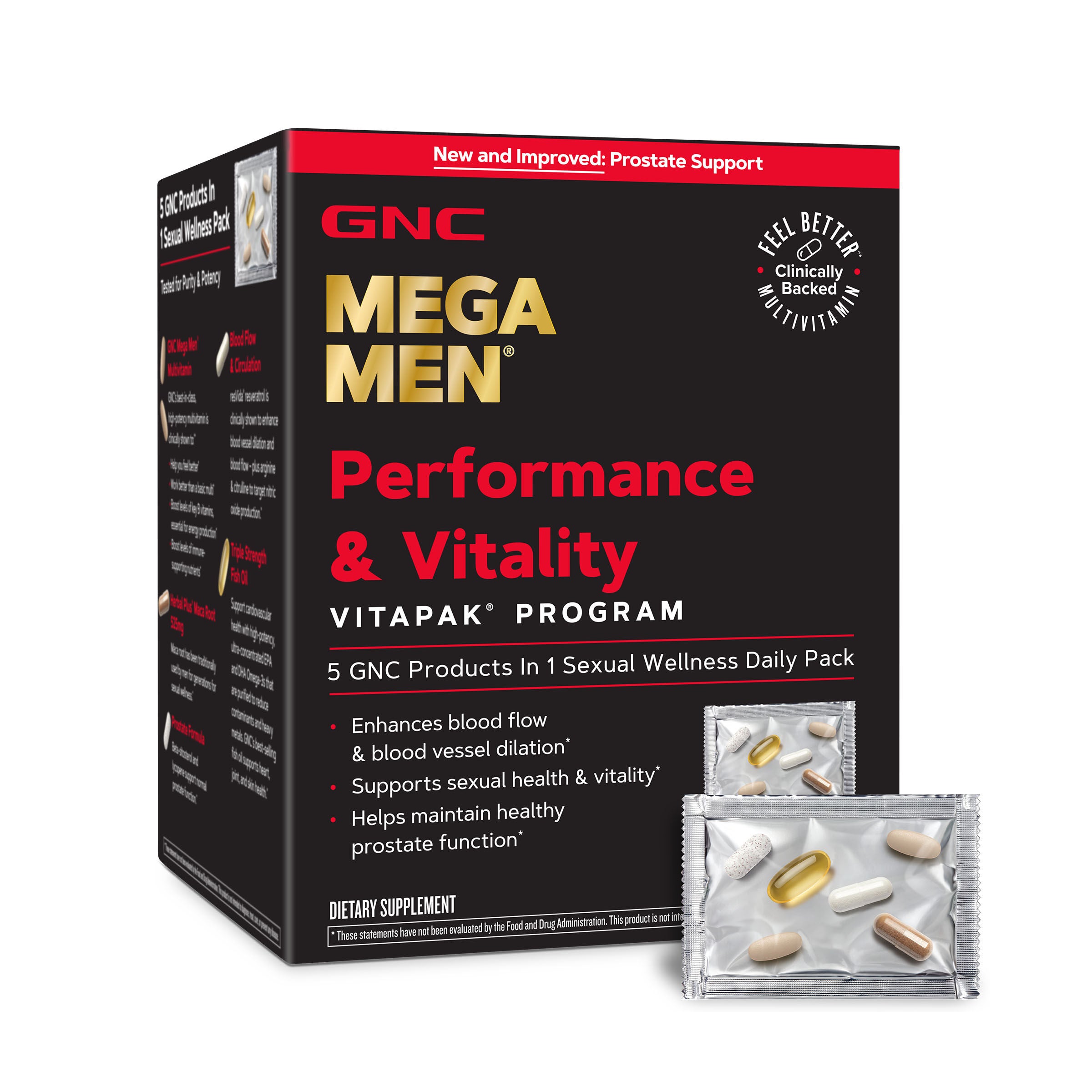
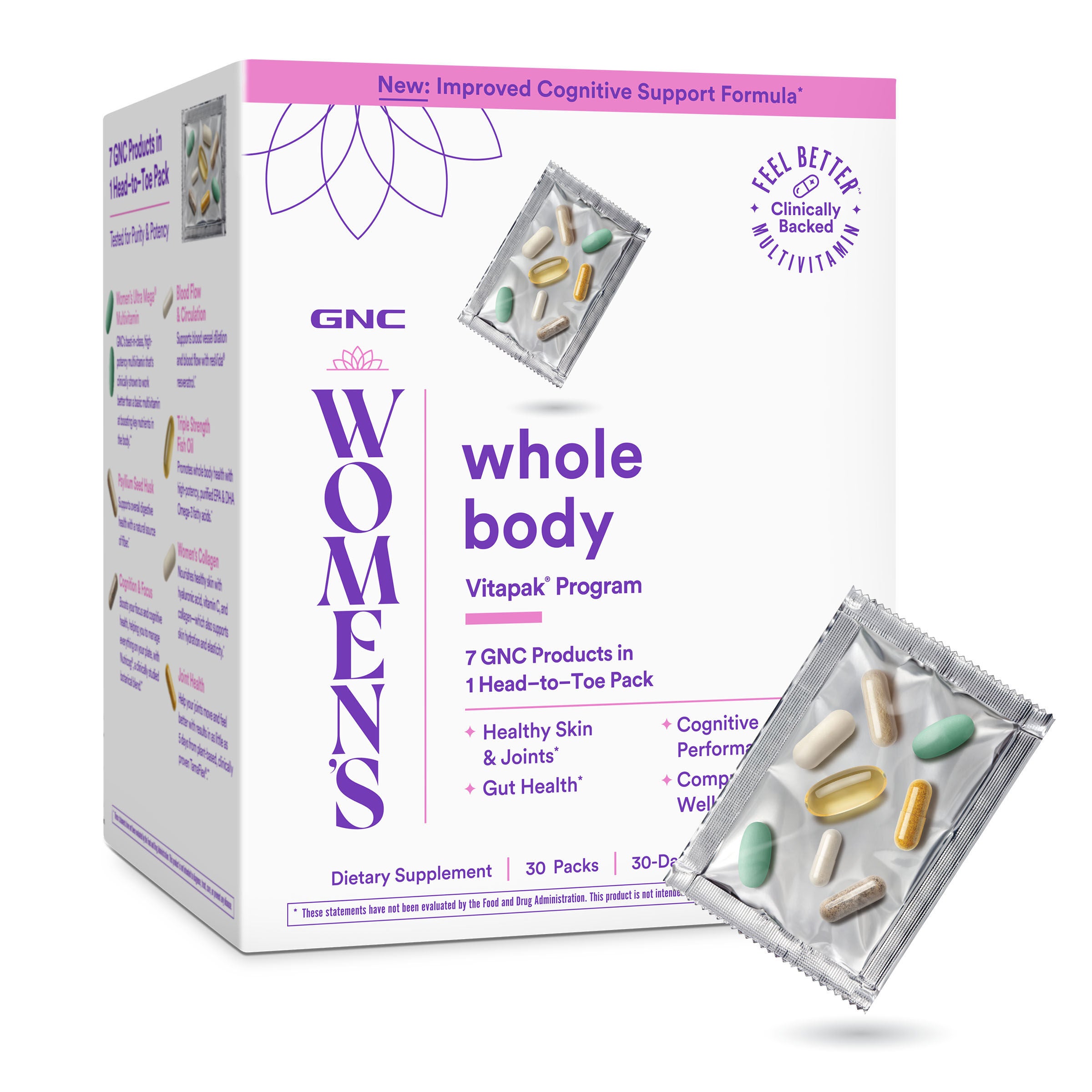
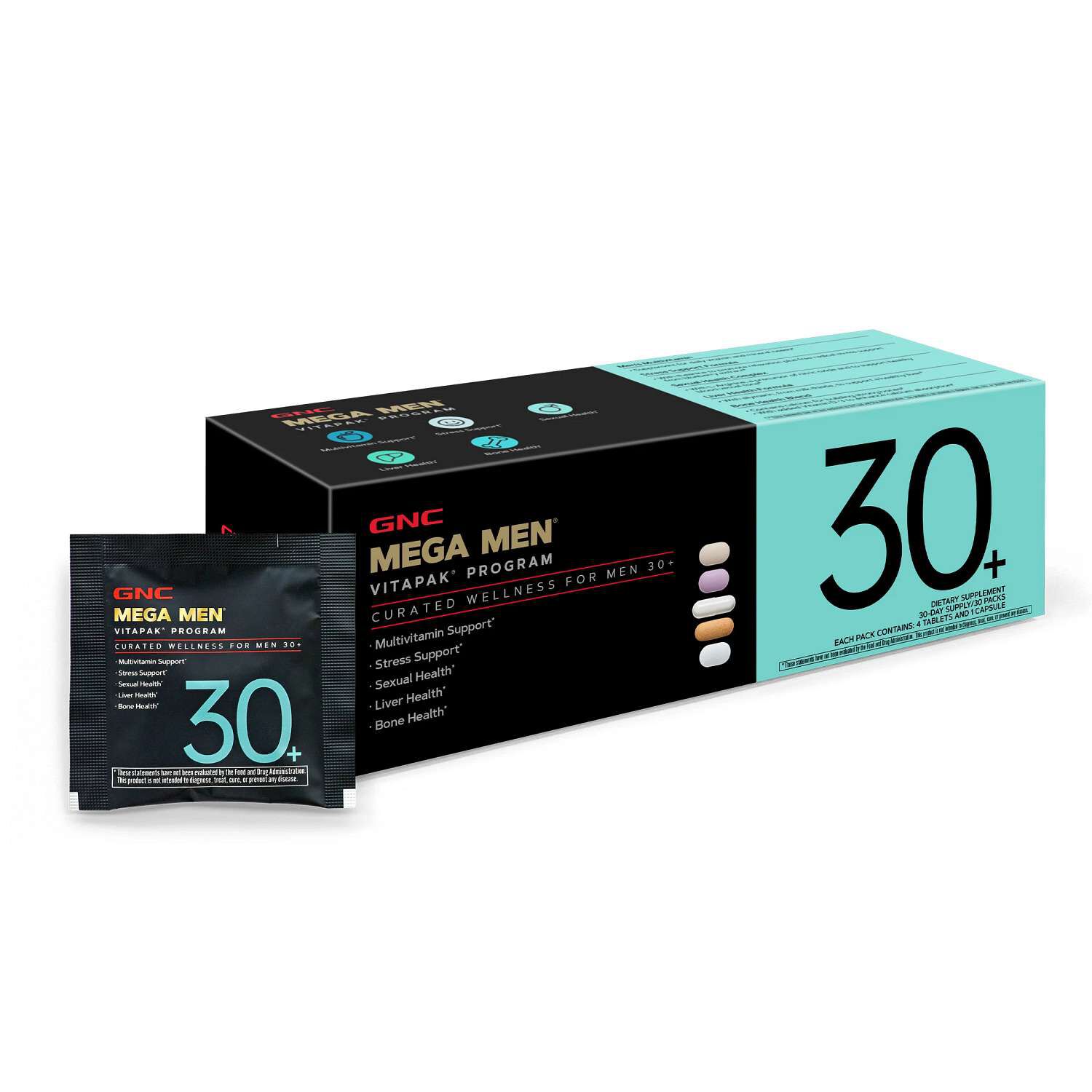
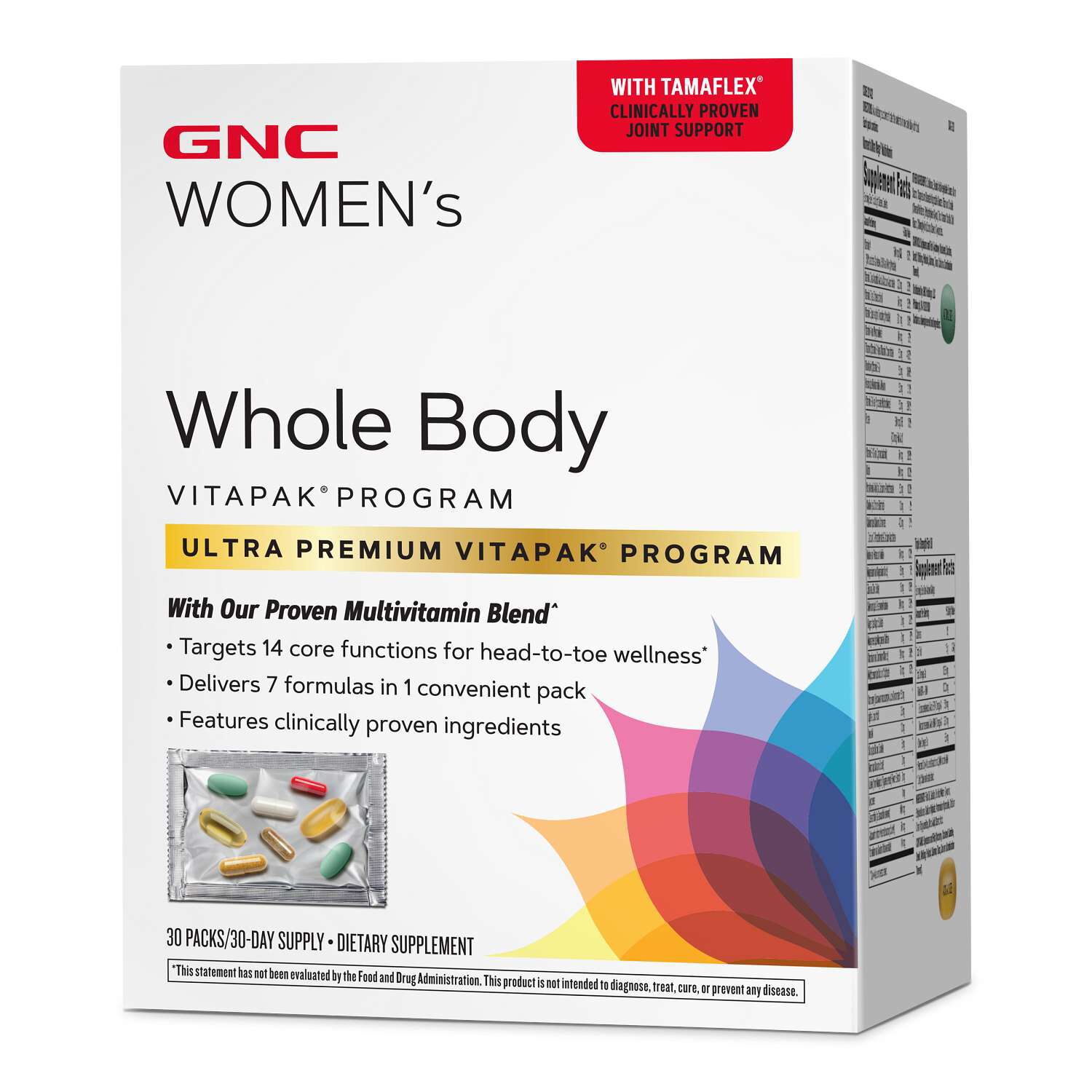
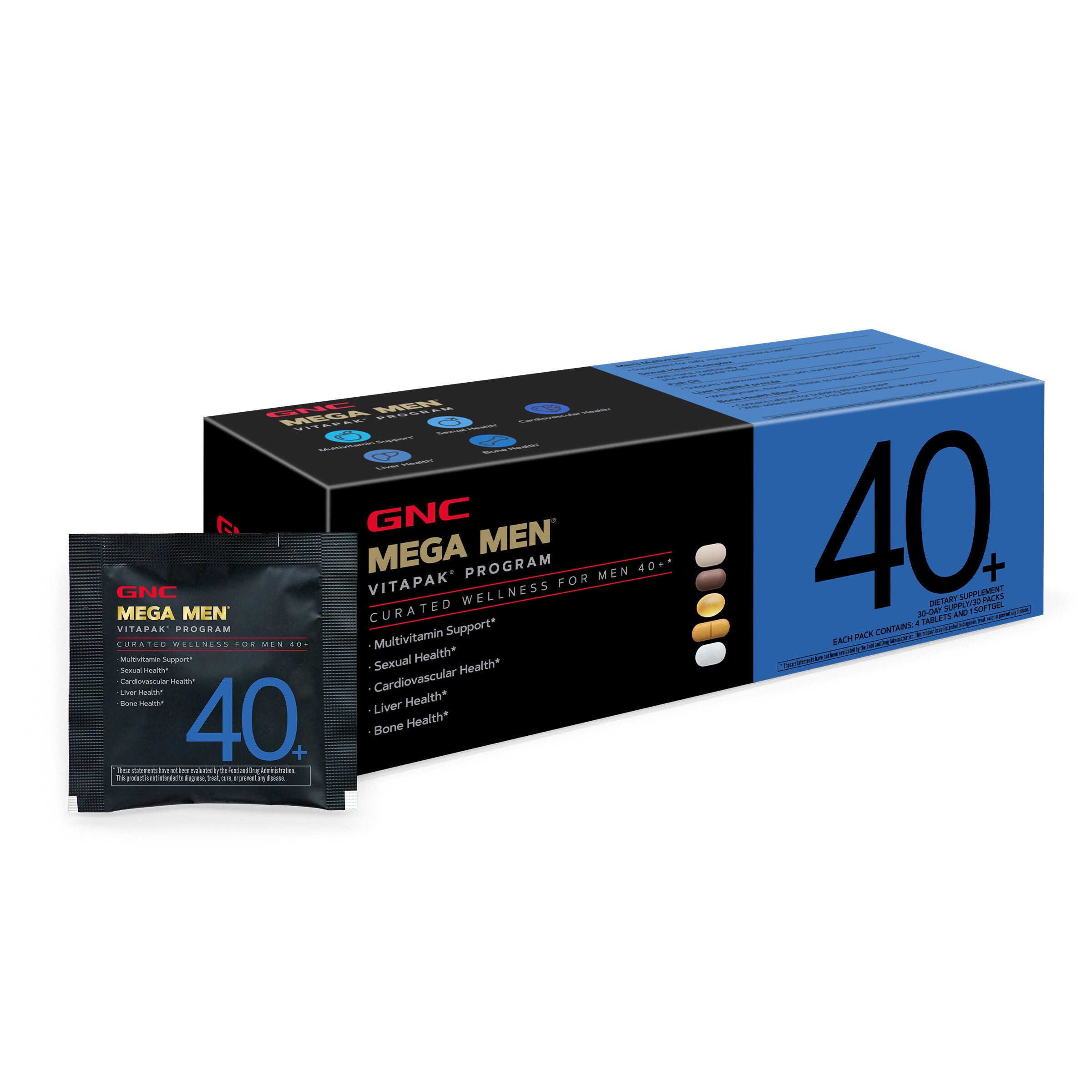
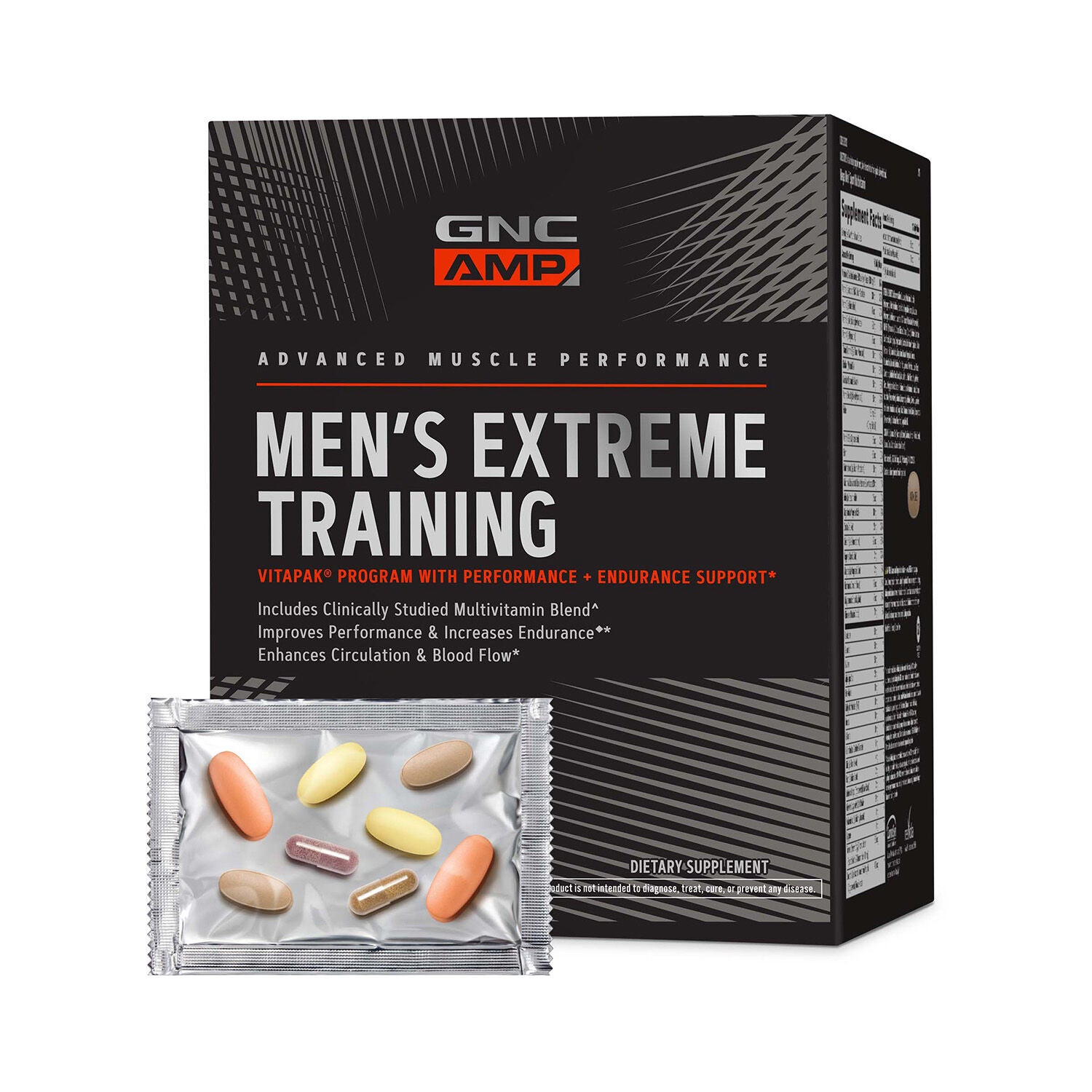
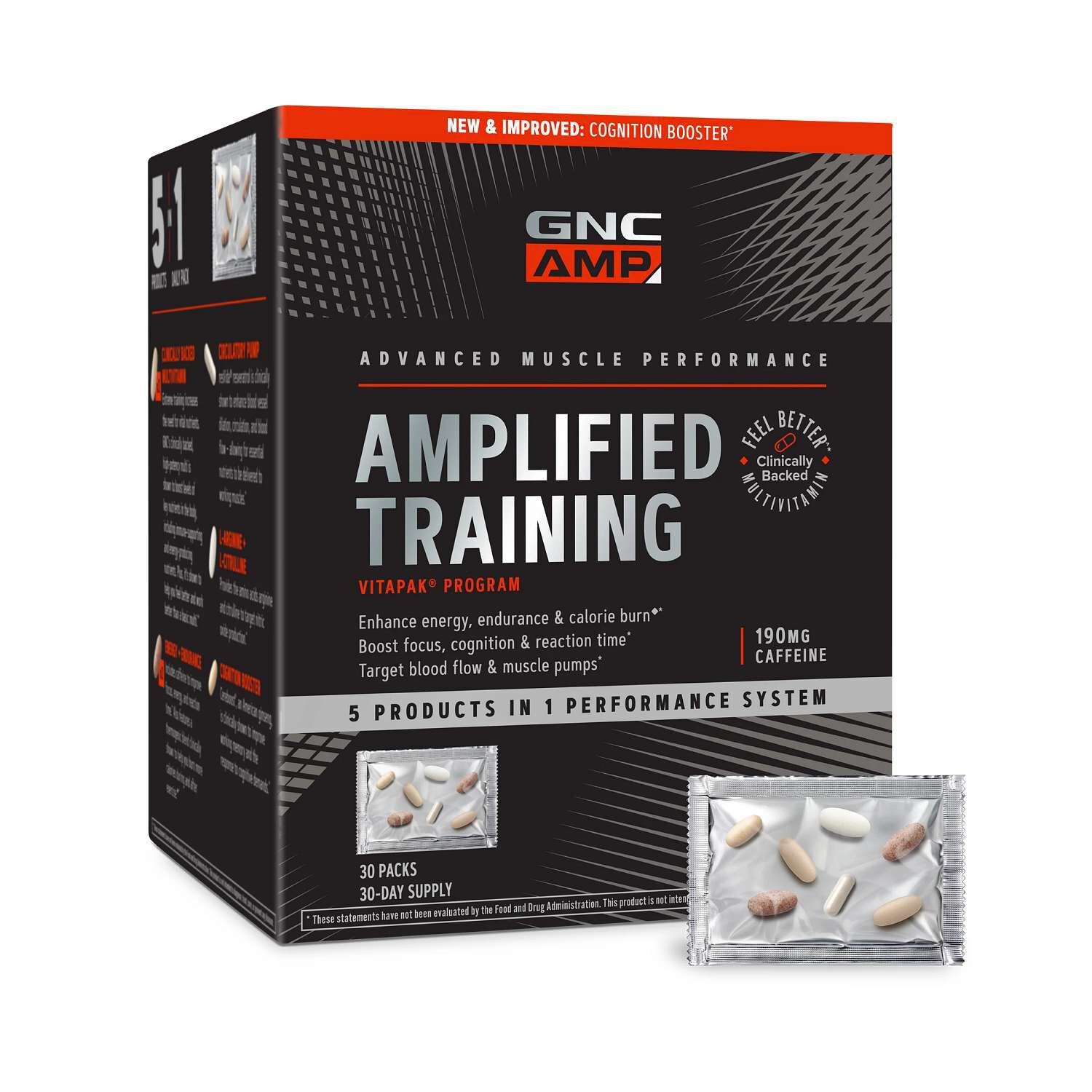
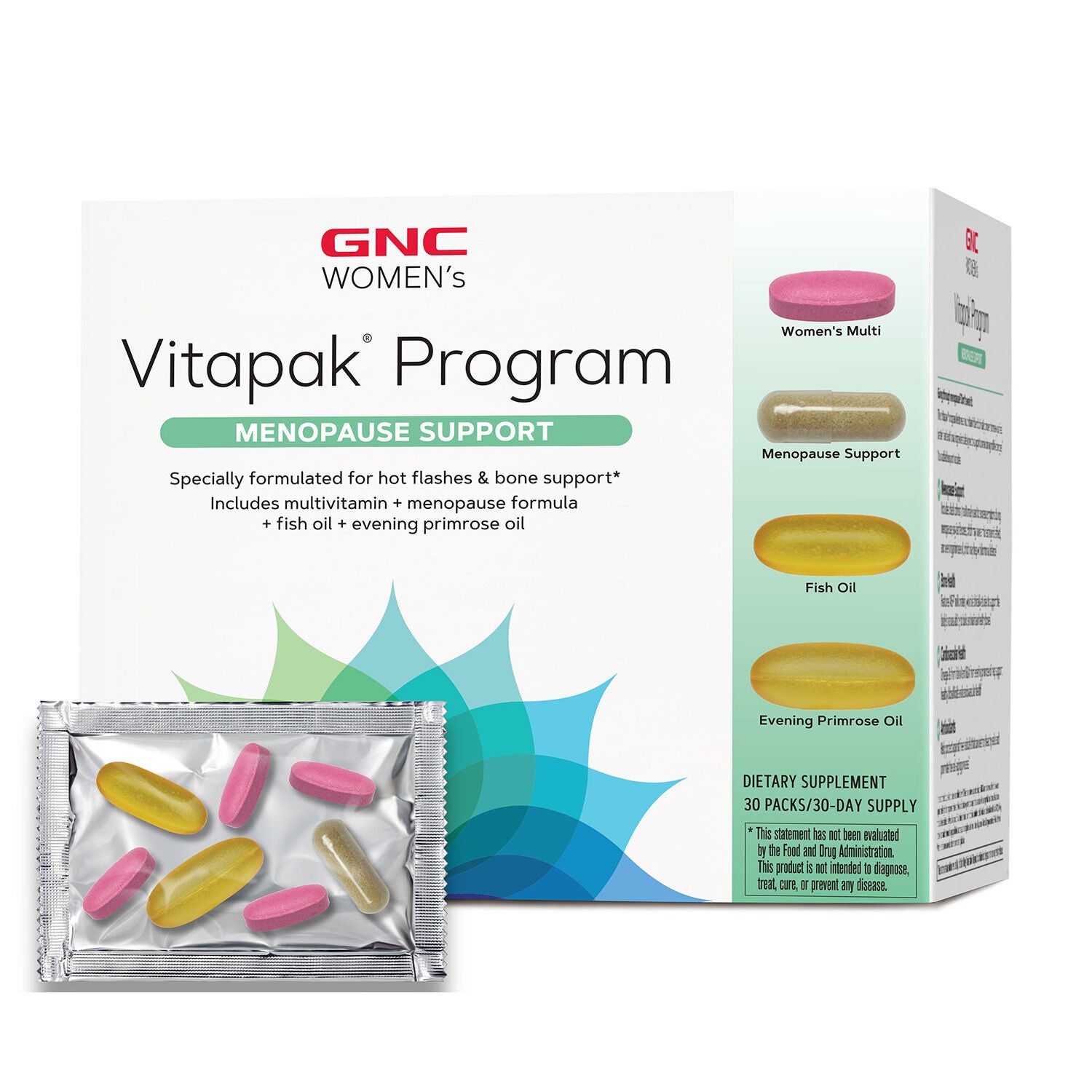
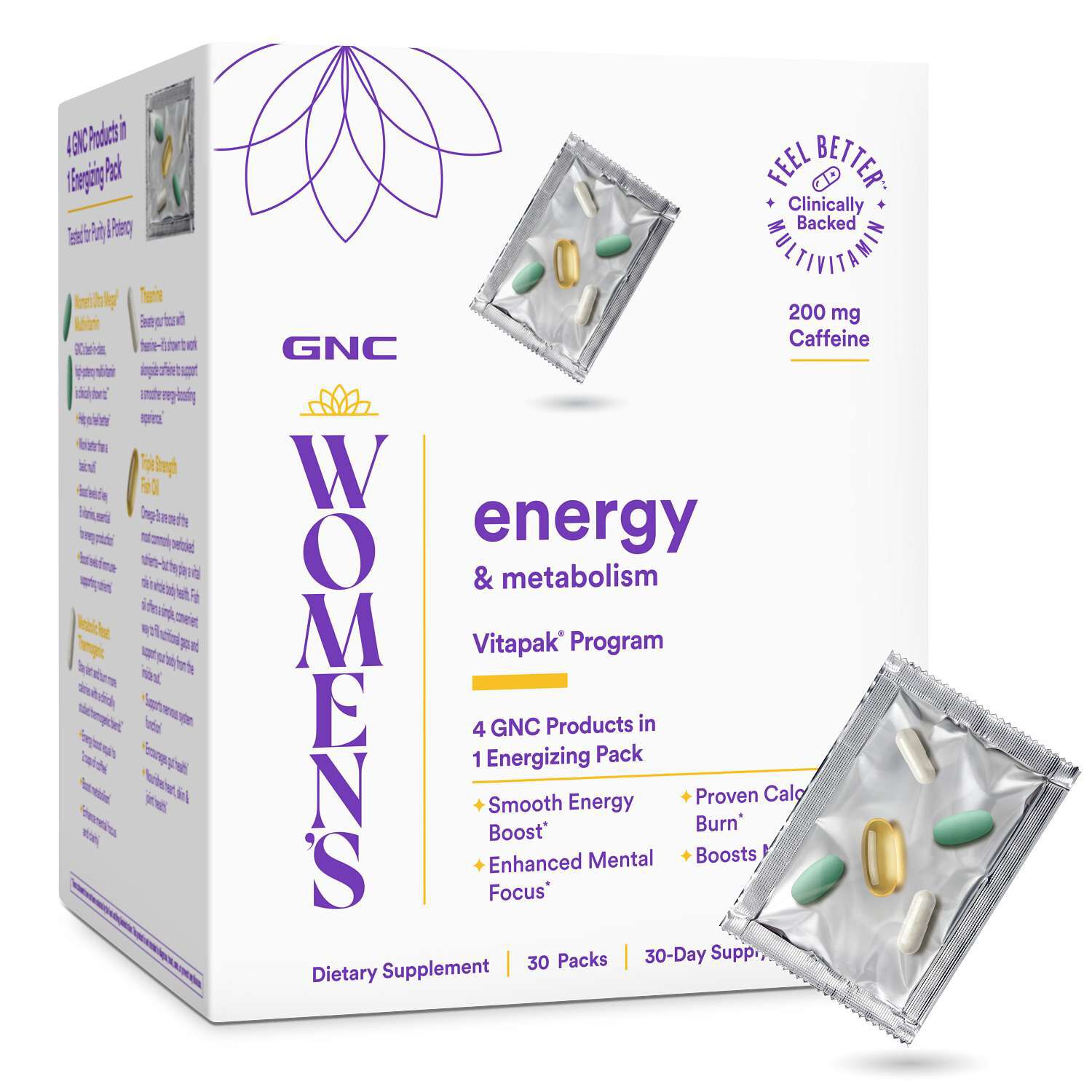
Daily multivitamin packs are pre-portioned packets that group a multivitamin with other supplements for a labeled daily serving. Depending on the formula, a packet may contain vitamins and minerals alone or include separate softgels, capsules, and tablets with ingredients such as omega-3 oils, probiotics, amino acids, or coenzyme Q10. The defining feature is the packaging: individual servings are organized into pouches rather than kept exclusively in separate bottles. That format may appeal to adults who prefer an organized supplement routine, whether their day starts at a kitchen table, at an office desk, or with a trip to the gym. Not every daily vitamin pack contains the same ingredients, and the word “pack” describes how the supplements are presented rather than a standardized formula. Some center on a multivitamin, while others bring together several distinct formulas. Products may be labeled for general adult use, particular age groups, or people with active lifestyles, so the intended audience is an important part of the comparison. The number of tablets or capsules in each pouch also varies. A compact packet does not necessarily mean a small serving, and the serving information provides a clearer picture than the pouch size alone. For shoppers who have strong preferences about capsule dimensions, tablet shapes, or softgel textures, those details matter just as much as the ingredient list. A mixed-format packet might contain a larger tablet alongside smaller capsules, rather than several pieces of the same size. Product descriptions and package images may help clarify the arrangement, while the label remains the reference for contents and directions. Daily multivitamin packs are intended for dietary supplementation, not as replacements for meals or a varied eating pattern. Their appeal may lie in pairing a particular ingredient assortment with a packaging style that fits an established routine. Comparing both parts of that equation gives the category more context than looking at vitamin names alone, especially when two packs appear similar on the outside but contain different combinations inside.
Ingredient transparency is central to understanding daily multivitamin packs. The Supplement Facts panel identifies the serving size, listed nutrients, ingredient amounts, and applicable Daily Value percentages. Milligrams and micrograms are different units, and a longer ingredient list does not by itself describe how one formula compares with another. Some packages provide information for the packet as a whole; others identify the separate components within it. That distinction is worth noticing when a pouch contains a multivitamin plus additional supplements with their own formulas. Ingredient overlap is another useful comparison point, particularly for someone whose existing routine already includes a multivitamin, a mineral supplement, or an omega-3 softgel. A pack’s contents may look different once each component is considered alongside those other products. Shoppers interested in broader ingredient assortments can also explore Advanced Multivitamin Packs and compare the listed components, serving formats, and intended users. Dietary preferences bring another layer of detail. Capsule shells may use gelatin or plant-derived materials, and softgels may contain oils sourced from fish or other ingredients. A formula with plant-derived nutrients is not necessarily made entirely with plant-derived capsule materials. The other-ingredients statement and allergen information provide context that the front of the package may not show. Coatings, colors, flavorings, and capsule materials can differ among the components in a single pouch, so each part deserves attention when those details matter to a shopper. Iron inclusion is also a distinguishing feature among multivitamin formulas, as are the specific forms and amounts of other minerals. Rather than treating all daily packs as interchangeable, a more informative comparison considers the nutrient profile, additional ingredients, serving size, and dietary labeling together. Clear descriptions are especially helpful when comparing a straightforward vitamin-and-mineral packet with a pouch containing several separate supplement types. The most relevant differences are often found in the label details, not in the number of ingredients highlighted on the front or the amount of space those descriptions occupy.
Packaging and everyday handling are also part of choosing a daily multivitamin pack. Individually sealed pouches may fit neatly into a work bag, a travel organizer, or a designated spot beside breakfast dishes. For someone who moves between home and an office, that arrangement may be more convenient than carrying several full-size bottles. Packet dimensions, tear-open seams, printed serving information, and the sturdiness of the outer box are practical features to consider. A pouch is still supplement packaging, however, rather than a protective travel case; keeping it intact and following the stated storage directions remain important. Labels commonly include guidance about temperature, moisture, and storage location, and those details apply to the packet format as well as to bottles. The original carton may carry ingredient information and directions that are not repeated in full on every individual pouch. Someone packing for a trip may appreciate having that information accessible alongside the packets, particularly when several supplements have a similar appearance. The serving schedule also deserves a close look. Some packs are organized around one labeled daily serving, while others separate components into different packets or identify different times of use. Packet count and serving count are not always interchangeable, so the package description helps explain how the box is arranged. Any directions concerning food, timing, or the individual components belong to the product label rather than to assumptions about what “daily” means. Ease of opening and legibility may matter for adults who prefer larger print or packaging that is straightforward to handle. These details are less prominent than ingredient names but can shape how well a format fits an ordinary day. A thoughtful comparison balances the formula with the physical experience of using it: the number and size of pieces, the materials in each capsule or softgel, the pouch design, and the storage requirements. Daily multivitamin packs may suit shoppers who value that combination of nutritional detail and an organized presentation, with clearly labeled servings suited to their established supplement routine.
Best Sellers
-
Universal Nutrition
-
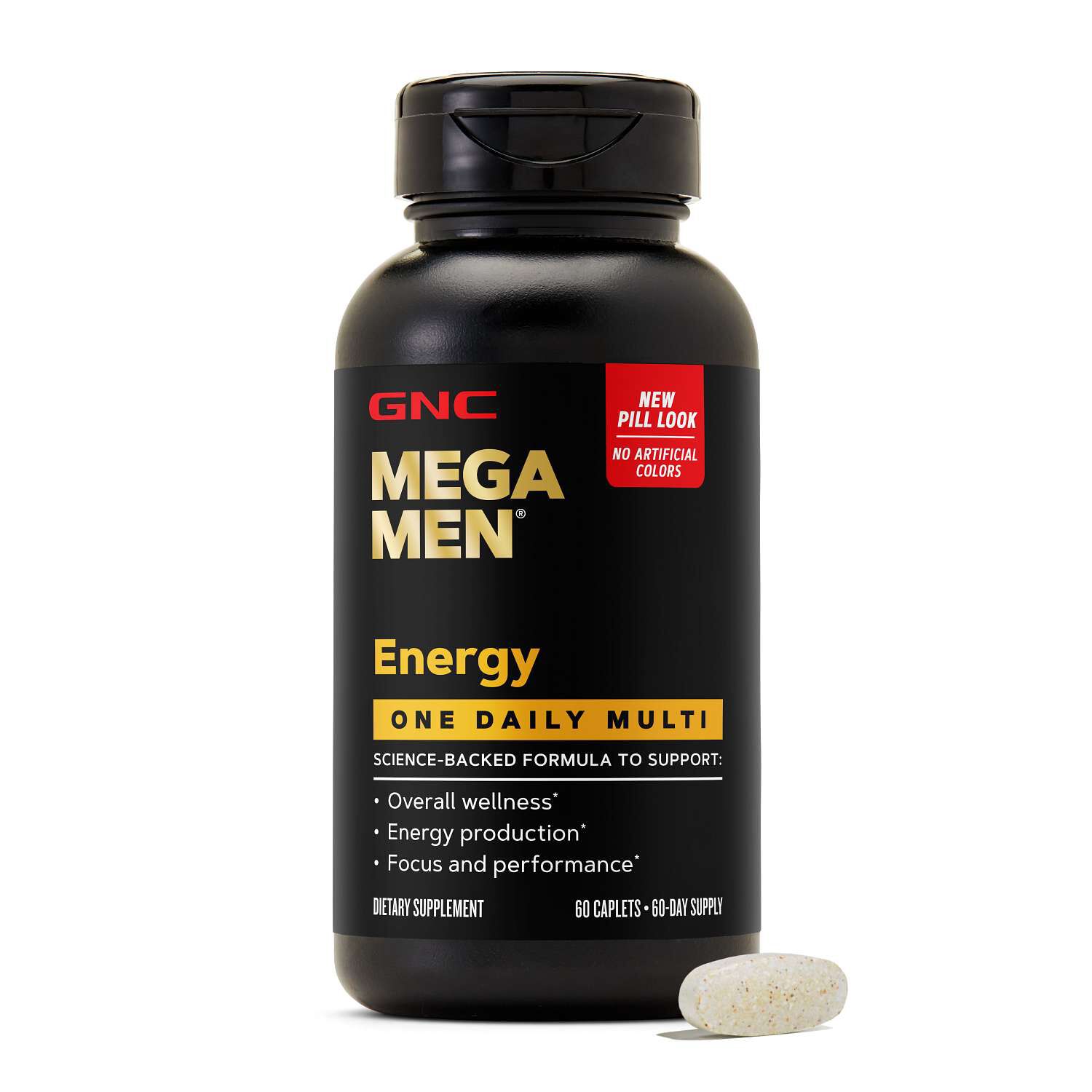 GNC Mega Men
-
GNC Mega Men