





Daily Multivitamins $25 Or Less
(0 Results)
Shop daily multivitamins for $25 or less with your budget and routine in mind. Compare vitamin and mineral content, ingredient lists, and serving directions to find an option that fits your preferences.
-
-
-
-
 $18.99
-
-
-

-
_Front.jpg?sw=305&sh=305&sm=fit "Junior Multi - 90 Tablets - 90 Tablets (90 Servings) | GNC")
-

-

-

-

-

-
-
-
 1$14.99
-
-
 $18.99


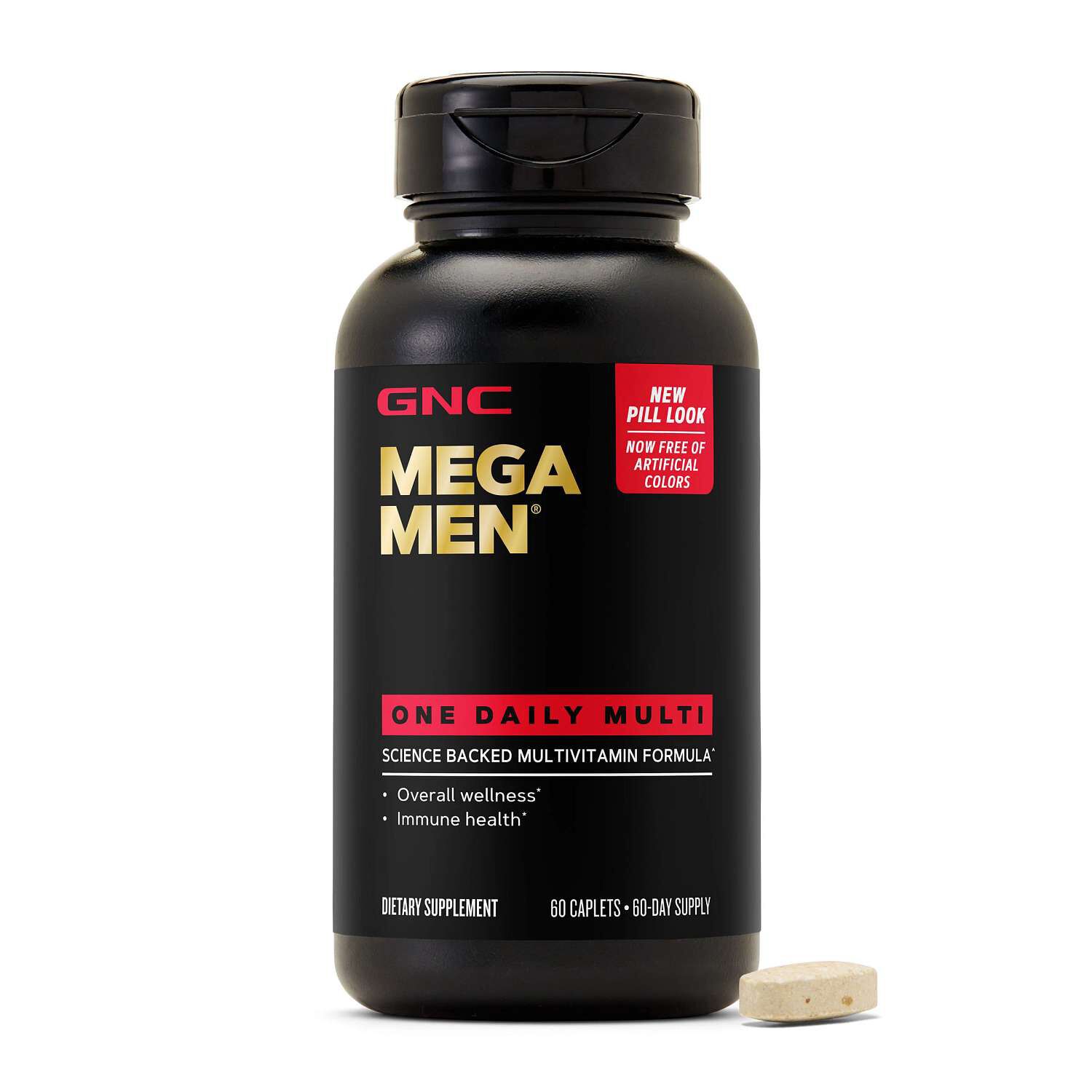
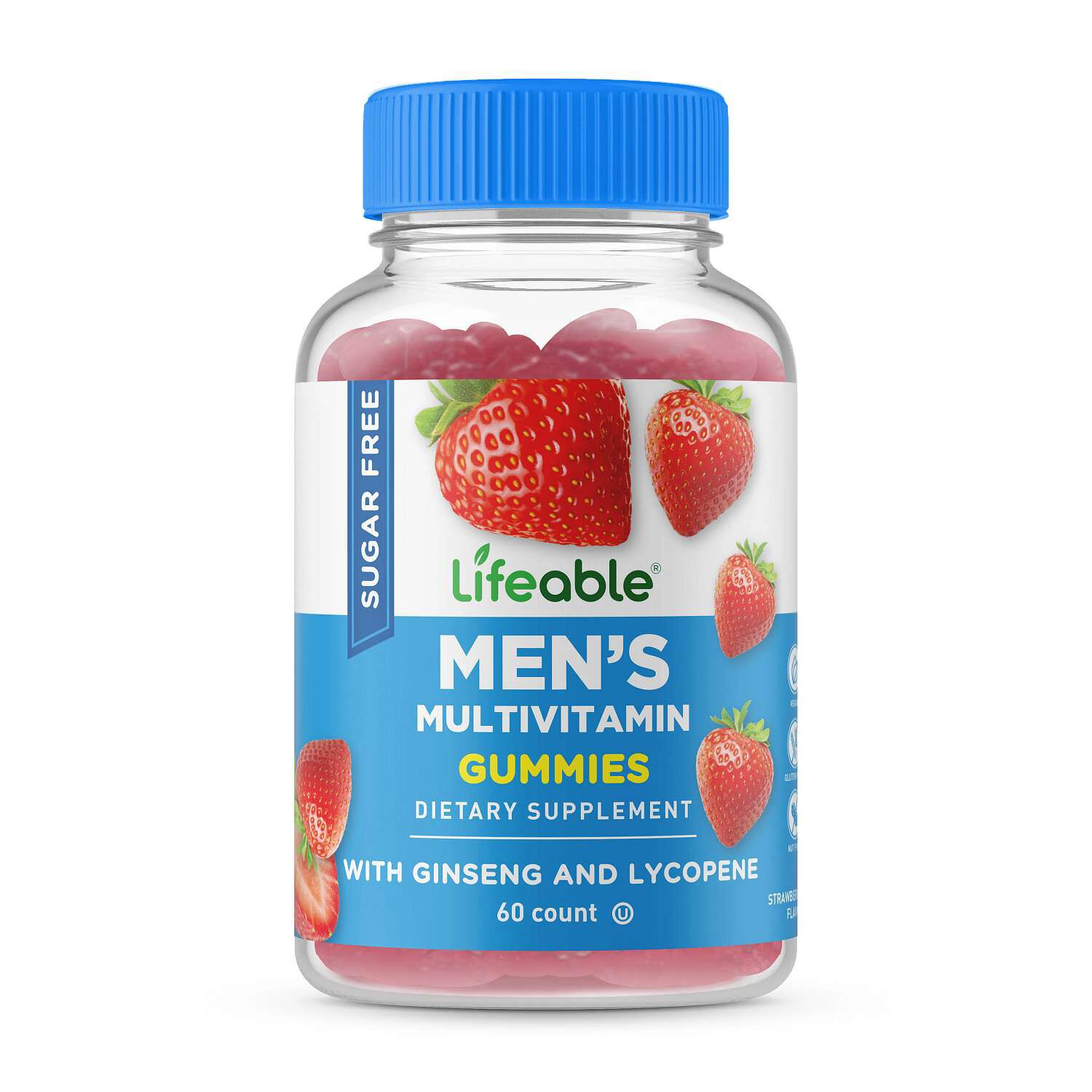
Daily multivitamins combine several vitamins and minerals in a supplement intended for a regular routine. The category includes tablets, capsules, gummies, and other formats, with differences in ingredients, serving size, texture, and packaging. A daily multivitamin may complement a varied eating pattern, but it is not a substitute for meals or the range of foods that make up a balanced diet. Familiar label ingredients include vitamins A, C, D, and E, along with B vitamins and minerals such as zinc, iodine, and selenium. Not every formula contains the same nutrients or the same amounts, so two bottles with similar front labels can have noticeably different Supplement Facts panels. Some formulas contain iron, while others leave it out; calcium and magnesium amounts can also vary considerably. Those distinctions provide more useful context than the number of ingredients alone. Adult formulas may be labeled for men, women, or a stated age range, and those intended-use details belong alongside format and ingredient preferences when comparing options. A label’s serving size also matters: “daily” describes the intended frequency, not necessarily a single tablet, capsule, or gummy. One serving can consist of several pieces, making the number of servings per container different from the number of pieces inside. For someone who eats breakfast before a commute, a format that fits the package’s directions may suit an established morning routine. For someone with a less predictable schedule, clear directions and straightforward packaging may be more relevant. The useful distinctions are practical ones: what the formula contains, whom the label identifies as its intended user, and what taking a labeled serving involves. These details give daily multivitamins their individual character without assuming that every adult wants the same ingredients or the same experience.
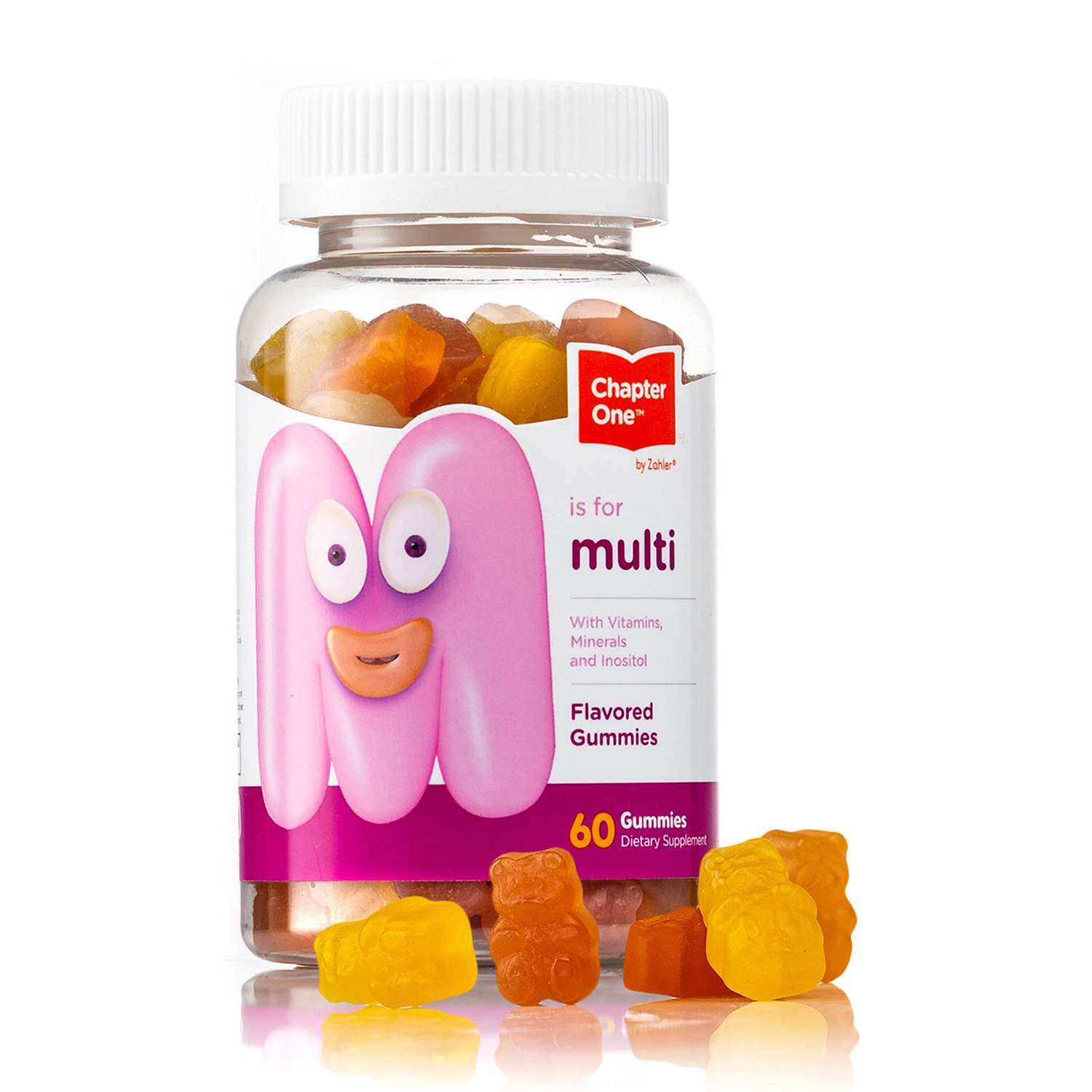
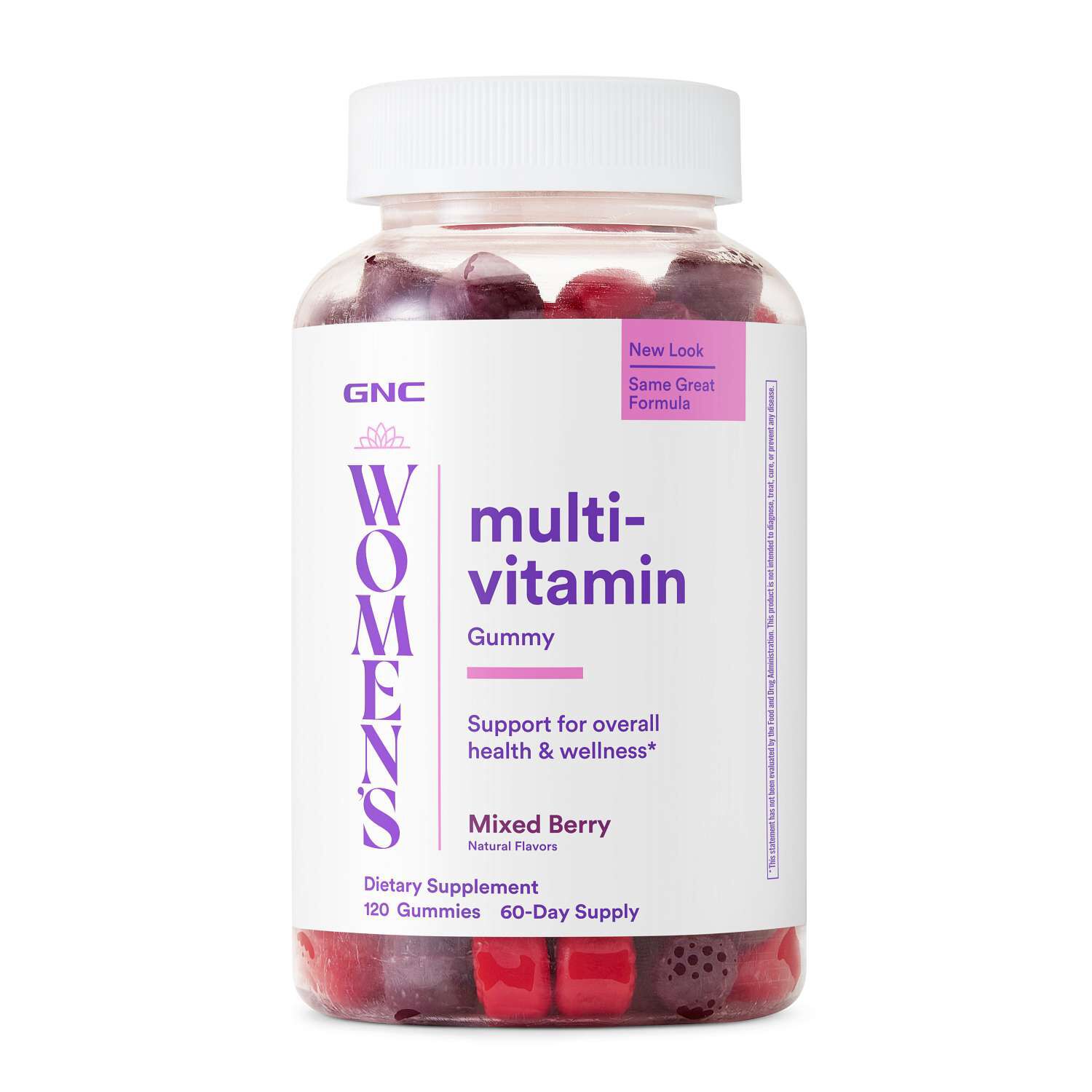
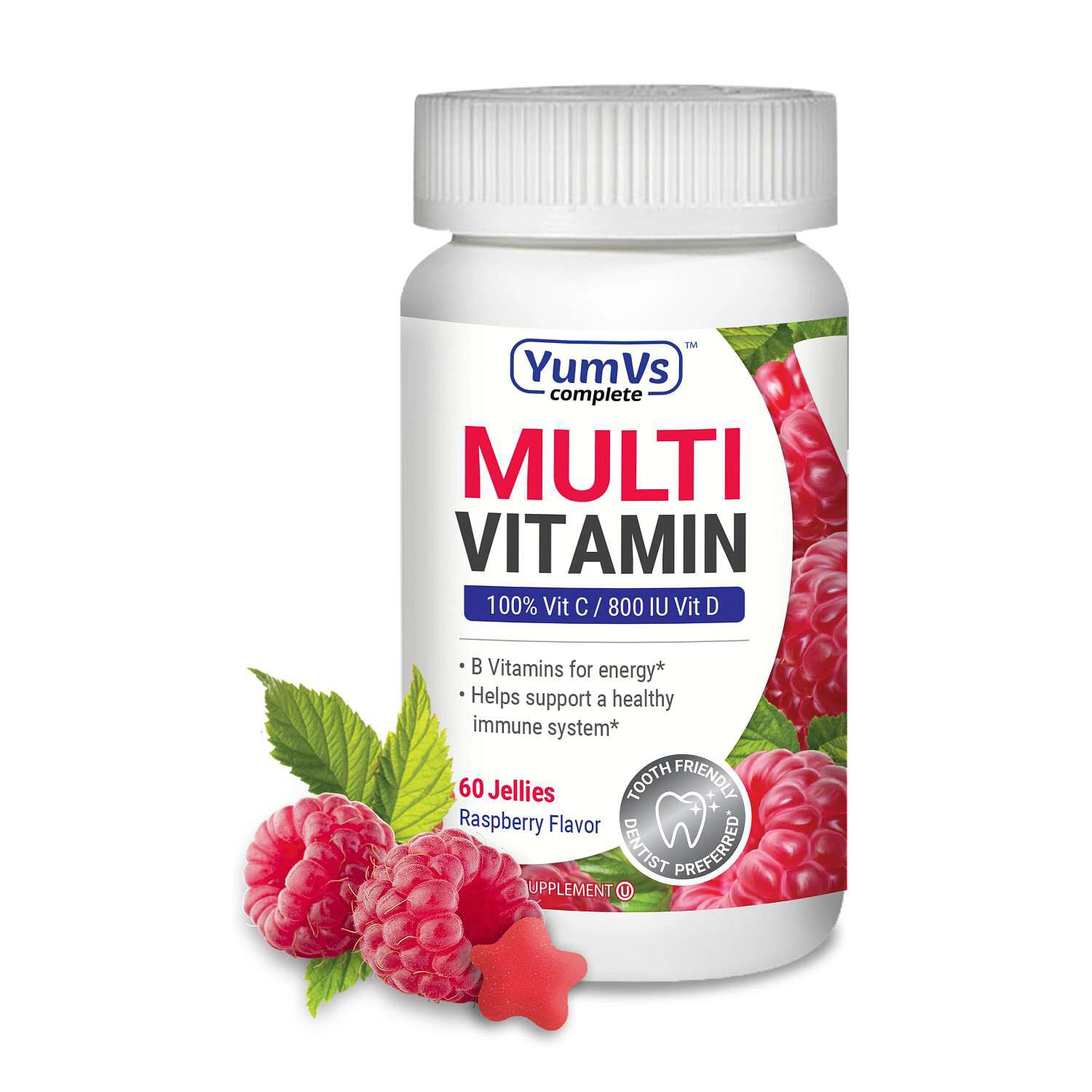
Format is one of the most noticeable differences among daily multivitamins, especially when the supplement becomes part of an everyday habit. Tablets are compressed forms with shapes, dimensions, and surface finishes that vary by formula. Some have a coating, while others have a more visibly textured surface; the label or package description may offer additional details about size and use. Capsules have an outer shell enclosing their contents, and that shell can be made from gelatin or plant-derived materials. A plant-derived capsule shell does not, by itself, describe every ingredient in the formula, so the full ingredient list remains relevant to vegetarian or vegan preferences. Gummies offer a chewable format with distinct flavors, shapes, and textures. Fruit flavor names describe the eating experience rather than the nutrient profile, and similar flavors can accompany very different Supplement Facts panels. Shoppers who prefer this format can also explore Adult Multivitamin Gummies $20 Or Less, with serving size, ingredients, and texture as useful points of comparison. Gummy labels may list pectin or gelatin, along with sugars, sweeteners, colors, and flavoring ingredients. Those details can matter to someone who prefers a particular texture or follows specific dietary practices. A firmer chew and a softer, jellylike texture are different experiences, even when the flavors sound similar. Chewable tablets are another distinct format, generally with a drier texture than gummies. Across formats, the ingredient list describes more than the vitamins and minerals: it also identifies components used for the shell, coating, structure, flavor, or appearance. Allergen statements and dietary certifications provide additional product information, but each statement has a particular scope. A preference for a certain ingredient source is separate from a preference for a certain nutrient amount. Looking at both gives a clearer picture of what is inside the container and what the labeled serving will be like, rather than relying on flavor names, bottle size, or front-label wording alone.
Packaging and care also belong in the conversation around daily multivitamins because these products are usually opened repeatedly over time. Storage directions differ, and the package is the reference for the conditions a particular formula requires. Exposure to moisture, heat, or direct light may affect texture or appearance, especially for chewable formats. A location that matches the label’s storage directions may be more suitable than a steamy bathroom shelf, a sunny windowsill, or a bag left in a parked car. Containers also differ in opening style, label layout, and the amount of space they occupy. A compact bottle may suit a small cabinet, while a larger container may require a different spot; neither size alone indicates the number of labeled servings. The original packaging carries the Supplement Facts panel, ingredient list, directions, date information, and other product details together. These details remain useful after the first opening, particularly when a household has several supplements with similar-looking tablets or capsules. An adult multivitamin’s intended audience is defined by its labeling, not by a gummy shape or fruit flavor. For shared households, readable labels and a designated storage location may make the different containers easier to distinguish. Daily use also has a practical rhythm: opening the container, measuring the labeled serving, and closing it again are small details repeated throughout the life of the bottle. Some shoppers prefer a capsule with little flavor, while others favor a chewable texture; some prioritize a short ingredient list, while others look closely at the nutrient amounts. Those preferences can exist alongside an ordinary routine of meals, work, errands, and travel without turning the supplement into the centerpiece of the day. A thoughtful comparison brings together the formula’s intended use, its labeled serving, its ingredient sources, and its storage needs. The result is a more grounded way to consider daily multivitamins as products with distinct compositions and everyday handling requirements.
- Q: What is a daily multivitamin?
A: A daily multivitamin is a dietary supplement that combines several vitamins and often minerals in one formula. Its label identifies the nutrients included and provides directions for use. - Q: What nutrients are commonly included in daily multivitamins?
A: Daily multivitamins commonly contain vitamins A, C, D, E, and several B vitamins. Some formulas also include minerals such as zinc, iodine, or magnesium. Nutrient combinations vary by formula. - Q: What forms do daily multivitamins come in?
A: Common multivitamin formats include tablets, capsules, softgels, gummies, liquids, and powders. Each format has its own directions for use, so check the package label. - Q: How is a multivitamin different from a single-nutrient supplement?
A: A multivitamin combines several vitamins and may include minerals, while a single-nutrient supplement focuses on one vitamin or mineral. Comparing labels shows which nutrients each formula contains and in what amounts. - Q: What does percent Daily Value mean on a multivitamin label?
A: Daily Value is a reference amount for a nutrient used on U.S. nutrition labels. The percent Daily Value, shown as %DV, indicates how much one serving contributes to that reference amount.
Best Sellers

Related Pages


Top Collections
- Joint Mobility Supplement Packs
- Daily Collagen Supplements | Top Brands & Deals | GNC
- GLP 1 Support For Adults
- Zinc Supplements | Top Brands at Great Prices | GNC
- Supplements For Yoga Joint Flexibility
- Supplements For Balance
- Capsule Supplements For Energy And Stamina
- Adult Mobility Supplements
- Chronic Fatigue Supplements
- Vitamins For Hair Loss