





Fiber Powders $25 Or Less
(0 Results)
Shop fiber powders for $25 or less to find a powdered fiber supplement that fits your budget. Compare fiber per serving, servings per container, and preparation directions to choose an option that suits your daily routine.
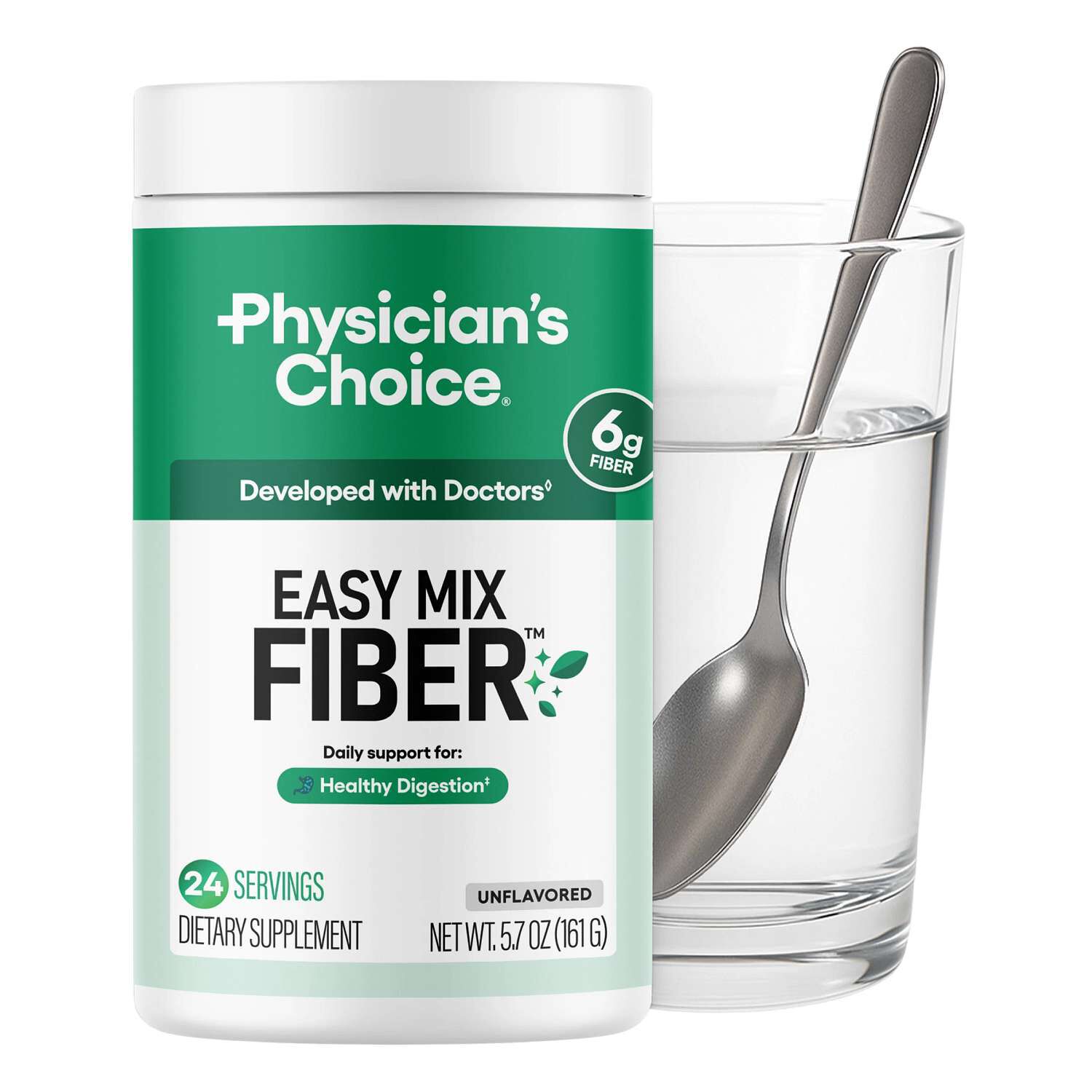
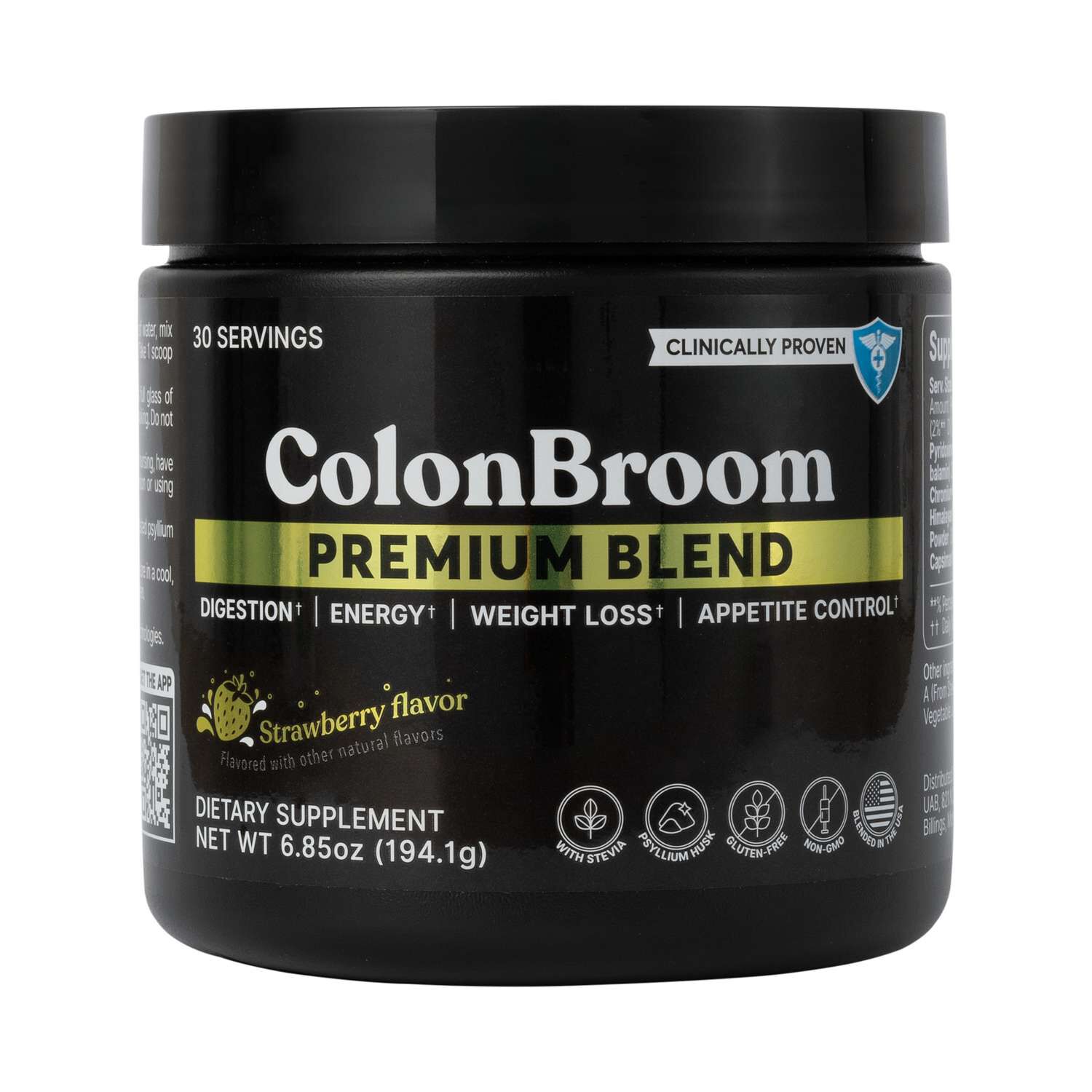
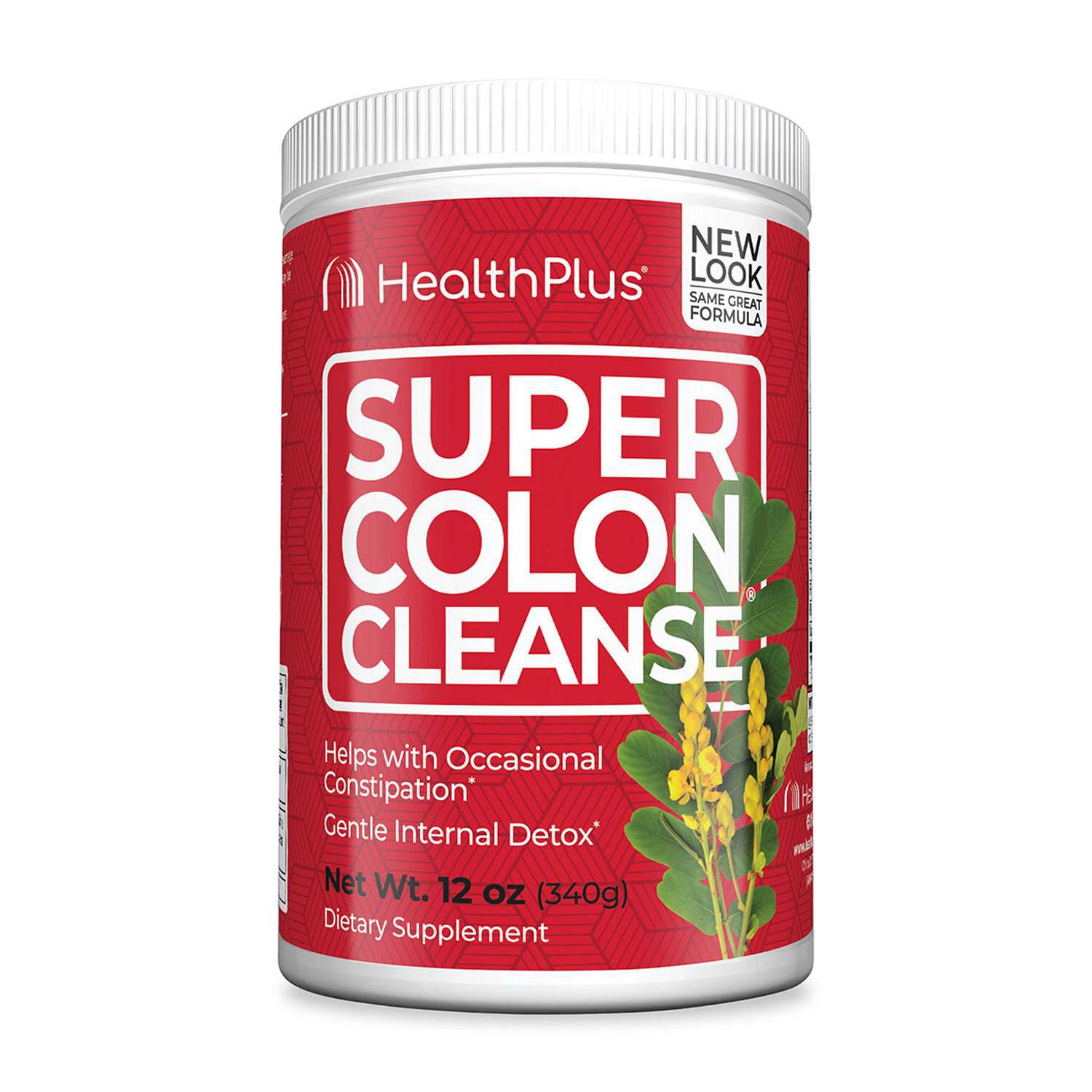
Fiber powders are dietary supplements intended to add fiber to an eating routine in a measured, mixable form. Whole grains, beans, fruits, and vegetables are familiar food sources of fiber, while powders provide a separate format with their own ingredients, serving sizes, and preparation directions. The category includes fibers derived from sources such as psyllium seed husks, chicory root, acacia, corn, and wheat. Those ingredient names describe different starting materials, not interchangeable formulas. A powder made with one fiber source can differ from a blend in flavor, texture, and the amount of dietary fiber listed per serving. Soluble and insoluble fiber are also useful terms for understanding the category: soluble fiber dissolves in water, while insoluble fiber does not dissolve in the same way. Some soluble fibers may form a thicker, gel-like mixture, although texture depends on the ingredient, concentration, and preparation. For shoppers comparing fiber powders, the grams of dietary fiber per serving are distinct from the weight of the powder itself. A scoop that weighs several grams does not necessarily contain that same amount of dietary fiber, because a formula can include flavorings, sweeteners, or other ingredients. The serving information and ingredient list provide a clearer picture than container size alone. Unflavored and flavored formulas also serve different preferences. An unflavored powder may suit someone who wants to keep the familiar taste of a smoothie or breakfast bowl, while a flavored version may work better as a drink prepared on its own. Unflavored does not always mean that a mixture will have no noticeable taste or texture; the fiber source still matters. Someone who enjoys a thick shake may have different expectations from someone who prefers a light drink alongside lunch. These distinctions make fiber powders a category where the details on the label matter as much as the format.
Everyday preparation is another part of finding a suitable match. A powder intended for mixing into a beverage has different practical considerations from a capsule or chewable supplement: the liquid amount, mixing method, and time between preparation and drinking all deserve attention. Package directions establish the intended method, whether that involves stirring, shaking, or another specified approach. Some mixtures may become thicker as they sit, and a drink prepared just before breakfast may have a different consistency from one left on a desk through a long meeting. A spoon, shaker bottle, and blender are not necessarily interchangeable for every formula. The preparation directions identify the appropriate method rather than leaving the choice to guesswork. When the label permits mixing with foods, the existing texture of the food matters, too. A spoonable bowl of yogurt, a blended fruit smoothie, and a glass of water start with very different consistencies, so the same powder may be more noticeable in one than another. A thick smoothie may accommodate a fuller texture, whereas a simple beverage may make subtle changes in mouthfeel more apparent. Flavor pairings deserve the same consideration. A citrus-flavored powder may suit a fruit-based drink but seem out of place in a cocoa smoothie; an unflavored formula may be more adaptable, though personal preferences still vary. For an adult who blends breakfast before heading to work, a formula with directions suited to that routine may be a practical fit. Someone who usually eats breakfast away from home may prefer a format that does not require carrying a large container and measuring utensil. Preparation equipment also belongs in the decision: a routine built around a kitchen blender is different from one limited to a cup and spoon at the office. These are practical distinctions, not measures of which format is better. The most suitable choice depends on the intended use, the labeled preparation method, and the texture and flavor someone enjoys.
Packaging, storage, and label clarity round out the comparison. Larger tubs, smaller containers, and individually portioned packets each involve different handling considerations. A tub requires measuring according to its directions, while a packet has a specified portion that still needs to be checked against the serving information. A scoop’s size is specific to its formula, so a utensil from another container is not a reliable reference. The number of servings also deserves a separate look from the container’s physical dimensions. For home storage, the package directions provide the appropriate conditions, and a securely closed lid and dry measuring utensil may help limit moisture exposure. Powder around the rim, damp utensils, and loosely folded packets are small handling details that may affect how neatly a container stores between uses. The printed date and any instructions about use after opening are part of product care as well. For adults managing a shared kitchen or packing a bag for the workday, a clearly labeled original container may make the preparation details easier to keep at hand. Ingredient preferences remain relevant beyond the fiber source: sweeteners, colors, flavorings, and declared allergens all belong in the comparison. A plant-derived fiber ingredient does not, by itself, describe every other ingredient in the formula. Shoppers browsing supplements alongside exercise nutrition can also explore Fiber Sports Powders as a related category, with the same attention to serving information, preparation, and intended use. Fiber powders are not all formulated to serve the same purpose as protein powders or drink mixes, even when the containers look similar. Their place in a routine is defined by the dietary fiber they contain and the instructions on the label. Taken together, ingredient source, fiber per serving, flavor, mixing characteristics, and packaging provide a grounded way to compare the category without treating every powder as the same experience.
- Q: What is fiber powder?
A: Fiber powder is a dietary supplement that provides fiber in a powdered format. It is designed to be mixed with foods or beverages, with preparation directions varying by formula. - Q: What types of fiber are commonly used in fiber powders?
A: Common fiber sources include psyllium husk, inulin, wheat dextrin, and acacia fiber. Formulas may contain a single fiber source or a blend. Check the ingredient list to identify the sources in a particular formula. - Q: How can fiber powders be incorporated into foods and drinks?
A: Depending on the formula, fiber powders may be mixed into water, smoothies, yogurt, or oatmeal. Follow the package's preparation directions, since mixing methods and suitable foods or beverages can vary. - Q: What is the difference between flavored and unflavored fiber powders?
A: Flavored fiber powders contain ingredients that add a particular taste, such as fruit flavoring. Unflavored powders do not have an added flavor profile, though their ingredients may still contribute some taste or texture. - Q: What information should I compare on fiber powder labels?
A: Compare the listed fiber sources, dietary fiber content, flavorings, sweeteners, and other added ingredients. The Nutrition Facts or Supplement Facts panel and ingredient list can help you understand how formulas differ.
Best Sellers
-
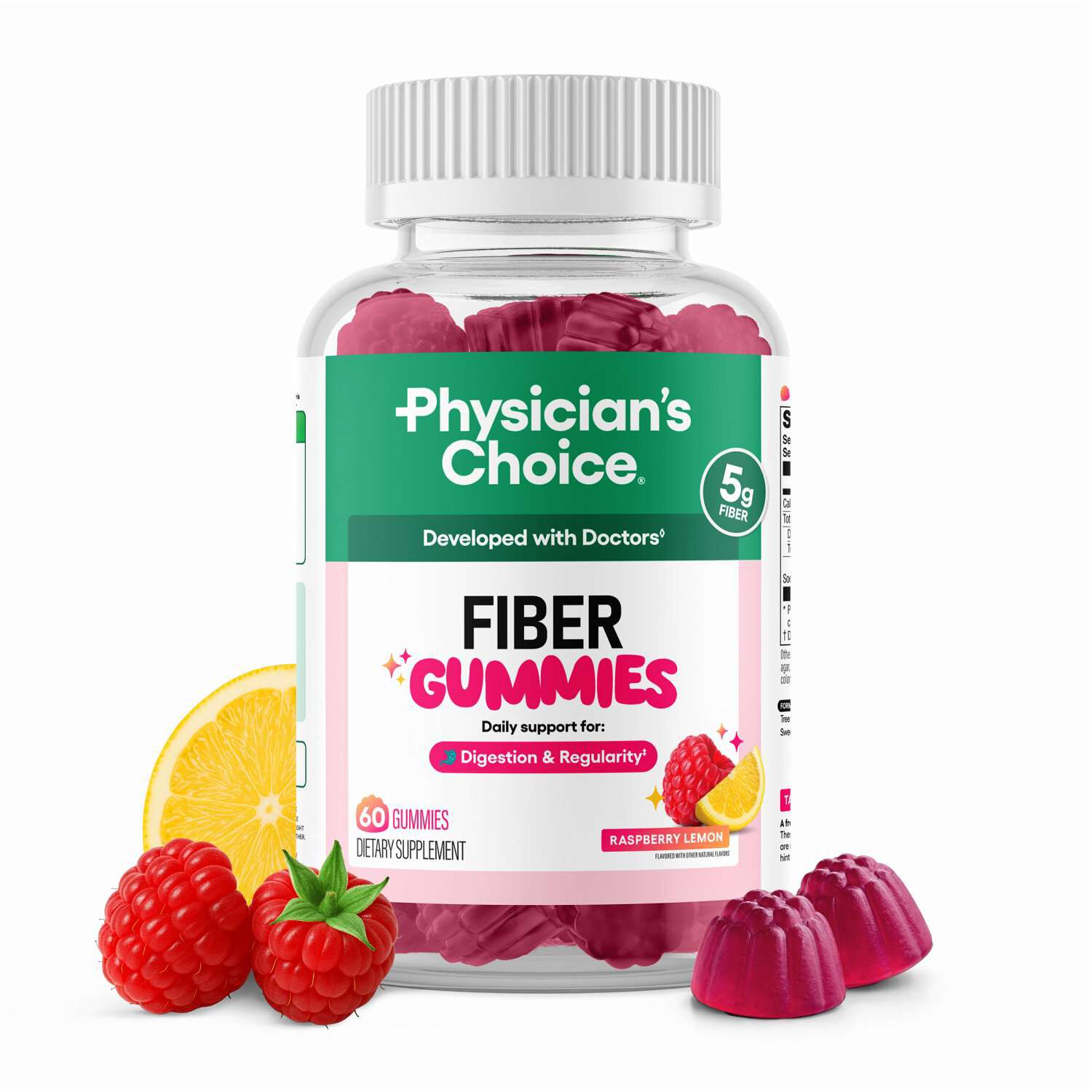 Physician's Choice
-
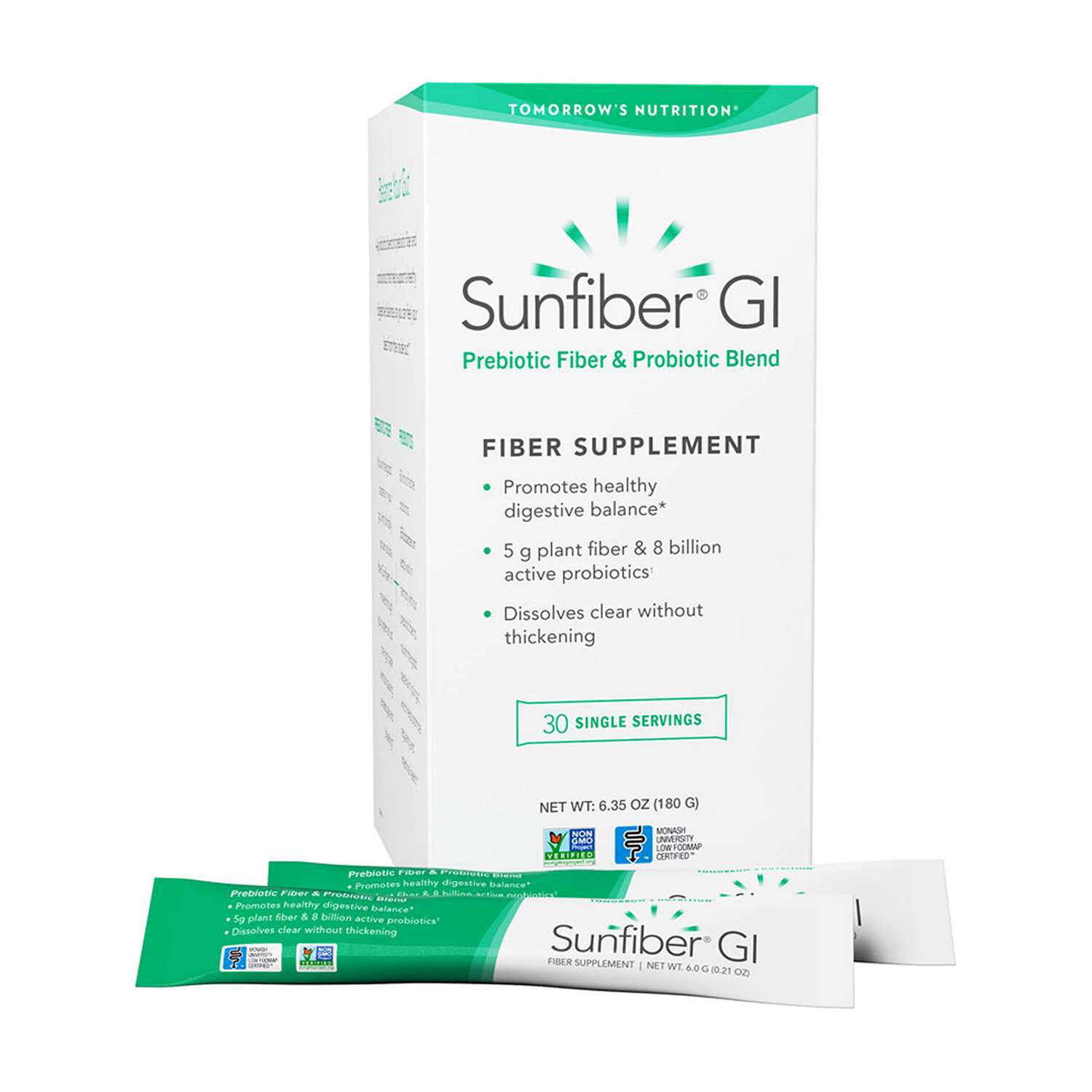 Tomorrow's Nutrition
-
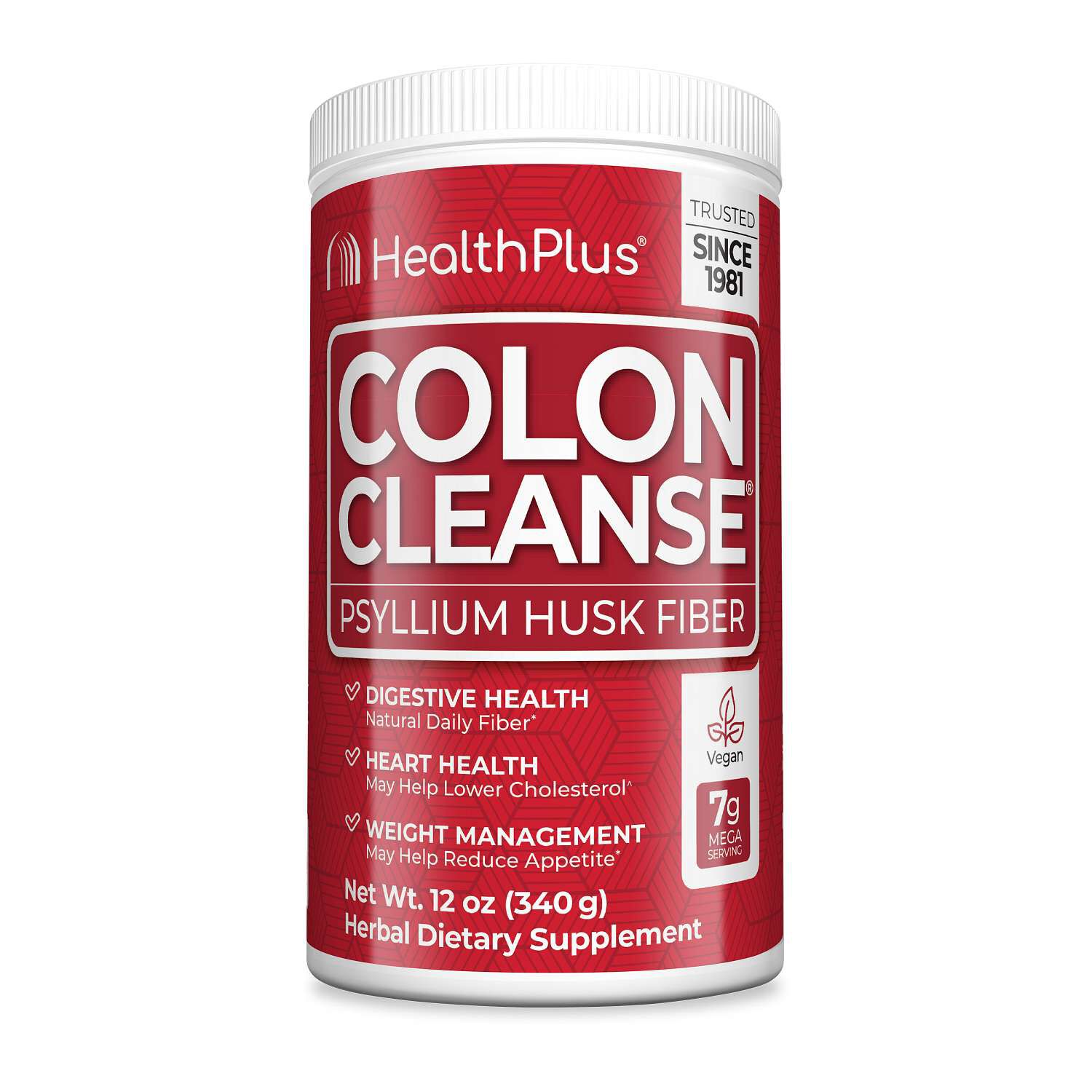 Health Plus

Related Pages
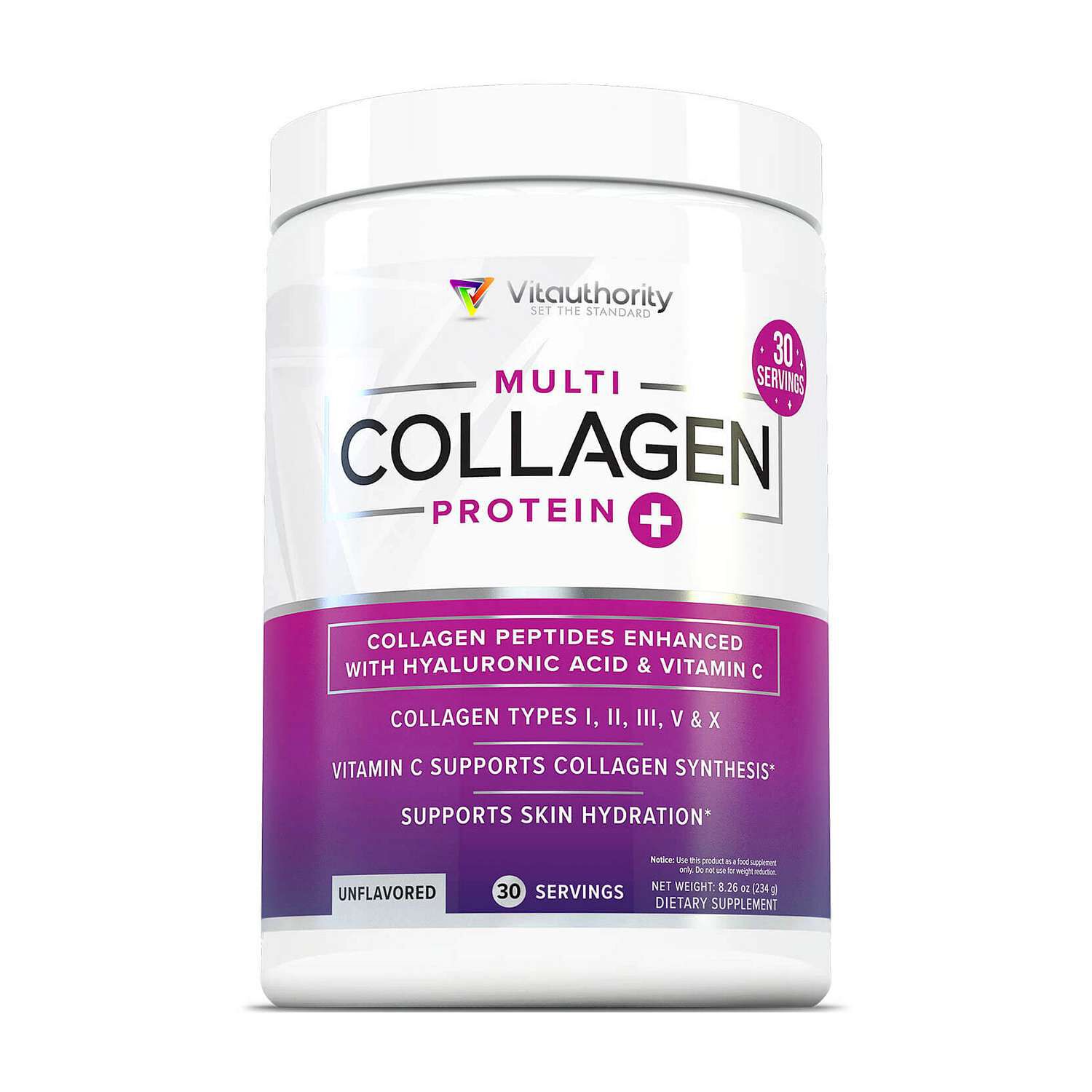
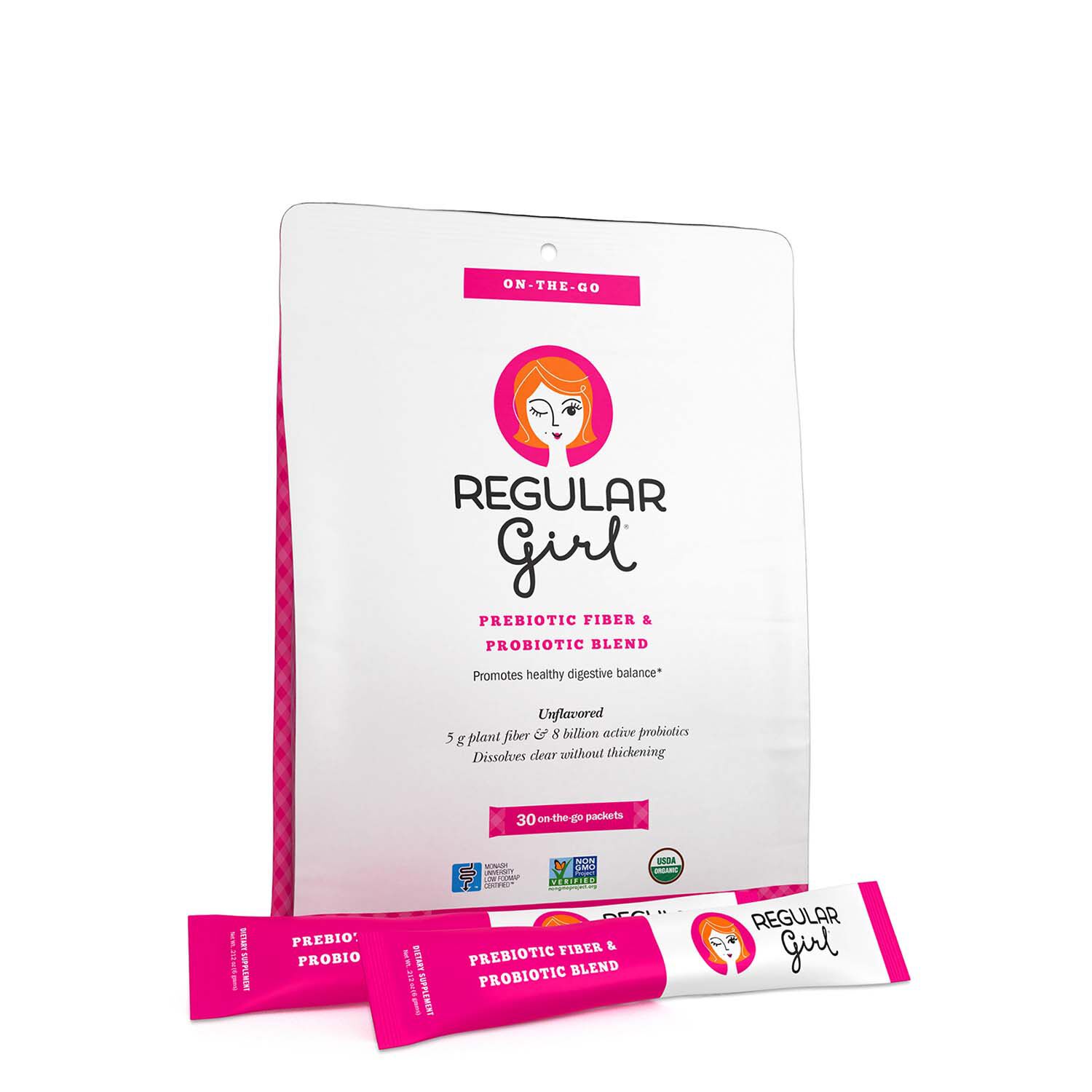

Top Collections
- Joint Mobility Supplement Packs
- Daily Collagen Supplements | Top Brands & Deals | GNC
- GLP 1 Support For Adults
- Zinc Supplements | Top Brands at Great Prices | GNC
- Supplements For Yoga Joint Flexibility
- Supplements For Balance
- Capsule Supplements For Energy And Stamina
- Adult Mobility Supplements
- Chronic Fatigue Supplements
- Vitamins For Hair Loss