





Protein Powder $30 And Under
(0 Results)
Shop protein powder for $30 and under to find options within your budget. Compare container size, serving count, and protein per serving alongside the listed price to choose a powder that fits your routine and offers the value you’re looking for.
-
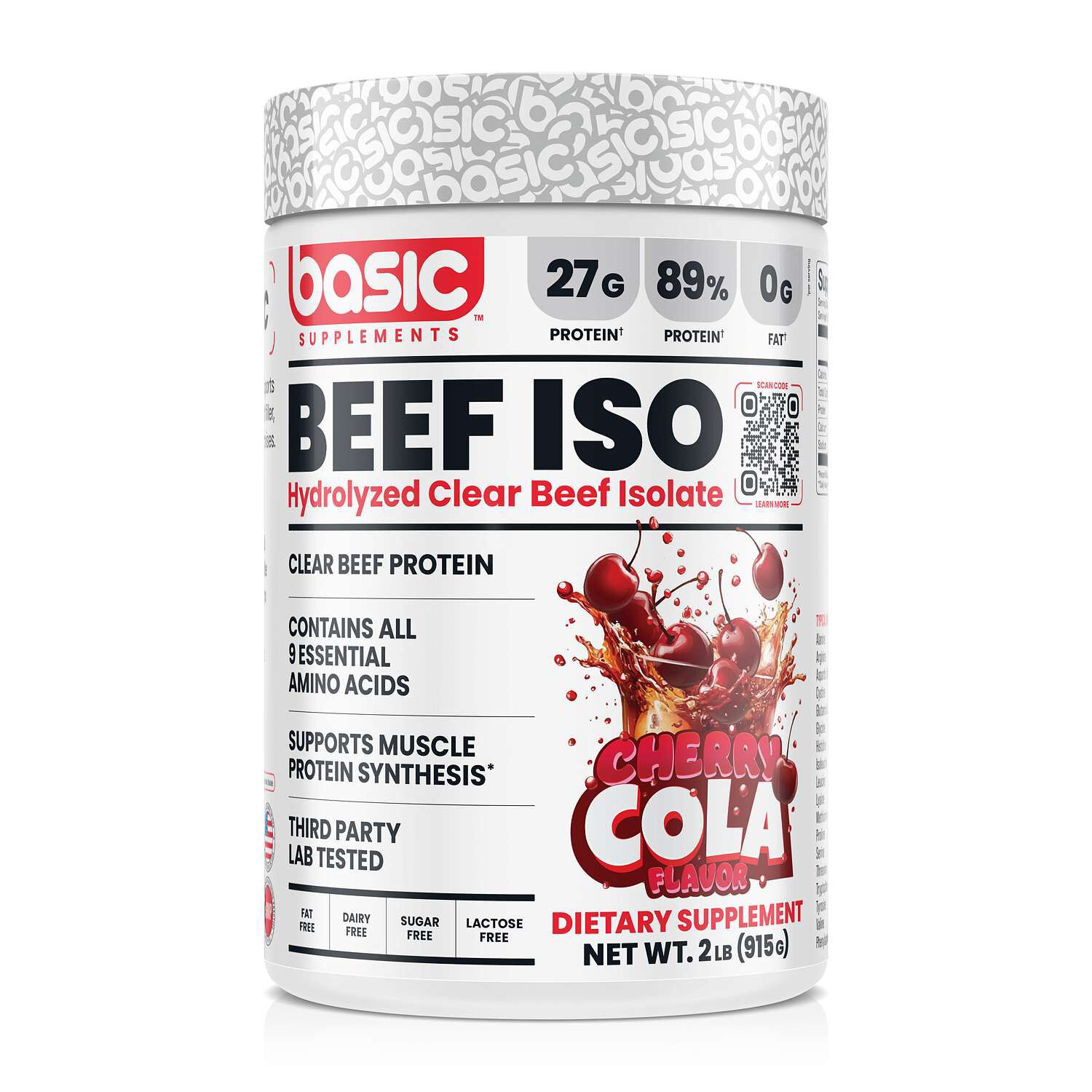
-
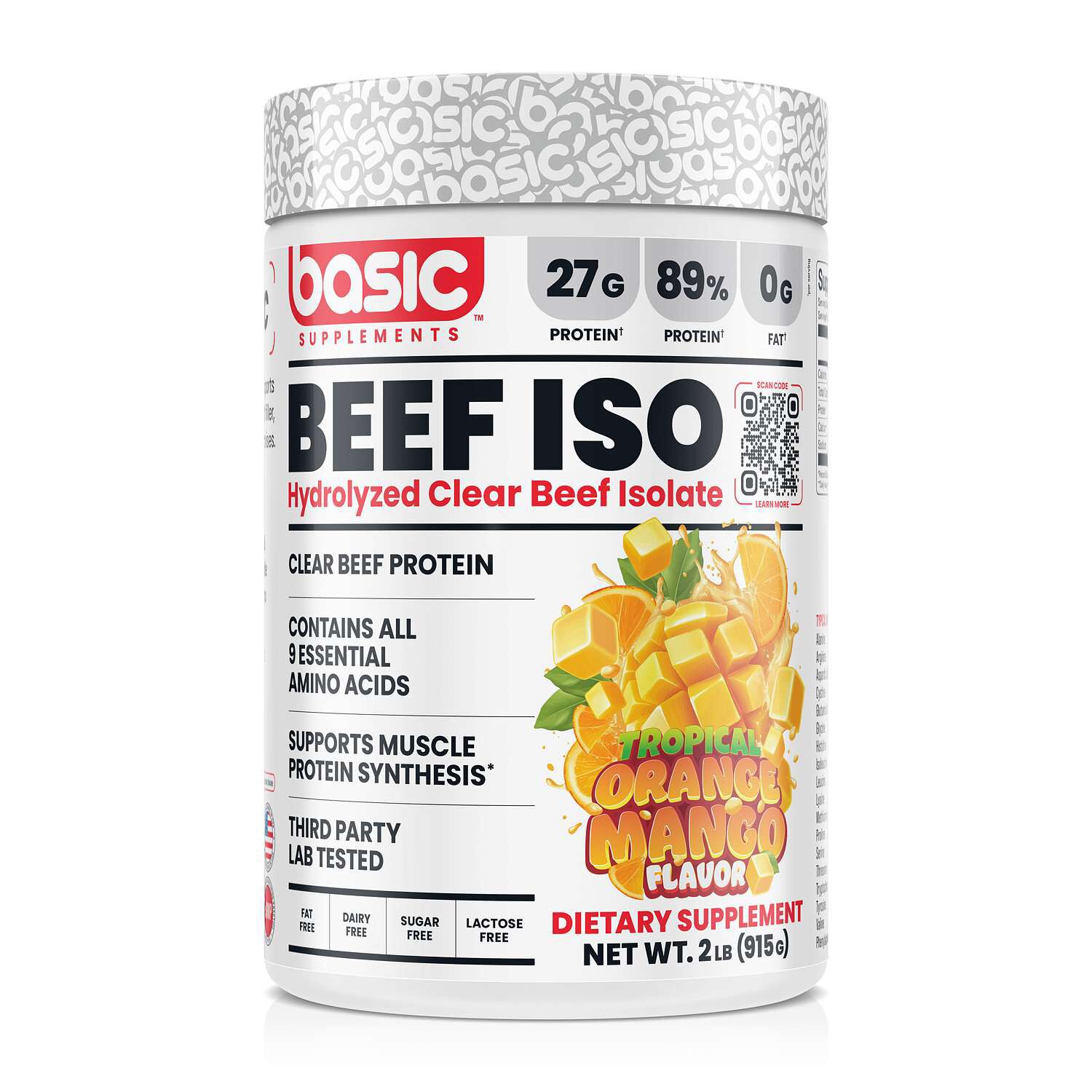
-
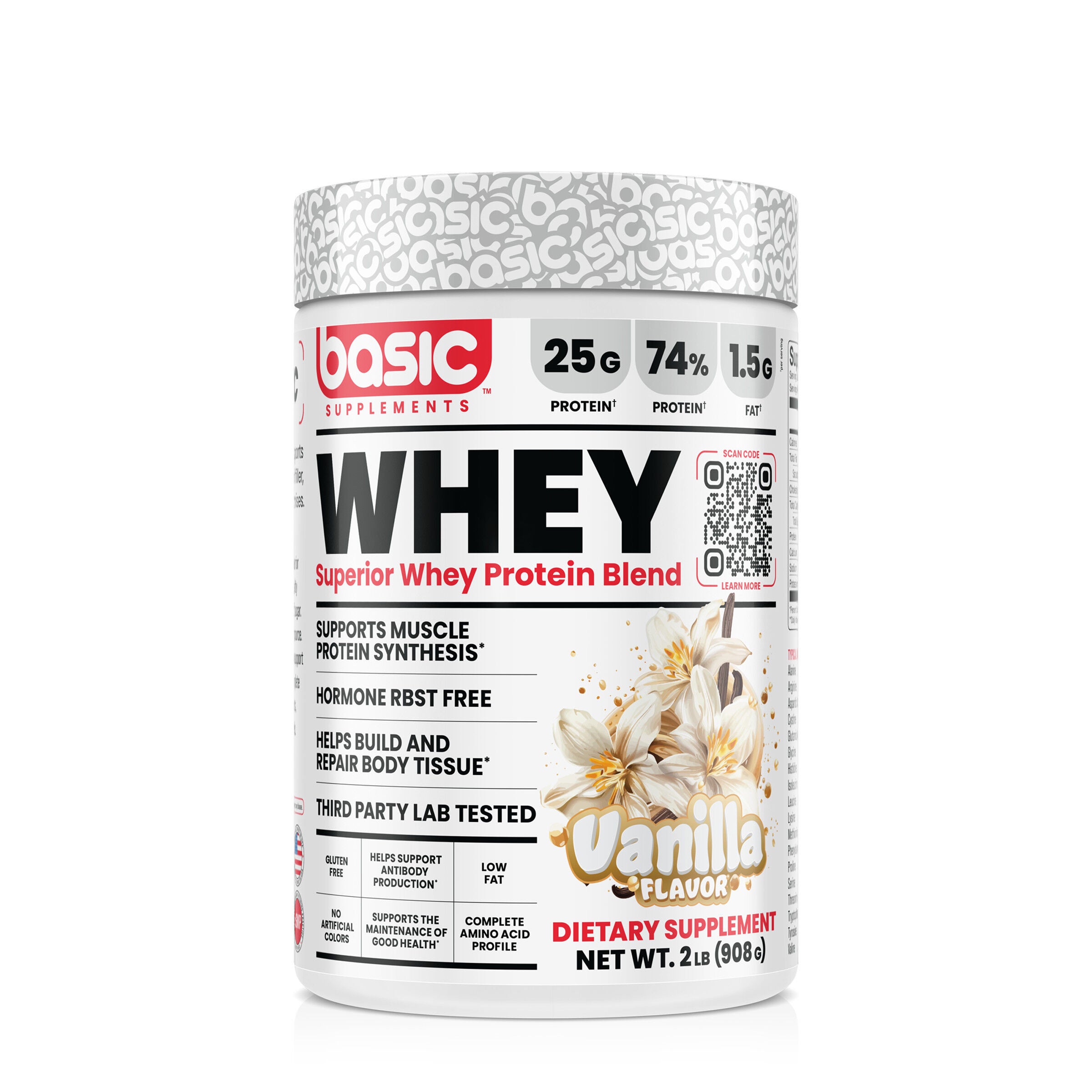
-

-
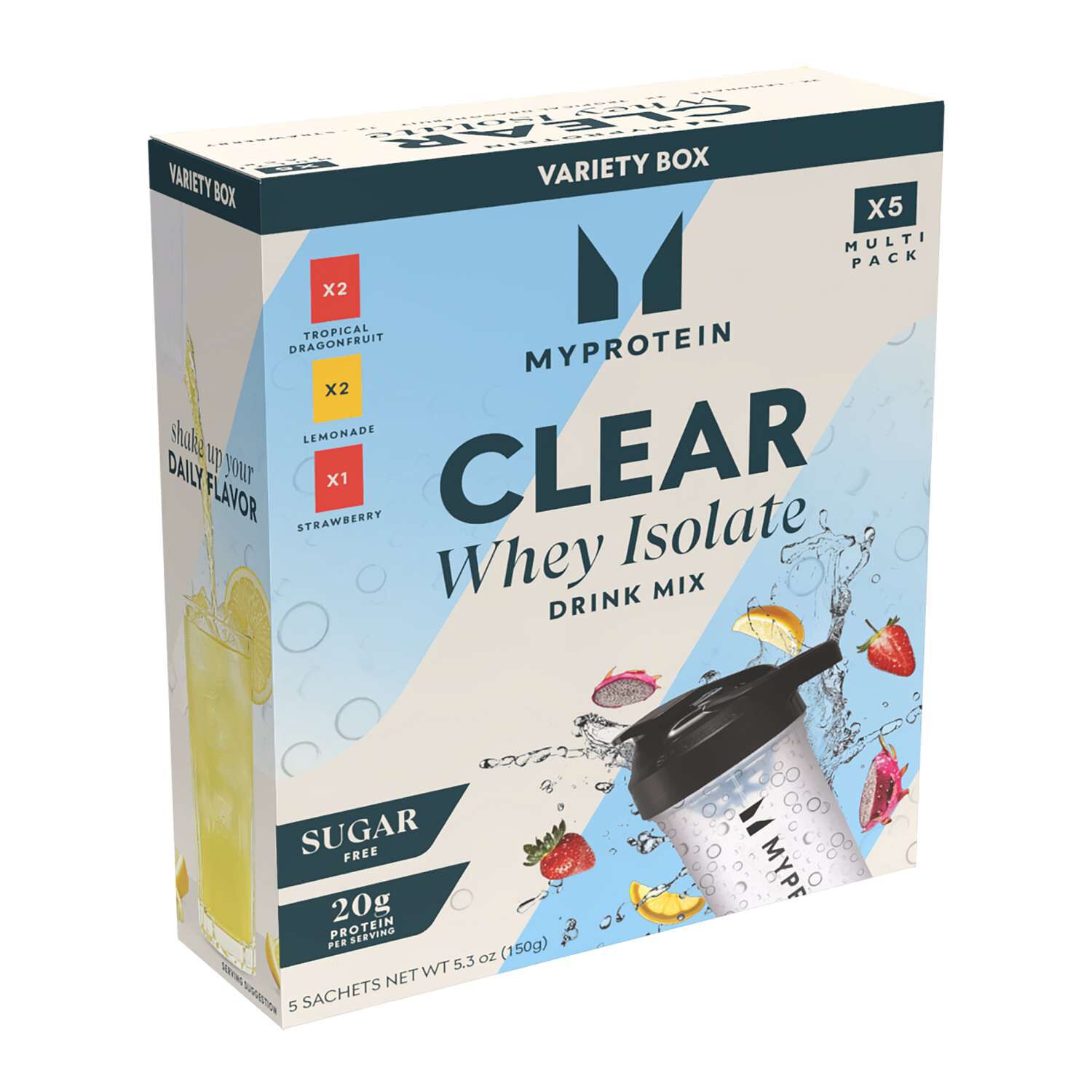 $12.99
-
-

-

-

-

-
-

-

-
 $29.99
-
 $29.99
Protein powder is a concentrated source of dietary protein, commonly made from milk or plant ingredients and mixed into drinks or foods. Within this category, the most useful distinctions include protein source, protein per serving, flavor, texture, and the other ingredients listed on the label. Whey comes from milk and appears in several forms, including concentrate and isolate. These forms differ in processing and composition, so their amounts of protein, carbohydrate, fat, and lactose are worth comparing on the Nutrition Facts panel rather than assuming every whey powder is alike. Casein is another milk-derived protein, while plant-based choices may use ingredients such as pea, soy, or rice. Some formulas combine multiple protein sources; others feature just one. For shoppers with dietary preferences or food allergies, the ingredient list and allergen statement provide more detail than the flavor name or front label alone. Dairy-derived powders are distinct from plant-based formulas, but a plant-based label does not describe every ingredient or manufacturing consideration. Serving size matters just as much as the protein number: two powders with different scoop sizes are not directly comparable by scoop alone. The grams of powder per serving, grams of protein, and servings per container provide a clearer picture of each formula. Added sugars, sweeteners, flavorings, and other ingredients also vary, giving shoppers different options for their preferred routine. An adult who blends a shake after a gym session may want a different texture from someone who mixes protein into breakfast oats before leaving for work. Someone who already enjoys a substantial breakfast may prefer a smaller prepared portion, while another shopper may follow the labeled serving in a separate drink. Protein powder is one part of a broader eating pattern, not automatically the nutritional equivalent of a meal. Its appeal lies in a portioned format, with the details of each formula helping determine where it belongs in an everyday routine.
Flavor and mixability shape how a protein powder may fit into that routine. Chocolate and vanilla are familiar starting points, while an unflavored formula may suit foods where a sweet taste would be less welcome. Unflavored does not necessarily mean tasteless: milk-derived and plant-derived ingredients each have their own character, and that character may remain noticeable in a simple water-based shake. Water keeps the preparation straightforward, while milk or a plant-based beverage changes the drink’s flavor and nutritional profile. The chosen liquid also contributes to the finished consistency, so the same powder may feel different in a small shaker than in a larger blended drink. A formula mixed with less liquid may produce a thicker result; more liquid may create a lighter texture. Directions on the container provide the intended starting proportions. For someone leaving the gym with a shaker in hand, a smooth texture with minimal mixing may be a priority. For someone making breakfast at home, a blender preparation with banana, oats, or nut butter may suit the occasion. Those added ingredients contribute their own nutrients and flavor, so the finished drink is different from the powder alone. A vanilla powder stirred into plain yogurt may bring a sweeter flavor, while a cocoa-flavored powder may pair with a bowl of oats and sliced fruit. Results vary by formula, particularly when powders are heated or incorporated into baked foods. Recipes designed for the chosen type of protein powder may offer a more suitable starting point than replacing flour by equal volume. In a shaker bottle, placing the liquid beneath the powder and leaving room for movement may help the mixture combine more evenly. A blender may be useful for thicker combinations or recipes with solid ingredients. These everyday details distinguish a powder intended for a quick drink from one selected mainly for kitchen use, even when the protein source is similar.
Container design, storage directions, and portioning are practical considerations alongside taste. Tubs and resealable pouches have different handling characteristics: a wide opening may make scooping easier on a kitchen counter, while a flexible pouch may fit more comfortably into a narrow cabinet. The closure matters for repeated use, whether it is a screw-top lid or a resealable opening. Following the labeled storage directions, closing the package securely, and using a dry scoop may help preserve the powder’s intended condition between servings. The printed date and any instructions for use after opening are relevant details for a container that will be used gradually. A scoop is a measuring aid, but serving directions are specific to the formula; a scoop from another container is not an interchangeable measure. For a commuter or an adult who exercises away from home, carrying a labeled portion of dry powder separately from the mixing liquid may suit the day’s schedule. Prepared drinks have different storage needs from dry powder, with the container directions and the chosen liquid informing how they are handled. Protein powder may also make a thoughtful gift for an adult who already enjoys shakes, provided the recipient’s preferred protein source, flavors, and dietary requirements are known. Familiar preferences are more useful than assumptions about fitness goals, especially when choosing between dairy-derived and plant-based formulas. A recipient who enjoys baking may appreciate a different flavor profile from someone who mixes every serving with water. For shoppers exploring another powdered supplement category, Fiber Powders $25 Or Less features a different type of formula with its own ingredients and serving directions. Across protein powders, a suitable match depends on the whole combination: the labeled nutrition, the preparation method, the taste someone enjoys, and the way the package fits into daily life.
- Q: What are common types of protein powder?
A: Common protein powder sources include whey, casein, soy, pea, and rice. Whey and casein come from milk, while soy, pea, and rice are plant-based sources. Some formulas combine more than one protein source. - Q: How do flavored and unflavored protein powders differ?
A: Flavored protein powders typically contain ingredients that add tastes such as chocolate or vanilla. Unflavored varieties generally have fewer added flavorings, though the protein source itself may have a noticeable taste. - Q: What can I mix protein powder with?
A: Water, milk, and plant-based beverages are common choices for mixing protein powder. For a smoothie, you could also blend it with fruit, yogurt, oats, or nut butter. - Q: How can I use protein powder in everyday recipes?
A: You could stir protein powder into oatmeal or yogurt, or use it in pancake, muffin, and overnight oat recipes. Recipes written specifically for protein powder may offer a useful starting point because different formulas can behave differently when mixed or baked. - Q: What ingredients should I compare when choosing protein powder?
A: Compare the protein source, sweeteners, flavorings, and thickeners listed on the label. Ingredient lists can also help you distinguish single-source powders from blends and find formulas that match your taste and dietary preferences.
Best Sellers


Related Pages

Top Collections
- Joint Mobility Supplement Packs
- Daily Collagen Supplements | Top Brands & Deals | GNC
- GLP 1 Support For Adults
- Zinc Supplements | Top Brands at Great Prices | GNC
- Supplements For Yoga Joint Flexibility
- Supplements For Balance
- Capsule Supplements For Energy And Stamina
- Adult Mobility Supplements
- Chronic Fatigue Supplements
- Vitamins For Hair Loss