Fiber Gummies Under $25
(0 Results)
Find fiber gummies under $25 with more than the bottle price in mind. Compare flavors, ingredients, and fiber per serving to choose a budget-friendly option that fits your preferences and everyday routine.
-
-

-
 $17.97
-
 $17.99
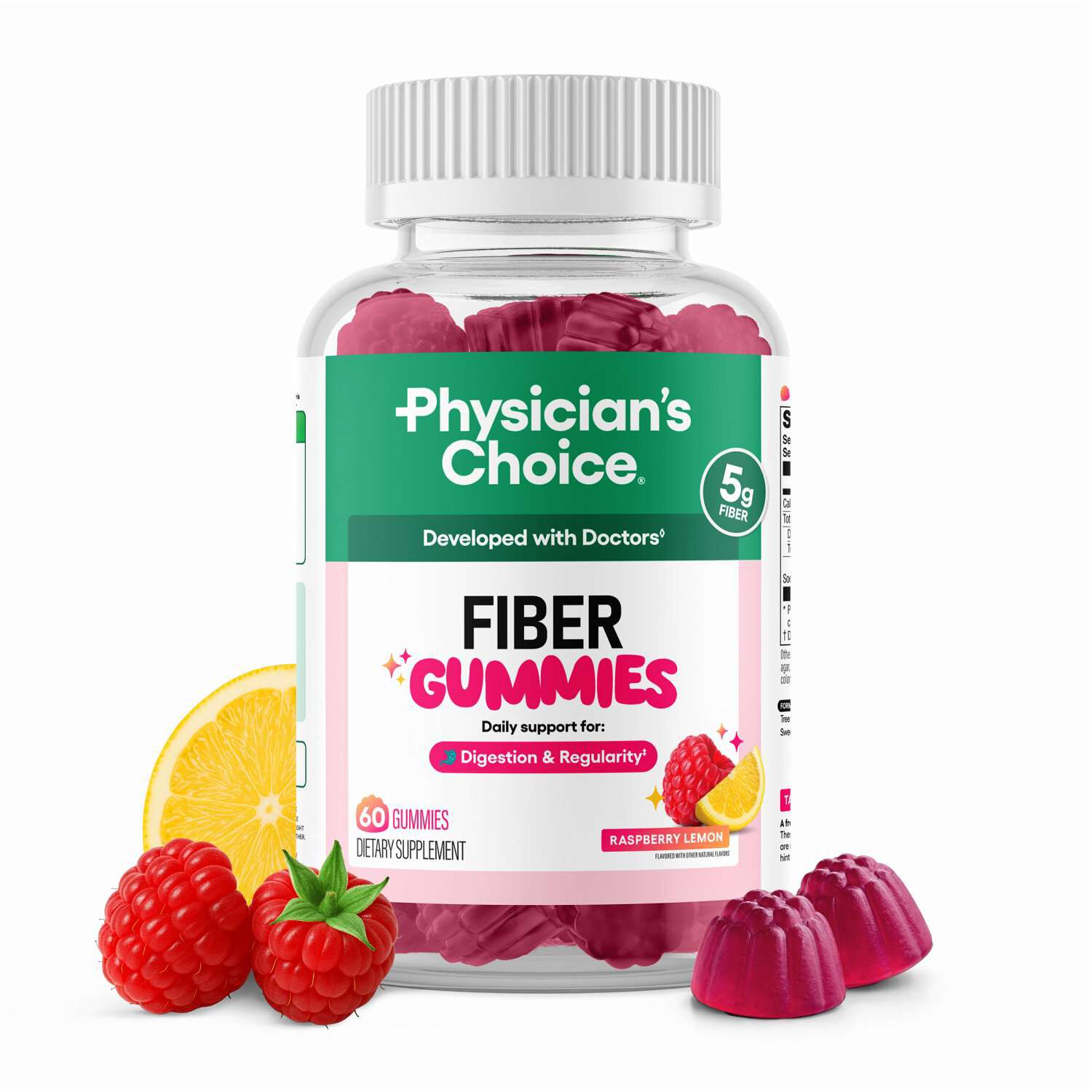
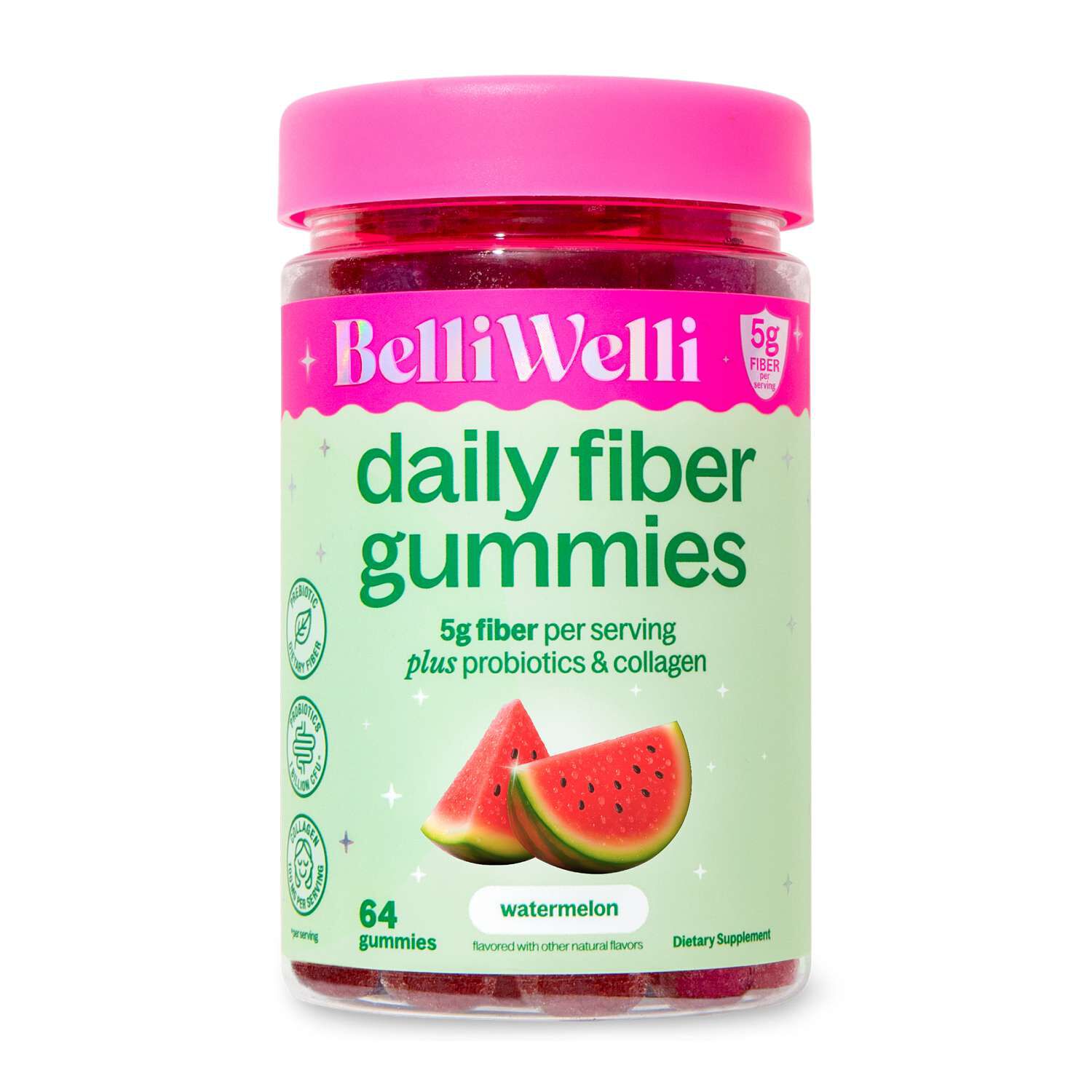
Fiber gummies bring a familiar, chewable format to a supplement category often associated with powders and capsules. For adults who prefer a flavored chew to a drink mix, they may offer another way to include supplemental fiber in an everyday routine. Dietary fiber occurs naturally in foods such as beans, lentils, oats, pears, and vegetables, while gummy supplements contain measured amounts of fiber within a formulated chew. The distinction matters: a gummy is a dietary supplement, not a replacement for the variety found in everyday meals. Formulas differ in their fiber sources, sweetness, texture, and serving size, making the label more informative than the shape or color of the gummy. Depending on the formula, an ingredient list may name inulin, chicory root fiber, soluble corn fiber, or another fiber ingredient. Soluble fiber dissolves in water, while insoluble fiber does not readily dissolve; the source listed on the package provides context for the kind of fiber included. Other ingredients give gummies their familiar consistency. Pectin is a plant-derived gelling ingredient, while gelatin comes from animal sources, and the choice between them can matter to shoppers with particular dietary preferences. A tender fruit chew, a firmer bite, and a lightly coated surface describe different eating experiences, even when the dietary fiber amounts are similar. Fruit-inspired flavors may range from citrus to berry, with single-flavor and mixed-flavor formats offering different experiences across a bottle. Flavor names, however, do not establish how much fruit a formula contains or explain its nutritional composition. Sweeteners, flavoring ingredients, and coloring ingredients have their own roles in the formula and appear separately from the fiber source on the ingredient list. Together, these details give fiber gummies their character: a measured supplement portion presented in a format that emphasizes taste and texture, without the preparation associated with stirring a powder into a glass.
For shoppers exploring Fiber Enriched Gummies, the Supplement Facts panel provides a useful foundation for understanding differences between formulas. Dietary fiber is listed in grams per serving, and a serving may consist of more than one gummy. The number of pieces in a bottle therefore does not necessarily equal the number of servings. A package containing smaller chews can have a different serving pattern from one containing larger chews, even when the bottles look similar on a shelf. The weight of a gummy is also separate from its dietary fiber content, since the chew includes ingredients used for sweetness, shape, and texture. Serving size, servings per container, and grams of dietary fiber describe different aspects of the same supplement, and none should be inferred from the bottle’s dimensions. Sugar content deserves its own look rather than an assumption based on taste. A sweet flavor can come from different combinations of sugars and other sweetening ingredients, so the nutrition information and ingredient list provide more detail than a fruit name or colorful package. Some formulas include sugar alcohols, which are distinct from dietary fiber and should be considered separately when reviewing ingredients. Dietary preferences add another layer to the comparison. Someone who avoids animal-derived ingredients may look closely at the gelling agent as well as the rest of the formula; pectin alone does not establish that every ingredient meets a particular dietary standard. Allergen statements and clearly stated dietary attributes also matter when a household has ingredient restrictions. Package wording is more useful than assumptions based on a gummy’s appearance, flavor, or plant imagery. Age guidance is equally important, because a fruit-shaped supplement is not necessarily intended for children. Adult and children’s formulas should not be treated as interchangeable. These label details describe intended use more clearly than presentation alone and keep the distinction between a pleasant-tasting chew and an ordinary snack firmly in view.
The everyday appeal of fiber gummies often comes down to how the format fits into a routine. A labeled bottle beside other morning supplements, stored according to its directions, presents a different experience from a tub of powder and a measuring scoop. Gummies do not require a shaker bottle or mixing step, which may appeal to someone who prefers fewer preparation steps before leaving home. That convenience does not change the importance of the labeled serving directions or make extra pieces part of the intended use. Their resemblance to fruit chews makes thoughtful storage especially relevant: the original container keeps the ingredient list, age guidance, serving information, and other package directions together. A securely closed lid and storage that follows the label are practical considerations for maintaining the intended texture and condition of the gummies. Leaving a bottle open or transferring chews to an unmarked snack container separates them from information that matters. For a workday or time away from home, space for the labeled container may be a more useful consideration than the appeal of a small, unlabeled pouch. Bottle shape, closure design, and the size of each chew can also influence everyday handling, although none of these features indicates the amount of fiber in a serving. Texture preferences remain personal: one shopper may prefer a soft bite, while another may favor a firmer chew with less surface coating. A mixed-flavor assortment may appeal to someone who enjoys variety, while a single flavor may suit someone who prefers a consistent taste. The most relevant distinctions are concrete ones—fiber source, measured serving, ingredient profile, dietary labeling, and storage directions. Viewed together, those details help describe what a fiber gummy is intended to offer as a supplement format, beyond its candy-like appearance, and how it might fit alongside ordinary meals and an established daily routine.
- Q: Are fiber gummies and prebiotic gummies the same thing?
A: The terms can overlap, but they are not interchangeable. Some fiber gummies are labeled as prebiotic. Check the product description and ingredient list to see how a particular formula is identified. - Q: Does no added sugar mean a gummy contains no sugar?
A: No. A no-added-sugar statement does not necessarily mean the product contains no sugar. Review the sugar information and ingredient list, including any sweeteners, to compare formulas. - Q: How can I identify vegan fiber gummies?
A: Look for an explicit vegan statement on the product label or description, then review the ingredient list. A fruit flavor alone does not establish that a gummy is vegan. - Q: Do fiber gummies need to be mixed with water?
A: Gummies are a chewable format rather than a powder that needs mixing. Check the individual product's directions for how it is intended to be used. - Q: Are fiber gummies the same as gummy vitamins?
A: They are different product categories, although formulas can overlap. Fiber gummies focus on fiber, while gummy vitamins focus on vitamins. The product label identifies the nutrients and other ingredients included in each formula.
Best Sellers
-
Physician's Choice
-
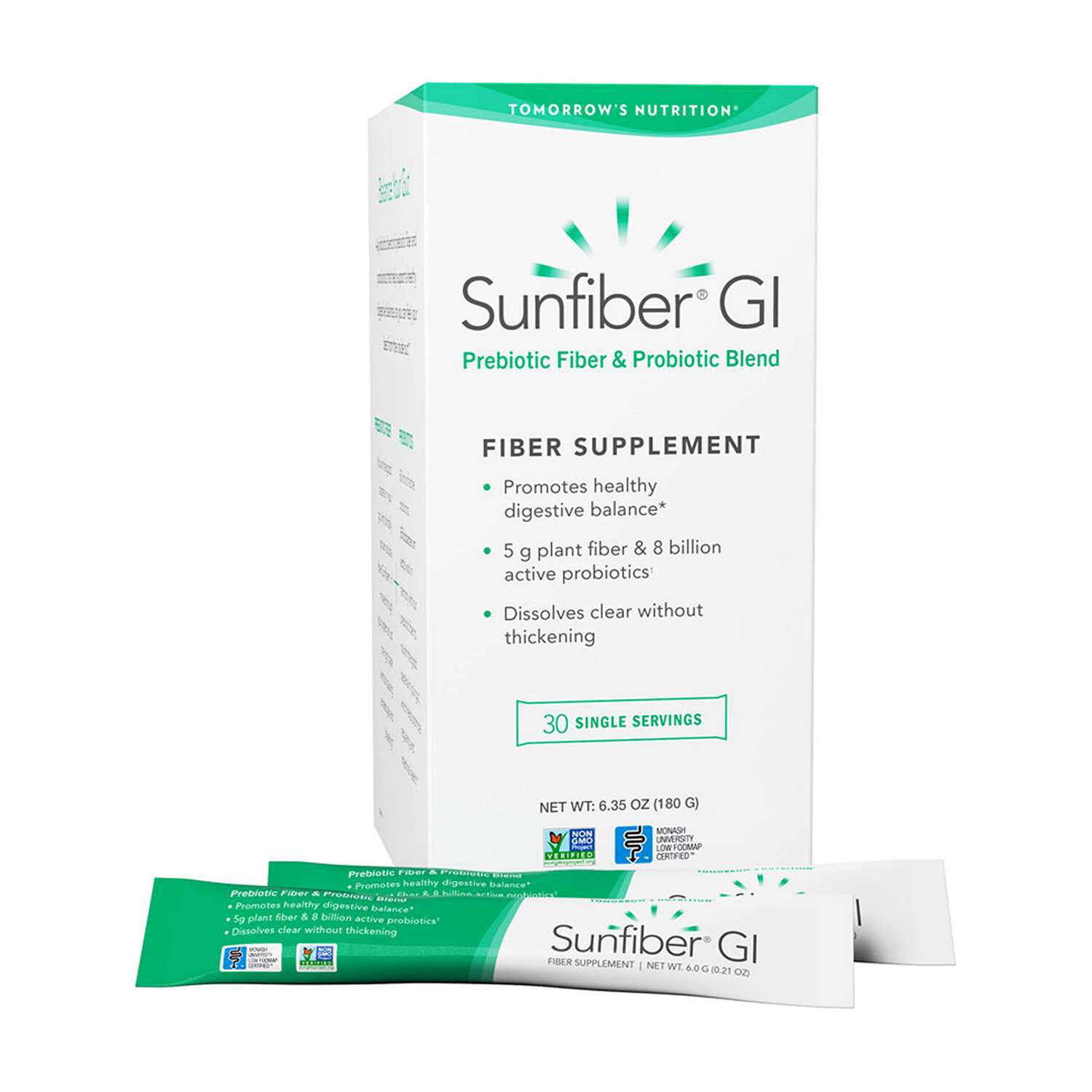 Tomorrow's Nutrition
-
 Tomorrow's Nutrition