





Detox And Defend Probiotic Supplements
(0 Results)
Detox and defend probiotic supplements may offer support for those looking to maintain a balanced routine. With carefully selected ingredients, these supplements are designed for individuals seeking to prioritize their wellness journey. Explore options that could help you feel your best as part of your daily regimen with detox and defend probiotic supplements.
-
-

-

-
 Enclave BioActives$69.99
-
-
 209$34.99
-
-
-
-

-
_Front.jpg?sw=305&sh=305&sm=fit "BioDophilus60 - 30 Capsules (30 Servings) | GNC")
-


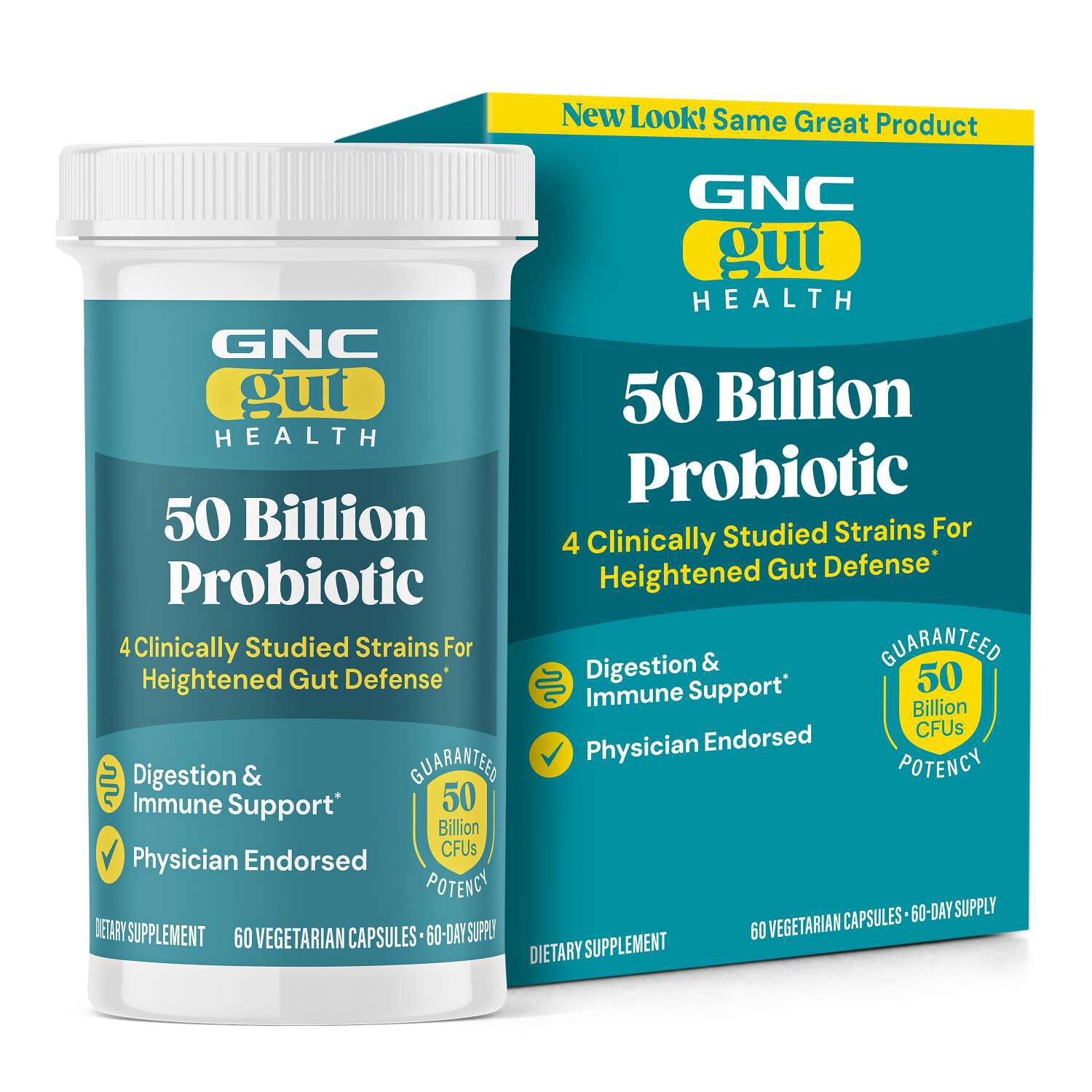

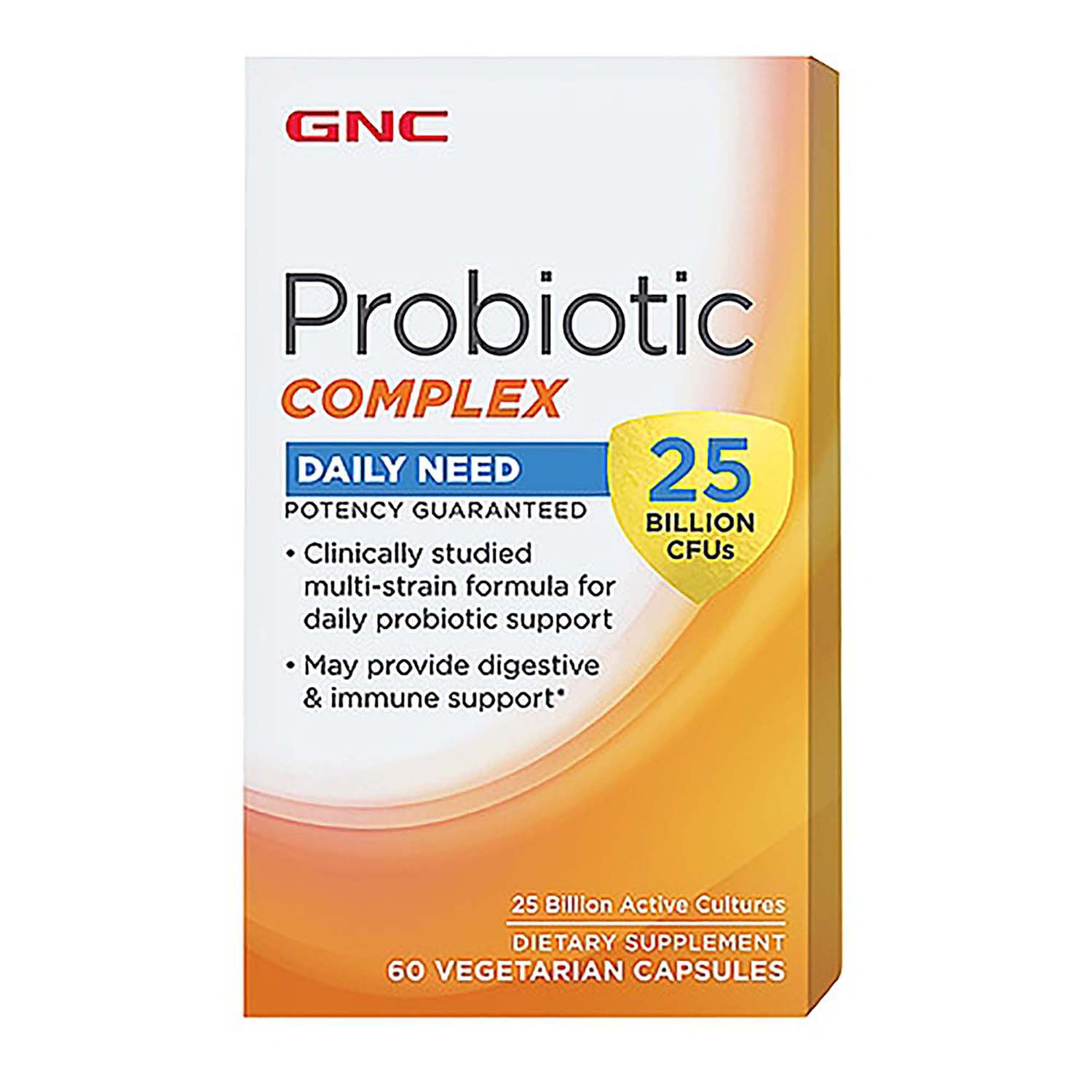
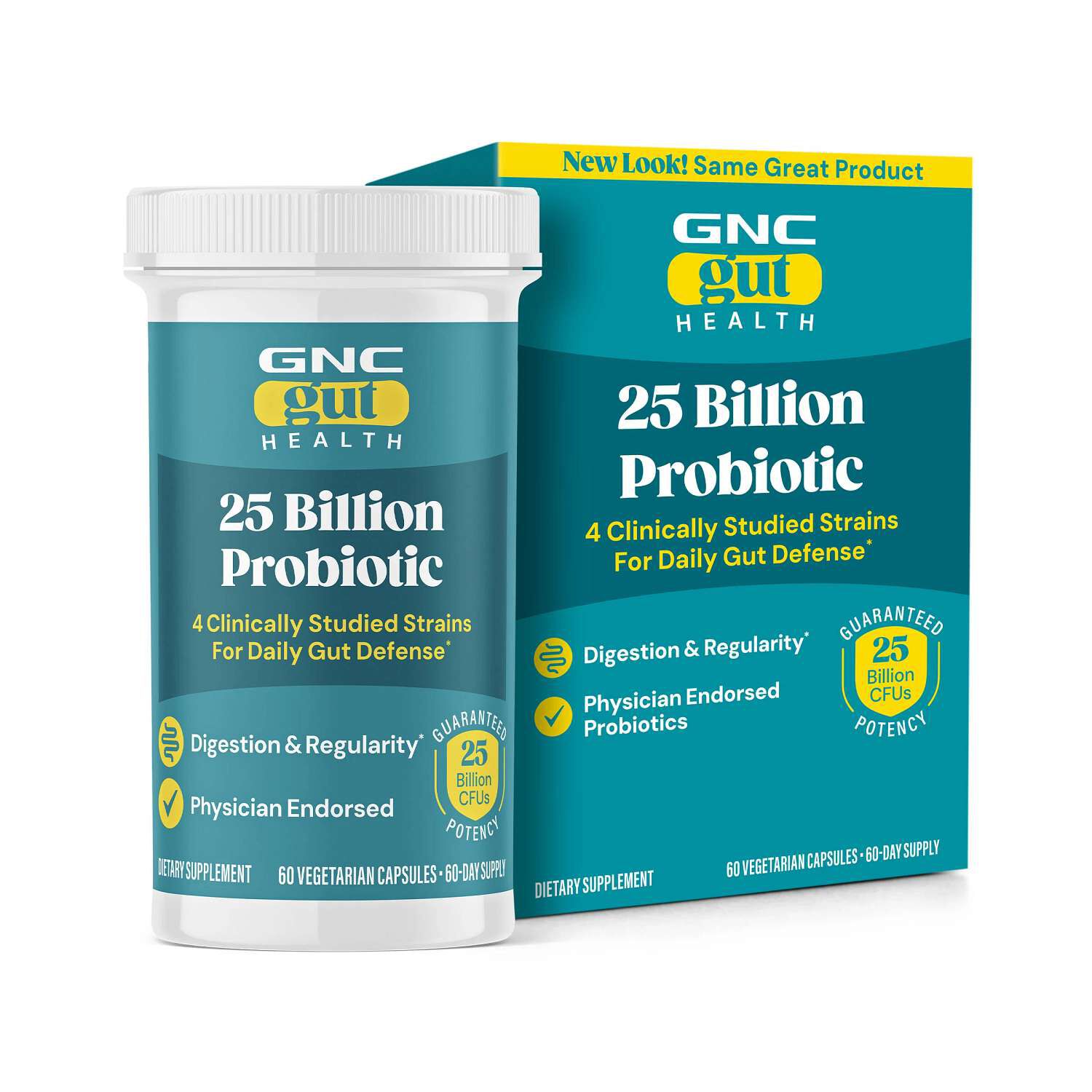



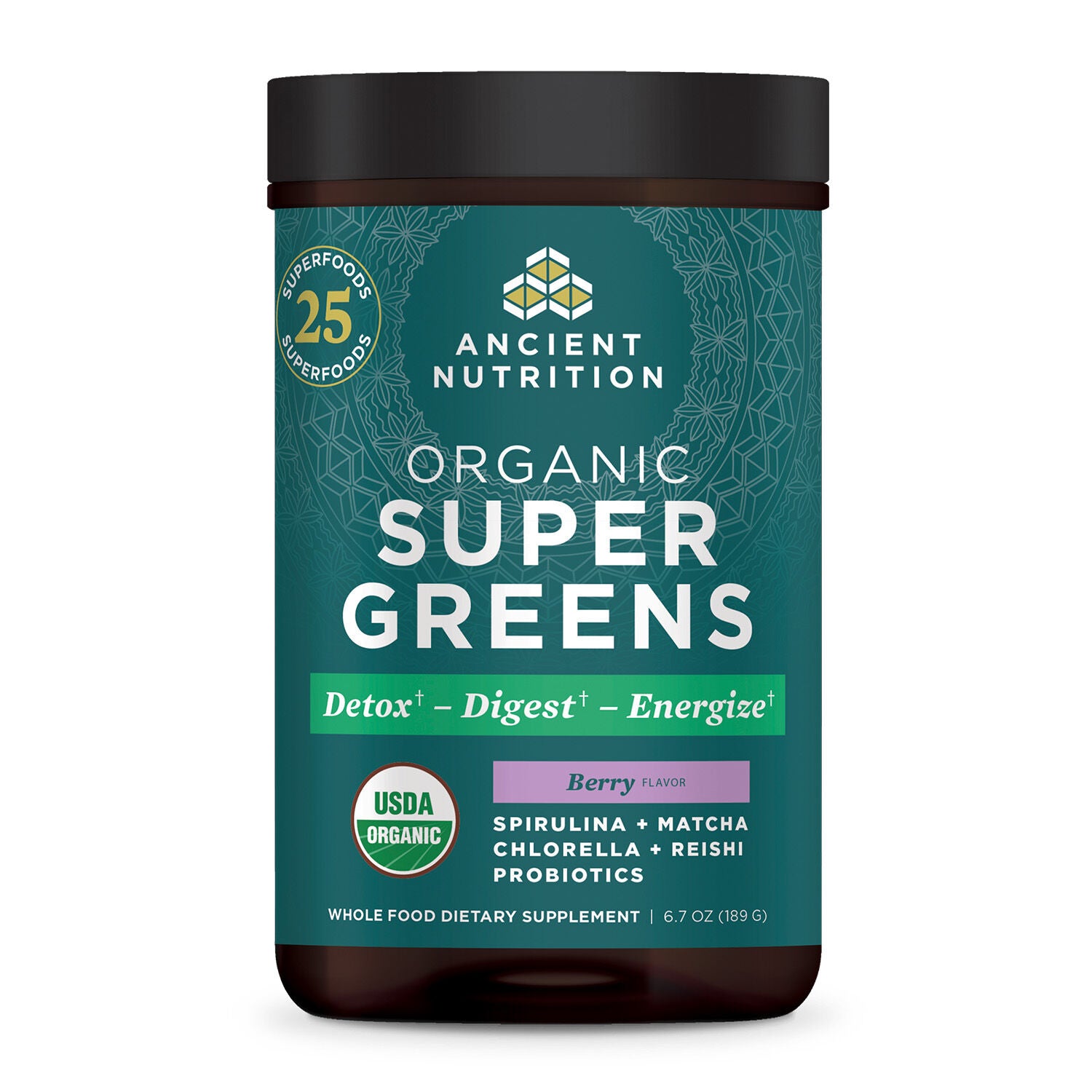
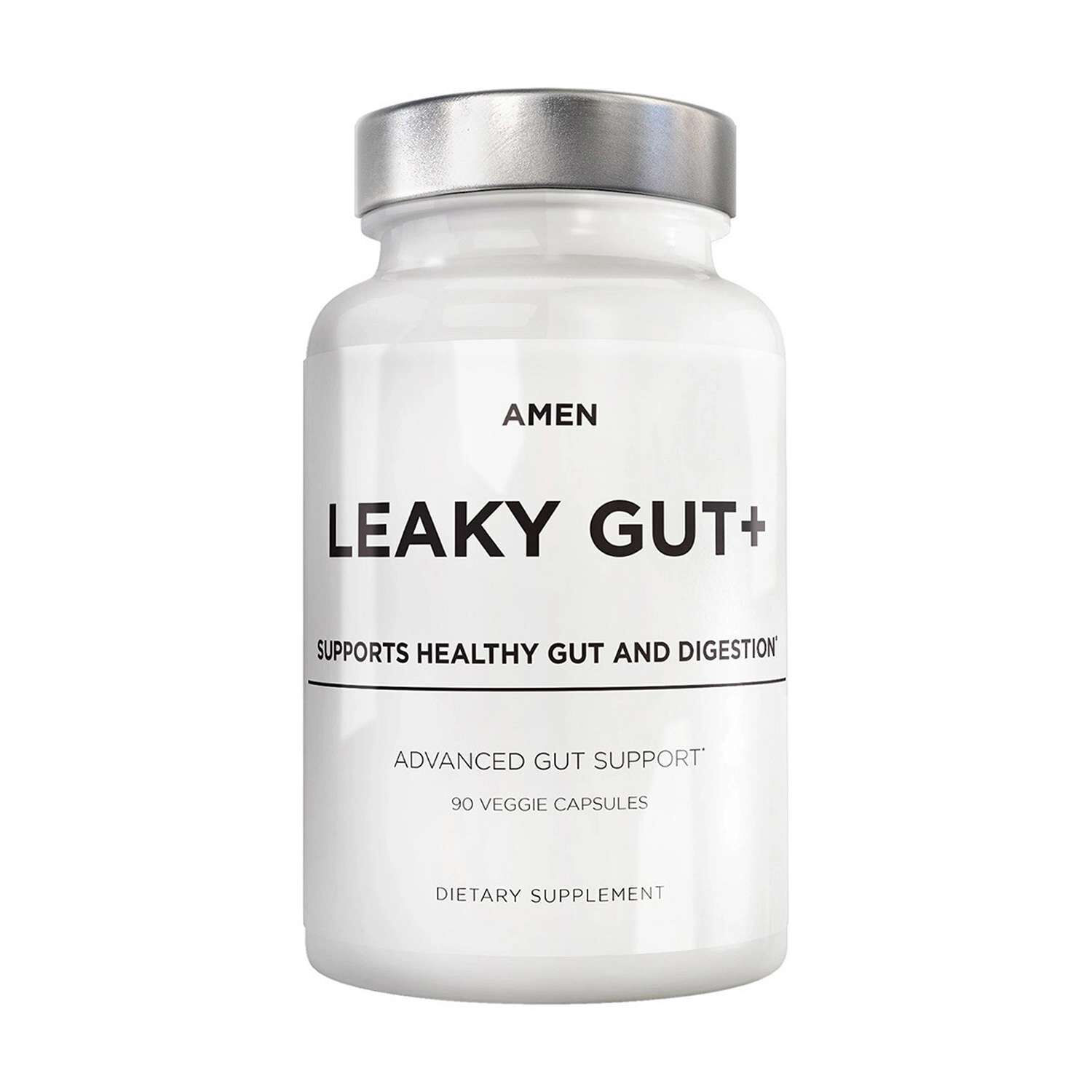
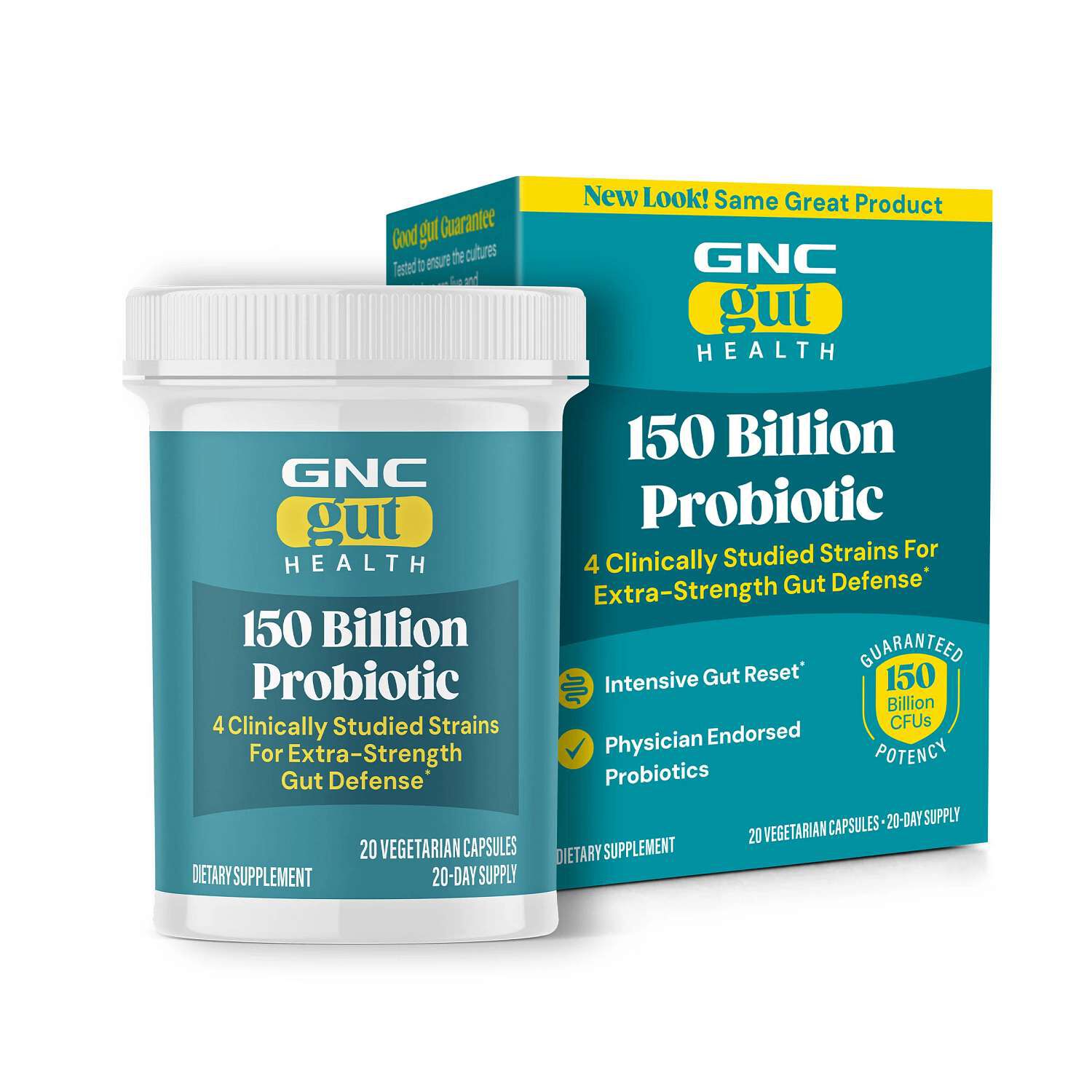
Detox and defend probiotic supplements bring probiotic cultures together with a broader focus on everyday digestive wellness. Depending on the formulation, they may include prebiotics, dietary fiber, or botanical ingredients alongside the cultures listed on the label. Probiotics are live microorganisms that, in appropriate amounts, may support digestive wellness; the digestive tract itself is home to a varied community of microorganisms known as the gut microbiome. The words detox and defend describe the category’s theme, not a standardized ingredient blend or a particular result. A probiotic formula is not a substitute for meals, and its name alone does not explain its composition or intended use. The most useful distinctions appear in the ingredient list: which cultures are included, whether fiber or prebiotics are present, and how the serving is measured. Within the broader category of Detox Probiotics, those details distinguish formulas that otherwise sound similar. Probiotic names often include a genus, a species, and a strain designation, with the strain identified by letters, numbers, or a combination of both. Those identifiers matter because two formulas with similar front labels may contain different cultures. Culture amounts are commonly expressed in colony-forming units, abbreviated CFU, which describe viable microorganisms rather than the weight of the serving. A larger CFU number is not, by itself, a measure of how well a formula matches an individual’s preferences or routine. The number of strains is another composition detail, not a shortcut for comparing every aspect of a supplement. Some labels also distinguish between a culture count at manufacture and a count stated through the expiration date. Serving size adds context to these details: the amount shown on a panel may refer to more than one capsule or to a measured portion of powder. The full serving description makes comparisons more meaningful than a single large number printed on the front of a package.
Format shapes the everyday experience of using a probiotic supplement, from opening the container to measuring a serving. Capsules, tablets, chewable formats, and powders each have different characteristics, and the format deserves attention alongside the ingredient blend. Capsule size and the number per serving matter to someone who prefers a brief breakfast routine, while a powder’s measured portion and stated mixing directions matter to someone who already prepares a drink with a meal. A powder may involve a scoop and a glass; an individually packaged format may suit someone who values a clearly separated serving. Flavored formats also bring taste and texture into the decision, especially for shoppers who prefer a particular sweetness or do not want a strongly flavored addition to their routine. The ingredient panel separates the probiotic cultures from the other components that give a capsule, tablet, or powder its form. Capsule shell materials, flavorings, sweeteners, and coloring ingredients are separate considerations from the culture blend itself. A plant-derived capsule shell does not, on its own, establish that every component of a formula matches a particular dietary preference. Prebiotics and probiotics are related terms, but they are not interchangeable. Prebiotics are ingredients intended as nourishment for selected microorganisms, while probiotics refer to the live cultures themselves. Some fibers serve a prebiotic role, but not every fiber is a prebiotic. A formula containing both cultures and fiber therefore has a different composition from one centered on cultures alone. The source and amount of added fiber provide more useful context than a general reference to a blend. Botanical ingredients add another distinction: the name of a plant, the part used, and the stated amount describe something different from the probiotic strain list. Allergen statements, ingredient sources, and dietary designations offer additional context for shoppers with particular food preferences. Together, these details describe the supplement more clearly than its theme or serving format alone.
For adults considering a probiotic supplement as part of an everyday wellness routine, practical fit extends beyond the ingredient panel. Someone who eats breakfast at home might prefer a format that fits neatly beside other packaged foods in a designated cabinet, while someone who carries lunch to work might value individually separated servings when the storage directions permit that arrangement. Neither preference establishes how a formula will feel to a particular person; convenience and composition are distinct considerations. A shorter ingredient list may appeal to shoppers who prefer fewer components, while a combination formula may interest those looking for probiotics alongside specified amounts of fiber or prebiotics. The intended serving frequency also shapes that fit, whether the label describes one daily serving or another schedule. Package size is most informative when considered with the serving size, since the number of capsules or the weight of a powder does not necessarily equal the number of servings. Care and storage matter as well. Live cultures have storage requirements, and the label identifies the conditions intended for that formulation. Refrigeration requirements vary, so similar-looking containers do not necessarily call for the same storage approach. Moisture exposure, container closure, and the stated expiration date are relevant details for a supplement that may spend time in a kitchen cabinet, a desk drawer, or a travel bag. The original packaging keeps the ingredient panel, directions, and date information together rather than separating the serving from its identifying details. For powders, the package’s measuring instructions also clarify what constitutes a serving; scoop sizes are not interchangeable across formulations. These everyday details make the category more tangible without turning detox or defend into an expectation of a particular outcome. A probiotic supplement may support digestive wellness, but personal experiences vary. A thoughtful comparison centers on identifiable cultures, clearly stated ingredients, an understandable serving, and storage requirements that suit the intended routine.
Best Sellers
-
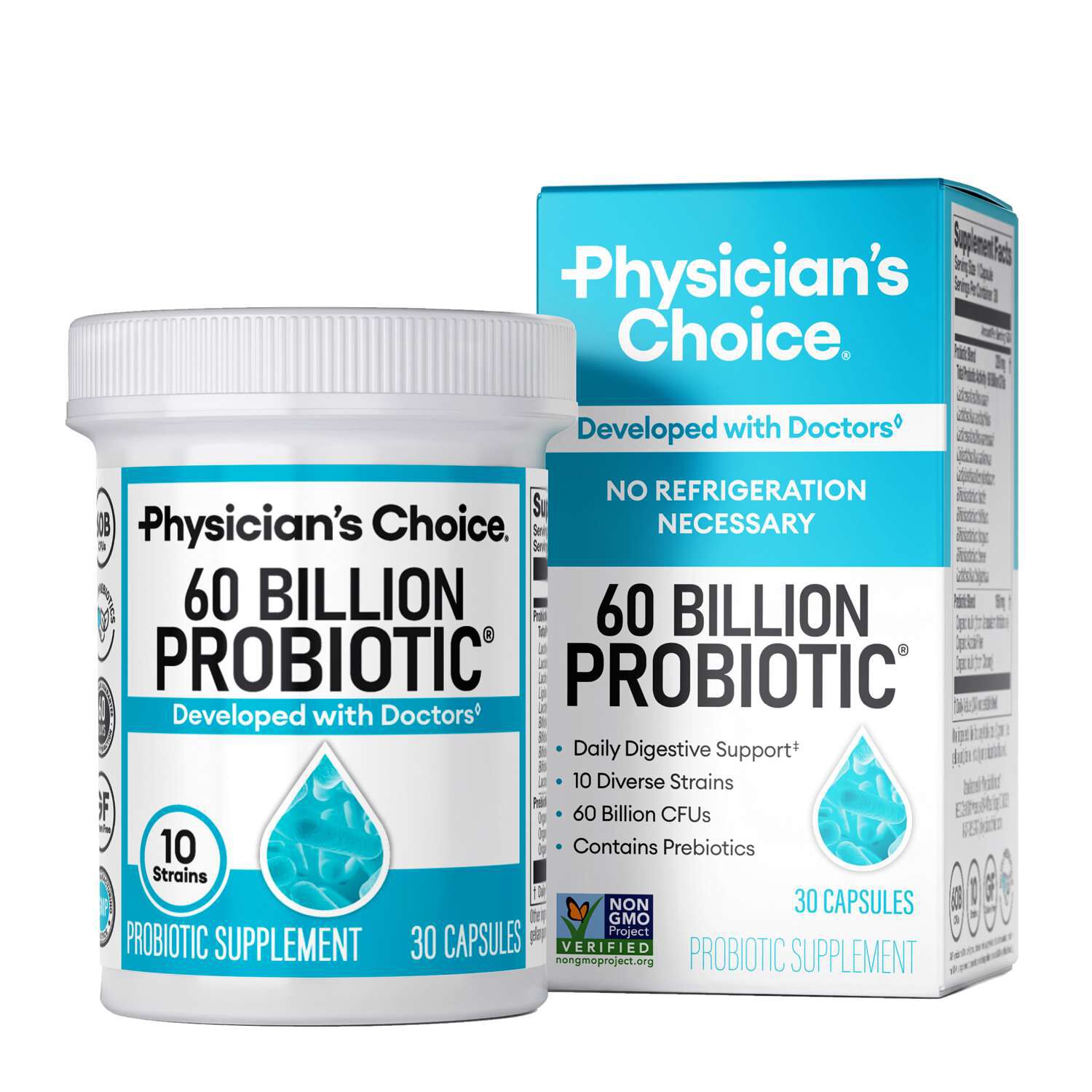 Physician's Choice
Related Pages

Top Collections
- Active Supplements
- Chronic Fatigue Supplements
- Supplements For Yoga Joint Flexibility
- Adult Mobility Supplements
- Zinc Supplements | Top Brands at Great Prices | GNC
- Joint Mobility Supplement Packs
- Supplements For Anxiety Relief Support
- Capsule Supplements For Energy And Stamina
- Zinc Supplements For Men
- Supplements For Balance