DHEA Supplements With No Gluten Ingredients
(0 Results)
Discover a selection of DHEA supplements with no gluten ingredients, thoughtfully curated for those seeking options that fit their dietary preferences. These supplements may offer support for individuals looking to incorporate DHEA into their wellness routine without gluten-containing components. Explore a range of choices designed to align with your lifestyle goals and nutritional needs.


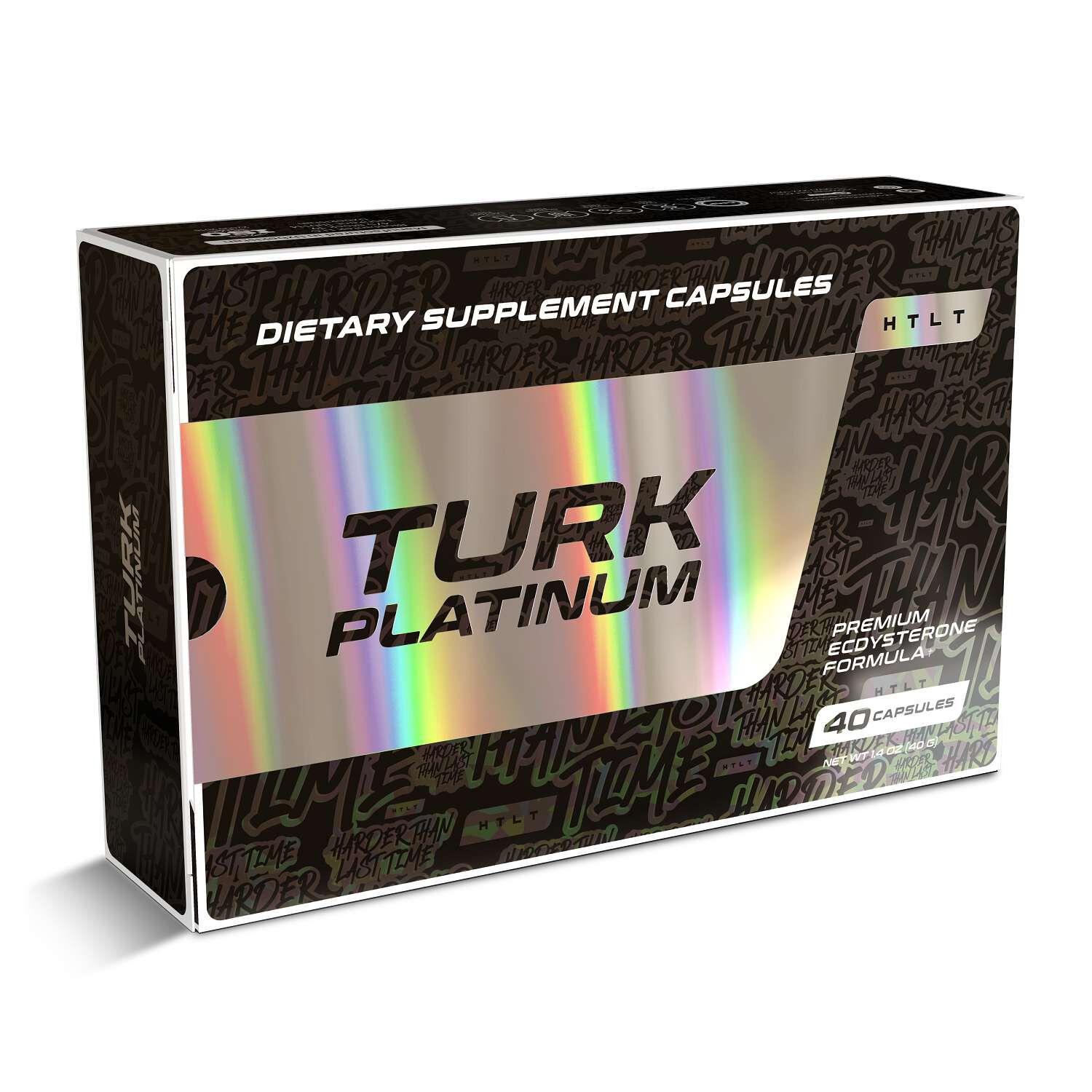

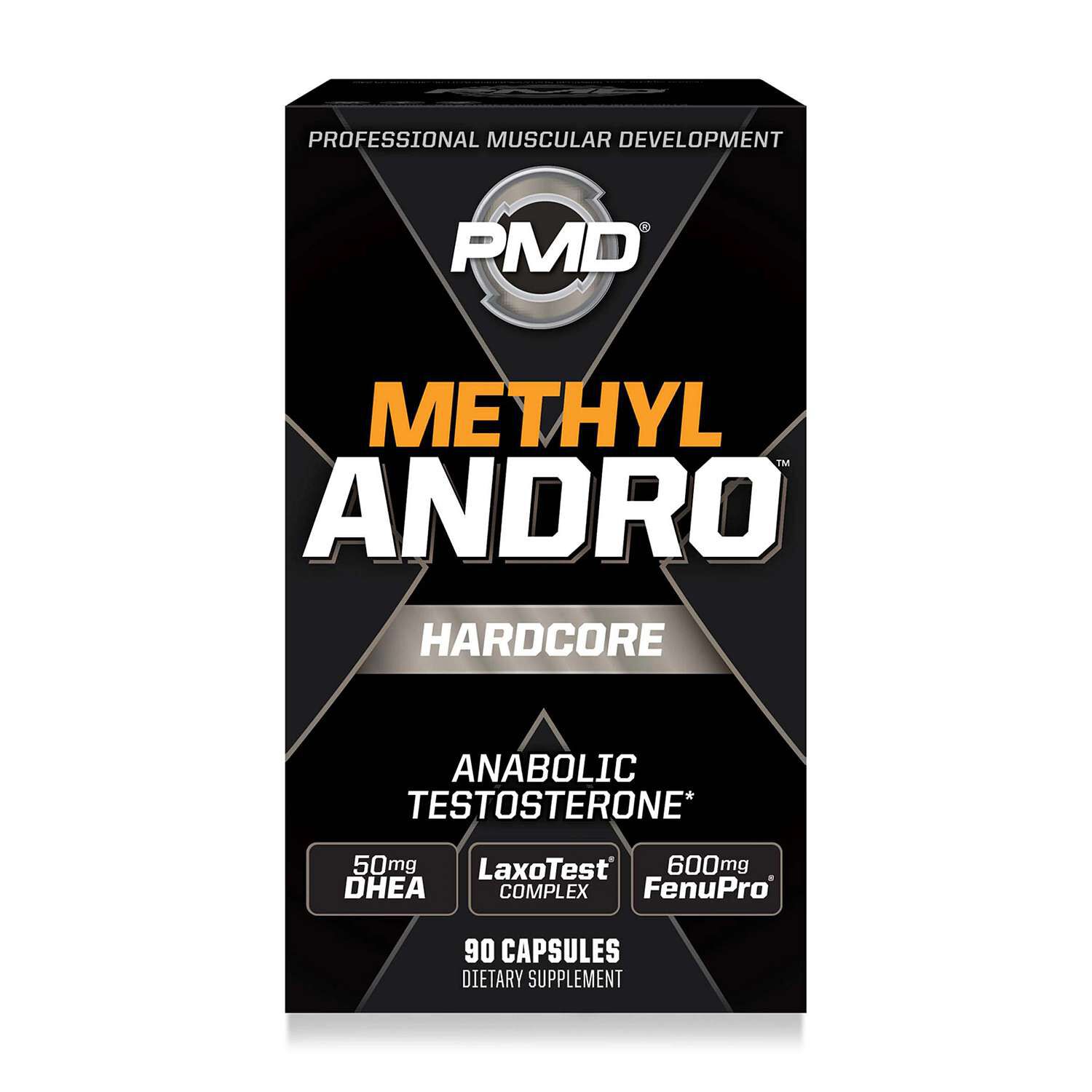
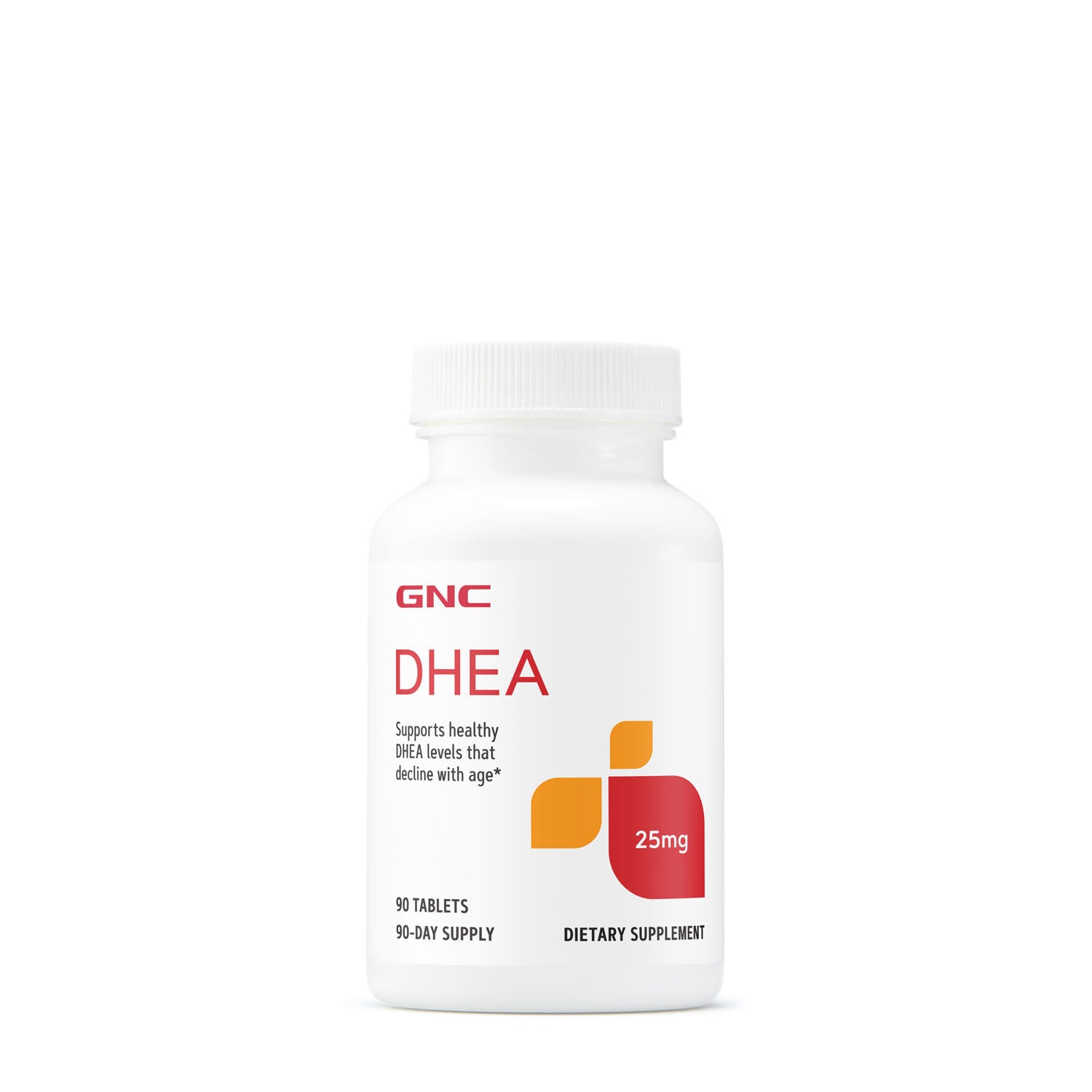

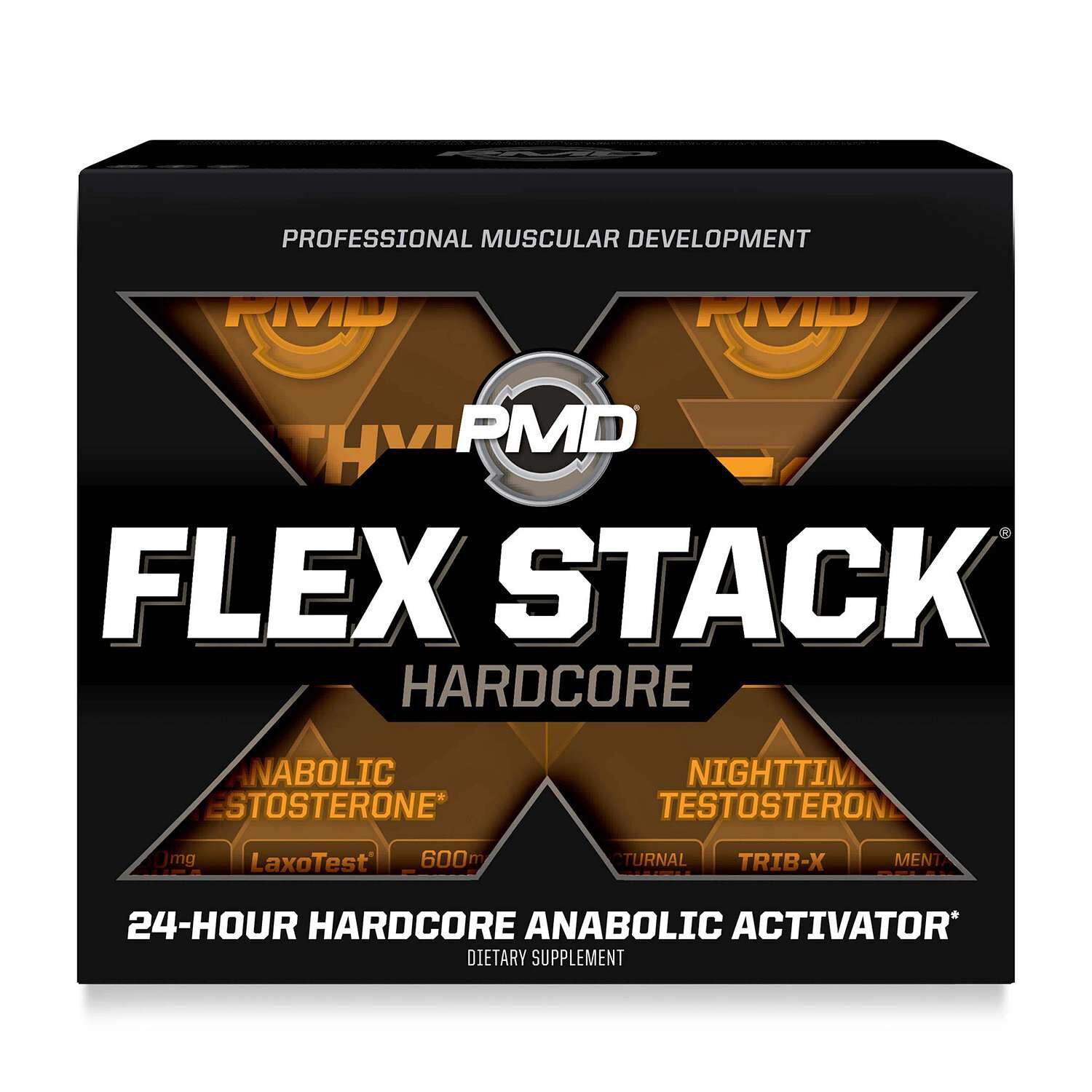
DHEA supplements with no gluten ingredients are formulas made without gluten-containing ingredients such as wheat, barley, or rye. DHEA stands for dehydroepiandrosterone, a naturally occurring hormone that is also used as an ingredient in dietary supplements. Within this category, meaningful differences include the amount of DHEA per serving, the capsule or tablet format, the supporting ingredients, and the documentation behind gluten-related labeling. The phrase “no gluten ingredients” describes ingredient selection; it does not, by itself, establish independent certification or explain how shared manufacturing equipment is handled. That distinction matters when comparing formulas that look similar on the front of the bottle. The Supplement Facts panel identifies the dietary ingredient and its declared amount, while the other ingredients list describes components used to form the tablet, fill the capsule, or help maintain the formula’s physical consistency. Capsule shells, coatings, binders, and flow agents all belong in that comparison, even though they are not the main reason someone is browsing DHEA. A short ingredient list can be easy to read, but length alone does not establish gluten status. Likewise, an unfamiliar ingredient name does not automatically indicate a gluten source. Ingredient sourcing and manufacturer documentation provide context that the name alone may not supply. Other dietary preferences remain separate: a formula without gluten ingredients is not automatically made without soy or milk, and a capsule is not necessarily vegetarian. Gelatin and plant-derived capsule materials are different options, with the shell composition typically identified among the other ingredients. For adults comparing DHEA supplements around an established dietary preference, these details make the category more useful than a single front-label statement. The relevant comparison is not simply whether two bottles contain DHEA, but how clearly each label describes the formula surrounding it. Even the same physical format can have a different supporting ingredient profile, so capsule-to-capsule or tablet-to-tablet comparisons still depend on the full label rather than appearance.
The amount shown on a DHEA label needs to be read alongside serving size. An amount listed per serving is not necessarily the amount in one capsule or tablet, and a bottle’s capsule count is different from its number of servings. Those distinctions help explain why packages with similar dimensions or front-label descriptions can represent different formats. A higher milligram number is a statement about ingredient quantity, not a quality rating or evidence that a formula is a better personal fit. DHEA also belongs to a different category from a general multivitamin, so familiar packaging should not blur the identity of the ingredient inside. Beyond the Supplement Facts panel, gluten-related documentation can help distinguish an ingredient exclusion from a verified manufacturing or testing claim. Independent certification, laboratory testing, and manufacturing standards address different questions. A certification program has its own criteria and scope; a laboratory report describes the material or sample tested; and a manufacturing statement concerns production practices. None of those descriptions should be treated as interchangeable. For example, a statement about general quality testing does not necessarily mean that gluten was part of the testing performed. Similarly, language about production standards does not automatically establish the gluten status of a particular formula. Useful documentation connects the claim to the actual formula and explains what was evaluated. A clearly identified certification mark, an accessible explanation of testing, or manufacturer information about ingredient sourcing can provide more context than a broad quality statement alone. Label details also have practical value when comparing different package sizes. The serving information, ingredient panel, and dietary statements should refer to the same formula under consideration, rather than a similar-looking package or an older label image. This keeps the comparison grounded in documented characteristics instead of assumptions about what a familiar bottle shape, capsule color, or general supplement description might mean. It also leaves room for distinctions that a brief category label cannot capture.
Physical format is another part of choosing among DHEA supplements with no gluten ingredients. Tablets and capsules differ in shape, dimensions, shell materials, and surface finish, although those details are not always visible in a small package image. A smooth-looking tablet and a two-piece capsule can have very different construction, and neither format alone establishes gluten status. Package descriptions and label information provide a more useful basis for comparison than color or appearance. Bottle design matters in an everyday setting as well: readable printing, a secure closure, and clearly marked storage directions all contribute to how the package is handled. A large bottle on a crowded shelf and a smaller container kept in its original carton present different organizational considerations, but the original label remains the reference for ingredient information, lot identification, and the printed date. Storage requirements are formula-specific, making the package directions more relevant than a general assumption about where supplements belong. Moisture, direct light, and the condition of the closure are packaging considerations rather than evidence about a supplement’s intended effects. For shoppers whose main browsing priority is the absence of gluten ingredients, that preference can extend across multiple supplement categories without making their ingredients interchangeable. L Carnitine Supplements With No Gluten presents a separate category organized around that same dietary consideration. Each category still has its own ingredient identity, label details, and intended use. Within DHEA, a useful comparison brings those details back to the individual formula: what the serving contains, what forms the capsule or tablet, what the gluten statement actually says, and what documentation accompanies it. That combination gives substance to the category name. It also accommodates different shopping priorities, whether the emphasis is a plant-derived capsule shell, a straightforward ingredient panel, a clearly described serving, or independently documented gluten criteria. The result is a more precise view of the formulas than front-label wording alone can provide.