





Vitamin E Supplements Without Gluten
(0 Results)
Finding vitamin E supplements without gluten could be an important step for those looking to support their wellness routine while following a gluten-free lifestyle. With a variety of options available, it may be easier than ever to choose products that align with your dietary preferences. Explore vitamin E supplements without gluten and discover choices that fit seamlessly into your daily regimen.
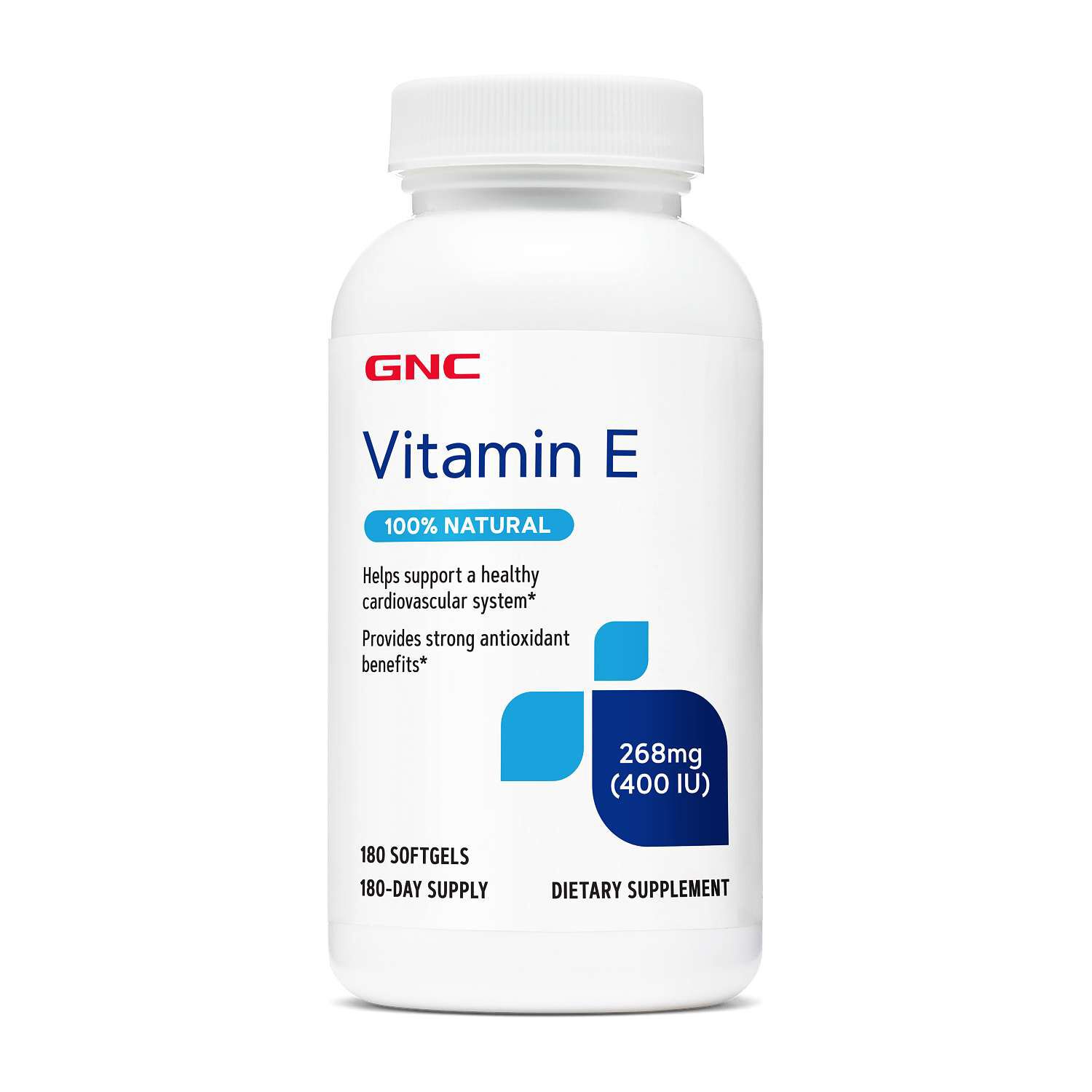
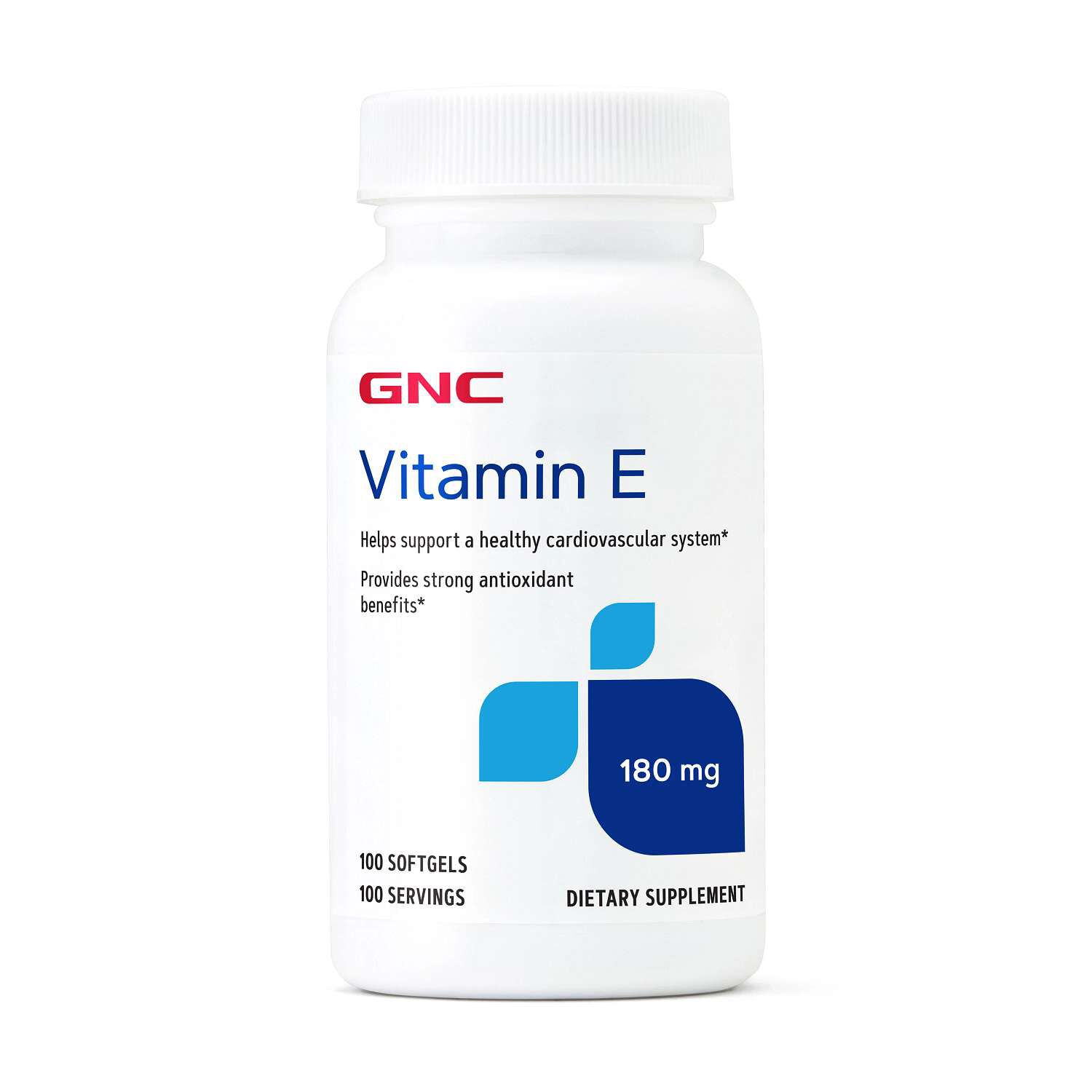


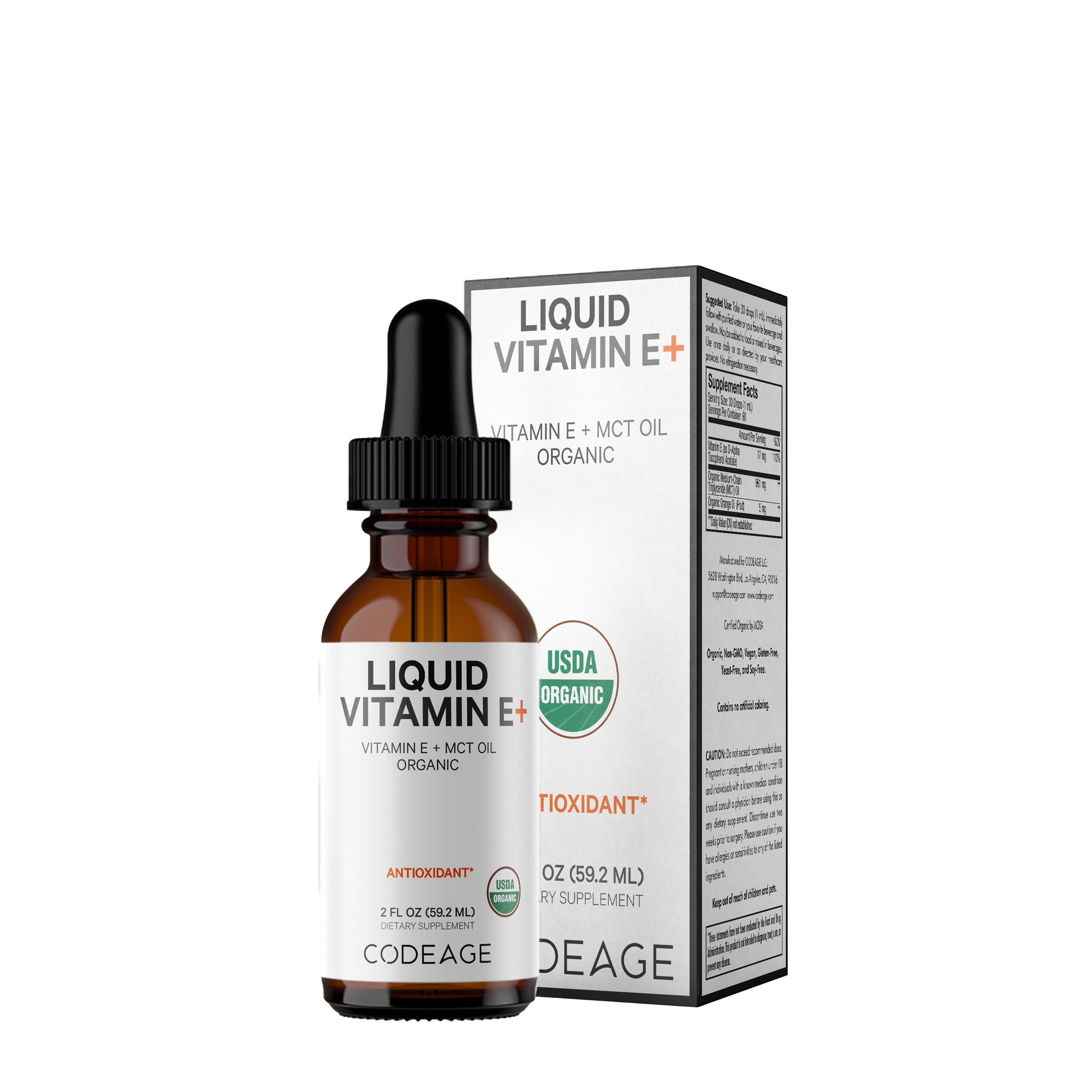

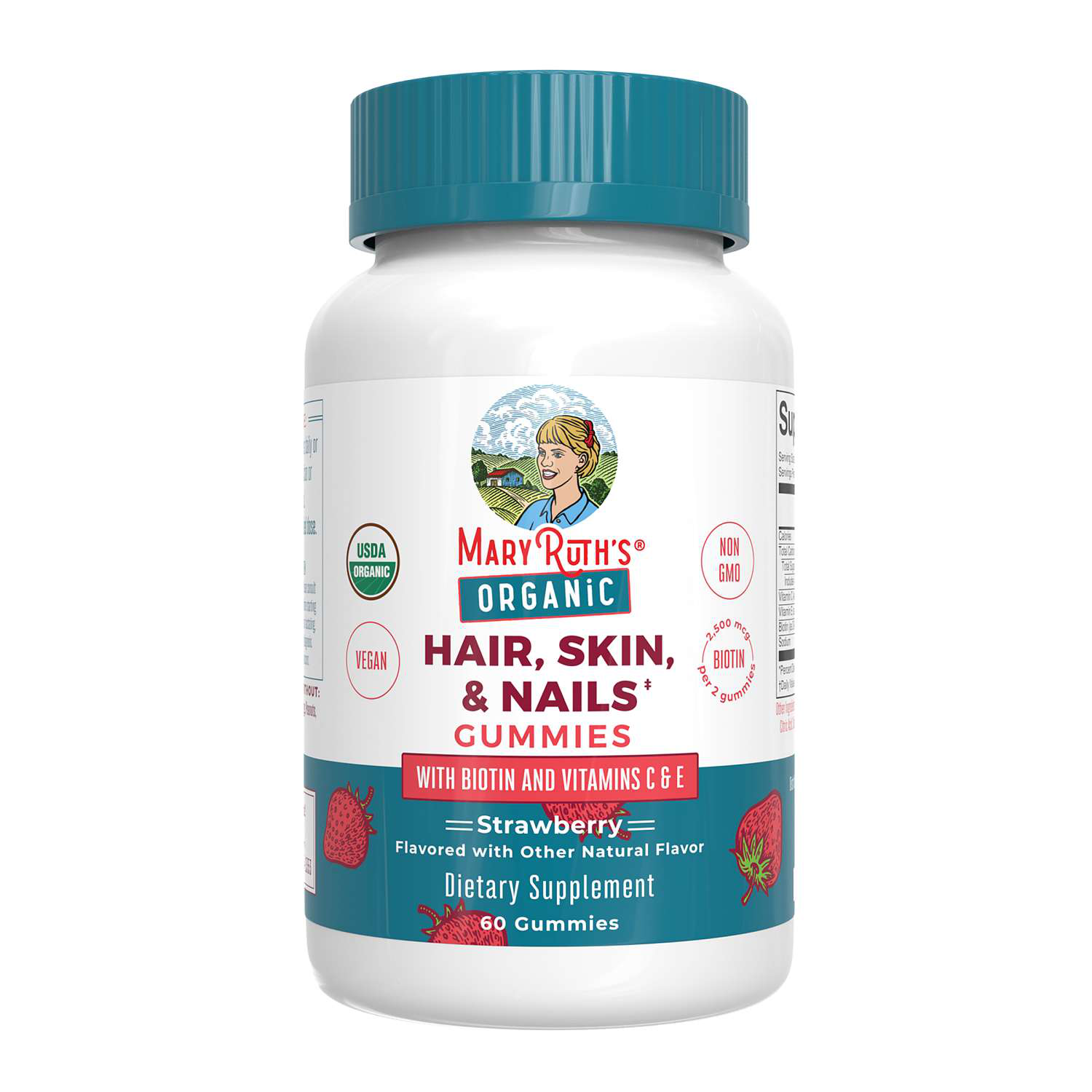
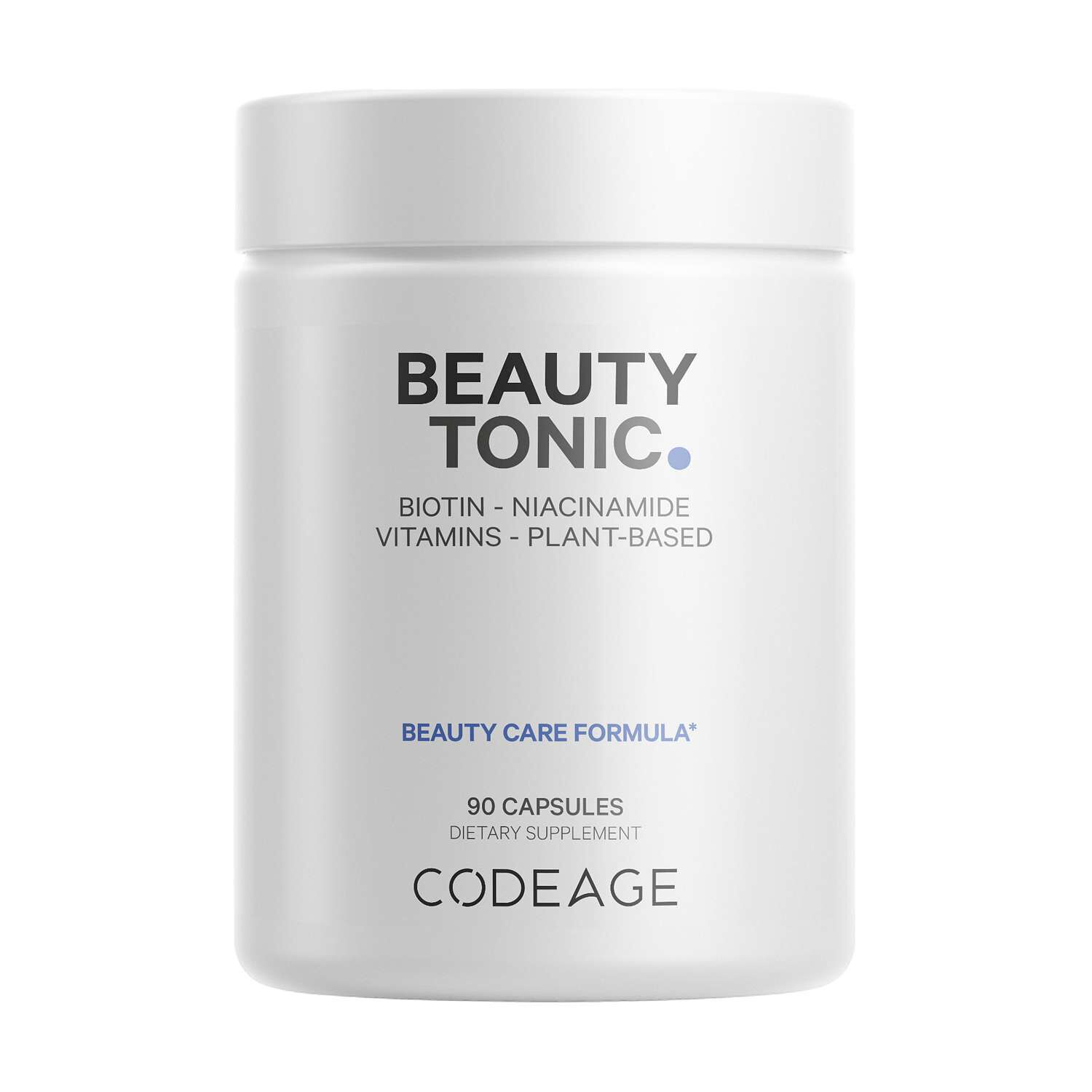


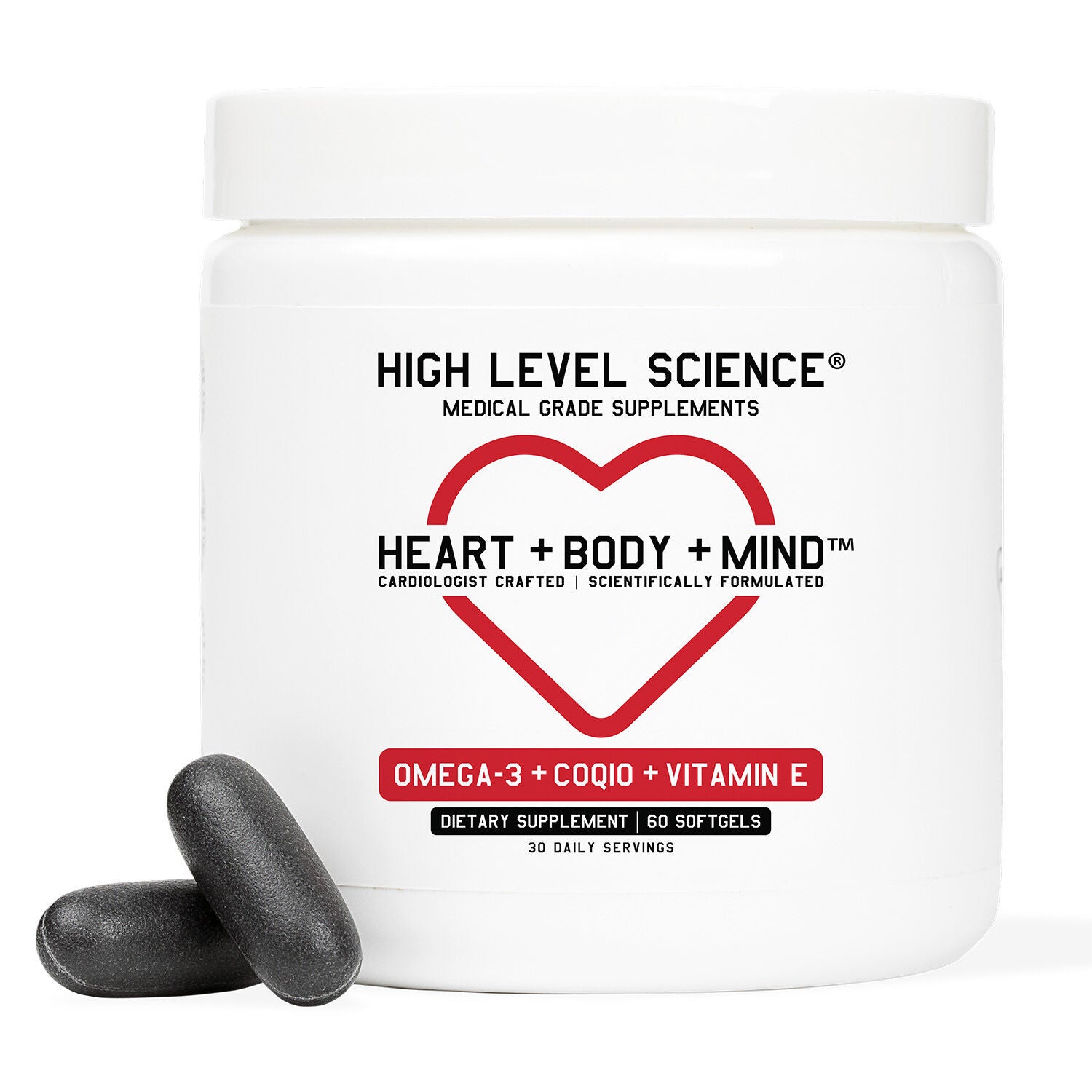

Vitamin E supplements without gluten are intended for shoppers who want a vitamin E formula that also fits a diet avoiding gluten. Vitamin E is a fat-soluble nutrient found in foods such as nuts, seeds, and vegetable oils, and supplements provide another format for dietary intake. Gluten is a group of proteins associated with wheat, barley, and rye. Vitamin E itself is not a gluten-containing protein, but that distinction does not establish the gluten status of a finished supplement. The vitamin ingredient, carrier oil, capsule shell, added ingredients, and manufacturing practices all deserve consideration. Sunflower and soybean oils are among the possible starting materials for vitamin E ingredients, while wheat germ oil can also be a source. A starting material alone does not tell the whole story: extraction and refining methods vary, and the finished formula may include ingredients beyond vitamin E. An explicit statement about gluten on the product label is more useful than an assumption based on the ingredient’s name or origin. Third-party certification can provide additional context, although testing requirements and manufacturing criteria depend on the certification program. A statement that a formula is made without gluten-containing ingredients is not necessarily the same as independent certification of the finished product. Likewise, a label that excludes wheat does not, by itself, address barley or rye. For shoppers comparing bottles side by side, the important distinction is between the nutrient being purchased and the evidence supporting the formula’s dietary labeling. This category brings those considerations together without making every formula interchangeable. Someone who checks packaged-food labels carefully may want the same clarity from a supplement bottle, including a readable ingredient list and a clearly stated approach to gluten. When the packaging leaves a sourcing or manufacturing detail unclear, information from the manufacturer can help clarify what a particular label statement covers. Familiar ingredients and a simple-looking formula can be appealing, but neither replaces explicit information about the finished supplement.
The form of vitamin E and the supplement’s surrounding ingredients are separate parts of the comparison. Vitamin E is a family of compounds that includes tocopherols and tocotrienols; alpha-tocopherol is a common form used in supplements. Ingredient panels may identify d-alpha-tocopherol or dl-alpha-tocopherol, and some formulas include mixed tocopherols. These names describe different ingredient forms, not whether the product contains gluten. Words such as “natural” also do not establish a formula’s gluten status, capsule material, or suitability for a plant-based diet. Reading the Supplement Facts panel alongside the other-ingredients list gives a clearer picture than relying on the front label alone. The amount per serving, the number of capsules or tablets in that serving, and the named vitamin form are useful comparison points. Amounts may be expressed in milligrams, and some labels also display international units, abbreviated IU. Because the relationship between these units depends on the vitamin E form, matching numbers without checking units can be misleading. A serving may consist of one softgel or more than one capsule, so the bottle count and serving count are not always the same. Oil-based softgels commonly pair vitamin E with a carrier oil inside a capsule shell. That shell may contain gelatin or other materials, while the surrounding formula may include ingredients used for texture, stability, or manufacturing. Dry capsules and tablets use a different format, but “dry” does not automatically mean the formula contains no oil-derived ingredients, no animal-derived ingredients, or no gluten. Each of those characteristics needs its own label confirmation. A shopper avoiding both gluten and soy, for example, has two separate ingredient questions to resolve. Someone seeking a vegetarian capsule has another material preference to check. These details make format a practical choice rather than a shortcut for judging the entire formula. A smooth softgel, a compact capsule, and a tablet can each present a different everyday experience, with serving directions and individual preferences helping distinguish them.
An everyday supplement routine also involves packaging, storage, and how easily the label information remains accessible. A bottle that stays in its original packaging keeps the ingredient panel, serving directions, lot information, and date marking together, which is useful when comparing a replacement bottle with one purchased previously. Keeping the closure securely fastened and following the stated storage directions may help protect the contents from unwanted moisture or other storage conditions. A bathroom shelf beside a steamy shower is a different environment from a dry cupboard, and a container carried in a gym bag may encounter more movement and handling than one kept at home. Those practical differences make the packaging instructions worth reading rather than treating every capsule or softgel the same way. Softgels and tablets also differ in their physical construction, so appearance, texture, and handling should be considered within the manufacturer’s directions. When comparing formats, consider the size and shape of the serving as well as the material surrounding the vitamin E. A shopper who dislikes large softgels may prefer to compare other formats, while someone who values a short ingredient list may focus more closely on carrier oils and capsule materials. Neither preference settles the gluten question on its own. Dietary labeling remains relevant even when the format feels familiar, and a newly purchased bottle deserves its own label review rather than an assumption that every version shares the same ingredients. Vitamin E supplements may complement dietary intake, but they are not substitutes for the variety of foods in an everyday eating pattern. Their intended use, serving information, and dietary attributes should be considered together. For shoppers browsing another nutrient category with the same dietary preference, L Carnitine Supplements With No Gluten provides a related collection to explore. Across categories, a clearly described formula, transparent ingredient information, suitable capsule materials, and practical storage directions provide a more grounded basis for comparison than a familiar nutrient name alone.
Best Sellers
Related Pages


Top Collections
- Joint Mobility Supplement Packs
- Daily Collagen Supplements | Top Brands & Deals | GNC
- GLP 1 Support For Adults
- Zinc Supplements | Top Brands at Great Prices | GNC
- Supplements For Yoga Joint Flexibility
- Supplements For Balance
- Capsule Supplements For Energy And Stamina
- Adult Mobility Supplements
- Chronic Fatigue Supplements
- Vitamins For Hair Loss