





Diet Protein Bars
(0 Results)
Fuel your body with our selection of delicious and nutritious diet protein bars, designed to support your health and fitness goals. Packed with high-quality protein and essential nutrients, these bars are perfect for on-the-go snacking or a quick post-workout refuel. Whether you're looking to curb cravings, build muscle, or simply enjoy a tasty treat without compromising your wellness journey, our range of diet protein bars has something for everyone. Discover a variety of flavors and formulations to keep you satisfied and energized throughout your day.
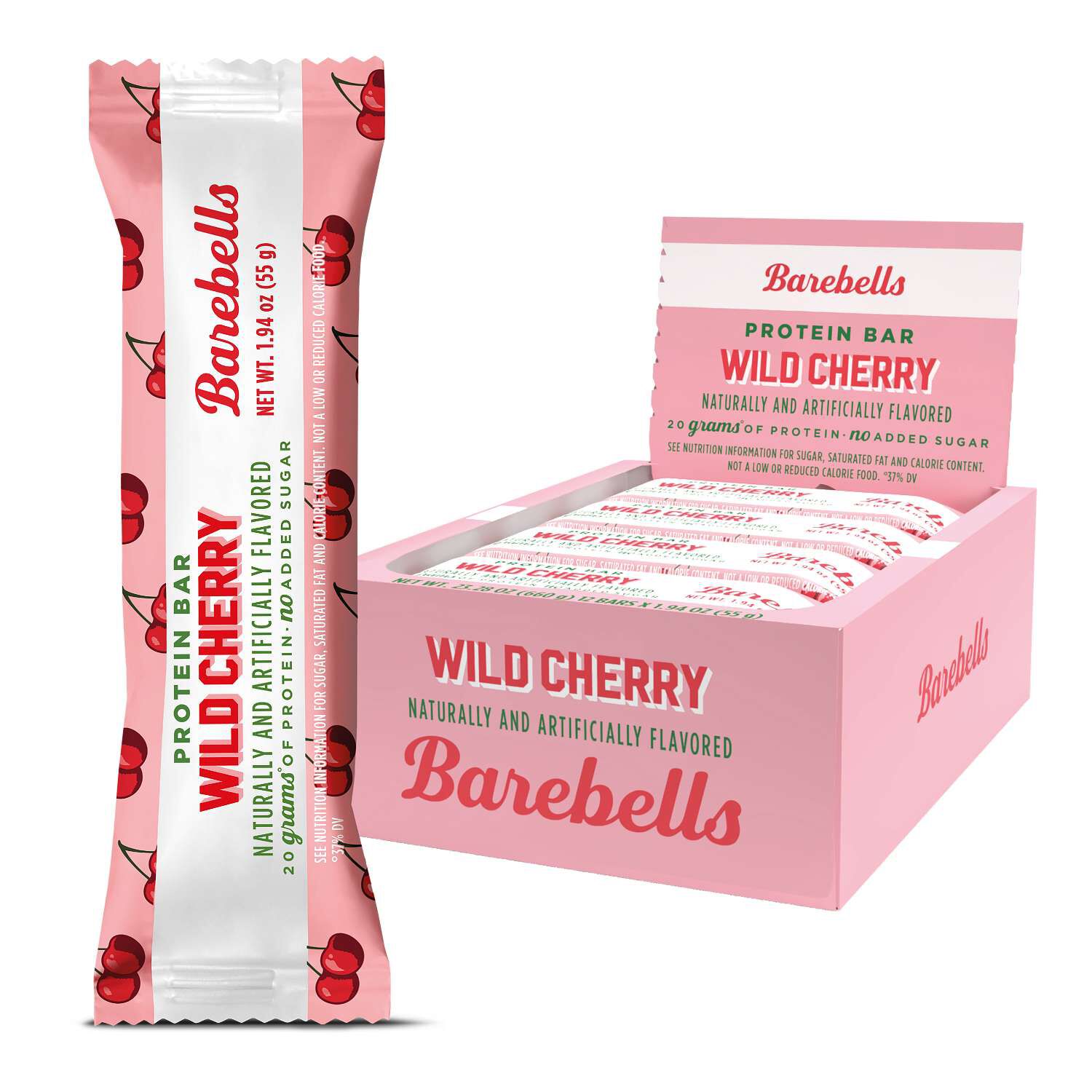
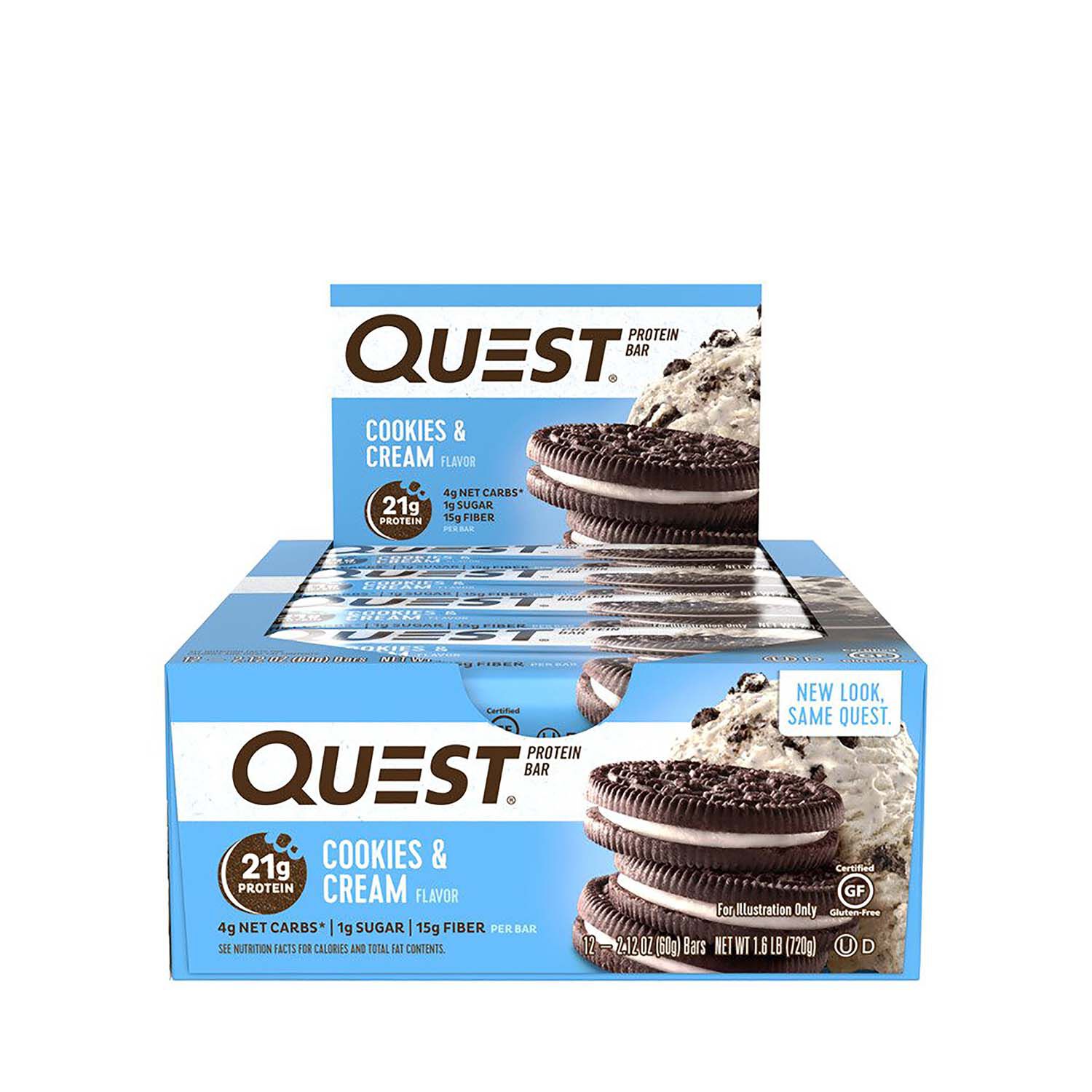
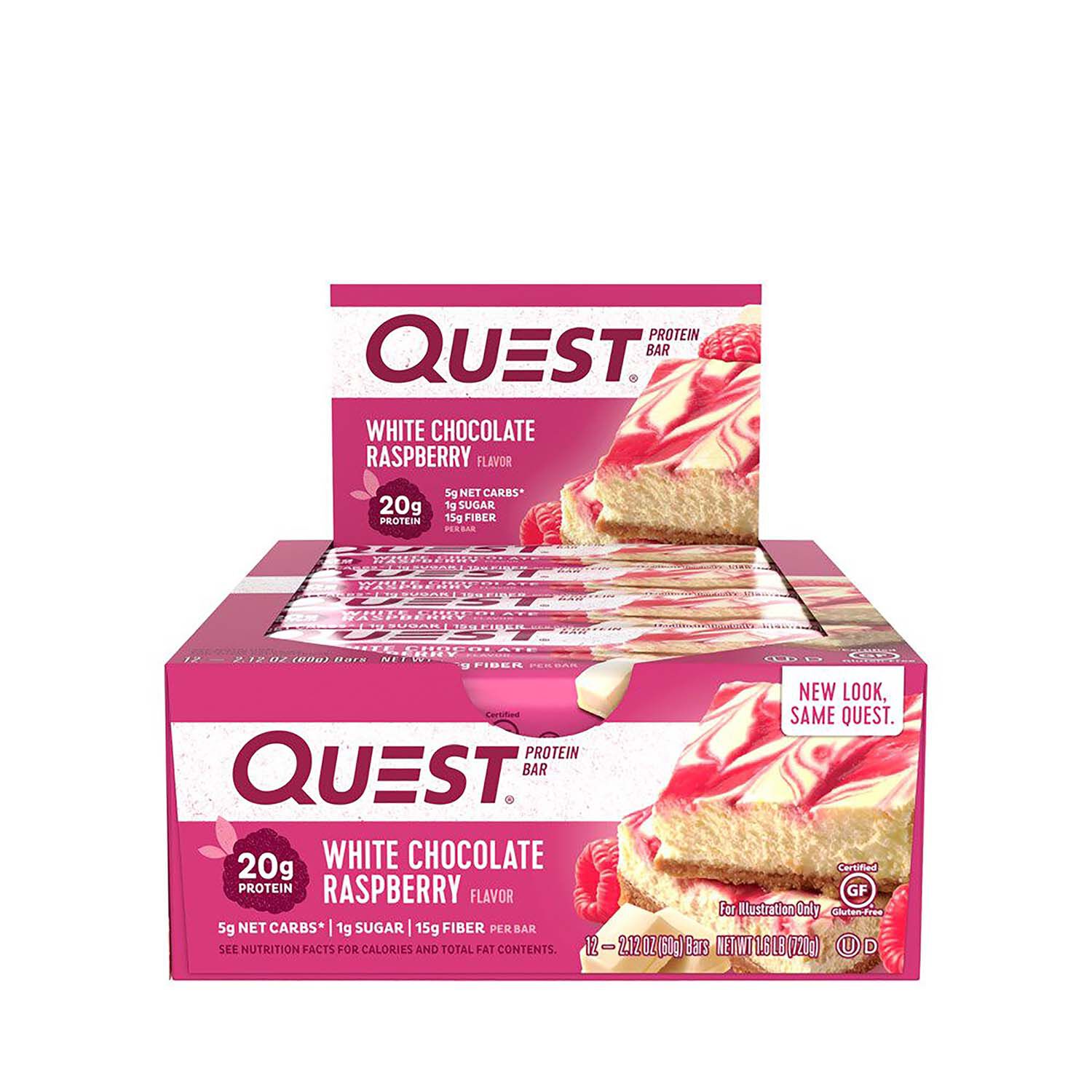
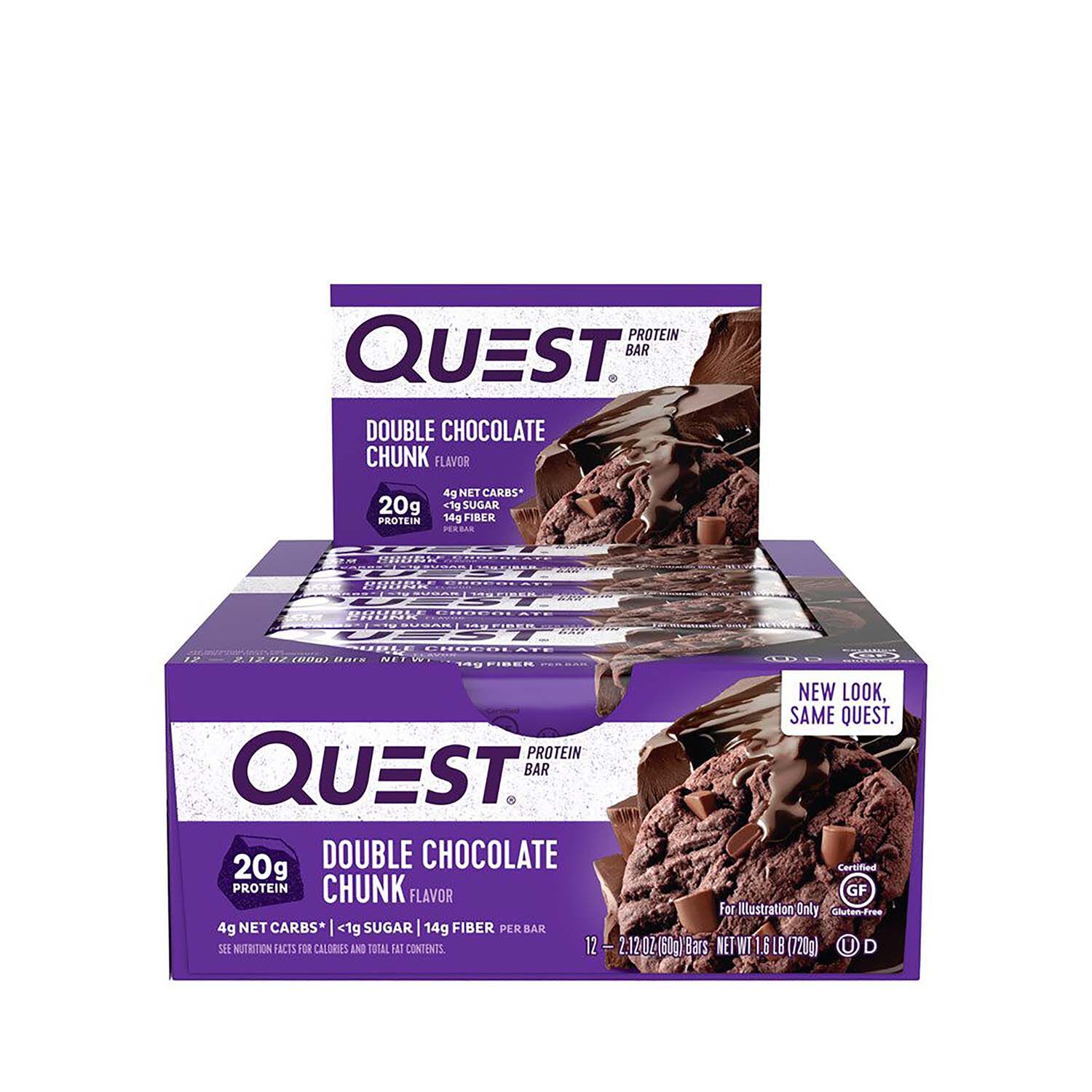

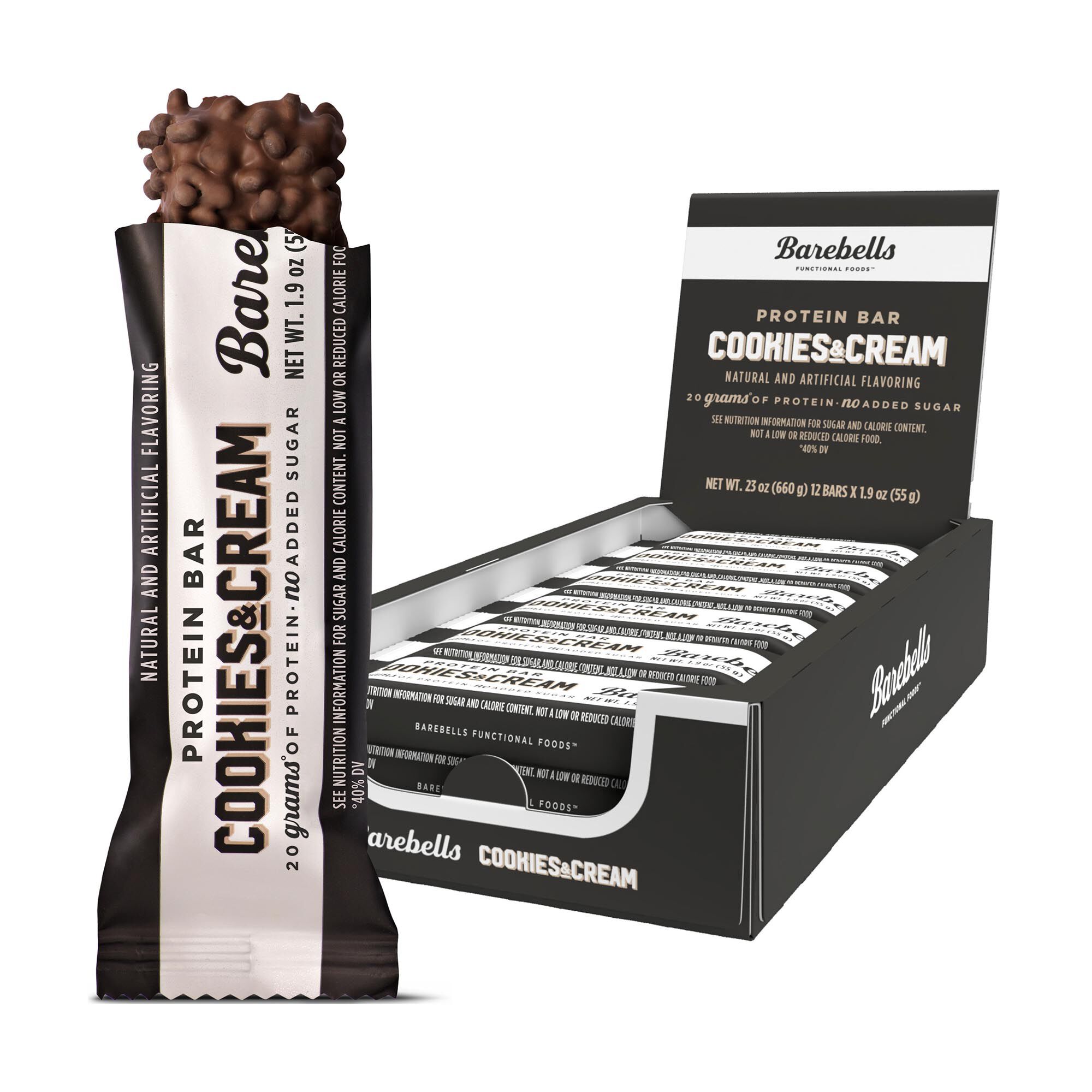


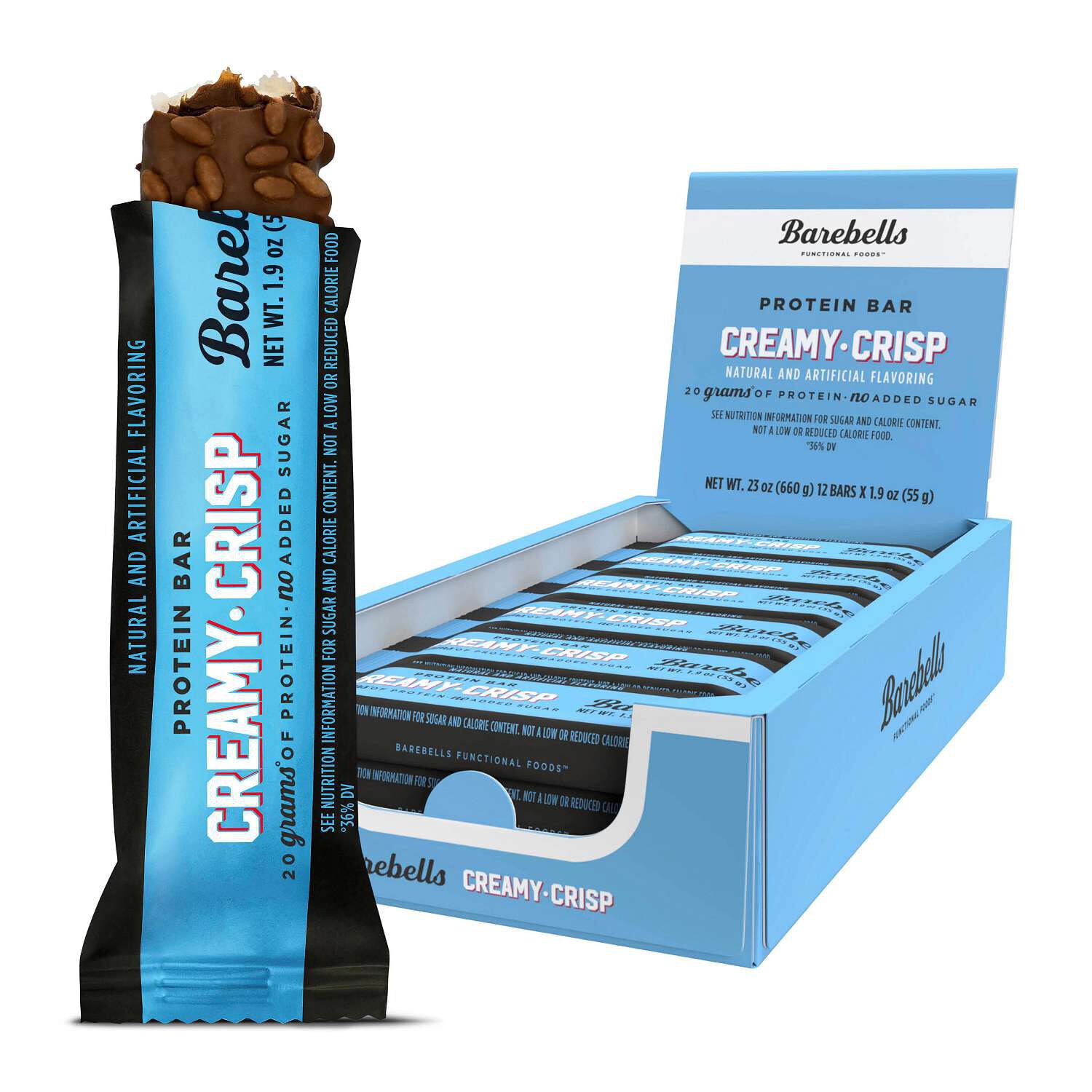

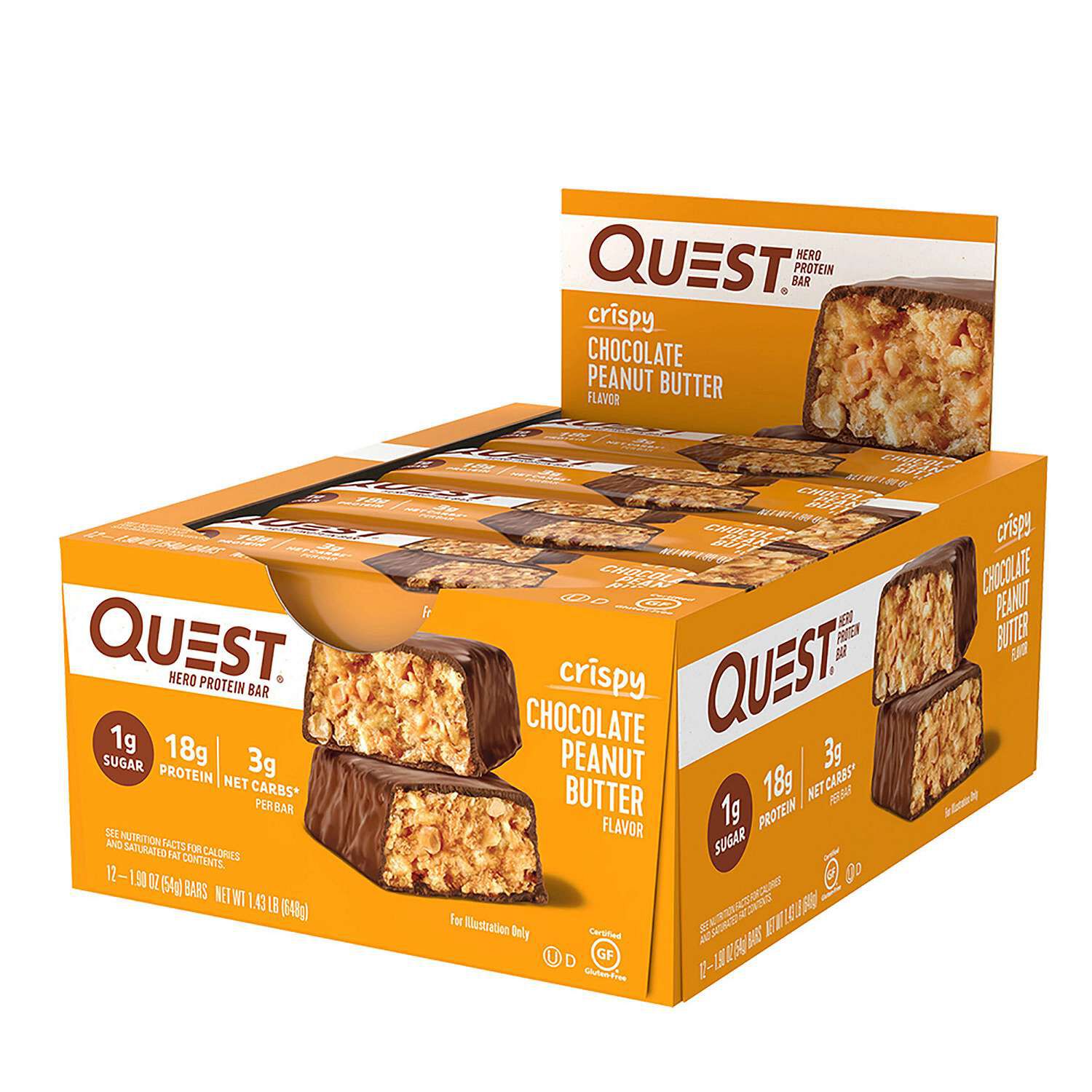

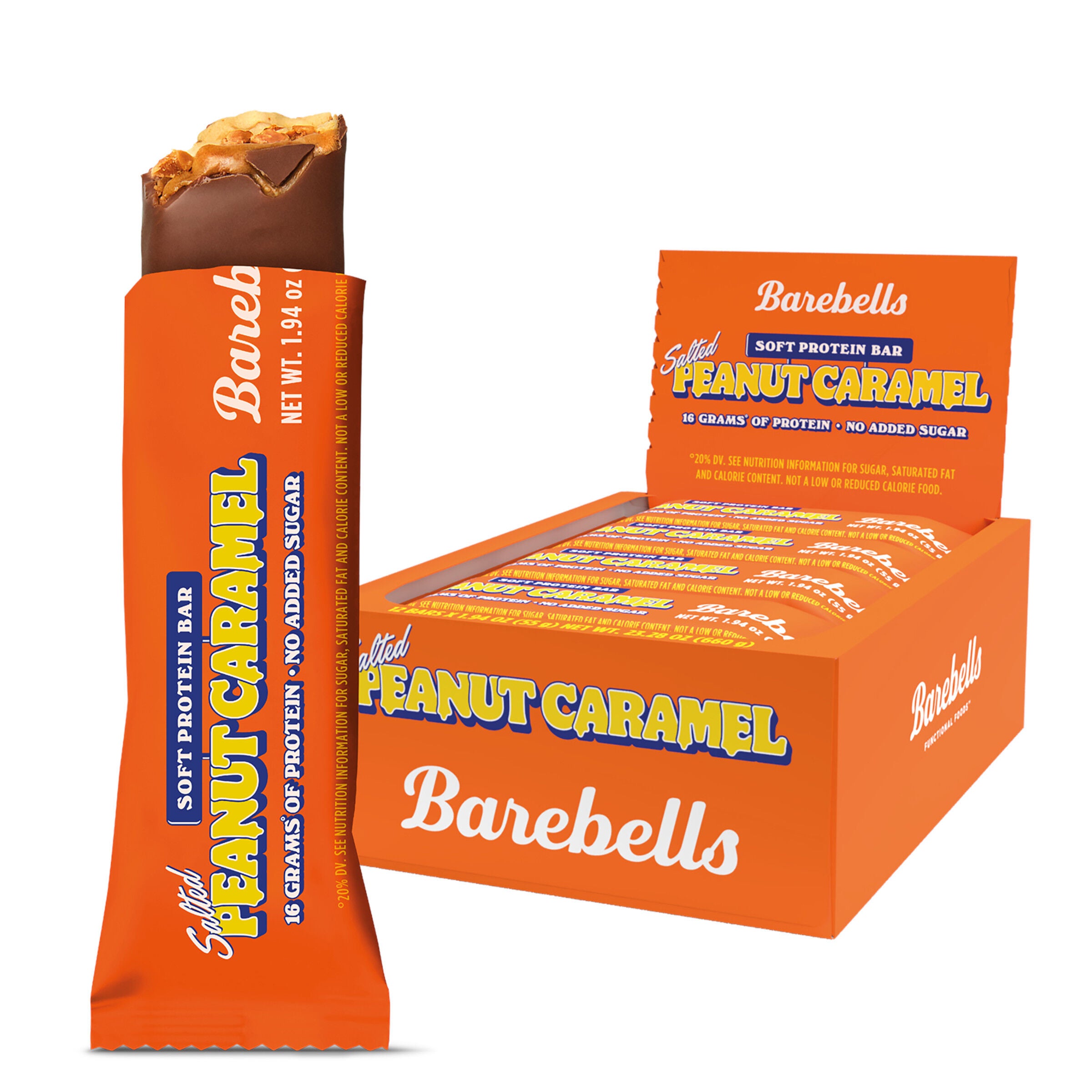
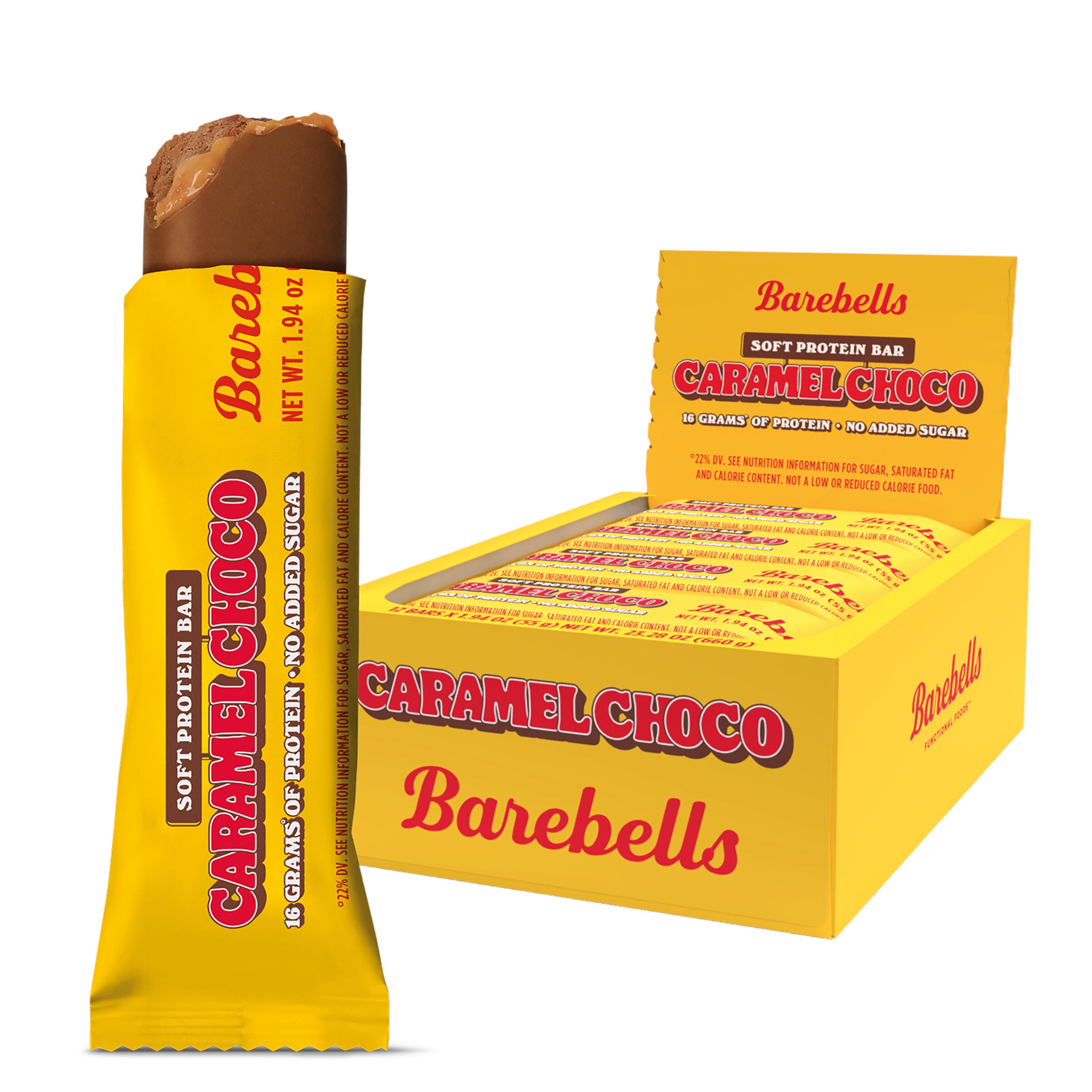
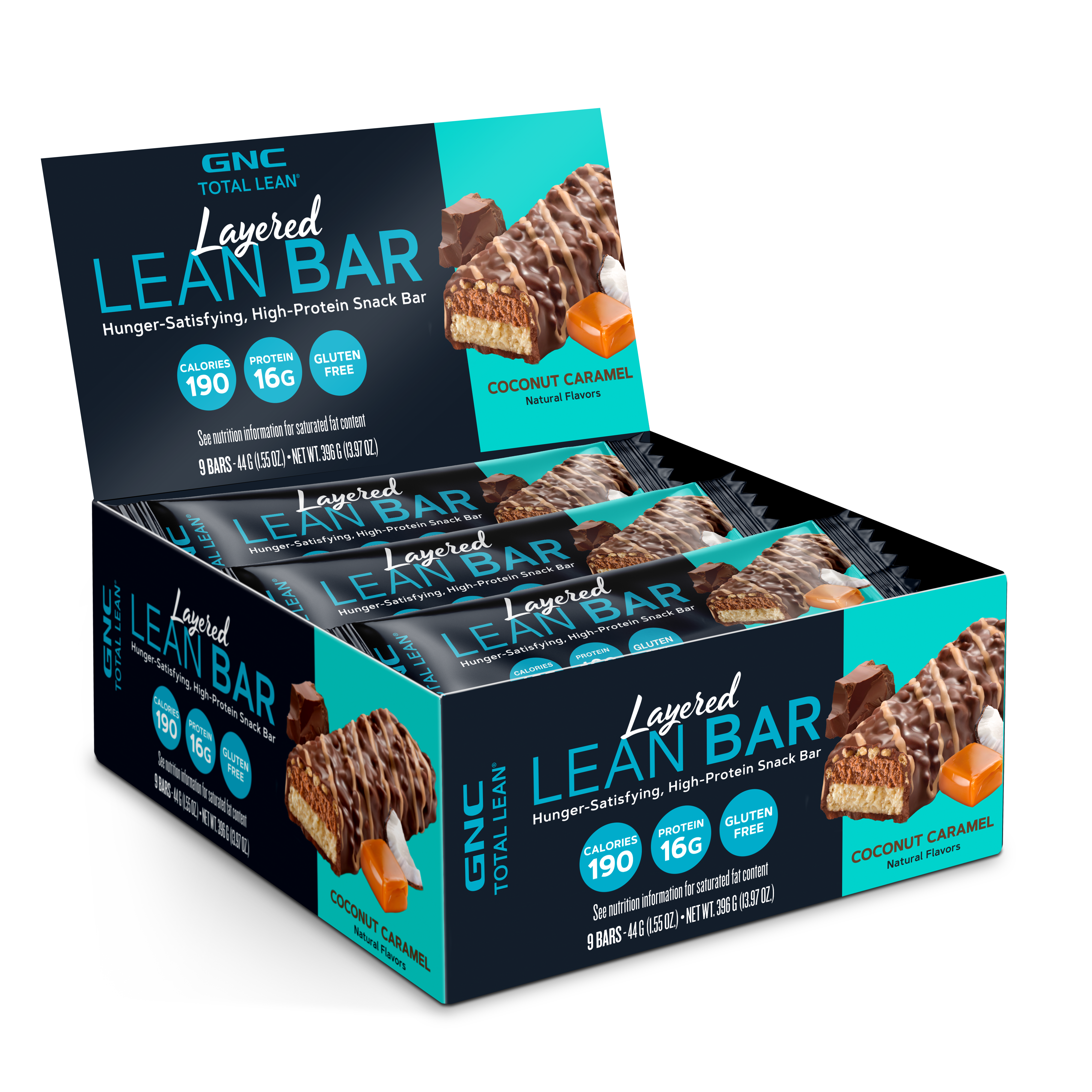
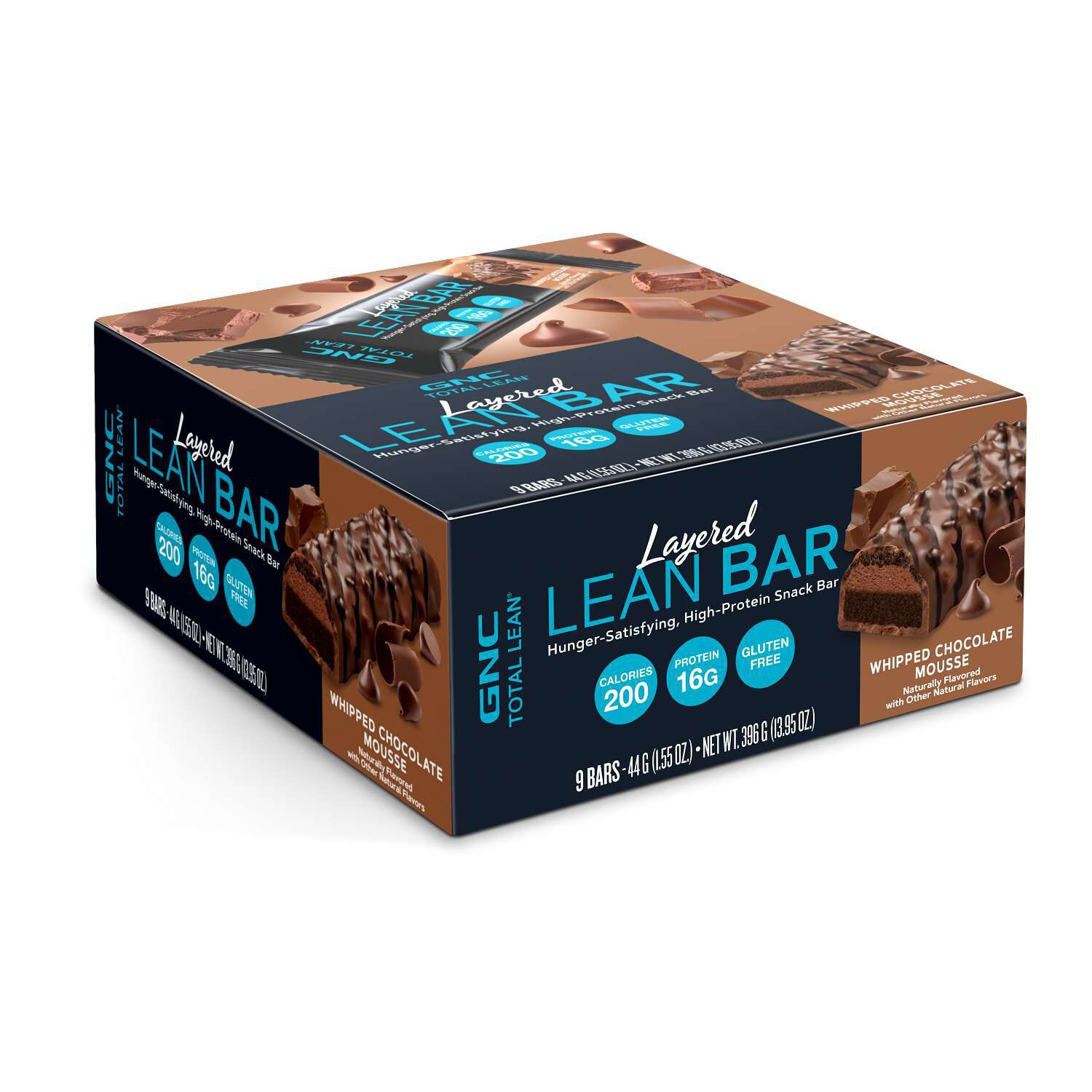

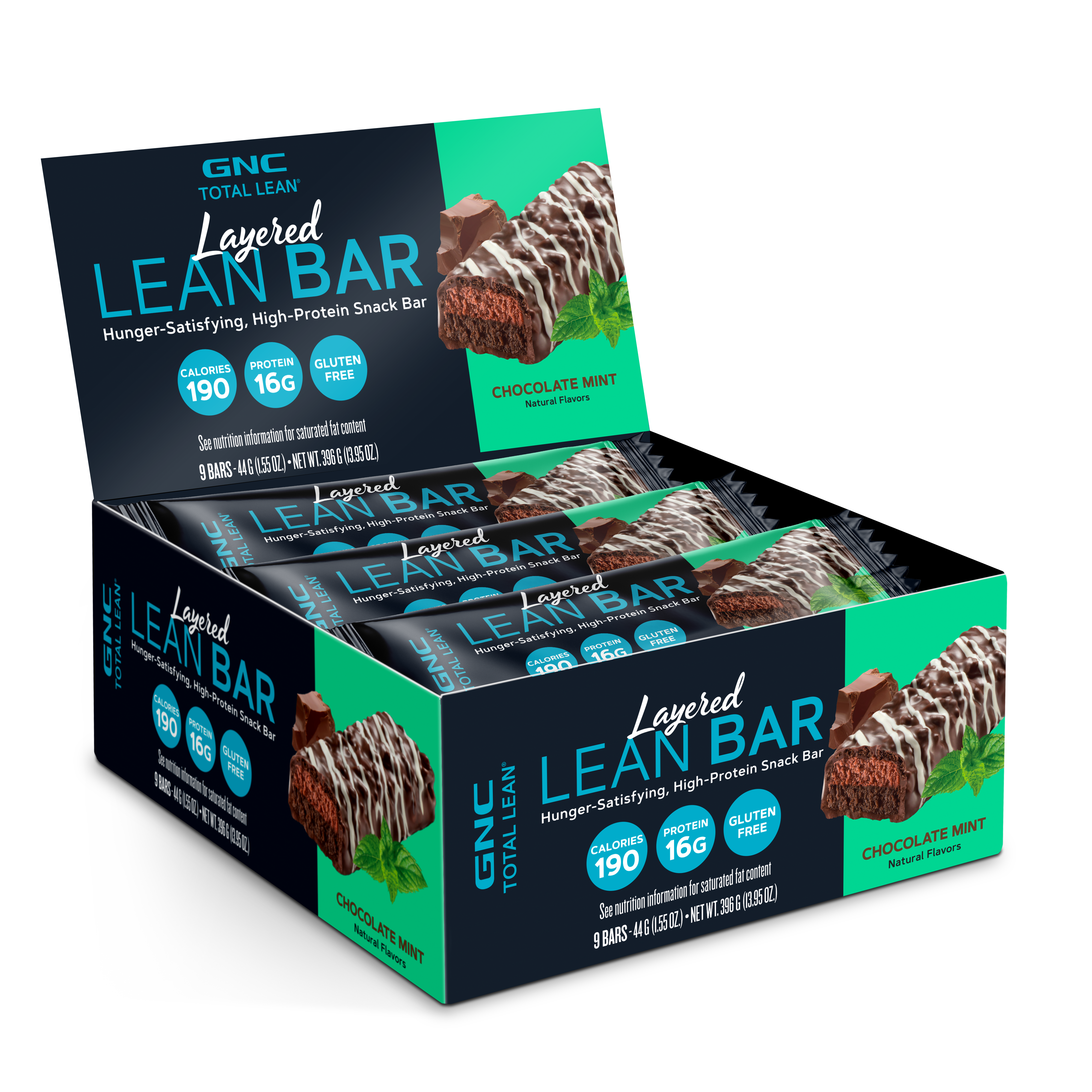


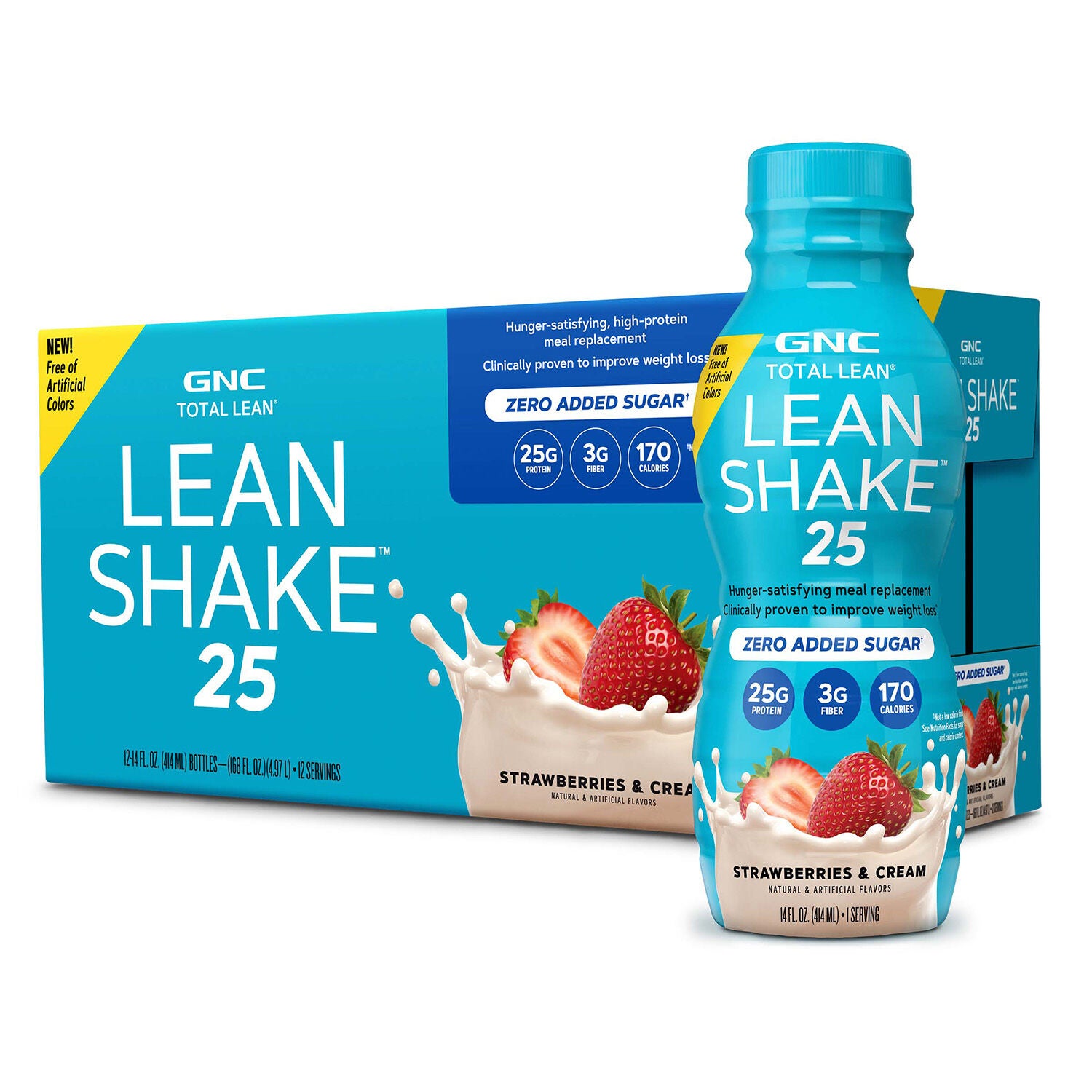
Diet protein bars offer a convenient way to keep a portion-controlled snack within reach when meals are separated by a busy schedule, a long commute, outdoor plans, or a full afternoon of errands. These bars are often selected for their combination of protein, modest calories, and lower sugar, with many options providing roughly 12 to 20 grams of protein and about 130 to 180 calories per serving. Some also include 4 to 8 grams of fiber, while sugar may fall in the range of 1 to 3 grams depending on the recipe and sweetener blend. Those numbers can make it easier to compare options at a glance, but the nutrition panel tells the fuller story. Check the serving size, total carbohydrate, fat, fiber, and protein, then consider how the bar fits with the rest of the food planned for the day. A bar might work well tucked into a work bag before a late meeting, placed in a desk drawer for a convenient afternoon snack, or packed for a drive when stopping for food may not fit the schedule. During warmer weather, it can travel well in a lunch bag with an ice pack; during cooler months, it can be a handy pantry option for busy mornings and active weekends. These products may suit shoppers who prefer a measured snack, people looking for a portable source of protein, and anyone who wants a simple alternative to pastries or candy between meals. They could also be a thoughtful addition to a care package for a college student, a new coworker, a traveler, or a friend who enjoys keeping practical snacks on hand.
Flavor and texture matter just as much as numbers, especially when a bar is likely to become part of a regular routine. Chocolate, peanut butter, caramel, cookie-inspired, fruit, and nut-forward profiles can create very different eating experiences, while crisp pieces, chewy layers, soft centers, and dense textures appeal to different preferences. Reading the ingredient list can help shoppers identify the primary protein source, such as milk-based ingredients, egg, soy, nuts, or plant proteins, and can make it easier to avoid ingredients that do not fit personal preferences. It is also worth looking at the sweetener blend. Some lower-sugar bars use sugar alternatives or sugar alcohols, which may be useful for shoppers watching added sugar, though larger amounts could feel uncomfortable for people with a sensitive stomach. Fiber-rich recipes may offer a more substantial texture and may help a snack feel more filling, but individual preferences vary, so starting with a single bar before purchasing a larger quantity could be a sensible way to evaluate taste and comfort. Anyone managing food allergies, following a particular eating pattern, or reviewing ingredients for personal reasons may want to read allergen statements and packaging details carefully. For shoppers comparing broader choices, High Protein Bars provides another product category to browse alongside diet-focused options. A useful comparison often comes down to the balance between protein, calories, sugar, fiber, flavor, texture, and price per serving rather than one nutrition number by itself.
Diet protein bars may be used as snacks, pre-activity fuel, travel provisions, or a convenient bridge between meals, but they are generally best considered alongside a varied eating routine that includes foods such as fruit, vegetables, grains, dairy or dairy alternatives, beans, eggs, fish, meat, nuts, and seeds. Some shoppers may choose a bar after a morning walk, before an afternoon workout, or during a packed day when preparing food is difficult; others may keep one nearby for the moment when dinner is still several hours away. The bar can be paired with fruit, yogurt, milk, or a beverage for a more satisfying snack, depending on personal preferences and the rest of the day’s menu. For those using bars in place of a meal on occasion, checking calories, protein, fiber, and overall serving size could help determine whether the option matches the intended use, since many bars are designed as snacks rather than as a full meal. Portion size can also be easy to overlook: a box may contain individually wrapped servings, but comparing the label with the amount actually eaten keeps the nutrition information clear. Taste testing can be part of the selection process as well. A bar that holds its shape in a backpack, has a texture that feels enjoyable, and offers a flavor that does not become tiring may be more likely to fit naturally into a routine. Whether purchased for a personal pantry, a gym bag, a road trip, or a seasonal gift basket, diet protein bars provide a practical format for shoppers seeking portable protein with a measured calorie count and a range of flavors.
Best Sellers
-
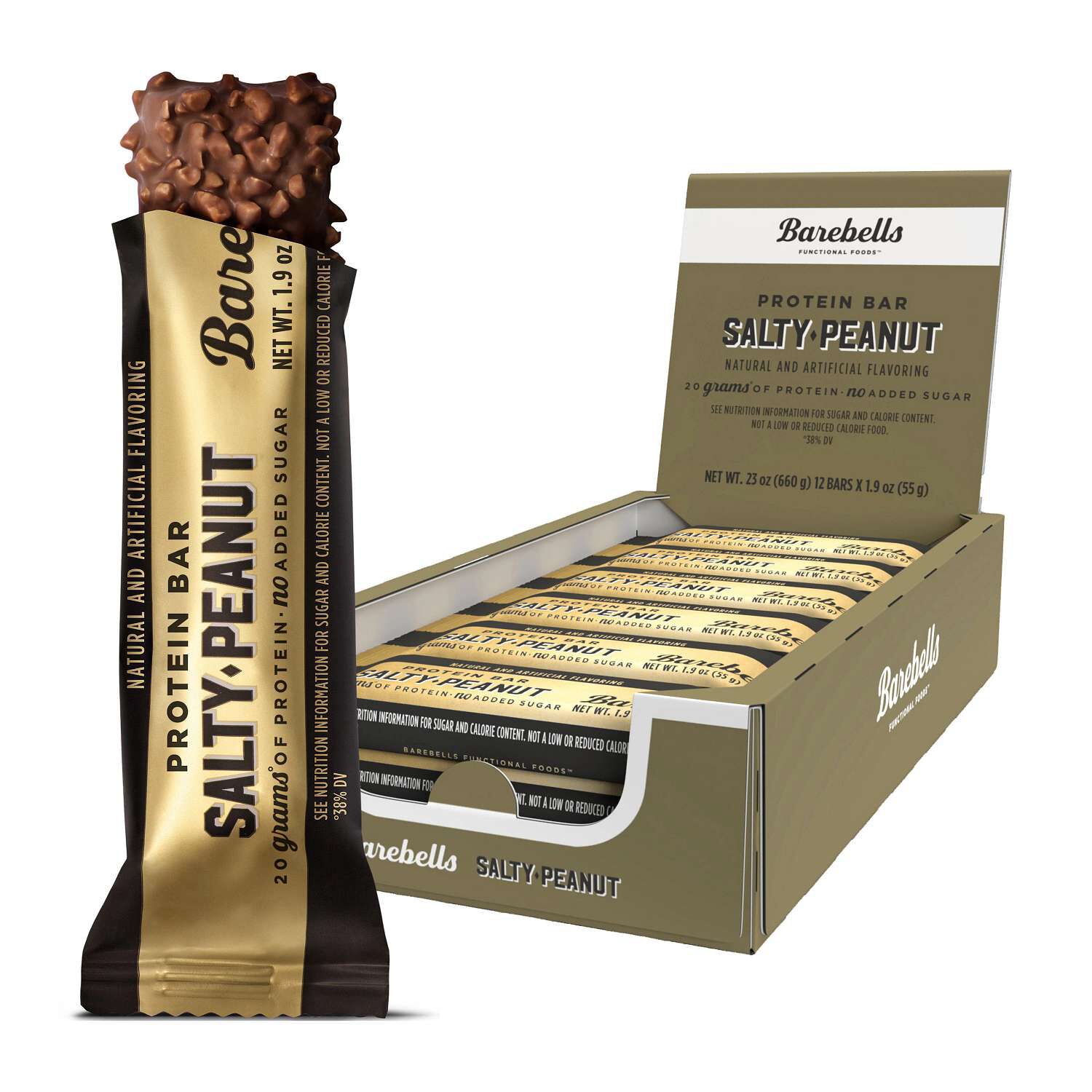 Barebells
 -
 Barebells
 -
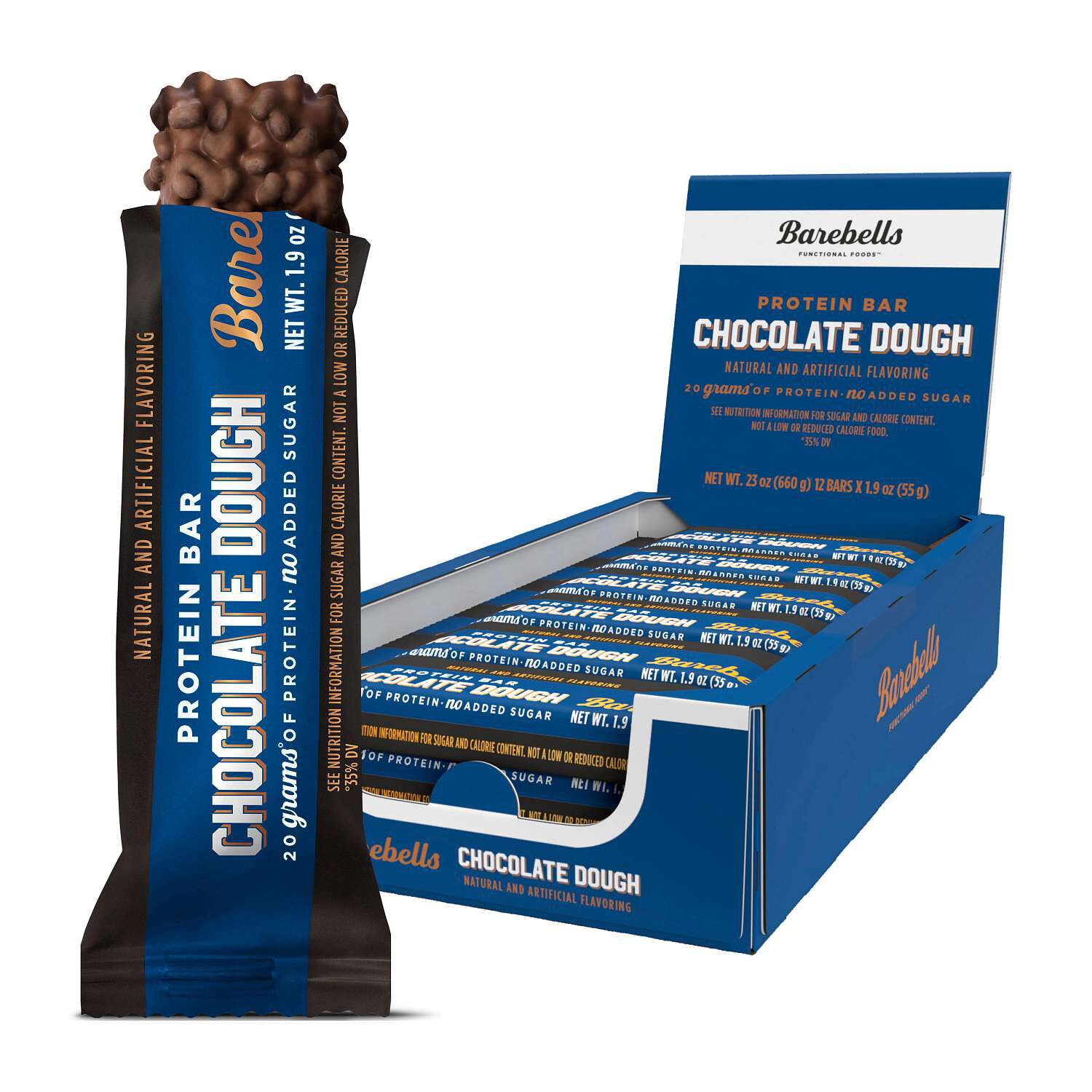 Barebells
 -
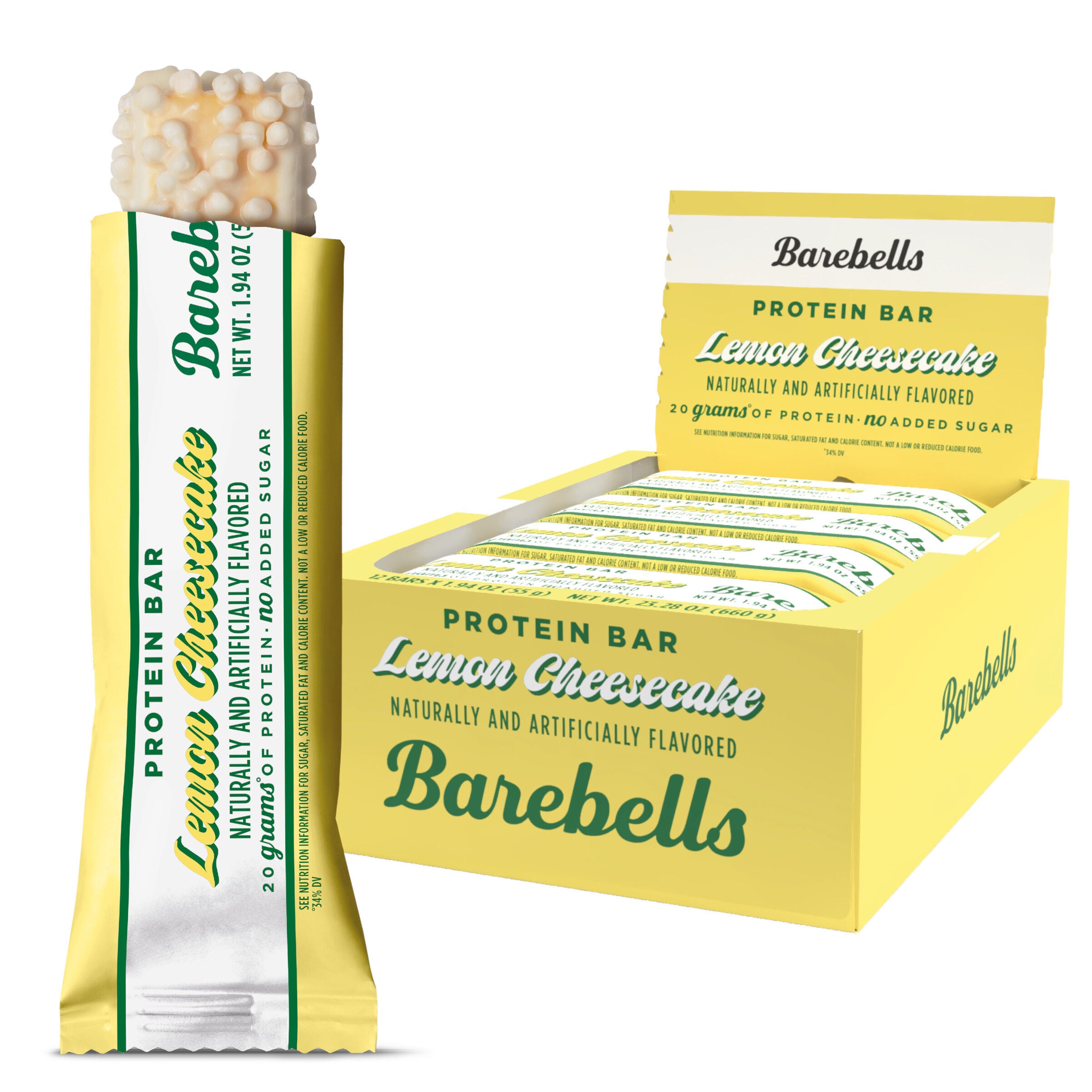 Barebells
