

Diet Protein Shakes
(0 Results)
Looking to fuel your fitness journey with a delicious and nutritious option? Our selection of diet protein shakes offers a convenient way to support your health and wellness goals. Packed with high-quality protein and essential nutrients, these shakes are designed to help you stay full and satisfied while managing your calorie intake. Whether you're looking to build muscle, support weight loss, or simply enjoy a tasty on-the-go snack, our range of diet protein shakes has something for everyone. Discover a variety of flavors and formulations to find your perfect fit!

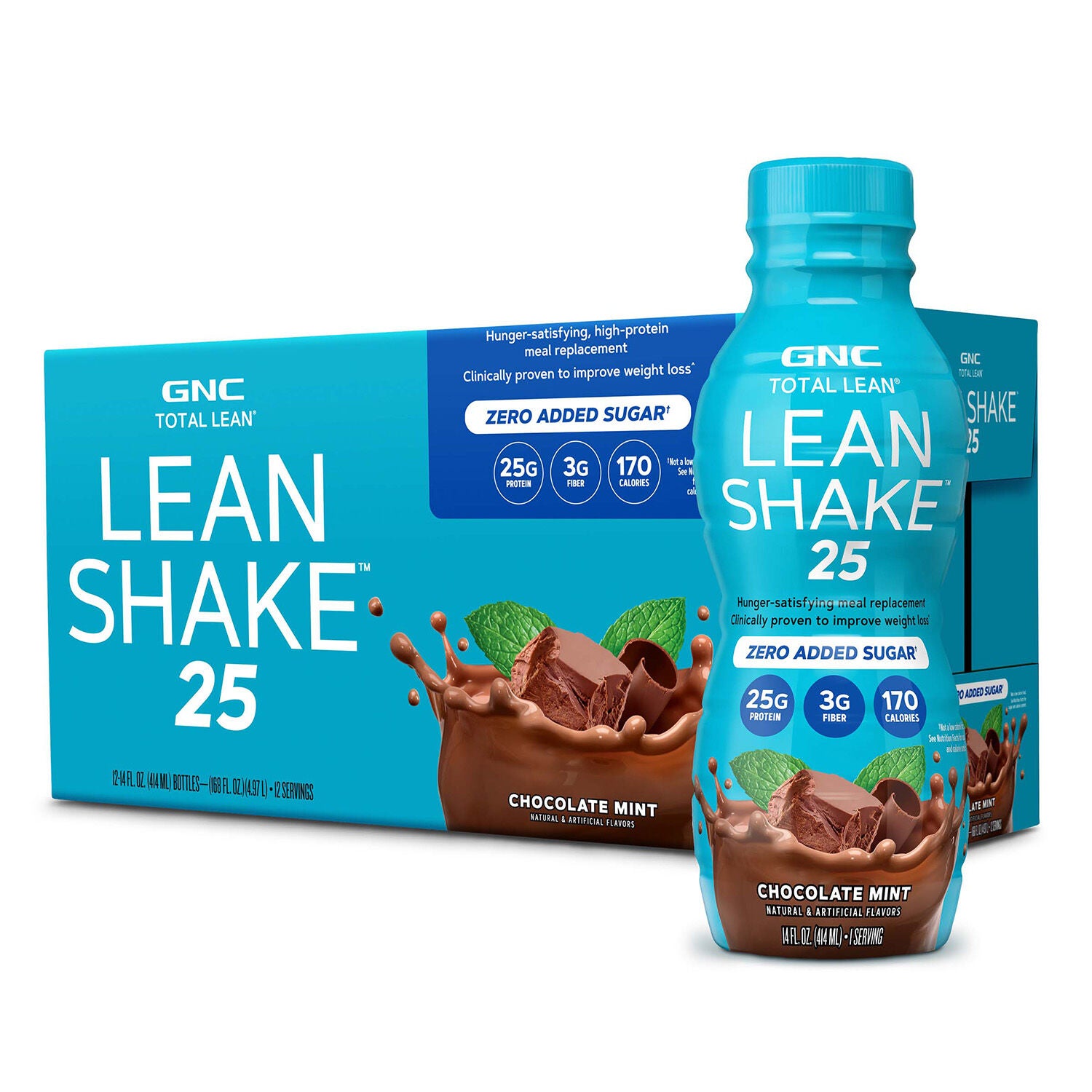
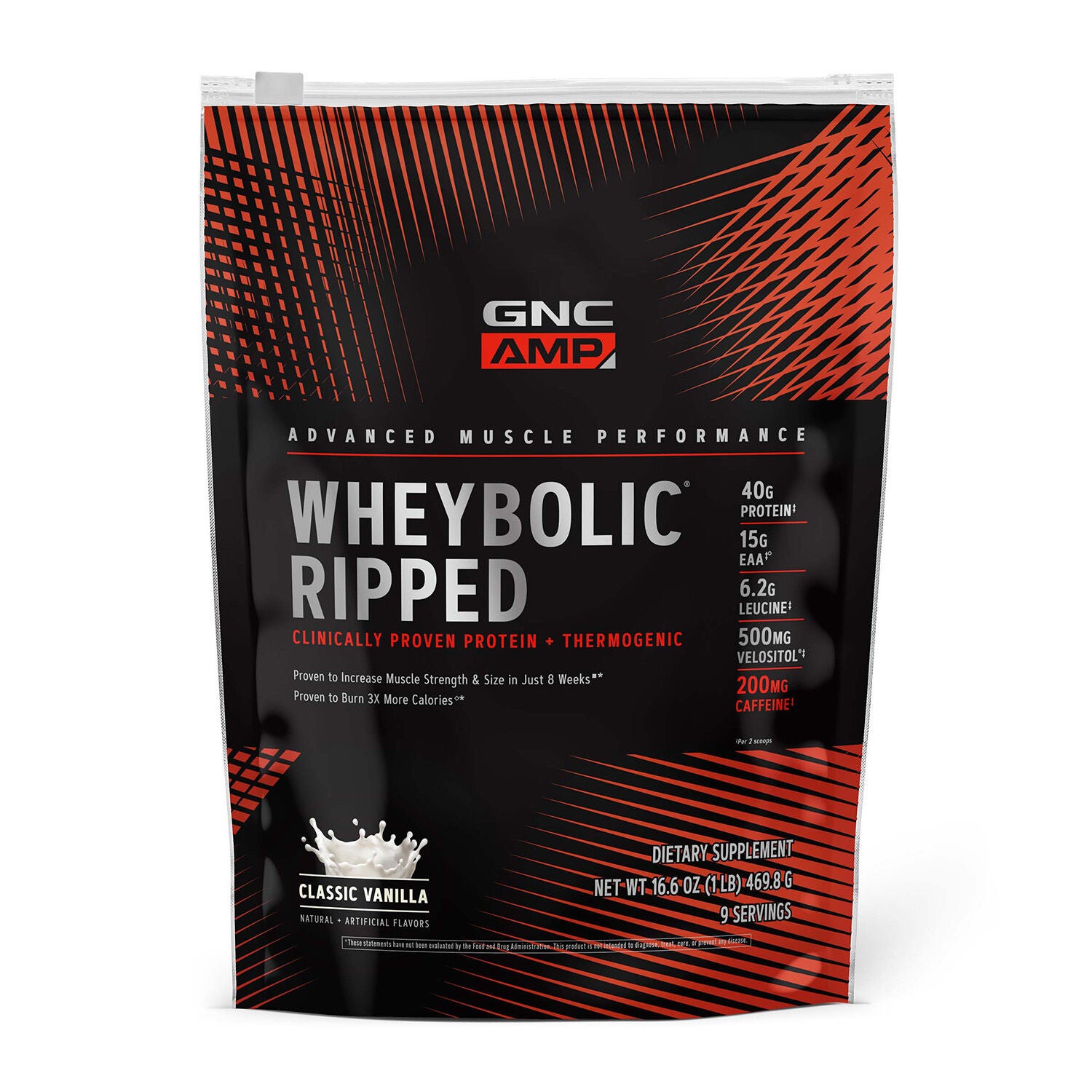

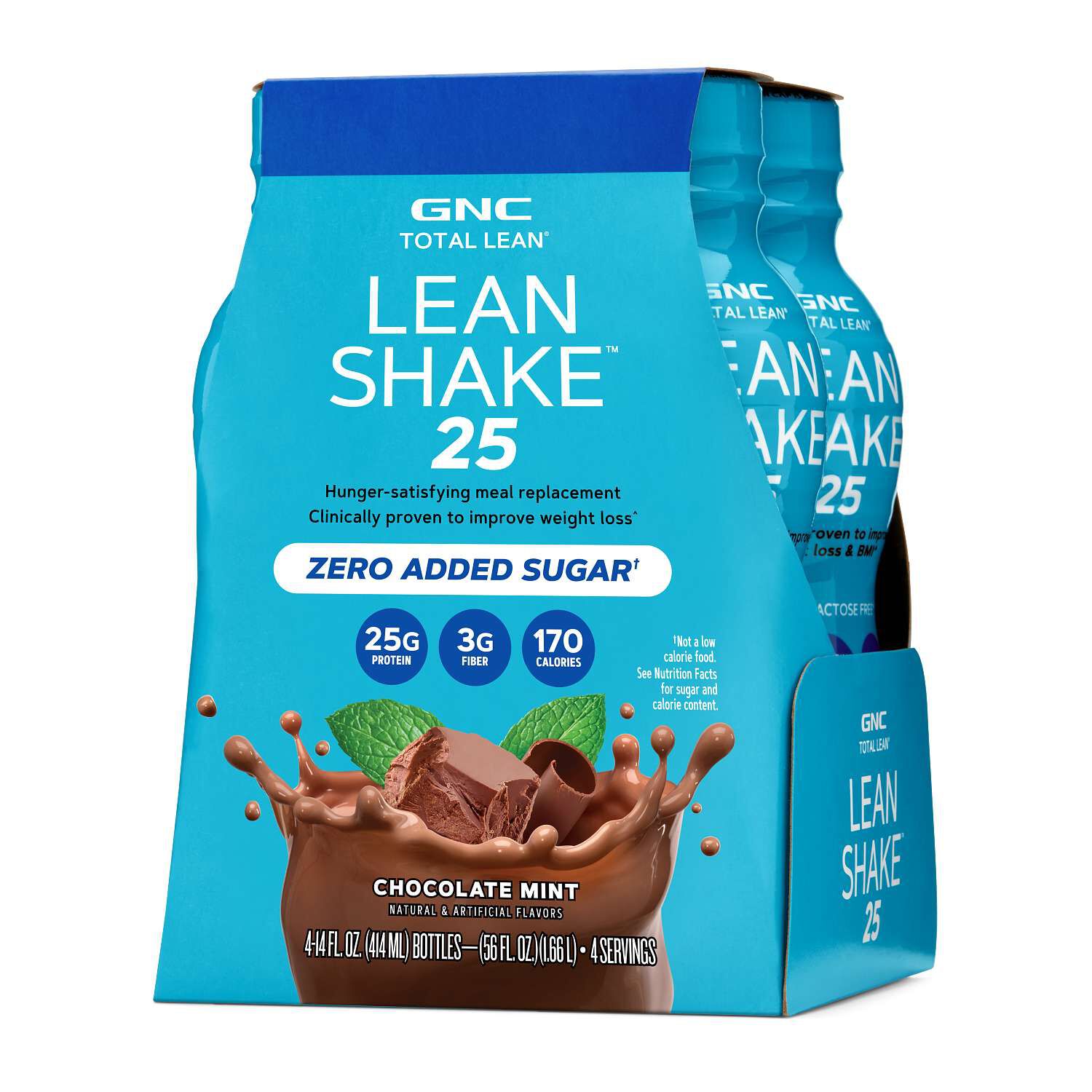


Diet protein shakes are protein-focused drinks or drink mixes intended to fit into eating routines where calories, portion size, and nutrient balance matter. The term covers a broad range of formulas rather than a single nutritional standard, so two shakes with similar names can have quite different serving sizes and ingredient profiles. Some emphasize protein with relatively little sugar or fat, while others include carbohydrates, fiber, fats, and added vitamins and minerals. Ready-to-drink shakes come in individual containers, while powders require mixing with water, milk, or another beverage according to the package directions. For adults balancing work, exercise, commuting, and everyday meals, either format may offer a practical way to add protein without preparing a separate dish. Protein may contribute to feelings of fullness, but a shake’s role in a weight-management routine depends on the broader eating pattern, including what accompanies it and whether it replaces another food or adds to the day’s intake. A protein shake is not automatically a meal replacement: a formula centered on protein may provide less nutritional variety than a product specifically formulated and labeled for that purpose. Someone choosing a drink to accompany breakfast may want something different from someone looking for a planned afternoon snack. For browsing options with a related focus, Weight Loss Support Shakes offers another relevant category to explore. Across these categories, the most useful comparisons start with the serving information, not the size of the container or the flavor name. Protein grams, calories, carbohydrates, sugars, fiber, and fat all describe different aspects of the drink. A higher protein number alone does not establish whether a shake suits a particular routine. The amount prepared, the ingredients used for mixing, and the foods eaten alongside it also matter when comparing how different options fit into an ordinary day.
Ingredients shape both the nutritional profile and the drinking experience of diet protein shakes. Dairy-based formulas commonly use whey, casein, or milk protein, while plant-based formulas may use pea, soy, rice, or blends of several protein sources. Whey isolate and whey concentrate differ in processing and composition, but the finished product’s label is the better reference for its actual protein, carbohydrate, and fat content. A plant-based protein source also does not, by itself, describe every ingredient in the finished shake. Anyone with ingredient restrictions should review the ingredient list and allergen statement rather than relying only on a prominent front-label phrase. Beyond the protein source, ingredients such as cocoa, flavorings, oils, fibers, and sweeteners influence taste, texture, and nutrition. Some formulas have a light, smooth consistency; others are thicker, with a more substantial mouthfeel. Chocolate flavors can range from mellow and milk-like to darker cocoa notes, while vanilla often provides a straightforward base for blended combinations. Sweetness varies even between drinks with similar sugar amounts because different sweeteners create different flavor profiles. Texture deserves attention, too, especially for someone who prefers a drink that pours easily rather than one with a pudding-like consistency. Powders mixed with water generally have a different character from those prepared with milk or a plant-based beverage, and the mixing liquid changes the nutrition of the finished serving. Adding fruit, oats, yogurt, or nut butter introduces additional flavor and nutrients as well as additional calories. Those additions are worth accounting for when the purpose is a portion-conscious snack rather than a larger blended meal. Fiber content also varies considerably: a creamy texture does not necessarily indicate that a shake contains much fiber. Comparing the nutrition panel with the ingredient list gives a clearer picture of what creates the drink’s consistency and how the formula differs from neighboring options. For an everyday choice, familiar flavors and a texture that suits personal preferences deserve as much consideration as the numbers on the label.
Format and preparation often determine how naturally a diet protein shake fits into a routine. A sealed, ready-to-drink container may suit a packed lunch or an afternoon at a desk, especially when there is no convenient place to measure powder and wash a mixing cup. Powder may suit someone who prefers to prepare each serving at home, adjust the liquid amount within package directions, or use the same base in different blended recipes. The serving instructions matter because a scoop is a measuring tool, not a universal portion: scoop sizes and the number of scoops per serving vary between formulas. Nutrition information may describe the dry powder alone or a serving prepared with a specified liquid, so checking that distinction makes comparisons more meaningful. Packaging matters for repeated use as well. A secure closure, readable directions, and a container that fits the intended storage space are practical details for a powder used regularly. Individual drinks have their own storage requirements, including whether refrigeration is needed before opening and how to handle an unfinished serving. Follow the package directions for storage and use, keep powder containers properly closed, and use clean, dry utensils for measuring. Reusable mixing cups need washing after use, with attention to lids, seals, and any removable mixing pieces where residue can collect. In daily use, a shake might accompany oatmeal at breakfast, sit beside fruit in a lunch bag, or serve as a planned snack after a workout. Each setting gives it a different role, and none requires treating the drink as a substitute for every part of a varied eating pattern. Fruits, vegetables, grains, and other protein foods bring flavors, textures, and nutrients that a single beverage does not necessarily supply. Diet protein shakes may offer convenience within that variety, particularly when preparation time is limited. Considering intended use, ingredient preferences, serving size, taste, and preparation together creates a more useful comparison than focusing on any one feature alone.