





Digestive Aid For Plant Based Diets
(0 Results)
Digestive aid for plant based diets is designed for those who follow a vegetarian or vegan lifestyle and want extra support for their digestive wellness routine. Navigating a plant-based diet may come with unique challenges, especially when it comes to digesting certain foods. Explore a variety of digestive aids that could help you feel your best while enjoying all the benefits of plant-powered nutrition.
-
-
-
-
-

-
 $17.99
-

-
 $29.99
-

-
 $19.99
-
-
 209$34.99
-

-

-

-
-

-







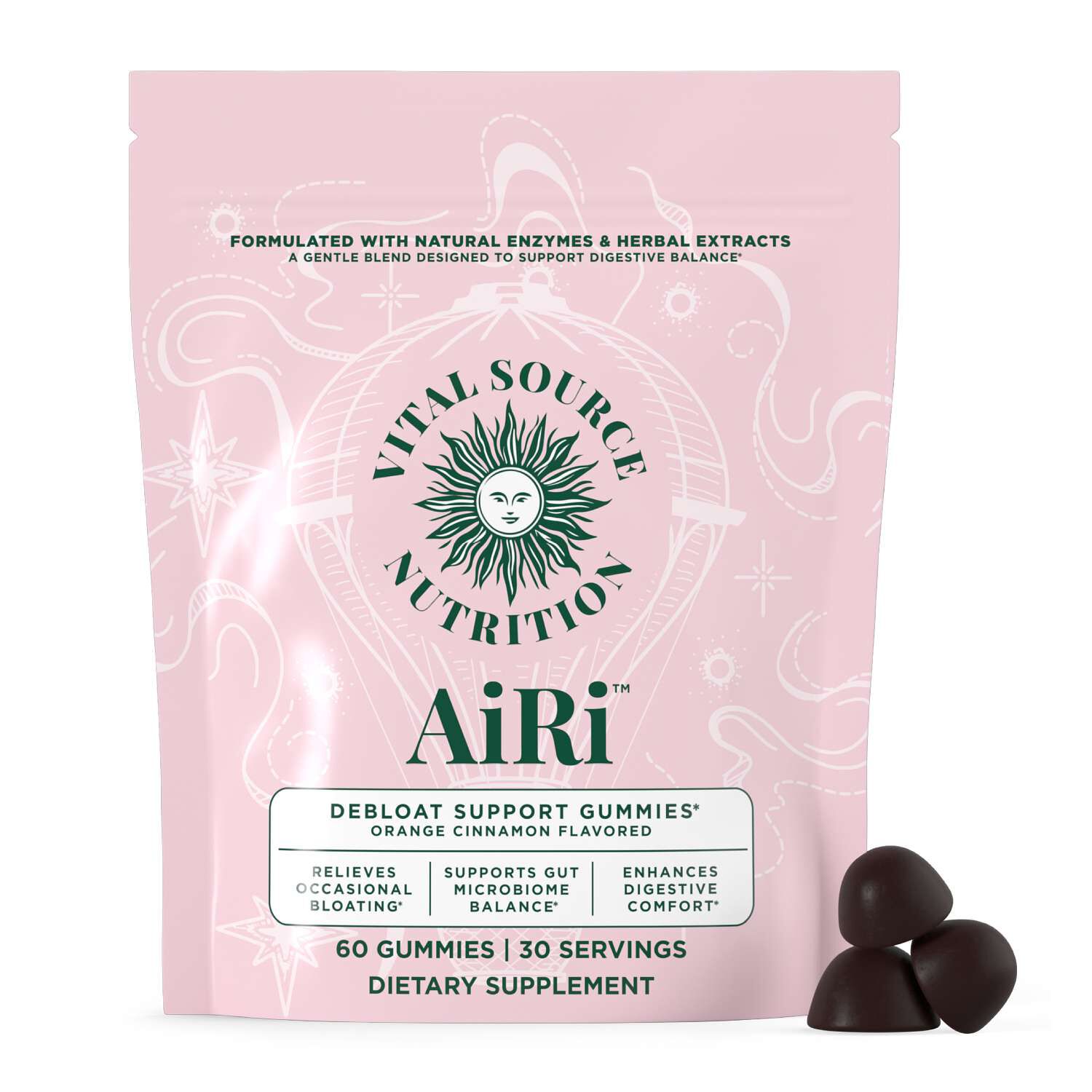
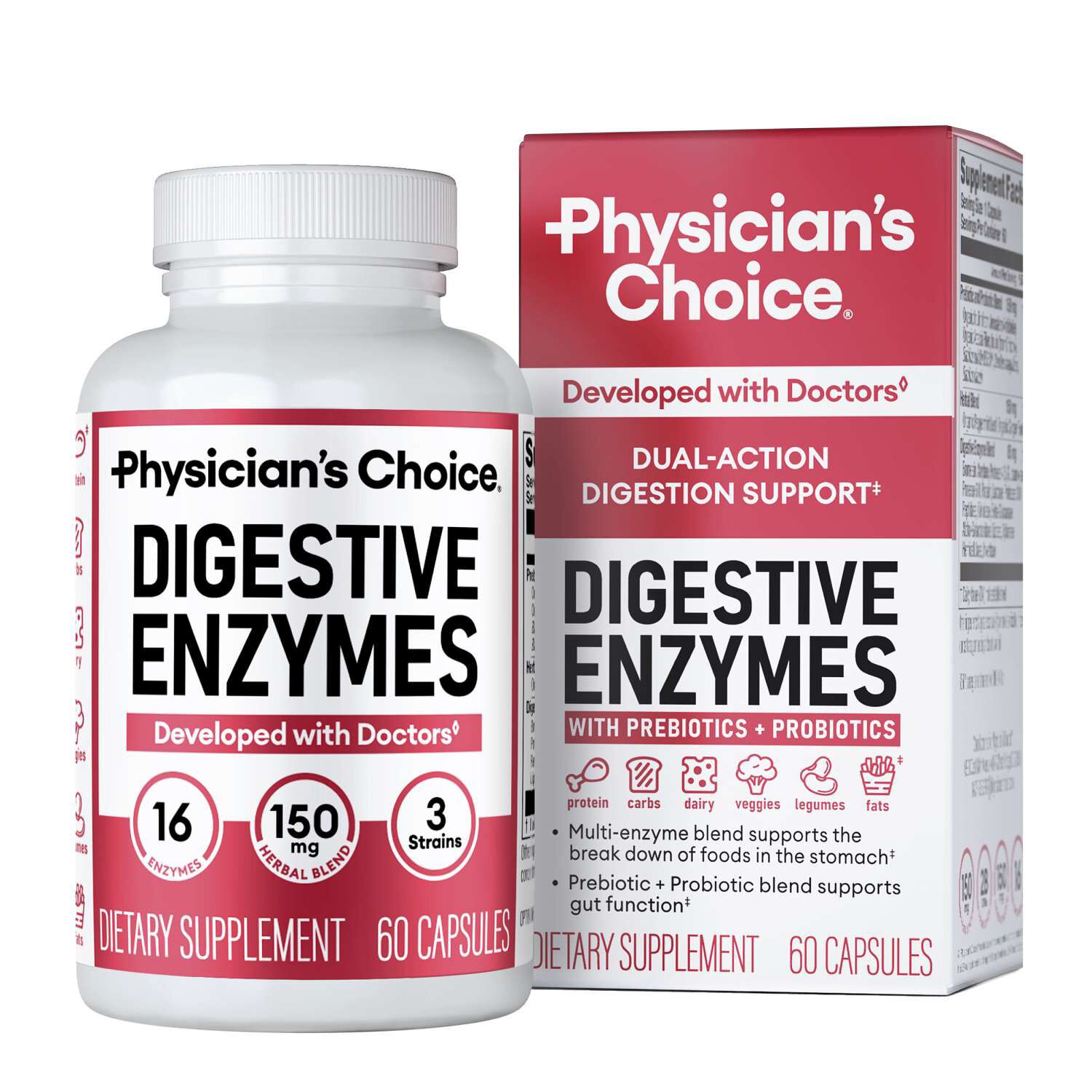
Digestive aids for plant-based diets include enzyme supplements, probiotics, prebiotics, and combination formulas intended for everyday digestive support. These categories have different purposes, so the most useful comparison starts with what a formula contains and how its intended use relates to the foods on the plate. Plant-focused eating can look like a lentil bowl with brown rice, a tofu scramble tucked into a tortilla, or a smoothie made with oats, berries, and pea protein. Each meal brings a different mix of carbohydrates, protein, fat, and fiber. Digestive enzyme supplements may support the processing of particular food components, depending on the enzymes included. Alpha-galactosidase may help break down certain complex carbohydrates found in beans and lentils. Cellulase may help break down cellulose, a structural component of plant cell walls. Protease may support protein digestion, while amylase may support starch digestion and lipase may support fat digestion. These distinctions matter more than simply choosing the formula with the longest ingredient list. A blend intended for bean-heavy meals may have a different composition from one designed around a wider variety of foods. Phytase also appears in some enzyme formulas and is associated with phytate, a naturally occurring compound in grains, legumes, nuts, and seeds. Its presence alone does not establish how a finished supplement may affect nutrient absorption. For shoppers comparing digestive aids for plant-based meals, the enzyme names, labeled activities, serving size, and ingredient sources offer more meaningful context than a large number on the front of a bottle. Enzyme activity units describe an ingredient differently from weight, and different enzymes may use different activity measurements. A milligram amount by itself is not a direct measure of digestive performance. Whether plant-based eating means exclusively vegan meals or simply more vegetables and legumes throughout the week, these supplements are best understood as distinct product categories rather than interchangeable answers to every digestive preference. A clearly labeled formula makes those distinctions easier to recognize.
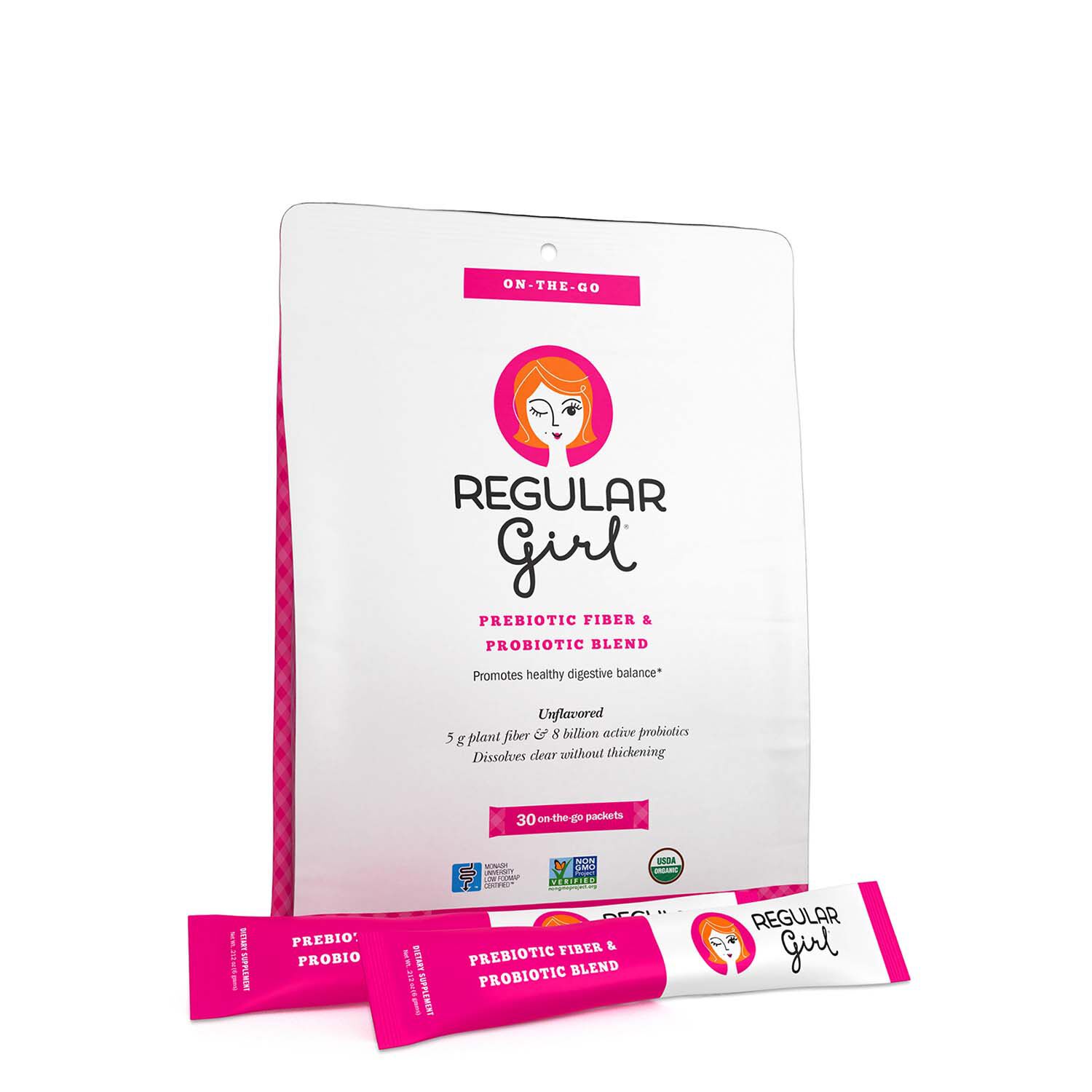
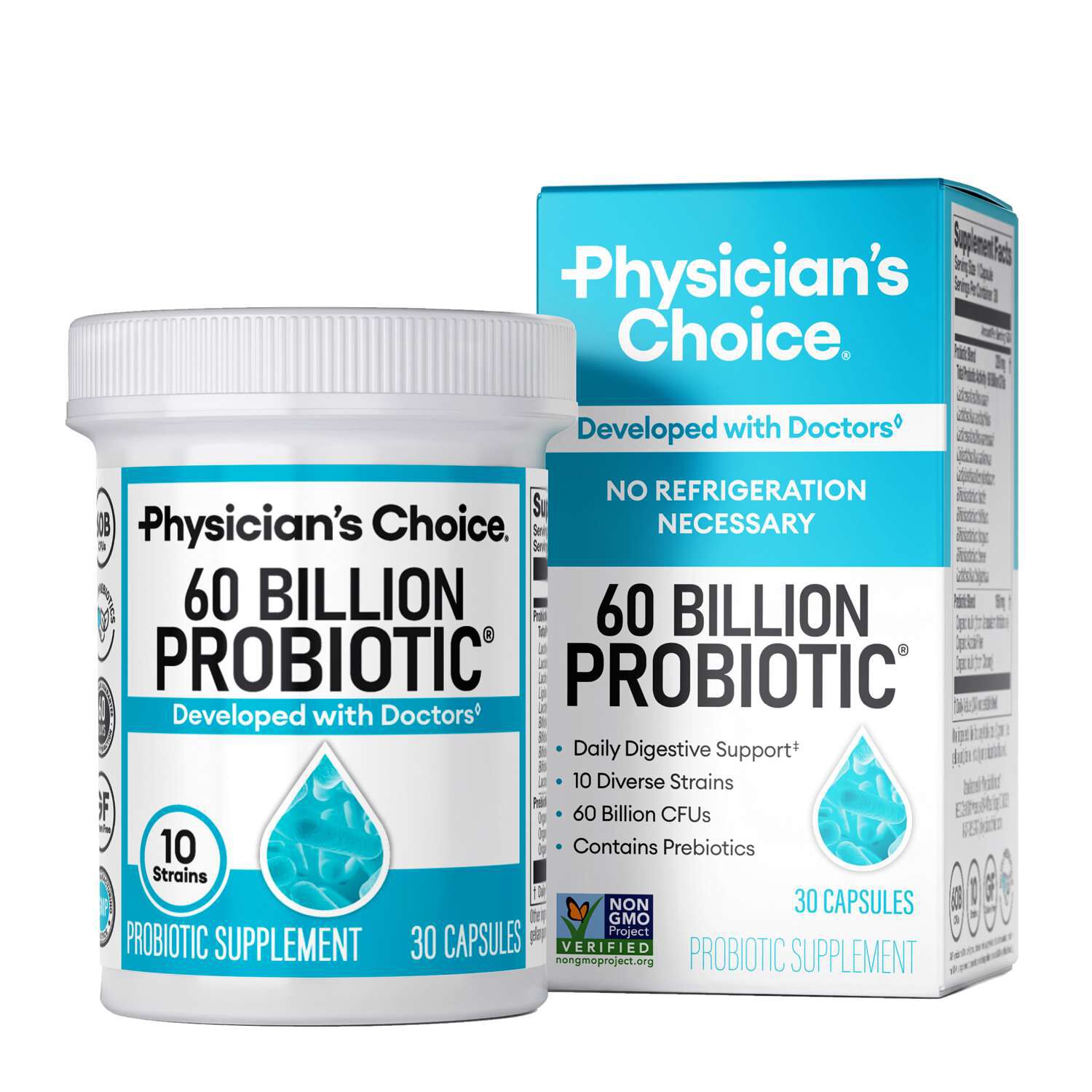
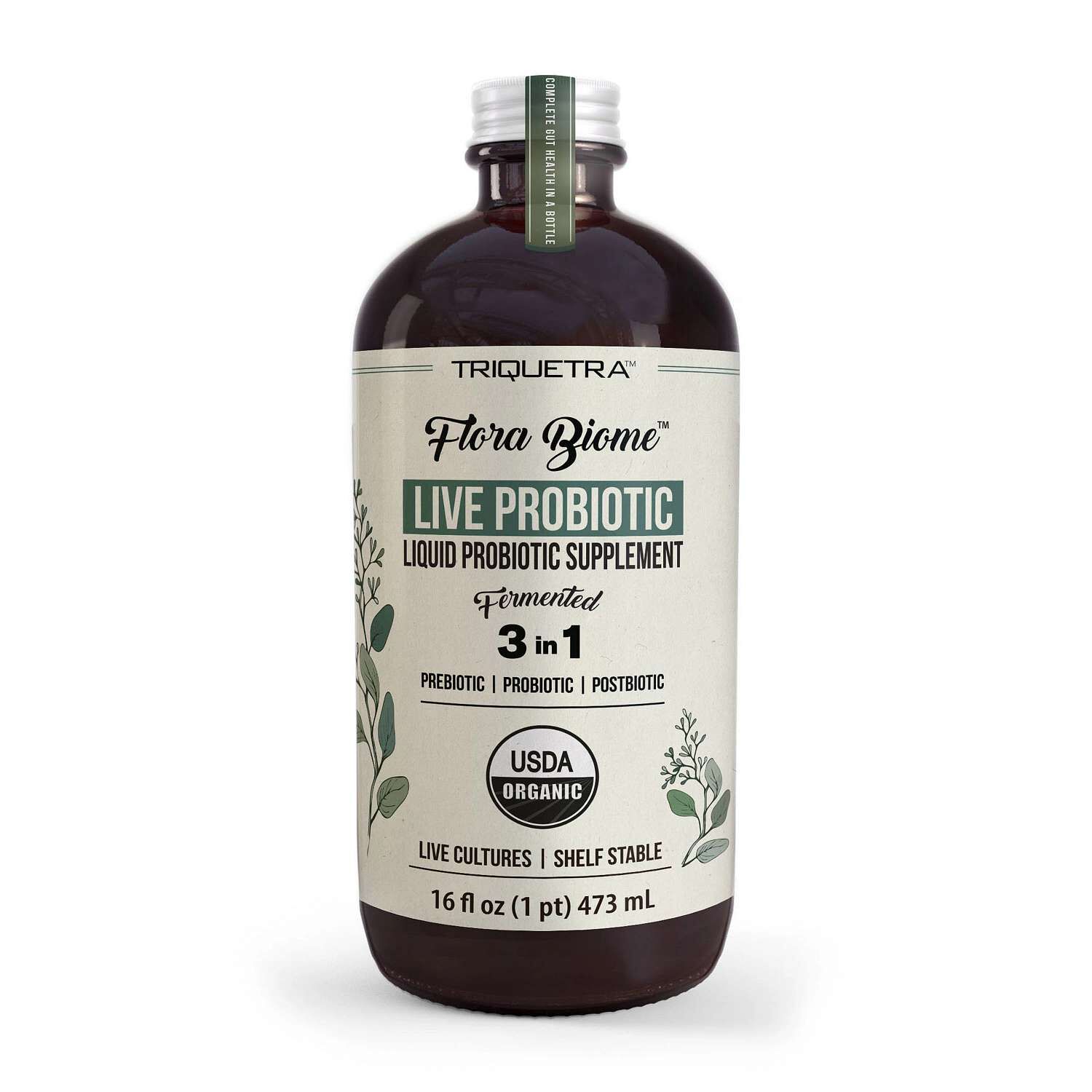
Probiotics and prebiotics offer another way to compare digestive support supplements for a plant-focused routine. Probiotic supplements contain live microorganisms and may support a balanced digestive environment, with their potential effects depending on the particular strains and formulation. Prebiotics are substances that certain microorganisms can use, and supplemental prebiotic ingredients may support beneficial gut bacteria. They are not the same as digestive enzymes, which may act on particular components of food. Some formulas combine these categories, but a combination label does not explain the purpose of every ingredient without a closer look at the panel. Probiotic labels may list a genus, species, and strain designation, along with a count expressed in colony-forming units, or CFUs. The strain information and the point in the product’s shelf life to which that count applies are useful details when comparing formulas. A larger CFU count alone does not establish a better match for every shopper. Prebiotic ingredients can include inulin, chicory root fiber, or other specified fibers, each with its own labeled serving amount. For someone whose regular meals already include chickpeas, oats, vegetables, and seeds, that added fiber is a meaningful part of the product comparison. A capsule containing enzymes differs substantially from a scoop of fiber powder, even when both sit within the broader digestive support category. Powder texture, flavor, mixing directions, and serving volume also matter in everyday use. An unflavored powder may suit someone who prefers a neutral addition to a permitted beverage, while a capsule may appeal to someone who does not want to change the taste or texture of a meal. Neither format establishes what results a person may experience. The broader Natural Digestive Support category provides another place to explore related formulations and compare their ingredient profiles. Across these categories, a straightforward label is especially valuable: it distinguishes the active ingredients, identifies serving amounts, and explains the intended use without requiring shoppers to infer a formula’s purpose from its name.
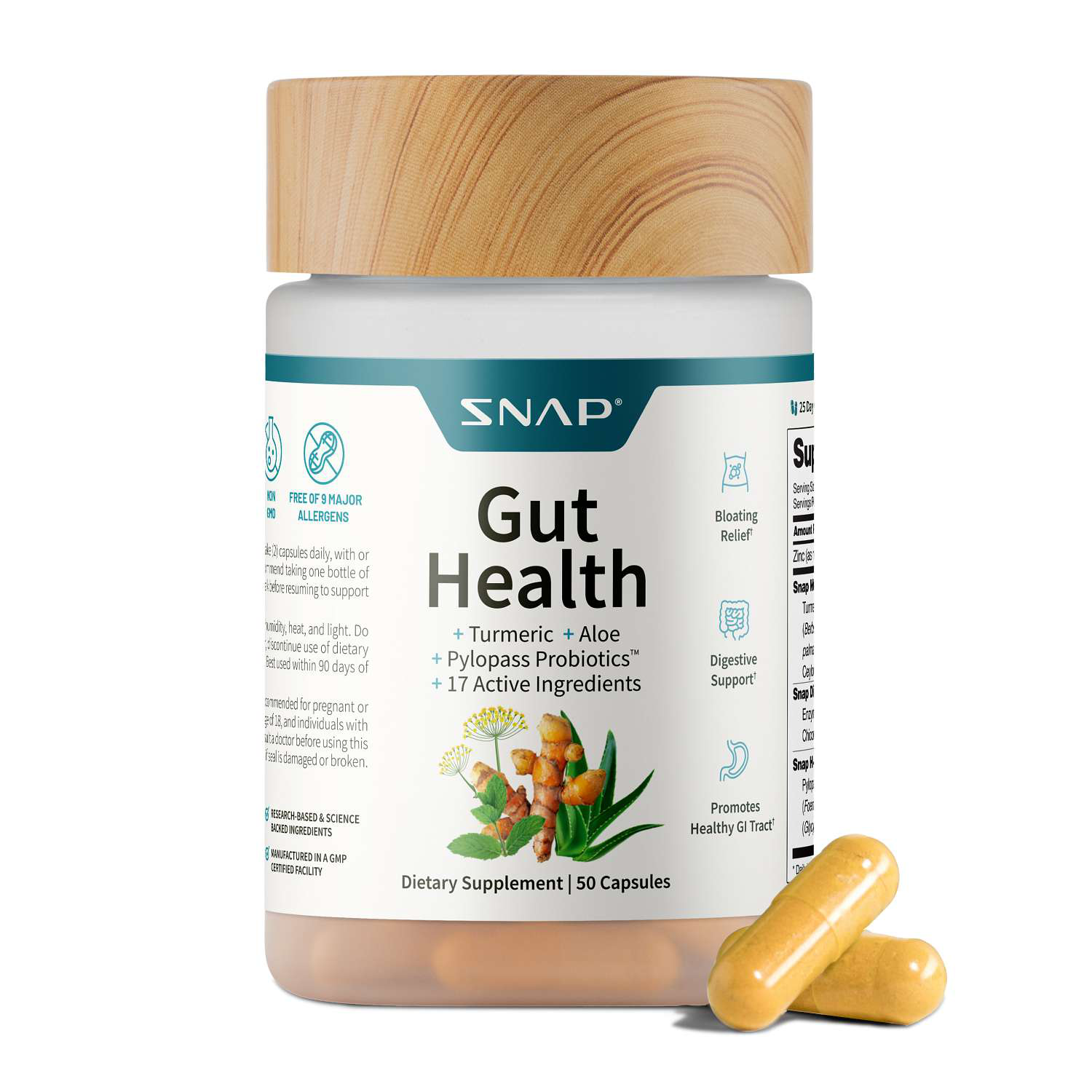
A supplement that fits a plant-based diet also needs to match the shopper’s ingredient standards, preferred format, and daily routine. Vegetarian and vegan are not interchangeable descriptions, and the capsule shell is only one part of the formulation. Capsule materials may include cellulose or gelatin; enzyme sources, added ingredients, flavorings, and processing information can also matter to someone avoiding animal-derived ingredients. Enzymes may come from microbial, fungal, plant, or animal sources, so an enzyme name alone does not establish whether the finished formula is vegan. Clearly stated sourcing and relevant certification can make the comparison more transparent. Allergen statements deserve attention as well, particularly when a shopper avoids soy, wheat, milk, or another listed ingredient. Plant-based wording does not replace that information. Practical details become noticeable during an ordinary day: a bottle kept beside breakfast supplies, a powder measured into a shaker according to its directions, or individually packaged servings packed for an overnight stay. Capsule dimensions, the number of capsules per labeled serving, scoop size, and packaging all influence how a format fits those situations. Chewable options introduce additional considerations, including taste, texture, and sweetener content. Serving directions also vary; some enzyme formulas are labeled for use with meals, while other digestive support supplements have different instructions. The package directions, rather than assumptions about the category, establish the intended timing and handling. Storage requirements are another useful comparison point, especially for live-culture formulas that may have specific refrigeration instructions. Expiration dating, an intact container, and clear directions for closing and storing the package are more relevant here than durability in the usual household-product sense. Keeping the original label with the supplement preserves access to ingredient and handling information. These details can matter to longtime vegan shoppers, people exploring more plant-focused meals, and households preparing a mix of vegetarian and other dishes. The most informative product comparison stays grounded in ingredient identity, dietary suitability, labeled use, and the practical realities of the routine—not an expectation that every plant-based meal calls for the same supplement.
Best Sellers
-
 Physician's Choice

Related Pages

Top Collections
- Daily Collagen Supplements | Top Brands & Deals | GNC
- Natural Collagen Supplements | Top Brands & Deals | GNC
- Top Rated Collagen | Shop Customer Favorites | GNC
- Cortisol Supplements
- Vitamins For Hair Loss
- Spirulina Tablets
- NAD+ Supplement Tablets
- Peptide Supplements
- Best Brand of Magnesium Glycinate
- Vitamins That Help Support Weight Gain