





Digestive Enzyme Supplements For Kosher Diets
(0 Results)
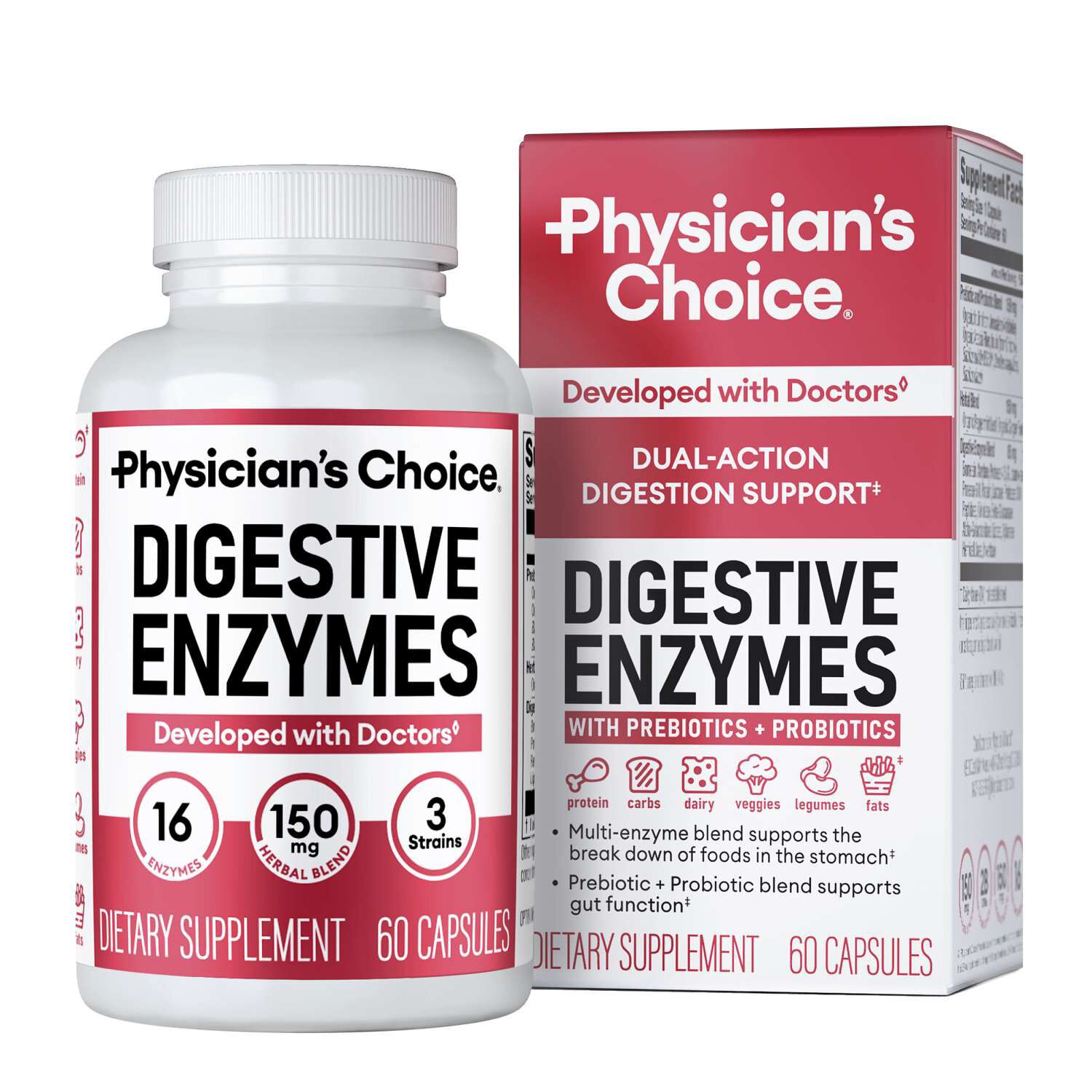
Digestive enzyme supplements for kosher diets may offer a convenient way to support your wellness routine while aligning with your dietary preferences. These supplements are designed for those who follow kosher guidelines and are looking for options that fit seamlessly into their lifestyle. Whether you’re exploring ways to complement your nutrition or seeking products that meet specific dietary standards, digestive enzyme supplements for kosher diets could be a helpful addition to your daily regimen.
-

-

-
-

-

-

-
-

-

-

-
-
-
-
-
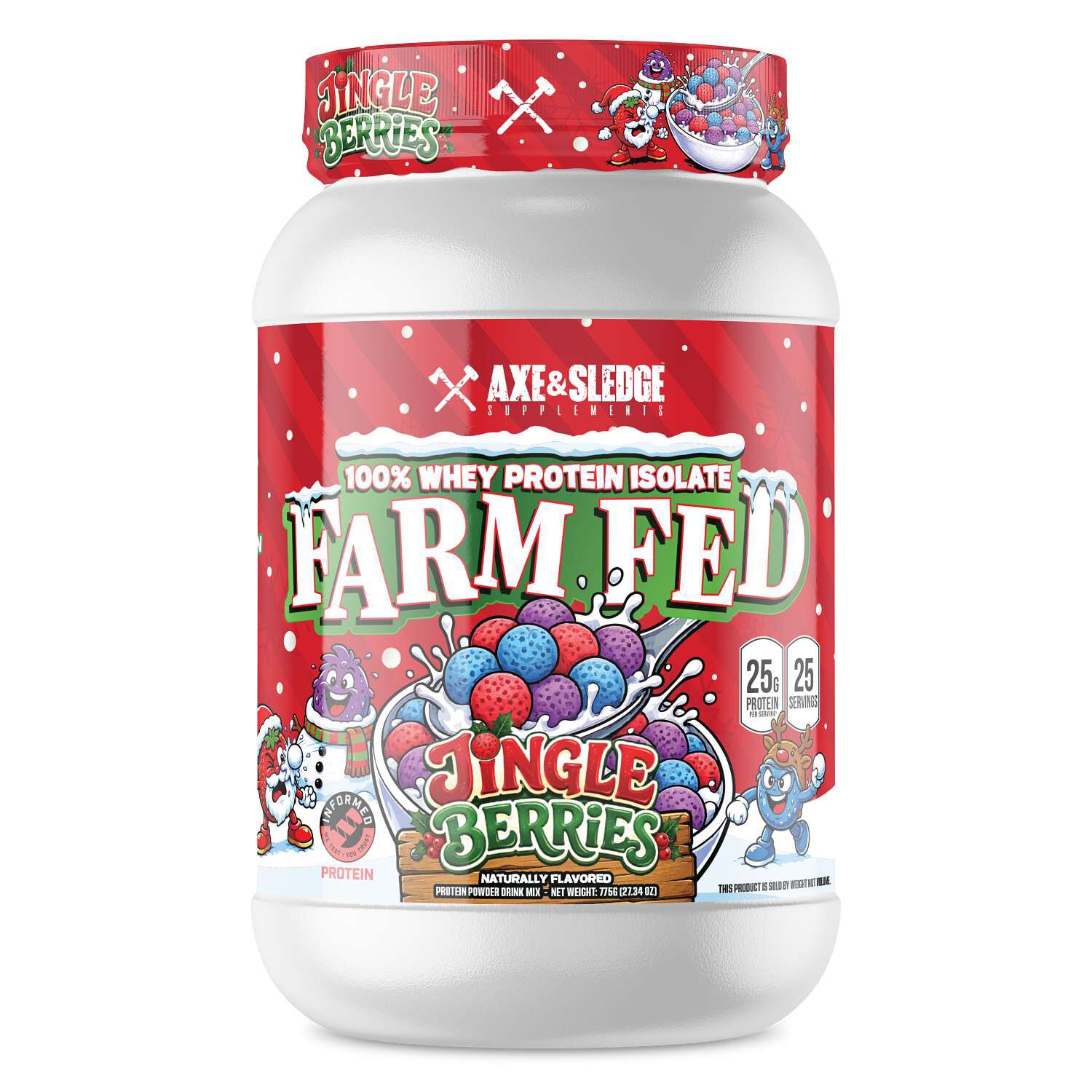
 Axe & Sledge Supplements131$59.99
-

-

-

-



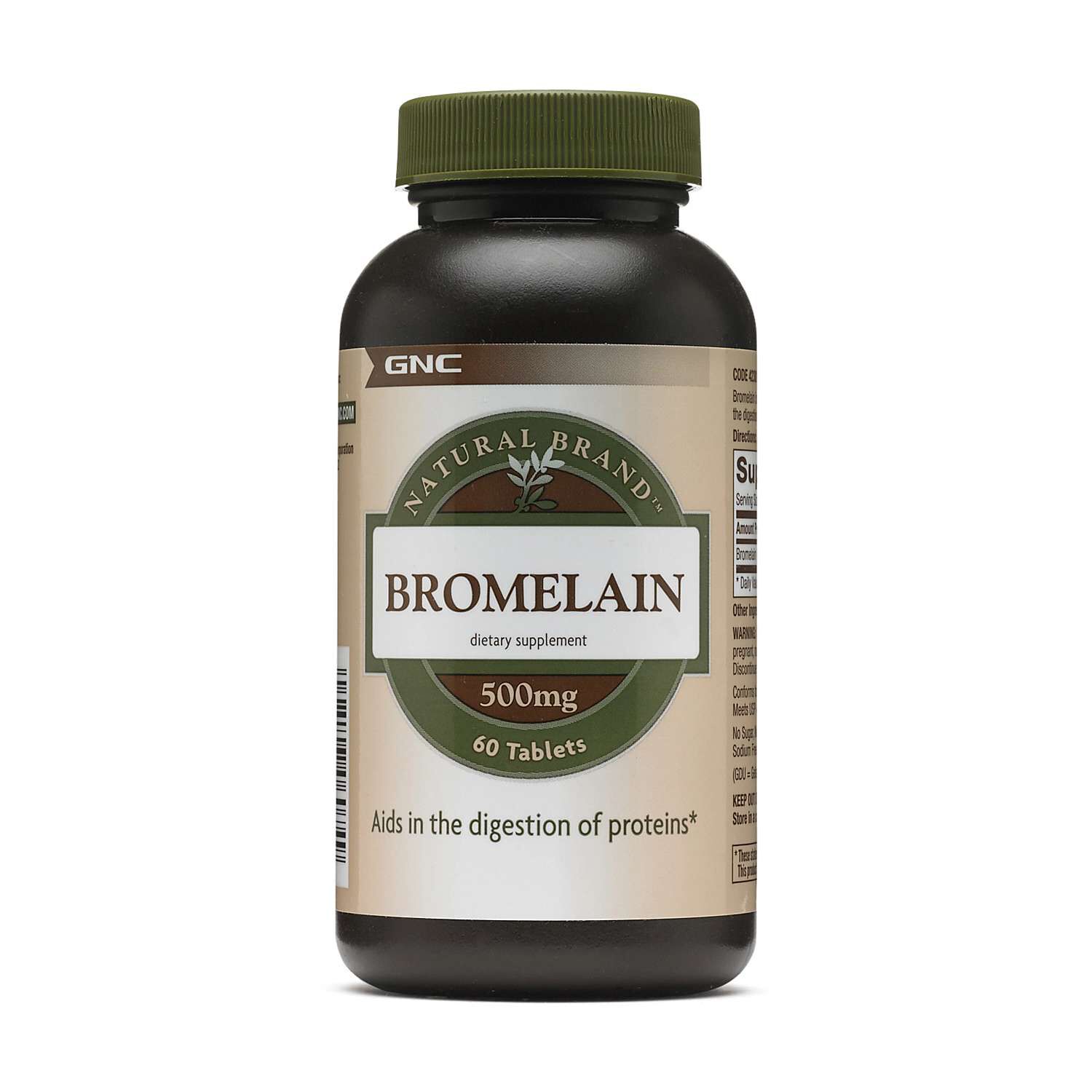
Digestive enzyme supplements for kosher diets bring together two considerations: the enzymes in a formula and the kosher standards applied to its ingredients and production. For shoppers who keep kosher, a plant-derived enzyme or a vegetarian capsule is only part of the picture. Kosher certification concerns the finished supplement, including enzyme sources, capsule materials, additional ingredients, and manufacturing practices. A kosher symbol associated with the exact formula offers more meaningful information than a general statement about a manufacturer’s approach. Familiar certification marks include those of the Orthodox Union, STAR-K, and KOF-K, although acceptance of a particular certification depends on personal or household standards. The certification shown on the package matters because similar-looking formulas can have different ingredients or designations. Enzymes can come from plants, microbial fermentation, or animal sources, and those origins are relevant to a kosher purchasing decision. Papain comes from papaya, while bromelain comes from pineapple; other enzyme ingredients are produced through fermentation using microorganisms. An ingredient’s origin alone does not establish the kosher status of the finished formula. The same distinction applies to capsules. A cellulose-based shell may suit a preference for vegetarian materials, but that description does not replace kosher certification. Gelatin requires attention to its source and certification rather than an assumption based on the ingredient name. Flavorings, coatings, carriers, and other supporting ingredients also belong to the finished formula’s certification picture, even when they occupy less space on the label than the enzyme blend. This is why kosher digestive enzyme supplements are best understood as a category defined by both formulation and verification, not simply by the absence of one animal ingredient. Whether the bottle belongs in a kitchen cabinet shared by a kosher household or in an adult’s personal supplement routine, clearly documented certification provides a practical connection between the ingredient panel and the dietary practices followed at home. That connection matters as much as familiar enzyme names or a preferred capsule format.
Within that kosher framework, digestive enzyme formulas differ in the food components they address. Supplements containing amylase may help break down starches, protease-containing formulas may assist with proteins, and formulas with lipase may help break down fats. Lactase may assist with the breakdown of lactose, the sugar found in milk. These distinctions explain why one formula might feature several enzyme types while another centers on a narrower ingredient combination. A broad enzyme blend and a lactase-focused formula are not interchangeable descriptions, even when both fall within the digestive enzyme category. The enzyme names, serving size, and activity information on the label give a more precise picture than a general front-label description. Enzyme activity units describe activity measured under defined test conditions; milligrams describe weight. Different enzyme types can use different activity units, so their numbers are not directly comparable across every ingredient. A larger printed number alone does not establish that a formula is better suited to a particular shopper. For a kosher household, the dairy or pareve designation adds another important distinction. Pareve indicates that a certified formula is classified as neither meat nor dairy under the certifier’s standards. A dairy designation can affect how the supplement fits with meals and household practices. The presence of lactase does not, by itself, establish whether the finished supplement has a dairy or pareve designation; the package’s certification information addresses that question. Consider the difference between a lunch built around bread and beans, a dairy breakfast, and a meat dinner prepared in a kosher kitchen. Those meals illustrate why enzyme composition and kosher classification are separate considerations. A formula’s intended use describes one part of the decision, while its certification determines another. An enzyme supplement does not change whether the accompanying food is kosher. Keeping those distinctions clear makes the category easier to understand without treating every enzyme blend, vegetarian claim, or meal occasion as equivalent.
Format and everyday handling also shape how kosher digestive enzyme supplements fit into a routine. Capsules and chewable tablets present different considerations, from serving count and capsule materials to flavorings and sweeteners. A shopper who prefers a capsule may pay particular attention to shell composition, while someone considering a chewable may be more interested in taste and texture. Neither format establishes kosher status on its own. Package directions remain the reference for intended use, including serving size and timing in relation to food; those details should not be assumed to match across formulas. For someone carrying lunch to work or packing for an overnight visit, packaging can be as relevant as format. The original container keeps the ingredient list, directions, certification mark, and date information together, making it easier to identify the formula later. Enzyme supplements also call for attention to storage rather than assumptions about shelf life. The labeled storage conditions, closure instructions, and expiration or best-by information describe how the product is meant to be kept. A tightly closed bottle stored according to its directions is a more appropriate arrangement than loose capsules in an unmarked kitchen jar. Moisture exposure, damaged packaging, or an unreadable label can complicate everyday use and identification. Shoppers comparing ingredient sourcing preferences may also explore Organic Digestive Enzyme Supplements, while treating organic and kosher designations as separate attributes. Organic certification concerns applicable ingredient and production standards; it does not establish kosher status, and kosher certification does not establish organic status. The same separation applies to vegetarian and vegan descriptions. Each term answers a different question about the formula. For adults maintaining kosher dietary practices, a suitable digestive enzyme supplement is therefore less about a single prominent claim and more about a coherent set of details: recognized certification, an appropriate meal classification, clearly identified enzymes, a preferred format, and directions that fit everyday use. Those details connect the bottle on the shelf with the meals, kitchen arrangements, and purchasing preferences that make up a household’s routine.
Best Sellers
Related Pages
Top Collections
- Joint Mobility Supplement Packs
- Daily Collagen Supplements | Top Brands & Deals | GNC
- GLP 1 Support For Adults
- Zinc Supplements | Top Brands at Great Prices | GNC
- Supplements For Yoga Joint Flexibility
- Supplements For Balance
- Capsule Supplements For Energy And Stamina
- Adult Mobility Supplements
- Chronic Fatigue Supplements
- Vitamins For Hair Loss