





Digestive Enzymes
(0 Results)
Enhance your digestive health with our selection of premium digestive enzymes. Designed to support optimal digestion and nutrient absorption, these supplements can help alleviate common digestive issues such as bloating, gas, and indigestion. Whether you're looking to boost your overall gut health or seeking relief from occasional discomfort, our range of digestive enzymes offers a natural solution to promote a happy and healthy digestive system. Discover how these powerful enzymes can aid in breaking down food more efficiently, allowing you to fully benefit from your meals and feel your best every day.

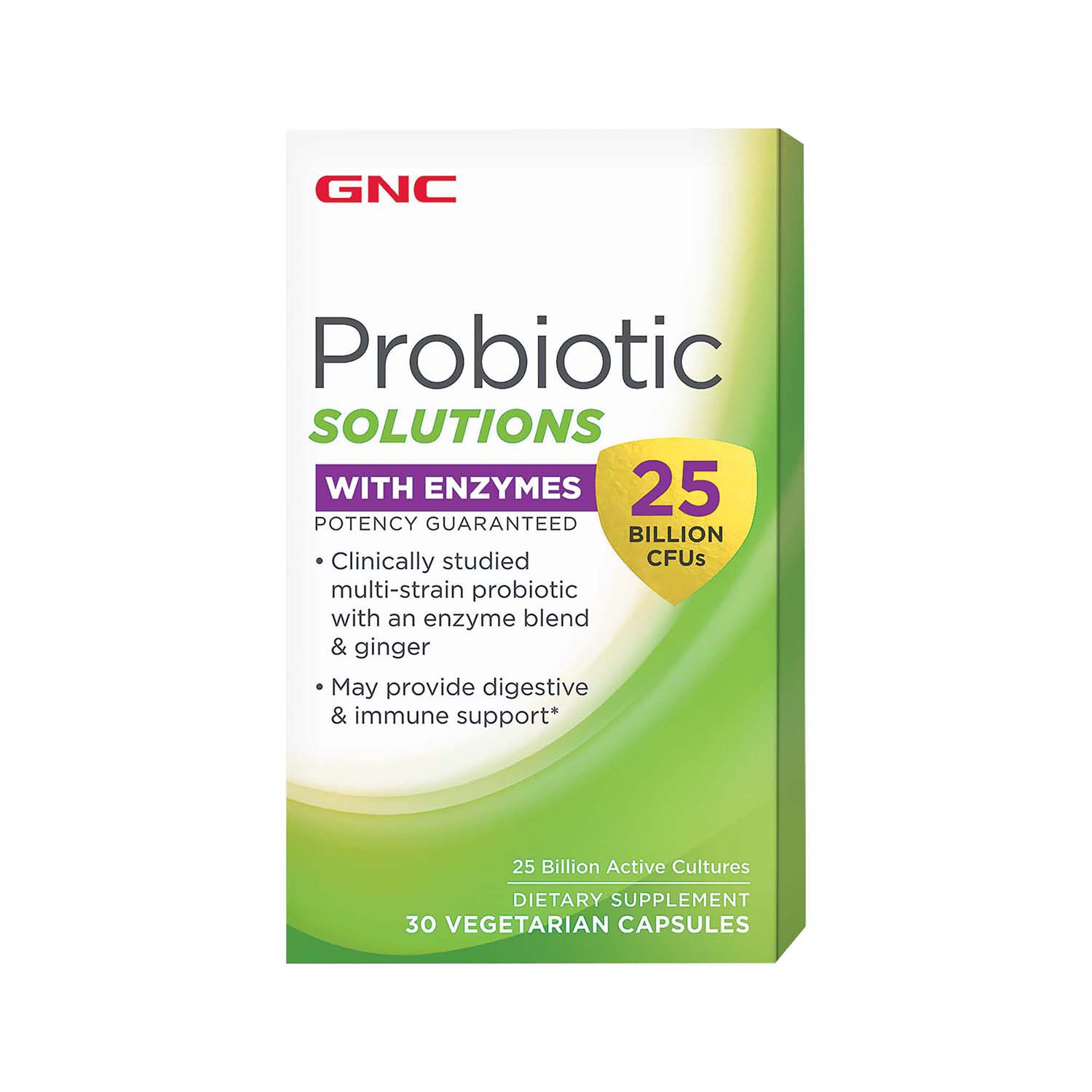
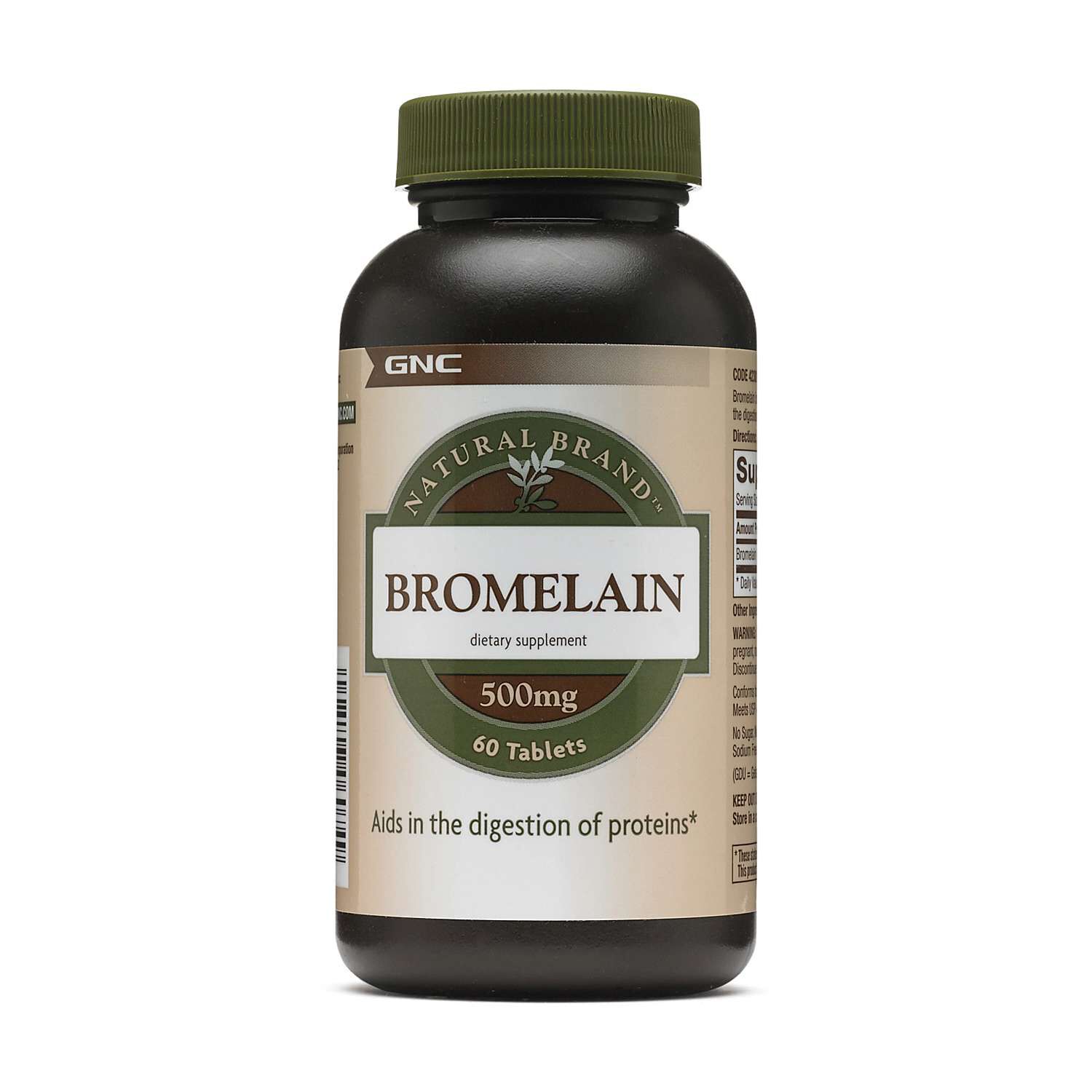

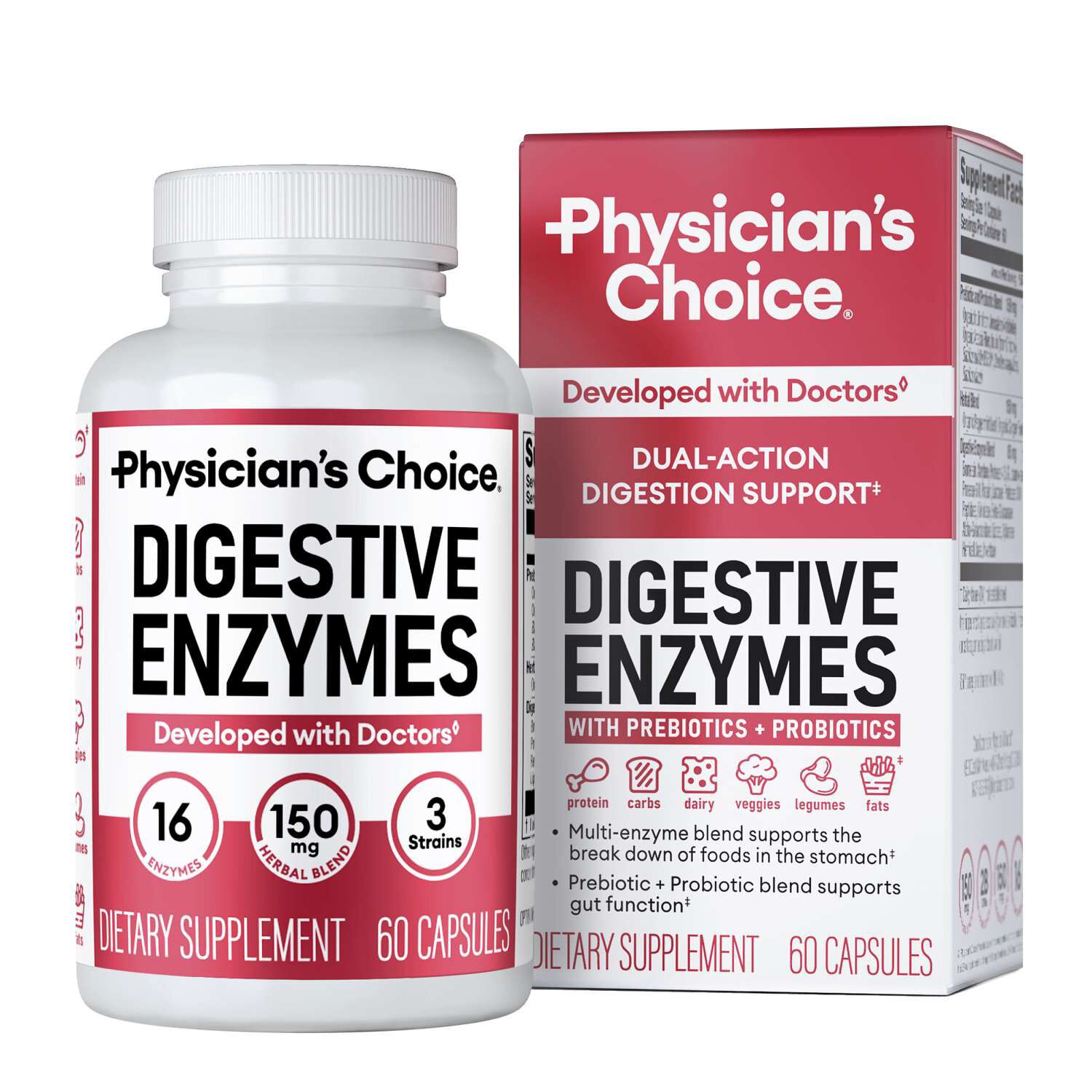

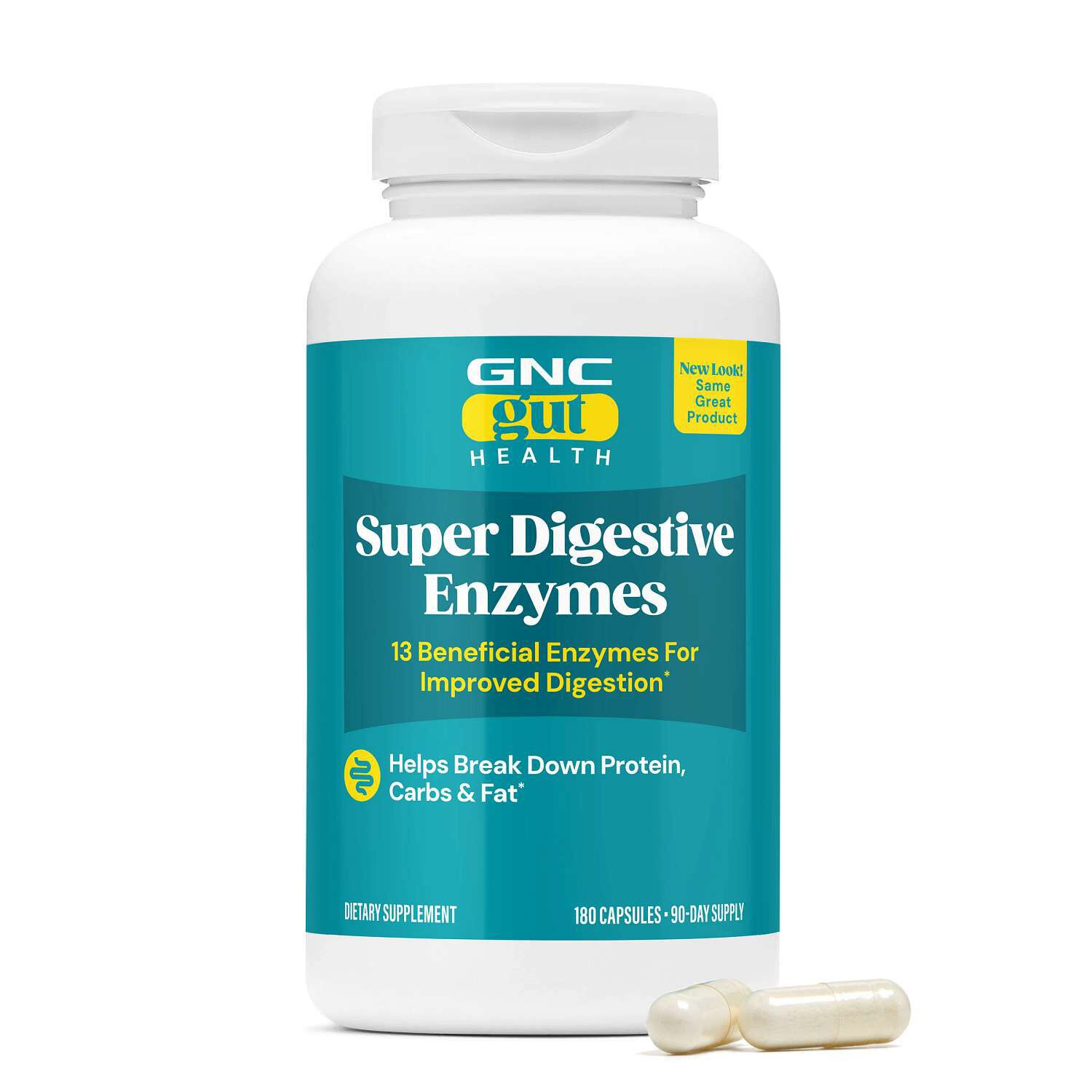


Digestive enzymes are specialized proteins that help break down food into smaller components the body can absorb and use. The body produces them in several places, including the salivary glands, stomach, pancreas, and small intestine, with different enzymes playing different roles throughout digestion. Amylase helps break down starches, protease works on proteins, and lipase works on fats. Lactase breaks down lactose, the sugar found in milk and many dairy foods. These distinctions explain why digestive enzyme supplements can look quite different from one another, even when their names sound similar. Some formulas contain a single enzyme associated with a particular food component, while others combine several enzyme types in one serving. A blend containing amylase, protease, and lipase may support the digestion of carbohydrates, protein, and fat within a mixed meal. A lactase-focused formula has a narrower intended use centered on lactose. That difference matters when comparing a plate of rice, chicken, and vegetables with a bowl of yogurt or a glass of milk: the foods contain different combinations of nutrients, rather than one uniform substance for an enzyme to act on. The number of enzymes on a label is therefore only one part of a formula’s identity. The named enzymes, their measured activity, their sources, and the serving format all contribute to a more useful picture. Digestive enzyme supplements are also distinct from probiotics. Enzymes act on food components, while probiotics contain live microorganisms; a formula may include both, but the terms describe different ingredients. For shoppers browsing this category, that background gives familiar label language a practical meaning without making every formula seem interchangeable. These products are intended to supplement an eating routine, and their intended use varies with the ingredients and directions printed on the package. The category includes both straightforward formulas and more varied combinations, making the details on the label more informative than the front-panel name alone.
Capsules, tablets, chewables, and powders bring different practical considerations to the same category. A capsule has a defined serving format, while a powder involves a measured amount and preparation directions. Chewable formats introduce flavor and texture considerations, along with ingredients that create their consistency. Shoppers who prefer a mixable format can explore Digestive Enzyme Wellness Powders, where serving measurements, flavor information, and mixing directions are relevant points of comparison. An unflavored powder and a flavored powder can have different ingredient lists, and “unflavored” does not necessarily mean a powder has no discernible taste. Scoop size, serving weight, and the number of scoops per serving are separate details, so the appearance of a scoop does not tell the whole story. Ingredient sources also vary across digestive enzyme formulas. Enzymes can come from microbial, plant, or animal sources, and the source of an enzyme is separate from the material used for a capsule shell. Gelatin and cellulose-based shells, for example, have different origins. A vegetarian capsule shell alone does not establish the source of every ingredient inside it. For shoppers with dietary preferences or food allergies, the ingredient list, source statements, and allergen information provide more context than capsule appearance or product format. Other ingredients may include flavorings, sweeteners, or materials used during manufacturing, and these details can influence which format fits a shopper’s preferences. Packaging and storage information deserve similar attention. Enzymes are sensitive to their surroundings, so package directions may address moisture, heat, and how the container is kept between uses. A bottle stored near steam from a stovetop faces different conditions from one kept in a dry cupboard. The printed date, closure, and storage directions provide context for product care; the appearance of a capsule or powder alone does not establish its remaining enzyme activity. For everyday handling, details such as a secure lid, a clearly marked serving measure, and readable instructions are practical parts of the purchase decision.
Comparing digestive enzyme supplements also involves reading measurements that differ from those on many familiar nutrition labels. Milligrams describe weight, while enzyme activity units describe activity measured under specified testing conditions. Two formulas with similar serving weights can therefore have different enzyme activity information. Different enzyme types may use different units, and those figures are not interchangeable simply because they appear beside one another. A longer ingredient list or a larger number on the front of a package does not, by itself, establish how well a formula fits its intended use. Some labels identify the activity of individual enzymes; others present a blend with a shared weight. That distinction affects how much detail a shopper can see about the formula. Serving size adds another layer: one serving might consist of one capsule, several capsules, or a measured portion of powder. The amount per serving and the number of servings per container answer different questions, especially for someone comparing formats for use at home or during a workday. At a desk lunch, a compact container and an easy-to-read label may be practical priorities. In a kitchen, a powder’s measuring and mixing requirements may matter more. Neither situation makes one format universally preferable; the relevant details are the formula, its labeled purpose, and the handling involved. A varied meal can contain starch from bread or potatoes, protein from beans or poultry, and fat from dressing or olive oil, which helps explain the interest in formulas containing several enzyme types. A formula centered on one enzyme has a different focus, rather than representing a smaller version of every multi-enzyme blend. Personal preferences around animal-derived ingredients, flavor, texture, and serving format further distinguish otherwise similar choices. Digestive enzyme supplements may support normal digestion, but the category name alone does not establish the same suitability for every person or eating routine. Clear ingredient information, stated enzyme activity, and straightforward directions provide a grounded basis for comparing these products while keeping attention on their individual characteristics.
Best Sellers


Related Pages
Top Collections
- Daily Collagen Supplements | Top Brands & Deals | GNC
- Natural Collagen Supplements | Top Brands & Deals | GNC
- Top Rated Collagen | Shop Customer Favorites | GNC
- Cortisol Supplements
- Vitamins For Hair Loss
- Spirulina Tablets
- NAD+ Supplement Tablets
- Peptide Supplements
- Best Brand of Magnesium Glycinate
- Vitamins That Help Support Weight Gain