





Energy For Summer Sports
(0 Results)
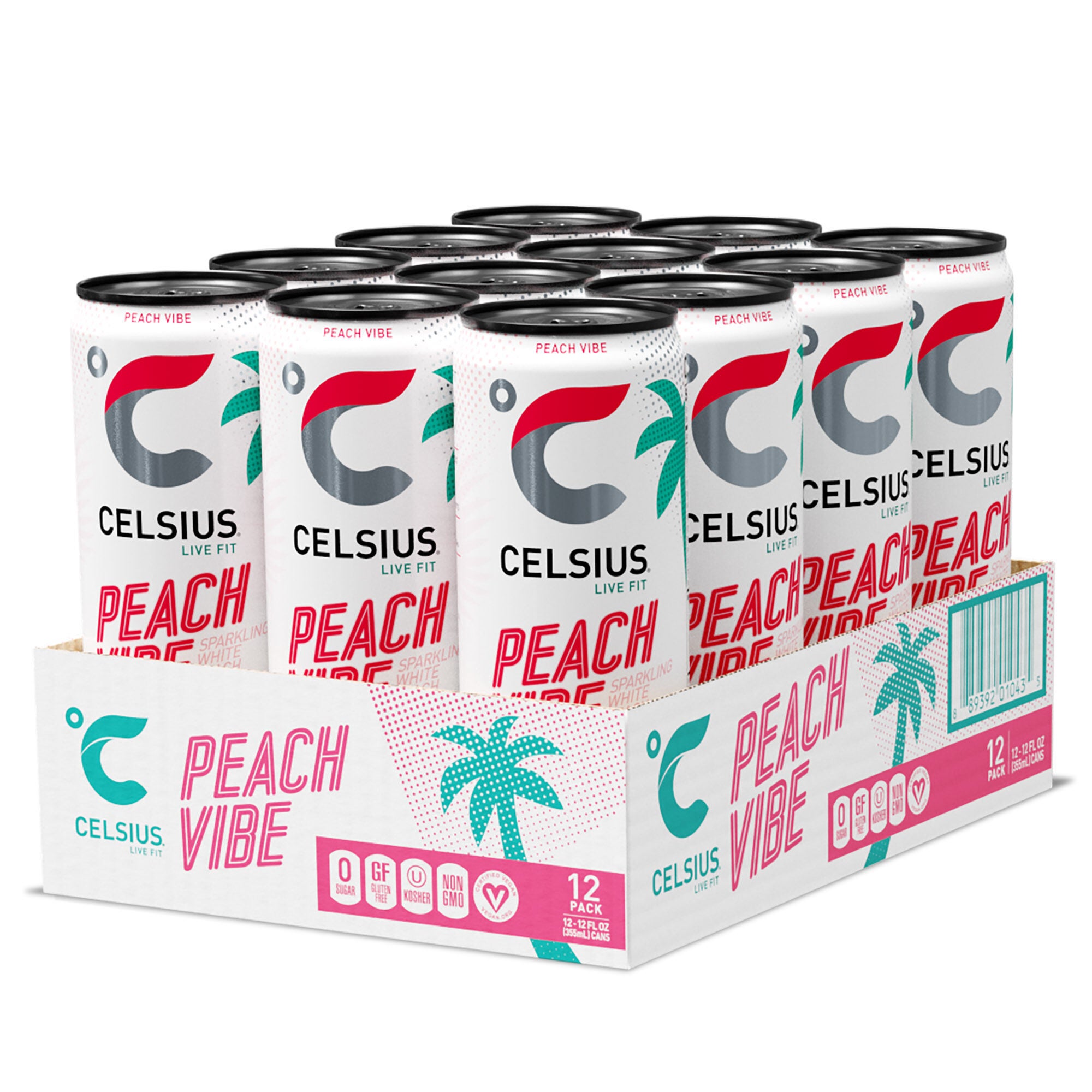
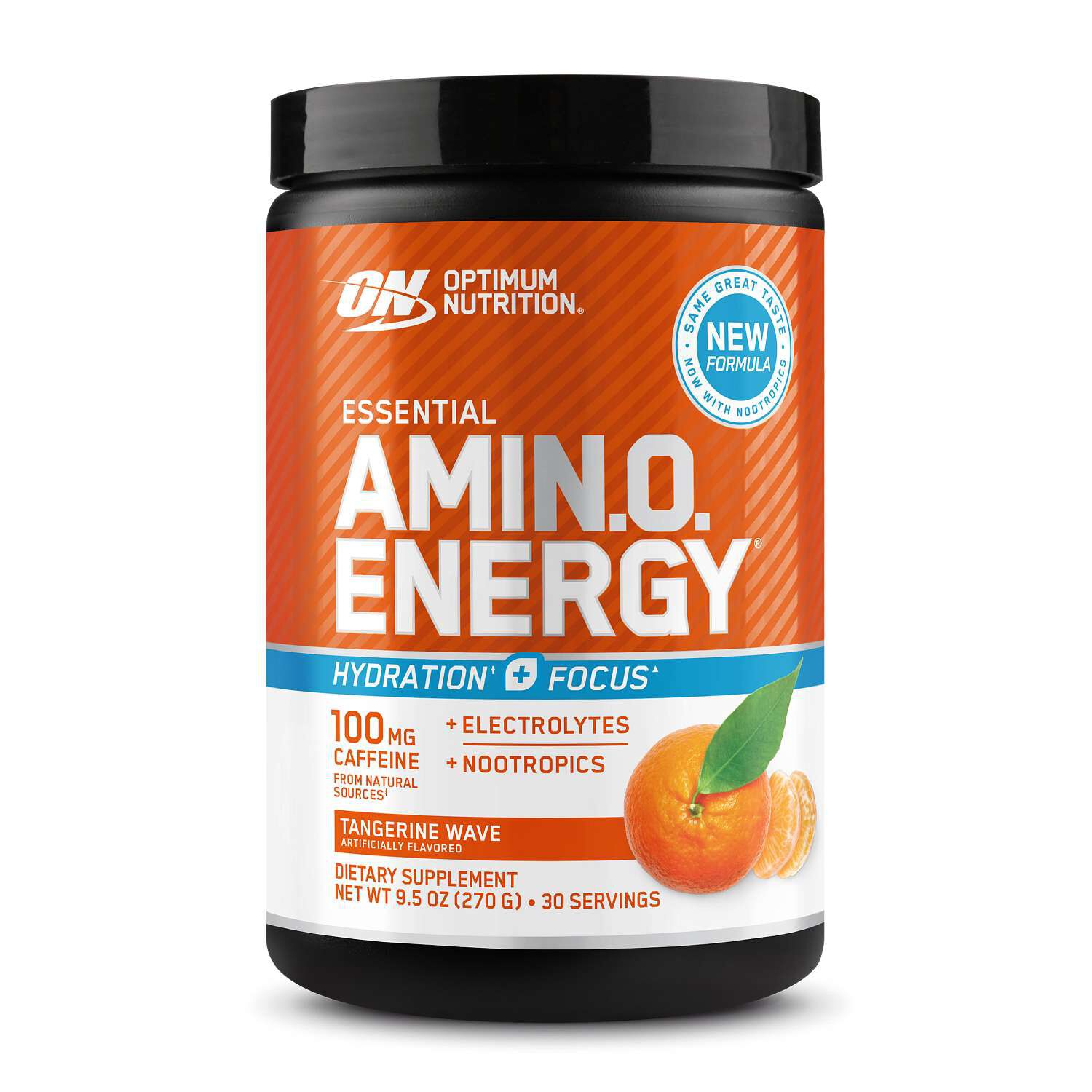
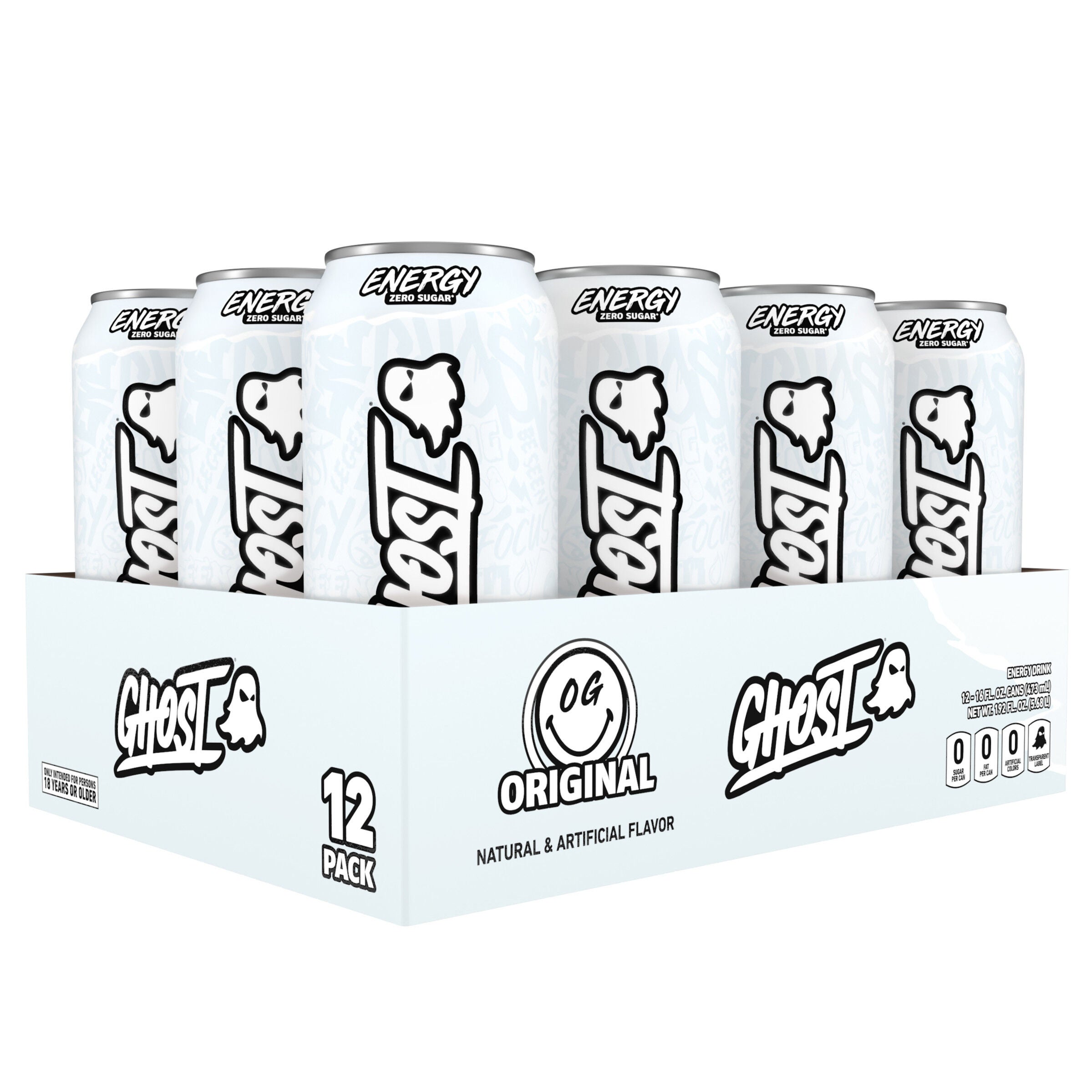
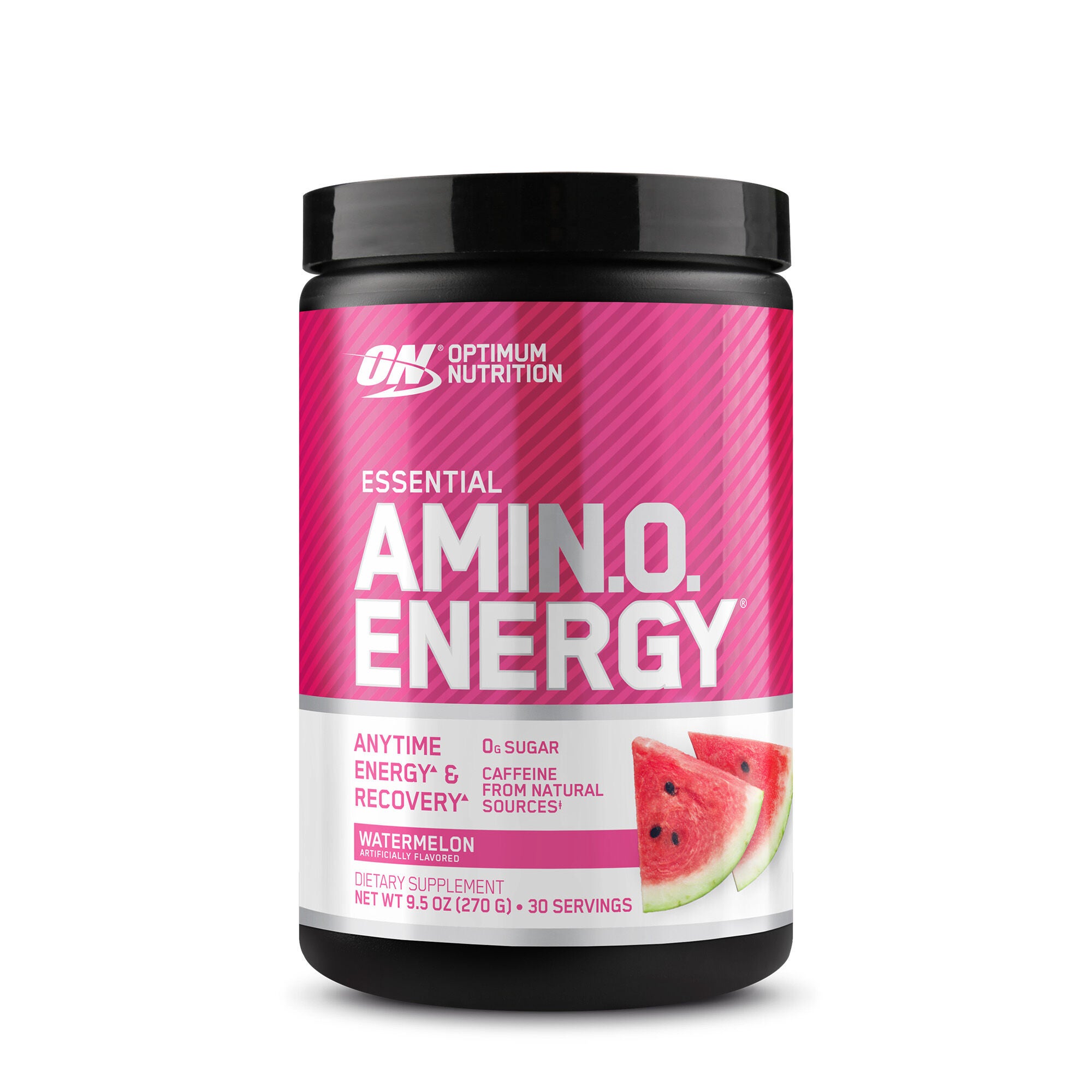
Energy for summer sports starts with the right support to help you stay active and motivated all season long. Whether you’re hitting the trails, diving into water sports, or gearing up for outdoor competitions, finding options that fit your routine could make a difference in your performance. Discover a variety of supplements and essentials designed to complement your summer training and help you keep pace with every adventure. Fuel your passion for movement and explore new ways to optimize your energy for summer sports.
-

-

-
-

-
-

-

-
-

-
 NDS Nutrition$49.99
-
-
-

-
-
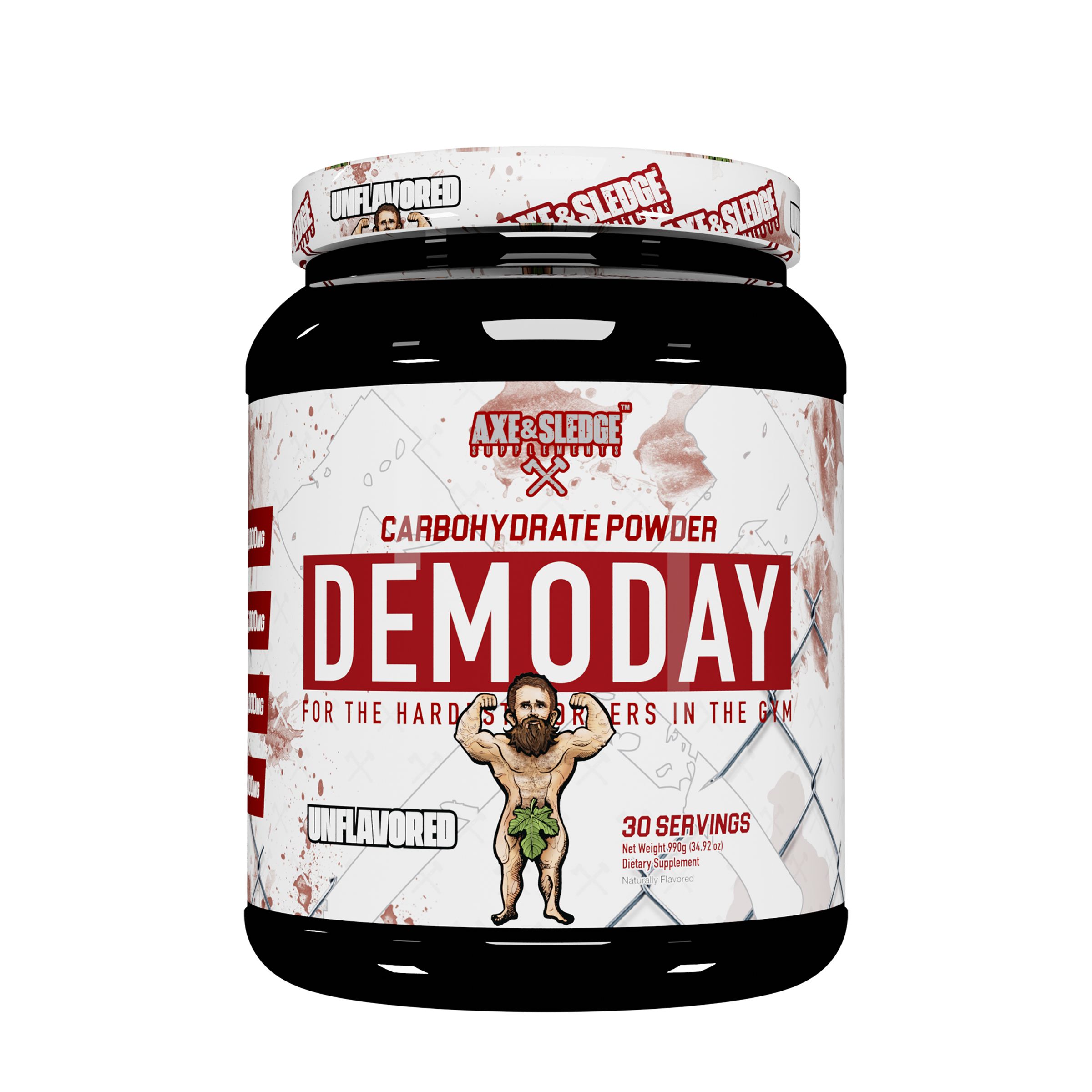
 Axe & Sledge Supplements$39.99
-

-

-
 Optimum Nutrition461$24.99
-
 $34.99

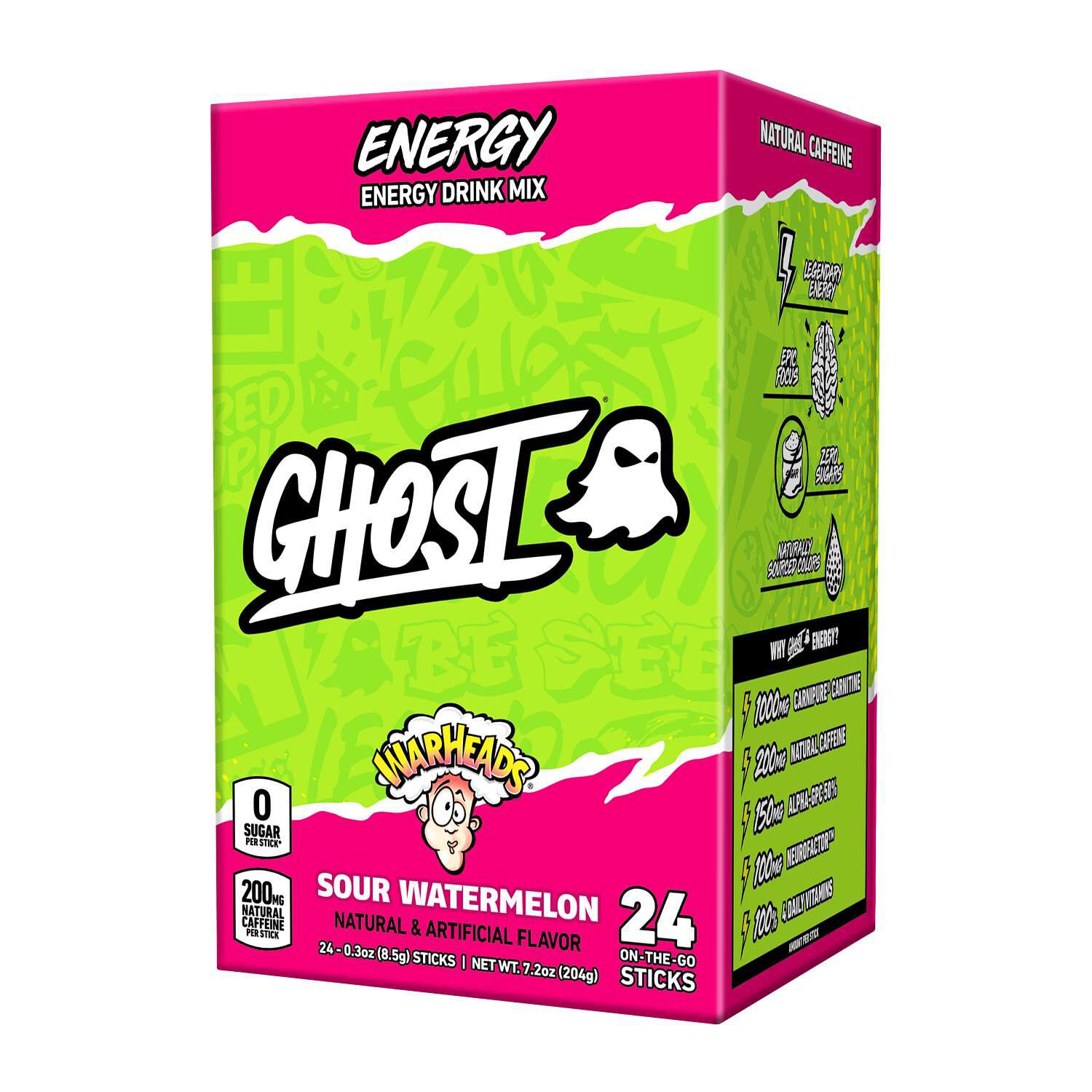
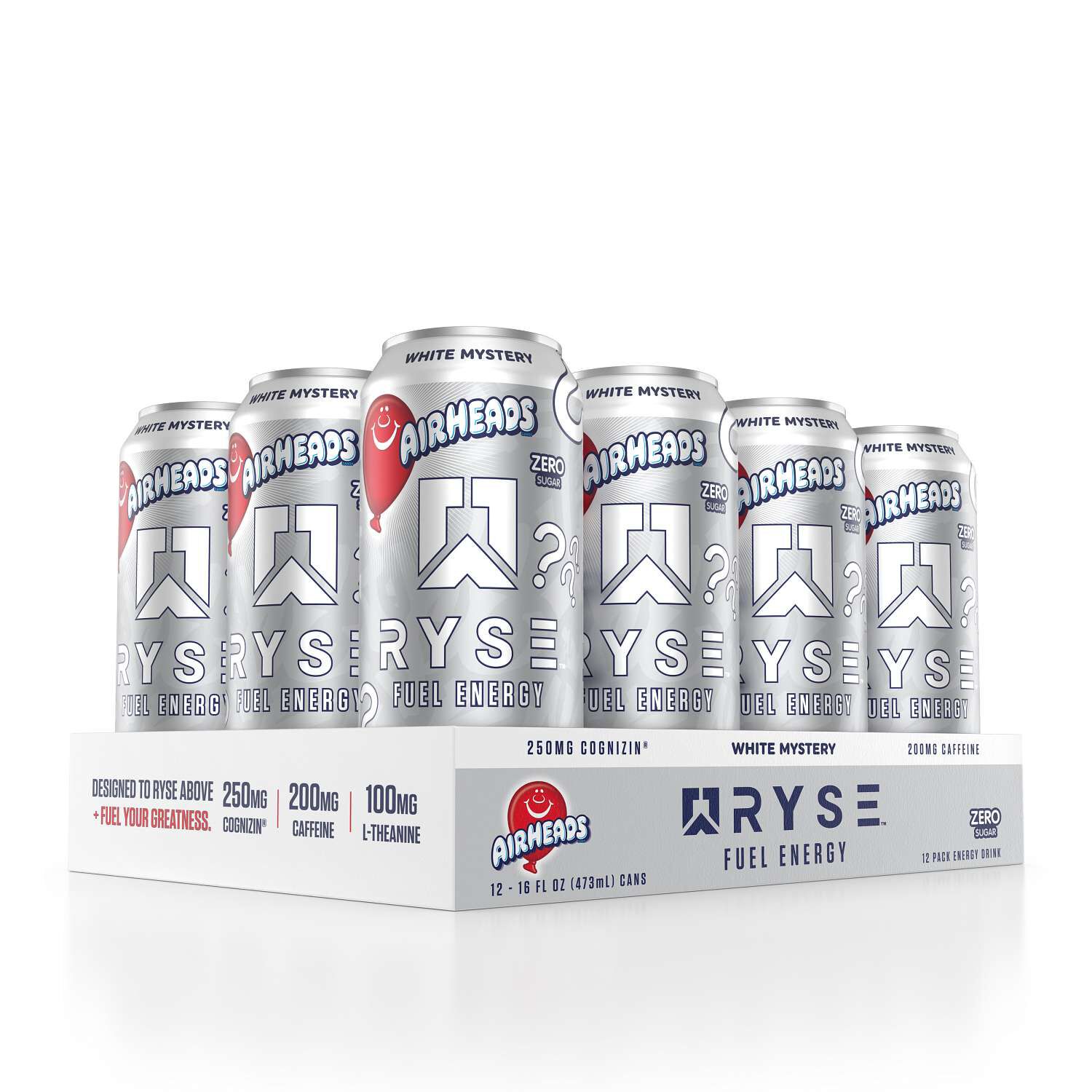


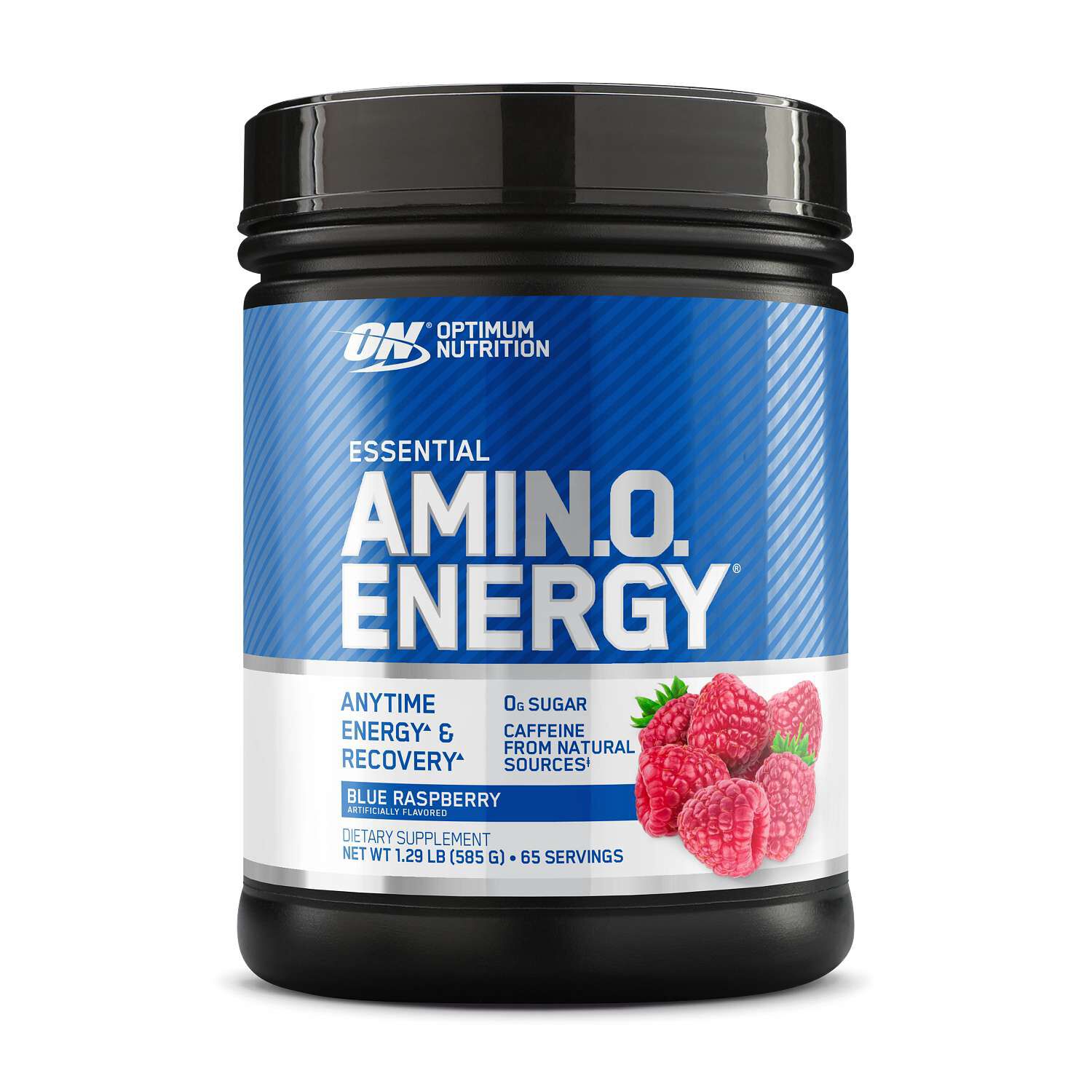
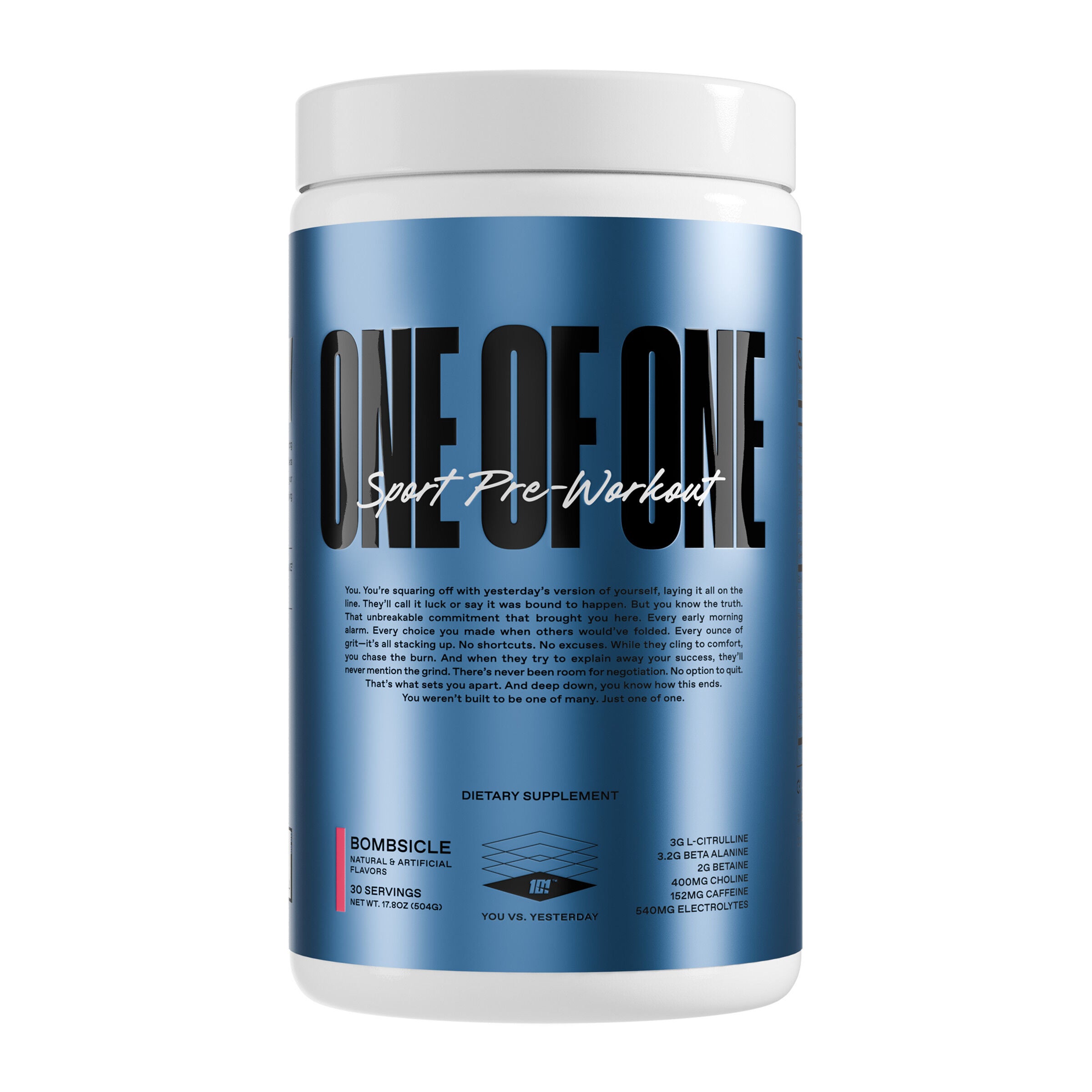
Energy for summer sports spans several distinct sports nutrition categories, from carbohydrate-focused foods and drink mixes to electrolyte beverages, protein powders, and caffeinated drinks. Each category has a different place in an active routine, whether the setting is a neighborhood tennis court, a sandy volleyball court, a weekend cycling route, or a recreational softball field. Products in these categories may complement the meals, snacks, and beverages that surround activity, but the word “energy” does not describe the same nutritional role in every format. A drink containing caffeine is different from a carbohydrate-rich snack, and a protein powder has a different composition from an electrolyte mix. Carbohydrate options may provide fuel for exercise, electrolyte beverages may support hydration during sweaty activity, and protein options may support muscle recovery after exercise. That distinction matters when comparing something for a short practice with something intended for an afternoon that includes several games. Summer sports also involve practical details that are easy to overlook: the walk from the parking lot, the time spent waiting between matches, the cooler shared with teammates, and the limited room in a gym bag. A compact packet, a resealable container, and a ready-to-drink beverage each involve a different balance of preparation, packing space, and convenience. Flavor and texture are part of that fit as well. Someone who enjoys a lightly flavored drink while cycling may prefer a more substantial snack once the bike is put away. Another person may favor familiar food before a game and a powder mixed at home afterward. Ingredient lists, serving sizes, carbohydrate content, protein content, and caffeine amounts provide a more useful comparison than front-label language alone. The intended use is just as important as the format: a casual round of golf, a demanding training session, and a long tournament day present different schedules and opportunities to eat or drink. Sports nutrition choices may fit more naturally into those occasions when their preparation and portion size match the actual plan.
Beverages deserve particular attention in a summer sports collection because outdoor activity often means carrying drinks away from a kitchen or clubhouse. Ready-to-drink formats involve little preparation, while powders require water, a suitable container, and time to mix. Single-serving packets may suit a small pocket in a sports bag; larger containers involve measuring a portion before heading out or bringing the container along. Electrolyte formulas differ in their ingredients and amounts, so two similarly flavored mixes are not necessarily alike. Some include carbohydrates, some contain little sugar, and some pair electrolytes with caffeine. Those differences help explain why beverage categories are not interchangeable. For adults comparing caffeinated drinks, the stated caffeine amount per serving and the number of servings in the container are meaningful details, especially when coffee or other caffeinated beverages are also part of the day. Caffeine content alone does not describe the carbohydrate fuel in a drink, and an energy drink is not a substitute for water or a meal. Energy drinks are one part of the broader category, and Energy Drinks For Outdoor Summer Fun offers a related collection centered on that beverage format. Beyond ingredients, packaging shapes the experience of taking drinks courtside or onto a trail. Container size, closure style, and the need for refrigeration after opening all matter when the nearest cooler is back at the car. Storage directions are especially relevant for anything traveling in a sunlit bag or vehicle. A sealed package is not necessarily intended for prolonged exposure to heat, and individual labels provide the appropriate handling information. Mixing directions also matter: the amount of water specified on a powder’s label affects the concentration and flavor of the prepared drink. For someone moving between a warm-up area, a shaded bench, and the playing field, a beverage’s fit with the day includes where it will be carried, when it will be opened, and how it will be stored between uses.
Food-based sports nutrition and protein formats bring a different set of considerations to summer activity. A portable carbohydrate snack may fit the pause between tournament games, while a protein shake may complement a meal after a workout. Neither needs to turn an ordinary recreational outing into a complicated regimen. Familiar flavors, manageable portions, and a texture that remains appealing in the intended setting are often more relevant than an elaborate ingredient list. Chewy, crunchy, and drinkable formats each have practical differences: a snack eaten on a shaded bench is a different experience from a powder that requires a shaker and water. Ingredients such as milk, soy, nuts, and wheat also make allergen information an important part of comparison, particularly for a shared household or a gift. Protein sources vary, and personal preferences around dairy or plant ingredients may narrow the category before flavor enters the picture. Serving size provides context for comparing protein, carbohydrates, and other nutrients across formats rather than treating every package as an equivalent portion. Care and storage are part of intended use, too. A food with a coating may soften in a hot bag, while an opened powder requires the handling described on its label. Secure closures, readable expiration dates, and intact packaging are practical considerations for products that travel repeatedly between home and a sports bag. For gifting, sports nutrition is a personal choice rather than a one-size-fits-all accessory. An adult recreational athlete’s known flavor preferences, ingredient restrictions, and existing routine offer better context than the sport alone; someone who plays pickleball may have very different preferences from a cycling partner. Across these categories, the most useful comparisons connect the nutrition panel with ordinary details of the outing: access to water, time between activities, room in a cooler, and whether preparation happens at home or at the field. That combination keeps summer sports nutrition grounded in the activity, with products that may complement familiar eating and drinking habits rather than replace them.
Best Sellers
-
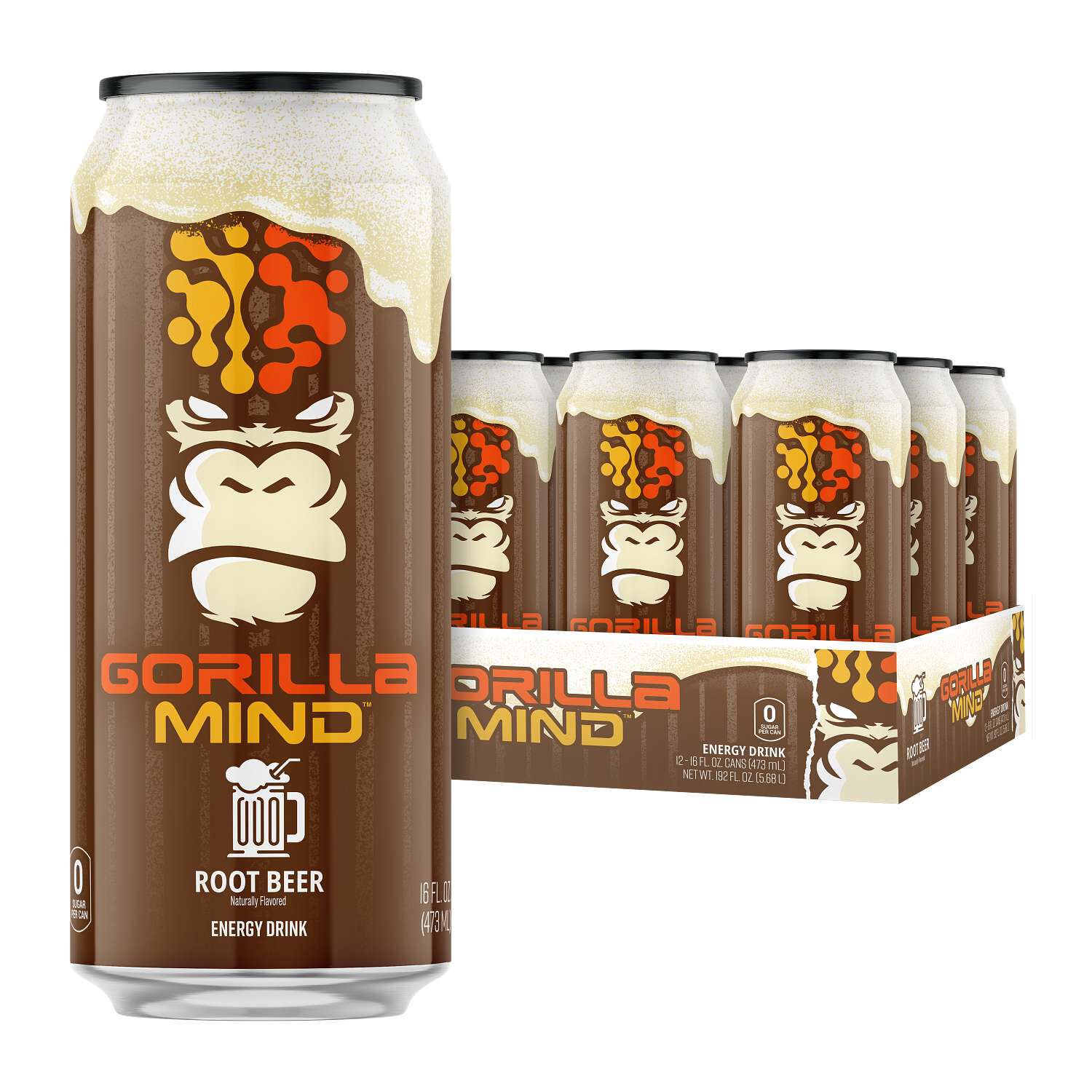 Gorilla Mind
-
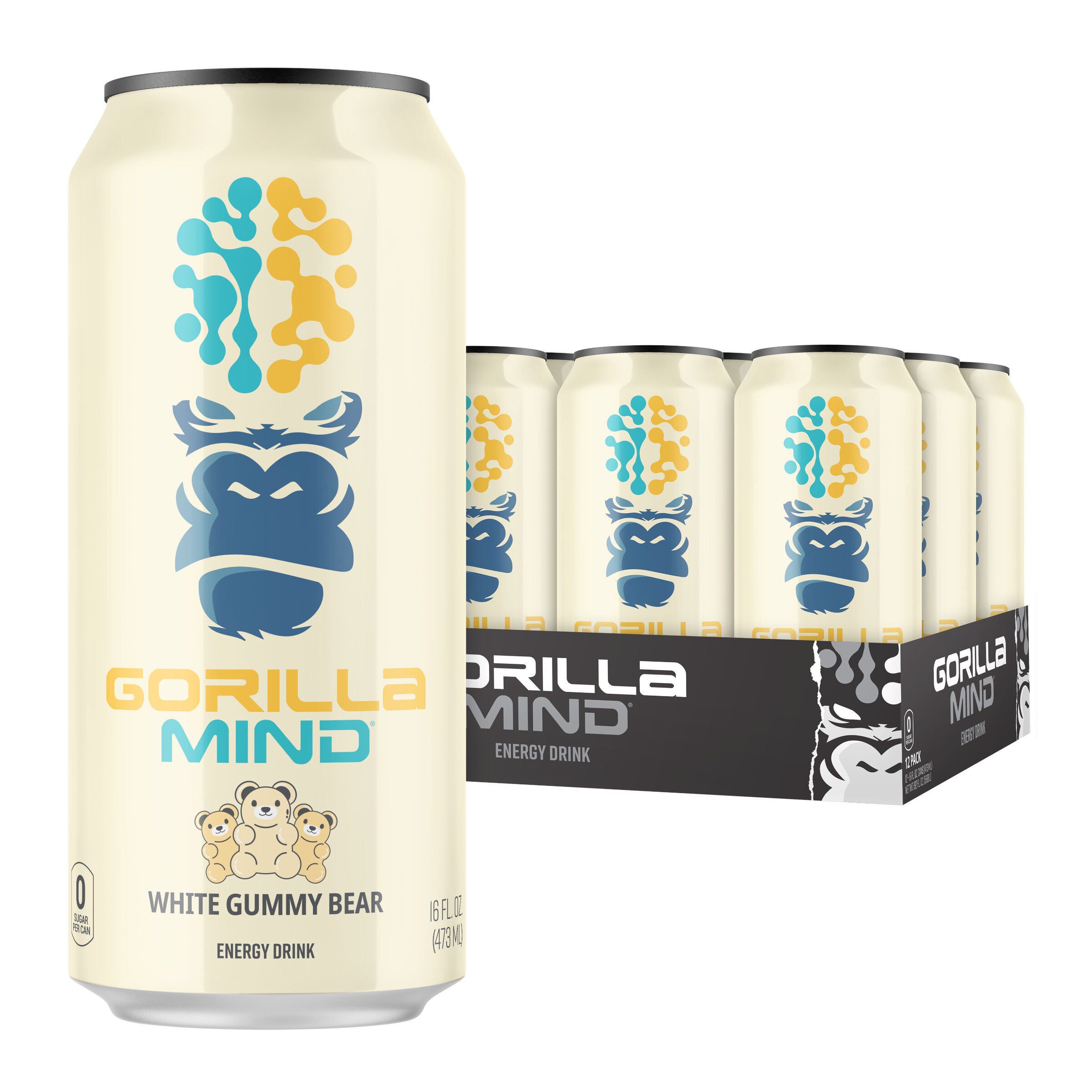 Gorilla Mind
-
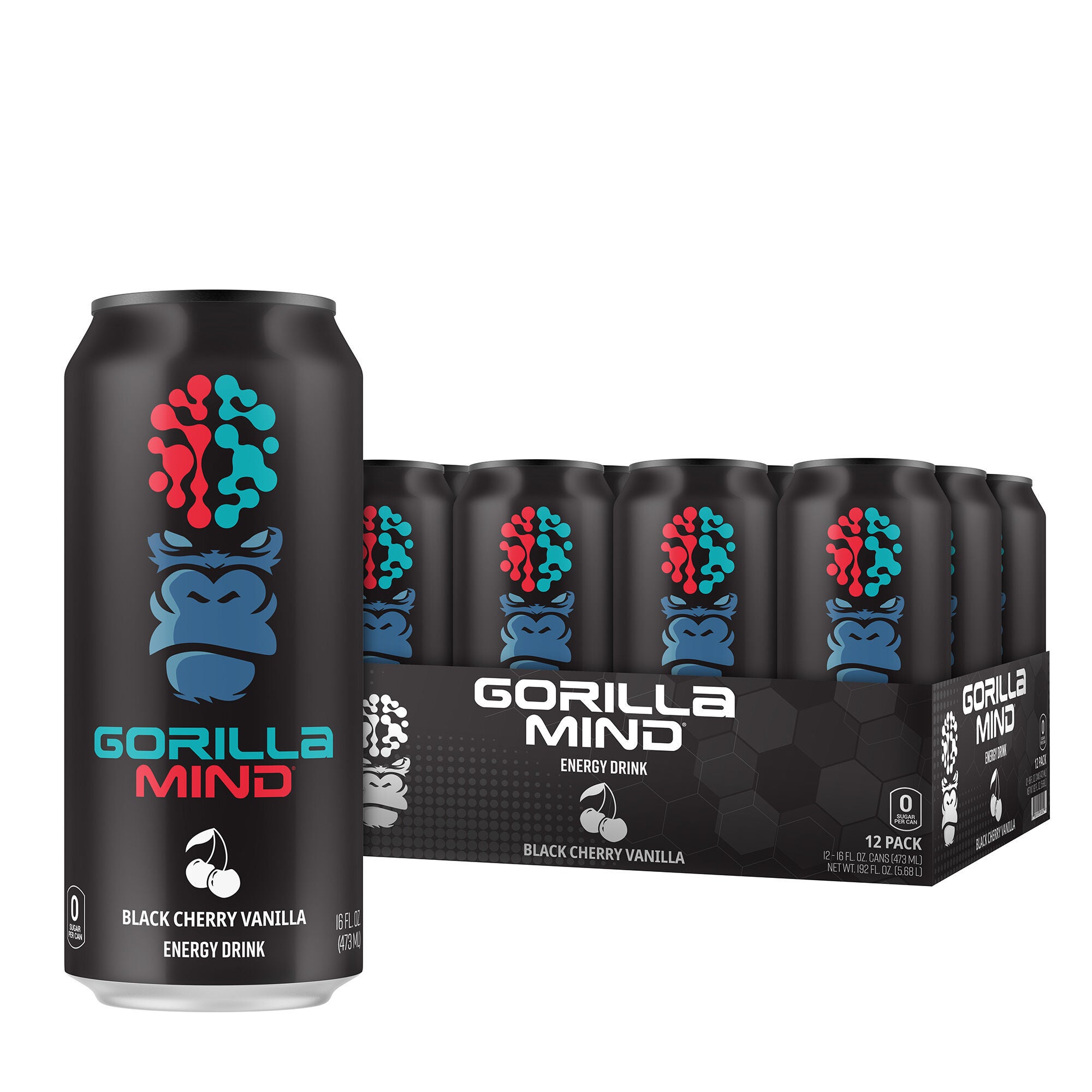
 Gorilla Mind
Related Pages


Top Collections
- Joint Mobility Supplement Packs
- Daily Collagen Supplements | Top Brands & Deals | GNC
- GLP 1 Support For Adults
- Zinc Supplements | Top Brands at Great Prices | GNC
- Supplements For Yoga Joint Flexibility
- Supplements For Balance
- Capsule Supplements For Energy And Stamina
- Adult Mobility Supplements
- Chronic Fatigue Supplements
- Vitamins For Hair Loss