





Energy Gels For Marathons
(0 Results)
Shop energy gels for marathons to compare fueling options for long training runs and race day. Review ingredient lists, serving sizes, and suggested use to find a gel that fits your running routine.
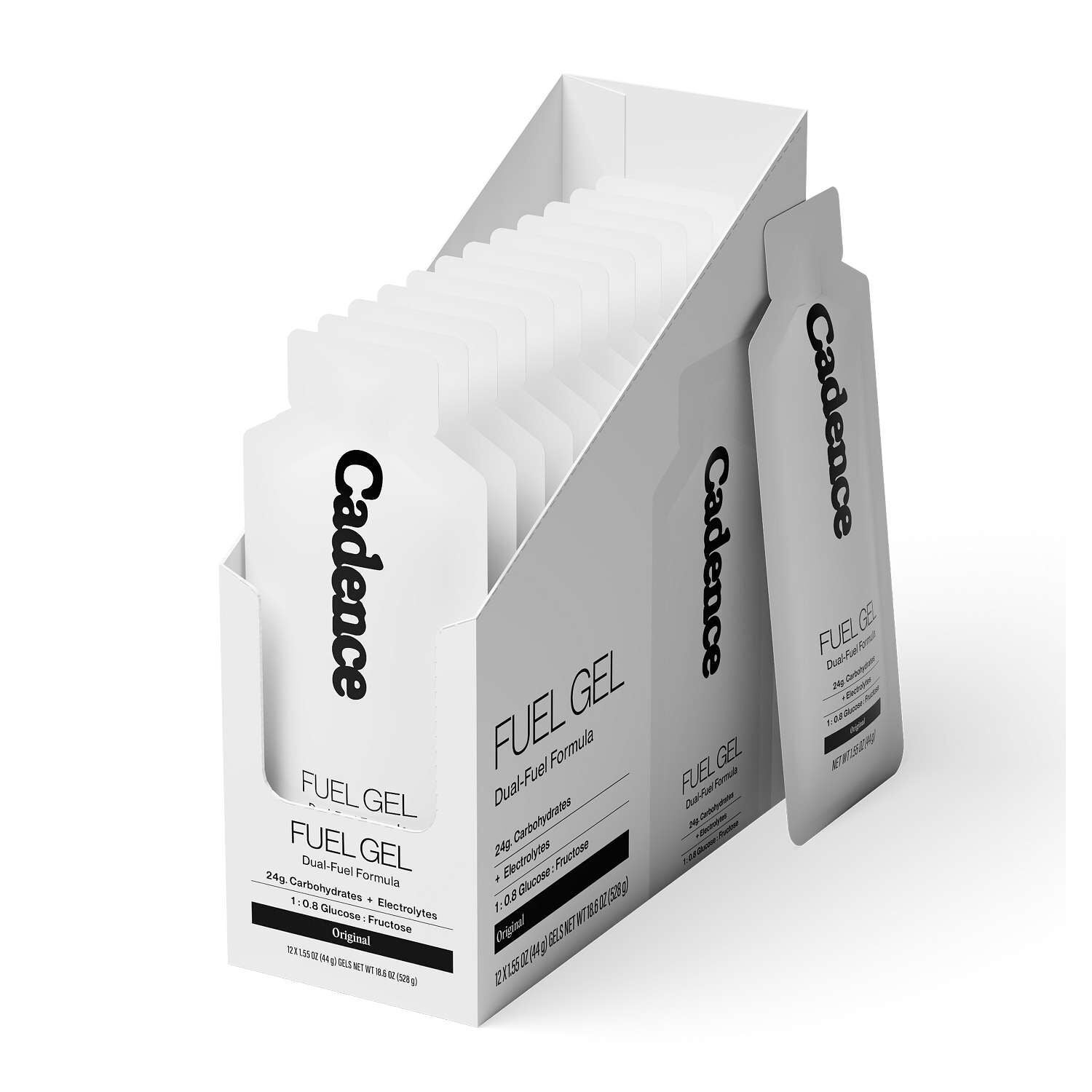
Energy gels for marathons are concentrated carbohydrate foods made for the practical demands of eating while running. Their soft consistency and compact packaging distinguish them from bars and other snacks that require more chewing or room in a pocket. Many energy gels contain about 20 to 40 grams of carbohydrate per serving, though the amount varies by formula and packet size. That serving information is a useful starting point for comparing marathon gels because two similarly sized packets can contain different amounts of carbohydrate. During a long run or a 26.2-mile race, these carbohydrates may help support ongoing fueling when carrying ordinary food is inconvenient. Common ingredients include glucose, maltodextrin, and fructose, either individually or in combinations. Some labels describe the ratio of carbohydrate sources, while others emphasize a familiar flavor or a thinner consistency. The ingredient list and Nutrition Facts panel offer a clearer comparison than the size of the wrapper alone. Texture matters, too: some gels resemble a smooth syrup, while others have a thicker, almost pudding-like feel. A citrus flavor with a tart finish can seem quite different from a mild vanilla or a fruit flavor after repeated servings. For runners who find concentrated sweetness distracting, a less intense flavor or thinner texture may be a better match. Water instructions are another meaningful distinction. Some formulas are intended to be taken with water, while others have different directions, so package instructions matter even when the format looks familiar. Caffeinated formulas, formulas without added caffeine, and gels containing electrolytes add further points of comparison. Sodium content and caffeine amounts, when listed, are worth reading alongside carbohydrate content. An energy gel is a particular type of running food, not a replacement for every part of a runner’s food and hydration routine.
The physical fit of a marathon gel matters almost as much as its formula. Flexible single-serving packets are common, but their width, length, opening style, and filled shape vary. A narrow packet may sit neatly in a waistband pocket, while a larger pouch may fit more naturally in a running belt or vest. Several packets together can occupy more space than expected, especially alongside a phone, keys, and other race-day belongings. A wrapper that stays flat against the body may feel less distracting than one that shifts with each stride. Opening design also deserves attention: a small tear tab, a connected tab, and a capped opening each involve a different motion. That difference becomes noticeable when a runner is handling a packet with damp fingers or reaching into a pocket without stopping. Training runs provide a familiar setting for getting acquainted with flavor, consistency, portion size, and packaging before a marathon. A flavor that seems pleasant as a single taste may feel less appealing after several servings, while a thicker gel may call for a different approach than a more fluid formula. Personal experience with these details is more informative than assuming every carbohydrate gel feels the same. Packaging condition is another practical consideration. An intact seal, a readable date, and a wrapper without punctures matter for a food carried among keys, zipper pulls, and other gear. Storage directions on the package remain the reference for handling unopened gels, and any instructions for an opened pouch apply to that format. During a run, used wrappers need somewhere to go; a separate pocket or small bag keeps sticky packaging apart from unused packets. These everyday details help distinguish marathon gels as portable running nutrition with handling requirements of their own, rather than simply a sweet snack in a small wrapper.
Marathon energy gels may suit a range of runners, from someone preparing for a first finish to an experienced distance runner refining a familiar race-day setup. Their intended use centers on extended activity, so a long training run and a marathon carry different considerations than a short outing close to home. The number of servings in a package, carbohydrate per serving, and carrying space all matter when comparing formats for those occasions. A larger pouch does not necessarily represent one serving, and a small packet does not necessarily match the carbohydrate content of another small packet. Reading those details makes category comparisons more meaningful without relying on front-label wording alone. Dietary preferences also shape the selection: ingredient sources, allergen statements, and any listed certifications provide specific information beyond flavor names. For runners exploring adjacent categories, Energy Supplements For Runners offers a broader point of comparison, while gels remain distinct for their soft texture and portable carbohydrate format. Drink mixes and chewable running foods involve different preparation, carrying, and eating considerations; they are not interchangeable merely because they share an energy-focused description. Familiarity can be particularly valuable when organizing nutrition around a race’s published water-station locations and the gear a runner expects to carry. Some runners prefer repeating one familiar flavor, while others appreciate a few contrasting tastes across a long outing. Neither preference determines a gel’s carbohydrate content, which still comes from the label. When marathon gels are chosen as a gift, the recipient’s established flavor, texture, and ingredient preferences offer a more personal starting point than unfamiliar packaging. For personal use or a runner’s gift, the most relevant distinctions remain concrete: what the gel contains, how much is in each serving, how the packet handles, and whether the format suits the intended run. Those details keep the focus on practical compatibility with an individual runner’s routine.
- Q: What are energy gels for marathons?
A: Energy gels are carbohydrate-based sports nutrition products with a gel-like consistency. Runners often include them in their marathon-day nutrition kits alongside other foods and drinks. - Q: What ingredients are commonly found in marathon energy gels?
A: Common ingredients include maltodextrin, glucose, fructose, water, and flavorings. Some formulas also contain sodium, potassium, or caffeine. Ingredient lists and Nutrition Facts panels show what each formula contains. - Q: How do energy gels differ from energy chews and sports drinks?
A: Energy gels have a thick, squeezable texture, while energy chews have a solid, chewy format. Sports drinks are liquids sold ready to drink or prepared from powders. These formats offer different tastes, textures, and packaging options. - Q: What flavors and textures are available in marathon energy gels?
A: Common flavors include citrus, berry, vanilla, and chocolate. Textures range from syrup-like to thicker, pudding-like consistencies. Sampling different options during training may help runners identify their preferred taste and texture. - Q: How can runners organize energy gels for marathon day?
A: Runners can arrange gel pouches by flavor or planned order of use in a running belt, vest, or clothing pocket. A separate pocket for used wrappers can keep them apart from unopened pouches until a trash bin is available.
Best Sellers
-
 Cadence
-
 Raw Nutrition
Related Pages


Top Collections
- Daily Collagen Supplements | Top Brands & Deals | GNC
- Cortisol Supplements
- Top Rated Collagen | Shop Customer Favorites | GNC
- Vitamins For Hair Loss
- NAD+ Supplement Tablets
- Peptide Supplements
- Best Brand of Magnesium Glycinate
- Protein Powders For Muscle Growth Support
- Vitamins That Help Support Weight Gain
- Peptide Supplements for Muscle Growth