Energy Supplements For Caregivers
(0 Results)
Energy supplements for caregivers could offer support during long days and busy schedules. Caring for others is a rewarding yet demanding responsibility, and finding ways to maintain vitality may help you stay at your best. With a range of options available, energy supplements for caregivers might fit into your daily routine, so you can continue providing the care and attention your loved ones need. Explore options that may align with your wellness goals and unique lifestyle.
-

-

-

-
-
-

-

-

-
-

-
-
-

-

-

-

-

-
-
-
 185$24.99
-
 $34.99
-

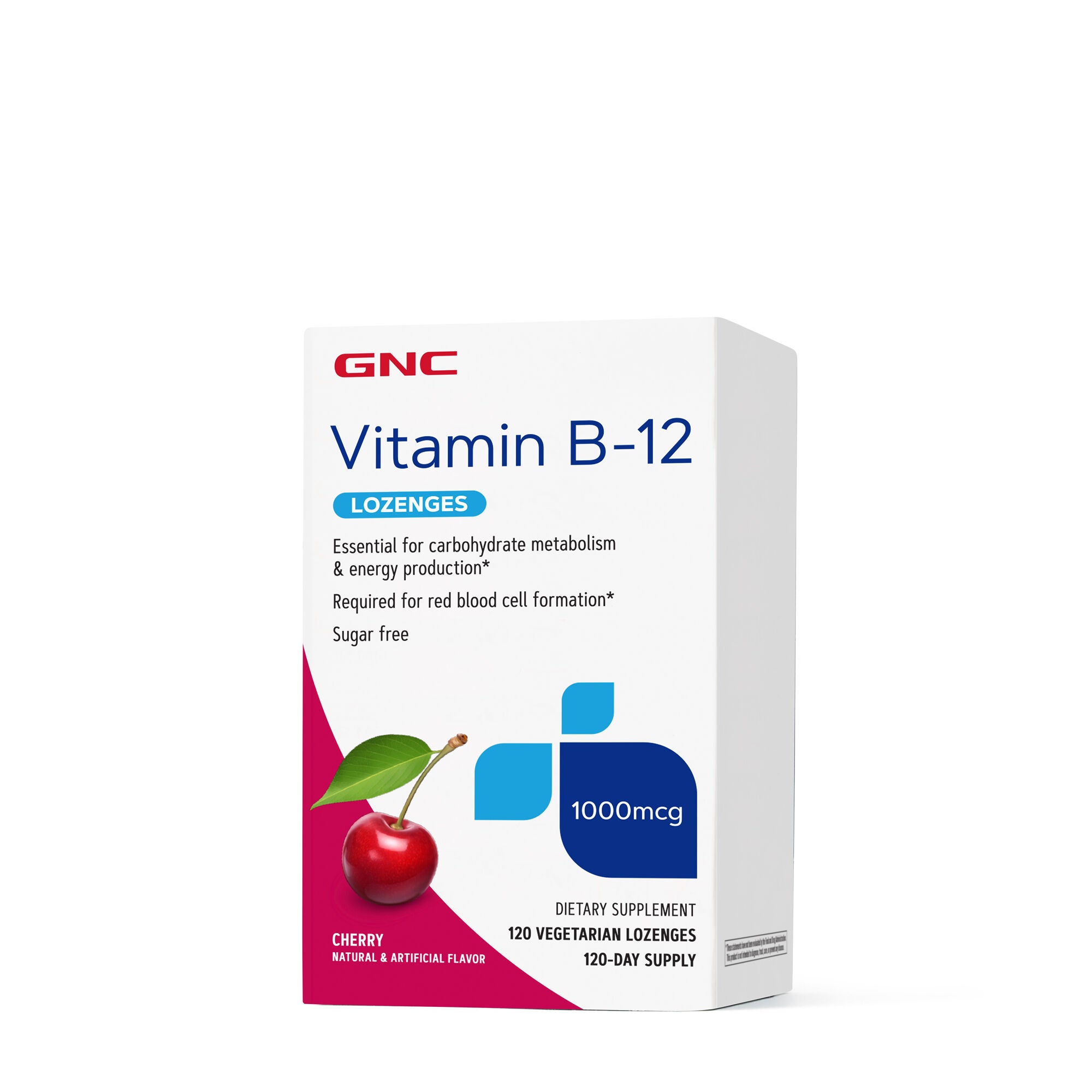

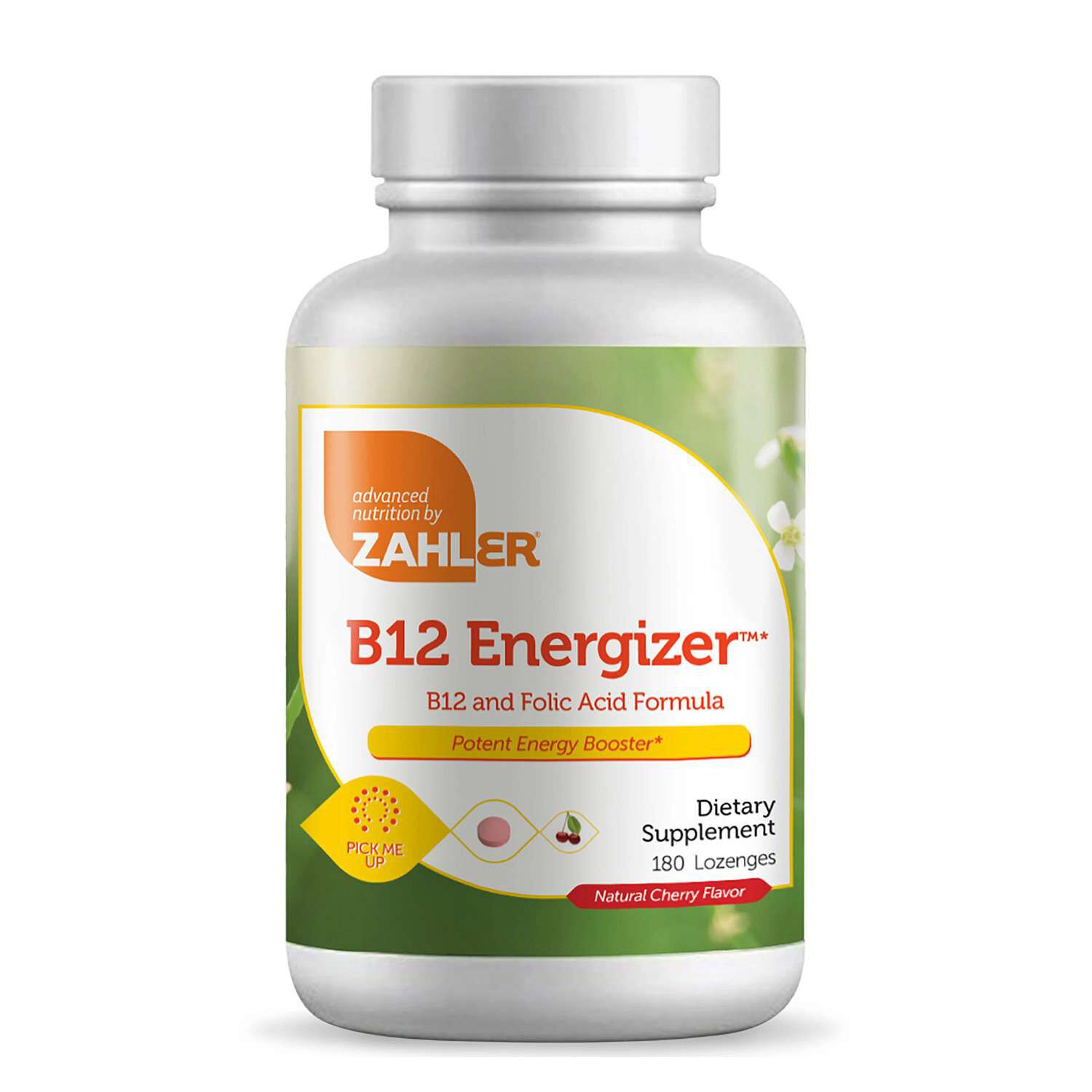
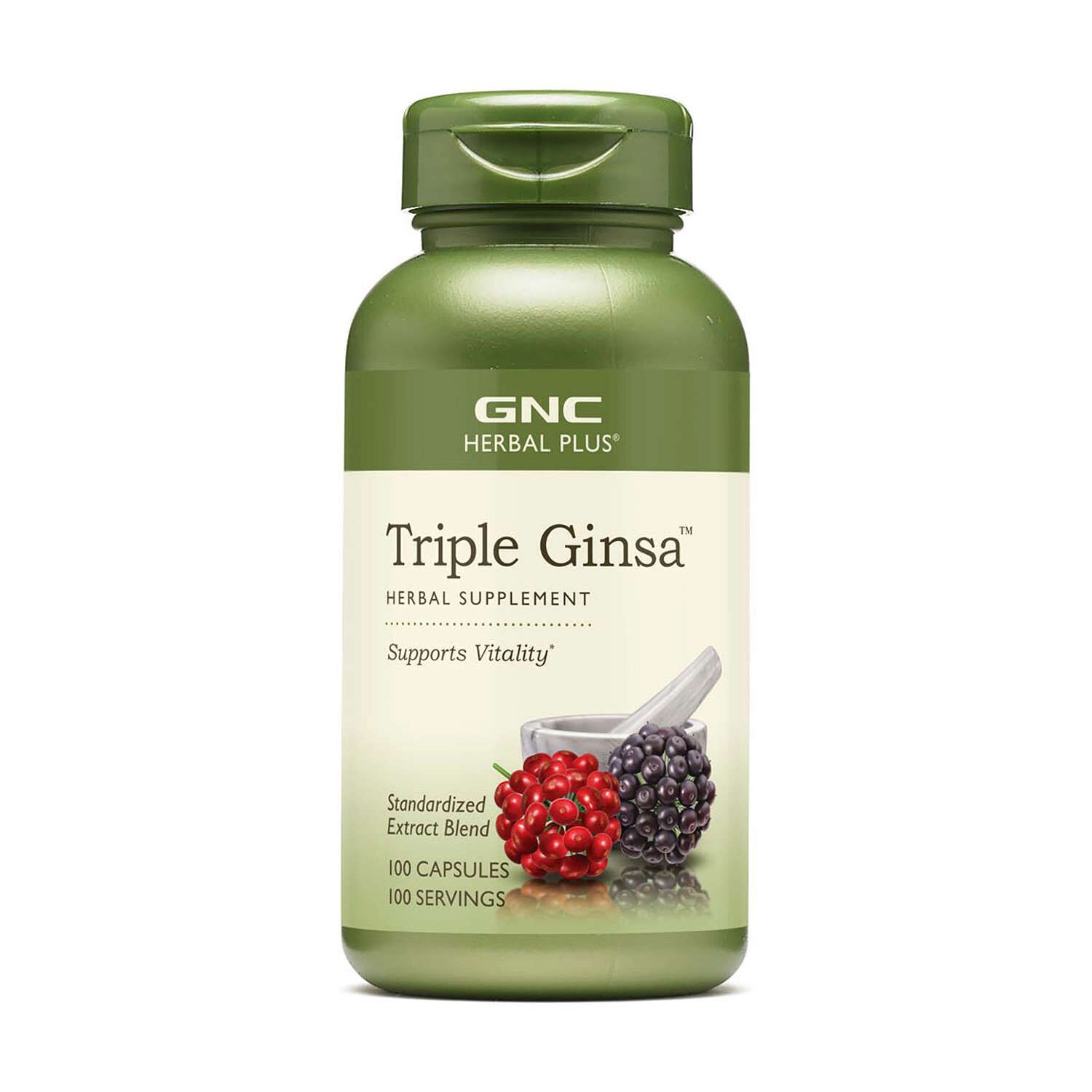
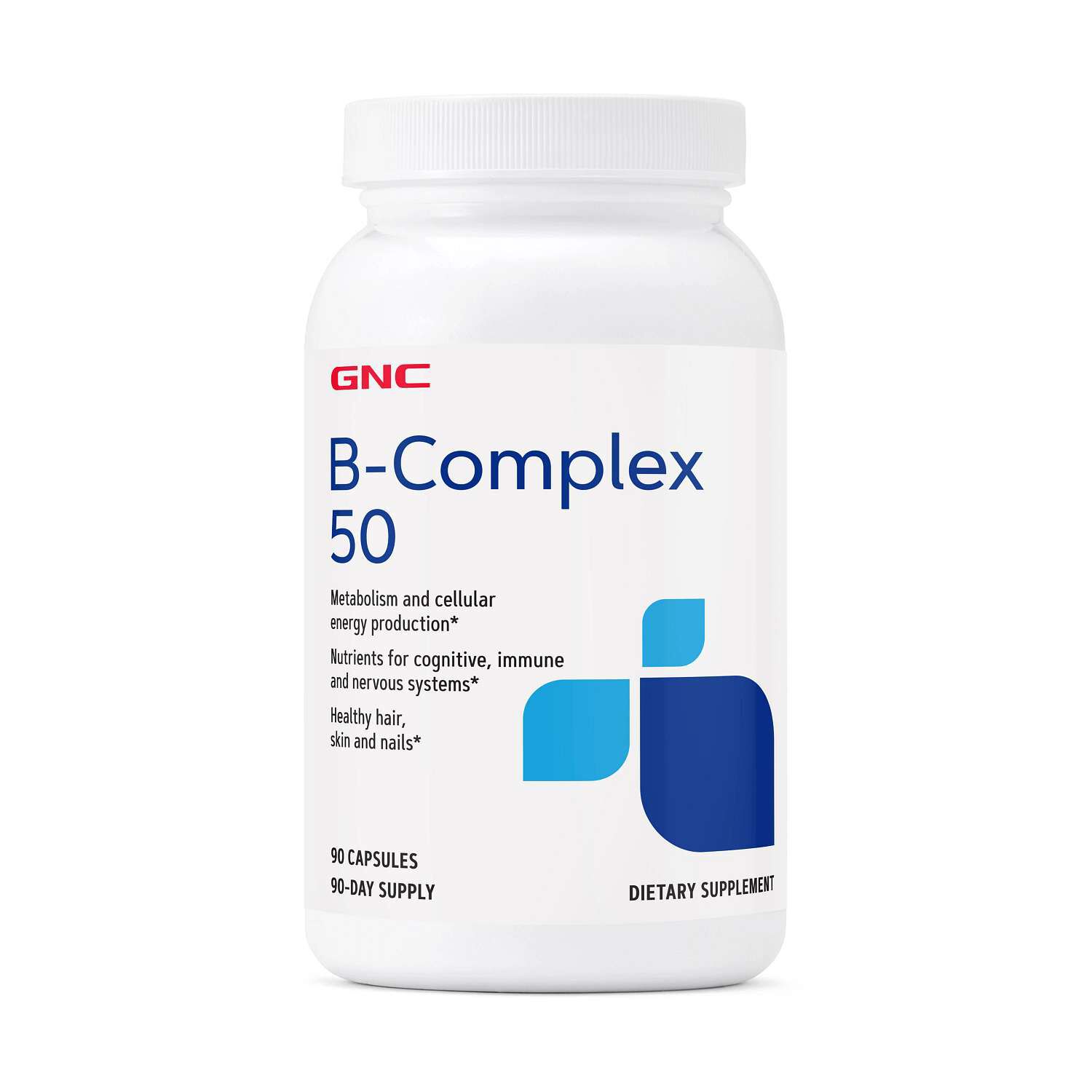
Caregiving often means moving between practical tasks: preparing breakfast, coordinating appointments, helping with household needs, and keeping track of details that rarely fit neatly into a calendar. A supplement’s intended use matters within that setting. Some formulas focus on nutrients that may support normal energy metabolism, while others contain ingredients that may support alertness. B vitamins, including B6 and B12, may support the body’s normal processes for using energy from food. Magnesium may support normal energy metabolism and muscle function, and CoQ10 may support cellular energy production. Vitamin D also appears in some nutritional formulas and may support normal muscle function, although its presence does not make a formula interchangeable with a caffeine-containing supplement. These ingredients have different roles, so the broad phrase “energy support” does not describe a single experience or a uniform ingredient profile. For an adult helping a parent with errands or supporting a partner through a demanding schedule, the relevant differences include what the formula contains, how much constitutes a serving, and whether it contains a stimulant. A nutritional supplement is not the same as a meal, and its ingredients do not supply food energy in the same way as carbohydrates, fats, and protein. Supplements are also not substitutes for sleep or regular meals. That context is especially relevant when the day includes an early departure, a delayed lunch, and another round of responsibilities after returning home. Energy supplements for caregivers are best understood as a varied product category rather than a single answer to a demanding day. Ingredient transparency, a practical format, and a clear intended use give this category more meaning than an attention-grabbing name on the front of a package.
Format is one of the most tangible differences among energy supplements, particularly when a caregiver’s routine moves between home, work, and someone else’s household. Capsules and tablets typically require water, and their size, texture, and serving count can affect how comfortably they fit into an established routine. A serving may consist of more than one capsule or tablet, making the amount per serving more informative than the amount per individual piece alone. Chewable formats have a different texture and may include sweeteners or flavorings; powders involve preparation, a suitable container, and the amount of liquid specified on the label. Ready-to-drink formats involve less preparation, although container size and storage directions remain relevant. For someone carrying a tote with appointment paperwork, a phone charger, and a spare sweater, packaging dimensions and closure style are practical considerations rather than minor details. Individually packaged servings and larger containers also involve different amounts of preparation and space. Across formats, the Supplement Facts panel identifies serving size and declared ingredient amounts, while the ingredient list provides information about components such as flavorings, colors, and sweeteners. Allergen statements and dietary designations may matter to the person using the supplement, especially when personal food preferences shape everyday purchasing decisions. Caffeine content deserves its own attention because caffeine may contribute to alertness, and some formulas contain it alongside vitamins or other ingredients. Coffee, tea, and other beverages can also contribute caffeine within the same daily routine. A vitamin-focused formula and a caffeine-containing formula therefore serve different shopping preferences, even when both appear within an energy category. Similarly, a longer ingredient list or a larger number on the front label does not, by itself, establish suitability. For adults who already use a multivitamin or another supplement, ingredient overlap is another relevant comparison. Clear labeling makes those distinctions easier to see without treating every formula as though it has the same purpose.
The way an energy supplement fits into a caregiver’s day extends beyond its ingredient panel. Someone who handles morning transportation may have different format preferences from someone who spends several hours preparing meals at a relative’s home. A powder requires a moment to measure or mix, while a capsule has a different preparation routine; neither format is automatically the better fit for every person. Flavor also becomes more noticeable with repeated use, particularly in drink mixes and chewable formats, where sweetness, aftertaste, and texture are part of the experience. Packaging care matters as well. Storage instructions can specify conditions that help preserve product quality, and a secure lid, legible label, and visible expiration date remain useful throughout the time a container is in use. A caregiver’s bag may be convenient for transportation, but a vehicle or an open kitchen counter may not match the storage conditions printed on the package. In shared households, storage away from children and separate from another person’s supplies is an important practical consideration. Keeping the original packaging also keeps ingredient information and directions with the supplement rather than separating them from an unlabeled container. The broader collection of Energy Supplements For Long Days offers another way to browse this category when caregiving overlaps with commuting, work, and household responsibilities. For someone considering supplements as a gift for an adult caregiver, the recipient’s expressed preferences matter more than an assumption about what that person needs. A familiar format, a preferred flavor, or a category the recipient has specifically requested provides more useful context than a surprise selection based only on a busy schedule. Caregiving takes many forms, and the products associated with it should leave room for those differences. Descriptive labels, understandable serving information, suitable packaging, and ingredients aligned with the shopper’s preferences help distinguish the options while keeping attention on the person who will actually use them.