





Exotic Flavored Supplements
(0 Results)
Explore a world of taste with exotic flavored supplements that could transform your daily wellness routine into an exciting adventure. Imagine savoring the essence of tropical fruits, aromatic spices, and rare botanicals as you support your health goals. These unique flavors might not only tantalize your taste buds but also add a refreshing twist to your supplement regimen. Whether you're seeking to elevate your energy, support your immune system, or simply enjoy a new flavor experience, these exotic options may offer a delightful escape from the ordinary.
-
-

-
-
-

-
-

-

-
-

-

-
-

-
 NDS Nutrition$49.99
-

-
-
-

-
-
-

-

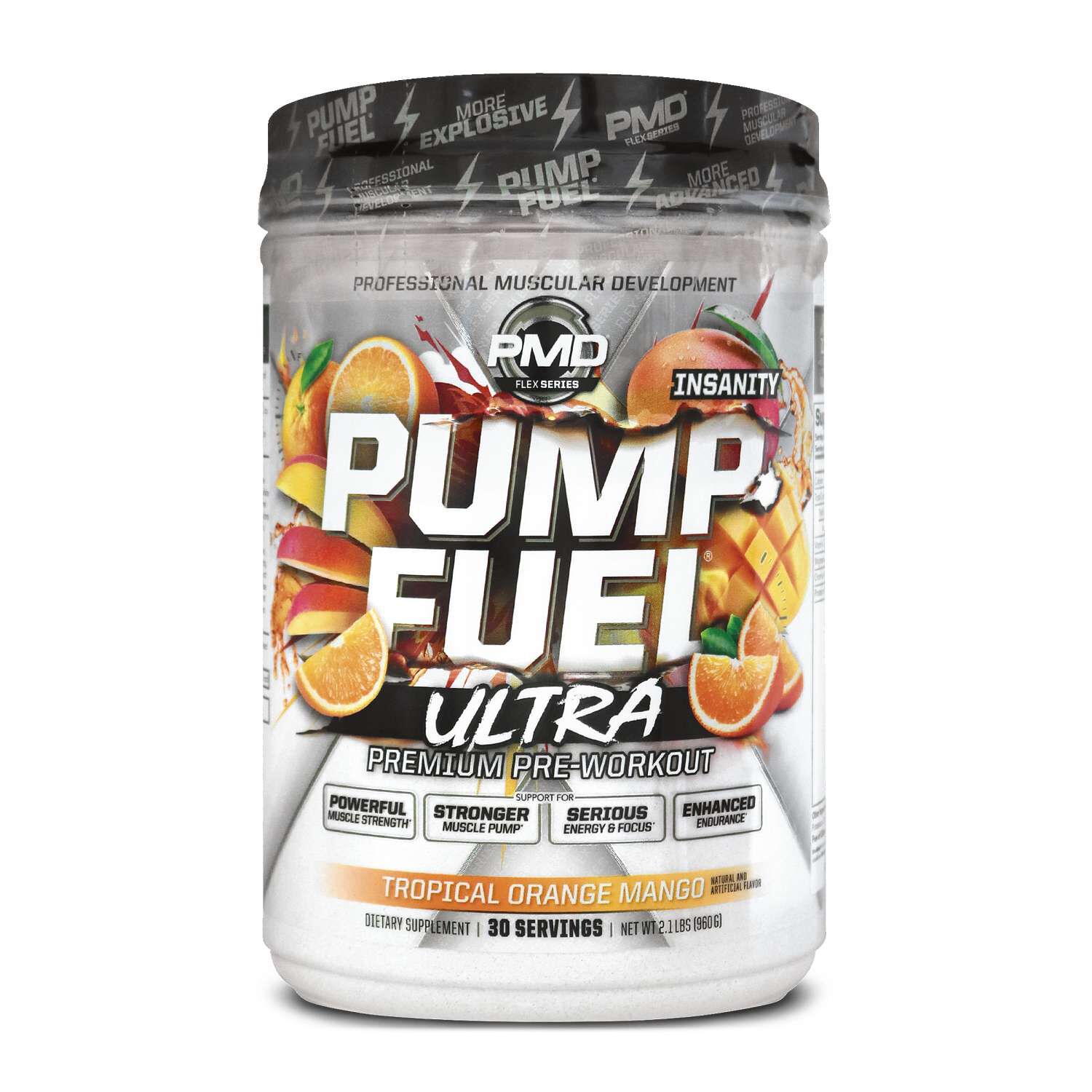
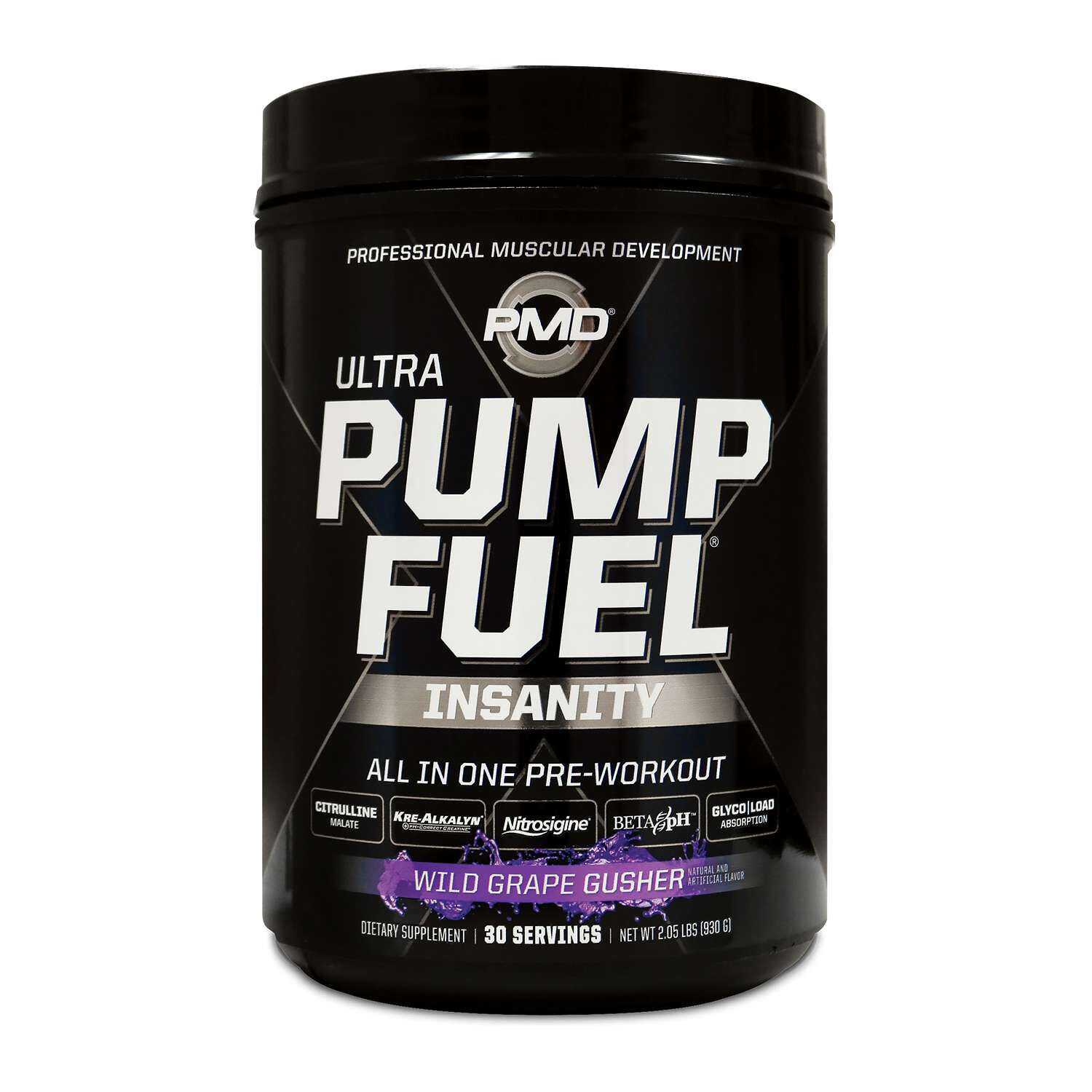
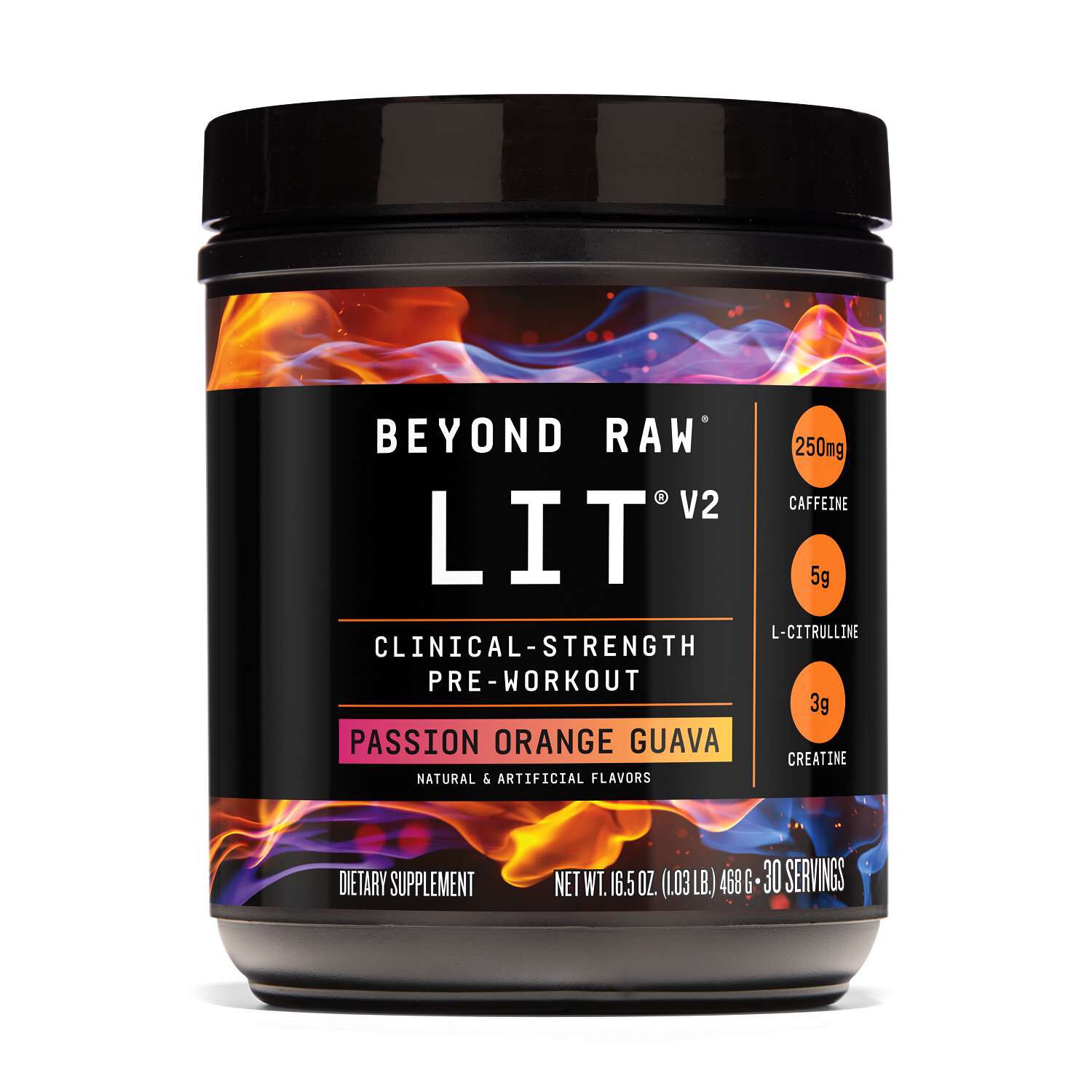
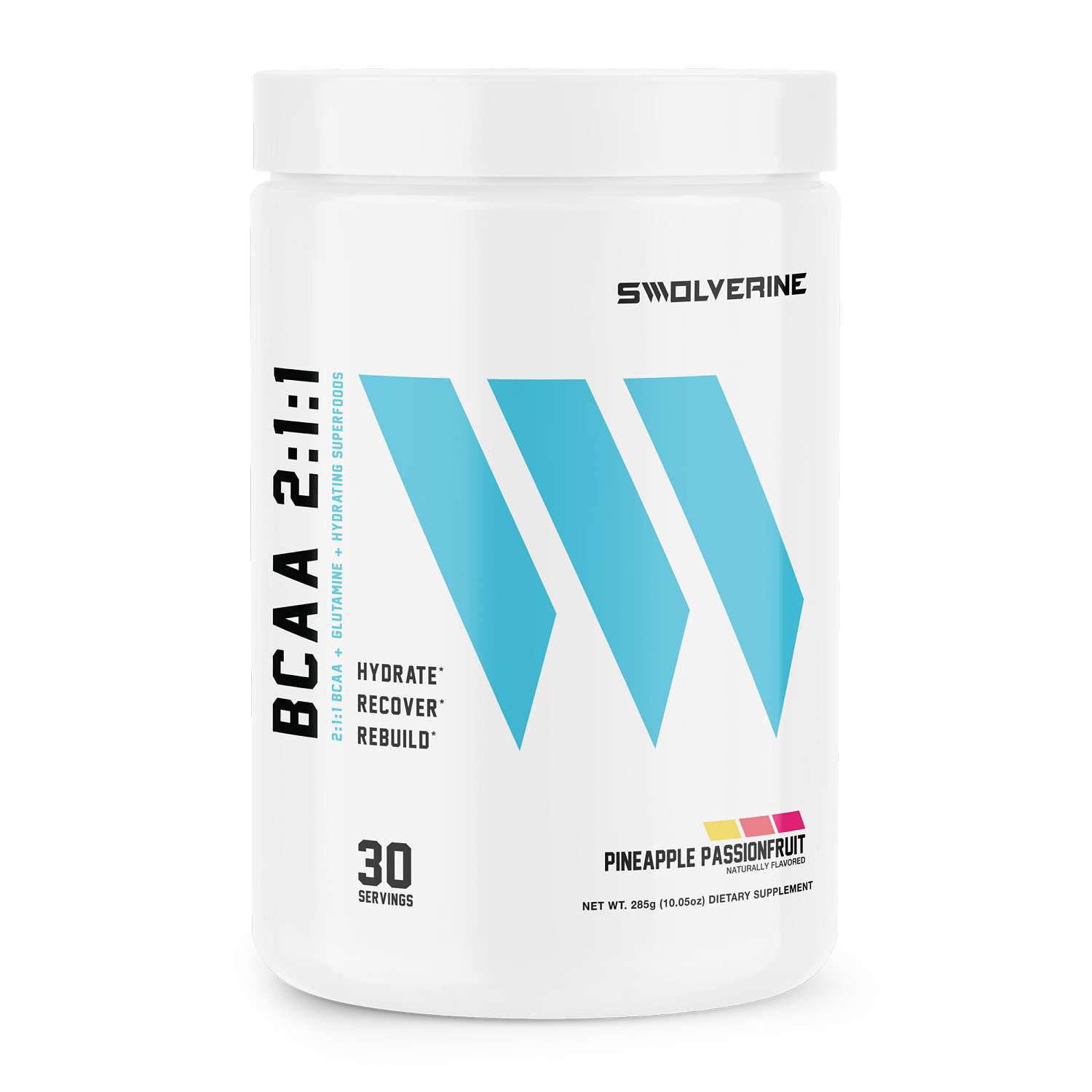
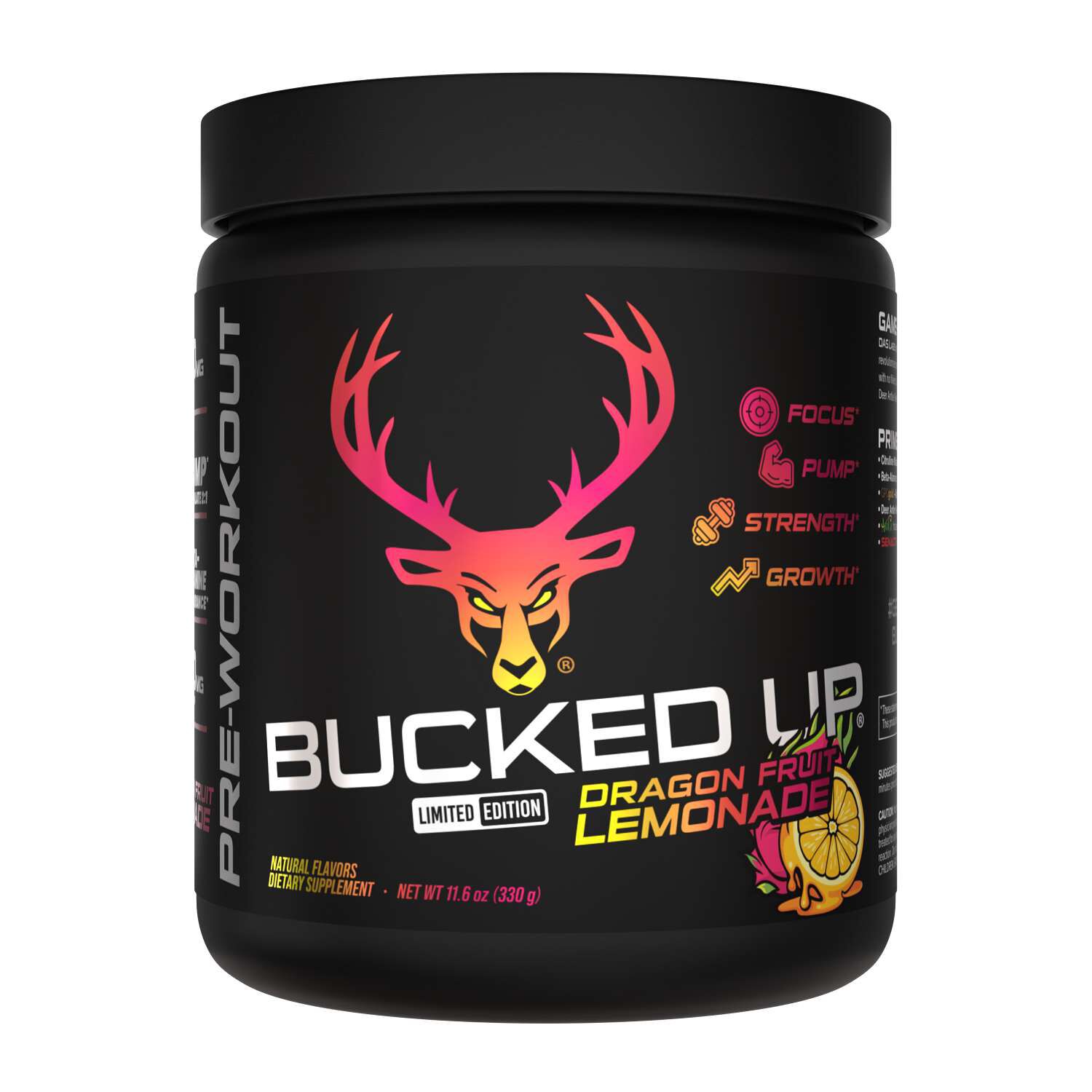
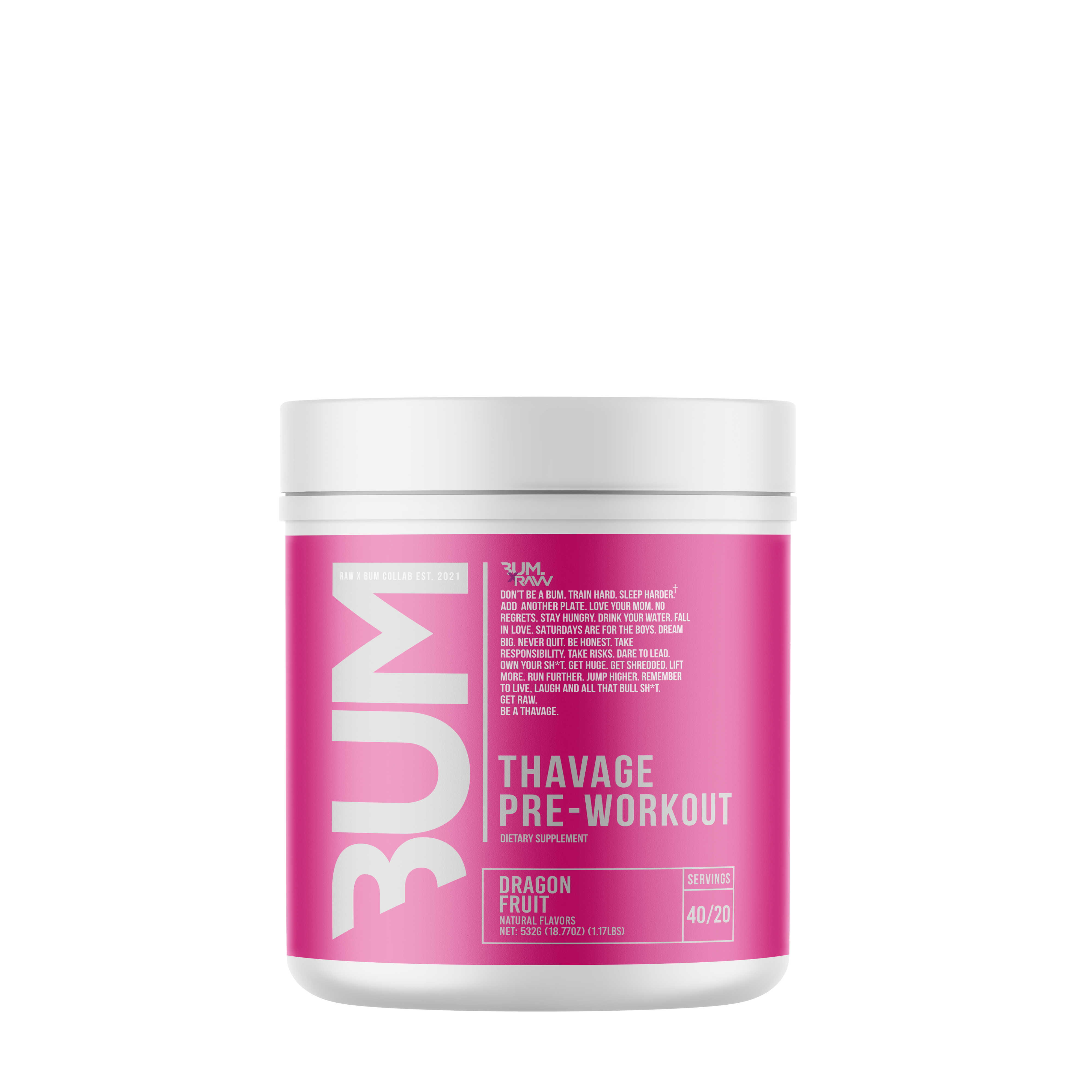
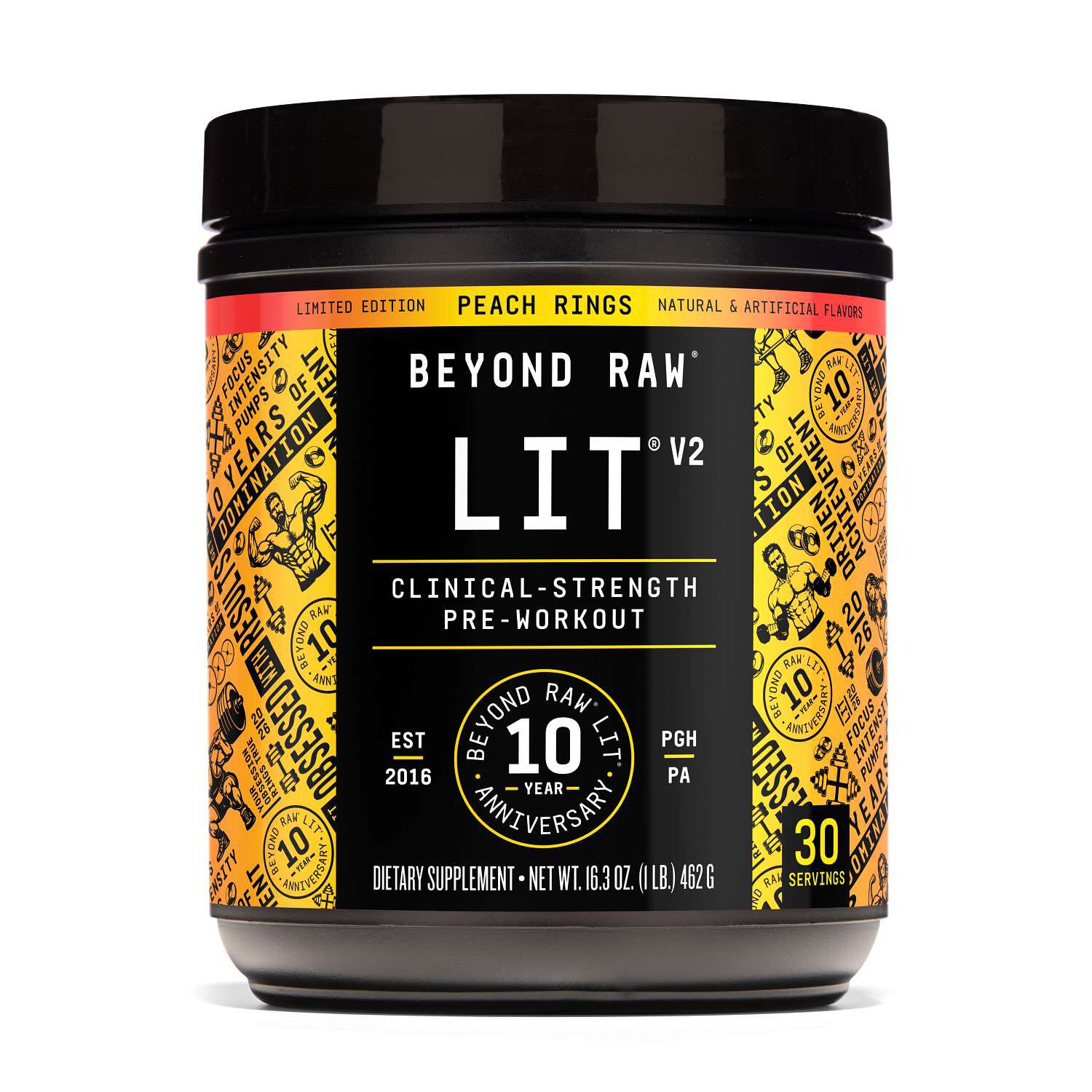
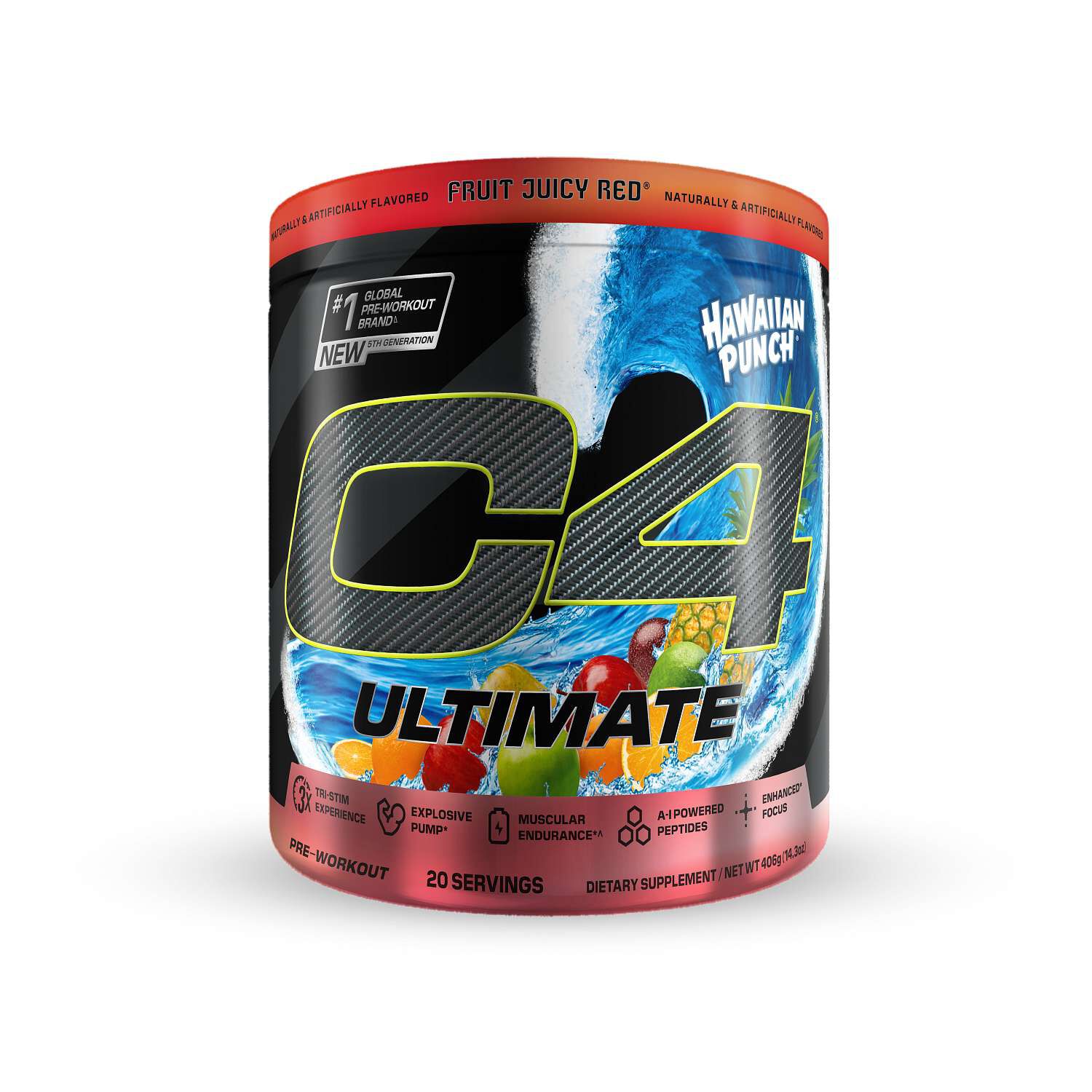
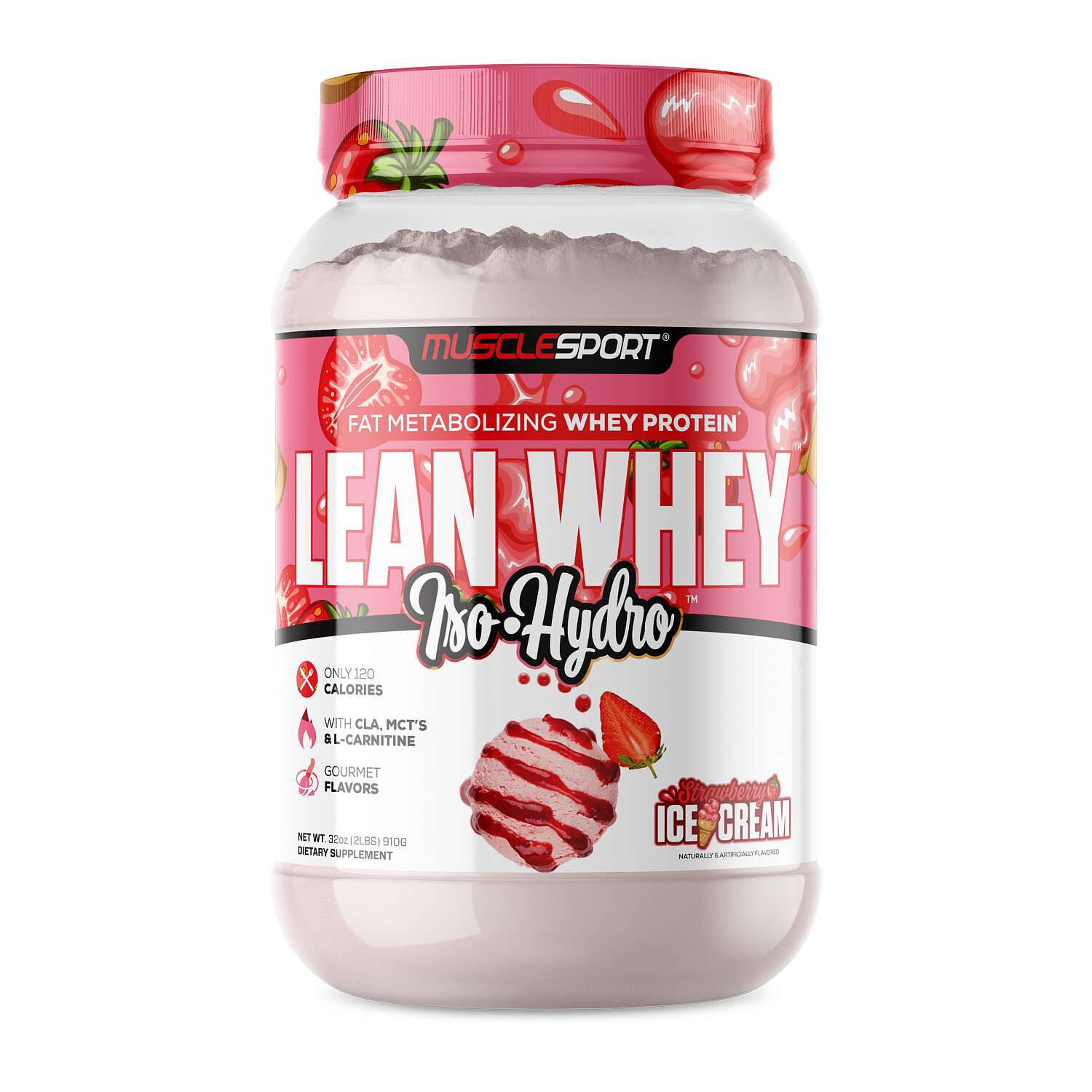
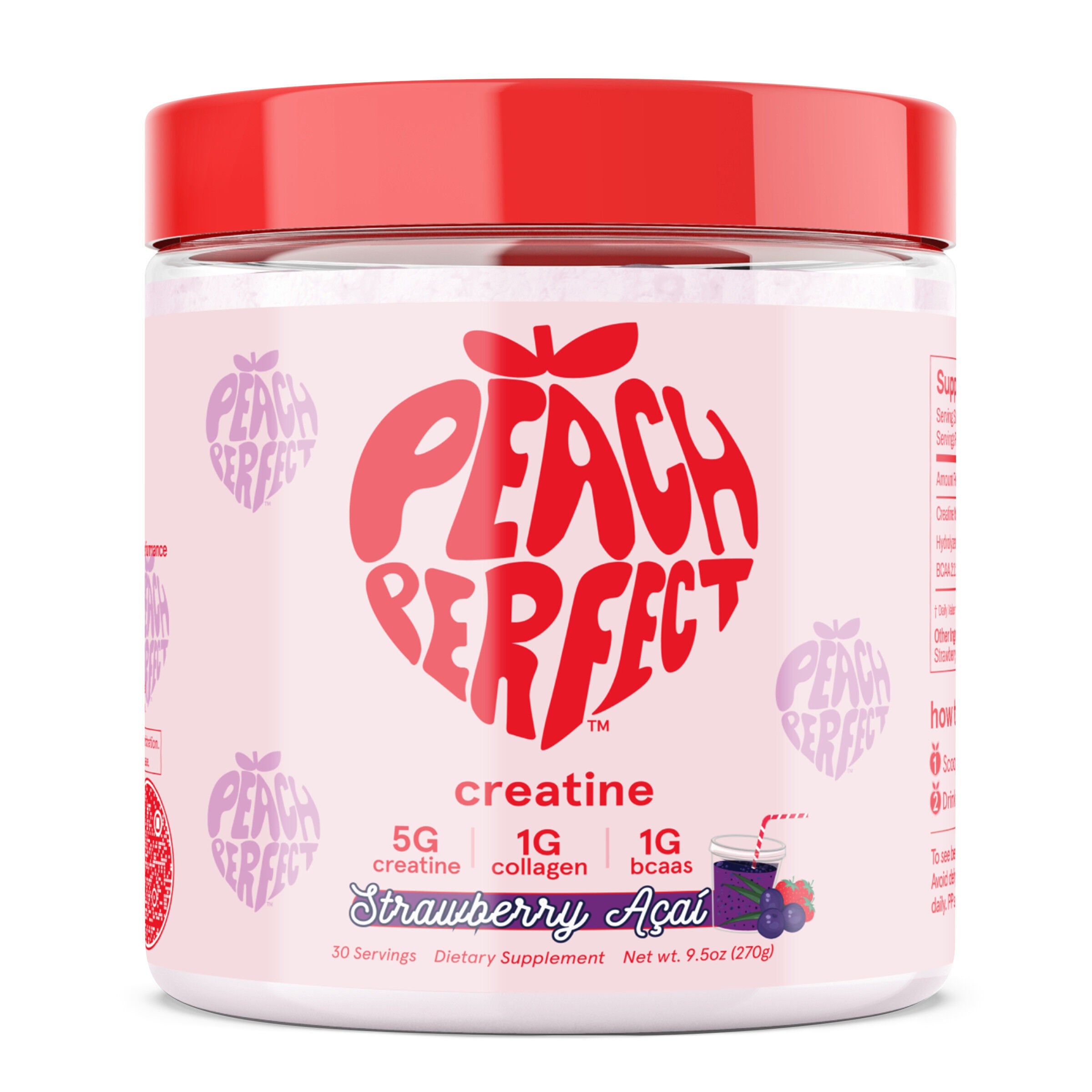
Exotic flavored supplements are dietary supplements with taste profiles that reach beyond familiar chocolate and vanilla, drawing on tropical fruit, tart candy, juicy citrus, and creamy desserts. These flavors appear across categories such as protein powders, pre-workout formulas, amino acid blends, and electrolyte drink mixes, so flavor and intended use are separate considerations. A mango-inspired protein powder and a mango-inspired pre-workout can share a flavor description while having very different ingredients and serving instructions. The word exotic describes the flavor experience rather than a distinct nutritional category. Tropical profiles often combine a mellow fruit character with a sharper citrus note, while candy-inspired varieties emphasize sweetness, tartness, or both. Guava, passion fruit, lychee, pineapple, and coconut are examples of flavor references associated with tropical blends. Their names describe a taste direction, not necessarily the presence of whole fruit, fruit juice, or any particular amount of a named ingredient. A pineapple-coconut profile may taste rounded and creamy, while a passion fruit-citrus blend may lean bright and tangy. Dessert-inspired flavors take another direction, using descriptions associated with custard, baked treats, cereal milk, or layered sweets. Texture matters alongside flavor: a creamy shake and a thinner, juice-style drink offer different experiences even when both carry a fruit-inspired name. Some adults prefer a familiar flavor for everyday use and a more unusual option for variety; others gravitate toward tart fruit rather than rich, dessert-like drinks. Sweetness is personal, too. A flavor described as candy-inspired may taste quite sweet, while a citrus name alone does not establish how tart the finished drink will seem. Detailed flavor descriptions are useful context, but the supplement category, ingredient list, and preparation directions provide the substance behind the name. For shoppers interested in exotic flavored supplements, that distinction keeps the focus on both the taste profile and the type of formula being considered. It also leaves room for preferences as specific as a lightly creamy fruit blend, a tangy drink mix, or a richer shake with a dessert-style finish.
Ingredients and labeled serving information offer a clearer basis for comparison than flavor names alone. Protein powders may use whey, casein, pea protein, rice protein, or a combination of sources, and those ingredients can differ in texture and preparation requirements. Whey and casein come from milk, even when the finished powder has a tropical fruit or candy-inspired flavor. Conversely, a creamy flavor description does not by itself establish that a formula contains dairy. The ingredient list and allergen statement are the relevant references for milk, soy, wheat, peanuts, tree nuts, and other ingredients a shopper wishes to avoid. Manufacturing statements also deserve attention when a package includes information about shared equipment or facilities. Sweeteners are another point of difference. Sucralose, stevia, monk fruit ingredients, sugar, and other sweetening ingredients can appear in flavored formulas, sometimes in combination. Two powders with the same fruit description may have noticeably different sweetness or aftertaste because their recipes differ. Citric acid and other food acids may contribute a tart character, while thickeners and emulsifiers may affect the consistency of a mixed drink. Color is a separate detail: a vivid drink does not necessarily contain more fruit, and a pale powder does not necessarily have a milder flavor. The Supplement Facts or Nutrition Facts panel, as applicable, provides information about the labeled serving, nutrient amounts, and other declared ingredients. Comparing the same serving basis matters because scoops and packets are not interchangeable measurements across formulas. A larger scoop does not automatically indicate more protein or a more concentrated formula. Caffeine content also depends on the formula rather than the flavor; neither a candy name nor a tropical fruit name establishes whether caffeine is present. For adults choosing among supplement categories, intended use and label directions remain distinct from taste preference. A fruit-flavored protein powder is still a protein supplement, while a fruit-flavored electrolyte mix has a different composition. An unusual flavor is a sensory detail, not evidence of a particular nutritional benefit.
Preparation and packaging also shape how an exotic flavor fits into an established routine. For powders, the labeled liquid amount provides a reference point for the intended consistency and concentration of flavor. Water may allow tart fruit notes to stand out, while milk or a suitable plant-based beverage may create a fuller texture in formulas intended for that preparation. A creamy protein blend may suit a shaker or blender, whereas some drink mixes are designed for stirring into water; the package directions clarify the appropriate method. Mixing behavior varies by formula, and some powders may need additional shaking or a brief settling period before drinking. Visible foam, thickness, and a small amount of settling are different characteristics, so the preparation instructions matter more than assumptions based on the flavor name. Single-serving packets offer a measured format for a gym bag or desk drawer, while larger containers require a scoop and a suitable mixing vessel. Ready-to-drink formats involve different storage and handling instructions from dry powders, particularly after opening. For powdered supplements, a dry scoop, a securely closed lid, and storage according to the package directions are practical care considerations. The container’s condition and printed date also belong in that assessment. Flavor preferences matter when considering a supplement as a gift for an adult workout partner or someone who already uses that type of product. A known preference for tangy fruit or creamy desserts is more useful than choosing an unfamiliar formula solely for a playful name, and dietary preferences remain part of the decision. For a closer look at a fruit-forward flavor family, Tropical Punch Flavored Supplements brings the focus to punch-inspired profiles. Across exotic flavored supplements, the most meaningful distinctions remain straightforward: the supplement’s intended use, its ingredients, the labeled serving, the preparation format, and a flavor character that matches personal taste.
Best Sellers


Related Pages

Top Collections
- Joint Mobility Supplement Packs
- Daily Collagen Supplements | Top Brands & Deals | GNC
- GLP 1 Support For Adults
- Zinc Supplements | Top Brands at Great Prices | GNC
- Supplements For Yoga Joint Flexibility
- Supplements For Balance
- Capsule Supplements For Energy And Stamina
- Adult Mobility Supplements
- Chronic Fatigue Supplements
- Vitamins For Hair Loss