Fall Immune Support Products
(0 Results)
Fall immune support products may offer a convenient way to help you prepare for the changing seasons. As temperatures drop and routines shift, many people look for ways to support their wellness goals. Explore a variety of fall immune support products that could fit into your daily regimen and help you stay on track with your health priorities all season long.






_Front.jpg?sw=305&sh=305&sm=fit "Pure Way-C Vitamin C and Bioflavonoids 1000+ mg - 90 Tablets (90 Servings) | GNC")

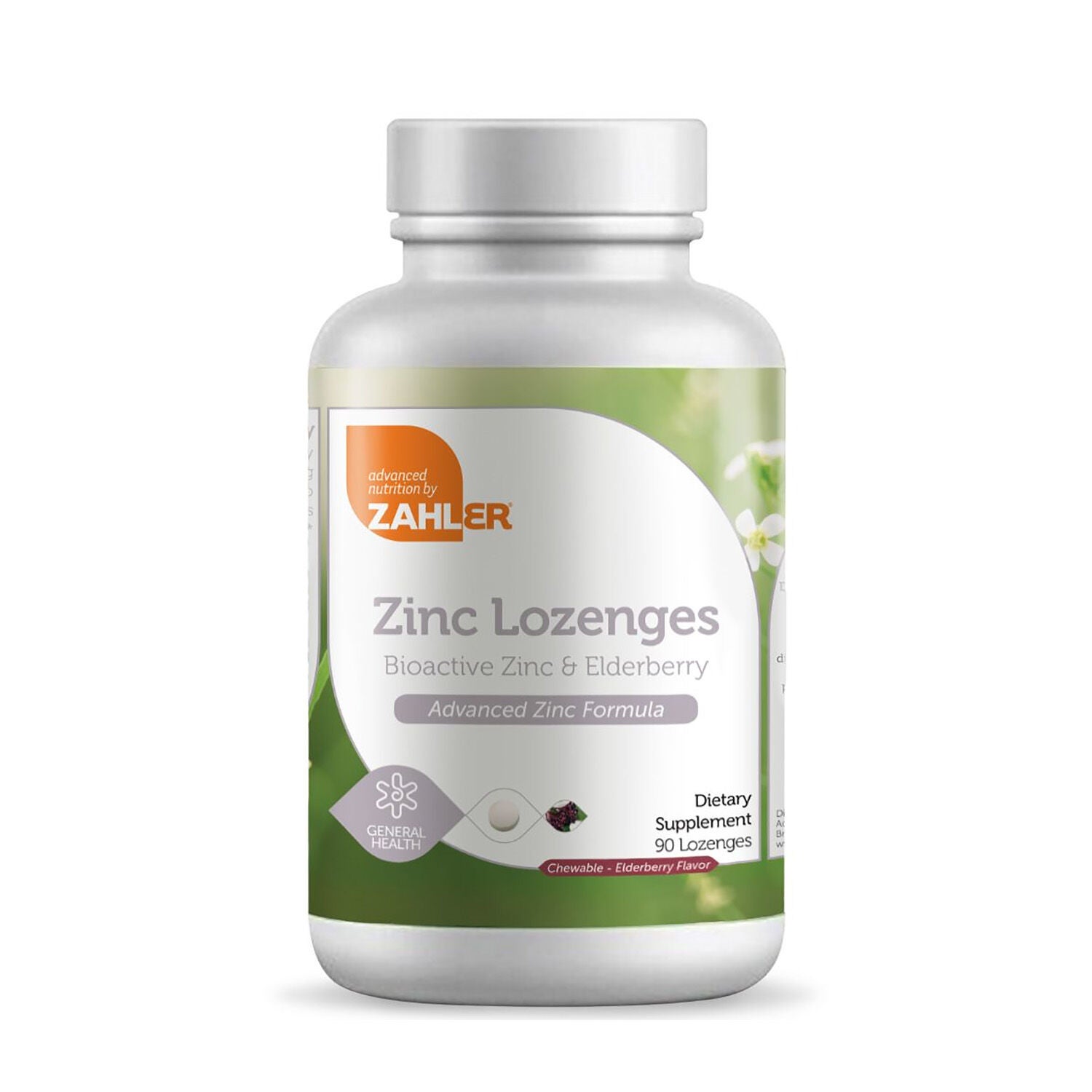
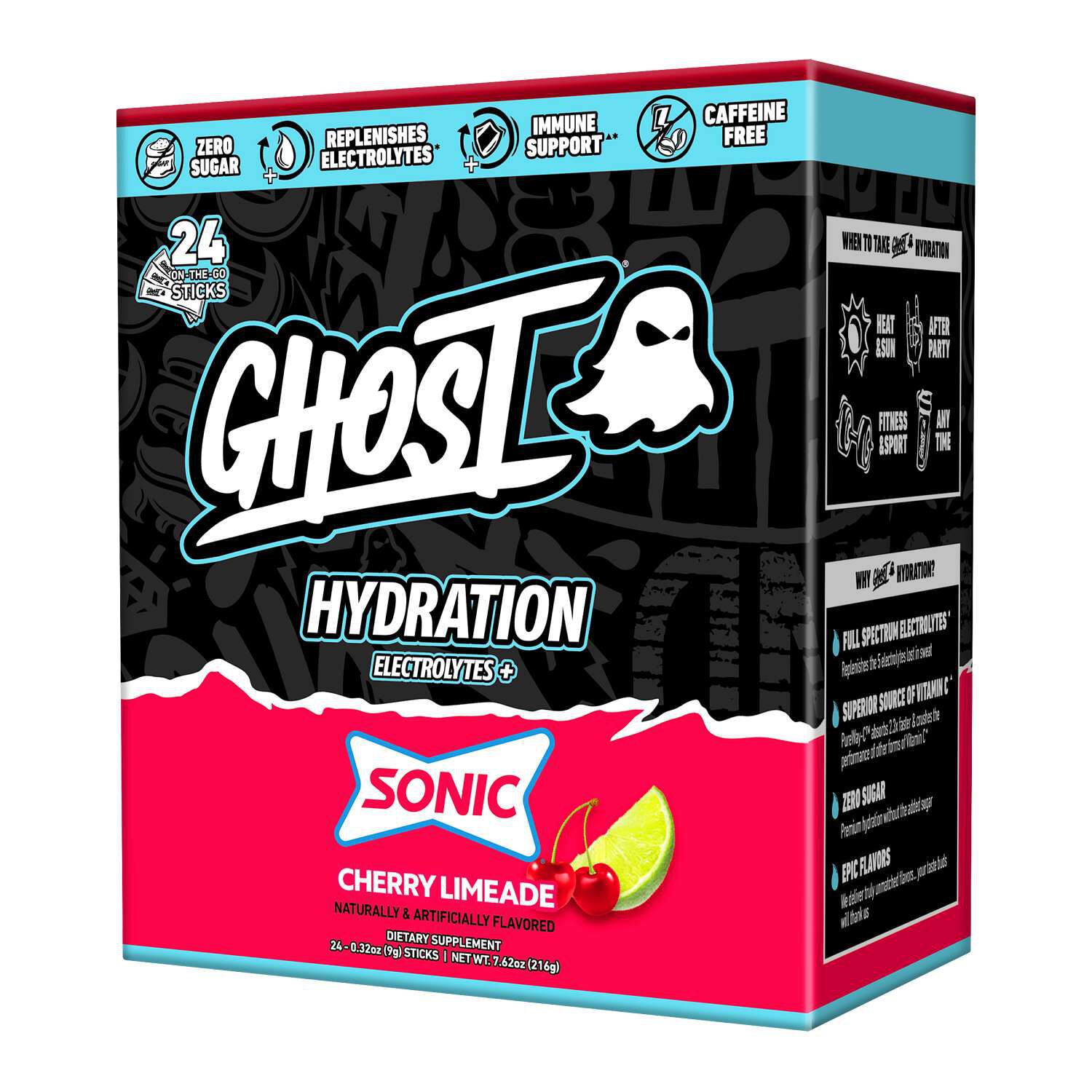


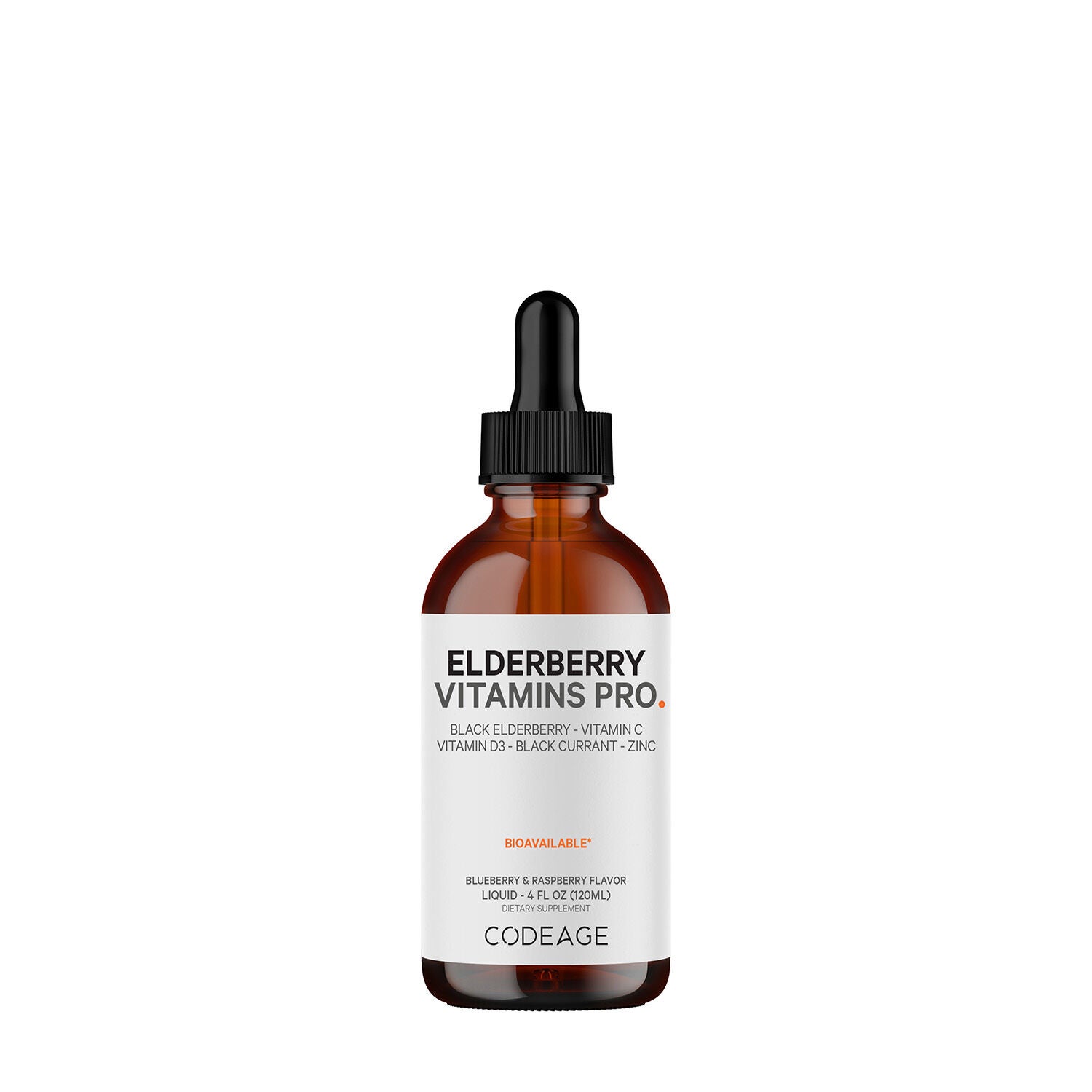
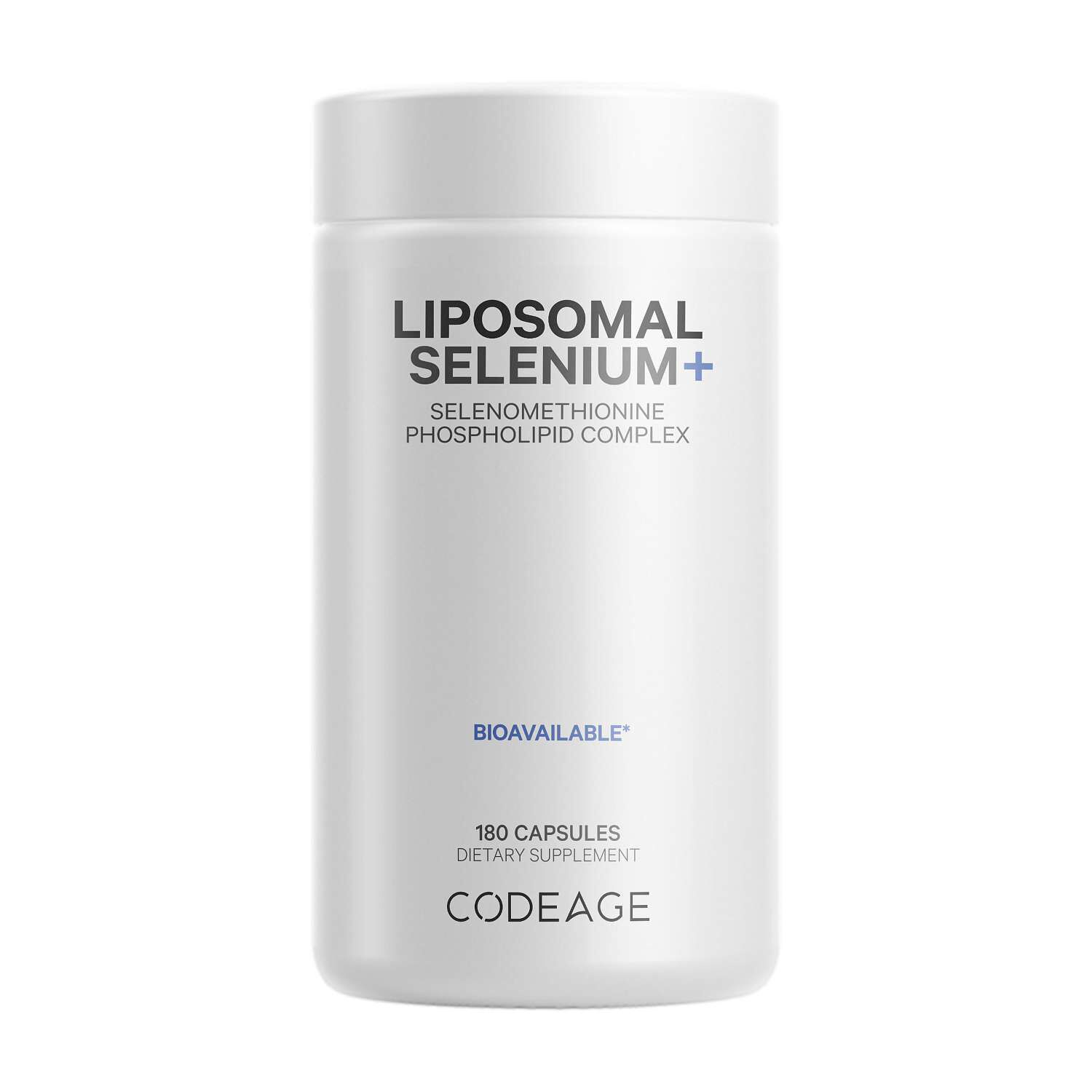


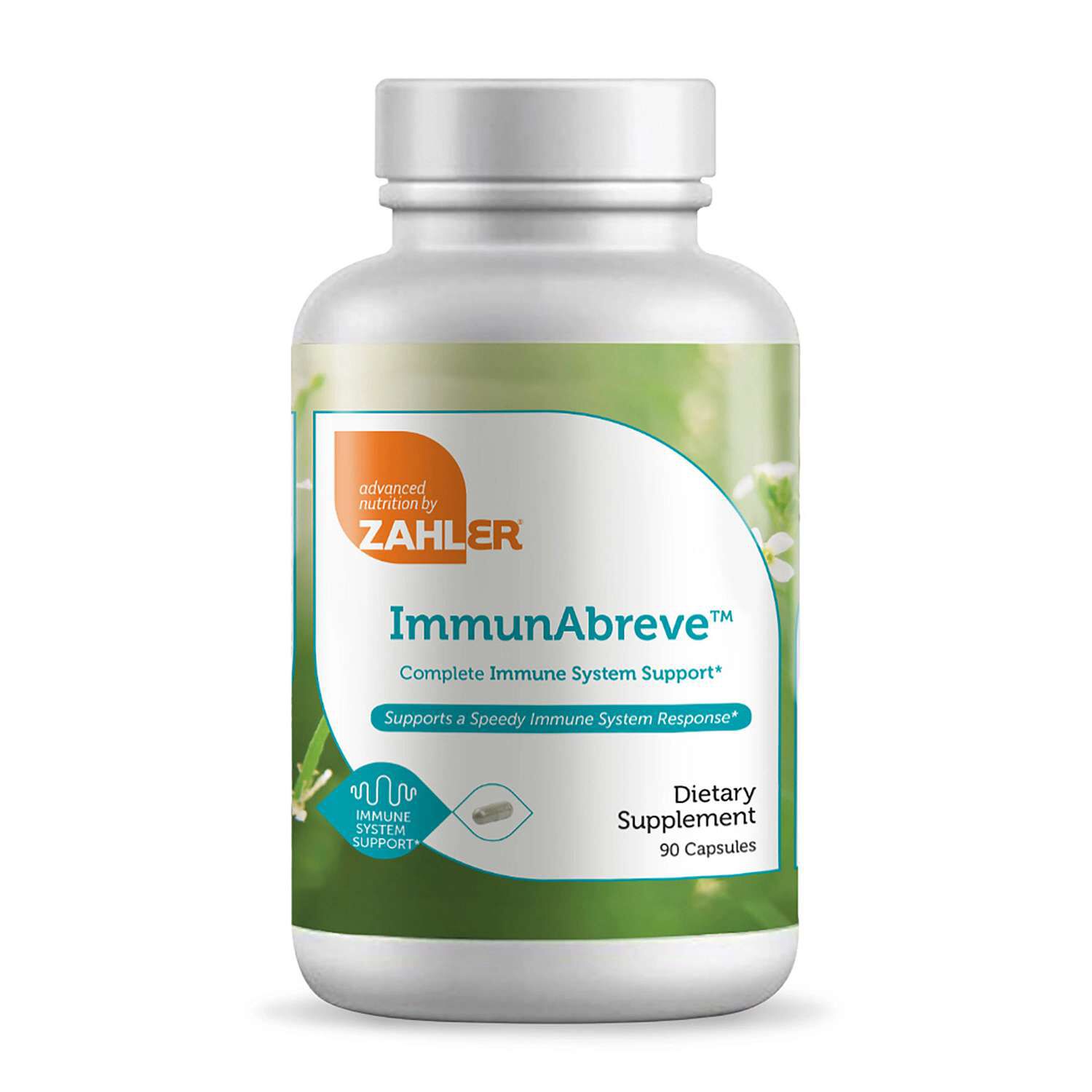

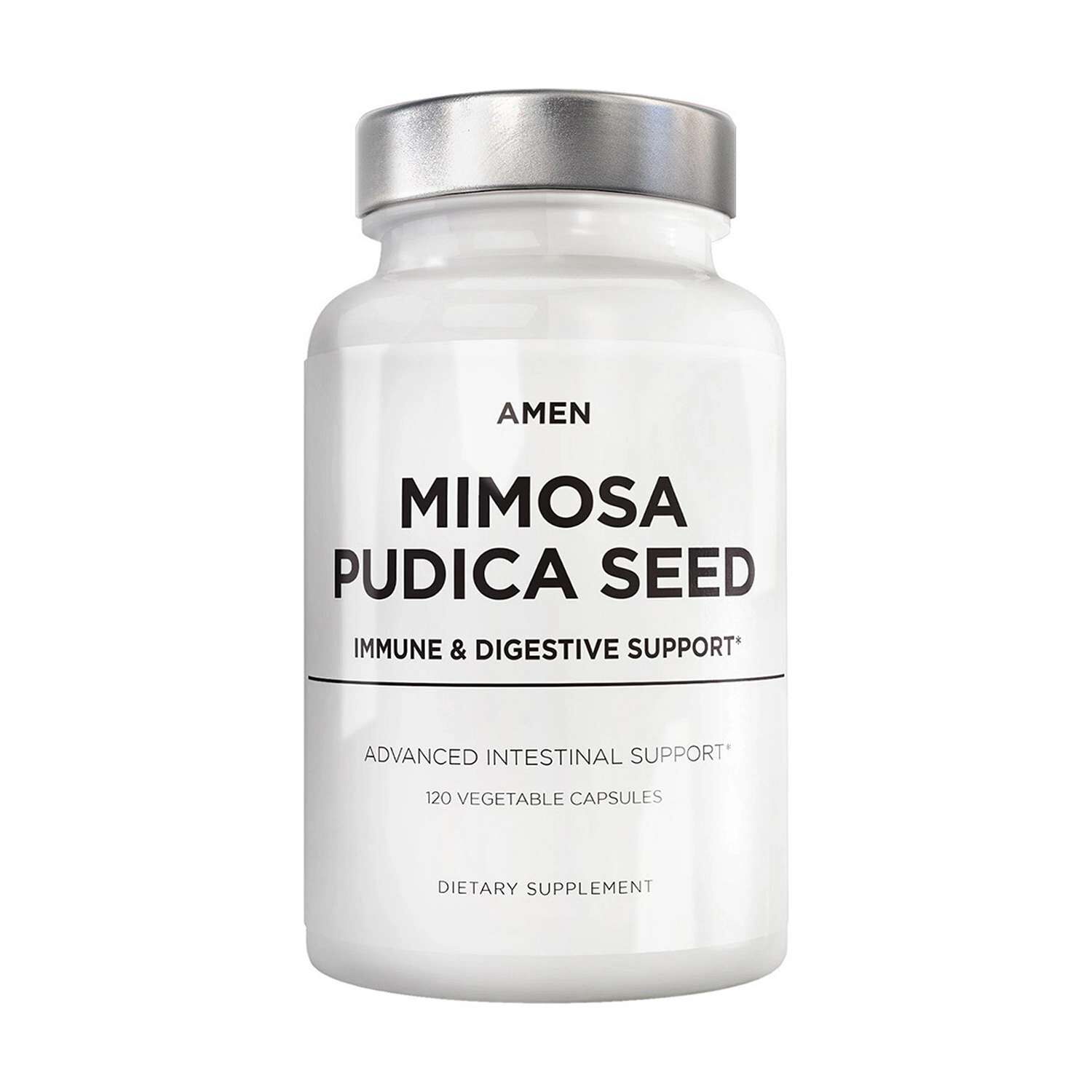
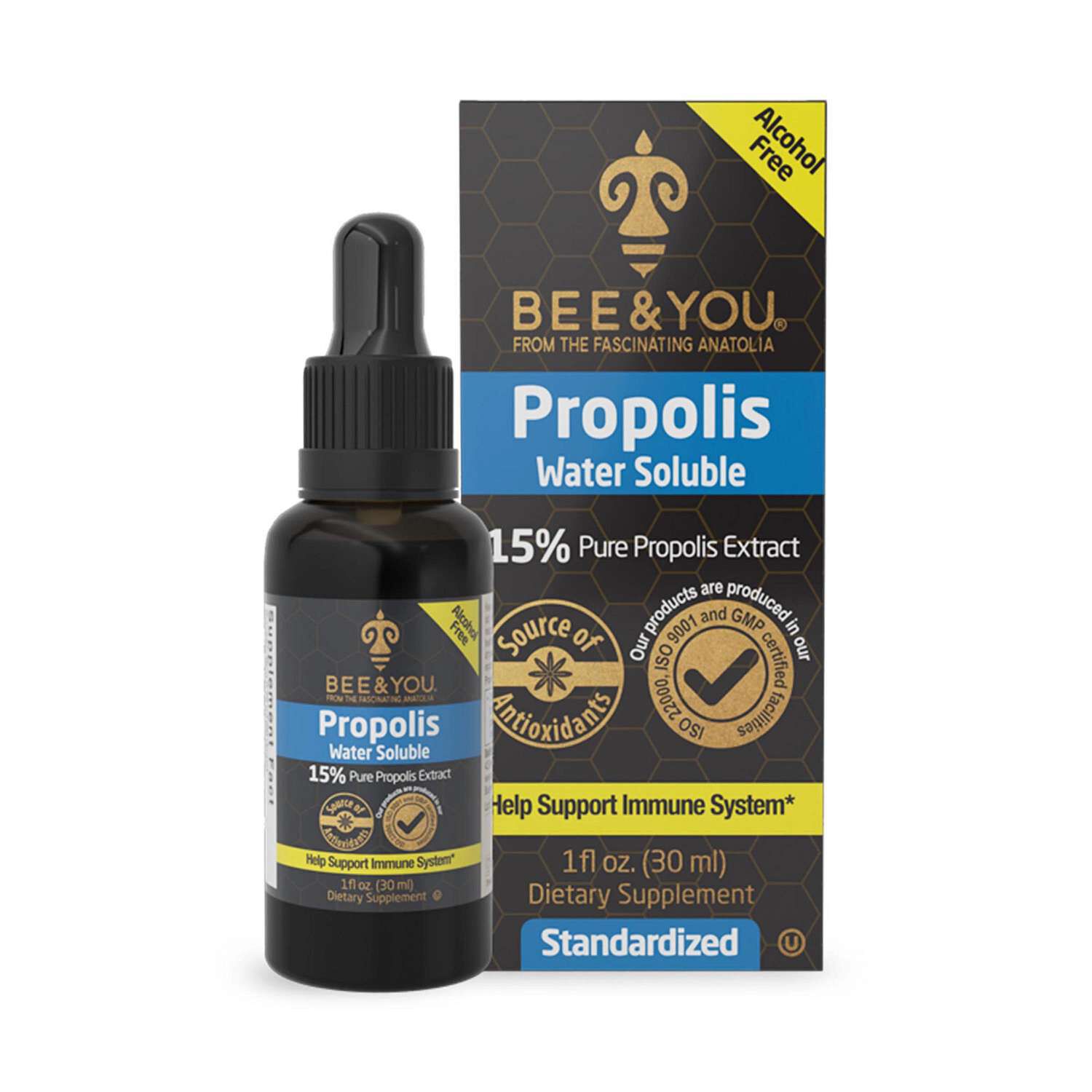
Fall immune support supplements may complement an established nutrition routine, with the choice often coming down to ingredient preferences, serving format, and intended use. For adults balancing work commutes, campus schedules, family activities, or fall travel, those practical details deserve as much attention as the wording on the front of the package. A single-ingredient formula keeps the ingredient list focused, while a blend groups ingredients that would otherwise appear on separate labels. Neither approach is automatically the better match for every shopper. The Supplement Facts panel provides a more useful comparison than a seasonal package design alone: serving size, ingredient amounts, and the number of servings per container all describe what is inside. Ingredient names may also differ between formulas. Vitamin C might be listed as ascorbic acid or a mineral ascorbate, and vitamin D labels may identify D2 or D3. Botanical formulas may identify the plant part used, whether an ingredient is an extract, and the amount included in each serving. Those distinctions describe the formulation; they do not, by themselves, establish that one choice is superior. For shoppers who already use a multivitamin or another supplement, comparing ingredient lists also makes overlap easier to recognize. A formula with a shorter ingredient list may appeal to someone who values simplicity, while another shopper may prefer a combination with clearly listed amounts for each component. Intended age range matters, too, since an adult formula and a formula labeled for younger users are not interchangeable choices. The most useful starting point is the actual label rather than assumptions based on flavor, bottle size, or familiar seasonal imagery.
Format shapes the everyday experience of using fall immune support supplements. Capsules and tablets suit shoppers who prefer a measured serving without preparing a beverage, although their dimensions, coatings, and serving counts can vary. A bottle containing many capsules does not necessarily represent the same number of servings, so the relationship between capsule count and serving size is worth noting. Gummies and chewables offer a different texture and often feature fruit flavors, with sweeteners, added sugars, and other ingredients listed on the package. Some have a soft chew, while others are firmer or carry a noticeable coating. Their familiar appearance does not change their intended use as supplements, and storage should reflect that distinction. Powders introduce another set of practical considerations: the amount of liquid called for, the mixing directions, the flavor, and whether the format uses individual packets or a larger container. A citrus-flavored powder may suit someone who enjoys a tart drink, while an unflavored formula may still have a detectable ingredient taste. Liquid formats have their own serving directions and may include a measuring device; any refrigeration requirements belong in the comparison as well. Dietary preferences can narrow the selection further. Capsule shells may use gelatin or plant-derived materials, and gummies can differ in their gelling ingredients. Vegetarian or vegan labeling, allergen statements, and the full ingredient list offer more detail than the product format alone. For someone packing a work bag before sunrise or organizing a small apartment kitchen, these differences are tangible. A packet occupies a different amount of space than a tub, and a formula that requires mixing involves a different routine than a capsule. Flavor variety may matter less than a texture someone enjoys consistently. The fit is practical rather than fashionable: a clearly labeled format, an understandable serving size, and preparation directions that match the setting where it will be used.
Packaging and care also belong in a thoughtful comparison of seasonal supplements. A container needs to suit its contents, and the storage instructions are more meaningful than a general assumption that every bottle belongs in the same cabinet. Labels may call for a cool, dry location, protection from light, or refrigeration after opening. A bathroom shelf exposed to shower steam and a bag left in a parked car present different storage conditions from an indoor cupboard. Gummies may soften with heat, powders may collect moisture when left open, and liquids may have specific instructions once their seals are opened. Closing containers as directed and keeping scoops or measuring devices clean and dry are straightforward parts of product care. The expiration date and any stated period for use after opening are also useful details when comparing container sizes. A larger package involves a different storage commitment than a smaller one, especially for someone who travels often or has limited cabinet space. For travel, original labeled packaging keeps serving directions, ingredient information, and storage requirements together. Individual packets may suit a tightly packed overnight bag, while a sturdy bottle with a secure closure may be more practical for a longer stay. Supplements should remain out of reach of children, including flavored formats that resemble candy. When shopping for another adult, an explicitly requested formula or a familiar format is a more considerate starting point than guessing about nutritional preferences. Ingredient restrictions, texture preferences, and existing routines are personal details, even when a package has seasonal appeal. Shoppers comparing different parts of an autumn wellness routine can also browse Fall Energy Support Supplements as a separate category with its own intended uses and label considerations. Across either category, clear ingredient information and manageable preparation requirements provide useful points of comparison. Those practical details remain relevant when a routine established in fall continues into winter, without depending on seasonal packaging or a particular date on the calendar.