





Fruit And Veggie Vitamins
(0 Results)
Discover a vibrant array of fruit and veggie vitamins that are packed with essential nutrients to support your overall health and wellness. From antioxidant-rich berries to leafy greens bursting with vitamins and minerals, our selection offers a convenient way to boost your daily intake of fruits and vegetables. Whether you're looking to fill nutritional gaps, enhance your immune system, or simply add more plant-based goodness to your diet, these fruit and veggie vitamins are a delicious and easy solution for busy lifestyles. Explore our range of supplements that harness nature's bounty in convenient forms, making it easier than ever to prioritize your well-being.
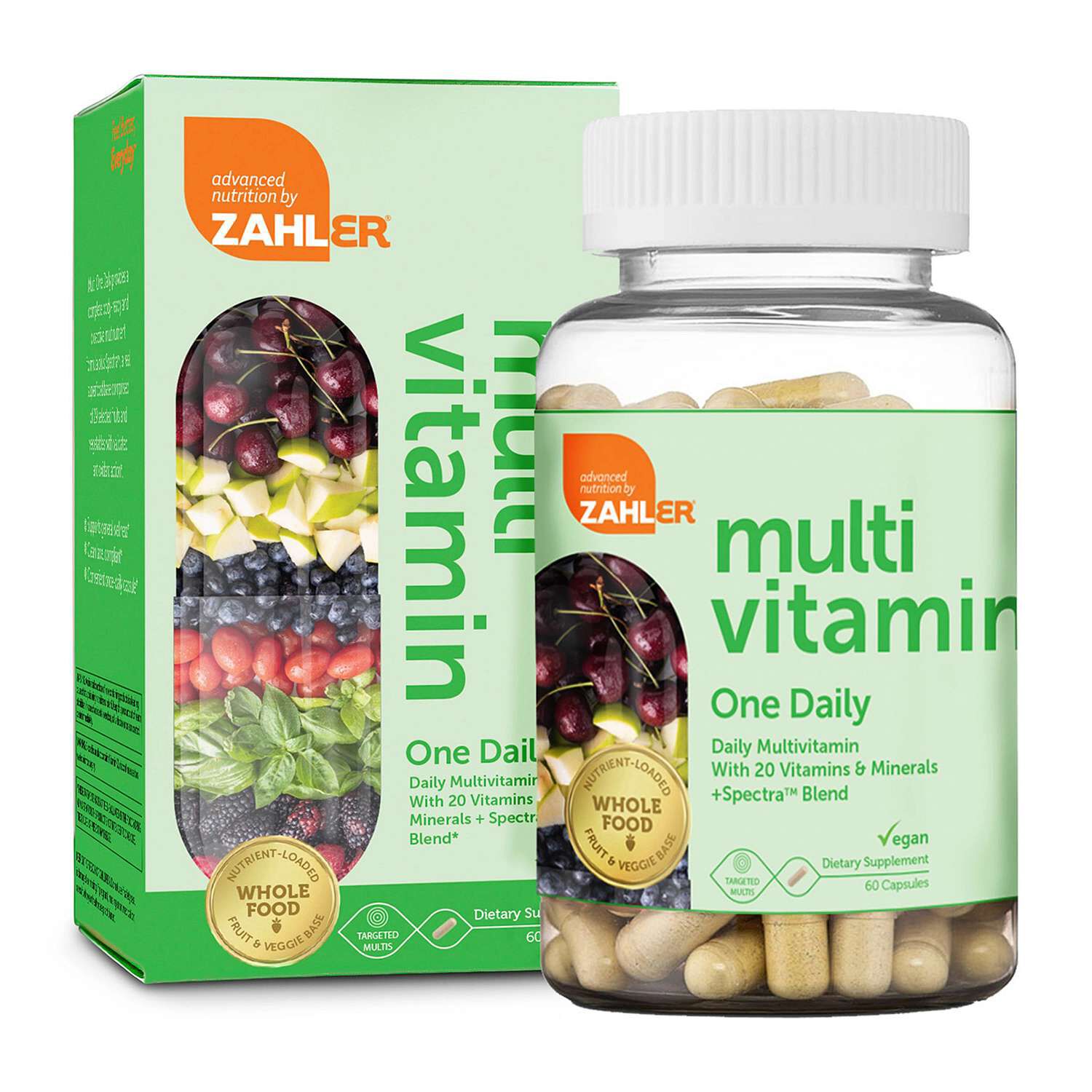
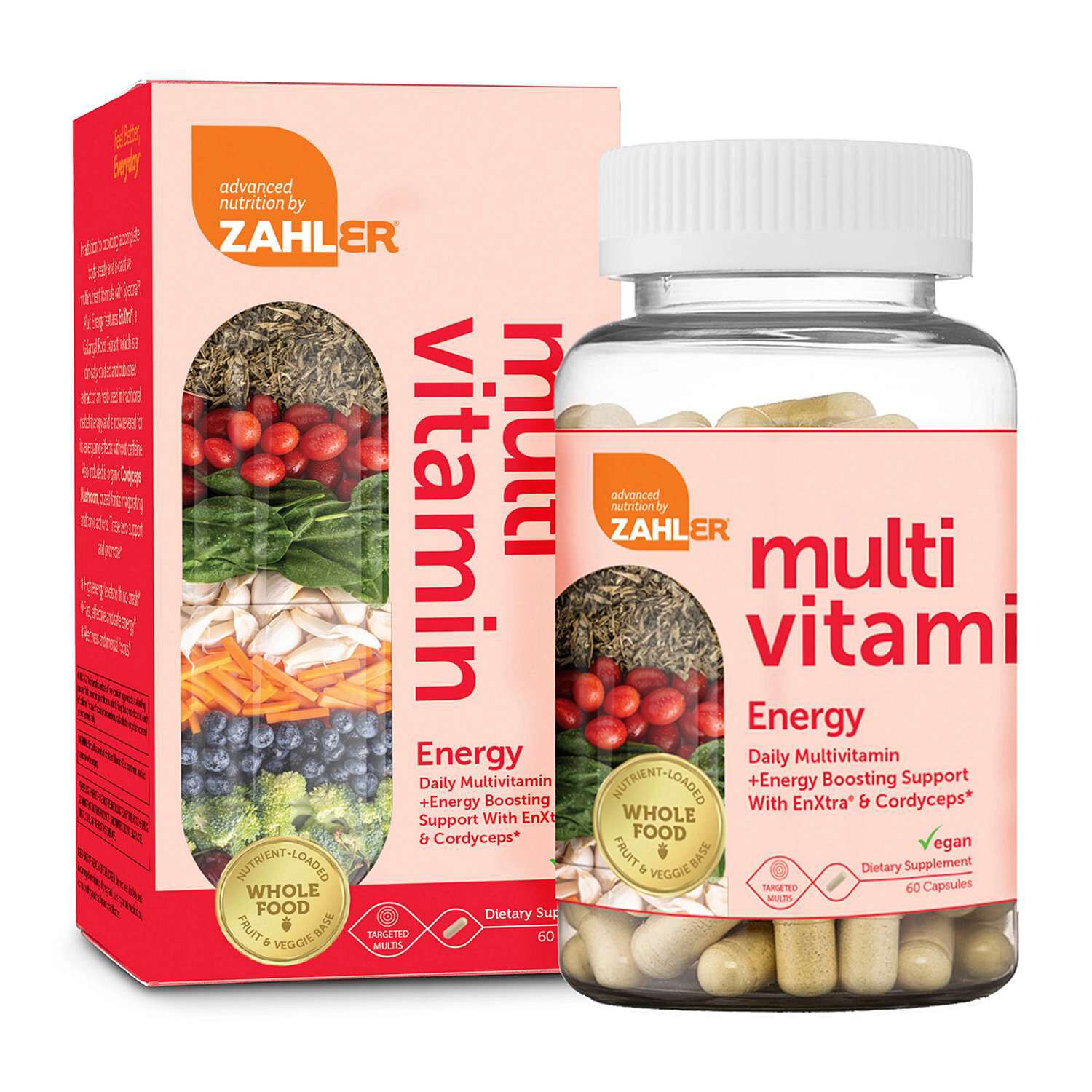
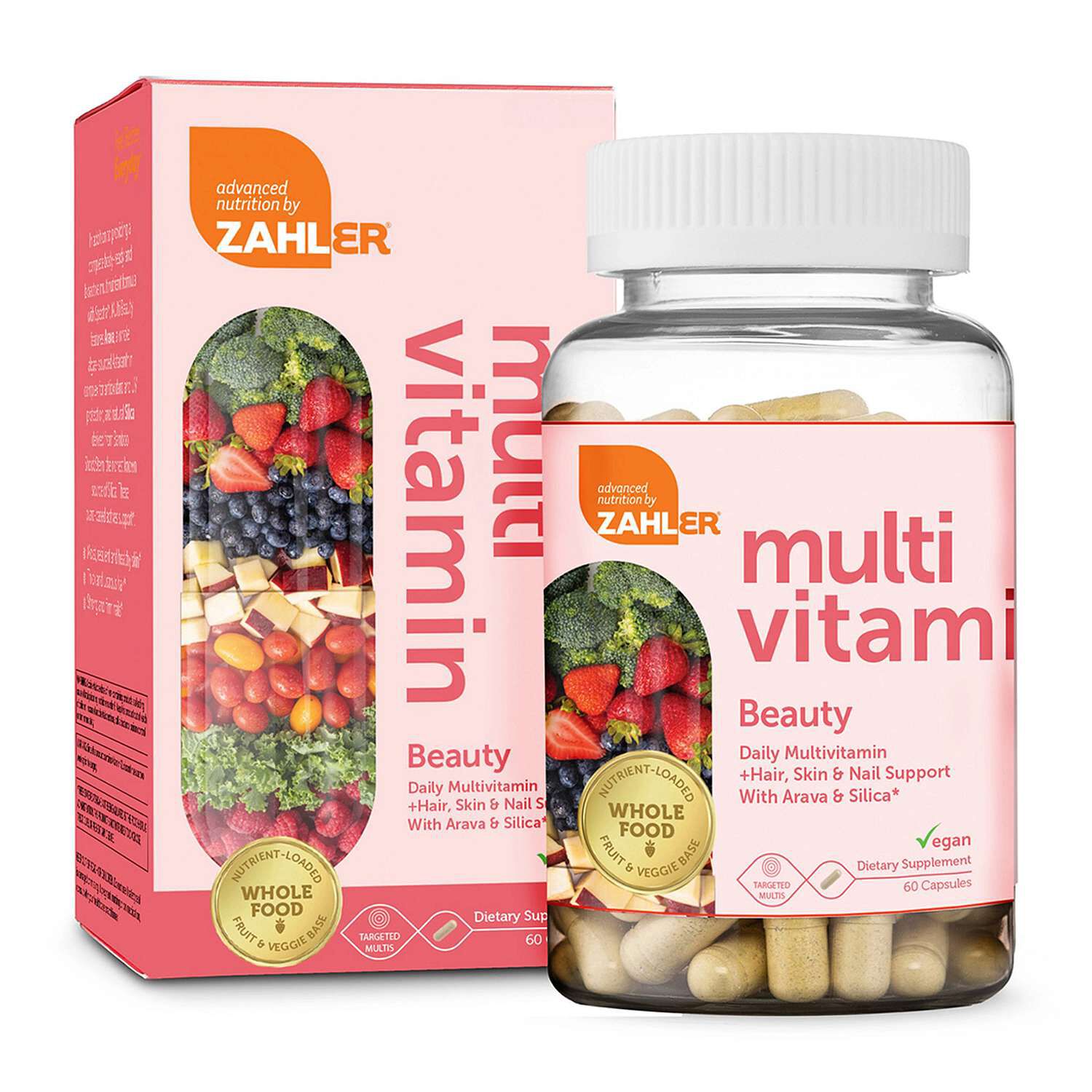
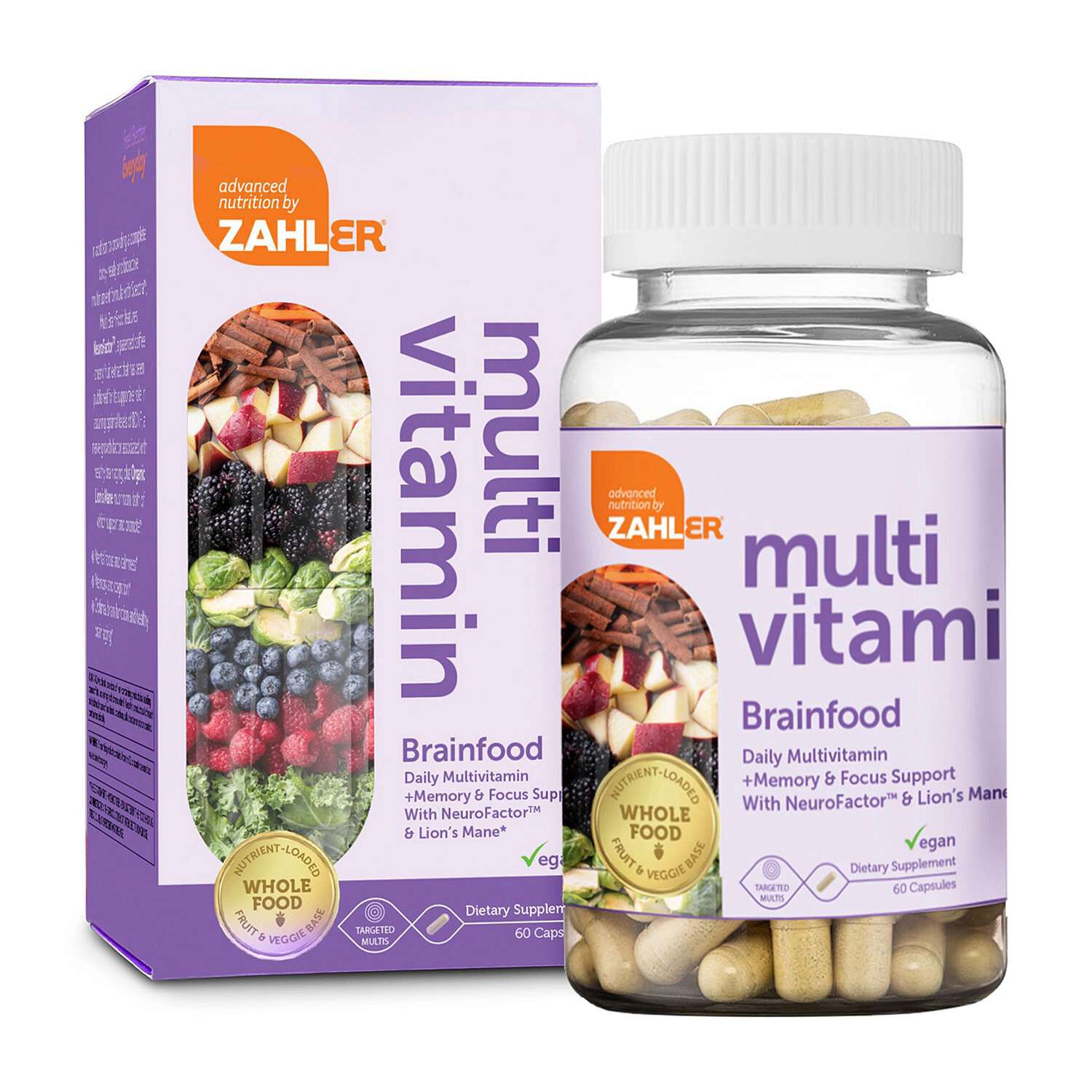
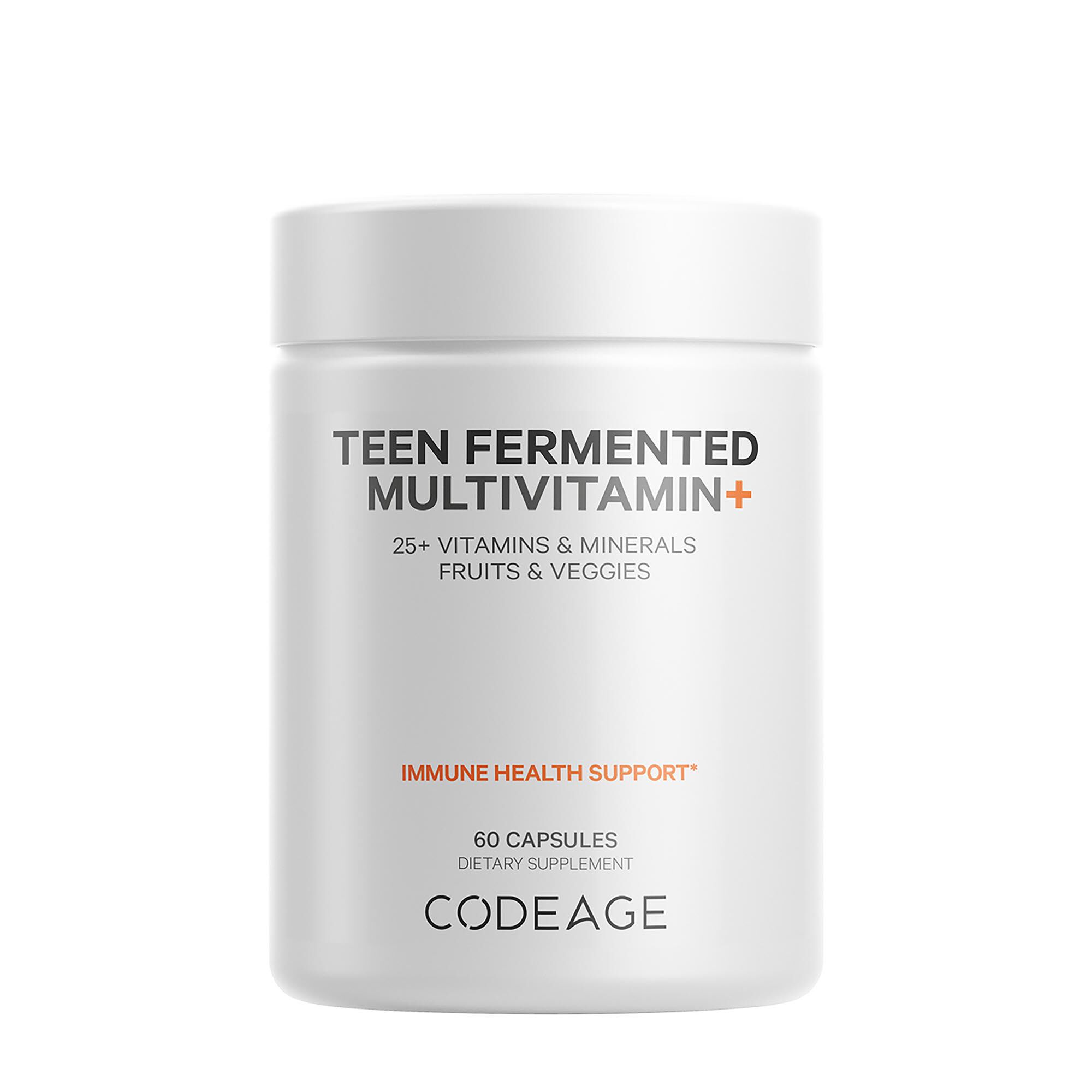
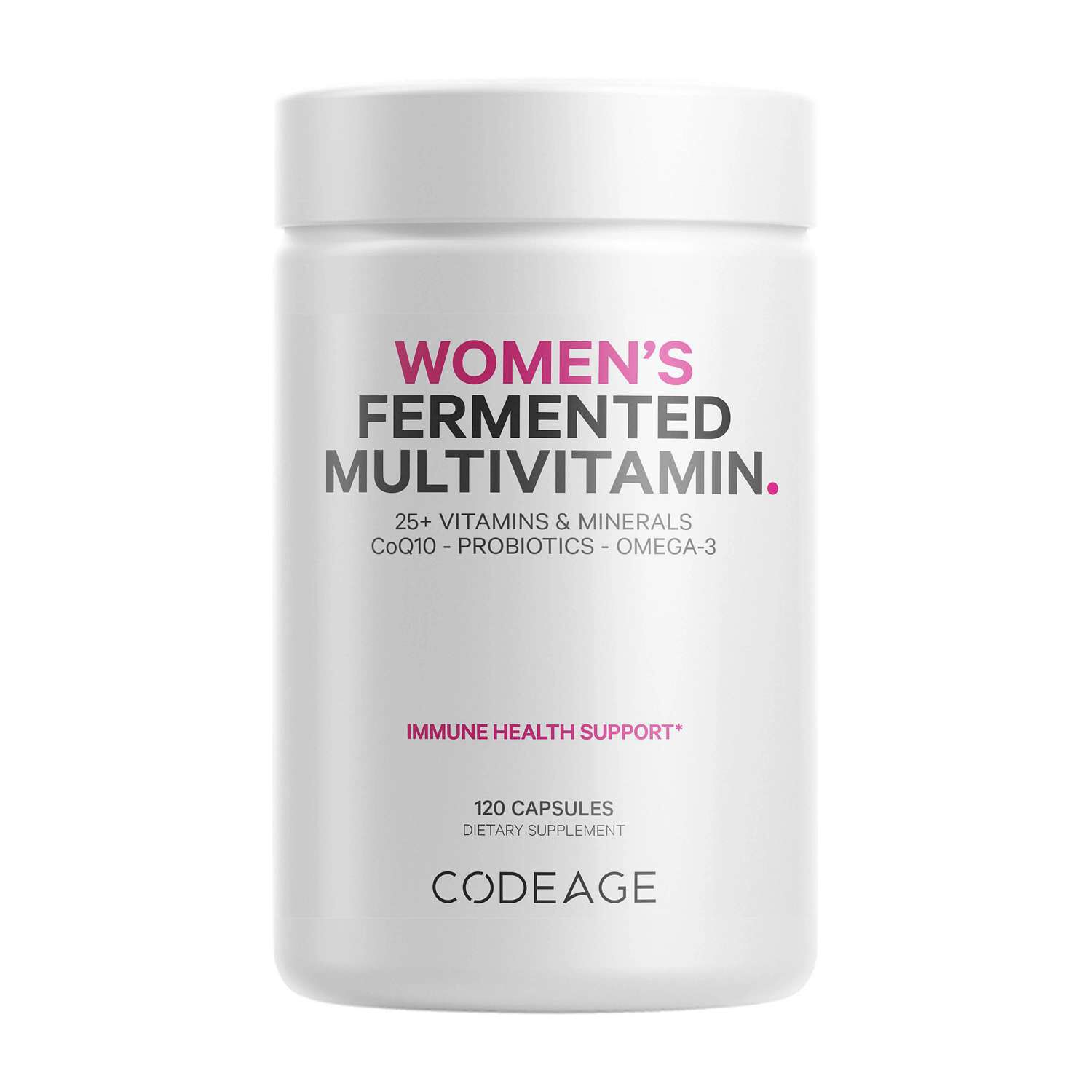


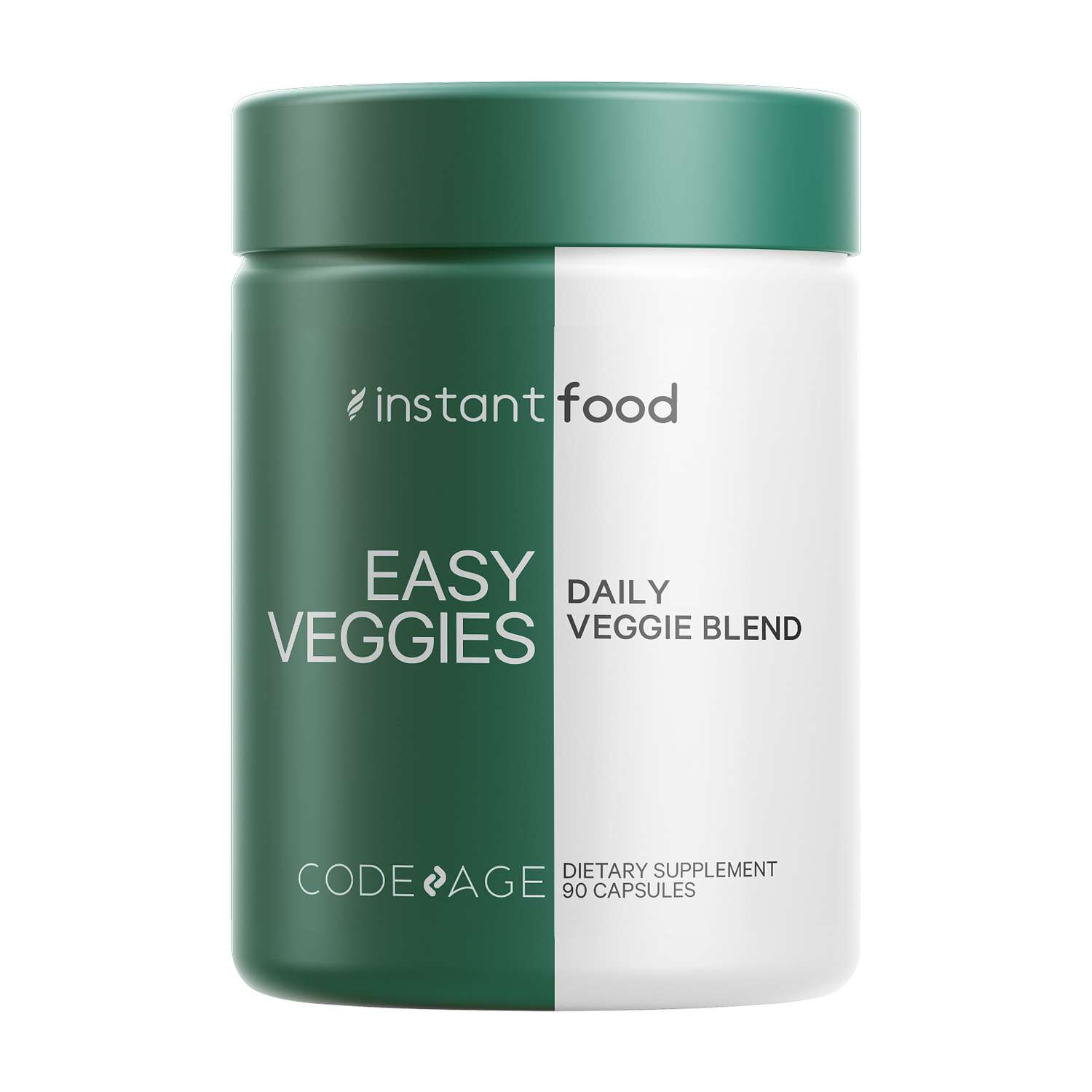
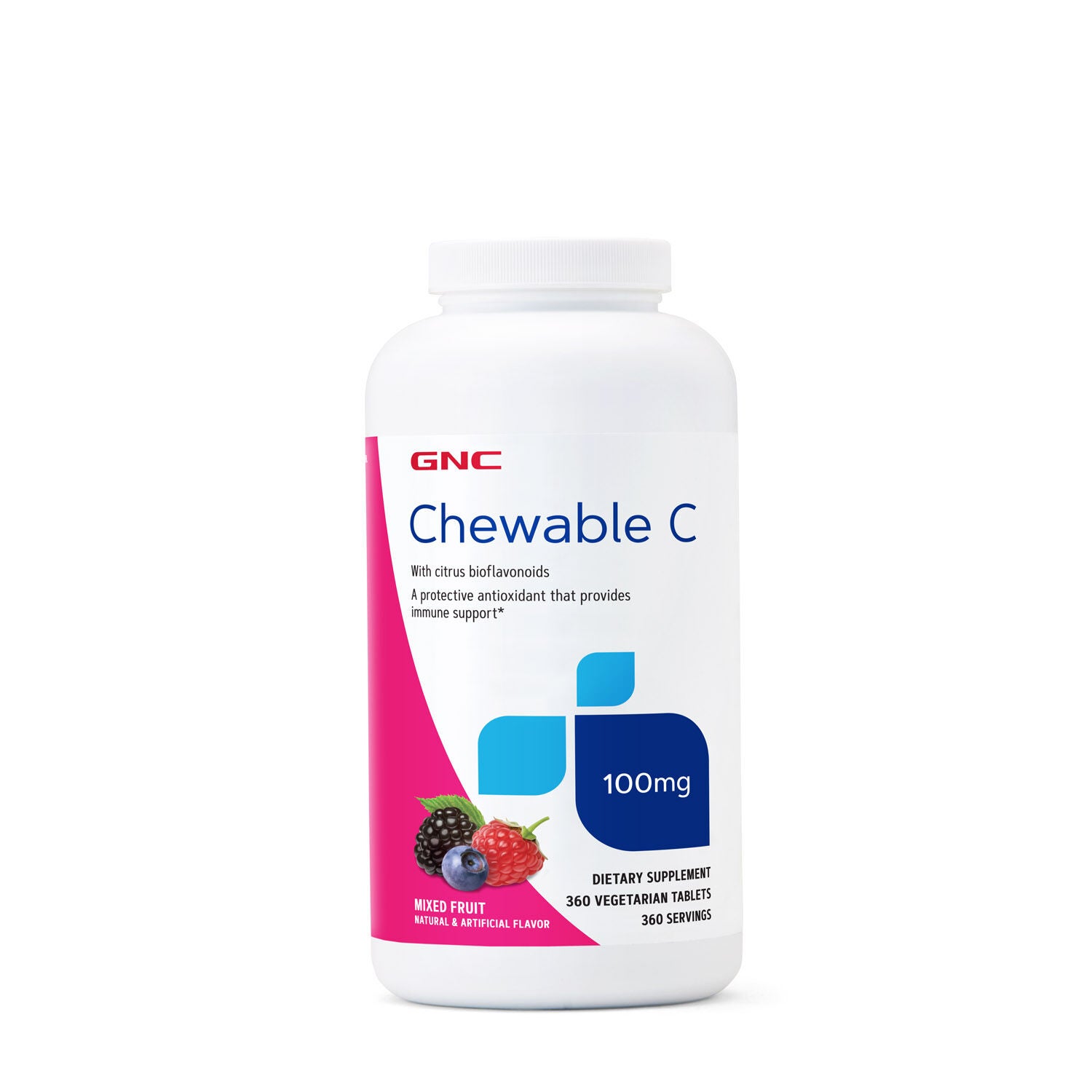
Fruit and veggie vitamins are dietary supplements that contain fruit and vegetable powders, extracts, added vitamins, or a combination of these ingredients. The category includes capsules, tablets, gummies, chewables, and powders, with formulas that range from produce-focused blends to broader vitamin and mineral combinations. Their names often draw attention to familiar ingredients such as berries, carrots, spinach, beets, and broccoli, but the ingredient list and Supplement Facts panel tell a more detailed story. A blend of powdered produce is not necessarily the same as a multivitamin, and a long list of plant ingredients does not establish how much of any particular vitamin a serving contains. For context, whole fruits and vegetables naturally provide different nutrients: citrus fruits, strawberries, and bell peppers contain vitamin C; carrots and sweet potatoes contain beta-carotene, which the body can convert to vitamin A; and leafy greens contain folate and vitamin K. Some nuts, seeds, and vegetables also contribute vitamin E. A supplement featuring these foods does not automatically provide the same nutrient amounts as the foods themselves. Quantified vitamin amounts on the label offer a clearer basis for comparison than pictures of produce on the package. Fruit and veggie vitamins are intended to accompany food, not stand in for the variety, texture, water, and fiber found in whole fruits and vegetables. A plate of roasted carrots, a crisp apple, and a bowl of leafy greens bring qualities that a capsule or gummy does not reproduce. For adults interested in a produce-inspired supplement, the relevant distinction is between the plant ingredients included and the vitamins actually listed per serving. That distinction keeps the focus on what the formula contains rather than assumptions about the foods pictured on its label. It also leaves room for different preferences, whether the appeal is a straightforward capsule, a chewable format, or a powder that fits into an established meal routine.
The format of fruit and veggie vitamins shapes the everyday experience as much as the ingredient blend. Capsules offer a measured portion without a mixing step, while tablets vary in size, shape, and coating. Gummies and chewables have their own flavor and texture considerations, including sweetness, firmness, and the number needed for one labeled serving. A berry-flavored gummy does not necessarily contain a meaningful amount of berries, just as a green powder does not reveal its vitamin content through color alone. Flavor descriptions, fruit ingredients, and nutrient amounts are separate pieces of information. Powders bring another set of practical details: scoop size, suggested liquid volume, preparation directions, and whether the blend has a smooth or slightly grainy texture. A vegetable-forward powder might have an earthy taste, while a fruit-focused blend might lean tart or sweet, depending on the ingredients and flavoring. For someone who prefers a simple breakfast routine, those sensory details matter alongside the nutrient panel. Serving size also deserves attention when comparing formats. One serving might consist of several capsules or gummies rather than a single piece, and the amount listed on the Supplement Facts panel applies to that full serving. The ingredient statement provides additional context about sweeteners, colors, flavorings, capsule shells, and other components. People with dietary preferences can look for clear labeling about gelatin, plant-based capsule materials, and relevant allergens rather than assuming every produce-inspired formula has the same composition. Within the broader category of Adult Vitamins, fruit and vegetable blends sit alongside formulas organized around particular nutrients and everyday preferences. Comparing their labeled contents makes the differences more concrete. Some emphasize recognizable plant powders, others list individually measured vitamins, and some combine both approaches. The most useful comparison considers the actual serving, the ingredients in that serving, and the format that fits the intended routine, rather than simply the number of fruits and vegetables named on the front.
Everyday fit also includes where a supplement will be kept, how it will be carried, and what preparation it requires. An adult who eats breakfast at home has a different setup from someone packing lunch before a long commute or carrying a shaker bottle between appointments. A powder requires the liquid and mixing method described on its label; a capsule or chewable has no comparable preparation step. That difference can be more relevant to daily use than a colorful package or an especially long ingredient list. Packaging details matter, too. A bottle with a securely closing lid, readable directions, and a clearly marked expiration date provides practical information for use and storage. Fruit and veggie vitamins should be stored according to their package directions, with attention to any instructions about moisture, light, and temperature. A dry cabinet away from a steamy sink is a different environment from an open bathroom shelf, and a container left in a vehicle may be exposed to conditions outside its labeled storage recommendations. Powders require particular attention to keeping the scoop and container dry, while gummies and chewables have texture considerations that make package directions worth retaining. For travel, the original labeled container keeps the ingredient list, serving directions, and storage information together. At home, that same information remains useful when distinguishing between similar-looking bottles or checking how many pieces make up a serving. Fruit and veggie vitamins are best understood as a category with meaningful differences in composition and presentation, not as interchangeable versions of the same formula. Their appeal often lies in familiar produce ingredients paired with a supplement format that suits an adult’s preferences. Clear nutrient information, understandable serving directions, suitable ingredients, and manageable storage requirements provide a grounded way to compare the category while keeping whole fruits and vegetables at the center of everyday eating.
Best Sellers
-
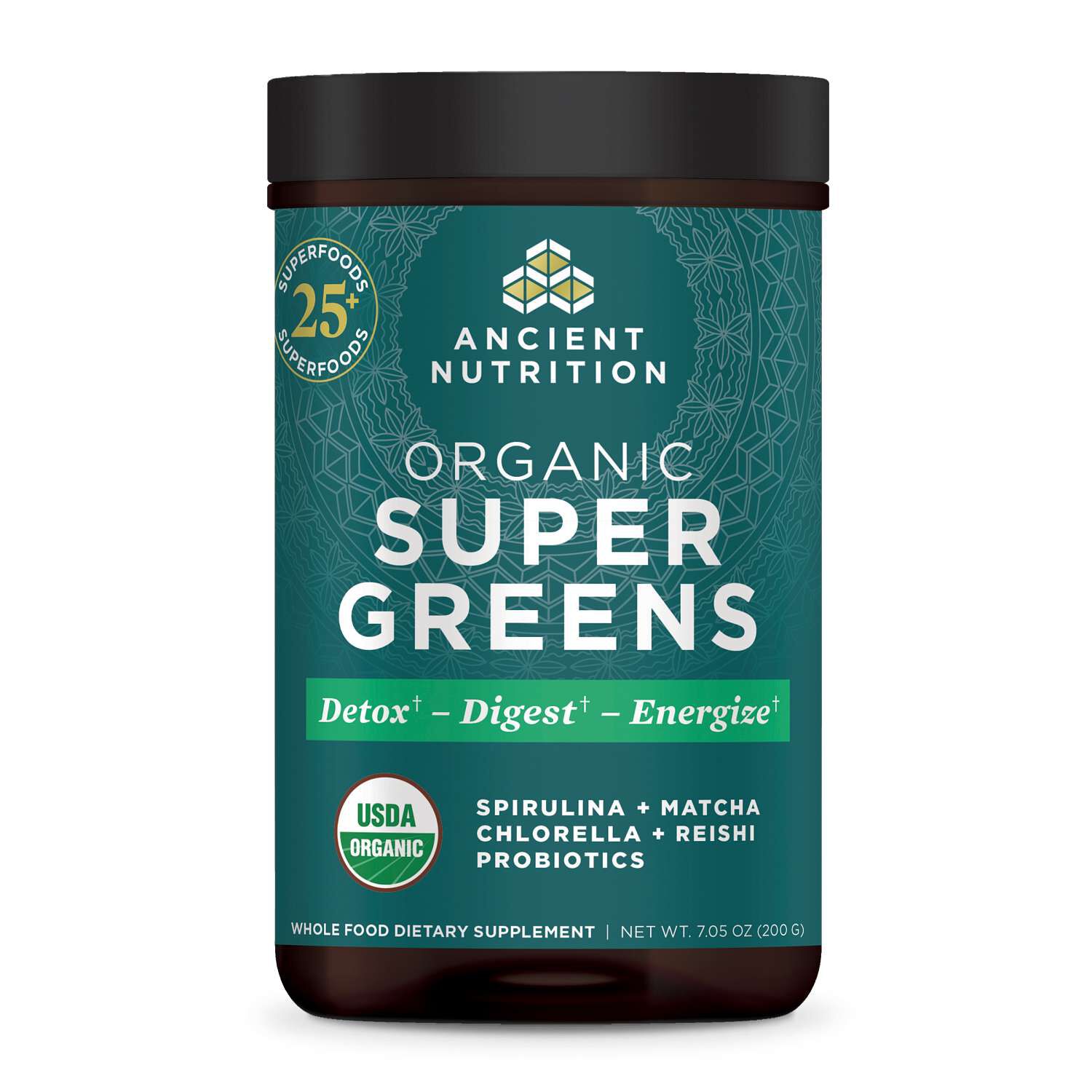 Ancient Nutrition
-
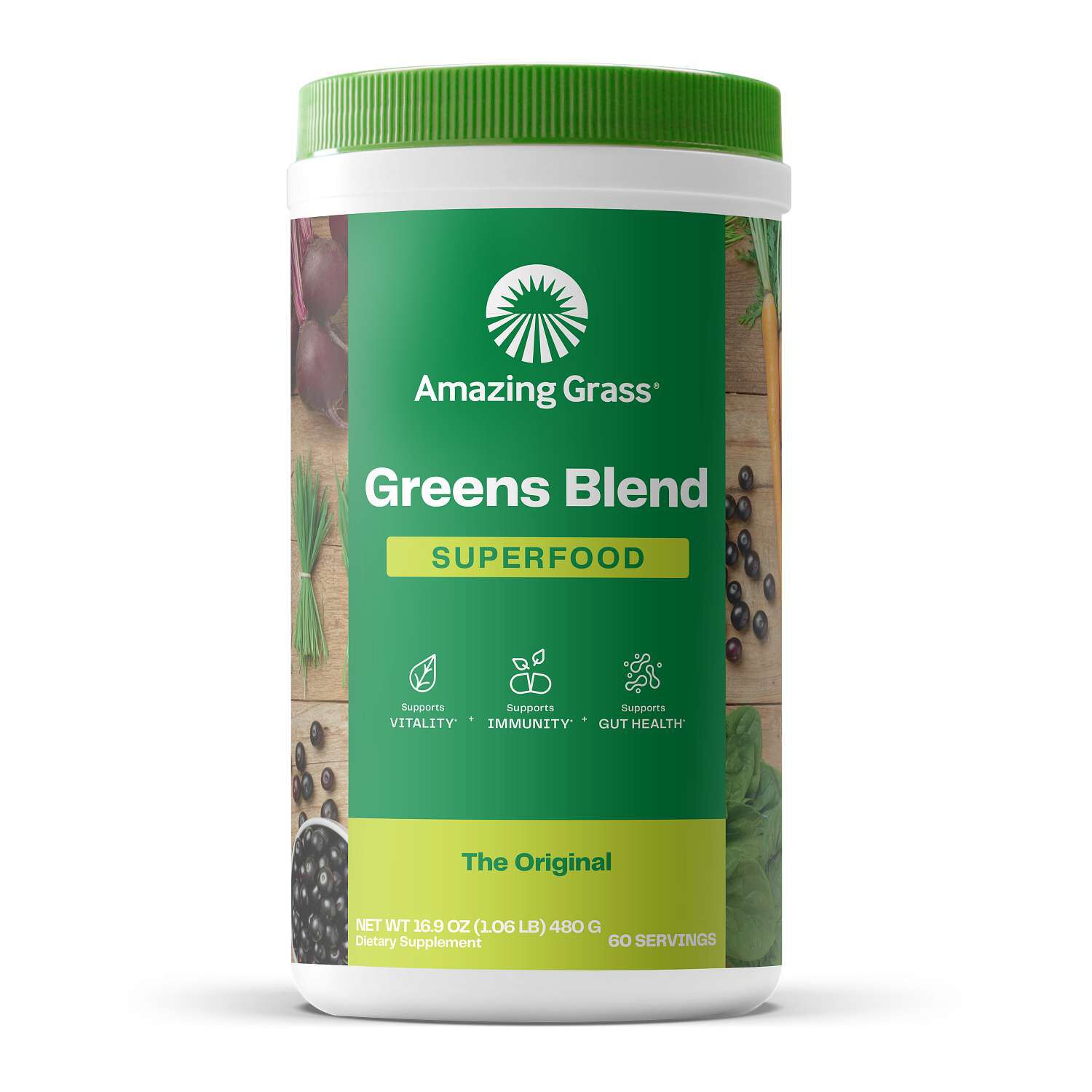 Amazing Grass



Top Collections
- Joint Mobility Supplement Packs
- Daily Collagen Supplements | Top Brands & Deals | GNC
- GLP 1 Support For Adults
- Zinc Supplements | Top Brands at Great Prices | GNC
- Supplements For Yoga Joint Flexibility
- Supplements For Balance
- Capsule Supplements For Energy And Stamina
- Adult Mobility Supplements
- Chronic Fatigue Supplements
- Vitamins For Hair Loss