Ginkgo Biloba Supplements For Active Adults
(0 Results)
Ginkgo biloba supplements for active adults could be a popular addition to your wellness routine. Sourced from the leaves of the ginkgo tree, these supplements may support your healthy lifestyle goals. Whether you’re looking to stay sharp during busy days or seeking new ways to complement your daily regimen, exploring ginkgo biloba supplements for active adults might offer an option worth considering. Discover a variety of choices designed to fit seamlessly into your active life.
-

-
-

-
-
-
-

-
-
-
-

-

-
 $59.99
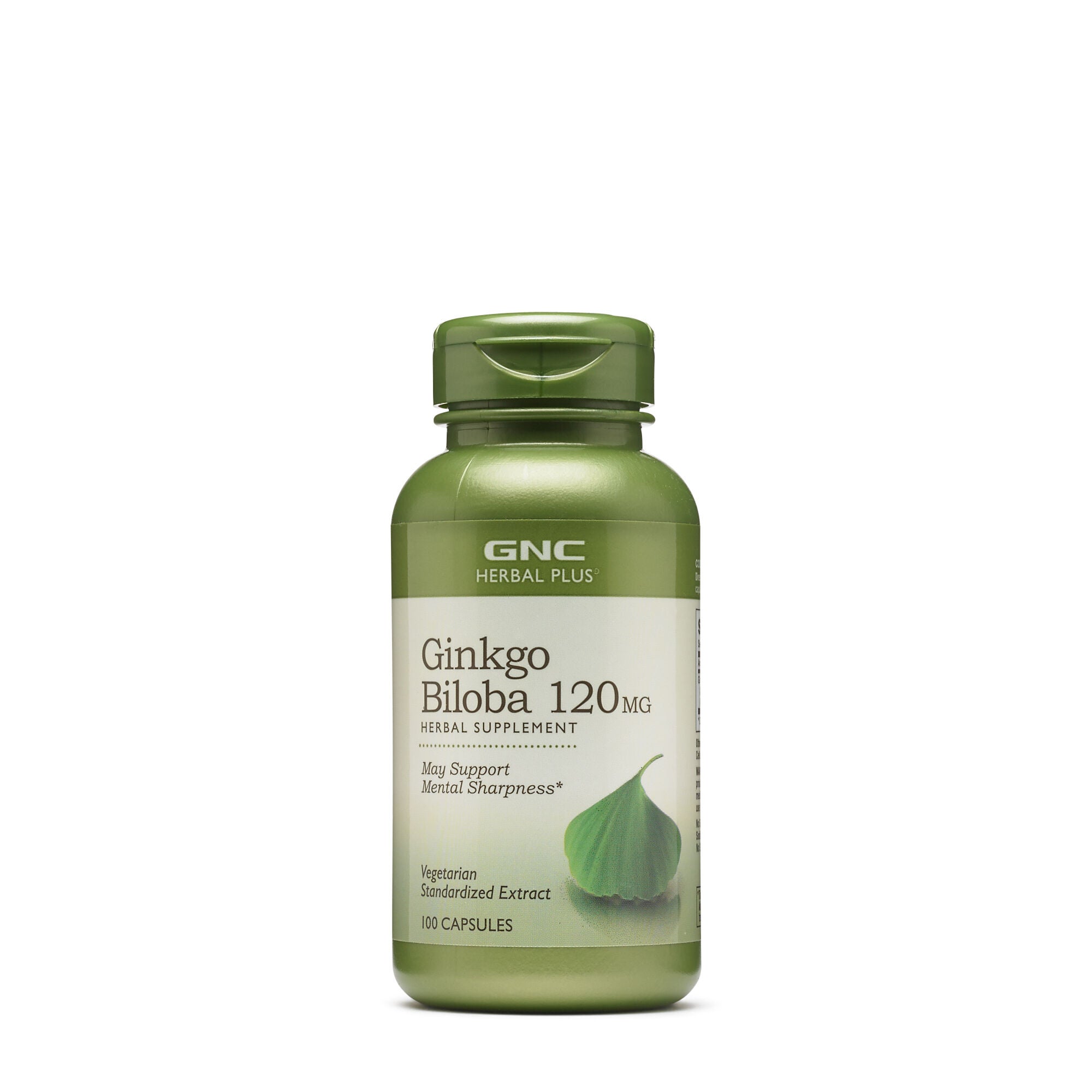
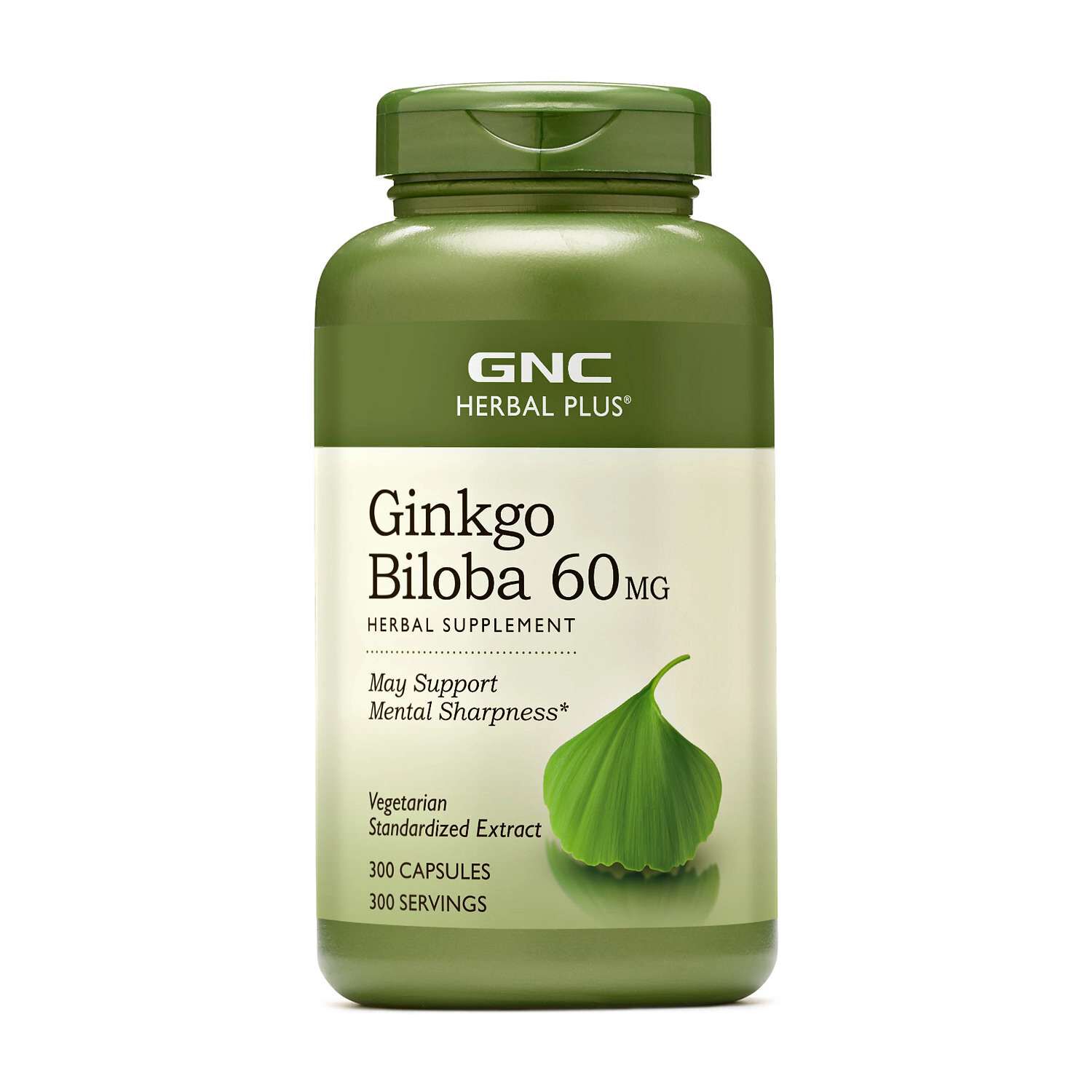
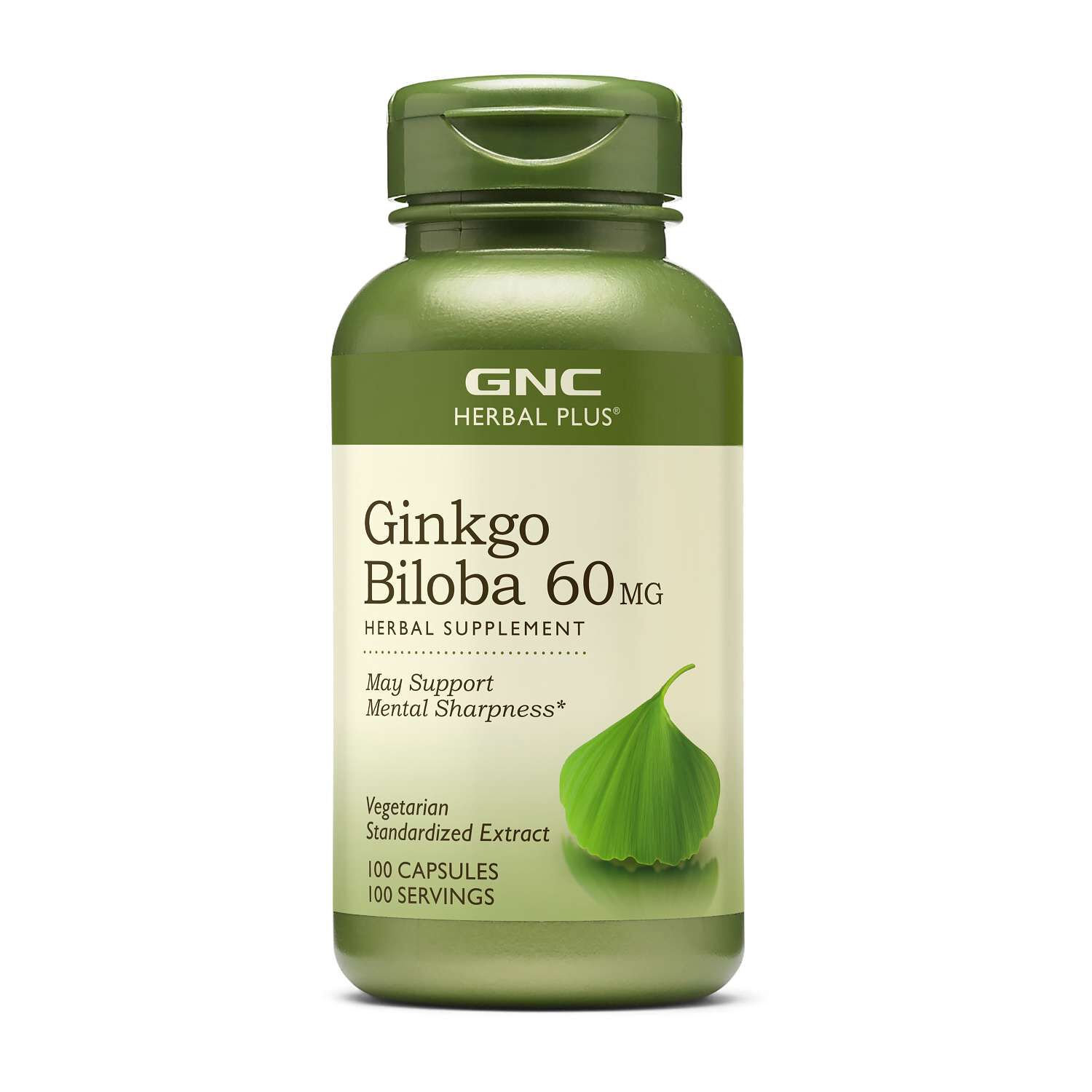
Ginkgo biloba supplements for active adults are botanical supplements commonly made with extract from the leaves of the Ginkgo biloba tree. Interest in this category often centers on everyday focus and mental engagement, whether a routine includes morning walks, strength training, recreational sports, or a busy schedule that moves between work and personal commitments. Ginkgo is distinct from protein powders, sports drinks, and other nutrition products associated with exercise: its identity comes from a botanical ingredient rather than a substantial contribution of protein, carbohydrates, or electrolytes. That distinction matters when browsing supplements for an active lifestyle. A capsule taken as part of an established routine serves a different purpose than a drink mixed for a long bike ride or a snack packed for an afternoon hike. The supplement category also contains meaningful differences in formulation. Some formulas feature ginkgo as the only botanical ingredient, while others combine it with additional ingredients. Capsules and tablets are common formats, and the amount of leaf extract per serving can vary. The most useful product descriptions identify the botanical source, the form of the ingredient, the serving size, and the other components in the formula. Those details offer a clearer picture than a front label alone. For an adult whose day includes a train commute, several hours of desk work, and an evening fitness class, practical considerations may center on a compact container and straightforward labeling. Someone with a more relaxed schedule may place greater importance on ingredient simplicity or a preferred capsule material. Neither routine defines the category; active adults have different interests, habits, and preferences. Ginkgo biloba supplements are best understood as a distinct botanical category to compare on their own terms, rather than as an interchangeable substitute for every supplement associated with movement, concentration, or sports nutrition. A thoughtful comparison starts with what the formula contains and how its format fits the intended adult user.
The ingredient panel provides the foundation for comparing ginkgo biloba leaf extract supplements. A label may distinguish an extract from powdered leaf material, and those descriptions convey different information about how the botanical ingredient was prepared. An extract results from a process that separates selected constituents from the source material; powdered leaf describes plant material processed into a powder. Some extracts are standardized, meaning the manufacturer specifies an amount or proportion of particular naturally occurring constituents. With ginkgo, these may include flavonoid glycosides and terpene lactones. Standardization describes composition, not a certainty about an individual experience. Similarly, the milligram amount on a label is only one part of a formula’s description. The amount per capsule is not necessarily the amount per serving, since a labeled serving can contain more than one capsule or tablet. Reading those fields together makes comparisons more meaningful without treating a larger number as automatically preferable. The other ingredients section adds another layer of detail, including capsule materials, binders, coatings, and ingredients used during manufacturing. Capsule shells may be made from gelatin or plant-derived materials, while tablets can contain ingredients that help hold the tablet together. Vegetarian preferences, ingredient sensitivities, and personal texture preferences can all influence which format a shopper considers. Statements about testing or manufacturing also deserve precise interpretation: a named testing program or clearly described quality check provides more context than broad language without supporting details. Container count, serving count, and serving size each describe something different, so the number of capsules in a bottle does not by itself establish how many servings it contains. For shoppers who already spend time comparing the contents of a protein powder or multivitamin, this same attention to label detail translates naturally to botanicals. It keeps the comparison grounded in identifiable characteristics rather than assumptions based on package design, familiar terminology, or an impressive-looking number.
Fit within an active routine is largely a matter of format, packaging, and personal organization. A person who heads from home to an office and then to a walking group may prefer a clearly labeled bottle that has a designated place among other everyday supplies. A frequent traveler may pay closer attention to container dimensions, closure design, and whether the original packaging fits neatly inside a personal bag. These are practical distinctions, not evidence that one format may produce a different result. Capsules and tablets generally require no mixing equipment, whereas a powdered format involves its own preparation directions and measuring considerations. Product care matters, too, although durability means something different for supplements than it does for exercise clothing or equipment. The relevant details are packaging integrity, readable labeling, the printed date, and the manufacturer’s storage instructions. A bathroom shelf, a kitchen area beside a dishwasher, and a gym bag left in a vehicle present different storage conditions; the package directions provide the reference point for evaluating a suitable location. Keeping the ingredient information with the container also preserves the details needed for later comparisons. For households where more than one adult uses supplements, distinct labels and recognizable containers can make organization simpler. Personal selection is especially relevant with botanicals, which makes ginkgo a more individual purchase than a general-purpose fitness accessory. Someone shopping for another adult may need to understand that person’s established preferences rather than choose solely from an interest in exercise. Shoppers exploring a related category can also browse Ginkgo Biloba Supplements For Men, while continuing to compare the actual ingredients, formats, and labeled serving information rather than relying on the category name alone. Across different lifestyles, the most informative distinctions remain concrete: leaf material or extract, a single botanical or a combination formula, capsule or tablet construction, and packaging that suits the intended setting. Those details give active adults a practical basis for browsing ginkgo biloba supplements with attention to both composition and everyday convenience.