Ginkgo Biloba Supplements For Women
(0 Results)
Discover the potential benefits of ginkgo biloba supplements for women, a natural way to support overall wellness. Known for its rich history in traditional practices, ginkgo biloba might offer various advantages that could complement a balanced lifestyle. Whether you're looking to support cognitive function or simply seeking a new addition to your wellness routine, ginkgo biloba supplements for women could be an excellent choice. Explore our selection and find the right option that may fit your needs and preferences.
-
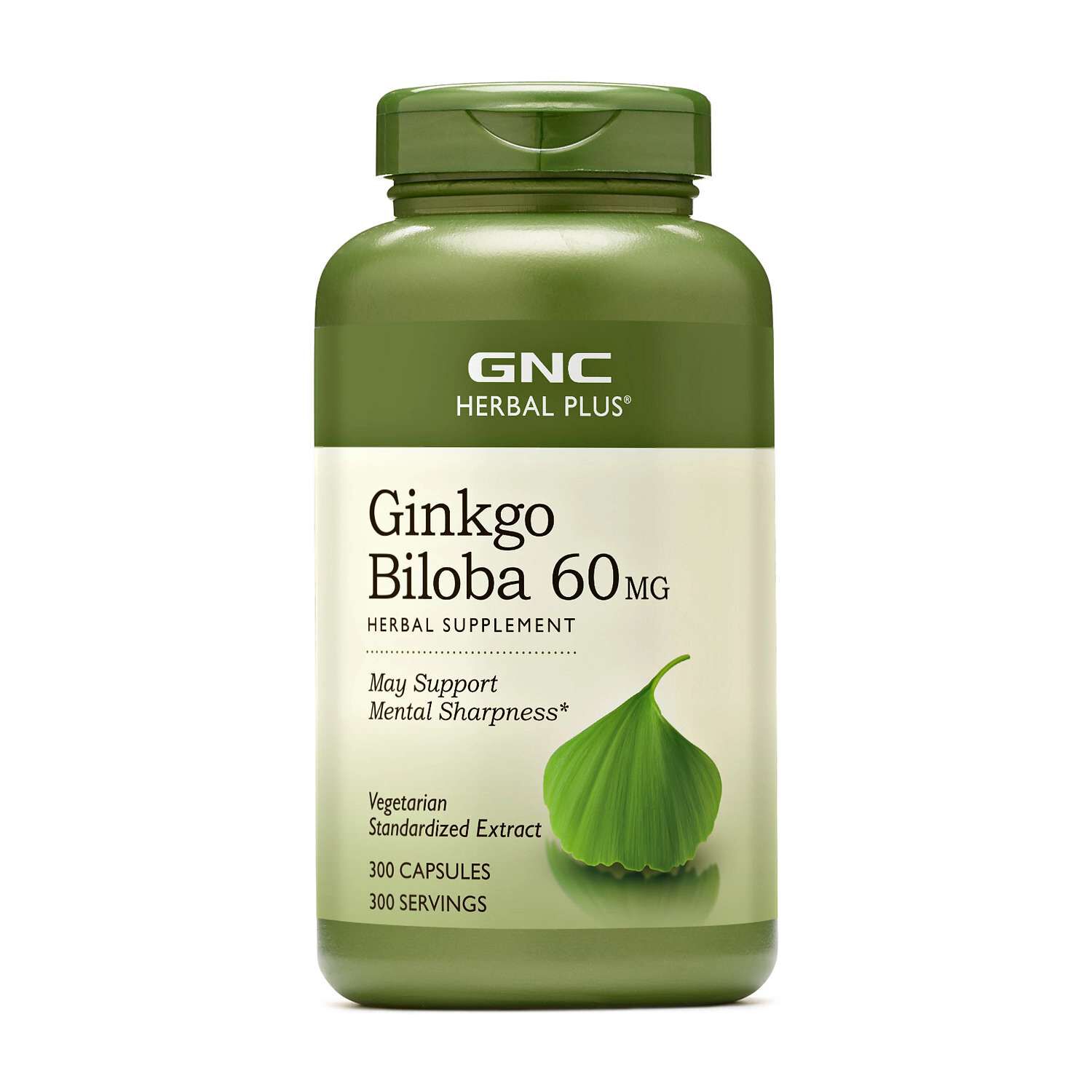
-
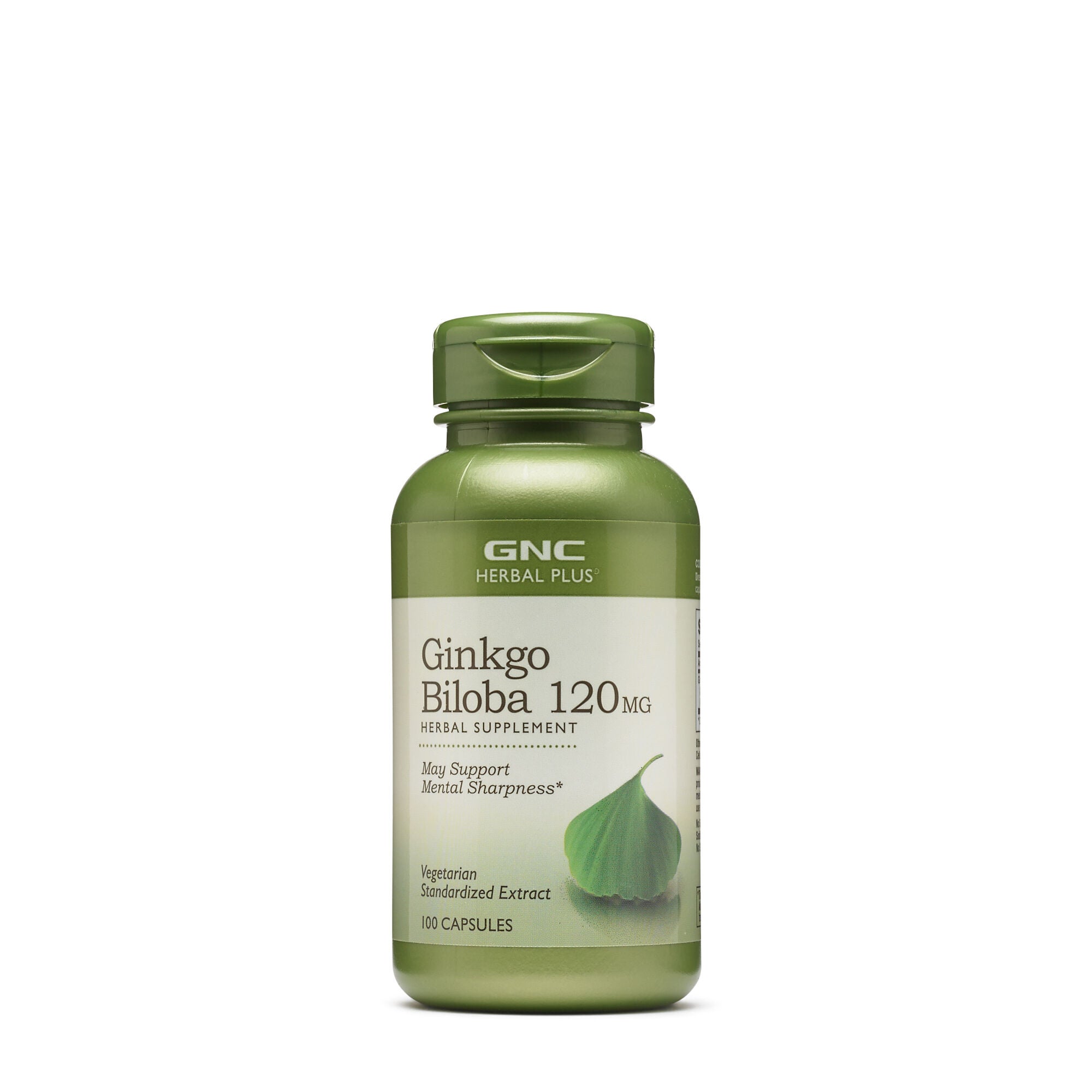
-
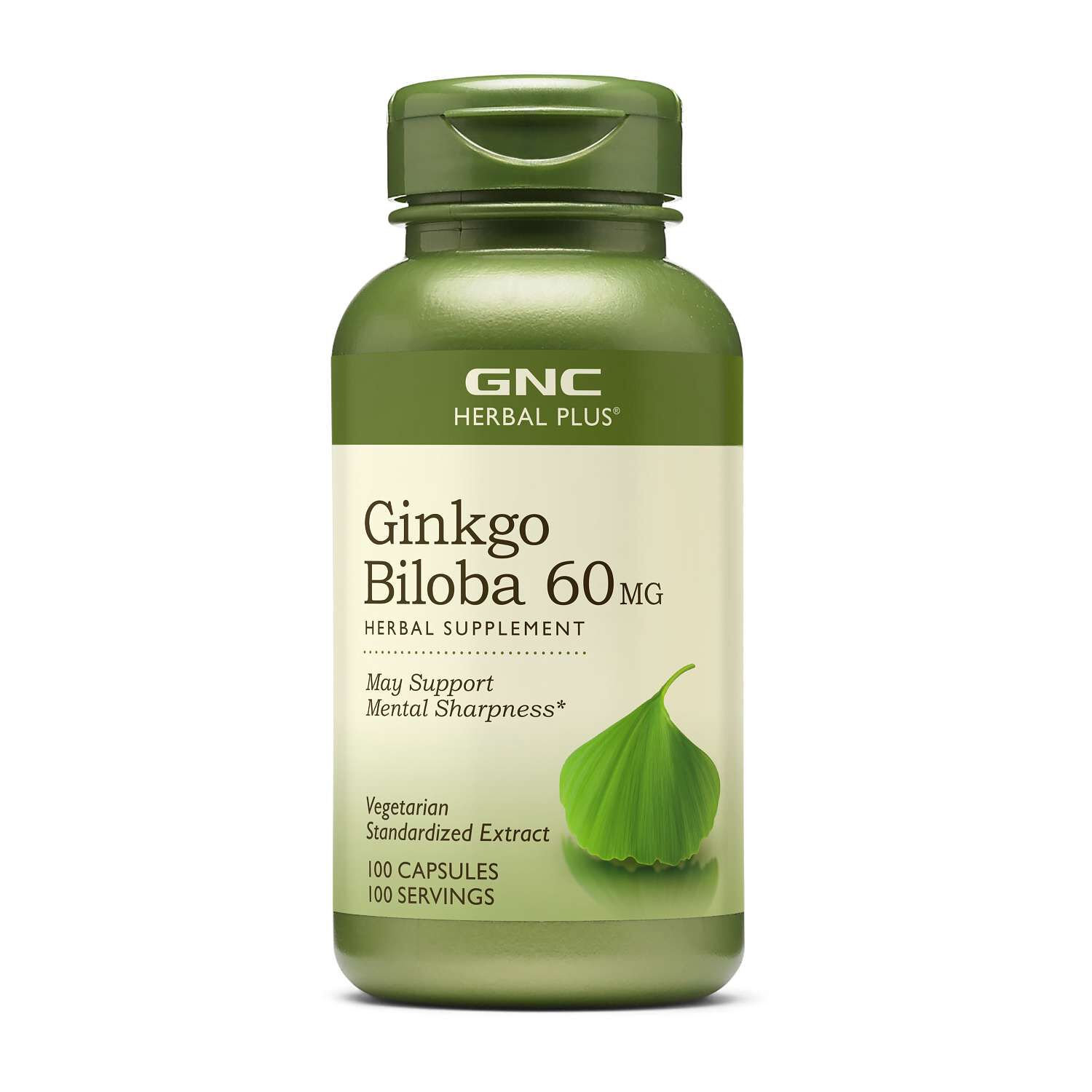
-
-

-

-

-
 $59.99
-
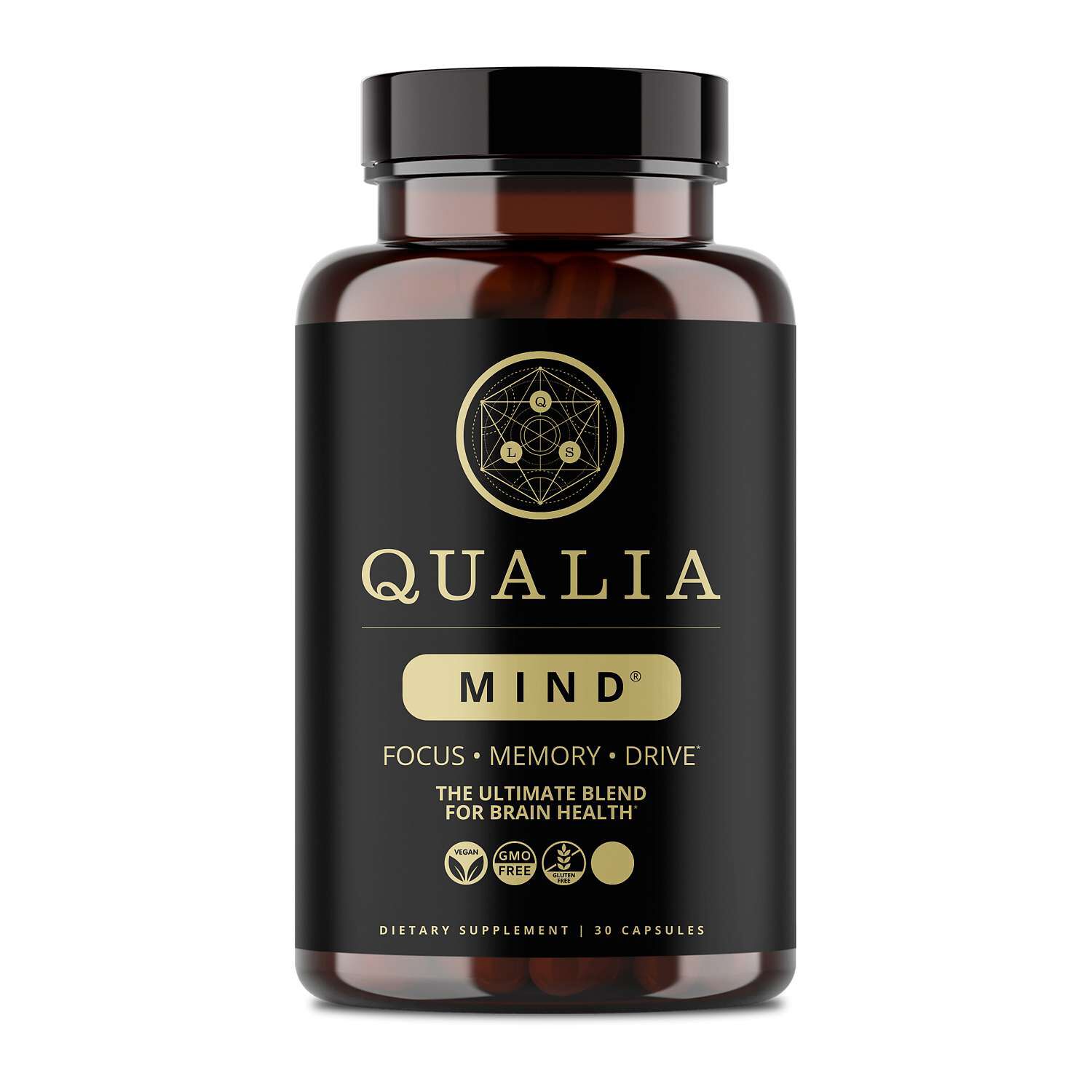
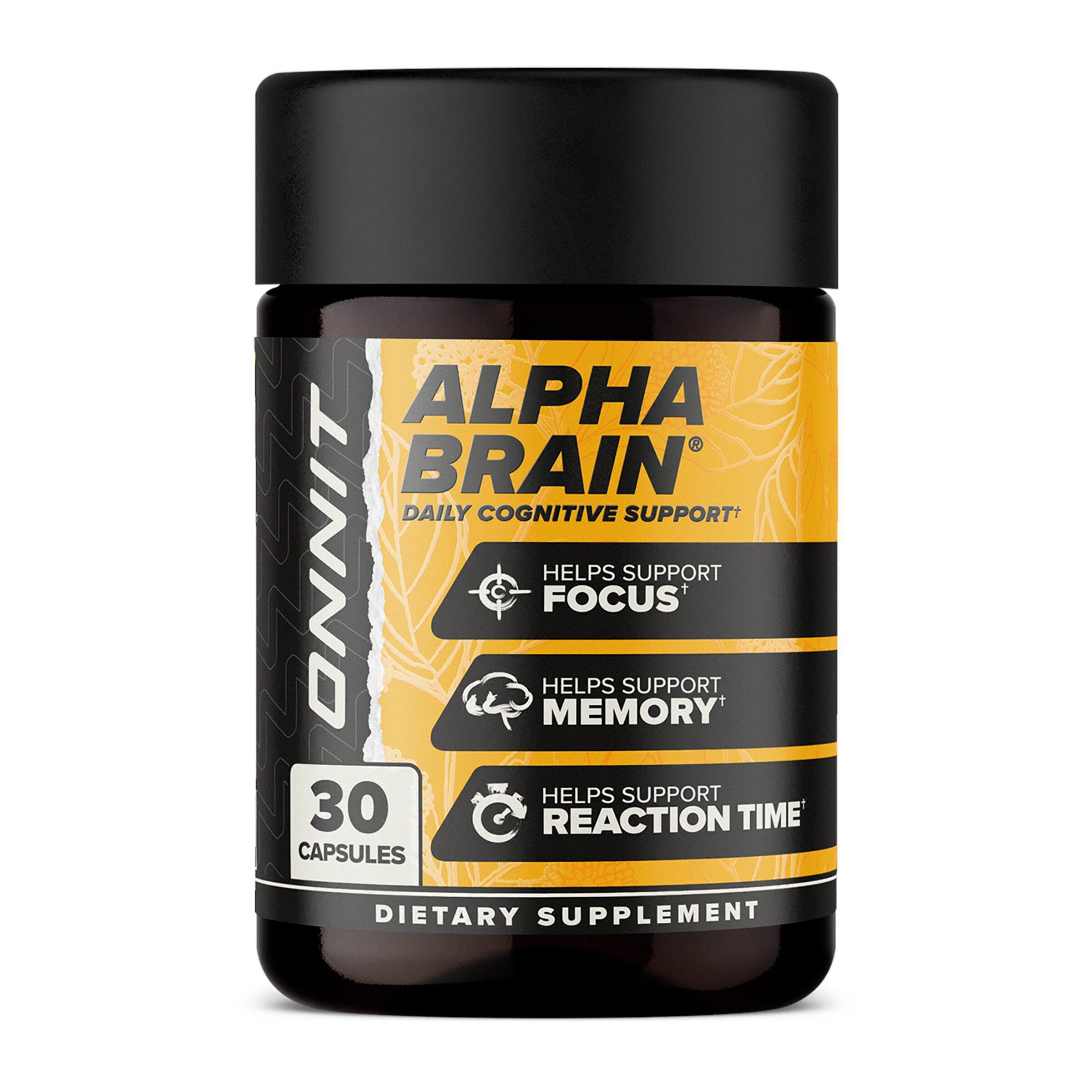
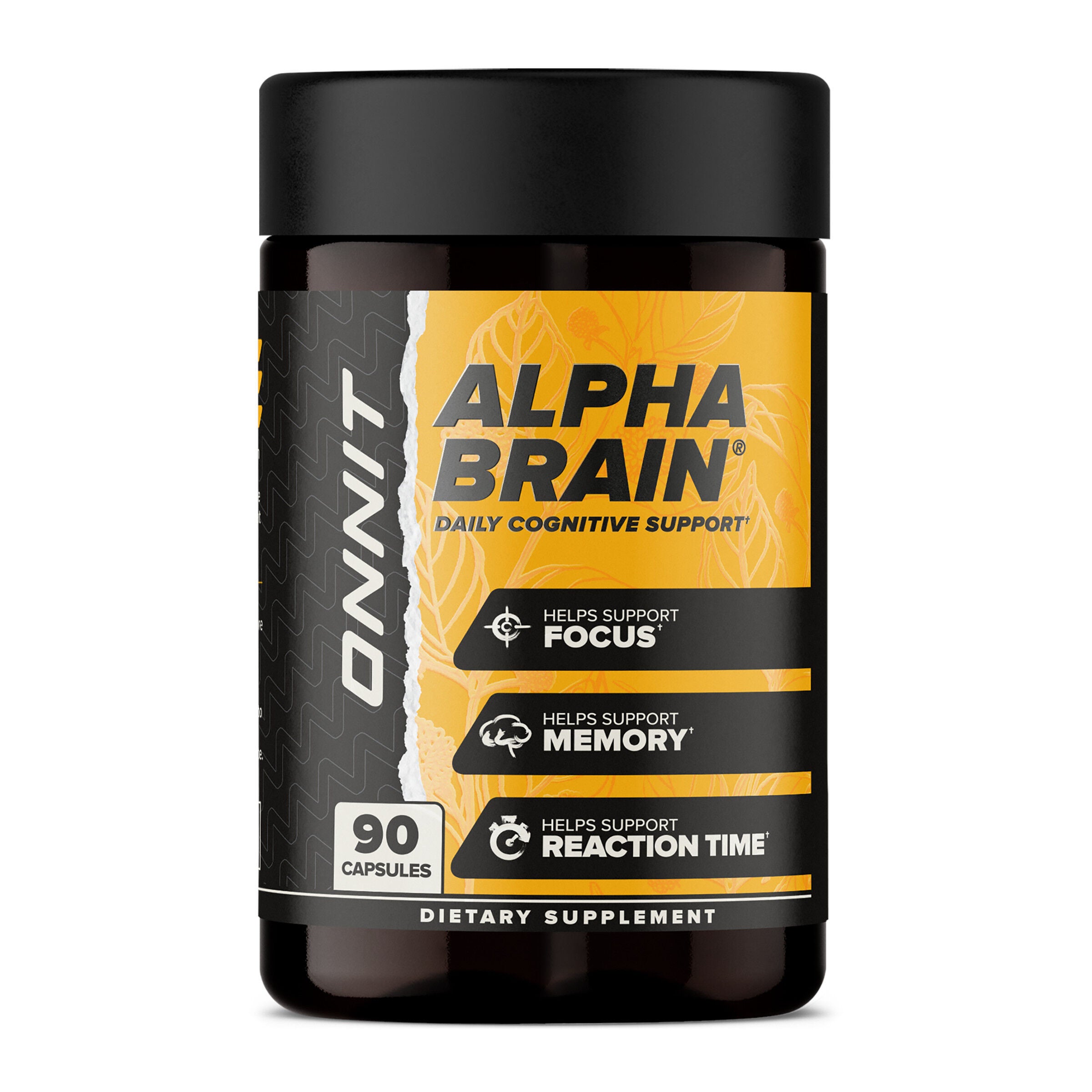
Ginkgo biloba supplements for women bring a familiar botanical into a category shaped by personal preferences, ingredient choices, and everyday routines. Ginkgo biloba is a tree recognized by its distinctive fan-shaped leaves, and supplements commonly feature an extract made from those leaves. The botanical name identifies the plant, but it does not describe every detail of the finished formula. Two bottles with ginkgo biloba on the front can differ in their extract composition, serving size, capsule material, and accompanying ingredients. That makes the Supplement Facts panel and ingredient list more useful for comparison than the product name alone. Women browsing this category may be interested in a single-botanical supplement or a formula that includes ginkgo alongside other ingredients. Neither approach is automatically a better match for every shopper; the distinction is about what each formula contains and how clearly that composition aligns with personal preferences. A women-focused category also does not necessarily mean every formula has ingredients unique to women. The individual label remains the source for its intended audience and use. Common formats include capsules and tablets, with differences in dimensions, coatings, and the number of units listed per serving. For someone who prefers a short ingredient list, a formula centered on ginkgo may be appealing. Someone comparing botanical blends may spend more time reviewing each component and its stated amount. The history of a plant can add context, but a long history alone does not establish what a particular supplement will do. Product descriptions are most informative when they identify the botanical source, explain the form of the ingredient, and distinguish factual composition details from broader wellness language. In this category, meaningful comparison begins with those concrete details rather than assumptions about age, lifestyle, or what women should want from a supplement. Personal interest in botanicals can be a starting point without making every woman's shopping priorities the same.
The differences between ginkgo leaf powder, leaf extract, and standardized extract are particularly relevant when comparing labels. Leaf powder describes plant material that has been processed into powder, while an extract is produced through a process that separates selected constituents from the plant material. A standardized extract is described in relation to a specified amount or proportion of particular constituents. On a ginkgo label, those details may include references to flavone glycosides and terpene lactones, which are groups of compounds associated with the plant. Standardization describes an aspect of composition; it is not a statement about an individual's experience with the supplement. An extract ratio, when provided, is another specification and should not be treated as interchangeable with the amount shown in milligrams. Similarly, a larger milligram number does not, by itself, make unlike preparations directly comparable. Serving size matters because an amount listed on the Supplement Facts panel can refer to more than one capsule or tablet. A bottle containing sixty capsules, for example, represents a different number of labeled servings when the serving size is one capsule rather than two. For blends, the distinction between separately listed ingredient amounts and a combined blend amount also affects how much detail a shopper can compare. Beyond the featured botanical, the other ingredients list identifies materials used in the finished format, such as capsule shells, binders, and coatings. A plant-derived capsule shell and a gelatin capsule shell are different material choices, and shoppers with particular dietary preferences may place importance on that distinction. Dietary designations should come from explicit label information rather than an assumption that a botanical ingredient determines the composition of the entire formula. Packaging photographs can offer a first look, but readable label details provide a stronger basis for evaluating these differences. The most useful side-by-side comparison keeps the ingredient form, amount per serving, serving size, and supporting materials in view together.
Everyday fit also includes the practical details that become noticeable after a bottle joins a household routine. A compact container may fit neatly in a designated cabinet, while a larger bottle may take more room beside other personal-care supplies. Capsule dimensions, tablet shape, closure style, and label readability are worth considering as product characteristics, especially for shoppers who already know their format preferences. A clearly printed serving size and an easy-to-locate ingredient panel can make a bottle simpler to reference without relying on memory. For someone moving between home and an office, packaging preferences may differ from those of someone who keeps everything in one place. The original container preserves access to the ingredient list, lot information, date marking, and manufacturer directions, all of which remain relevant throughout ownership. Care for a supplement differs from care for a reusable household item: the focus is on maintaining the packaging and observing the label's storage instructions rather than expecting indefinite durability. Closure integrity, exposure to moisture, and the condition of the label are practical considerations, and a larger container is not automatically the most suitable choice for every routine. When comparing intended use, the manufacturer's directions and cautions belong alongside the ingredient details; a category title cannot substitute for that information. These are personal-use products, so a known preference is more relevant to gift suitability than assumptions about a recipient's age or wellness interests. Women browsing with a broader interest in later-life routines can also explore Ginkgo Biloba Supplements For Healthy Aging as a related category, while continuing to evaluate each formula on its own label details. Across both browsing contexts, the same distinctions remain useful: which part of the plant is used, how the ingredient is prepared, what accompanies it, and how the finished format fits personal preferences. Those details give ginkgo biloba supplements for women a more specific shopping context than a botanical name alone, with room for different priorities rather than a single formula intended to suit everyone.