





Glycogen Supplements
(0 Results)
Glycogen supplements may offer support for those looking to maintain their active lifestyle and fitness routines. Whether you’re focused on endurance training, high-intensity workouts, or simply aiming to stay energized throughout the day, glycogen supplements could be a helpful addition to your nutrition plan. Explore a variety of options that may fit into your wellness journey and help you pursue your goals with confidence.
-

-
.jpg?sw=305&sh=305&sm=fit "Demo Day Carbohydrate Power - Big Cherries (30 Servings) | GNC")
-

-

-

-

-
 Lifeable$11.99
-

-

-

-

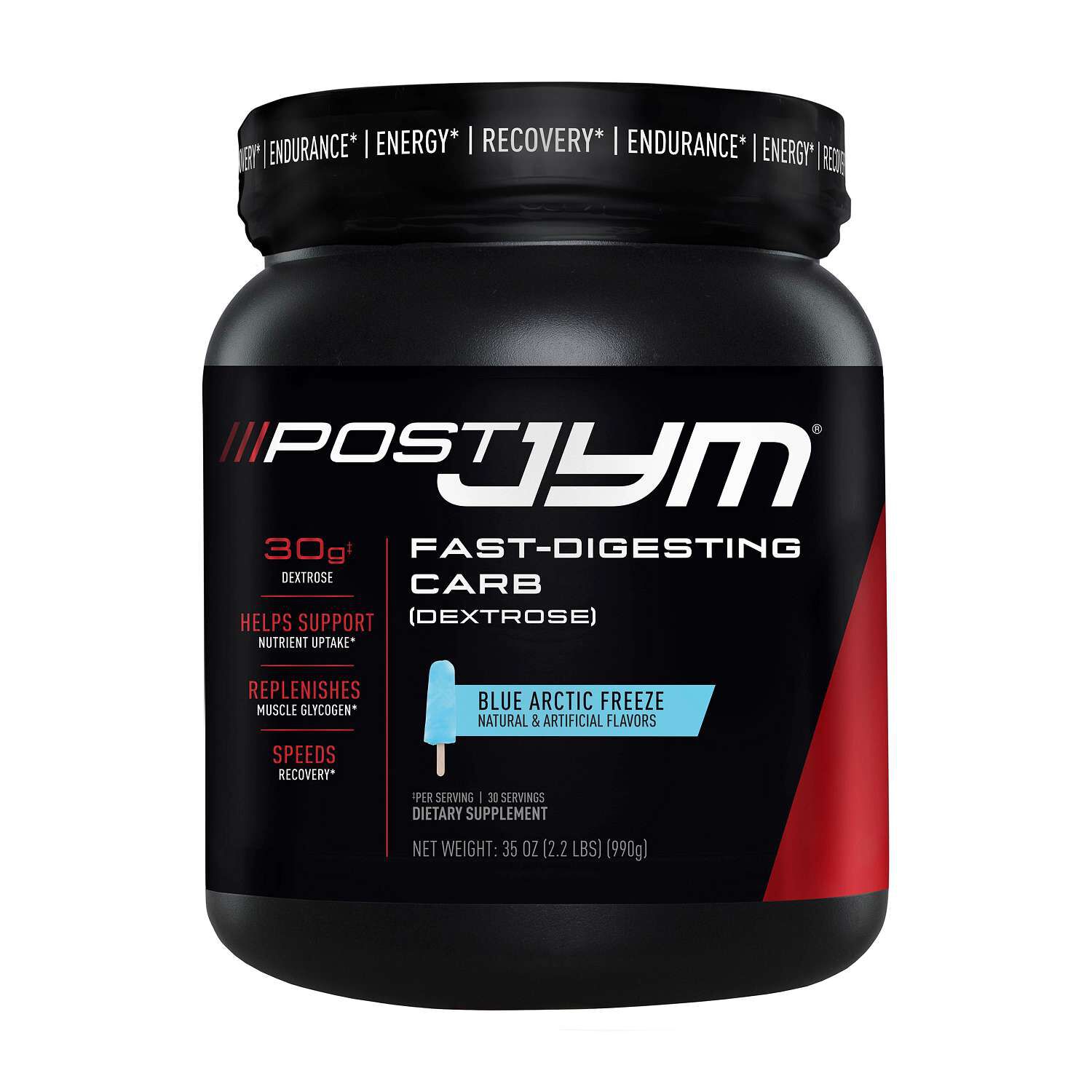
Glycogen supplements generally fall into two shopping categories: carbohydrate-based sports nutrition formulas and capsules or tablets marketed for glucose metabolism support. These categories have different purposes and should not be treated as interchangeable. Glycogen is the body’s stored form of glucose, found primarily in muscle and the liver. During physical activity, the body draws on stored carbohydrate as one source of energy. In sports nutrition, a carbohydrate supplement may support refueling around demanding exercise, particularly when sessions are long or scheduled close together. Products associated with glucose metabolism, by contrast, often feature minerals, botanical ingredients, or combinations of both rather than substantial amounts of carbohydrate. Searches for glycogen supplements sometimes overlap with blood sugar supplement categories, but that overlap does not make a capsule equivalent to a workout drink. The distinction matters when comparing a powder intended for a cyclist’s bottle with a tablet intended for a daily supplement routine. The product name alone does not explain the formula; the ingredient list, stated purpose, serving size, and nutrition information offer a clearer picture. Glycogen is also different from dietary protein, even though carbohydrate and protein sometimes appear together in exercise nutrition blends. A carbohydrate-focused formula may fit a refueling routine, while a combination formula may suit someone who prefers several nutrition components in one drink. Neither format has the same composition as an ordinary meal, and the category name does not establish whether it belongs in a particular routine. For shoppers comparing glycogen supplements, the most useful distinction is therefore not simply powder versus capsule. It is whether the formula is primarily a source of dietary carbohydrate for exercise nutrition or a supplement positioned around glucose metabolism. That distinction gives context to everything else on the label, from grams of carbohydrate to the names and amounts of individual ingredients. It also helps explain why two packages with similar language on the front can contain very different formulations.
Within the sports nutrition category, carbohydrate source, serving size, flavor, and preparation requirements are practical points of comparison. Formulas may contain ingredients such as dextrose, maltodextrin, or other starch-derived carbohydrates, with some also including protein or electrolytes. Those additions change the composition of the drink, so a carbohydrate-only powder and a mixed exercise nutrition formula are not direct substitutes. The grams of carbohydrate per serving are more informative than the size of the tub or scoop. Scoops differ among formulas, and a large container does not necessarily represent more servings than a smaller one. Preparation details matter, too: the amount of liquid specified on the label affects how a serving fits into a bottle, shaker, or postworkout meal routine. Sweetness, texture, and flavor intensity can make a difference when a drink accompanies a long training session rather than a quick snack at home. An unflavored powder may suit someone who prefers a neutral addition to an existing drink, while a flavored option may appeal to someone who wants a distinct beverage. For a runner packing for a weekend training session, individually portioned packaging may be convenient; for someone who prepares every drink in the same kitchen, a resealable container may be a better fit. Packaging that closes securely, readable preparation directions, and a serving tool that stays with the container all contribute to everyday usability. Dry storage and careful closure help keep moisture out of powdered formulas, while the package provides the relevant storage instructions. Ingredient and allergen statements are also important when comparing formulas against dietary preferences. A familiar flavor name does not reveal every ingredient in a blend. Intended use remains the central consideration: a carbohydrate supplement may have a place in a demanding training routine, but a brief walk or occasional recreational activity does not automatically call for specialized sports nutrition. The best match depends on the product’s composition and the routine it is meant to accompany, not simply the activity pictured on the package.
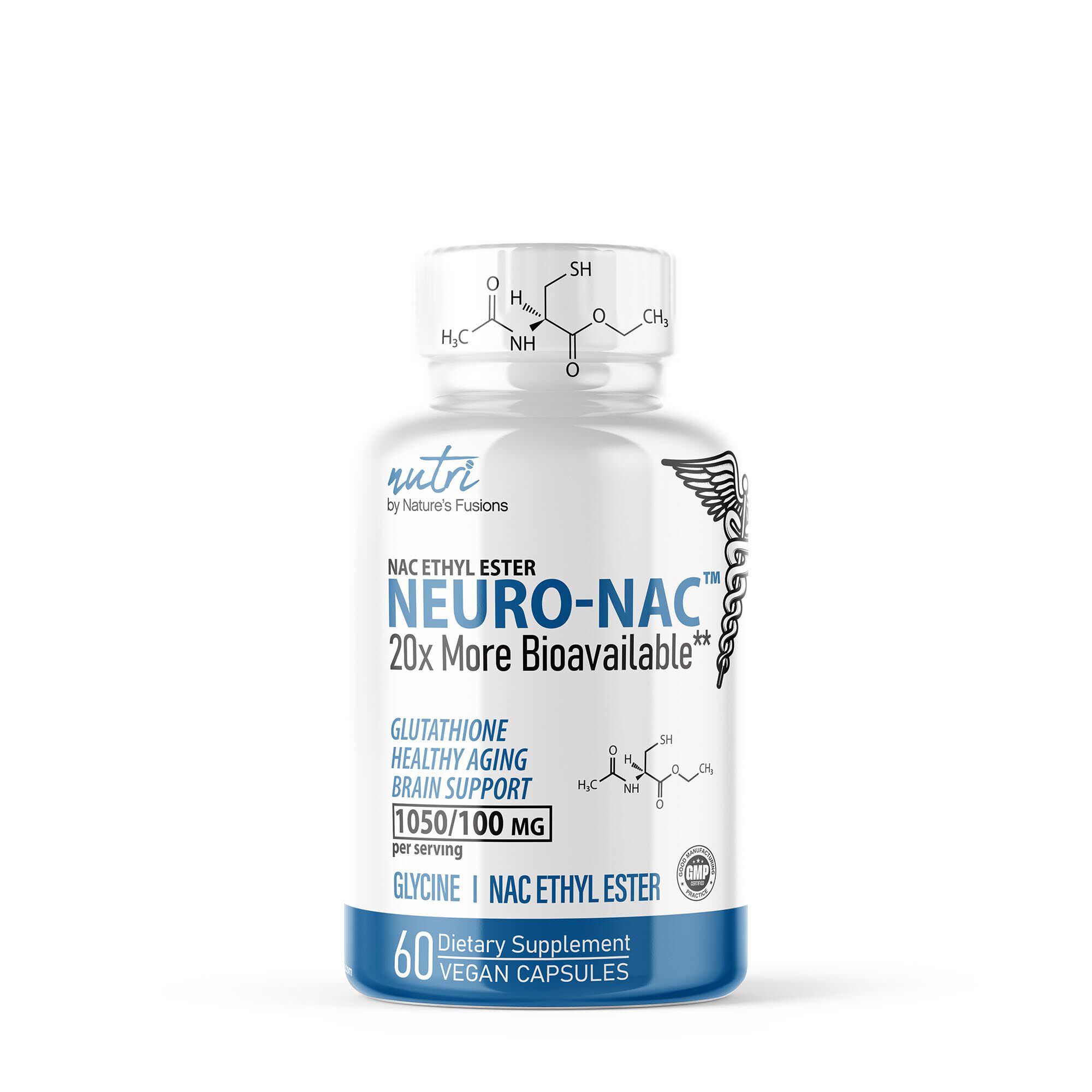
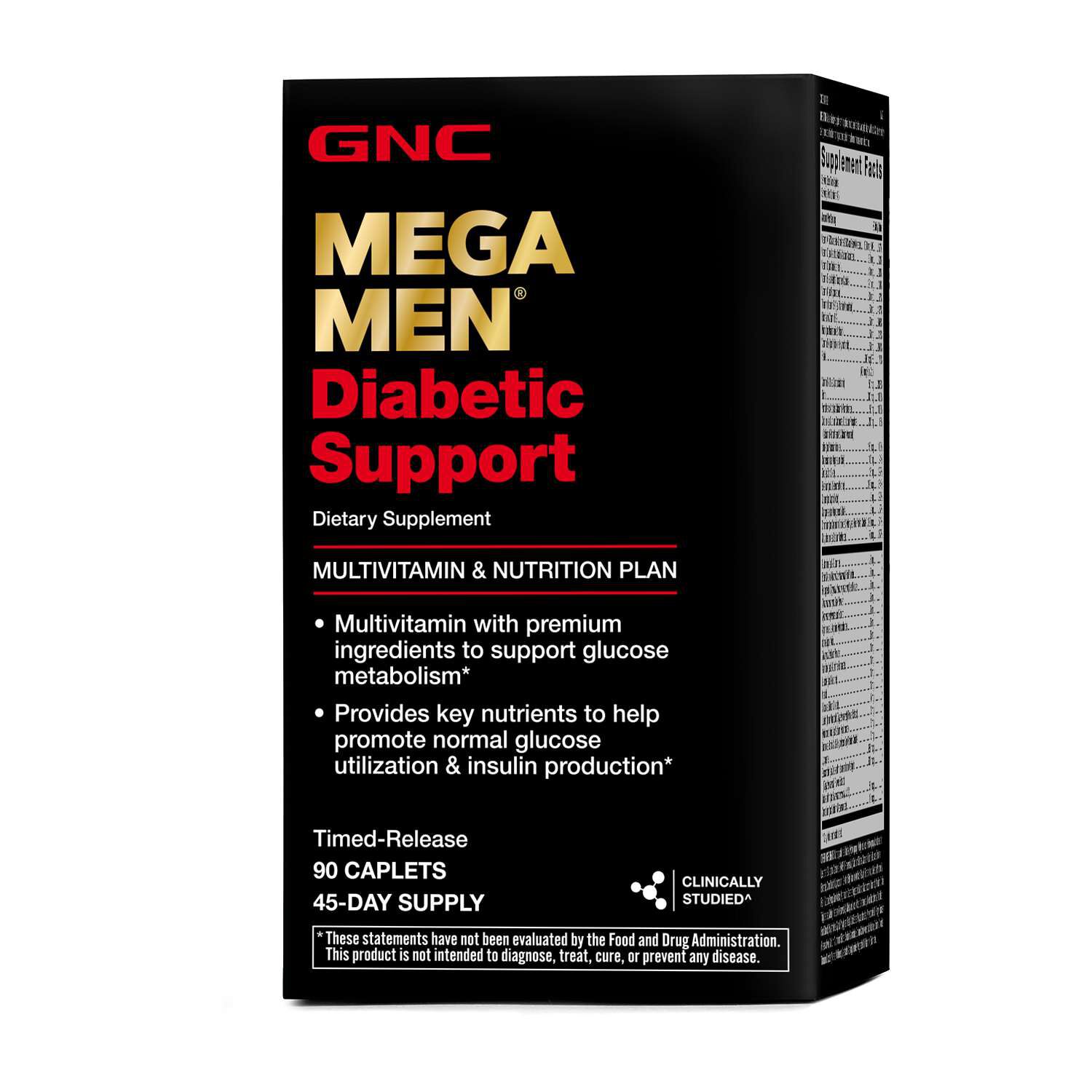
The glucose metabolism side of the category calls for a different comparison. These supplements may contain minerals such as chromium or magnesium, botanical ingredients, or multi-ingredient blends, and their labels typically emphasize ingredient amounts rather than grams of carbohydrate. A capsule with a small serving size is not a concentrated version of a sports drink; it is a different type of formulation. Shoppers interested in that distinction can explore Natural Glucose Metabolism Supplements for related category context. Within these formulas, the identity and amount of each ingredient matter more than a broad phrase on the front label. For botanical ingredients, the plant name, plant part, and whether the ingredient is a powder or an extract provide useful details about composition. An extract amount and a whole-plant powder amount are not necessarily comparable simply because they use the same unit of measurement. Similarly, a blend that lists several ingredients together offers a different degree of detail from a label that states each amount separately. Capsule count also differs from serving count: a bottle’s suggested serving may include more than one capsule or tablet. Those details shape how a package fits into an established supplement routine without establishing what effects someone will experience. The word natural does not, by itself, describe suitability, ingredient quality, or an expected result. Clear labeling, accessible ingredient information, and any stated independent testing are more concrete points of comparison. When several supplements are already part of a routine, repeated ingredients are another useful label detail to notice. For either side of the glycogen supplement category, a well-matched purchase begins with an accurate understanding of the format and purpose. Sports carbohydrate formulas belong in a different comparison set from glucose metabolism capsules, even when shopping searches bring them together. Keeping that distinction in view makes flavor, serving information, ingredient transparency, packaging, and intended use more meaningful than a shared category term.
Best Sellers
-
 GNC Pro Performance
-
 GNC Pro Performance
-
 GNC Pro Performance
-
 GNC Pro Performance
Related Pages

Top Collections
- Joint Mobility Supplement Packs
- Daily Collagen Supplements | Top Brands & Deals | GNC
- GLP 1 Support For Adults
- Zinc Supplements | Top Brands at Great Prices | GNC
- Supplements For Yoga Joint Flexibility
- Supplements For Balance
- Capsule Supplements For Energy And Stamina
- Adult Mobility Supplements
- Chronic Fatigue Supplements
- Vitamins For Hair Loss