Green Tea Fat Burner Supplements
(0 Results)
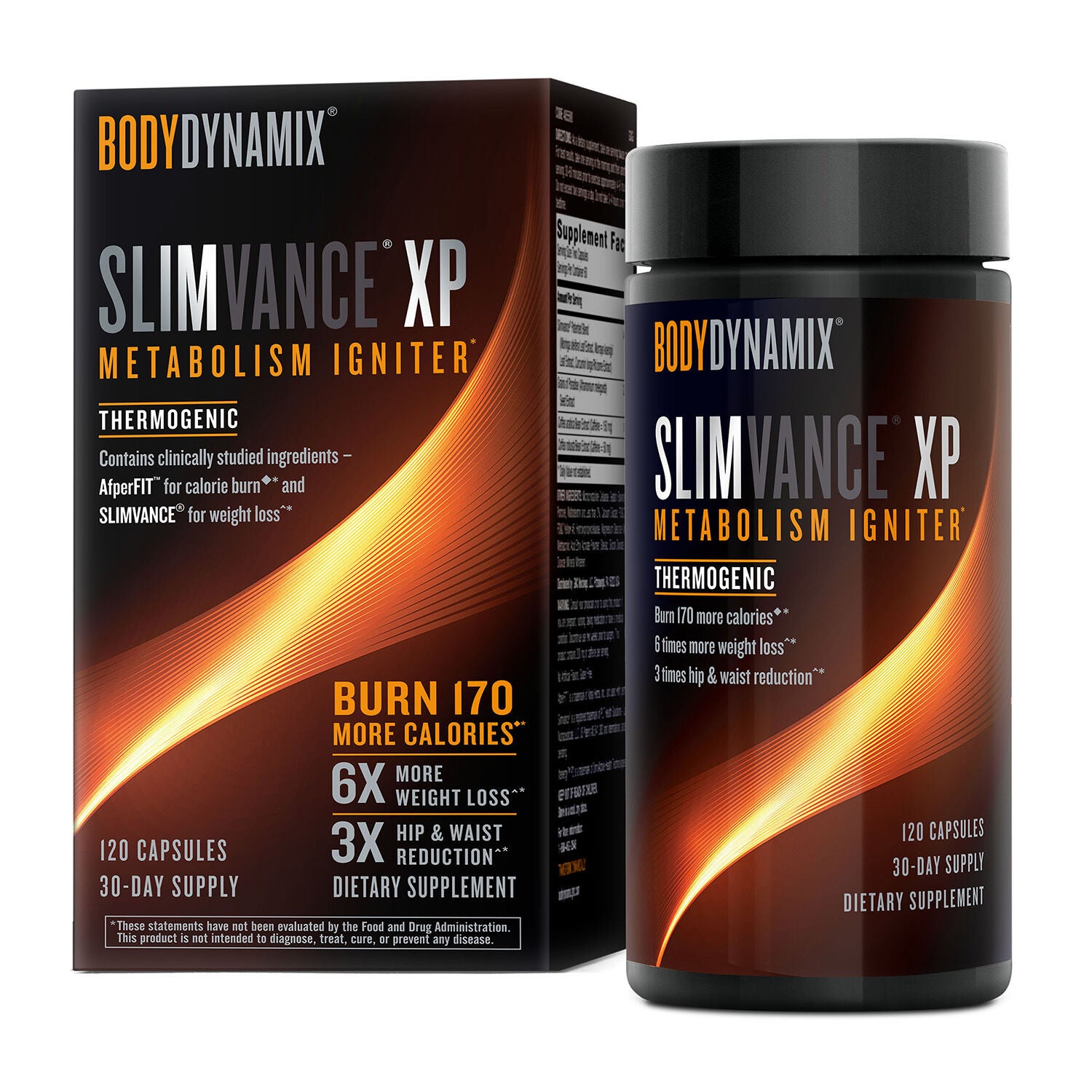
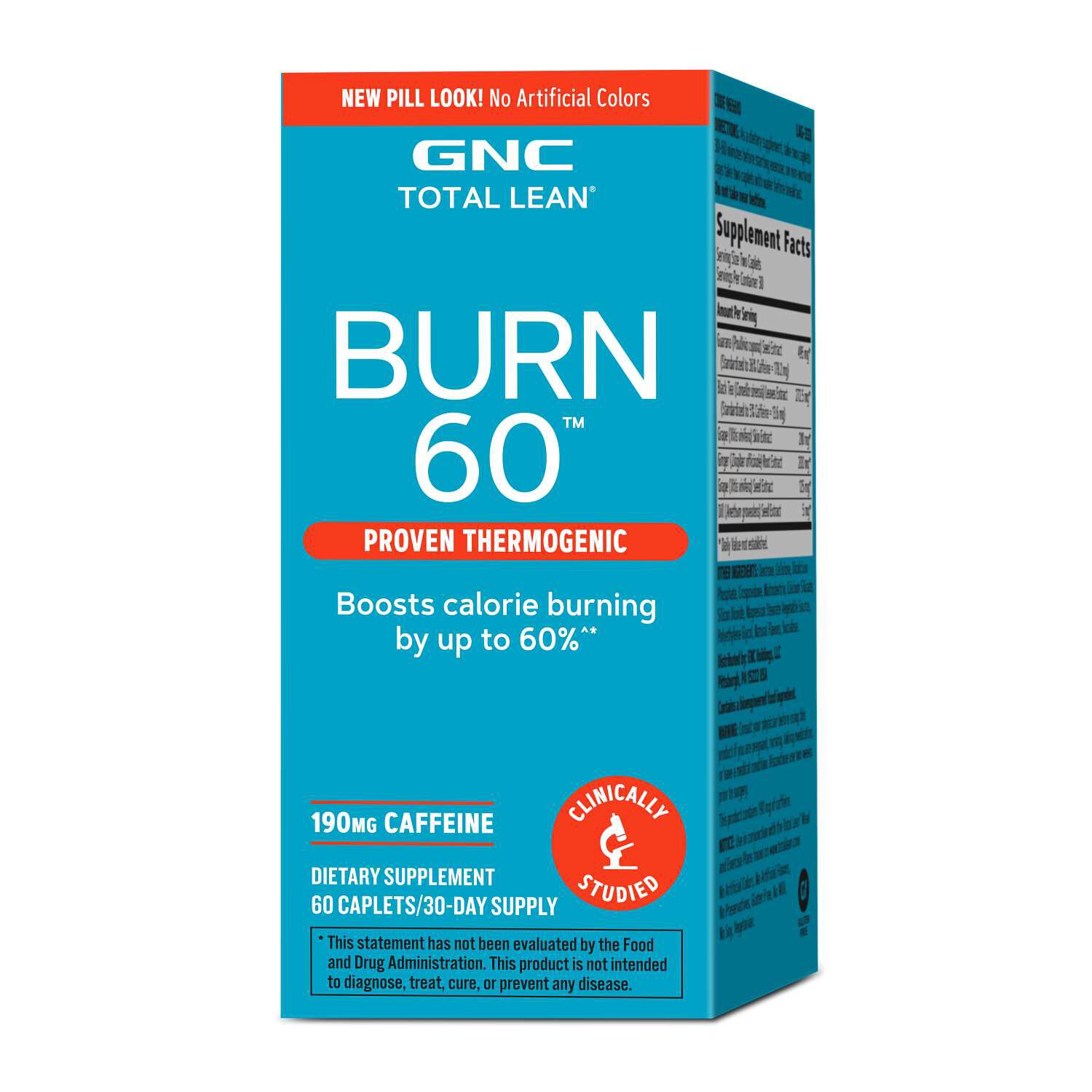
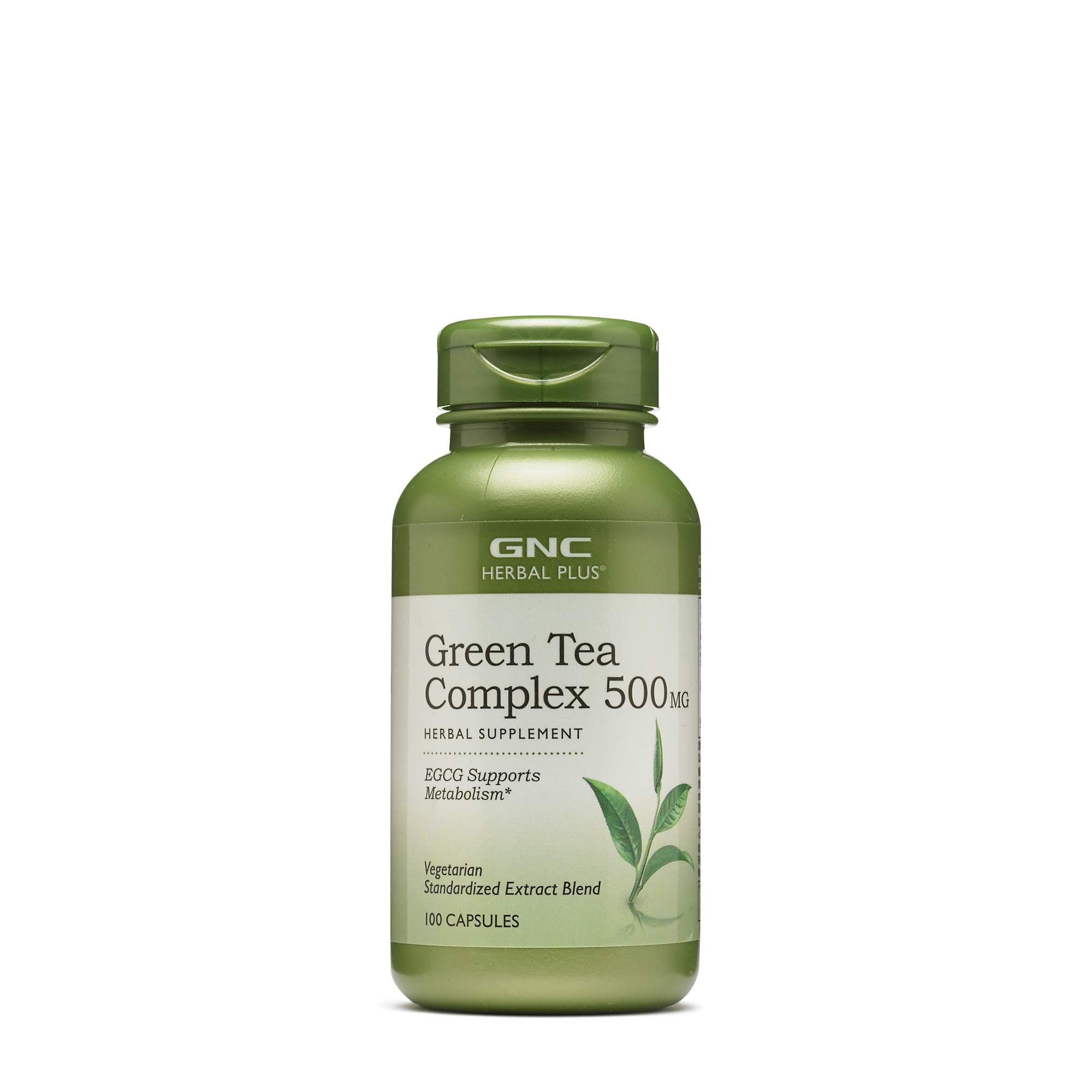
Green tea fat burners are popular supplements that harness natural ingredients to support weight management goals. Packed with antioxidants and metabolism-boosting properties, green tea fat burners are designed to help enhance fat burning and promote energy levels. Whether you're looking to kickstart your fitness journey or maintain a healthy lifestyle, incorporating green tea fat burners into your routine may provide that extra push you need to achieve your goals. Discover a range of options tailored to meet your needs and preferences on our product listing page.
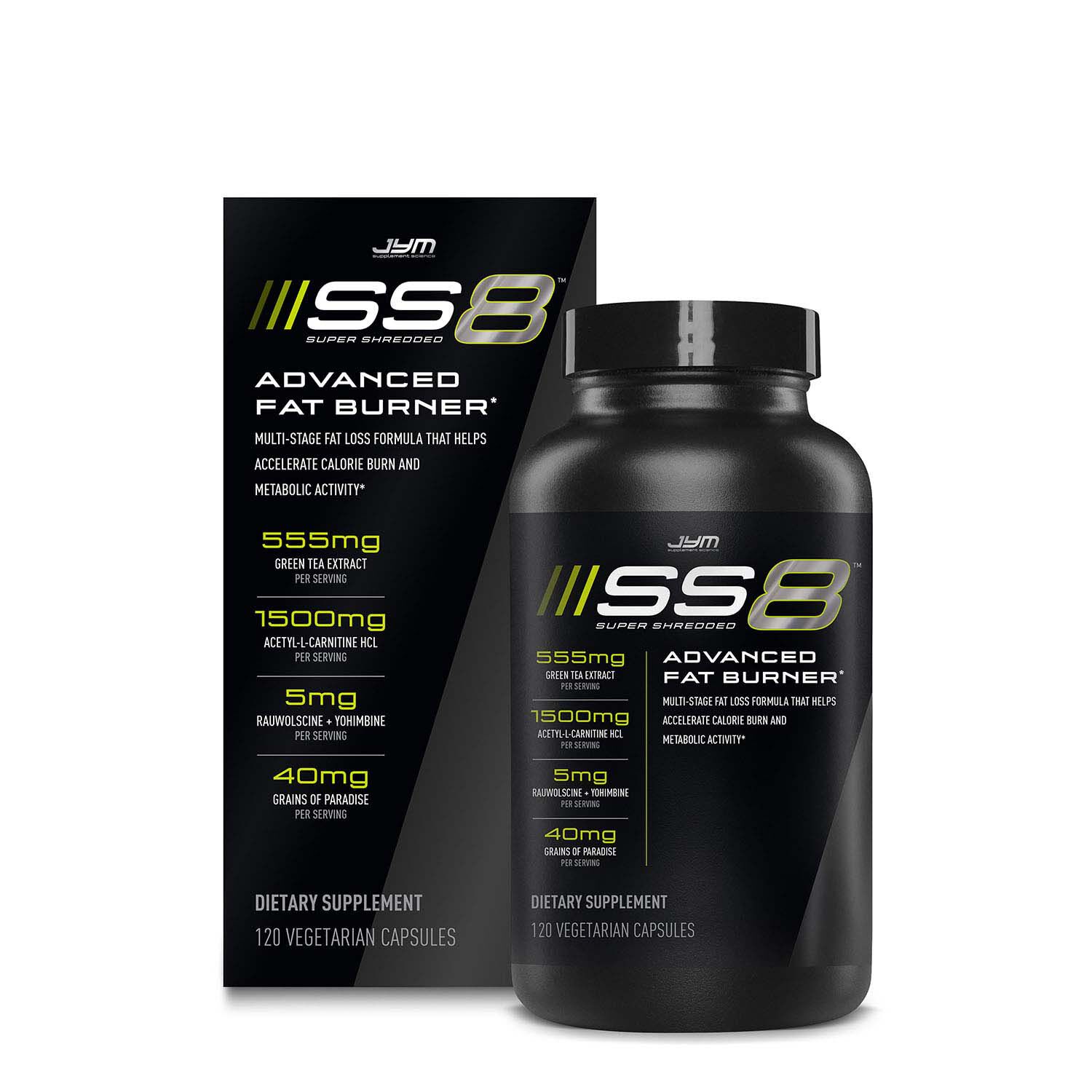


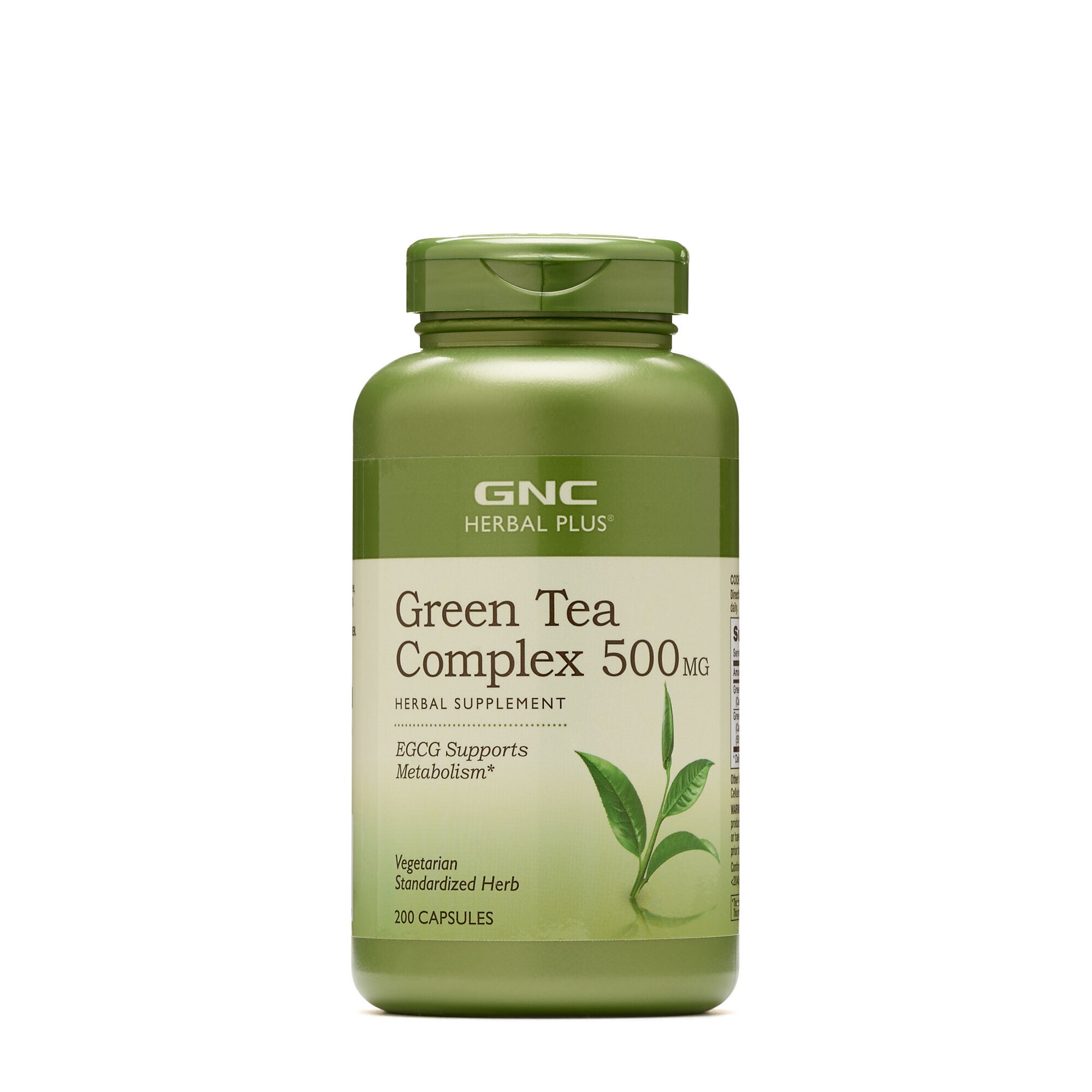
Green tea fat burner supplements are dietary supplements made with green tea extract, sometimes combined with caffeine or other ingredients in formulas intended for adult weight-management routines. Green tea comes from Camellia sinensis, and its leaves contain plant compounds called catechins. One of the best-known catechins is epigallocatechin gallate, usually listed as EGCG. Extracts concentrate selected components of the leaf, so a capsule or softgel is not simply brewed tea in a different format. The amount of extract, its catechin content, and the presence of caffeine can differ considerably between formulas. Green tea supplements may offer modest support for weight-management efforts, but research findings have varied, and noticeable changes are not a given. The words “fat burner” describe a shopping category rather than a predictable result. These supplements may complement balanced meals, regular movement, and consistent sleep; they are not substitutes for those habits. For an adult comparing options alongside a regular walking routine or strength-training schedule, the relevant differences extend beyond the name on the bottle. A green tea extract formula with a short ingredient list presents a different comparison from a blend containing several botanical extracts and added caffeine. Neither a longer ingredient list nor a larger extract amount establishes that a formula is better suited to a particular person. Green tea’s long history as a beverage also does not make concentrated extracts interchangeable with a cup of tea. Brewed tea, matcha, and green tea extract have different preparation methods and serving conventions. Someone who enjoys sipping tea throughout the day may be looking for a very different experience from someone considering a measured supplement serving. That distinction is especially relevant when comparing the familiar flavor and ritual of tea with capsules or softgels intended to be taken according to their package directions.
The Supplement Facts panel provides useful detail for comparing green tea fat burner supplements beyond their front-label descriptions. Milligrams of green tea extract do not necessarily equal milligrams of catechins or EGCG, and those amounts should not be treated as interchangeable. A standardized extract identifies a specified concentration of a component, making that description different from a listing that gives only the weight of the extract. Serving size matters, too: an amount shown for a serving containing several capsules is not the amount in each capsule. Caffeine deserves its own consideration because it may occur naturally in green tea extract or come from additional ingredients in a blend. “No added caffeine” and “decaffeinated” describe different things, and neither phrase provides the same information as a clearly stated caffeine amount. For someone whose day already includes morning coffee, an afternoon espresso, or a caffeinated workout supplement, the full ingredient list offers more context than the green tea name alone. Blends can also differ in how much information they disclose about each ingredient. A combined blend weight may not reveal the amount of every component within it. Beyond the featured ingredients, capsule shells, coatings, and other ingredients can matter for dietary preferences and everyday use. Gelatin and plant-derived cellulose are different capsule materials, while softgels may include additional shell ingredients. The botanical source of green tea does not establish that every part of a finished formula meets a vegetarian preference. Allergen statements and clearly identified capsule materials add useful detail to that comparison. Independent testing or certification, when identified on packaging, can provide information about particular quality checks, although the meaning depends on what was tested. A content or identity check is not evidence of a particular weight-management outcome. Clear labeling, understandable serving information, and transparent ingredient descriptions make the differences between formulas easier to assess without relying on dramatic names or oversized numbers.
Format and packaging are practical parts of choosing green tea supplements, particularly for adults fitting a supplement into an established daily routine. Capsules, tablets, and softgels differ in shape, dimensions, outer materials, and the number included in a labeled serving. Someone accustomed to a single small tablet may have different preferences from someone comfortable with several capsules, making serving format a meaningful distinction rather than a minor packaging detail. A container’s capsule count also differs from its number of servings, so those two figures describe different aspects of the bottle. Clear print, a readable ingredient panel, and straightforward storage directions can make a package easier to use over time. The original container keeps the product name, directions, warnings, lot information, and best-by date together, details that can be lost when capsules are moved into an unmarked jar. Storage needs vary by formula, with the package providing the relevant instructions for protecting the contents from moisture, sunlight, or other unsuitable conditions. A bottle kept near a steamy shower or beside a kitchen sink presents a different storage setting from a dry cabinet away from splashes. A secure closure and intact packaging matter throughout ordinary handling, and the printed date remains relevant even when a bottle has been opened only occasionally. For a broader comparison of this ingredient category, Green Tea Supplements For Healthy Weight offers another way to explore green tea-focused formulas. Across these options, intended use, caffeine content, extract composition, and serving format provide more useful distinctions than language suggesting rapid physical change. A routine built around packing lunch, taking a walk after work, and keeping a regular bedtime has its own practical demands; a supplement may fit within that routine, but it does not replace its structure. Thoughtful comparison centers on what the formula contains, how clearly those contents are described, and whether its labeled use aligns with personal preferences and circumstances.