





Gut Health Nutrition
(0 Results)
Exploring ways to support your digestive system might lead you to discover a range of gut health nutrition options. A balanced gut could be key to overall well-being, and incorporating certain vitamins, supplements, and probiotics may offer support in maintaining optimal digestive function. Whether aiming to balance your microbiome or seeking relief from occasional discomfort, these nutritional aids might provide an extra layer of care for your digestive tract. Embrace a journey towards better gut health with a variety of products that could help you feel your best from within.
-
-
-
-
 209$34.99
-

-
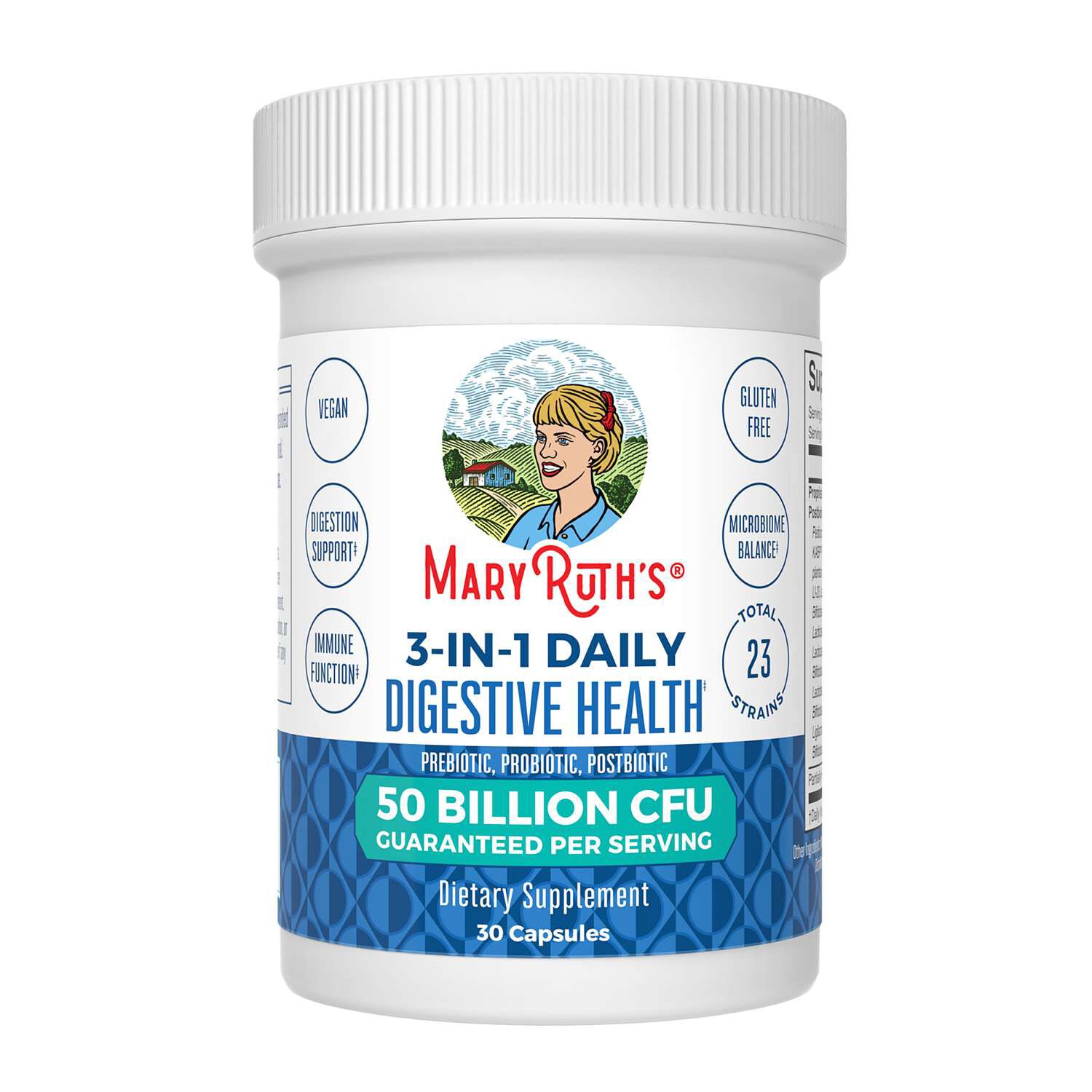
-
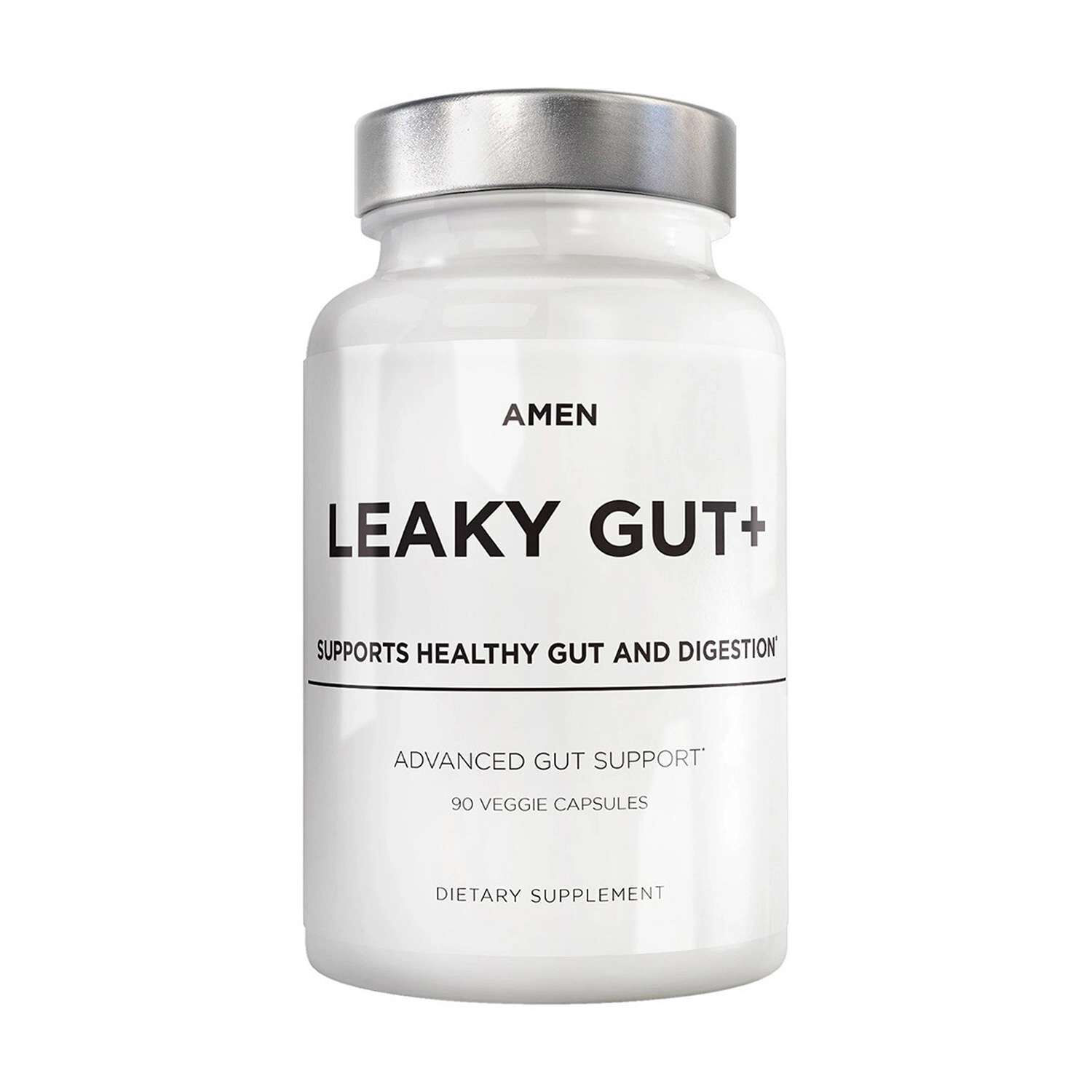


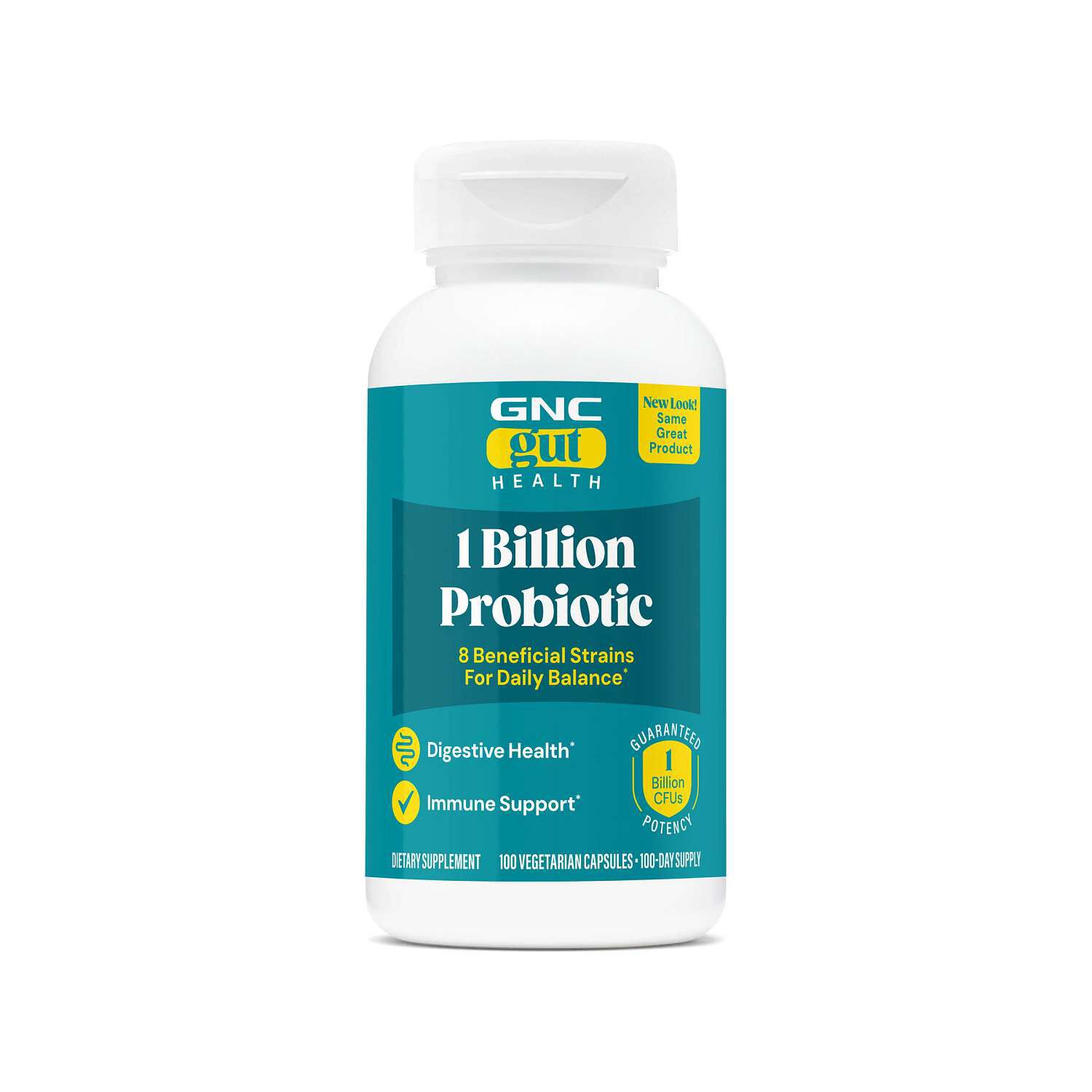

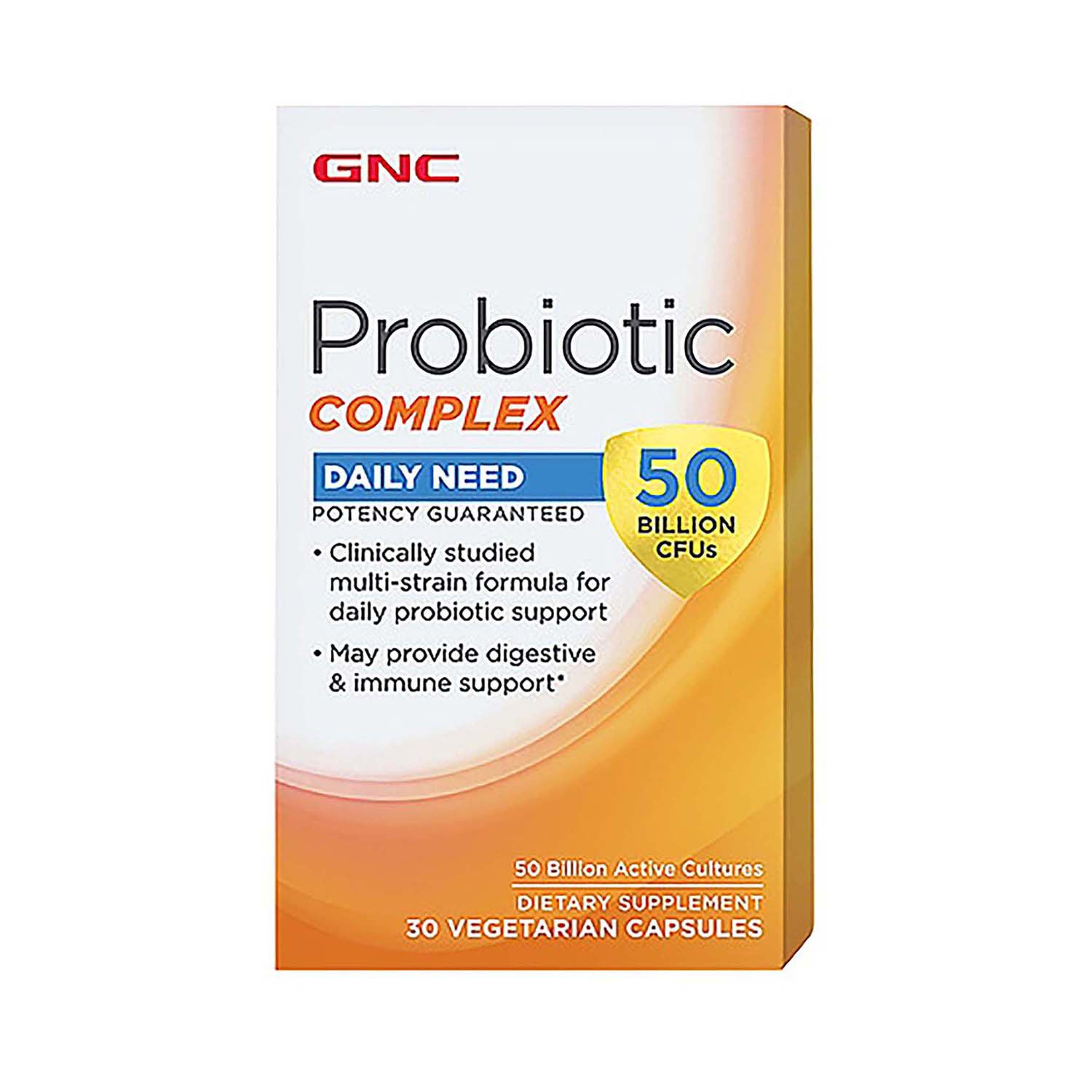
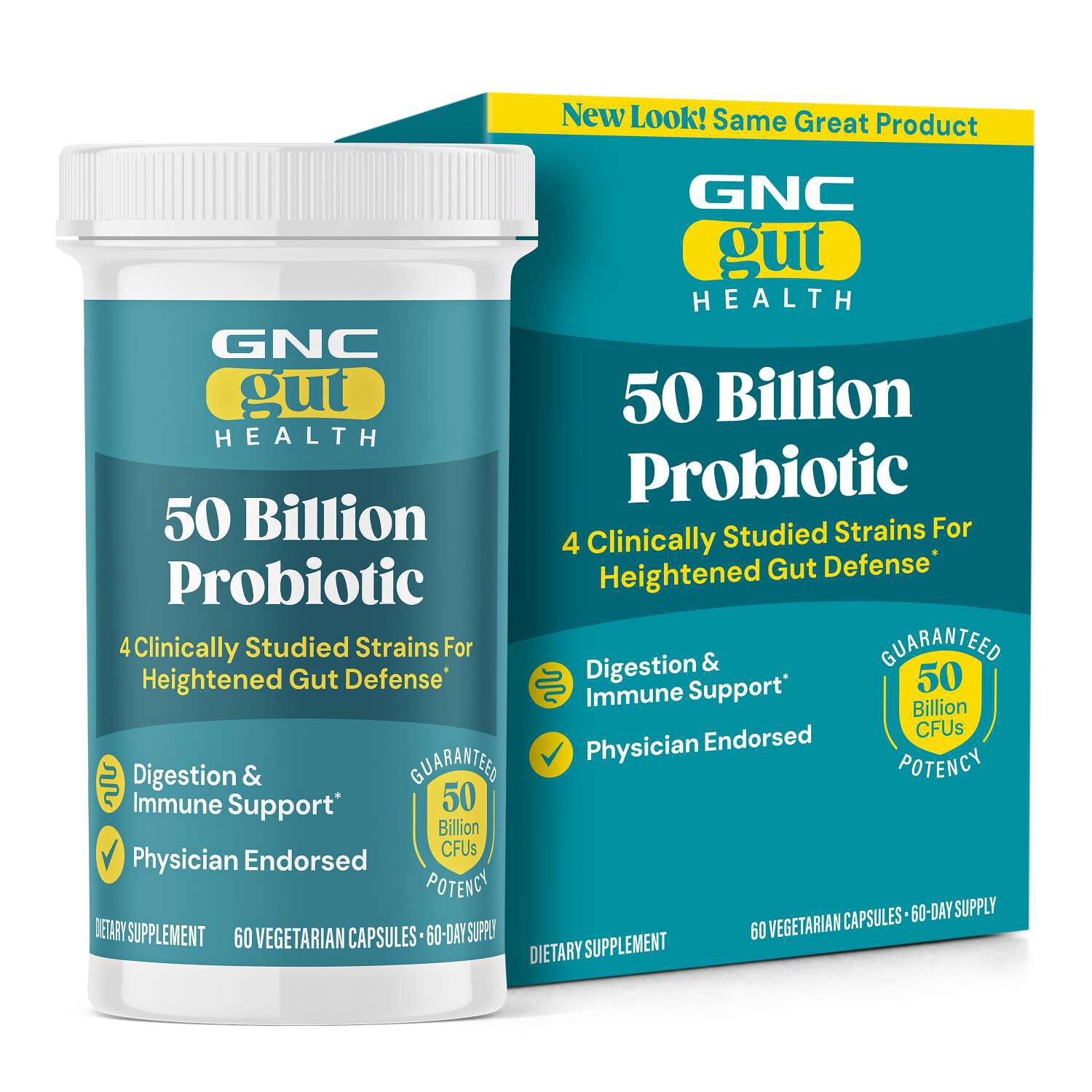

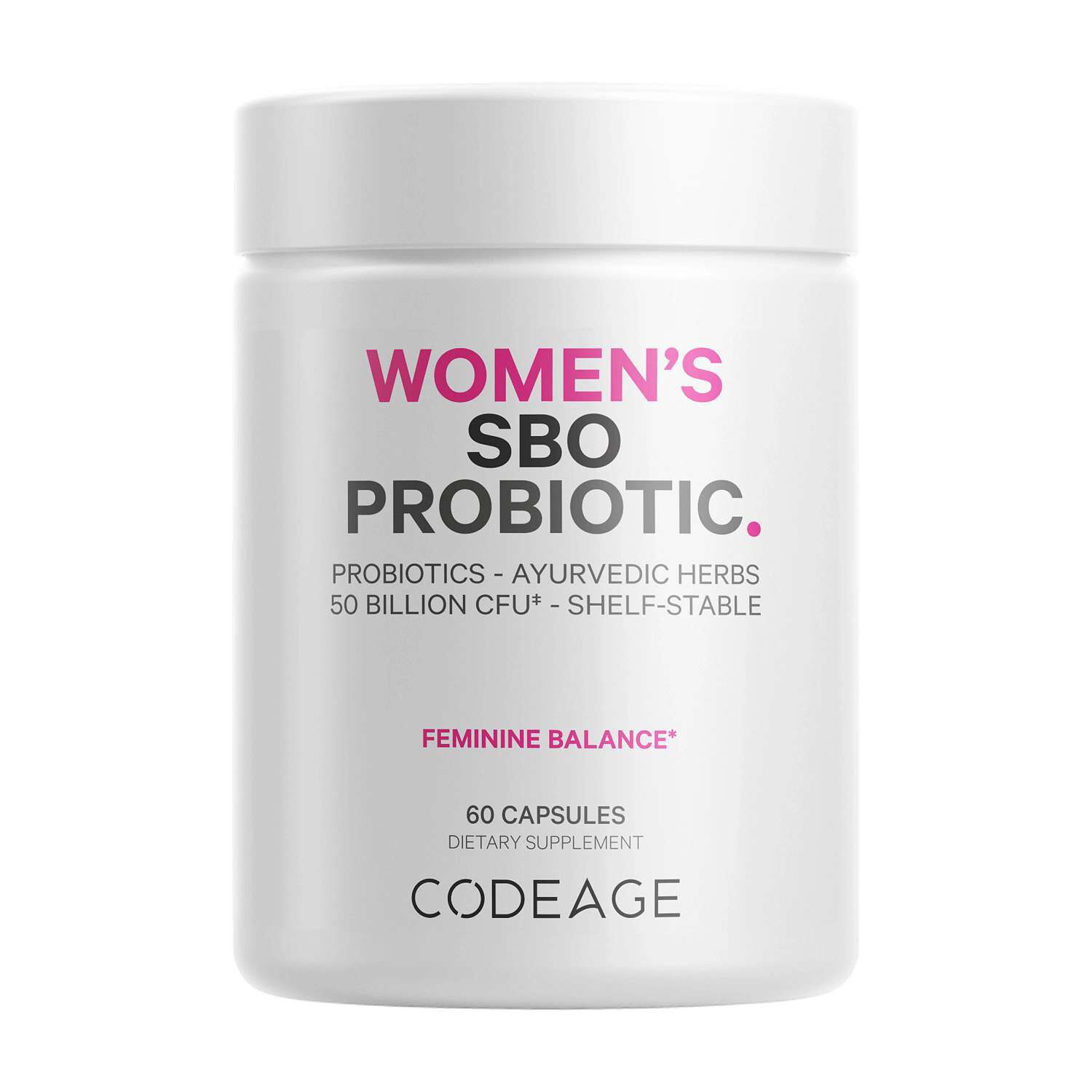
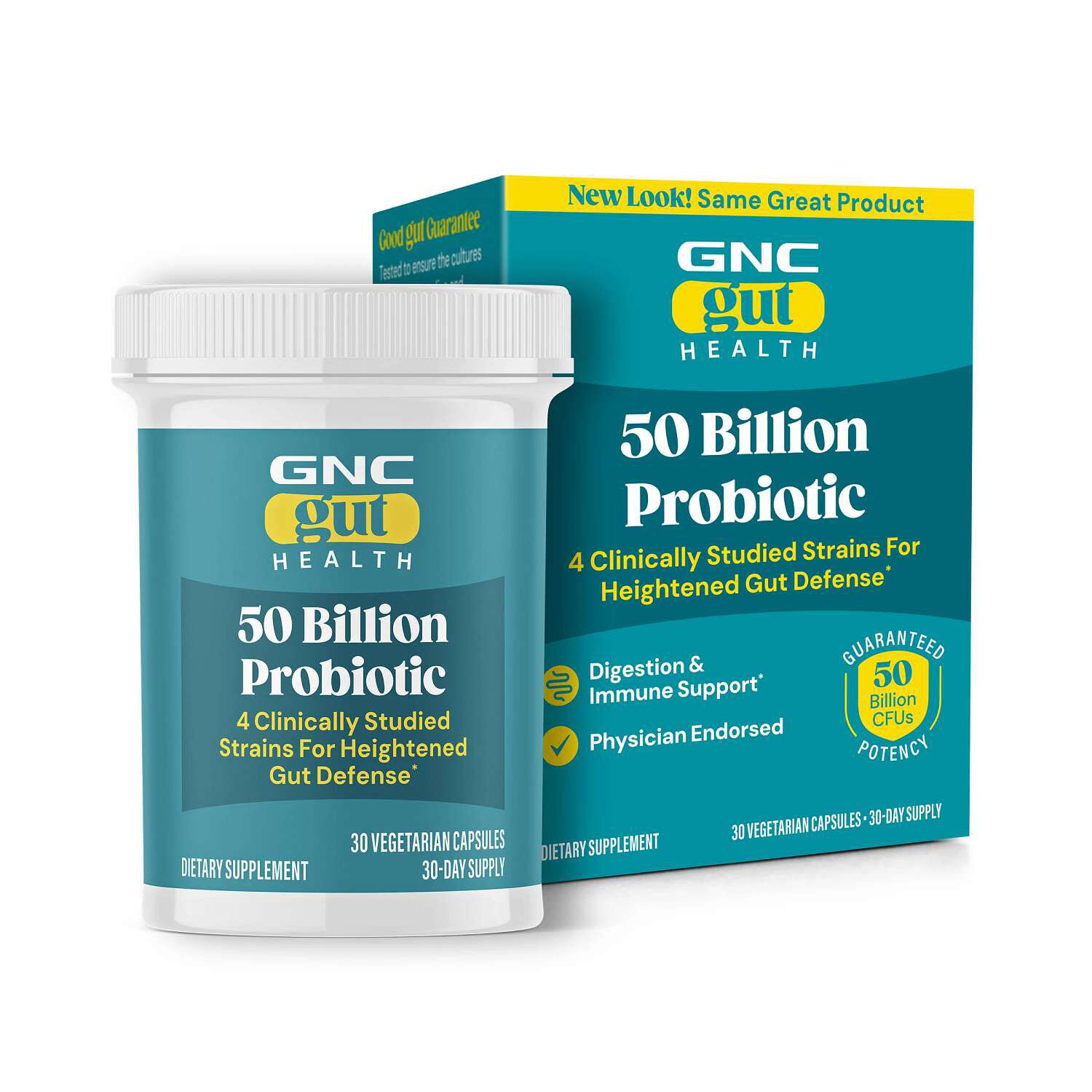
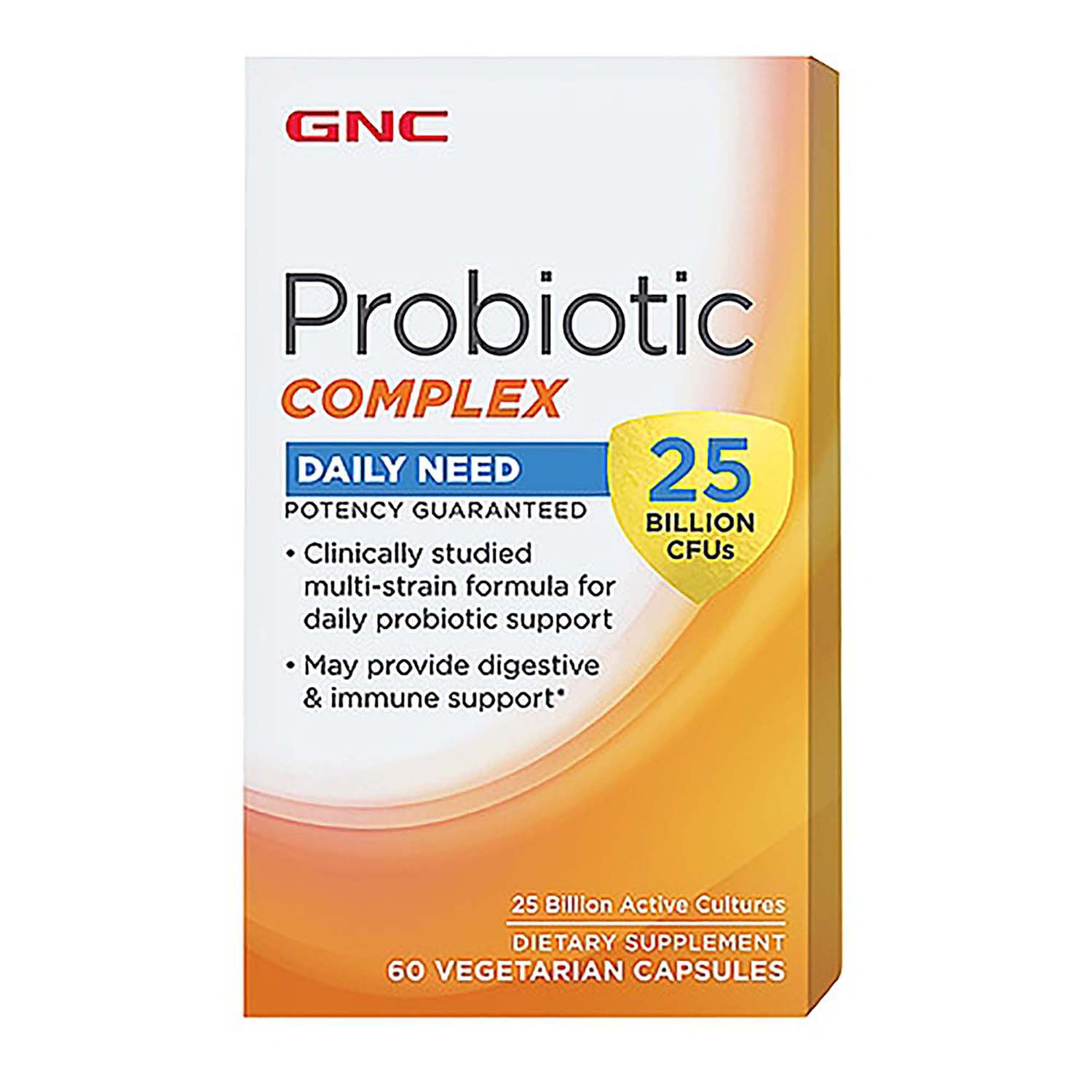
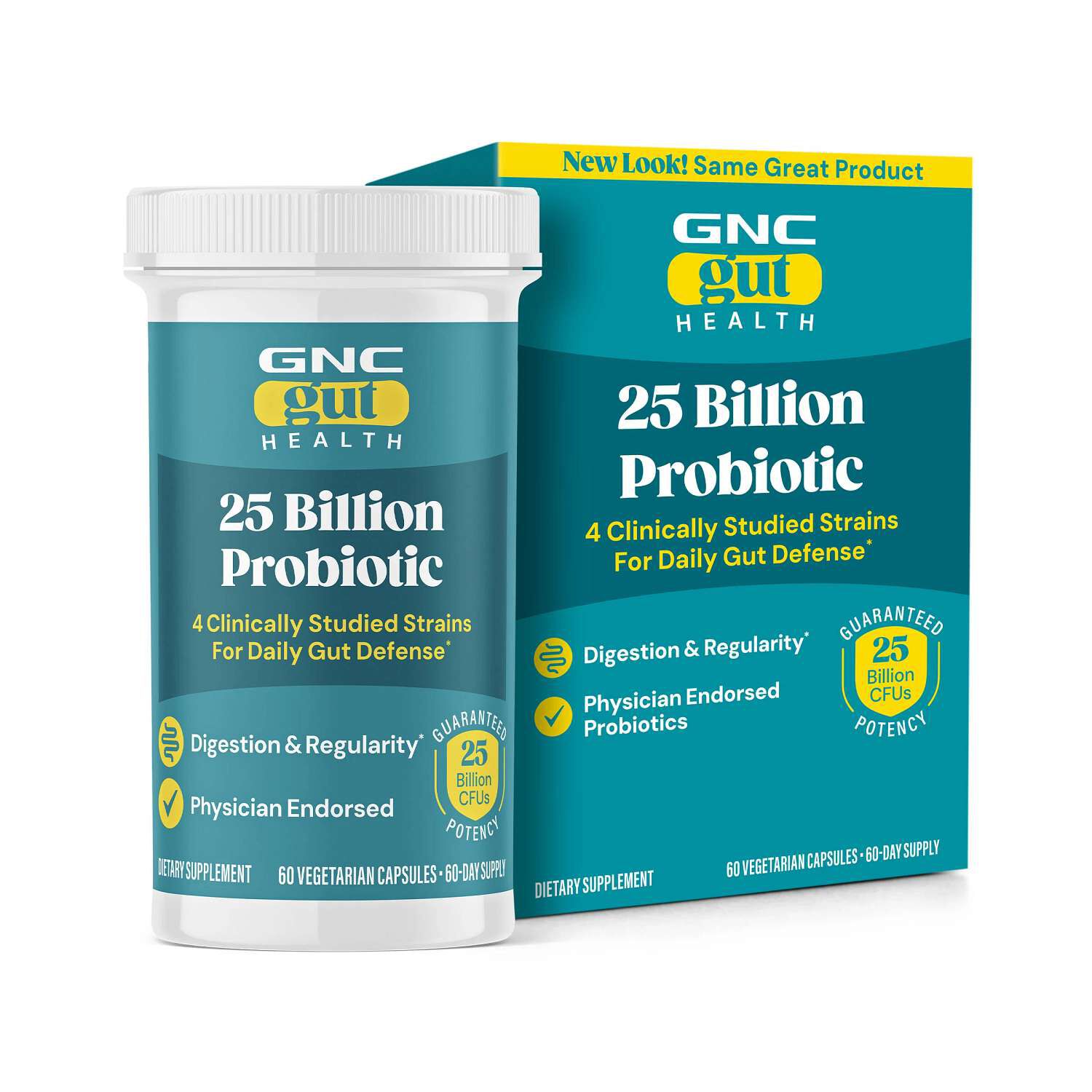


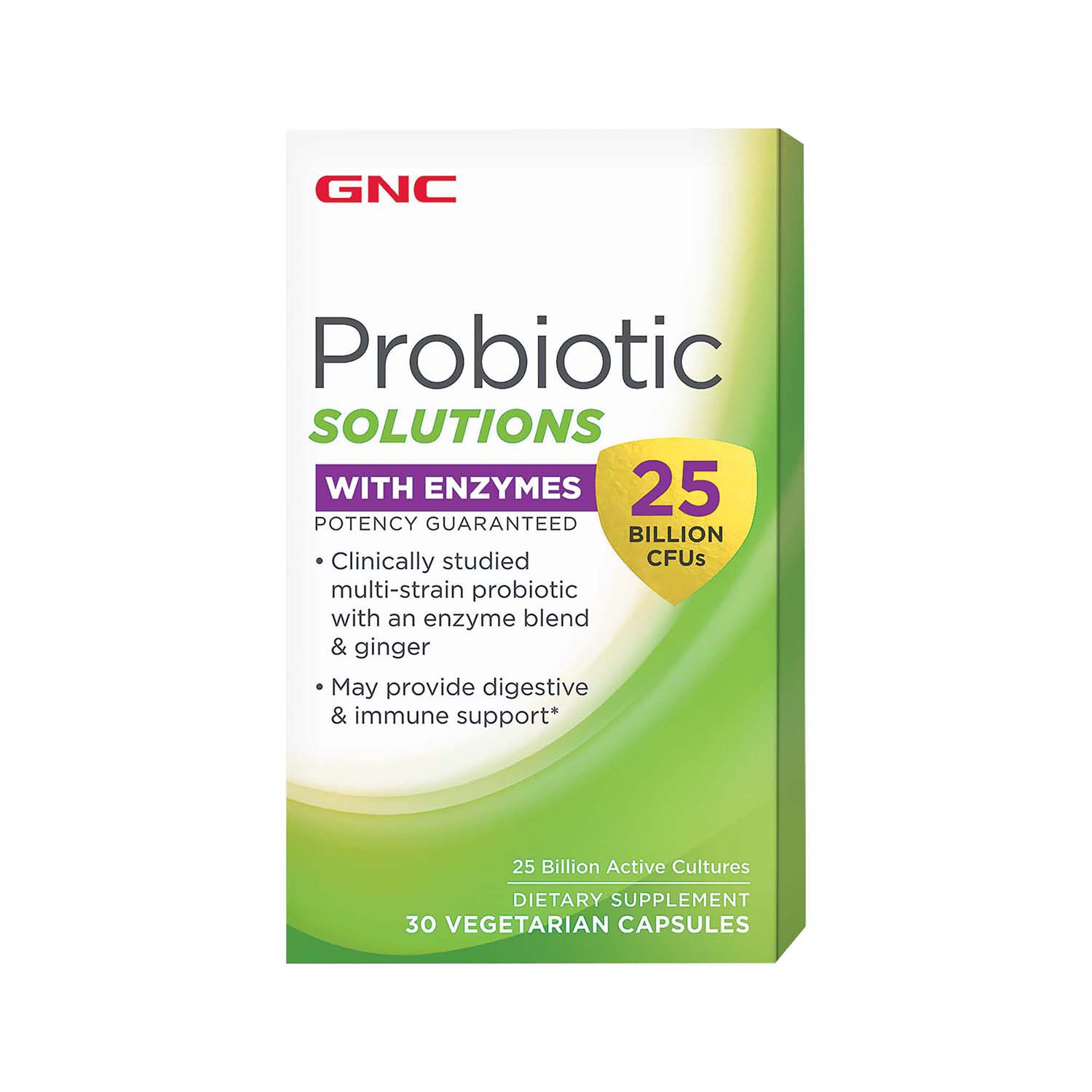
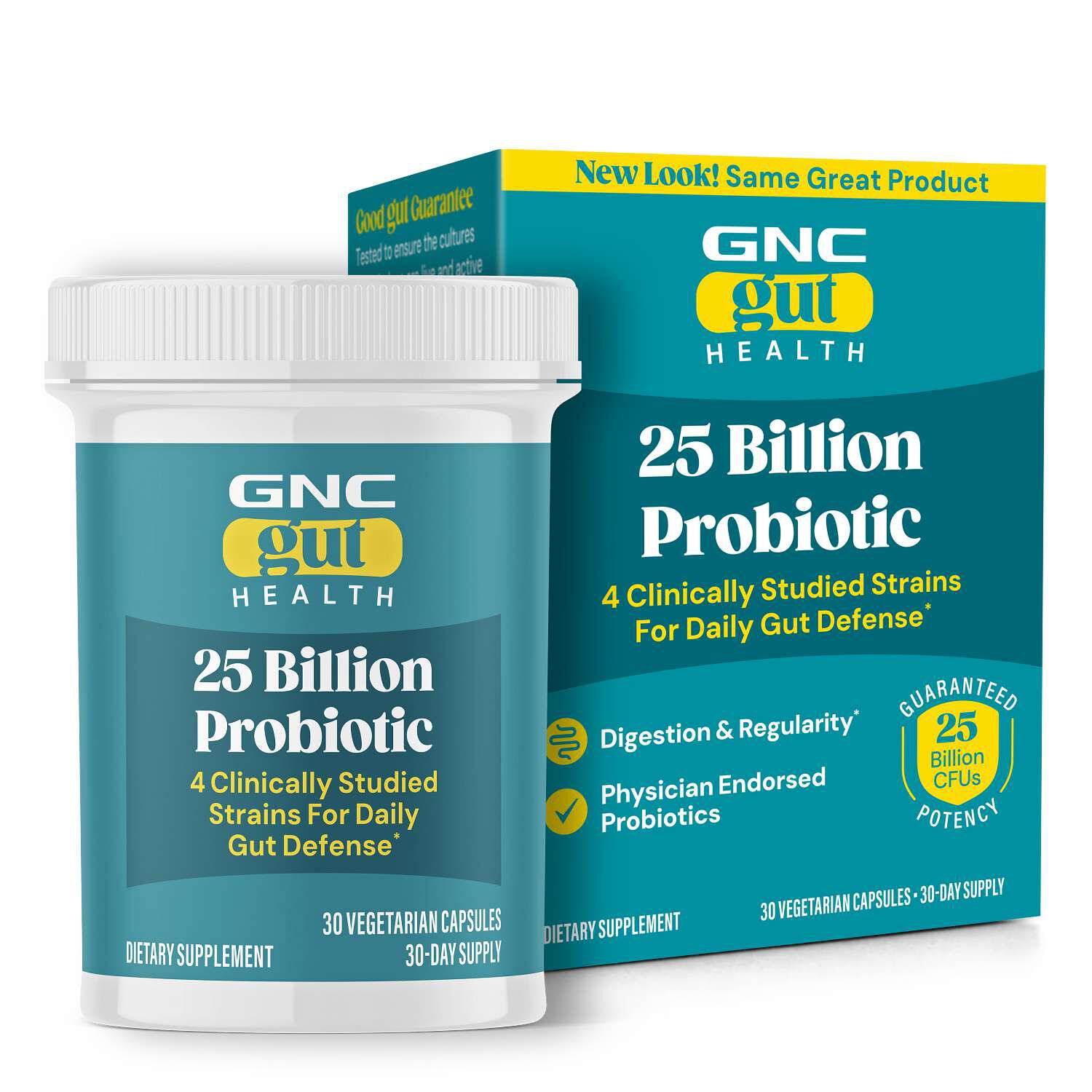


Gut health nutrition brings together everyday food choices and supplements intended for digestive wellness routines. The gut microbiome is the community of microorganisms that lives in the digestive tract, and its makeup varies from person to person. Within this category, probiotics, prebiotics, and dietary fiber serve different purposes rather than acting as interchangeable names for the same thing. Probiotics contain live microorganisms and may support digestive wellness, depending on the strains and formulation. Prebiotic ingredients, including certain fibers, may provide nourishment for beneficial gut bacteria. Dietary fiber includes several types of plant carbohydrates, with different characteristics in terms of solubility, texture, and fermentation. Some fiber supplements may support digestive regularity, while others combine fiber with additional ingredients for a broader approach to everyday nutrition. A formula containing both probiotics and prebiotics is often described as a synbiotic, though the label remains the best place to understand exactly what is included. These distinctions make browsing gut health nutrition more meaningful: a fiber powder, a probiotic capsule, and an enzyme blend are different types of supplements with different intended uses. Digestive enzyme formulas may help with the breakdown of particular food components, depending on which enzymes they contain. Food provides important context for this category, too. Oats, barley, beans, lentils, apples, and asparagus are familiar sources of dietary fiber. Yogurt and kefir can contain live cultures, while fermented vegetables vary in their ingredients and processing; fermentation alone does not establish that a food contains a studied probiotic strain. Berries, tea, cocoa, and nuts also contribute plant compounds called polyphenols to a varied eating pattern. A breakfast of oatmeal with berries or a lunch built around lentils illustrates how gut health nutrition can begin with ordinary meals. Supplements may complement those choices, but they are not substitutes for dietary variety, and a longer ingredient list does not automatically make a formula a better match.
Comparing gut health supplements starts with the details that distinguish one format from another. Capsules and tablets offer measured portions without a mixing step, while powders allow shoppers to consider flavor, texture, and preparation alongside the ingredient panel. Gummies and chewables have their own serving sizes and may include sweeteners, colors, or flavoring ingredients that matter to individual preferences. The number of pieces in a serving deserves attention: one capsule, two gummies, and a scoop of powder are not equivalent portions simply because each represents a single format. For probiotic supplements, useful label details include the genus, species, and strain designation, along with the stated colony-forming unit count, often abbreviated CFU. That count describes the quantity of viable microorganisms under the conditions stated on the label; it is not a ranking of how well a formula may suit a particular person. A clearly identified strain and understandable storage directions can make comparisons more informative than a large number on the front of a bottle. For fiber powders, ingredient names such as psyllium, inulin, and acacia identify different fiber sources, and their preparation directions can differ. An unflavored powder is not necessarily textureless, so mixing instructions matter when considering whether it belongs beside a breakfast bowl or in a separate drink. Capsule shells may contain gelatin or plant-derived cellulose, making shell materials relevant to dietary preferences. Allergen statements, added sugars, serving amounts, and other ingredients also deserve a place in the comparison. Packaging and care matter after purchase as well. Some formulas call for refrigeration, while others have different storage instructions. The original container keeps directions, date information, and serving details together. For a powder kept near the breakfast dishes or a bottle packed for a trip, the practical question is whether its preparation and storage requirements fit the setting. A convenient format still needs to be handled according to its label.
The most useful way to browse gut health nutrition is to connect those product details with a realistic routine. Someone who eats breakfast at home may prefer a powder with clear mixing directions, while a person who carries lunch to work may find a capsule format simpler to organize. A shopper who dislikes sweet drinks might compare unflavored options, paying attention to the fact that flavor and mouthfeel are separate qualities. Someone following a plant-based eating pattern may look closely at capsule materials and ingredient sources rather than relying on the front label alone. These are practical differences, not signs that one format is universally better. The same approach applies to formulas marketed to particular audiences. For a more focused comparison, explore Gut Health Supplements For Women, then consider the ingredients, serving format, and intended use behind the category name. An audience label does not, by itself, explain how two formulas differ. Reading the Supplement Facts panel alongside the directions provides a clearer picture of what each serving contains and how it is intended to be used. When several supplements are already part of a routine, comparing their ingredient panels can also reveal overlapping fibers, cultures, or other components. Keeping that information visible makes shopping more deliberate than choosing several formulas with similar front-label language. Everyday usability deserves equal consideration: whether a container fits in the place where it will be stored, whether a powder requires more preparation than the morning allows, and whether the serving format matches personal preferences. A supplement that needs refrigeration presents different planning needs from one labeled for storage elsewhere, especially away from home. Gut health nutrition can remain grounded in familiar meals, readable labels, and manageable habits rather than an elaborate collection of supplements. The aim when comparing options is a clear understanding of the formulation and its place in an existing eating pattern. Ingredient identity, serving size, preparation, and storage together offer a more useful basis for that choice than package size or an impressive-sounding blend name alone.
Best Sellers
-
Physician's Choice
Related Pages
Top Collections
- Joint Mobility Supplement Packs
- Daily Collagen Supplements | Top Brands & Deals | GNC
- GLP 1 Support For Adults
- Zinc Supplements | Top Brands at Great Prices | GNC
- Supplements For Yoga Joint Flexibility
- Supplements For Balance
- Capsule Supplements For Energy And Stamina
- Adult Mobility Supplements
- Chronic Fatigue Supplements
- Vitamins For Hair Loss