





Gut Biome Health Support Supplements
(0 Results)
Gut biome health is an exciting area of wellness that continues to attract attention from those seeking to support their overall wellbeing. A balanced gut environment may play a key role in digestion and could contribute to feeling your best each day. With a variety of supplements available, you might find options designed to help maintain a healthy gut biome as part of your daily routine. Explore selections that fit your lifestyle and discover new ways to prioritize gut biome health on your wellness journey.
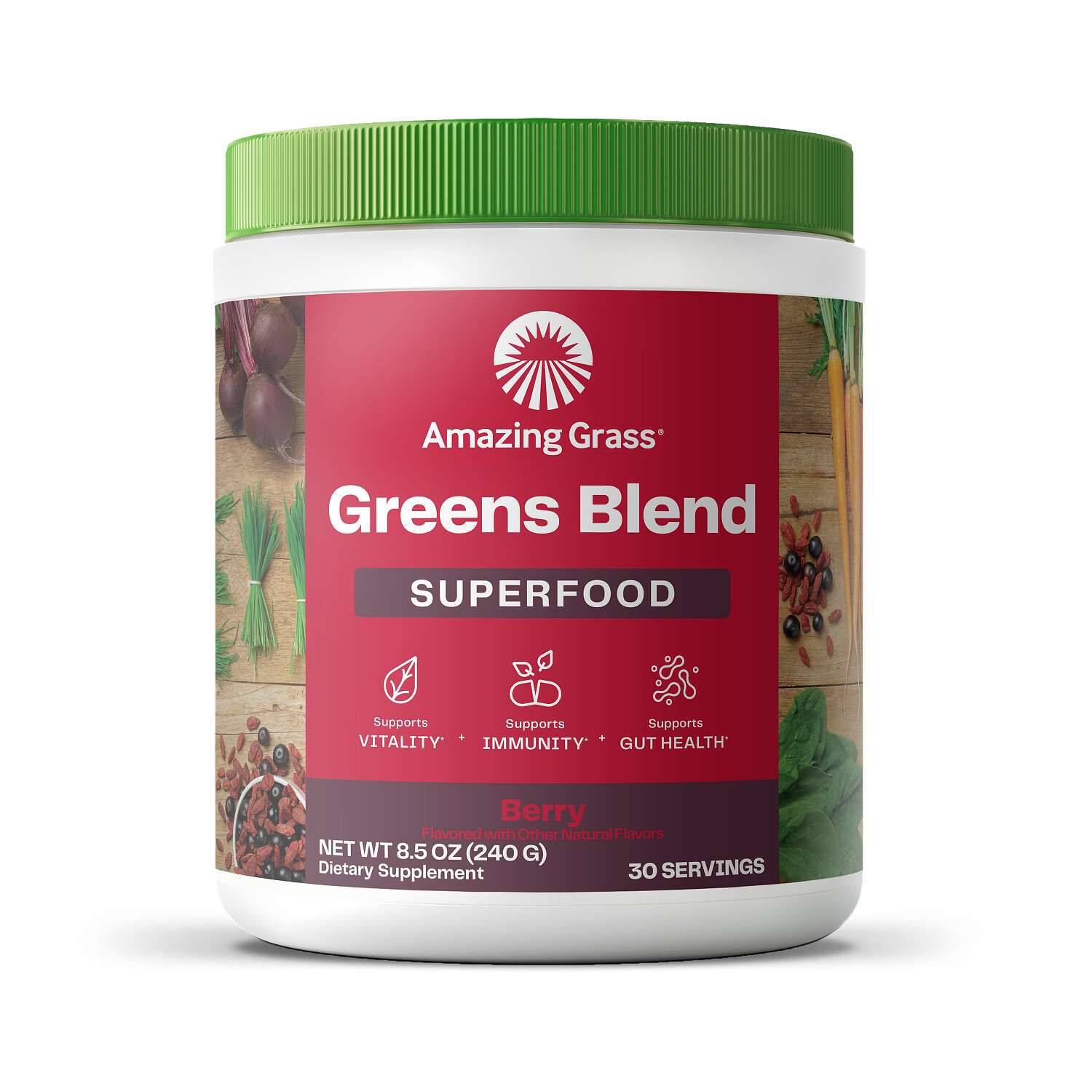

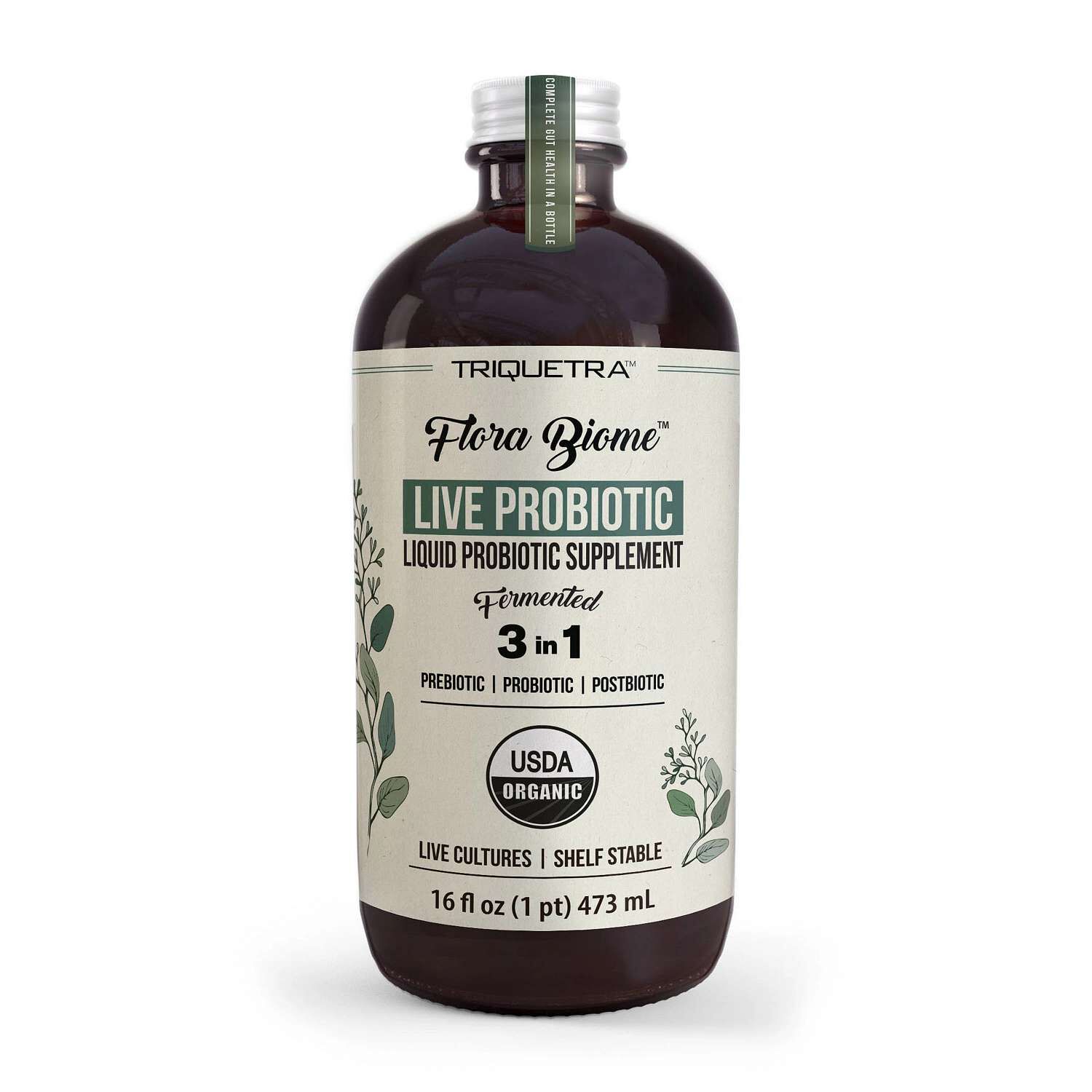
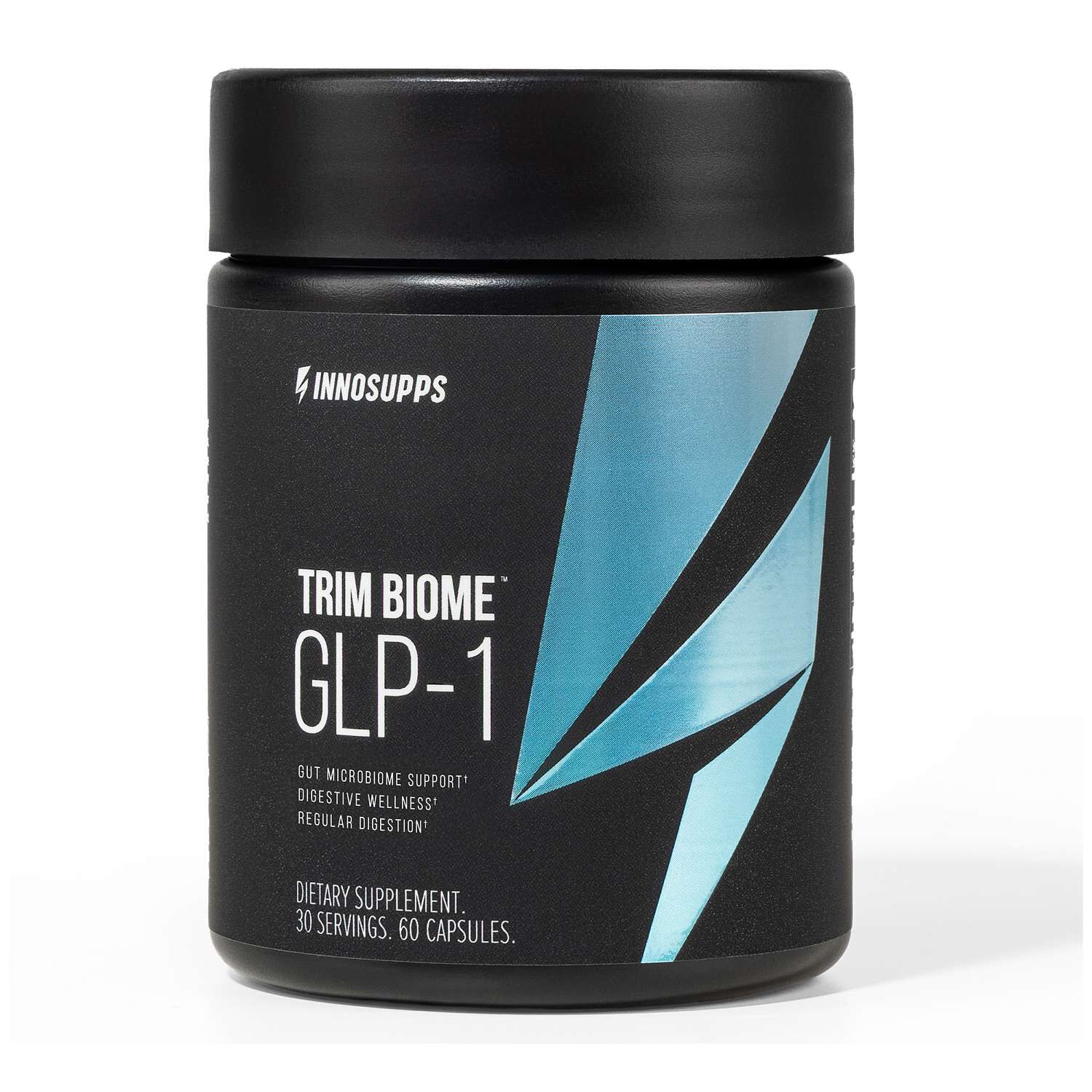
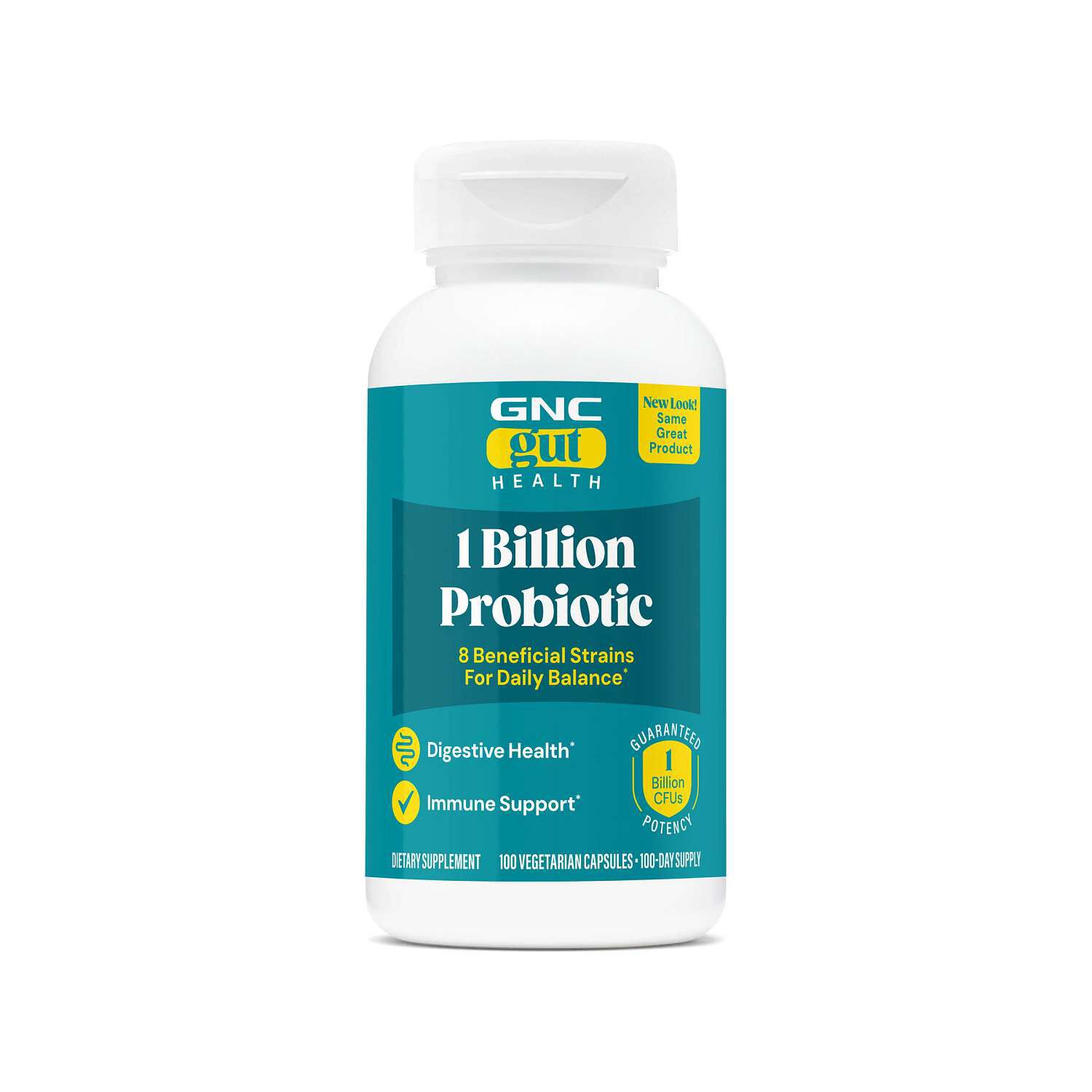
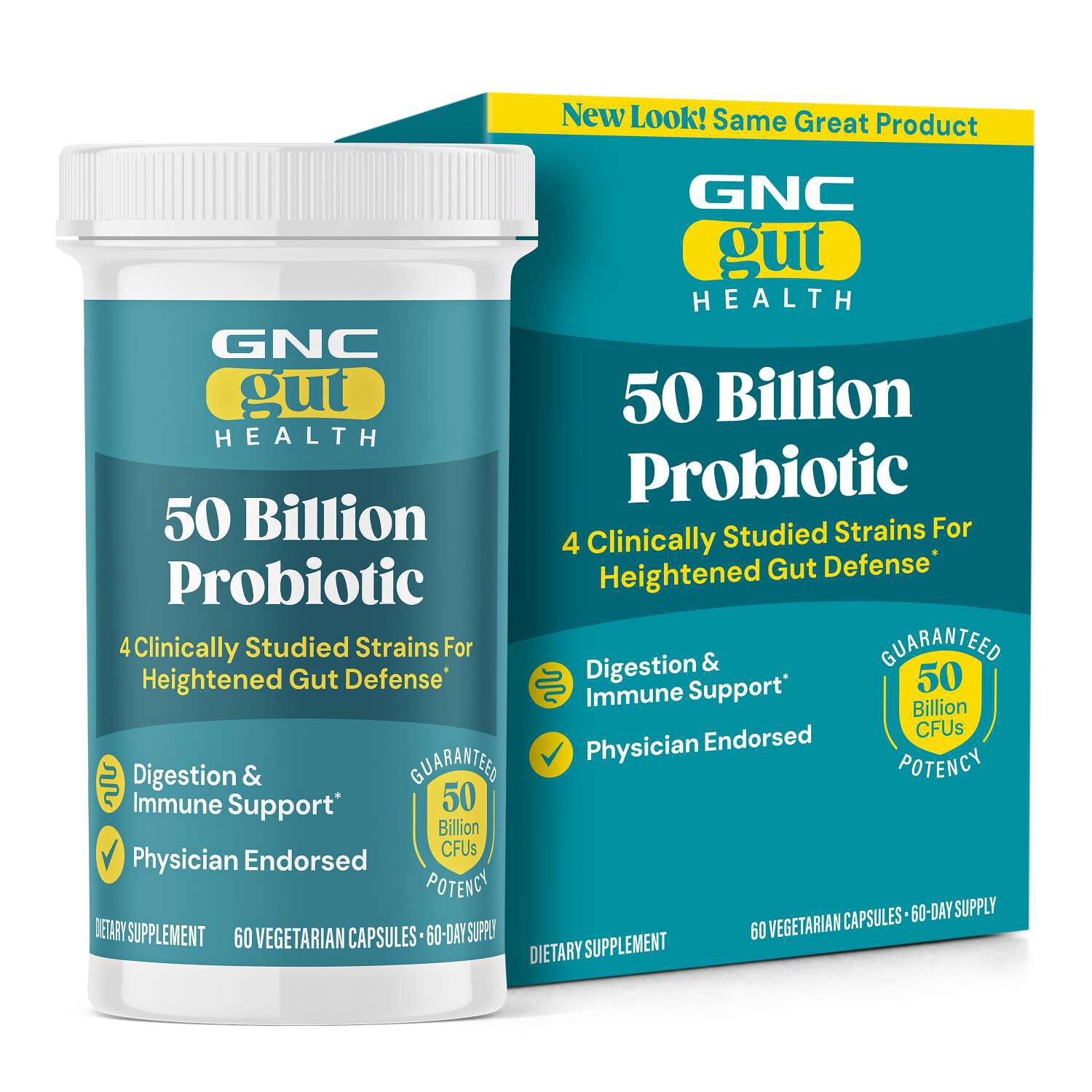

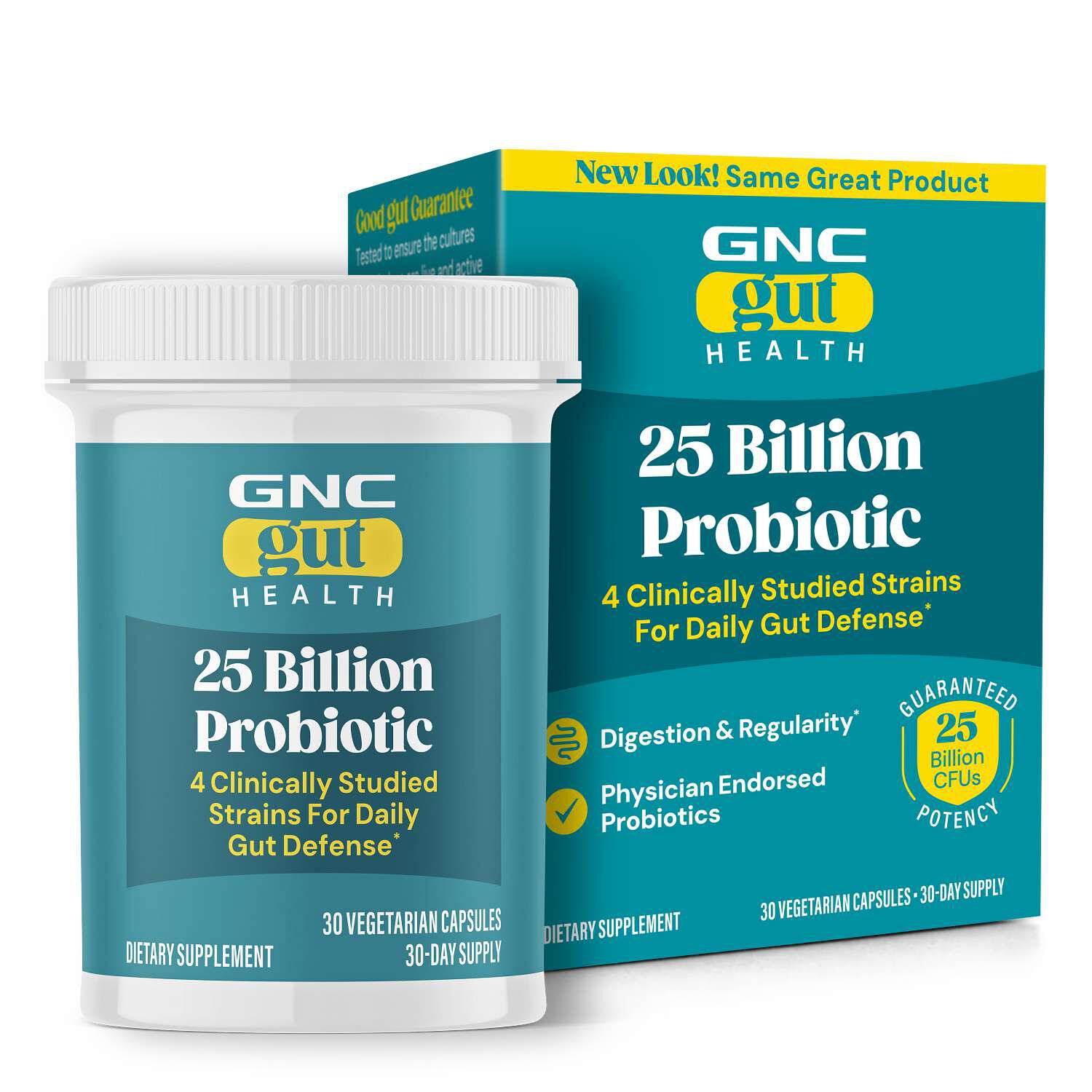
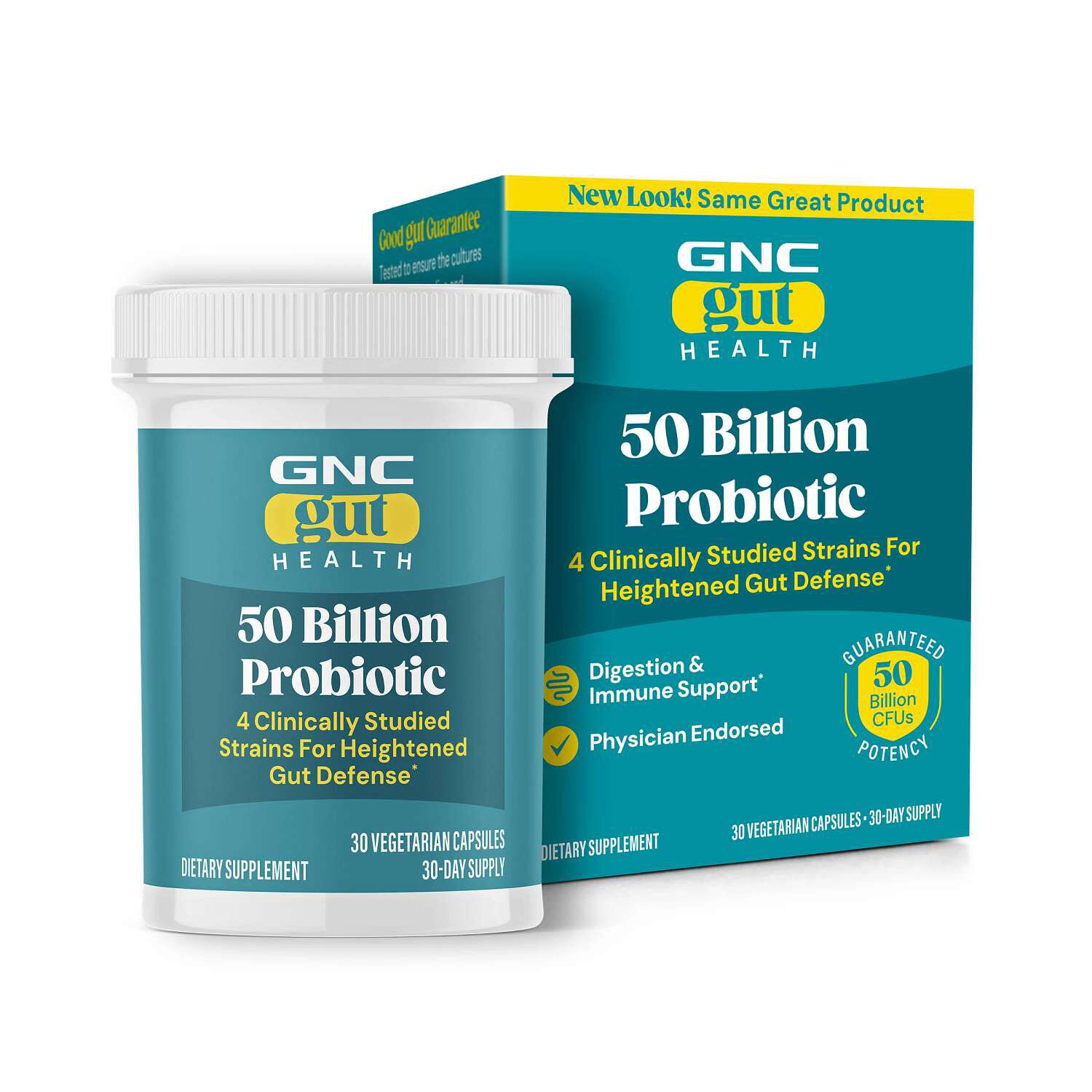
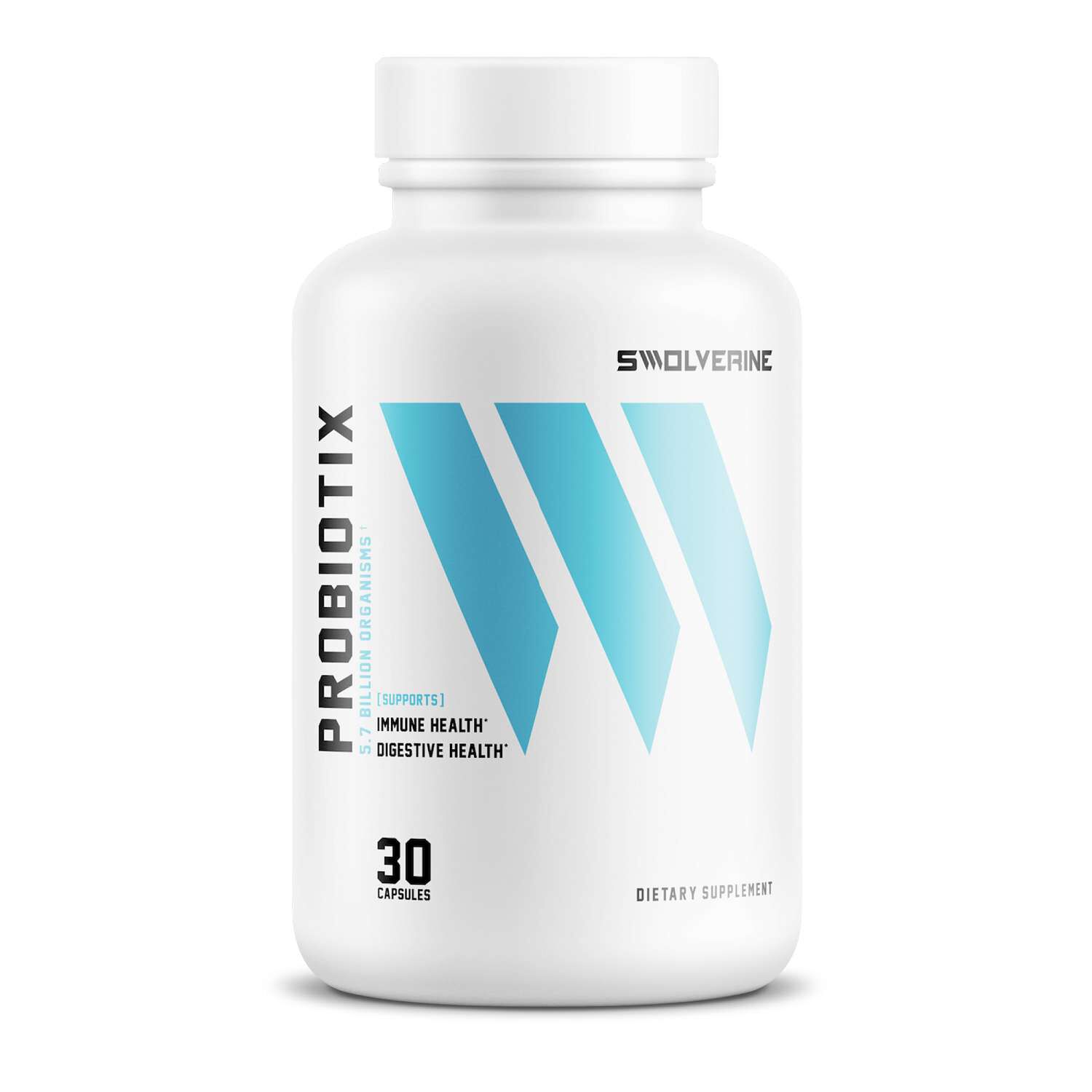
Gut biome health support supplements include several distinct categories for everyday digestive wellness, from probiotics and prebiotics to fiber and combination formulas. The gut microbiome is the community of microorganisms that lives in the digestive tract, and its makeup differs from person to person. That variety provides useful context for understanding why these supplements contain different ingredients rather than one standard blend. Probiotic supplements contain live microorganisms, with labels often listing names such as Lactobacillus or Bifidobacterium, followed by a species and sometimes a strain designation. These names distinguish individual cultures, while quantities are commonly expressed as colony-forming units, or CFUs. A prominent CFU count describes culture quantity, but strain identity, serving size, and storage requirements are also meaningful parts of the label. Prebiotics take a different approach. Ingredients such as inulin and fructooligosaccharides may provide nourishment for certain microorganisms already present in the gut. Some formulas combine probiotics with prebiotic ingredients, bringing both categories into the same serving. Fiber supplements are another option and may support normal digestive regularity as part of a varied diet. Common fiber sources include psyllium husk, inulin, and partially hydrolyzed guar gum, each with its own texture and mixing characteristics. Not every fiber has the same properties, and not every prebiotic formula contains the same amount of dietary fiber. Digestive enzymes are a separate category sometimes included in digestive wellness blends; they may assist with the normal breakdown of carbohydrates, fats, or proteins rather than supplying live cultures. These distinctions matter when browsing gut support supplements because similar package descriptions can represent quite different formulas. A probiotic capsule, a fiber powder, and a blend containing several ingredient types are not interchangeable simply because each belongs within digestive wellness. The Supplement Facts panel and ingredient list provide a clearer picture of what each serving contains, including the named cultures, fiber amount, enzyme types, and other components. Together, those details make the category easier to understand beyond broad descriptions on the front of the package.
Format is another practical difference among gut biome supplements, especially when a supplement becomes part of an established daily routine. Capsules and tablets have defined serving quantities without the preparation involved in mixing a powder. Capsule shells may contain gelatin or plant-derived materials, an important distinction for people with particular dietary preferences. Powders offer a different experience, with flavor, mouthfeel, serving volume, and preparation instructions all contributing to their fit. An unflavored fiber powder can still have a noticeable texture, while a flavored blend may include sweeteners or other ingredients worth reviewing. Some fibers thicken after mixing, so the liquid amount and preparation directions on the package are relevant to the finished consistency. Gummies and chewables bring their own considerations, including taste, texture, serving count, sugar content, and the ingredients used to create their shape. A serving may consist of more than one capsule or gummy, making the serving size more informative than the number of pieces in the container alone. For shoppers comparing formulas, the dietary fiber amount, named probiotic strains, and other active ingredients per serving provide a consistent point of reference across formats. Other ingredients also deserve attention, whether the priority is a vegetarian capsule shell, a particular flavor profile, or avoiding a personally unsuitable ingredient. Storage and packaging are part of product care as well. Probiotic labels may specify refrigeration or storage at room temperature, and those directions vary by formula. Some packages state culture quantities at manufacture, while others state quantities through the labeled expiration date. These are different descriptions, so the wording matters. Original packaging, closure instructions, and any included moisture-control packet are additional details to consider when storing a supplement according to its label. A bottle kept near a steamy sink, for example, occupies a different environment from a dry cabinet. For travel or a long commute, package size and labeled storage conditions are especially relevant; a compact container is only one part of a practical fit.
Everyday use is often less about finding the most elaborate formula and more about finding an appropriate place for a supplement within familiar habits. Someone who eats breakfast at home may prefer a format that belongs beside a glass and the morning meal, while a person heading directly from work to an evening workout may place more importance on portability and preparation. A powder that requires measuring and mixing creates a different routine from a capsule, even when both sit within the same broad wellness category. People balancing exercise, commuting, and meals away from home can also explore Gut Health Supplements For Active Lifestyles for a related selection centered on active routines. Activity alone does not determine which ingredient combination is a suitable match; dietary preferences, label directions, and the intended user remain relevant. Formulas labeled for adults, for example, have different intended-use information from those labeled for other age groups. Existing supplements are another part of the picture, since a multivitamin, nutrition powder, or other daily formula may already contain fiber, cultures, or overlapping ingredients. Gut biome health support supplements belong alongside a broader eating pattern rather than taking the place of meals. Foods such as oats, beans, lentils, fruits, and vegetables contribute dietary fiber, while fermented foods have their own ingredients and preparation methods. A supplement may offer an additional source of a particular ingredient, but its label describes that serving, not the variety of an entire diet. Preferences also extend beyond ingredient categories: an understated flavor, a smaller capsule, or a simple preparation method may make one format a more practical choice than another. Clear labeling makes these everyday differences visible. With attention to ingredient identity, serving size, dietary preferences, preparation, and storage, the range of probiotics, prebiotics, and fiber supplements becomes a collection of distinct options for routine digestive wellness rather than a row of similar-looking packages.
Best Sellers
-
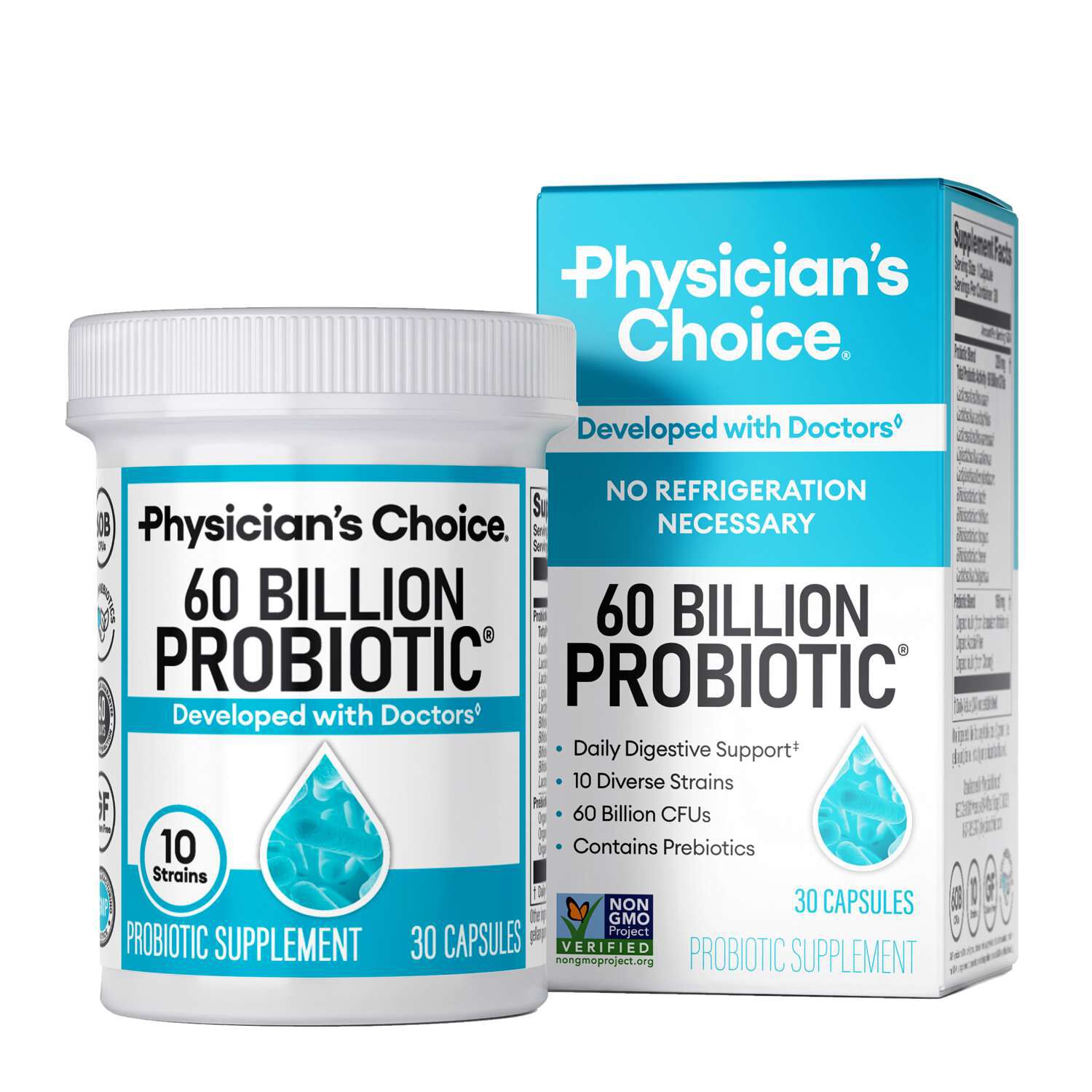 Physician's Choice

Related Pages


Top Collections
- Joint Mobility Supplement Packs
- Daily Collagen Supplements | Top Brands & Deals | GNC
- GLP 1 Support For Adults
- Zinc Supplements | Top Brands at Great Prices | GNC
- Supplements For Yoga Joint Flexibility
- Supplements For Balance
- Capsule Supplements For Energy And Stamina
- Adult Mobility Supplements
- Chronic Fatigue Supplements
- Vitamins For Hair Loss