





Healthy Alternatives To Cookies
(0 Results)
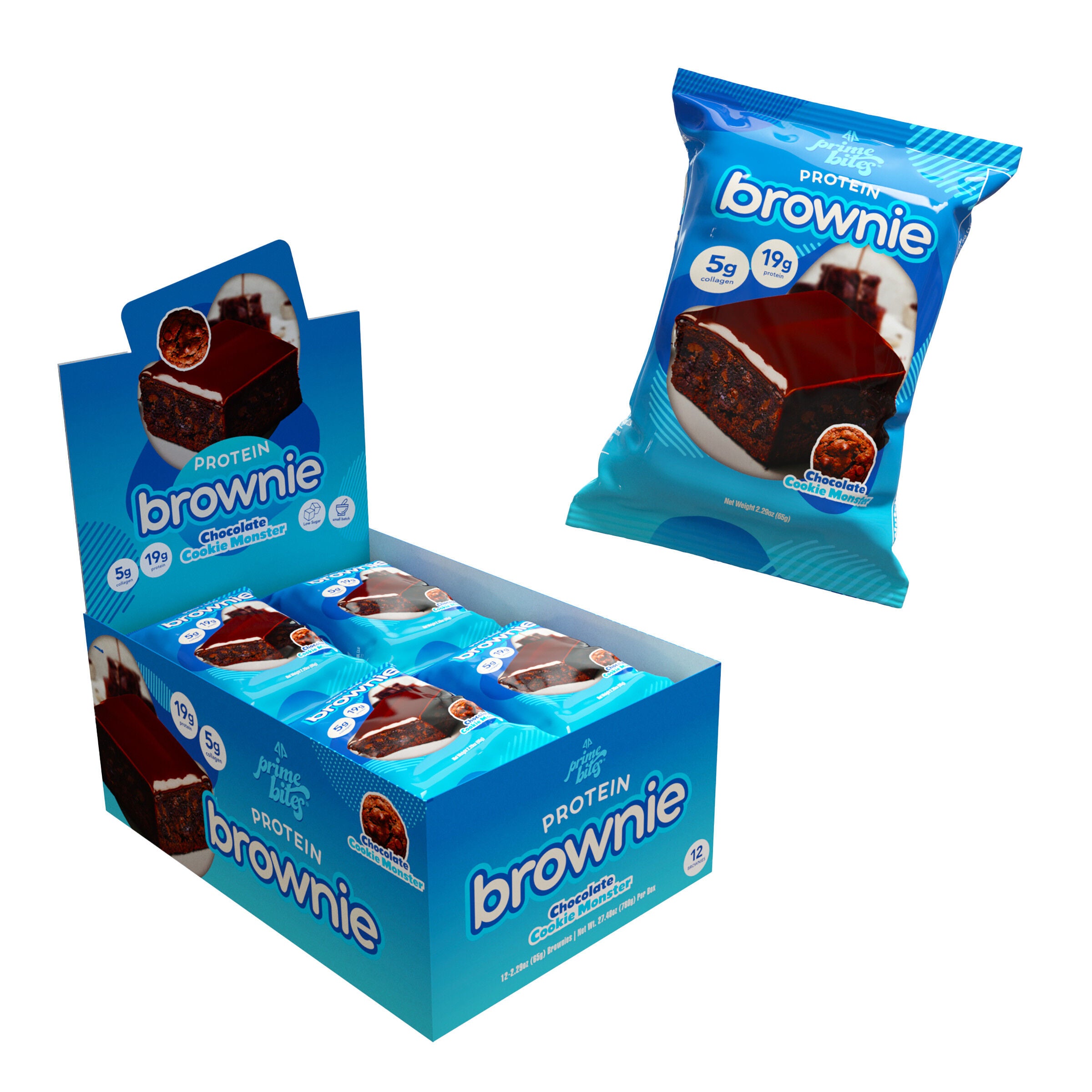
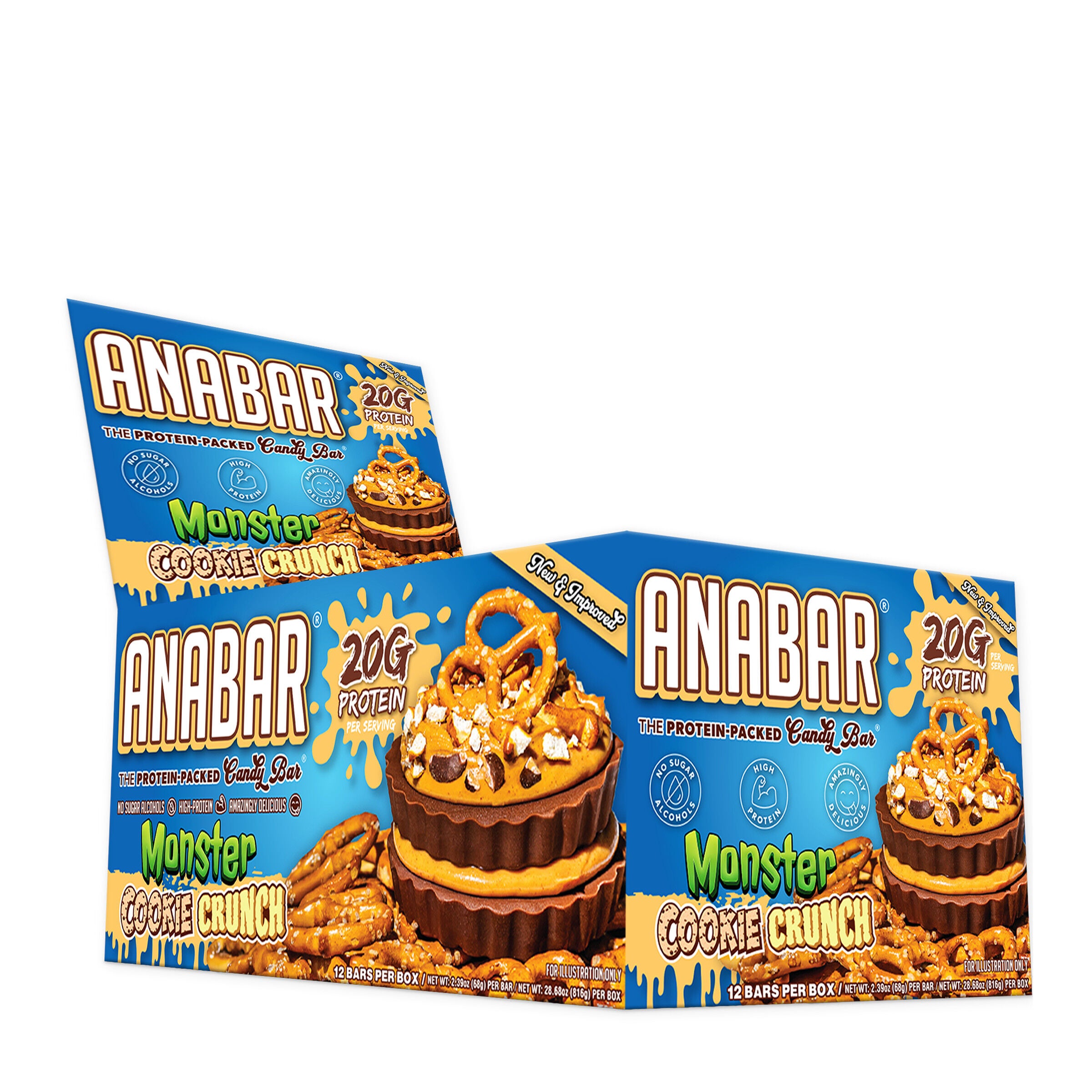
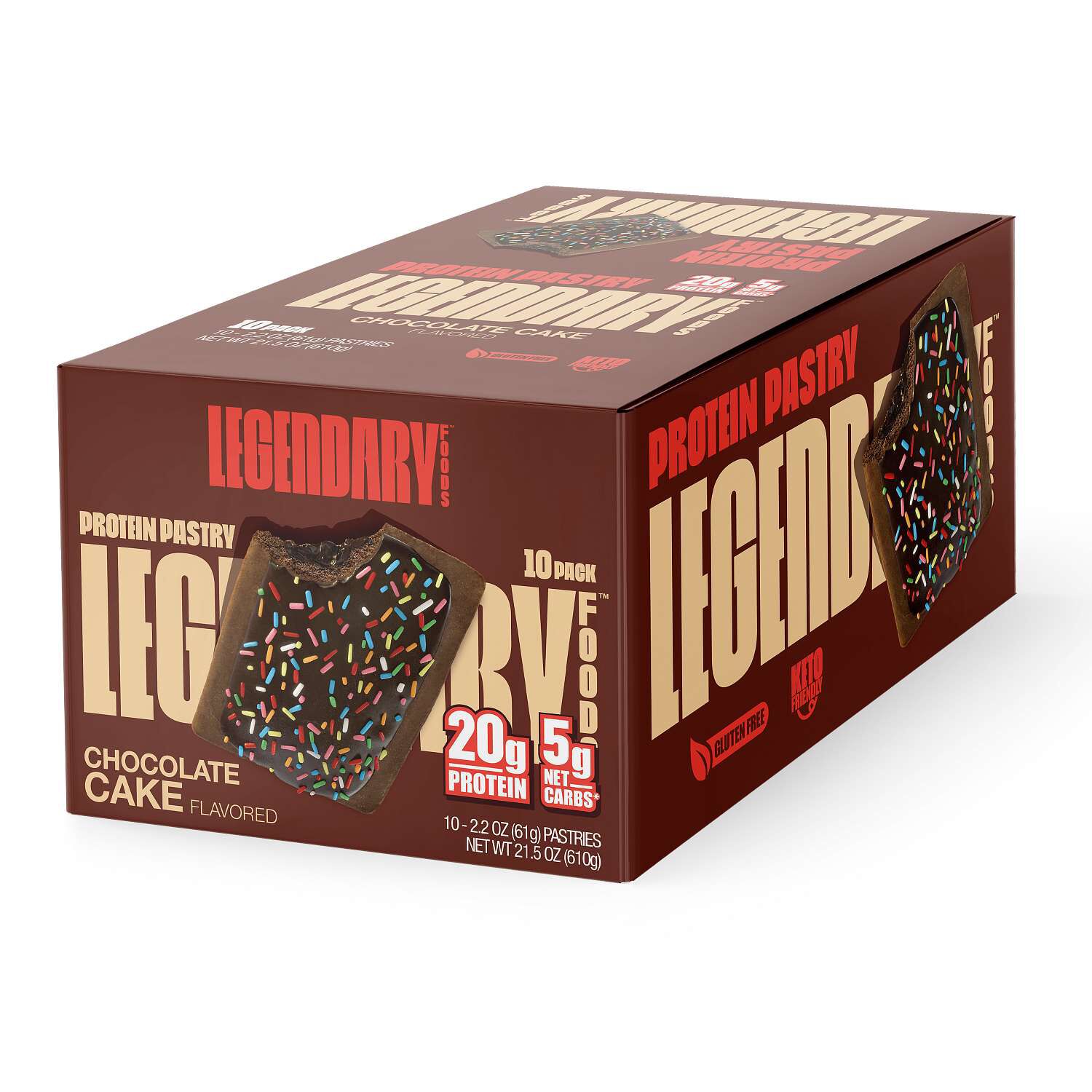
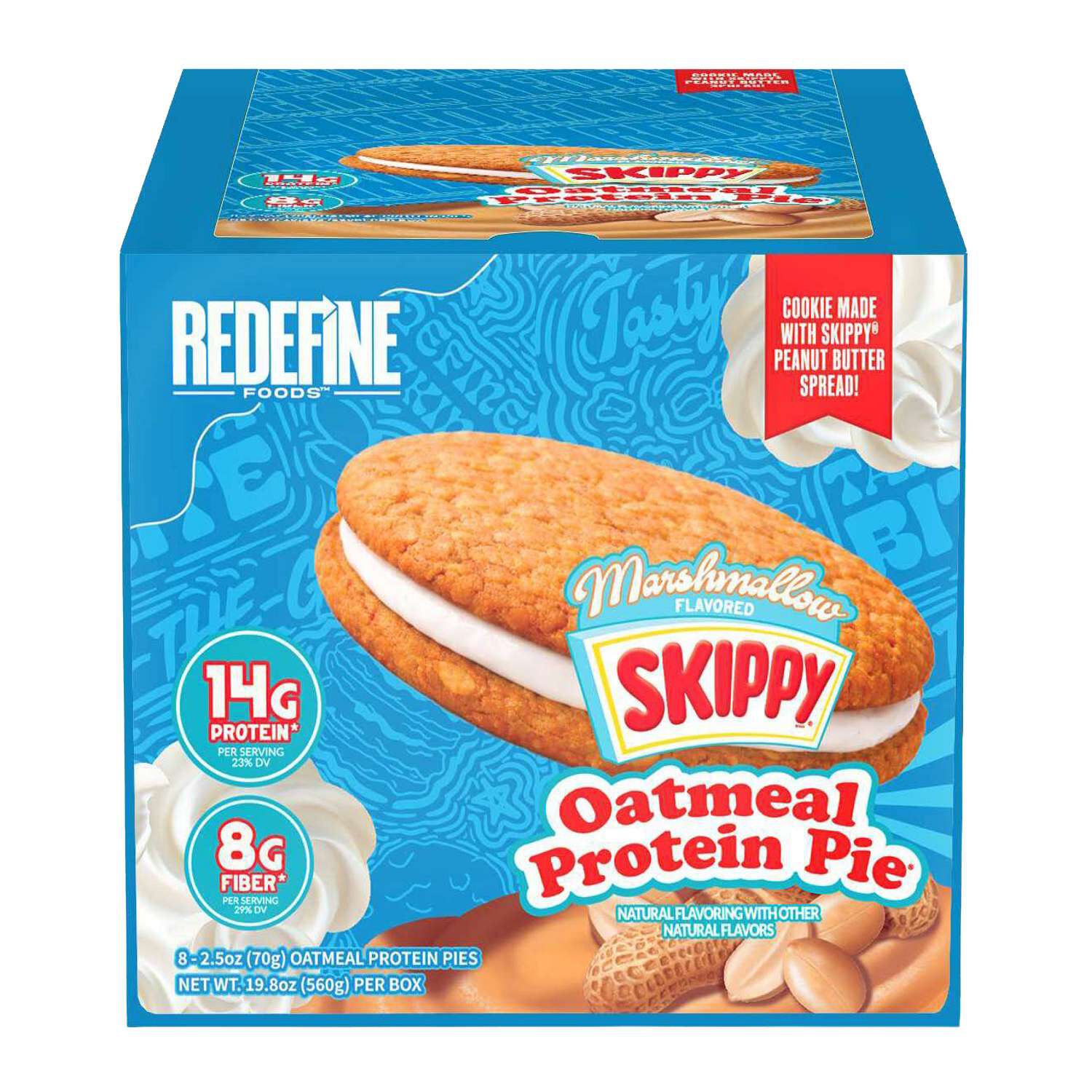
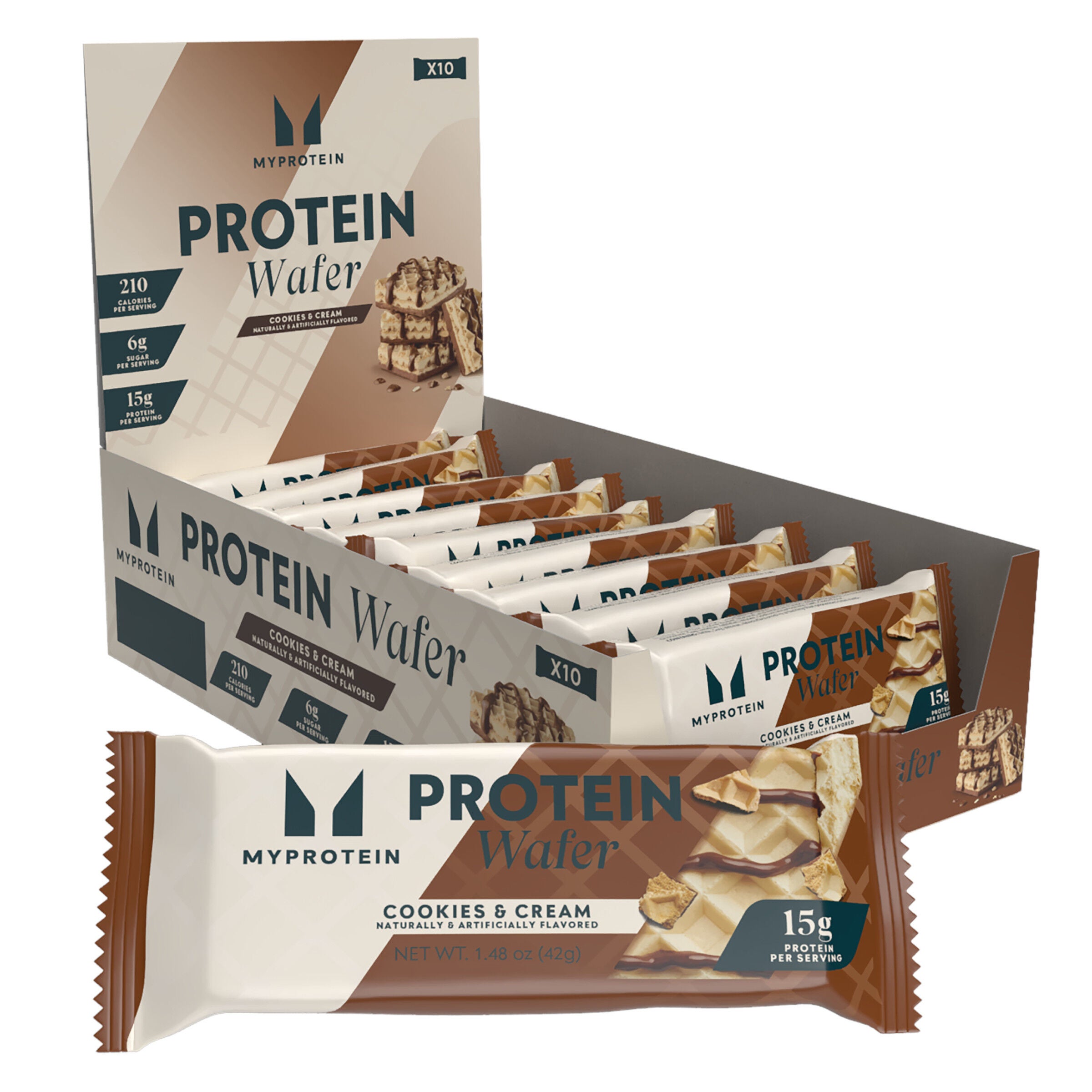
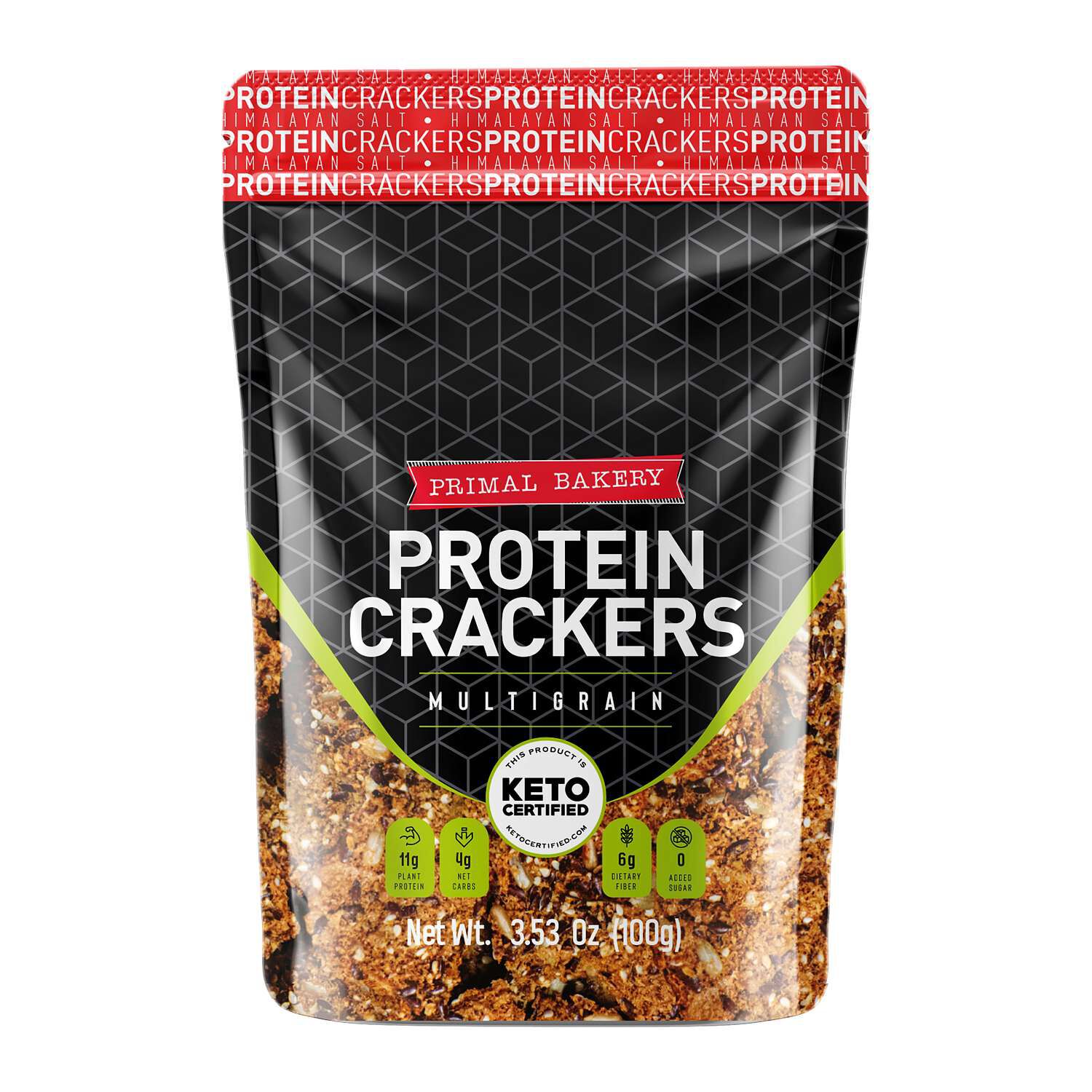
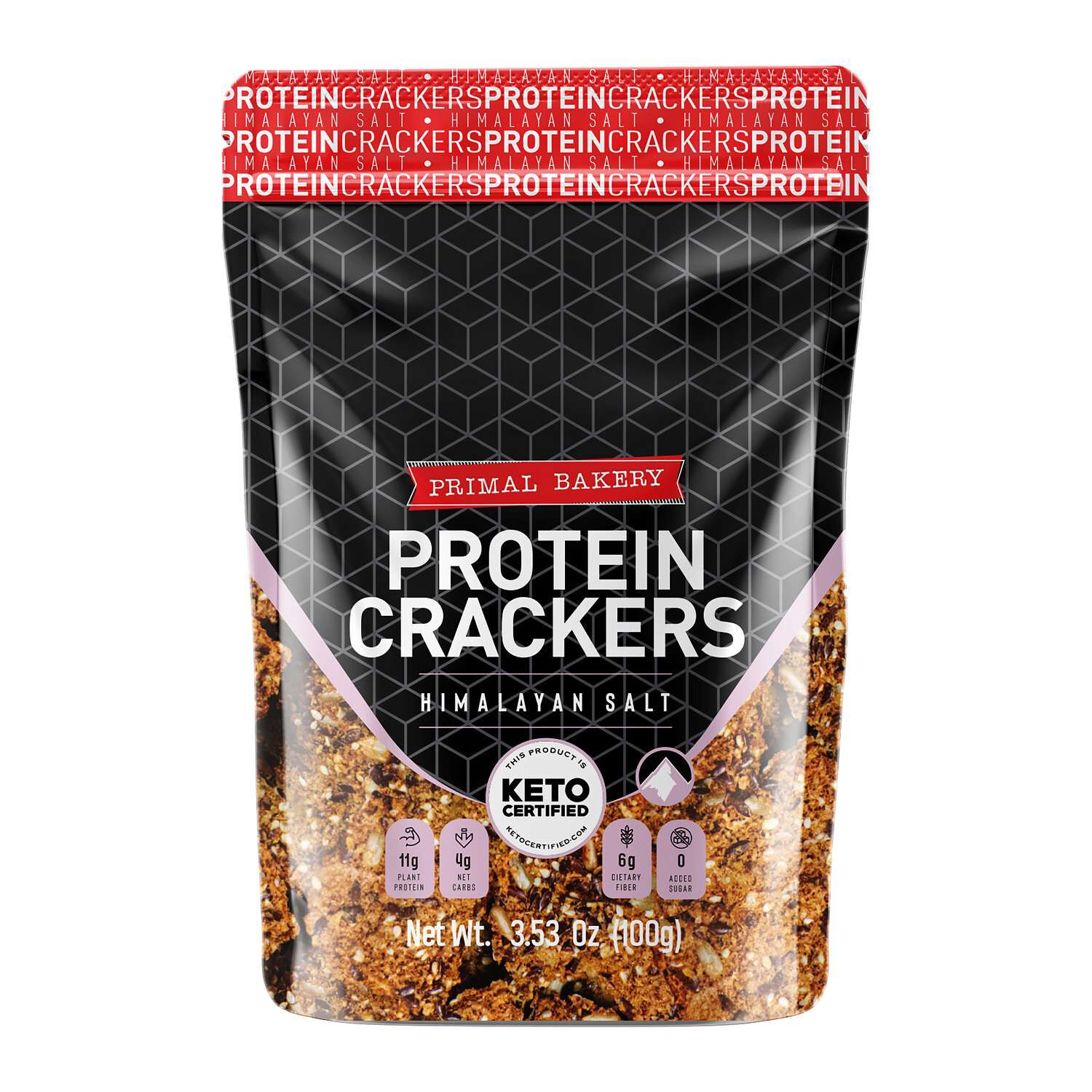
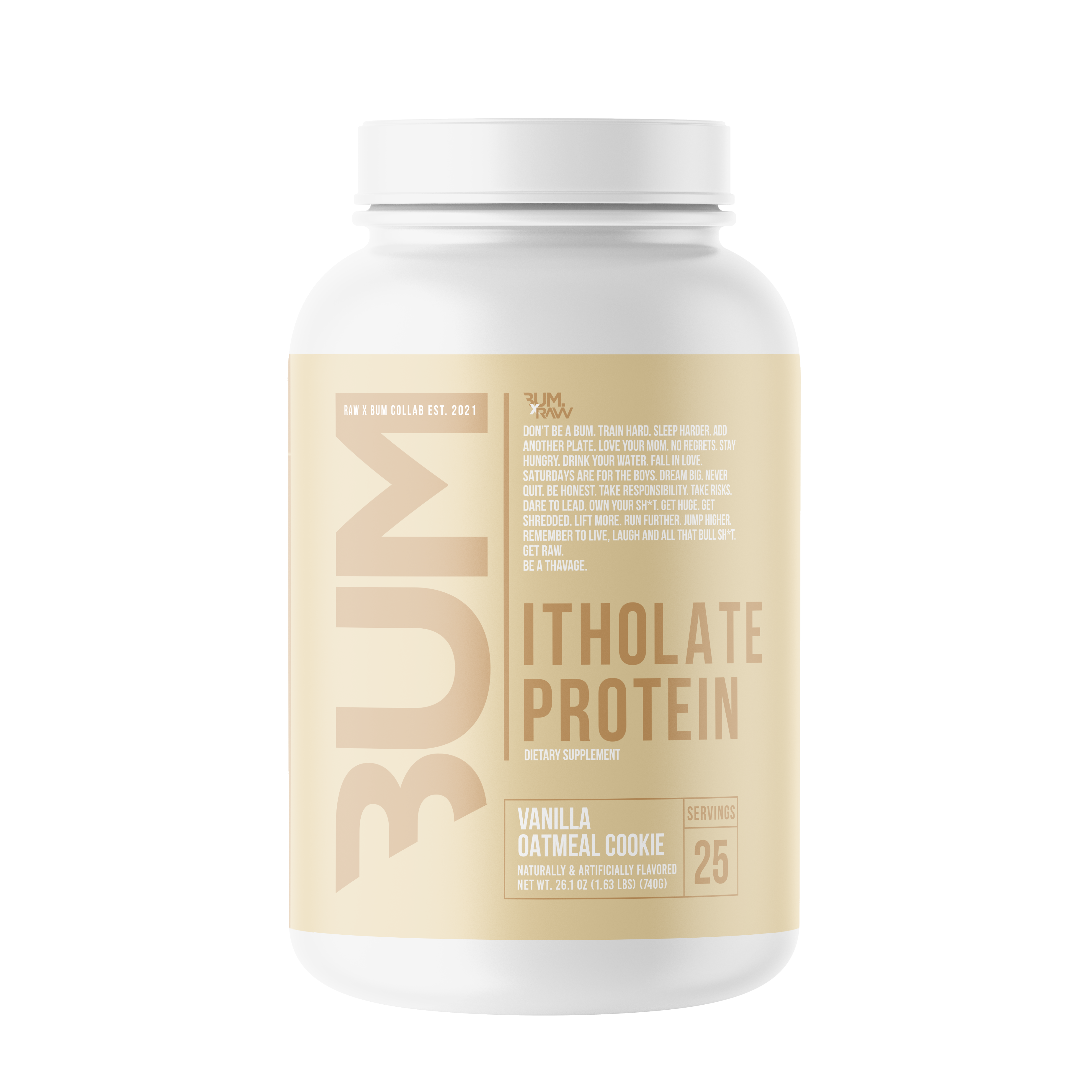
Browse healthy alternatives to cookies for your next sweet snack. Compare ingredients, serving sizes, and nutrition information, including protein, fiber, and added sugar, to find an option that fits your taste and dietary preferences.
-

-
-

-
-

-
-

-
-

-

-
-
-
-
-
-
-
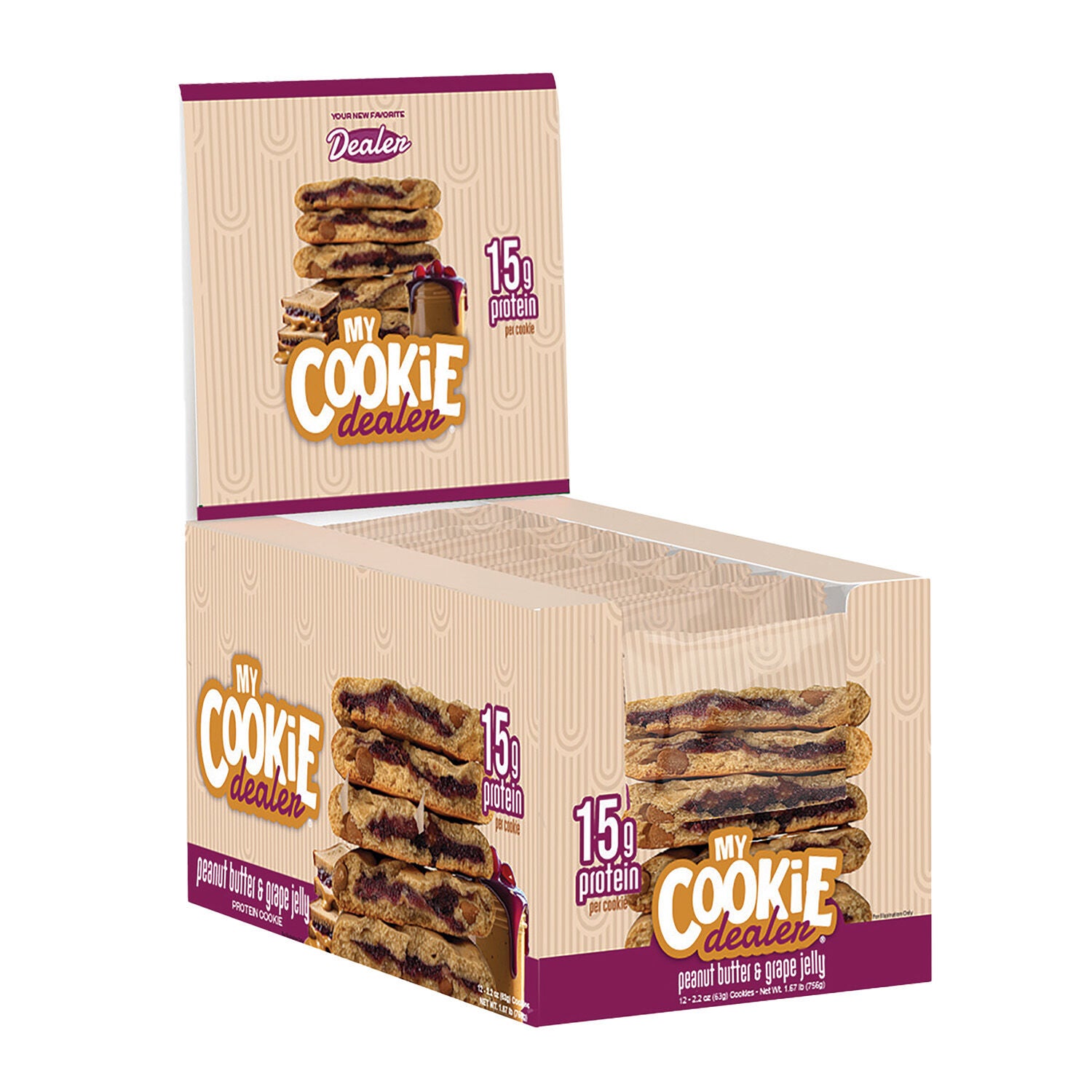 My Cookie Dealer Protein17$39.99
-
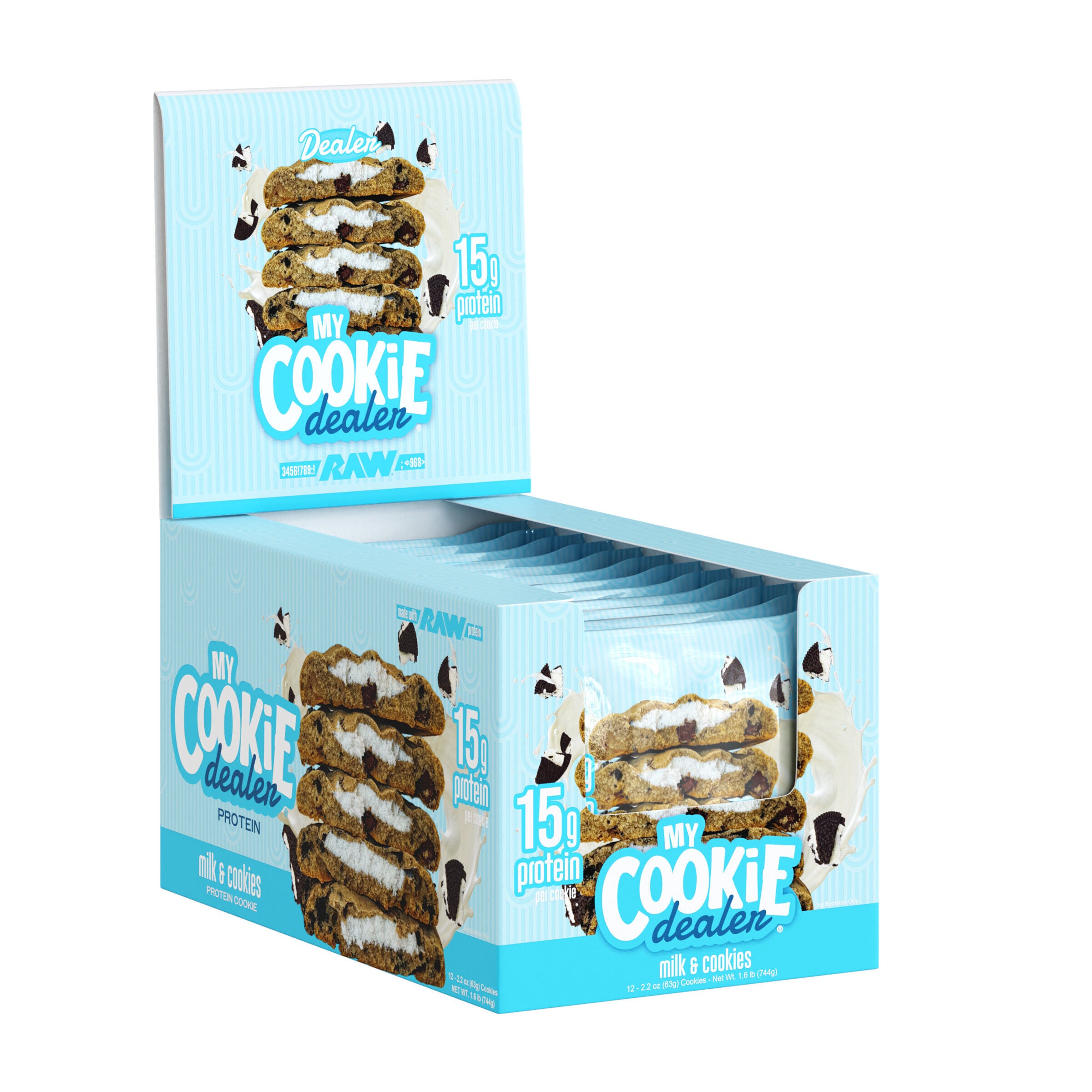
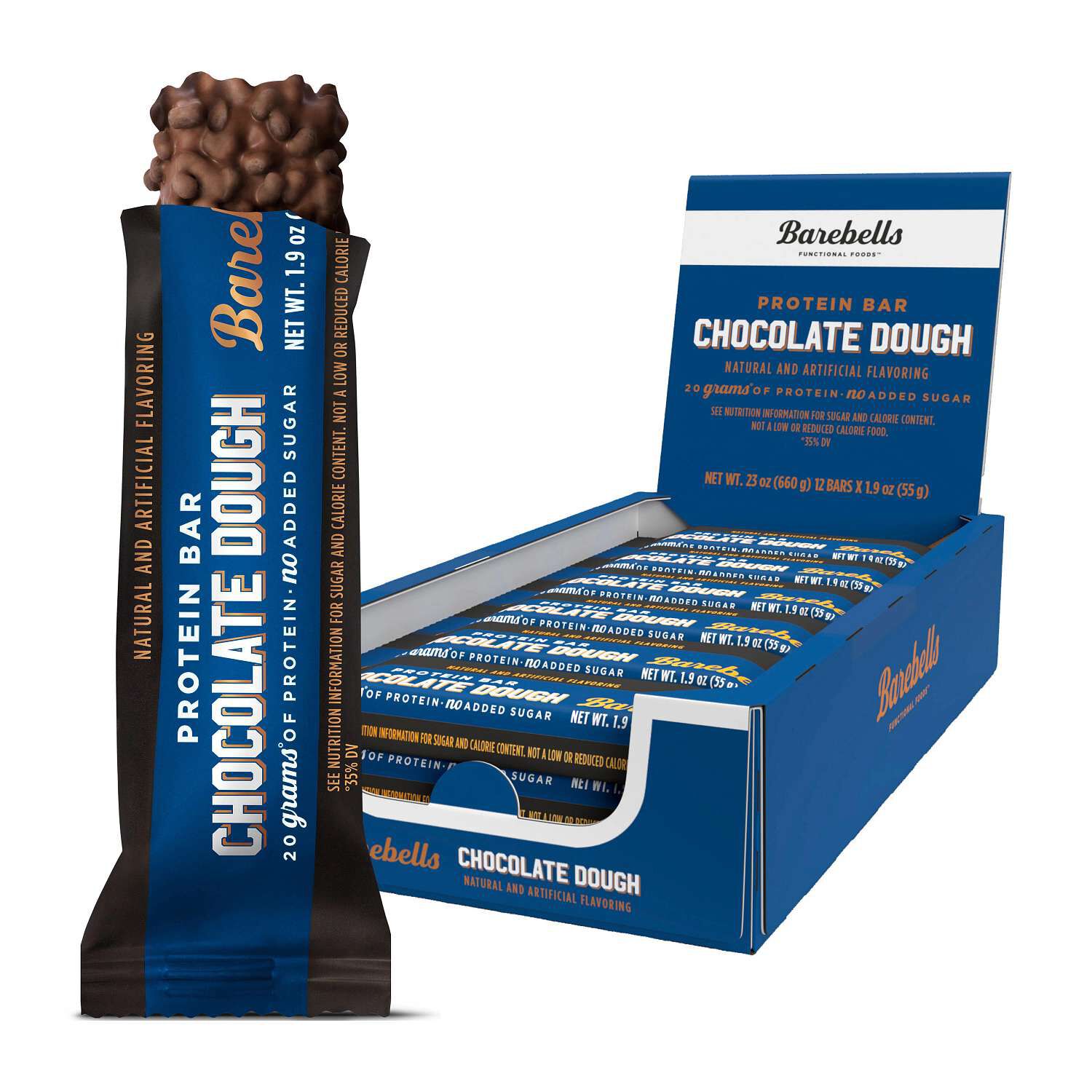
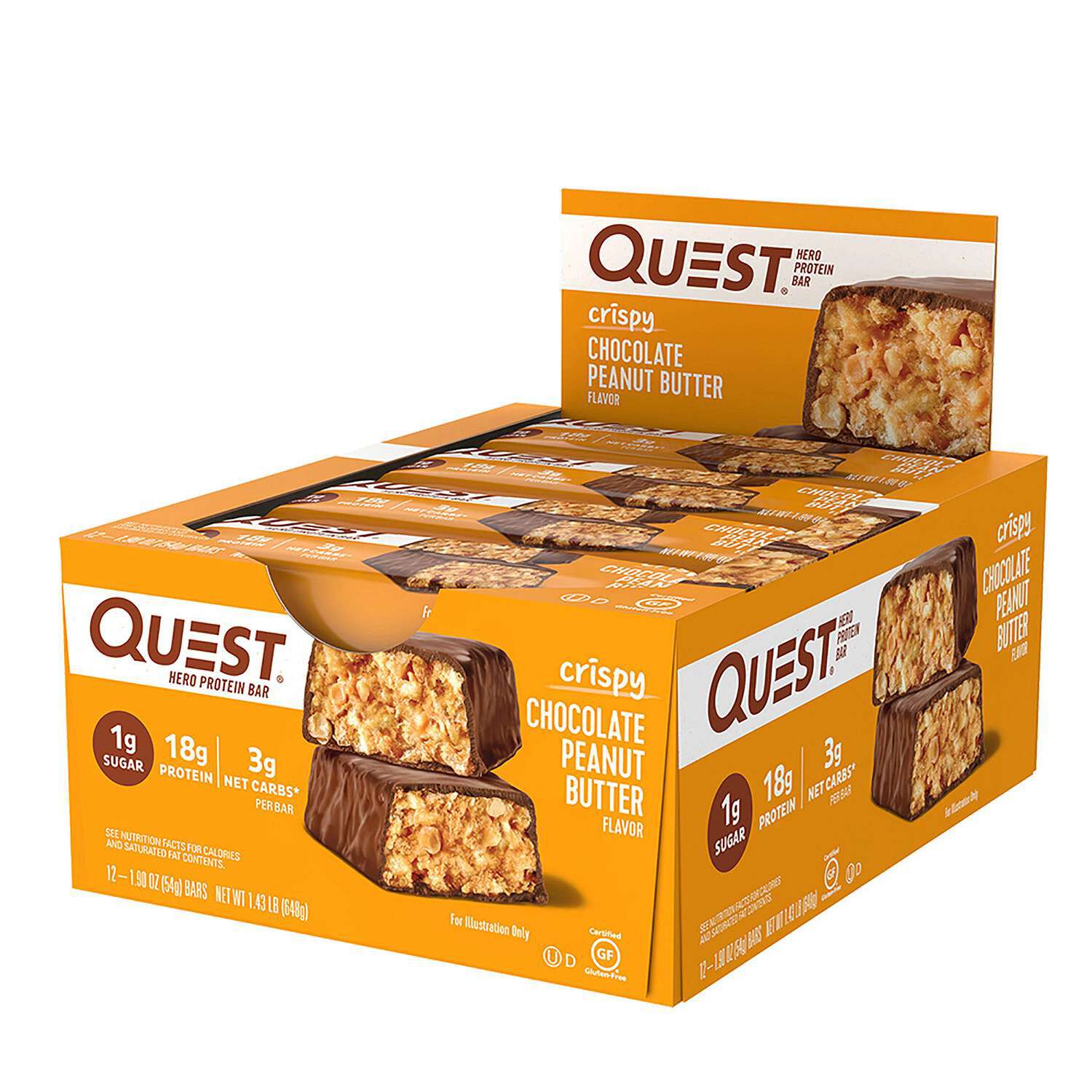
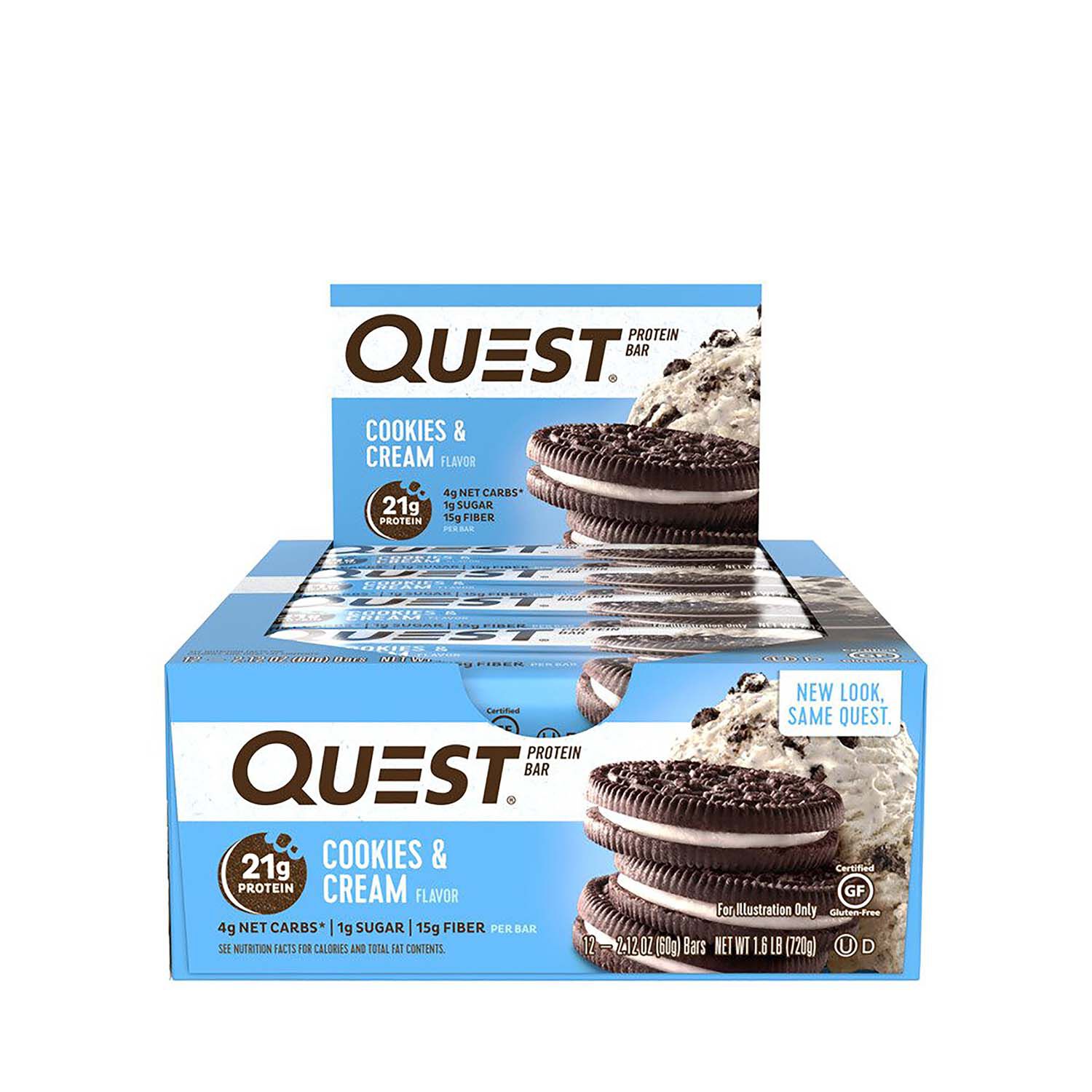
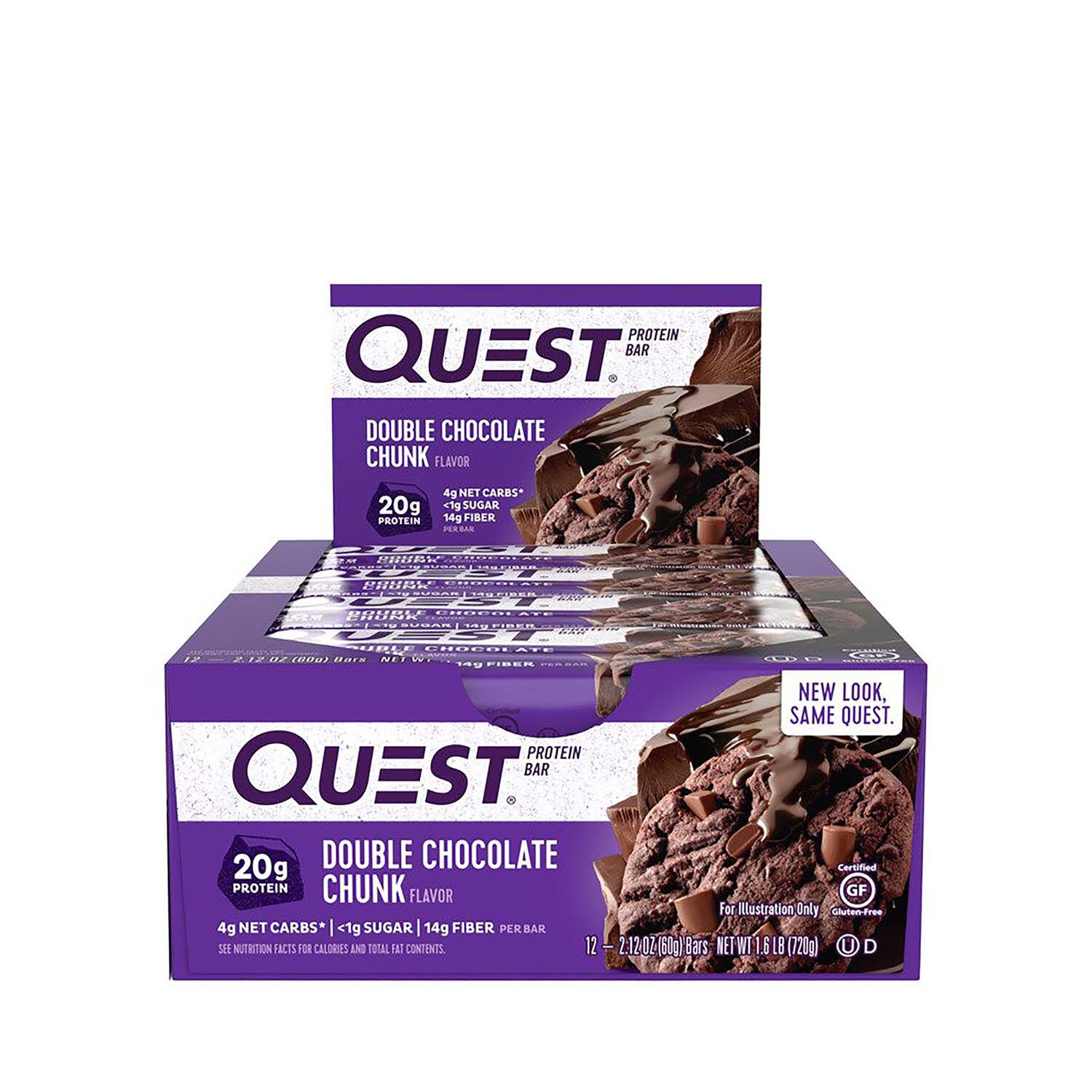
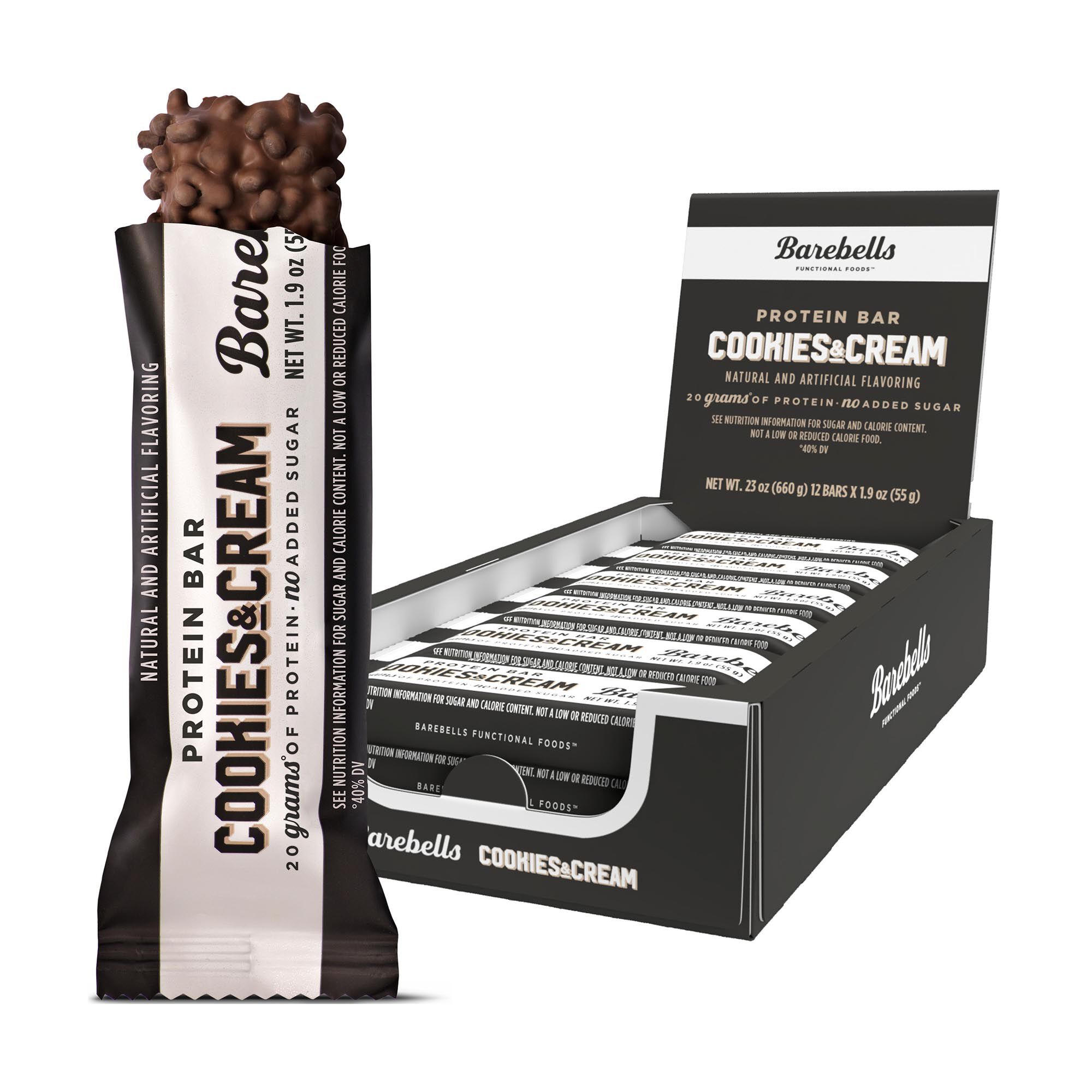
Healthy alternatives to cookies include protein bars, nut-and-seed snacks, fruit-based bites, and packaged snacks made with oats or other whole grains. These categories offer different combinations of sweetness, texture, and nutrients, so the most suitable choice depends on what someone enjoys about cookies and what matters in their everyday eating routine. For a person drawn to crisp edges and toasted flavors, a crunchy oat or nut-based snack may be a good match. Someone who prefers a soft, chewy center might gravitate toward a fruit-based bar or a protein snack with a tender texture. Cocoa, cinnamon, vanilla, and roasted nuts are familiar flavors across these categories, with options ranging from lightly sweet to dessert-inspired. The word “healthy” does not describe one fixed ingredient list or nutrient profile: serving size, protein, fiber, added sugar, and dietary preferences all provide useful context. A snack containing fruit or whole grains is not automatically lower in sugar than a cookie, and a protein-focused option is not necessarily smaller or lighter. What distinguishes alternatives is often the combination of ingredients and the role they play in a particular routine. A small bite after lunch, a packaged snack tucked beside a laptop, and something packed for a long commute each call for different portions and formats. Nuts, seeds, oats, and dried fruit bring distinct flavors and textures, while protein ingredients vary by recipe. Some snacks feature visible pieces and a coarse, rustic bite; others have a smooth filling, a thin coating, or a dense, chewy consistency. For shoppers who enjoy the ritual of something sweet with coffee or tea, those sensory details may matter just as much as the numbers on the package. Healthy alternatives to cookies need not imitate a cookie exactly. A different shape, a toasted aroma, or a little contrast between crisp and chewy may be part of their appeal. Familiar flavors alongside a different ingredient mix create room for variety without making every snack occasion feel like a separate project.
Nutrition labels give these snack categories useful definition beyond front-of-package descriptions. Serving size is especially relevant when comparing a small pouch of bites with a larger bar or a bag intended for several occasions. Calories, protein, dietary fiber, and added sugars are most meaningful when read alongside that serving information. The ingredient list adds another layer of detail, showing whether a snack centers on oats, nuts, seeds, fruit, dairy-derived protein, or plant-based protein ingredients. Sweetness may come from dried fruit, syrups, sugar, alternative sweeteners, or a combination, and similar-looking snacks sometimes have very different recipes. Chocolate coatings, nut butter fillings, and crisp grain pieces also change both the ingredient mix and the eating experience. For shoppers with dietary preferences or ingredient restrictions, package statements about allergens and preparation are relevant considerations rather than details to infer from a snack’s appearance. A plant-based recipe, for example, does not by itself describe its sugar content, portion size, or texture. Likewise, a snack marketed around protein still deserves the same attention to its other ingredients. Packaging is another practical distinction. Individually wrapped portions may suit a work bag or shared snack drawer, while a resealable pouch might make sense for someone who prefers a smaller portion at a time. A firm, compact bar may be easier to carry than a delicate baked snack with a crumbly surface. Coated pieces and soft fillings often have their own storage directions, so the package is the best reference for handling after purchase. For products meant to be eaten over several days, closure style, serving information, and instructions after opening all matter. None of these features makes one category universally better; they simply describe different ways a snack could fit into daily life. The most useful comparison is between foods intended for the same occasion, with taste, portion, ingredients, and convenience considered together rather than letting a single number decide the choice. That broader view leaves room for both familiar favorites and a different kind of sweet snack.
Everyday settings often make the distinctions between cookie alternatives more tangible. At a desk, a tidy, individually wrapped snack may be preferable to something that leaves crumbs across a keyboard. In a tote beside a notebook and lunch container, a sturdy wrapper and compact shape might be more practical than a delicate pastry-style format. At home, a resealable bag of small bites could suit someone who enjoys choosing a portion rather than opening a full-size bar. Texture also changes the character of a snack break: roasted pieces add crunch, dried fruit brings chewiness, and smooth nut-based fillings offer a contrast to crisp outer layers. For someone building a broader snack routine, fruit, yogurt, or another familiar food may accompany a packaged option, with the overall portion reflecting personal preferences and the occasion. Beverage choices belong in that same everyday context. A look at healthy alternatives to soda offers another way to explore options alongside a sweet snack, whether the usual pairing is something fizzy or a drink served with lunch. There is no need for every part of the routine to change at once, and variety does not require a cupboard filled with unfamiliar flavors. A few well-chosen formats may suit different moments: a chewy bar for the bag, crisp bites for the desk, or a nut-and-fruit blend for a shared pantry. Snack assortments may also be a thoughtful addition to a care package or a practical gift for someone who enjoys trying different flavors, provided their ingredient preferences and any restrictions are known. Original packaging preserves access to the ingredient list, serving information, and storage directions, which is particularly useful when snacks are shared. Whether the priority is a familiar chocolate note, a toasted grain texture, or a convenient portion, the appeal of these cookie alternatives lies in the details. Flavor, ingredients, packaging, and intended use together create a more meaningful basis for choosing than any broad description alone.
- Q: What are some healthy alternatives to cookies for a sweet snack?
A: Options include oat bites, fruit with nut butter, Greek yogurt with berries, and protein bars. For cookie-inspired flavors, look for combinations featuring cinnamon, vanilla, cocoa, oats, or peanut butter. - Q: What should I look for on nutrition labels when choosing cookie alternatives?
A: Compare added sugar, fiber, protein, and saturated fat, along with the ingredient list. Similar-looking snacks can have different nutritional profiles, so choose options that match your eating preferences. - Q: What crunchy snacks can I choose instead of cookies?
A: Roasted nuts, lightly sweetened popcorn, toasted oat clusters, and crisp whole-grain crackers offer crunchy options. Pair them with fresh fruit or a drizzle of nut butter for a mix of flavors and textures. - Q: Are there chocolate-flavored alternatives to cookies?
A: Chocolate-flavored protein bars, cocoa oat bites, and plain Greek yogurt mixed with cocoa powder are options. Chocolate-covered nuts and fruit paired with a few pieces of dark chocolate offer other ways to enjoy chocolate beyond cookies. - Q: How can I make no-bake alternatives to cookies at home?
A: Mix rolled oats with nut butter, mashed banana, and cinnamon, then shape into small bites and refrigerate until firm. Customize the mixture with chopped nuts, raisins, cocoa powder, or unsweetened coconut.
Best Sellers


Related Pages

Top Collections
- Joint Mobility Supplement Packs
- Daily Collagen Supplements | Top Brands & Deals | GNC
- GLP 1 Support For Adults
- Zinc Supplements | Top Brands at Great Prices | GNC
- Supplements For Yoga Joint Flexibility
- Supplements For Balance
- Capsule Supplements For Energy And Stamina
- Adult Mobility Supplements
- Chronic Fatigue Supplements
- Vitamins For Hair Loss