





Healthy Alternatives To Soda
(0 Results)
Discover a refreshing array of healthy alternatives to soda that will tantalize your taste buds and nourish your body. Say goodbye to sugary carbonated drinks and explore a variety of flavorful options that provide a satisfying fizz without compromising on nutrition. Whether you're looking for a natural energy boost, a hydration solution, or simply a delicious beverage to enjoy guilt-free, our selection of soda substitutes offers something for everyone. Embrace a healthier lifestyle without sacrificing taste with these enticing alternatives that are sure to quench your thirst and leave you feeling revitalized.


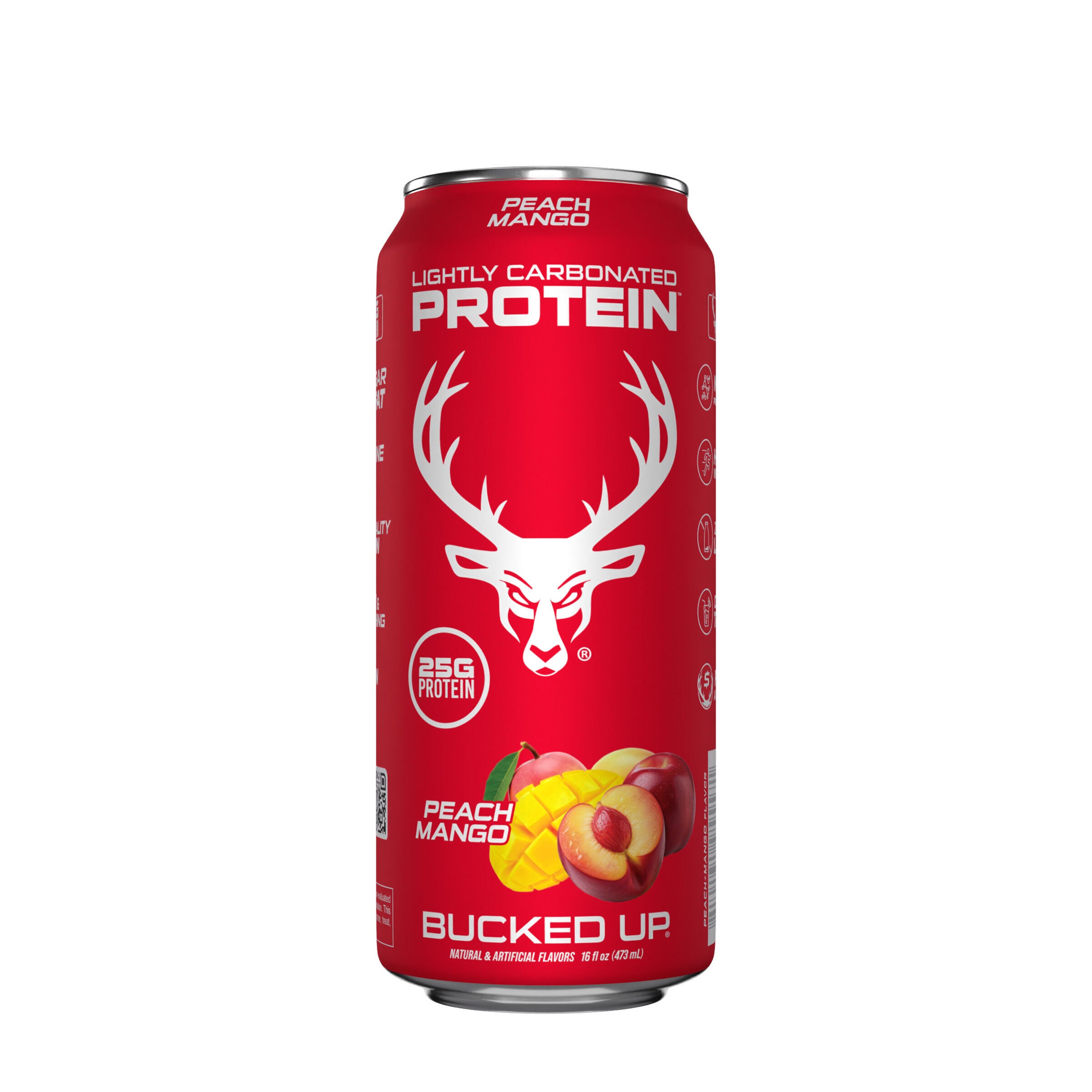
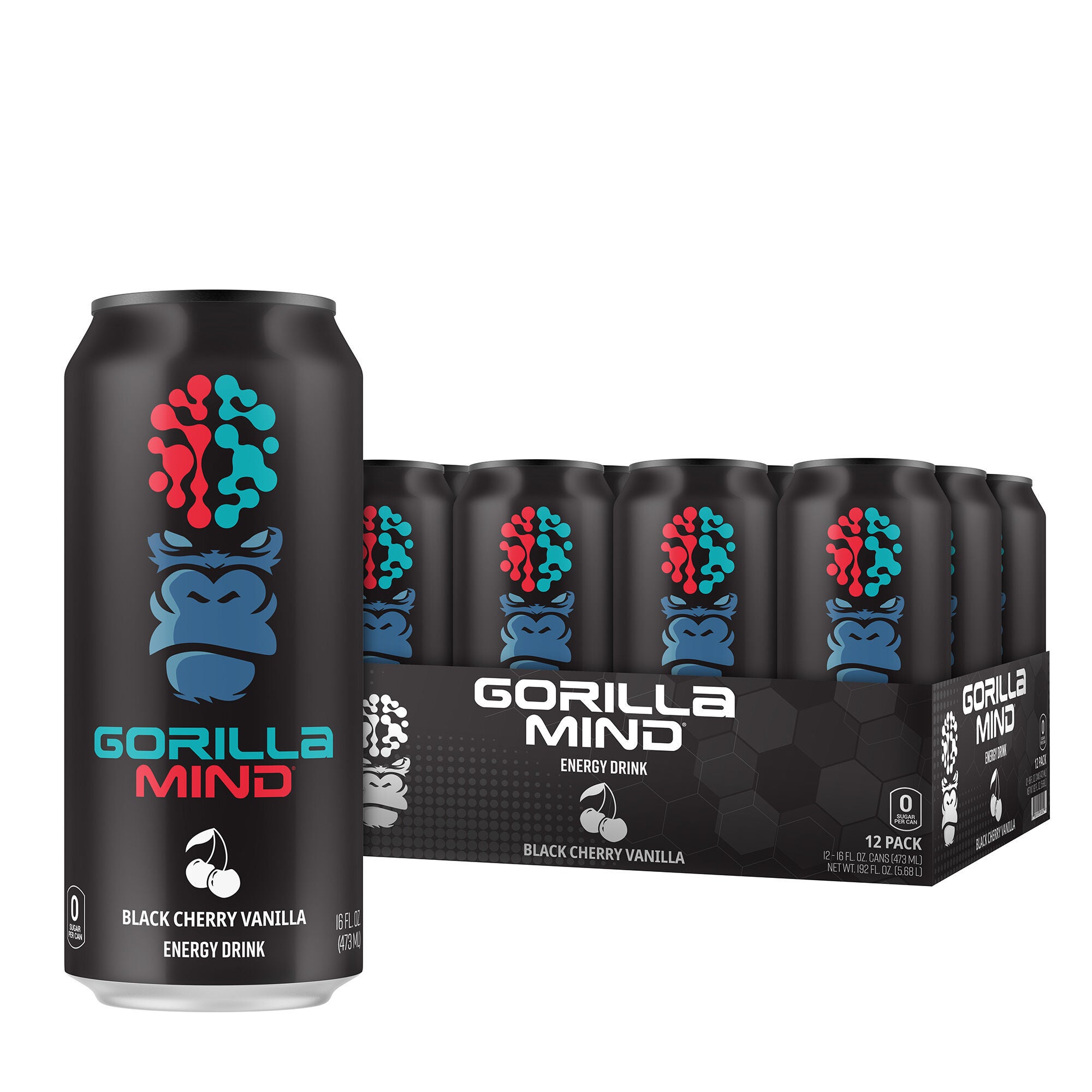
Healthy alternatives to soda can include unsweetened sparkling water, fruit-infused water, unsweetened tea, and beverage mixes made with little or no added sugar. Each category approaches the soda experience differently: sparkling water offers bubbles, fruit-forward drinks bring aroma and sweetness, and tea adds character through the leaves and brewing style. For someone drawn to the sharp fizz of a freshly opened can, carbonation may matter more than sweetness. Someone who reaches for soda alongside lunch may care more about a familiar citrus, berry, or cola-style flavor. Comparing those details may make a different drink feel like a natural fit rather than an unrelated substitute. Sparkling water with a simple citrus profile has a different presence alongside sandwiches and salty snacks than a rich, sweet beverage, while still water flavored with fruit or botanical ingredients has a softer texture. Unsweetened black tea has a robust taste, green tea often brings grassy or toasted notes, and herbal blends range from minty to floral or tart. The ingredient list tells a more useful story than the flavor name alone. A drink described as lemon, peach, or cherry might get its character from juice, extracts, flavorings, or a combination of ingredients, and those choices do not all produce the same sweetness or nutrient profile. Fruit juice and juice-based blends deserve their own comparison because fruit imagery does not tell shoppers how much sugar is in a serving. Even within one beverage category, the difference between a lightly flavored drink and a sweeter blend can be substantial. Texture matters, too: delicate bubbles are different from a strongly carbonated pour, and a powdered drink mixed into still water does not necessarily mimic soda’s fizz. These distinctions leave room for different tastes, whether the preference is a less sweet drink for everyday meals, something bubbly for a social gathering, or a flavorful option to keep beside a desk.
Nutrition labels give healthy alternatives to soda a clearer context than front-of-package descriptions alone. Serving size, calories, sugar, added sugar, and caffeine content are useful points of comparison, particularly when bottles and cans hold different amounts. A package containing more than one serving can look similar to a single-serving container, so the amount someone typically drinks matters as much as the figures listed for one portion. A label showing no added sugar does not necessarily mean the beverage contains no sugar, since ingredients such as juice can contribute naturally occurring sugar. Choosing an unsweetened beverage instead of a sugar-sweetened soda may help reduce added sugar in that particular swap, but the comparison depends on the actual labels and portions. Sweeteners also shape the experience. Some beverages use stevia or monk fruit ingredients, while others use different sweeteners or a blend. The resulting sweetness, aftertaste, and mouthfeel vary, making personal preference an important part of the selection. A familiar fruit flavor does not always taste the same across sweetener types. Likewise, a short ingredient list describes a formulation, not whether a beverage suits every shopper’s needs. Drinks with added vitamins or minerals still have their own sugar, calorie, and serving information to consider. Electrolyte blends may contain sodium, potassium, or other minerals, with amounts that vary by formula. Caffeine is another distinction, especially across teas and energy-style beverages. Some soda alternatives contain caffeine, while others do not; fruit flavor and clear appearance are not reliable clues. Tea-based drinks can differ in caffeine content depending on their ingredients and preparation. For shoppers also comparing caffeinated beverages, Caffeine Alternatives to Coffee provides a related selection to explore. A beverage chosen for its bubbles serves a different preference from one chosen partly for its caffeine content, even when both share a similar flavor. That distinction is particularly relevant when the same household keeps several kinds of drinks for meals, workdays, and casual entertaining.
Format is often what turns an appealing soda alternative into something that fits an ordinary routine. Ready-to-drink cans and bottles require no measuring or mixing, which may suit packed lunches, a commute, or a shared meal. Individual drink-mix packets take up little room in a bag, while larger containers involve measuring a portion and having water and a suitable vessel nearby. Powdered formats also bring texture into the decision: some dissolve with a quick stir, while others call for more mixing according to their directions. Packaging materials affect handling and care as well. Glass, aluminum, plastic bottles, and flexible pouches have different weights, closures, and recycling requirements. A resealable bottle may be more convenient when a drink is enjoyed over several sittings, whereas an open can has no built-in closure. Storage directions matter for both unopened and opened beverages, and powders have their own instructions for keeping the contents dry and the package properly closed. Flavor combinations are another way to match a selection to its intended use. A subtle cucumber or citrus profile may appeal beside a savory lunch, a tart berry blend may suit someone who prefers a brighter taste, and a mint-forward herbal drink may interest a shopper looking beyond familiar soda flavors. For a household with mixed preferences, an assortment of sparkling and still options offers more variety than several versions of the same sweet profile. A beverage assortment may also make a thoughtful gift for a friend, host, or coworker who enjoys trying different flavors, with attention to their ingredient preferences and whether they choose caffeinated drinks. The most relevant choice is not necessarily the beverage with the longest list of added ingredients or the boldest description. It is the one whose flavor, sweetness, carbonation, serving format, and labeled contents fit the occasion and the person drinking it.
Best Sellers
-
 Rho Nutrition
-
 Rho Nutrition
-
 Doctors' Preferred
Related Pages


Top Collections
- Joint Mobility Supplement Packs
- Daily Collagen Supplements | Top Brands & Deals | GNC
- GLP 1 Support For Adults
- Zinc Supplements | Top Brands at Great Prices | GNC
- Supplements For Yoga Joint Flexibility
- Supplements For Balance
- Capsule Supplements For Energy And Stamina
- Adult Mobility Supplements
- Chronic Fatigue Supplements
- Vitamins For Hair Loss