





Healthy Diuretic Weight Loss Powders
(0 Results)
Healthy diuretic weight loss powders may offer a convenient option for those looking to support their wellness journey. These powders are designed to fit into a balanced lifestyle and may complement your daily routine. Whether you’re seeking a refreshing addition to your hydration habits or exploring new approaches to your goals, healthy diuretic weight loss powders could be a helpful choice as part of your overall plan. Discover a range of options that may suit various preferences and routines.


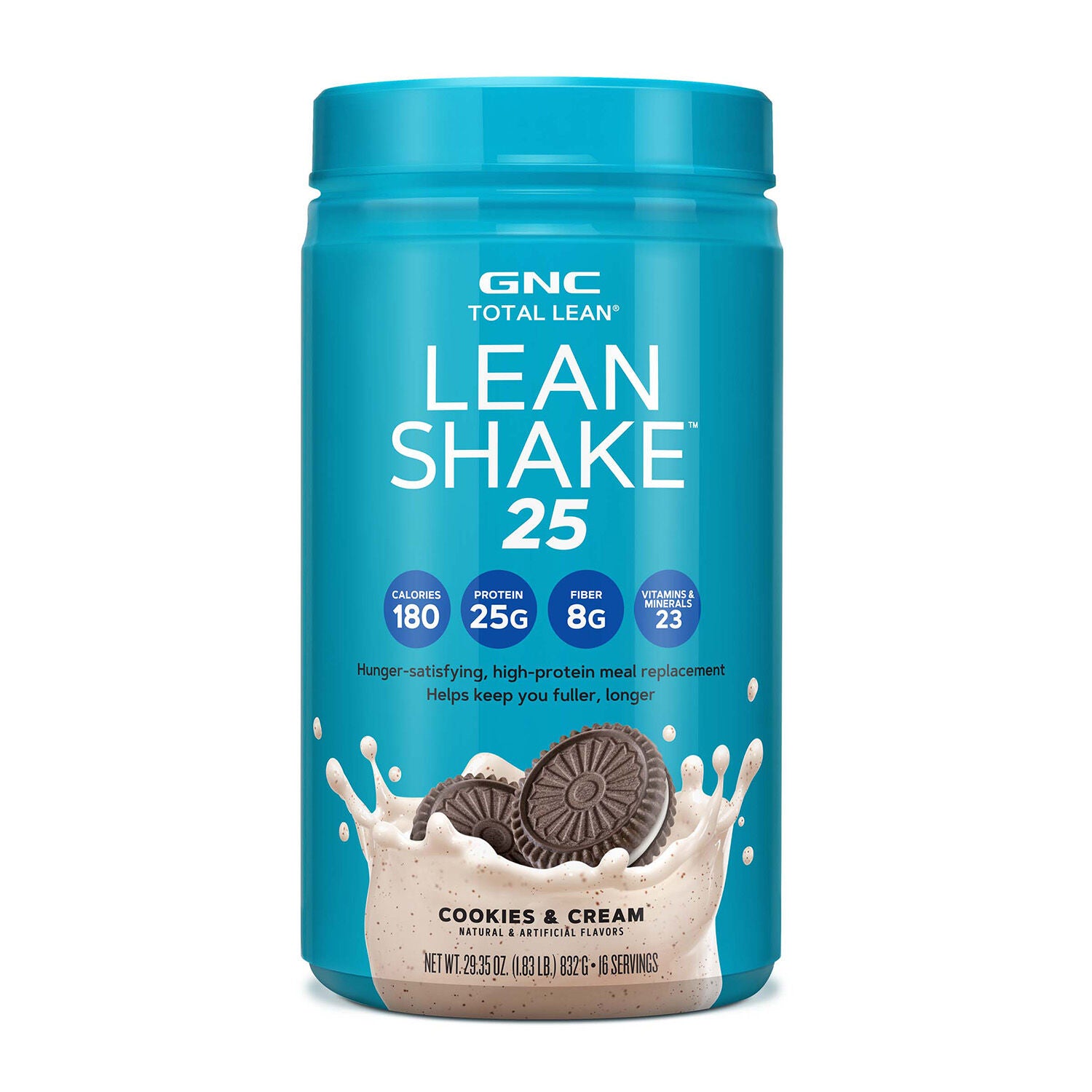
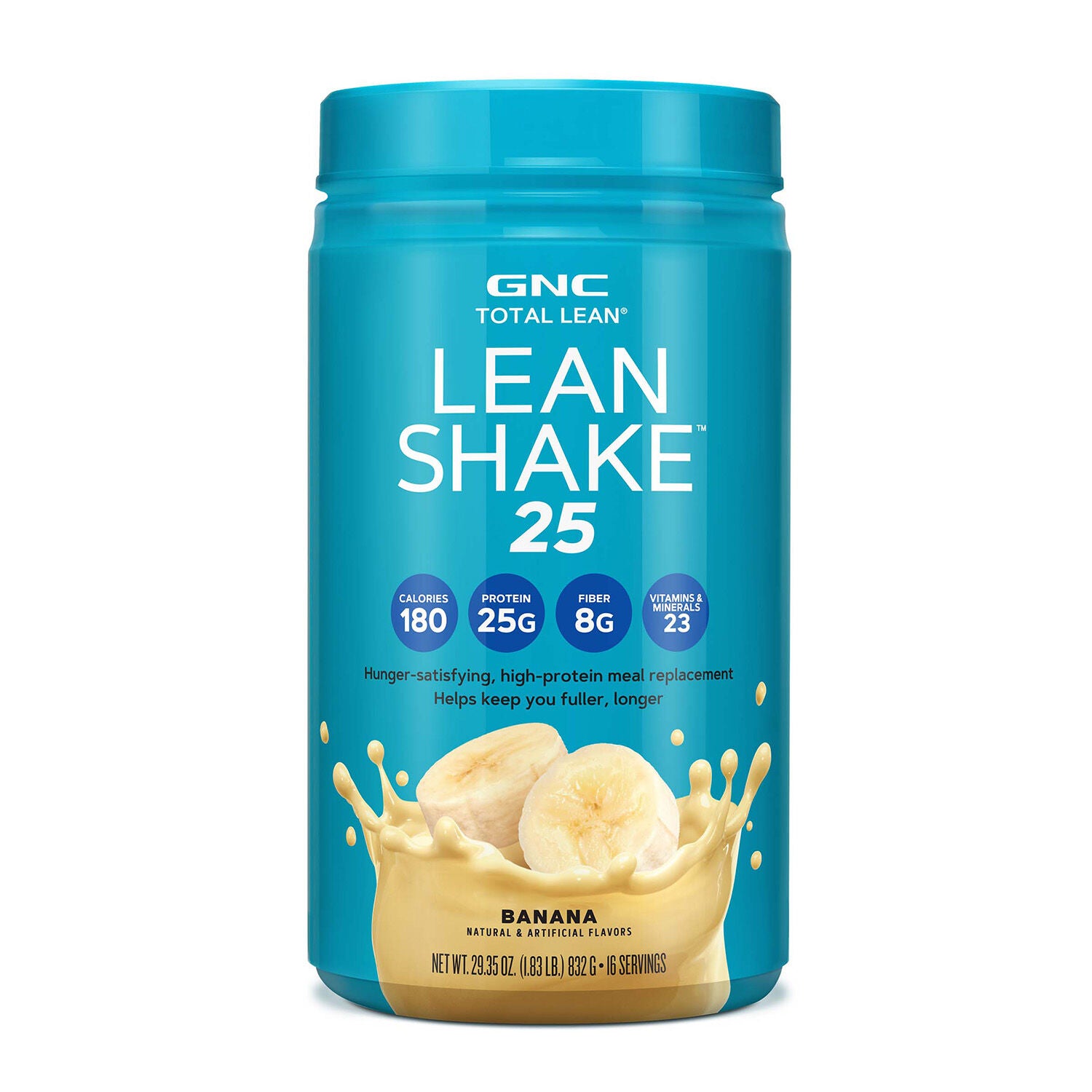
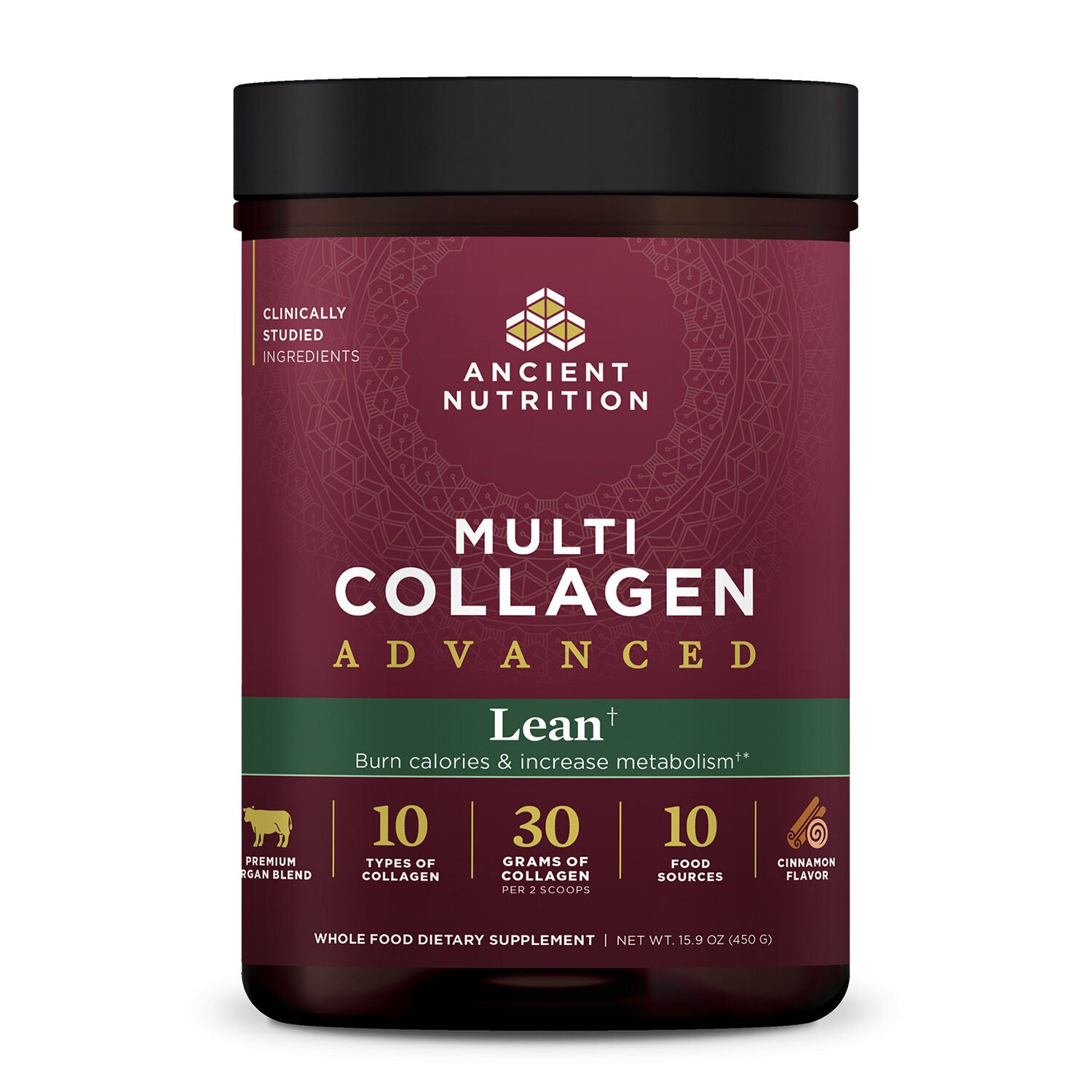

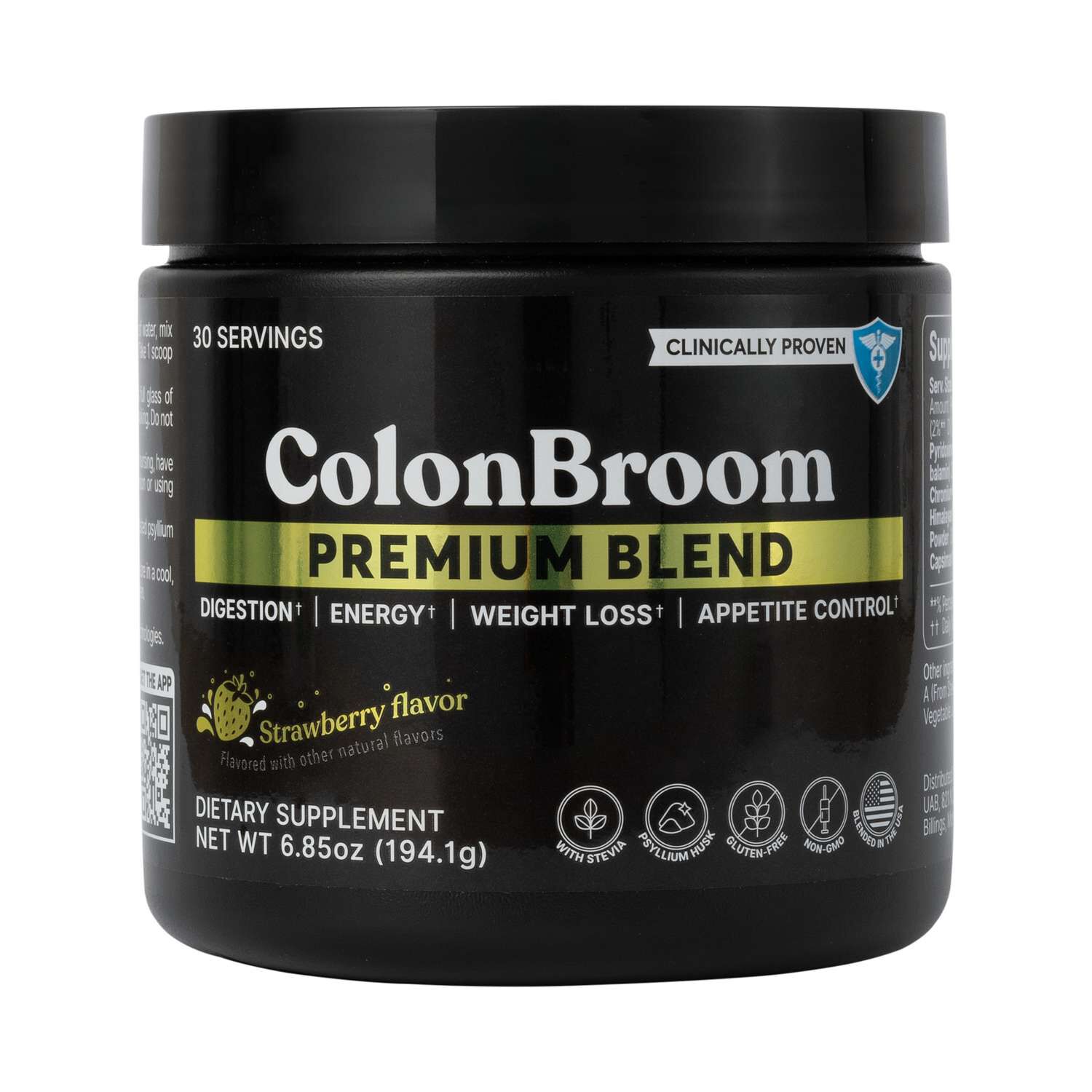
Powders marketed for water balance and weight management bring together several different product concepts, and those distinctions matter when browsing drink mixes. Water-focused marketing is not evidence of sustained fat loss, and the word healthy does not establish a formula’s safety or personal suitability. Temporary differences in body water are distinct from changes in body fat. For that reason, healthy diuretic weight loss powders are best understood as a shopping category rather than a verified outcome. The powdered format describes how a product is prepared, not how well it works or whether it belongs in a particular routine. Within this broader category, labels may feature botanical ingredients, mineral ingredients, flavorings, sweeteners, or combinations of these components. An ingredient panel provides more useful detail than a front-label phrase about cleansing or looking leaner. Botanical names, plant parts, extract descriptions, and stated amounts help distinguish one formula from another without assuming that similar packaging means similar contents. A blend containing several ingredients is also different from a formula that lists the amount of each ingredient individually. Neither a long ingredient list nor a large scoop establishes greater effectiveness. Caffeine content is another meaningful point of comparison, particularly when a daily routine already includes coffee, tea, or other caffeinated beverages. Some botanical ingredients may contribute caffeine even when coffee is not part of the flavor description. Sweetener choices, declared allergens, and any stated dietary certifications add further context. These details describe the formula more precisely than broad wellness language, while leaving questions of individual suitability separate from product presentation. Shopper reviews may offer observations about taste, packaging, and preparation, but personal accounts of weight changes do not establish what another person will experience. Clear ingredient information, readable directions, and specific label disclosures provide a firmer basis for understanding what is in the container and how the manufacturer intends it to be used. No category name replaces those details.
Flavor, texture, and preparation are practical considerations for a powder that becomes part of an ordinary day. A citrus-style drink mixed at a kitchen counter presents a different experience from an earthy botanical blend stirred into a small glass. Sweetness, tartness, aroma, and the amount of liquid specified on the label all shape the finished drink. A flavor name alone does not reveal whether the taste will be subtle, sharp, or lingering, and a lightly colored powder is not necessarily lightly flavored. The ingredient list may help explain those differences through its listed acids, sweeteners, botanical materials, and flavor components. Texture deserves similar attention. Finely milled ingredients may disperse differently from ground plant material, and some formulas may leave visible particles or sediment after standing. A drink that needs occasional stirring has different preparation demands from one that mixes evenly with a few turns of a spoon. Package directions establish the intended liquid amount and mixing method; an oversized tumbler or a heaping scoop changes the preparation rather than simply changing the presentation. Scoop markings, serving weight, and packet size are therefore useful details for comparing formats. Individual packets offer a measured portion in a compact package, while a tub involves measuring each serving and keeping the scoop with the container. A narrow bottle opening may be awkward with a wide scoop, especially on a crowded desk or kitchen counter. A separate mixing cup may be more practical in that setting, depending on the directions. Packaging also matters beyond the first use. A secure lid, a readable label, and a container that fits upright in a cabinet make the product easier to organize. Storage instructions are especially relevant for powders because moisture exposure may affect texture and handling. A dry measuring utensil and a properly closed container are straightforward care considerations, along with the manufacturer’s stated storage conditions and date markings. These everyday details concern preparation and product care, not evidence of a weight-related result.
The intended use of a drink mix should remain distinct from the broader goals attached to it. A powder described around water balance is not automatically a protein powder, a meal replacement, or a source of substantial nutrition. Those categories have different formulation priorities, and the Nutrition Facts or Supplement Facts panel helps clarify which kind of product is being considered. Calories, protein, carbohydrate, sodium, and other declared nutrients provide context when listed; the presence of a flavored powder alone does not establish a meaningful contribution of any particular nutrient. A botanical supplement may have a very different label from a beverage mix designed around macronutrients. For shoppers comparing adjacent formats, the Weight Loss Drink Mix category offers another point of comparison, with the same need to distinguish ingredient details from broad positioning. The most relevant differences are concrete: what the formula contains, how the serving is measured, how it is prepared, and what the label actually says about intended use. Someone who prefers a short ingredient list may approach this category differently from someone whose priority is a particular flavor or individually wrapped portions. A shopper organizing a small apartment kitchen may value a compact container, while someone carrying a drink mix between home and an office may pay closer attention to packet seals and mixing utensils. Those preferences describe convenience and personal fit; they do not establish effectiveness or safety. Weight-related purchases are also personal, making an explicitly requested formula a more considerate choice than an unsolicited gift centered on someone’s body. Across these situations, the distinction remains the same: a pleasant flavor, tidy package, or persuasive name cannot substantiate lasting fat loss. Descriptions of temporary water-related changes should not be treated as equivalent to evidence about long-term body composition. Viewed with that distinction in mind, this category is easier to assess for what its labels, ingredients, and preparation requirements actually communicate, without assigning outcomes that the format or marketing language cannot establish.
Best Sellers


Related Pages


Top Collections
- Joint Mobility Supplement Packs
- Zinc Supplements | Top Brands at Great Prices | GNC
- Supplements For Yoga Joint Flexibility
- Supplements For Balance
- Capsule Supplements For Energy And Stamina
- Daily Collagen Supplements | Top Brands & Deals | GNC
- Adult Mobility Supplements
- GLP 1 Support For Adults
- Vitamins For Hair Loss
- Gut Lining Protection Supplements