Healthy Snacks For Stocking Stuffers
(0 Results)
Shop healthy snacks for stocking stuffers with each recipient’s tastes and dietary preferences in mind. Browse the selection and compare ingredient lists, serving sizes, and nutrition information to find holiday treats that suit their snacking habits.
-

-

-
-
-

-

-
-
-
-

-

-

-

-

-
 $39.99
-

-
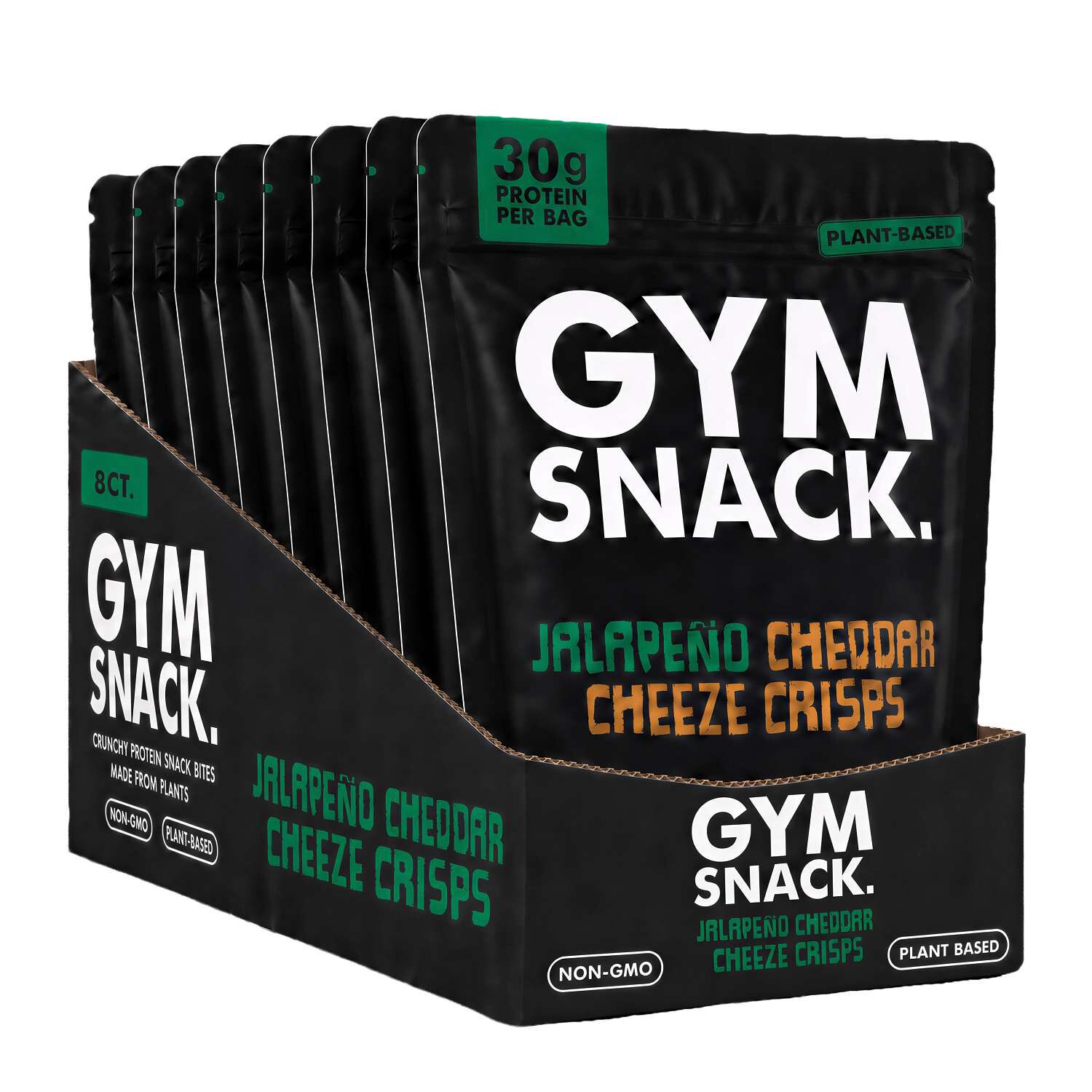 $39.99
-
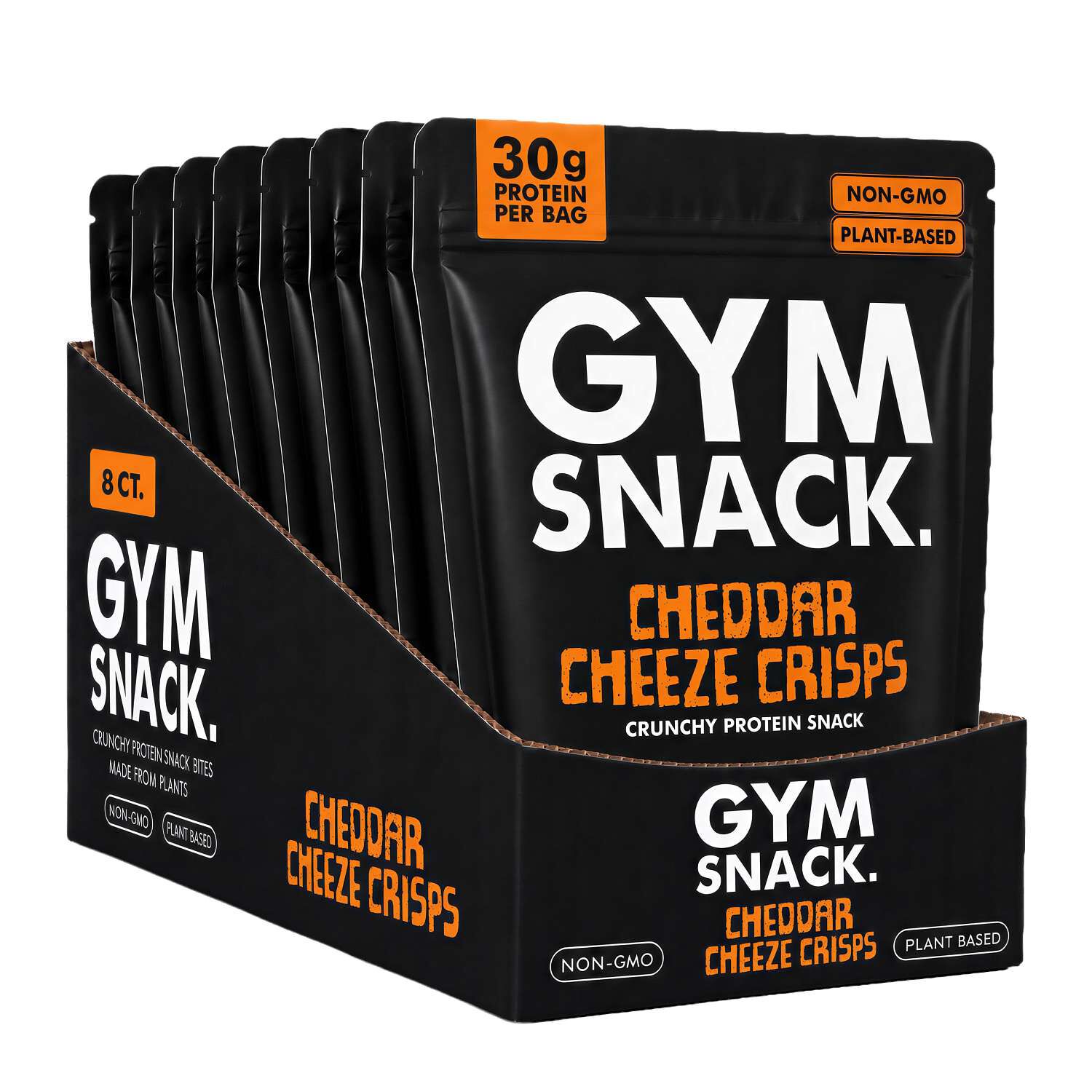 Gym Snack$39.99
-

-

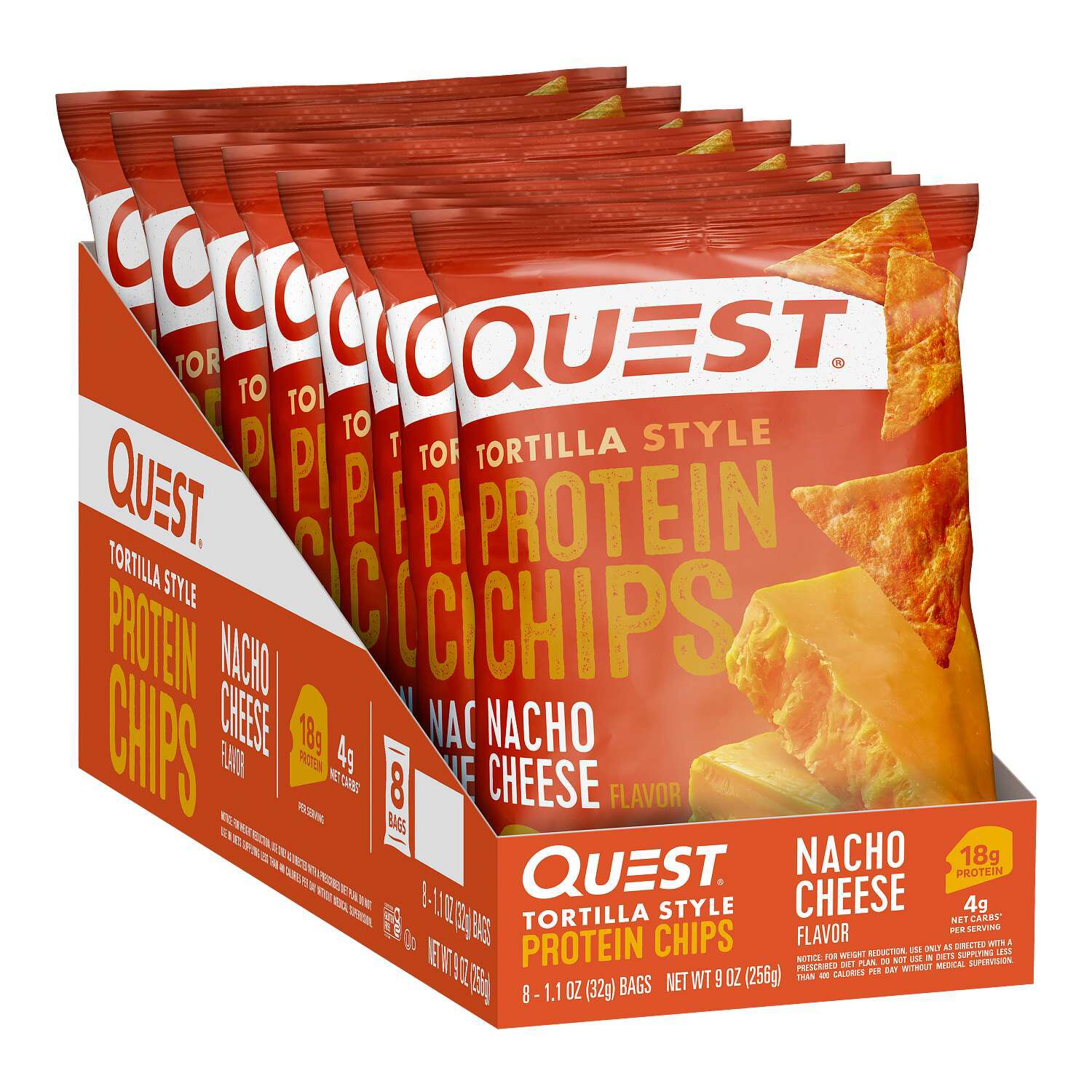
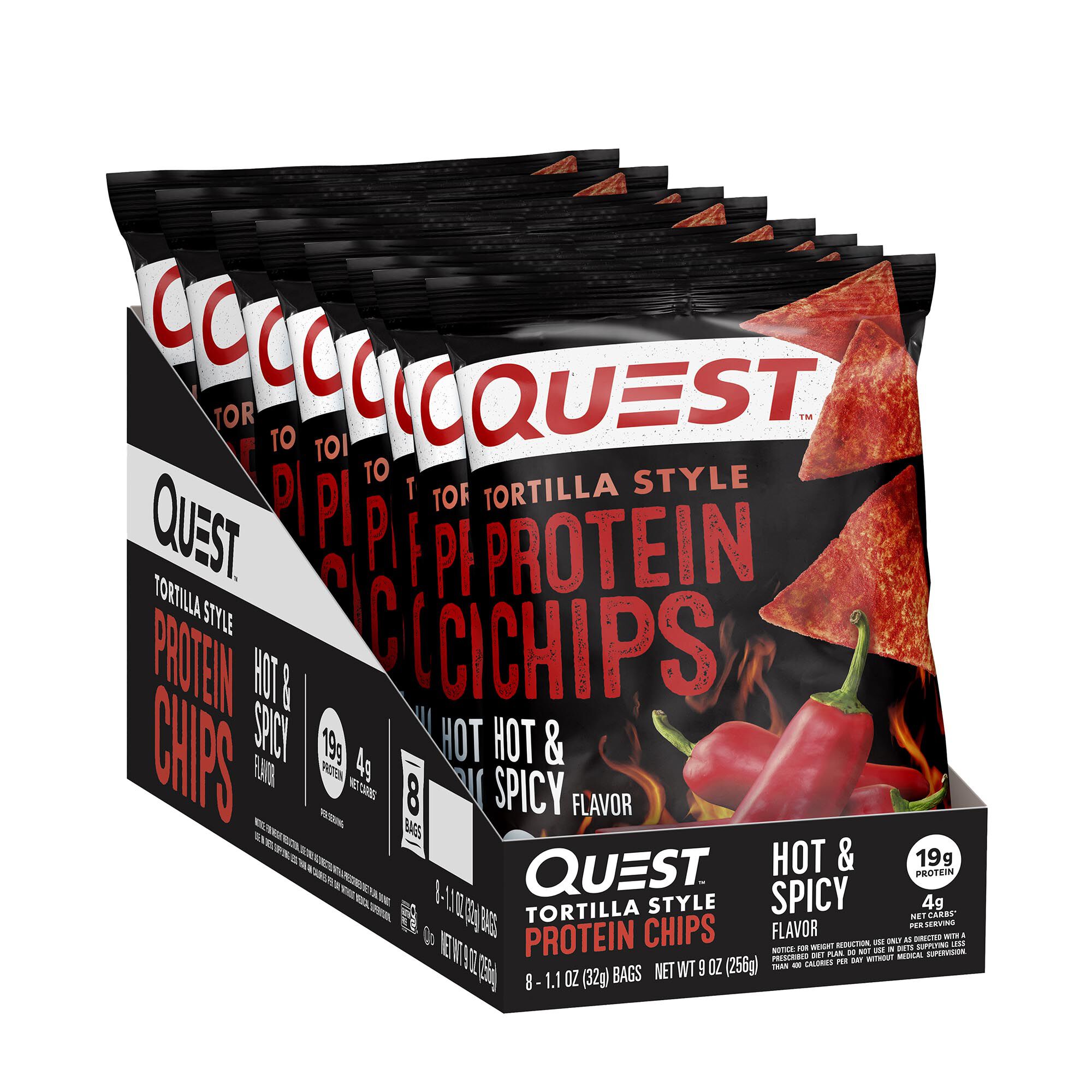
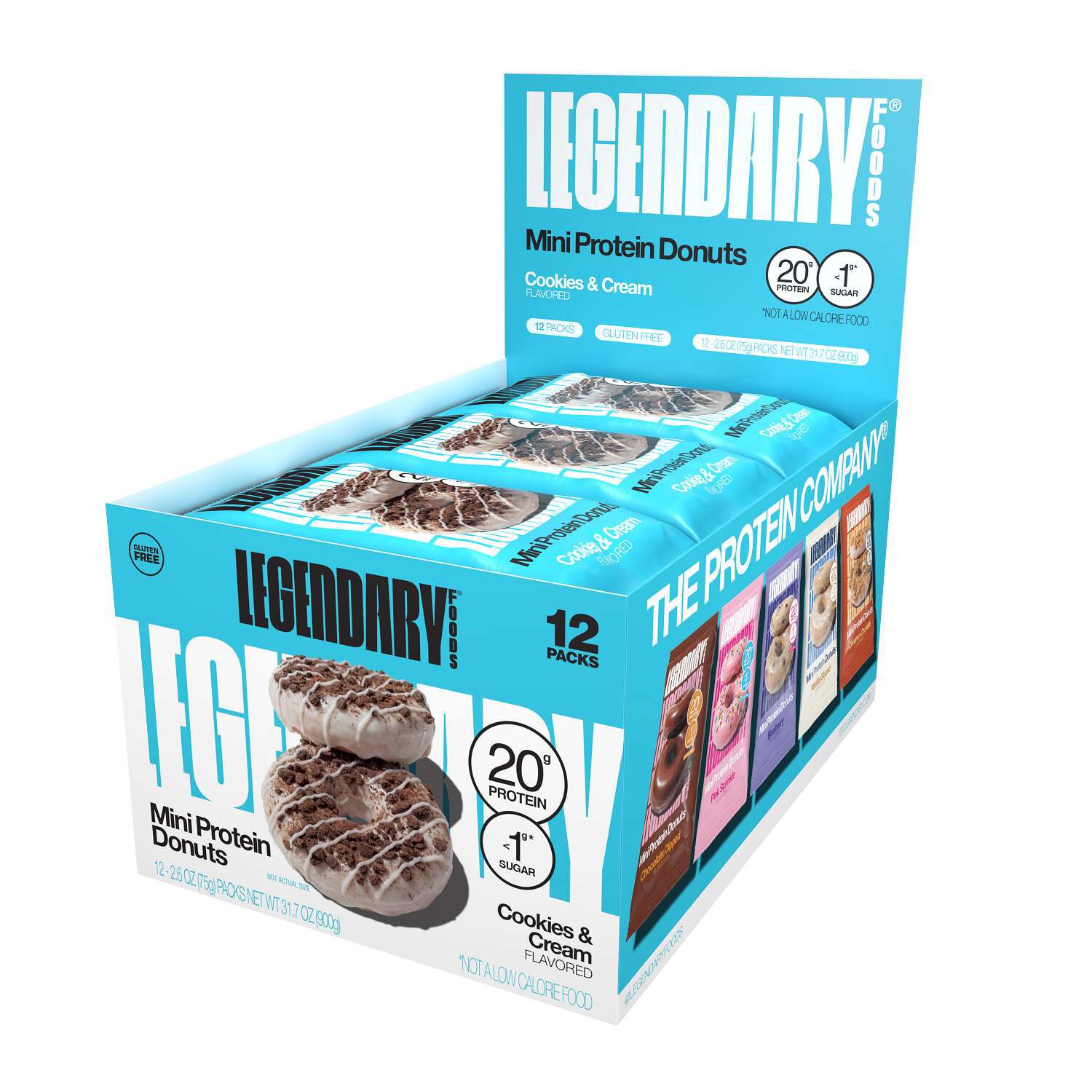
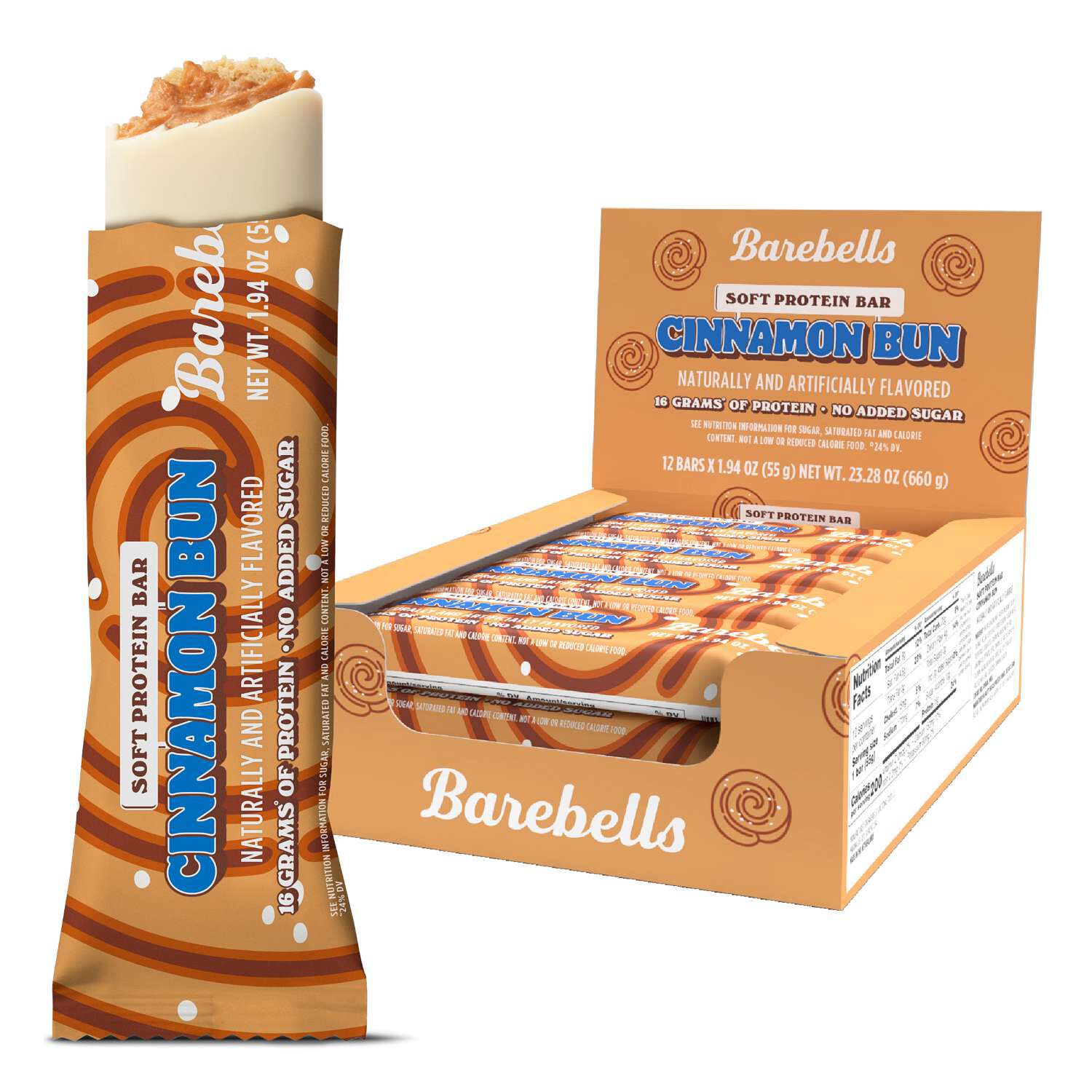
Healthy snacks for stocking stuffers include individually wrapped bites, portioned nuts and seeds, dried fruit, savory snacks, and other compact foods suited to holiday gifting. The appeal is partly in the format: a small pouch tucked between tissue paper and a ribbon feels different from a large package meant for the pantry. Sweet and savory choices give a stocking variety, with textures ranging from chewy fruit to crisp popcorn and roasted nuts. For someone who enjoys dessert-inspired flavors, cocoa, cinnamon, vanilla, or coconut may be a welcome direction. For a recipient who reaches for something salty, lightly seasoned seeds or crunchy roasted legumes may be a closer match. Protein snacks and nut butter packets are other formats to consider, particularly for adults who regularly pack food for work, travel, or an afternoon away from home. A thoughtful assortment reflects those everyday habits rather than relying on festive packaging alone. The person who keeps almonds beside a laptop may appreciate a different selection than someone who prefers a soft, fruit-forward bite with afternoon tea. A college student with a busy class schedule may enjoy compact snacks for a backpack, while a frequent traveler may prefer sturdy pouches that fit into a carry-on pocket. For family stockings, the recipient’s age, food preferences, and the package’s intended age range matter as much as flavor. Smaller portions are not necessarily appropriate for every child, and package guidance remains relevant even when the wrapping looks playful. Holiday snacks also need not imitate candy to feel celebratory. A mix of familiar flavors and one less familiar texture may make a stocking feel personal without turning it into a collection of foods the recipient would never choose. Familiar favorites often have the strongest connection to the person receiving the gift, whether that means a simple salted snack, something tangy and fruity, or a small bite with a rich cocoa flavor.
The details behind the package help distinguish one type of snack from another. Serving size, ingredient lists, and the Nutrition Facts panel provide context for protein, fiber, sodium, saturated fat, and added sugars. A small wrapper does not always represent a single serving, and similarly sized packages may contain quite different portions. Protein content also varies across snack categories, so the grams listed on the label are more useful than assumptions based on the package design or flavor name. Nuts, seeds, legumes, fruit, and grain-based snacks each bring a different ingredient profile, and combinations may contain coatings, fillings, sweeteners, or seasonings that deserve a closer look. Dried fruit, for example, may appear on its own or alongside added sweeteners, while a savory snack may range from lightly salted to generously seasoned. These distinctions matter when matching a stocking stuffer to someone’s usual eating preferences. A recipient who enjoys straightforward flavors may favor a short ingredient list, whereas an adventurous eater may appreciate toasted, smoky, tart, or spiced notes. Dietary preferences call for similar attention to the actual label. Plant-based eating patterns, avoidance of particular ingredients, and food allergies are separate considerations, and a familiar flavor name does not establish whether a packaged snack suits them. Ingredient statements and allergen information are especially relevant for foods containing nuts, milk, soy, sesame, wheat, or eggs. For a gift recipient whose preferences are uncertain, familiar foods with clearly printed labels may be a more comfortable choice than an elaborate assortment of unfamiliar ingredients. Texture is another practical distinction: chewy, crisp, airy, and dense snacks create different eating experiences, even when their flavors sound similar. Someone who enjoys soft bites may not appreciate a very firm bar, and a person who favors plain roasted flavors may leave a heavily coated snack untouched. Healthy snack gifting is most personal when nutrition information, flavor, portion size, and the recipient’s habits receive attention together, rather than letting a single front-label phrase make the decision.
Packaging and storage deserve just as much attention as the food inside, particularly when snacks will spend time wrapped, transported, or tucked into a holiday stocking. Slim packets, compact pouches, and individually sealed portions are common formats for small gifts. Flexible packaging fits into narrow spaces, while a sturdier outer container may offer more protection for delicate textures. Original packaging keeps ingredient information, date markings, and storage directions with the food, which matters when a gift passes from the giver to the recipient and then into a lunch bag or pantry. A decorative outer bag or ribbon may provide a festive finishing touch without replacing those useful details. For a closely related assortment, Healthy Snack Bags offers another way to explore packaged snack formats suited to gifting and everyday carrying. Shelf-stable options are generally more practical for stockings than foods that require refrigeration, though the storage directions on each package remain the reference point. Heat, moisture, and pressure also matter: chocolate coatings may soften near a fireplace, crisp foods may lose their texture after a seal is opened, and delicate pieces may crumble beneath heavier gifts. A stocking hung for display and one packed into a suitcase present different handling conditions. Compact snacks with intact seals and readable labels suit either setting better than loose food transferred into an unlabeled pouch. Resealable packaging may be useful for someone who prefers to enjoy a portion at a time, while a single-serving wrapper may suit a snack packed for one outing. Date markings deserve attention when gifts are assembled ahead of a gathering or mailed to another household. Beyond the holiday exchange, these small packages may accompany a commute, a study session, a road trip, or an afternoon at a desk. That everyday usefulness is part of their gifting appeal: the stocking feels festive when opened, and its contents reflect the ordinary moments when the recipient enjoys something flavorful to eat.
- Q: What types of healthy snacks make good stocking stuffers?
A: Protein bars, roasted nuts, dried fruit, protein chips, and savory snack sticks are options to consider. Choose a mix of flavors and textures that reflects the recipient's favorite foods. - Q: What sweet snacks can I put in a stocking besides candy?
A: Consider protein brownies, crispy wafers, fruit snacks, or bars with chocolate, cinnamon, or peanut butter flavors. These choices offer a dessert-inspired way to add variety to a Christmas stocking. - Q: What savory snacks work well as stocking stuffers?
A: Roasted nuts, protein chips, jerky, and savory snack sticks suit recipients who prefer salty flavors. Explore options such as barbecue, teriyaki, or lightly salted varieties based on their preferences. - Q: How can I compare nutrition labels when choosing snack stocking stuffers?
A: Compare protein, fiber, added sugars, and sodium using the same serving basis. Read the ingredient list as well, especially when shopping for someone with specific ingredient preferences. - Q: How can I personalize a stocking filled with healthy snacks?
A: Build the selection around a favorite flavor, such as chocolate and peanut butter, or mix crunchy and chewy textures. Add a handwritten note or coordinate the wrapping with a Christmas color theme for a personal touch.