





Healthy Snack Bags
(0 Results)
Healthy snack bags offer a convenient way to enjoy wholesome options on the go, whether you’re heading to work, school, or the gym. With a variety of choices available, finding the right healthy snack bags can make it easier to support your wellness journey throughout the day. Explore options that fit your lifestyle and satisfy your cravings while keeping convenience in mind.
-

-

-

-

-

-
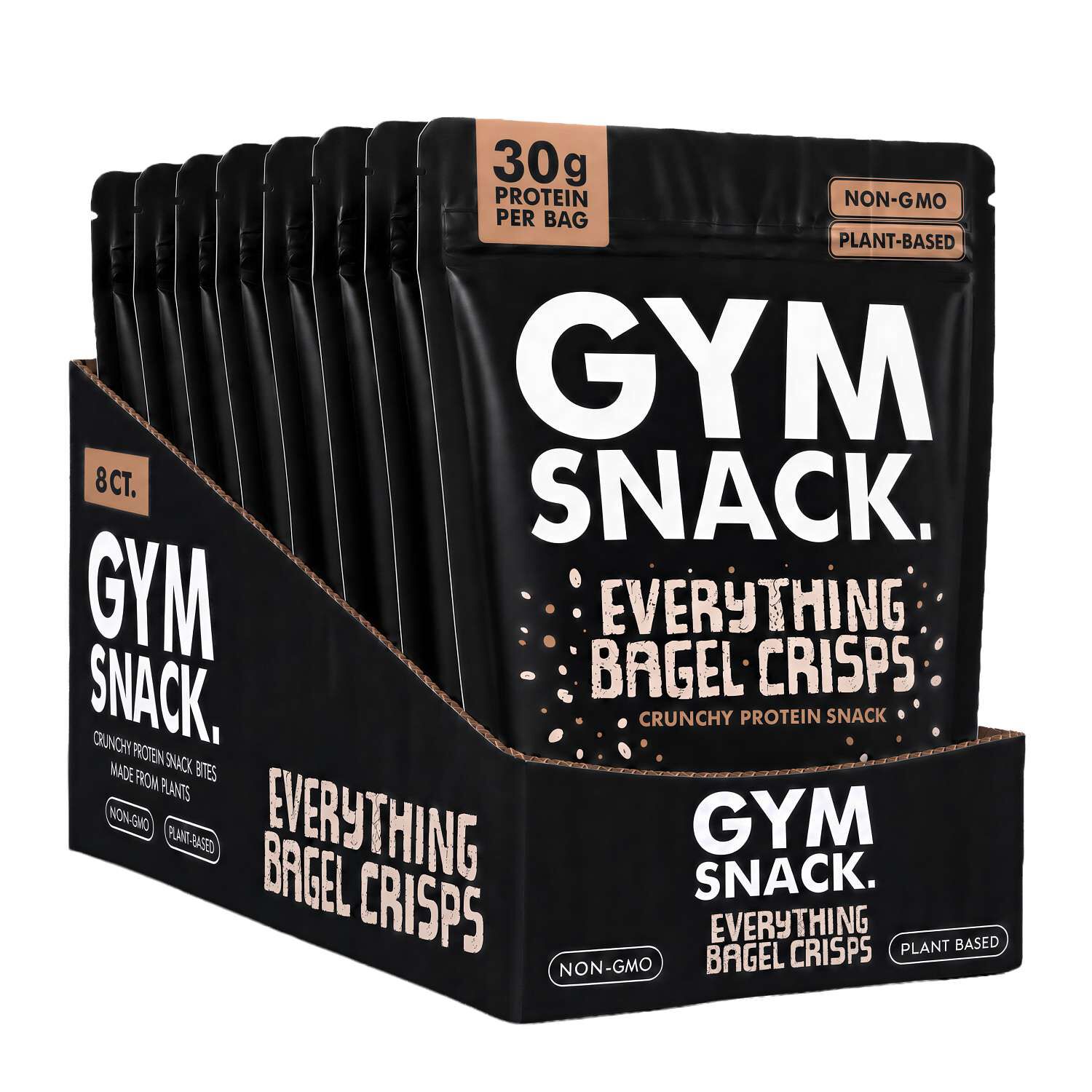 $39.99
-

-
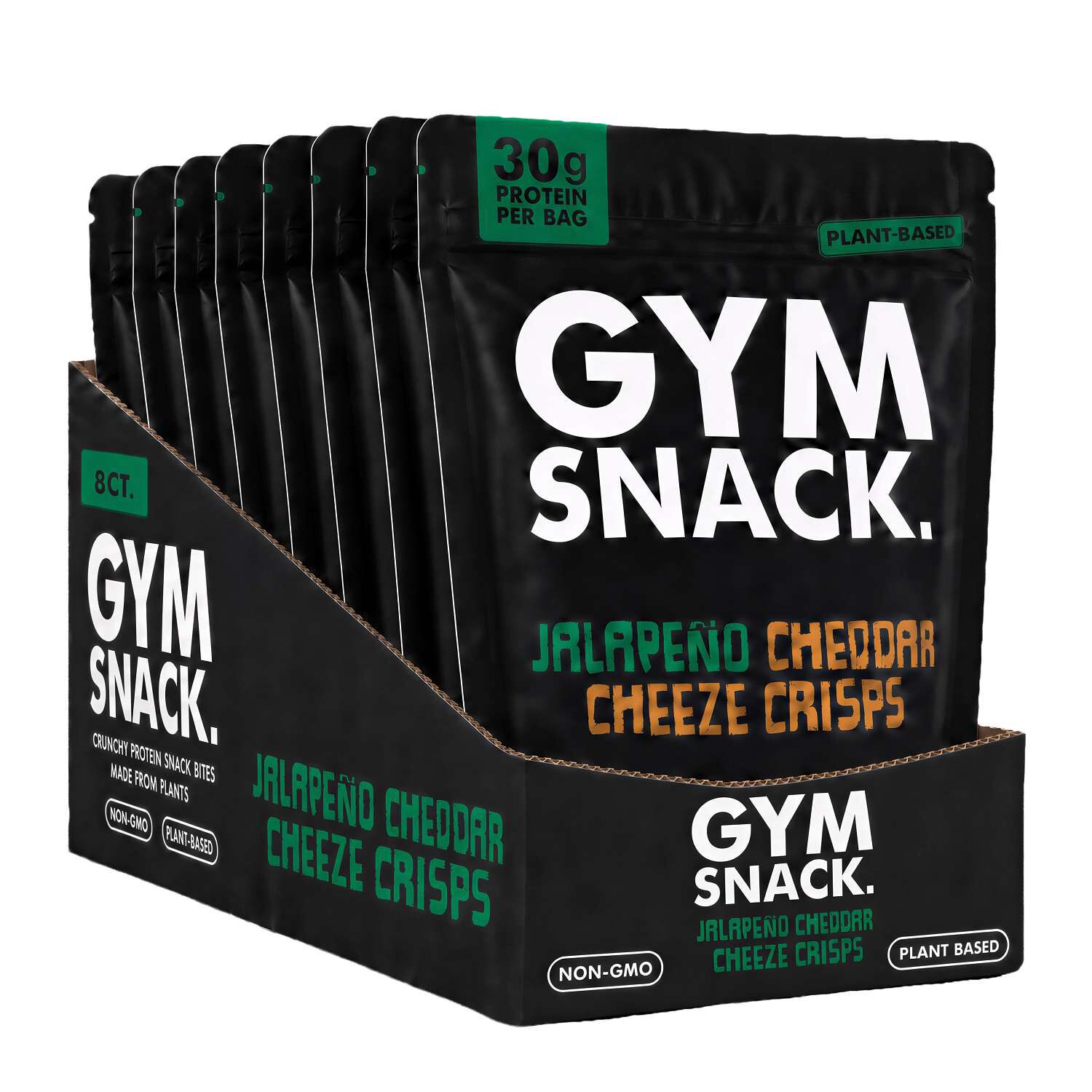 $39.99
-
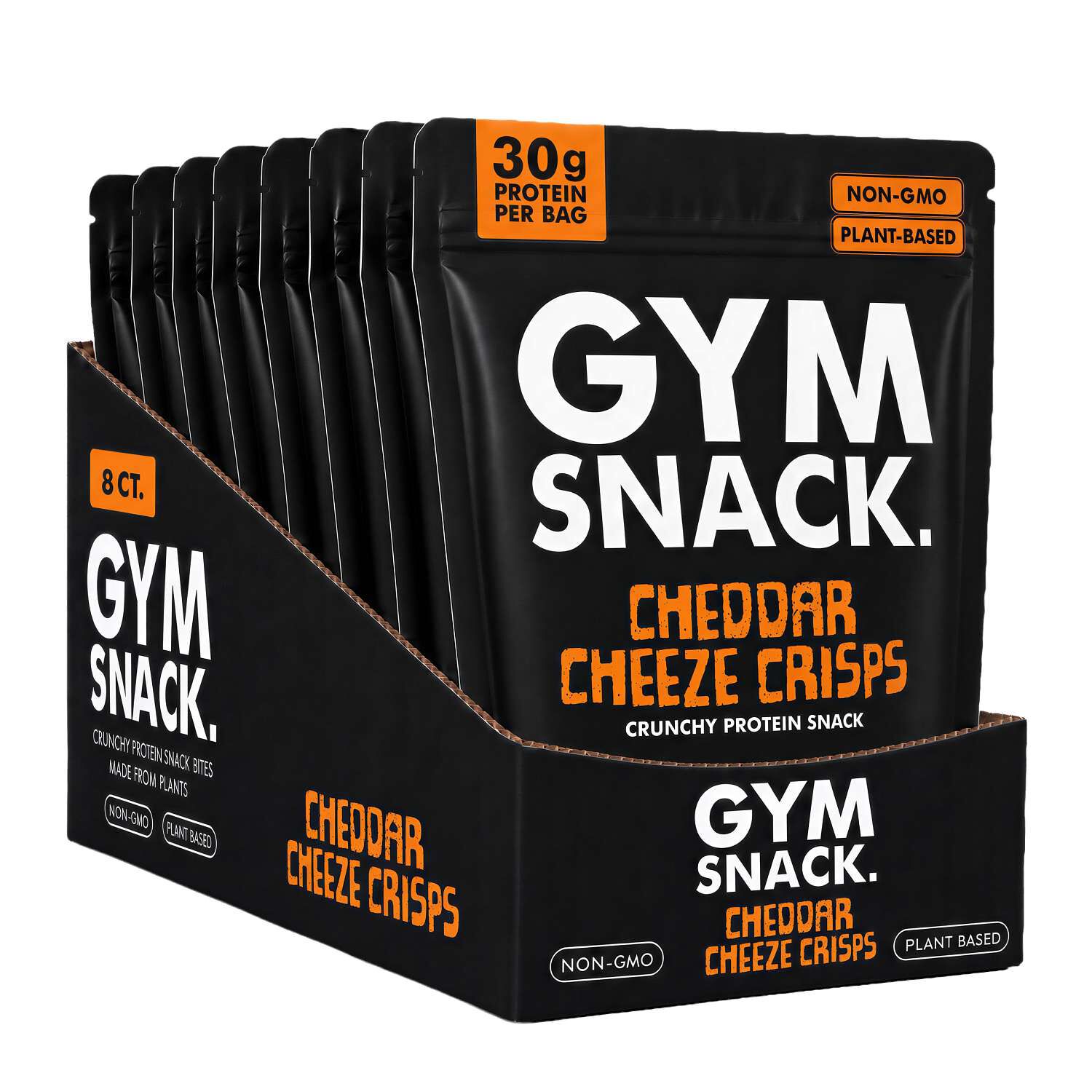 Gym Snack$39.99
-
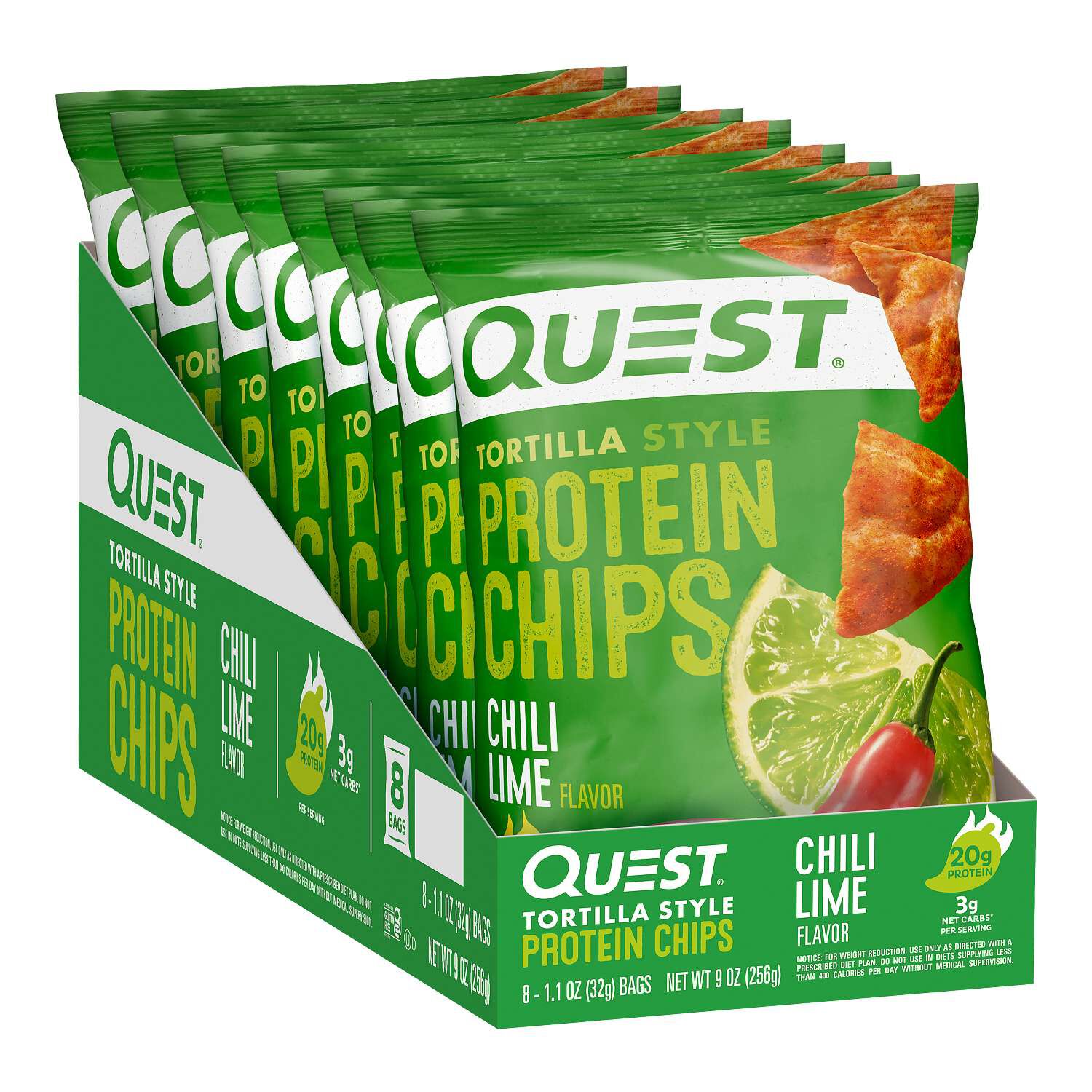
-
-

-
-

-
-

-

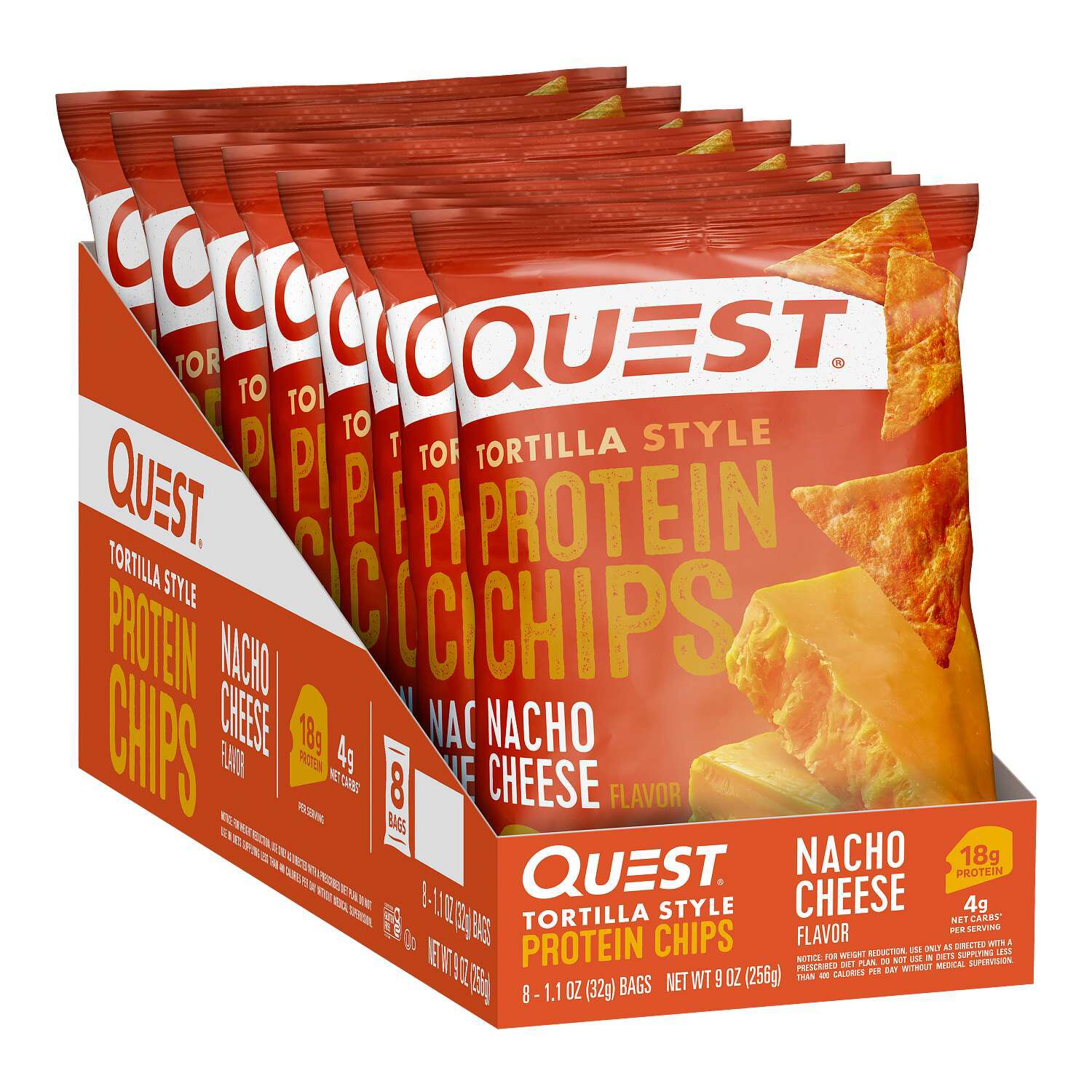
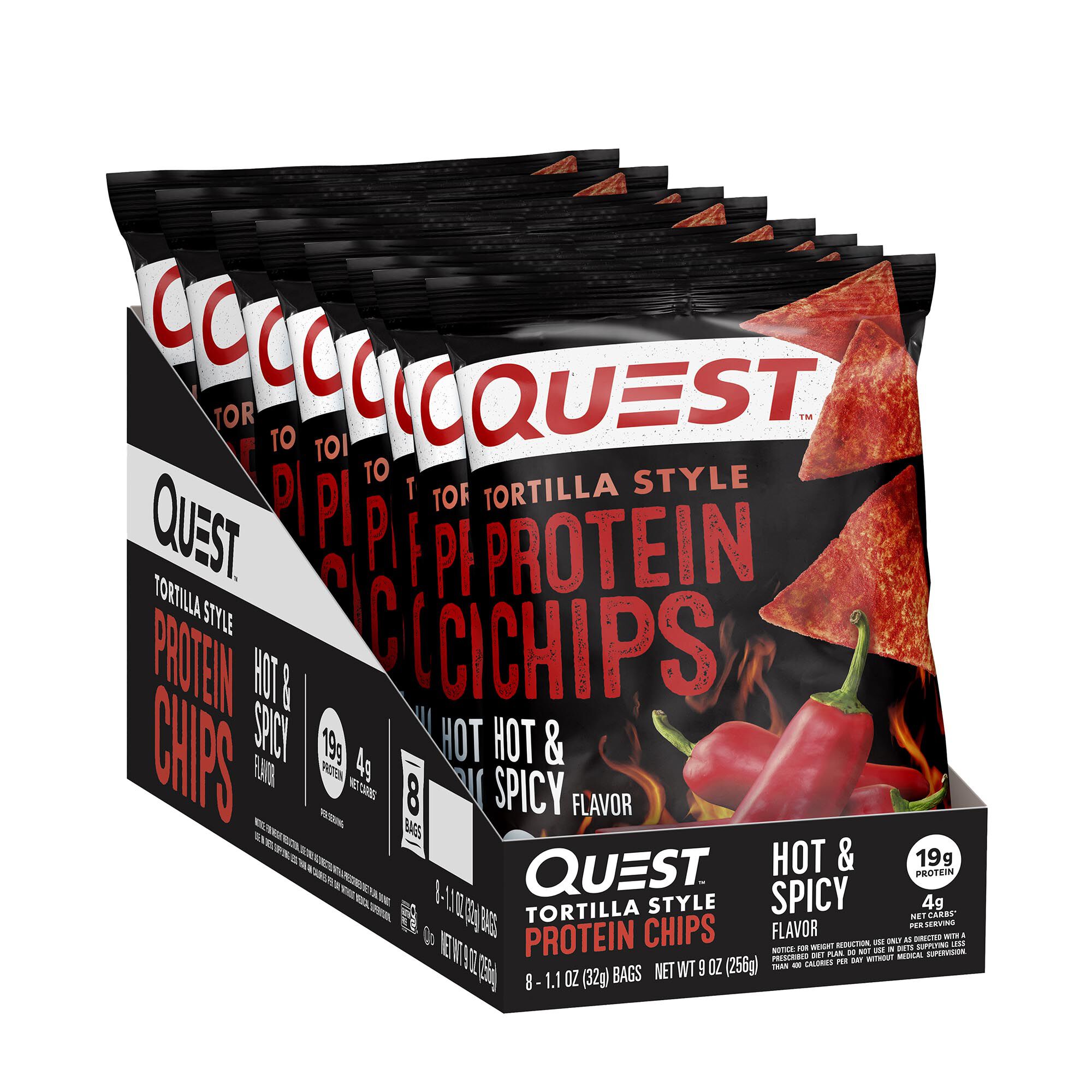
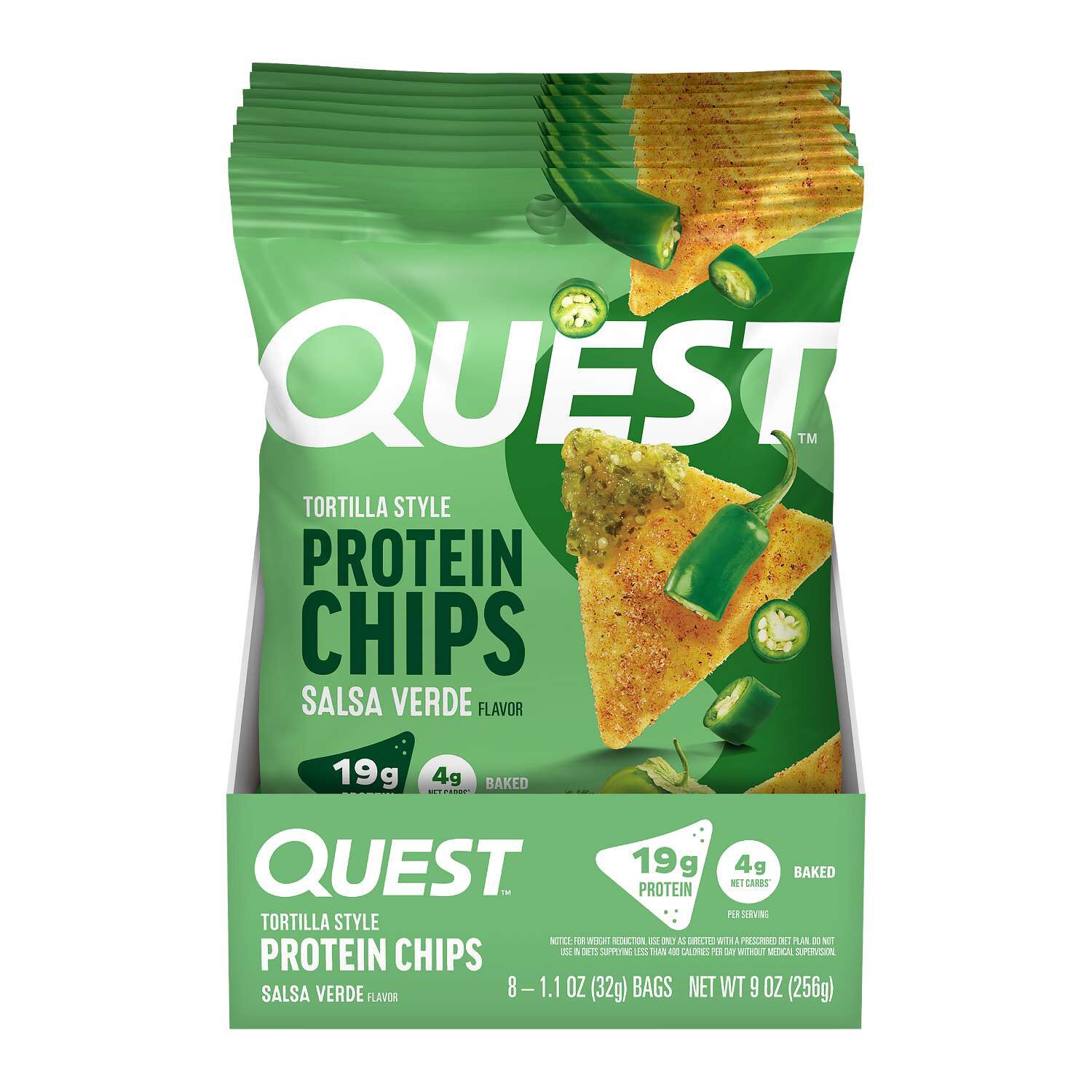
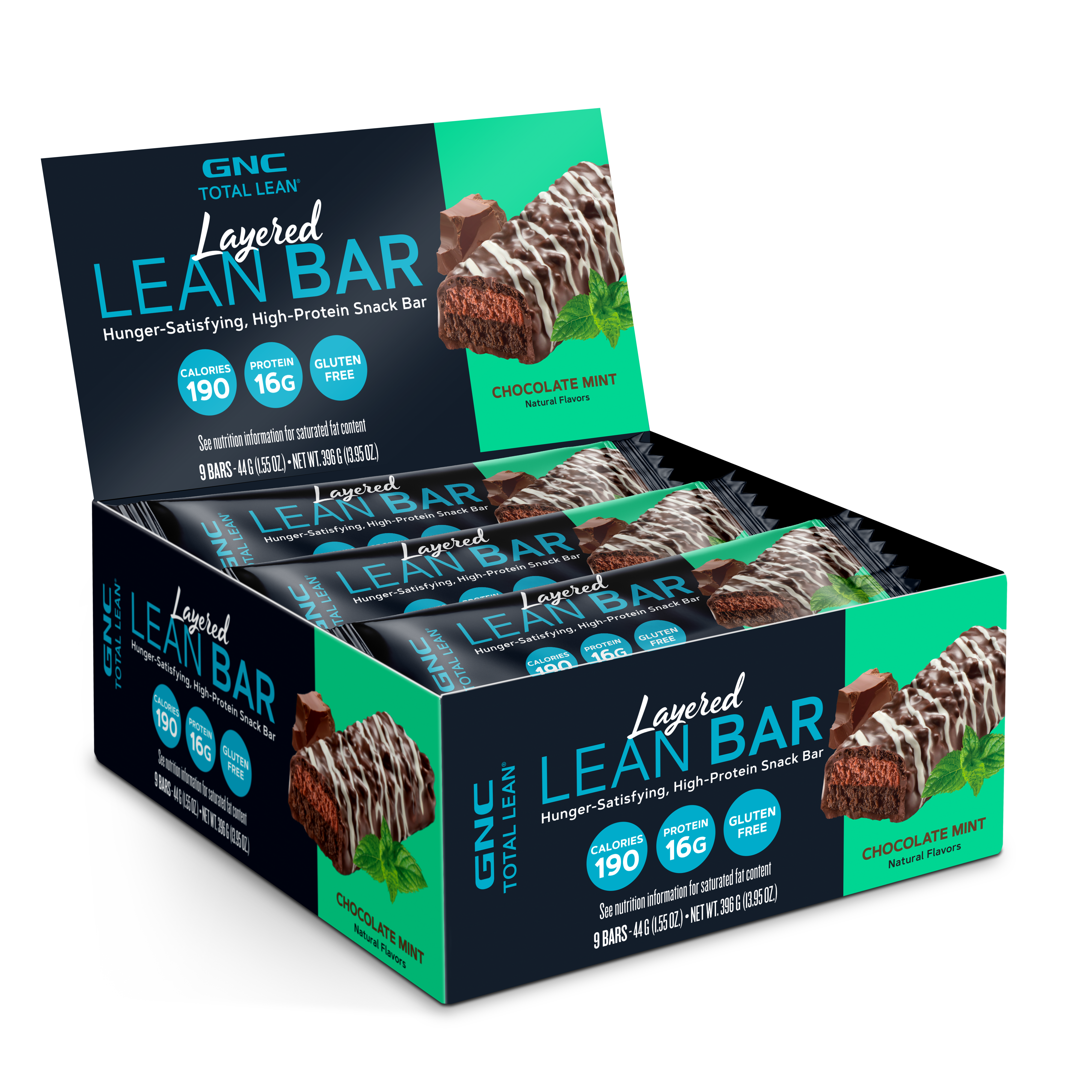
Healthy snack bags are packaged snacks chosen for their ingredients, nutritional content, portion size, and fit within an everyday eating routine. Depending on the recipe, they may offer protein, fiber, or unsaturated fats in a convenient format for a lunch bag, desk drawer, or travel tote. Nuts, seeds, roasted legumes, dried fruit, and whole-grain snacks represent different approaches to bagged snacking, with distinct flavors, textures, and nutritional profiles. A short ingredient list can be useful context, but it does not tell the whole story: serving size, added sugars, sodium, and the balance of ingredients also matter. A fruit-based snack may have a chewy texture and concentrated sweetness, while a roasted savory mix may feature a firmer bite and a salty finish. Neither the size of the pouch nor a wholesome-looking package establishes its nutritional value. The Nutrition Facts panel and ingredient list provide a clearer picture of what is inside. For a bag containing several servings, the amount listed per serving is different from the amount in the entire package, an important distinction when comparing formats. Ingredients such as syrups, seasonings, oils, and coatings can change the nutritional profile as well as the eating experience. A lightly seasoned snack and a heavily coated version of the same base ingredient can be quite different choices. Protein and fiber amounts vary by recipe, so comparisons are most meaningful when serving sizes are similar. Within the broader category of Bagged Snacks, healthy choices are best understood through those concrete details rather than a single descriptive word on the front. The most useful fit is personal: a small portion alongside lunch serves a different purpose from a larger pouch shared during a long outing. Taste preferences, dietary needs, and the rest of the day’s meals all belong in that picture, without requiring every snack to have the same ingredients or nutritional profile.
Everyday routines give healthy snack bags their practical appeal. An individually portioned pouch may suit a short break between meetings, while a resealable package may be more practical for someone who prefers to portion snacks into a small container before leaving home. A commuter carrying a compact work bag has different space requirements from a family packing a shared tote for an afternoon away. Flat pouches, smaller serving formats, and packages that stand upright each have different storage footprints, and the shape of the contents matters too. Delicate pieces may crumble during a crowded commute, whereas denser mixes may tolerate movement better. Texture is part of the decision, not an afterthought. A crisp, dry snack creates a different eating experience from soft fruit pieces or a mix with several textures in one handful. Strong seasonings can linger on fingers, and fine crumbs can collect at the bottom of a pouch, details that matter at a keyboard or in a vehicle. For shared settings, clearly printed ingredient and allergen information is especially relevant because preferences and dietary requirements differ from person to person. Individually sealed portions may make distribution simpler at a workplace gathering, group outing, or casual get-together, although each person still needs access to the original label. Snack bags also have a place alongside other foods rather than always standing alone. A small savory portion might accompany a sandwich, while a fruit-and-seed combination might fit beside yogurt at a seated break. Those pairings reflect taste and occasion, not a requirement to follow a fixed formula. For students, office workers, travelers, and active adults, the appeal often lies in having a familiar format that matches the setting. A snack intended for a quiet desk break may call for different packaging and texture than one carried on a walk or opened for sharing.
Packaging deserves attention because healthy snack bags need to suit both the food inside and the way they will be carried, opened, and stored. Pouches can use flexible film, paper-based outer layers, or combinations of materials, and appearance alone does not establish their barrier properties or disposal requirements. Package instructions are the most reliable reference for storage and local recycling considerations. A secure seal may help limit exposure to air and moisture between servings, but a resealable closure is different from an unopened factory seal. Tear notches, zipper closures, and wide openings are practical design details, especially when a package will be used more than once. A pouch that opens neatly may make pouring into a bowl or container easier, while a compact single-serving format requires no closure after eating. Durability also involves the contents: even an intact bag can hold crushed pieces after being squeezed beneath heavier belongings. A separate compartment or rigid lunch container may offer a better carrying arrangement for delicate snacks. Care is generally straightforward and should follow the package directions, including any instructions that apply after opening. Storage away from moisture and direct sunlight is a common consideration, and clean, dry hands or a clean utensil may help keep a shared package tidy. If contents are transferred to another container, keeping the original ingredient information and date marking nearby preserves useful reference details. Date labels and storage instructions deserve attention even when a pouch looks unchanged. For gifting, an assortment of healthy snack bags can suit a care package, a welcome basket, or a thank-you bundle when the recipient’s tastes and dietary requirements are known. Original sealed packaging keeps ingredient information attached and gives each snack a clear identity. Across personal use and thoughtful gifting, the strongest match comes from the same practical qualities: appealing flavor, readable labeling, a suitable portion, and packaging appropriate for the routine.
- Q: What are healthy snack bags?
A: Healthy snack bags are convenient, pre-portioned packs that may contain a variety of nutritious foods such as nuts, dried fruits, seeds, or whole grain snacks. They are designed to make it easier to enjoy balanced snacking on the go. - Q: When is a good time to enjoy a healthy snack bag?
A: Healthy snack bags can be enjoyed between meals, during travel, after workouts, or whenever you’re looking for a quick and convenient way to satisfy hunger. - Q: What types of foods might be found in healthy snack bags?
A: You might find items like mixed nuts, trail mixes, granola bites, dried fruit blends, roasted chickpeas, or whole grain crackers in healthy snack bags. - Q: How should I store my healthy snack bags?
A: It’s generally best to store healthy snack bags in a cool, dry place away from direct sunlight to help maintain freshness and flavor. - Q: Can healthy snack bags fit into different eating patterns?
A: Yes, many healthy snack bags are available in options that may align with various eating preferences such as plant-based, gluten-conscious, or low-sugar choices.
Best Sellers

Top Collections
- Supplements For Yoga Joint Flexibility
- GLP 1 Support For Adults
- Joint Mobility Supplement Packs
- Chronic Fatigue Supplements
- Adult Mobility Supplements
- Supplements For Balance
- Supplements For Anxiety Relief Support
- Capsule Supplements For Energy And Stamina
- Zinc Supplements | Top Brands at Great Prices | GNC
- Anti Aging Supplements For Women