





Healthy Snack Bars
(0 Results)
Looking for convenient and nutritious snacks to fuel your busy lifestyle? Our selection of healthy snack bars is here to satisfy your cravings while providing a boost of energy and essential nutrients. Whether you need a quick bite between meals or a pre-workout pick-me-up, these delicious bars are packed with goodness to keep you going throughout your day. From protein-packed options to fiber-rich choices, find a variety of flavors and ingredients to suit your taste preferences and dietary needs. Say goodbye to empty calories and hello to wholesome snacking with our range of nutritious snack bars.
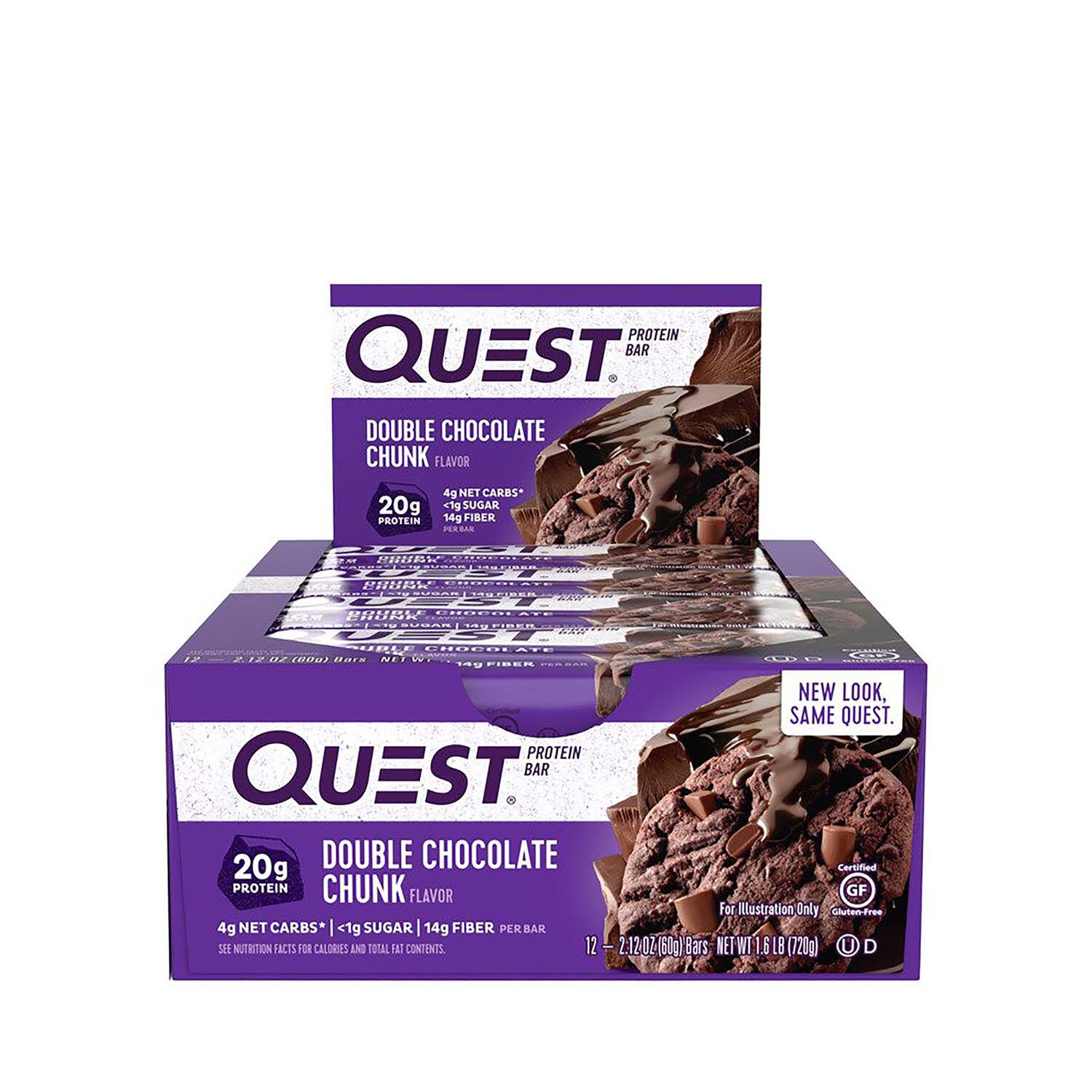

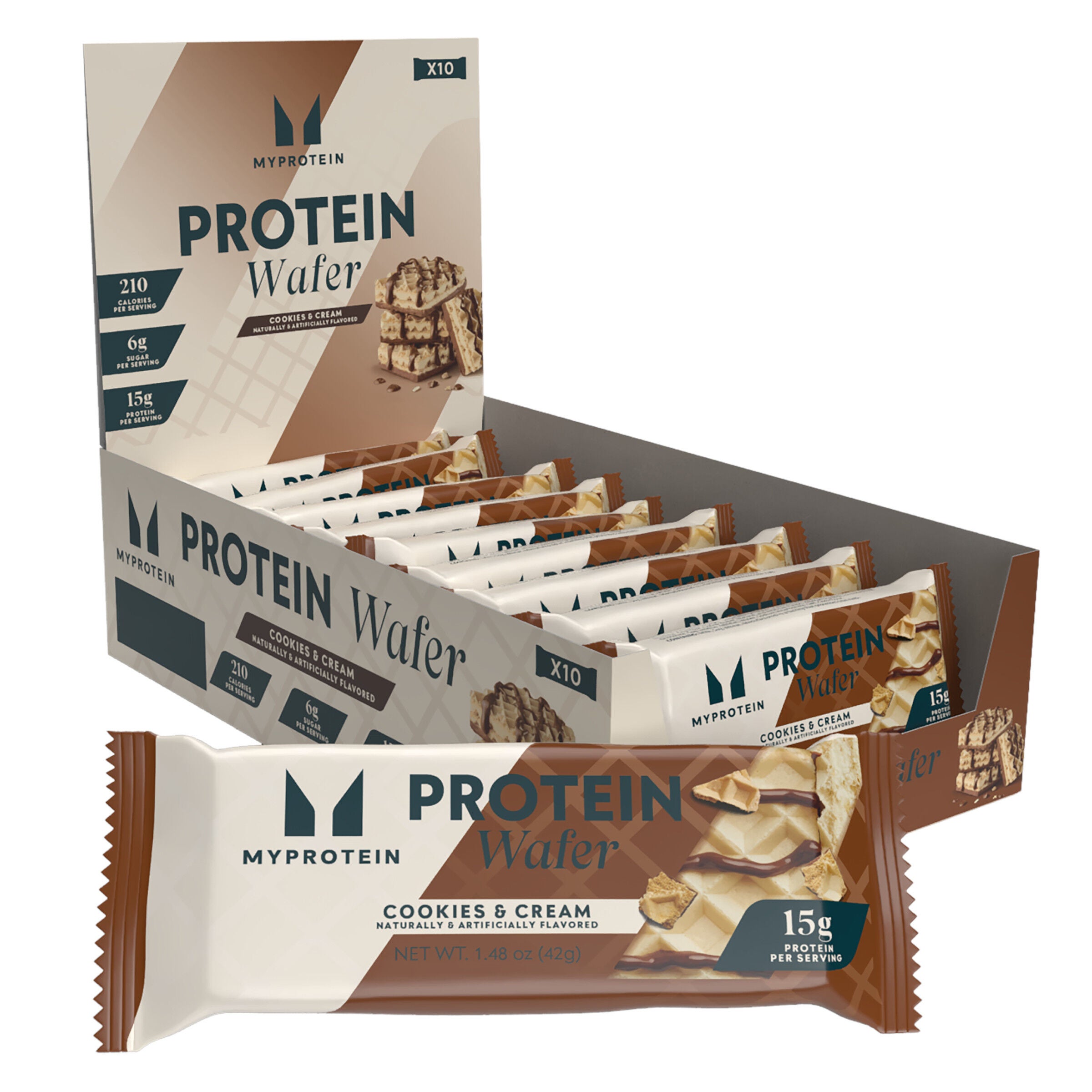
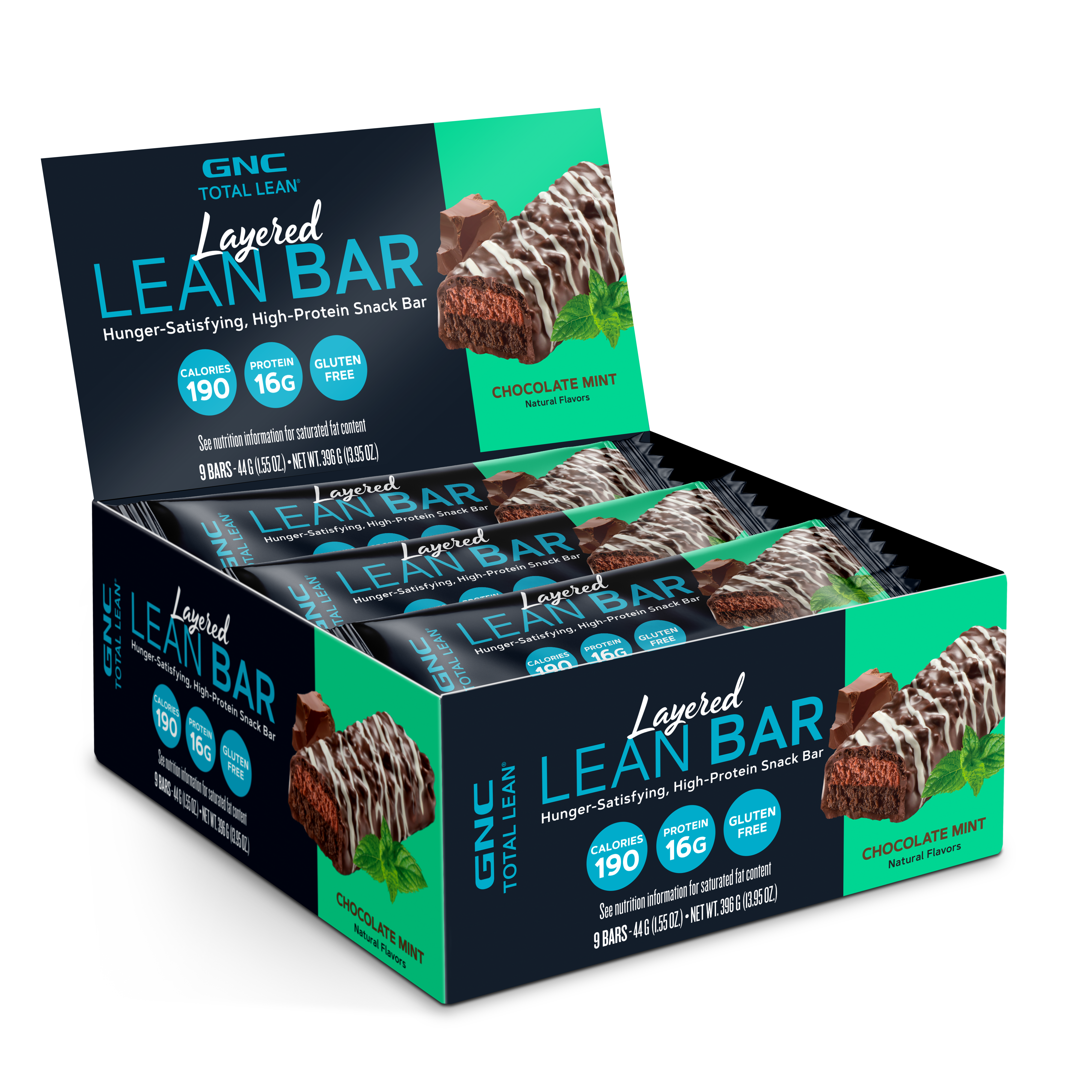
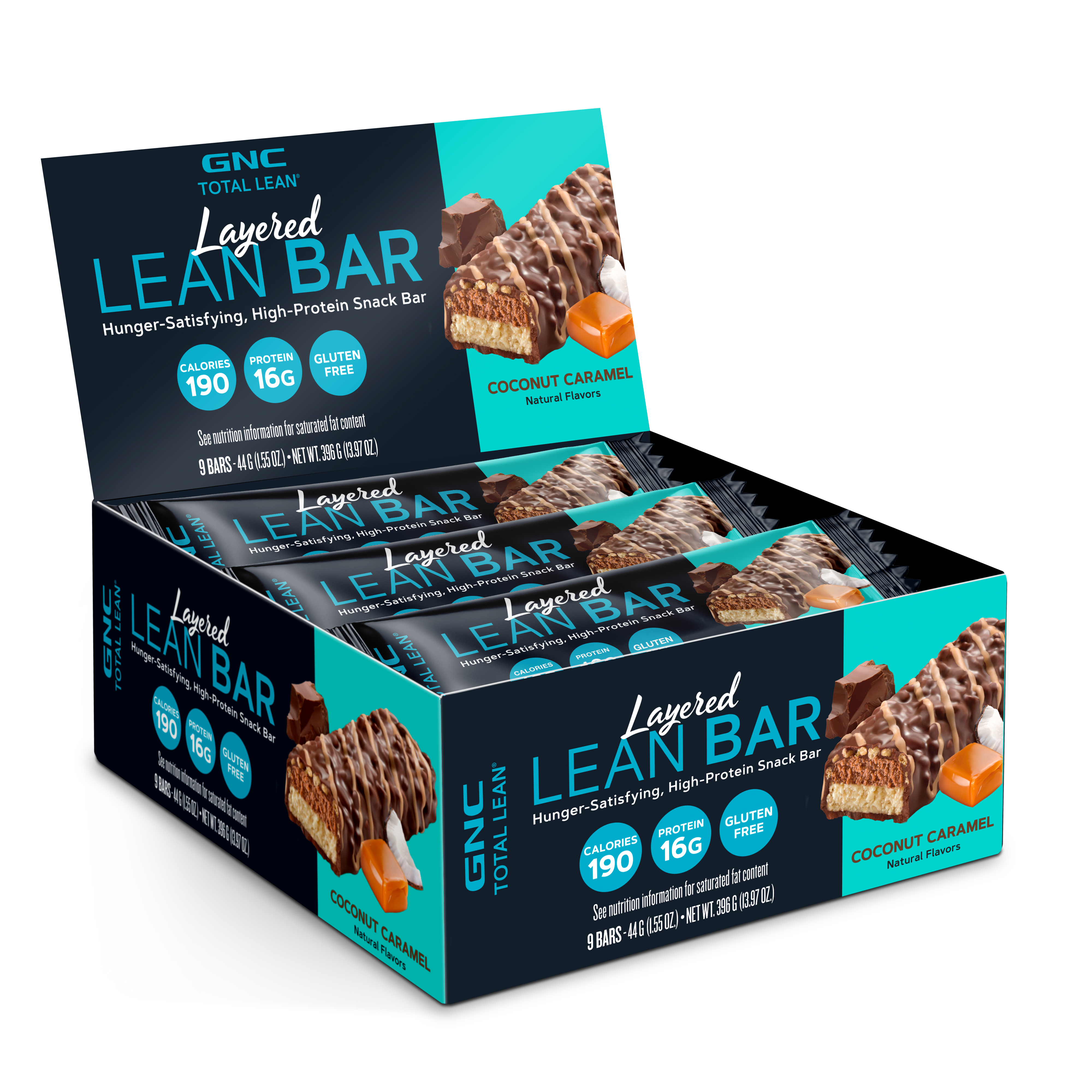
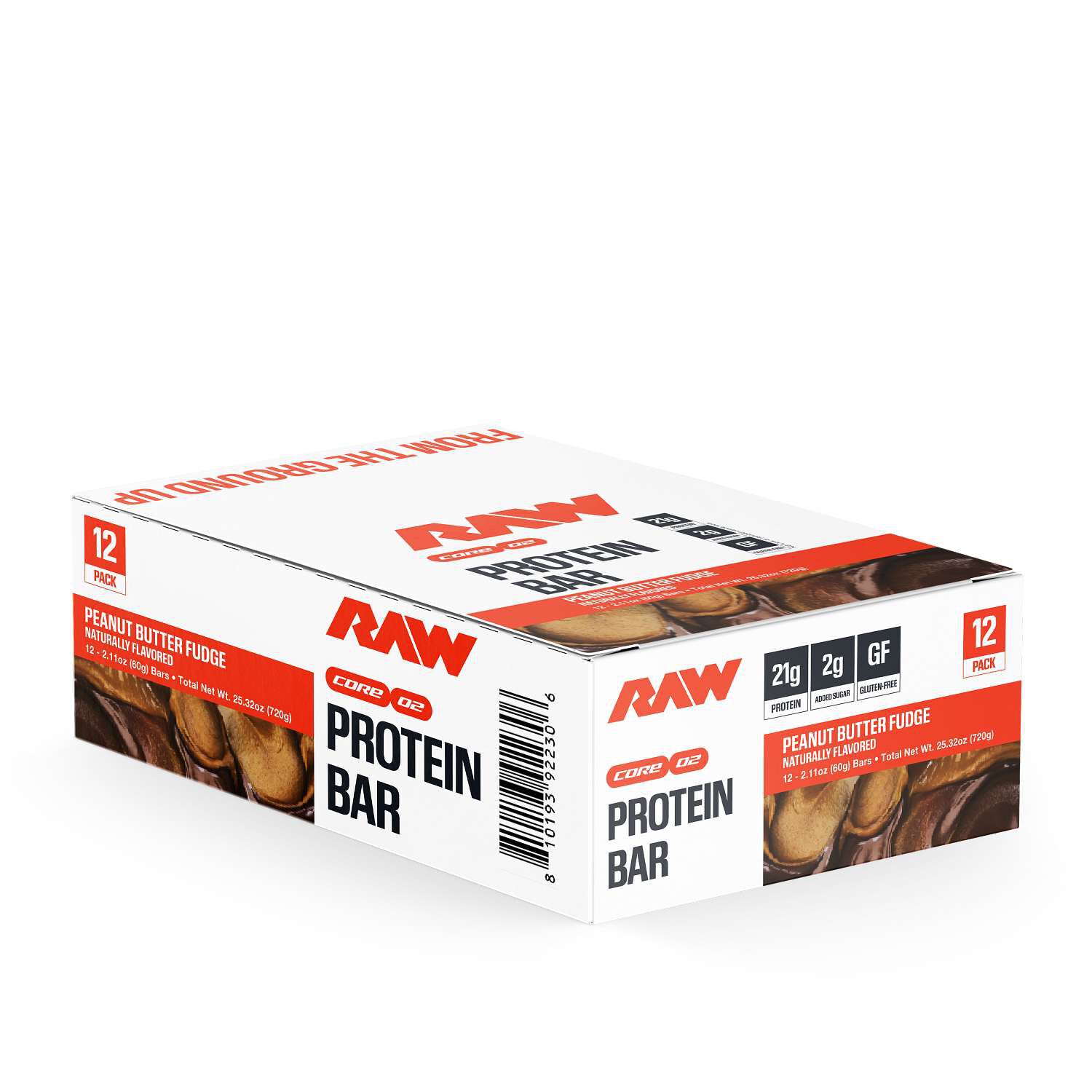
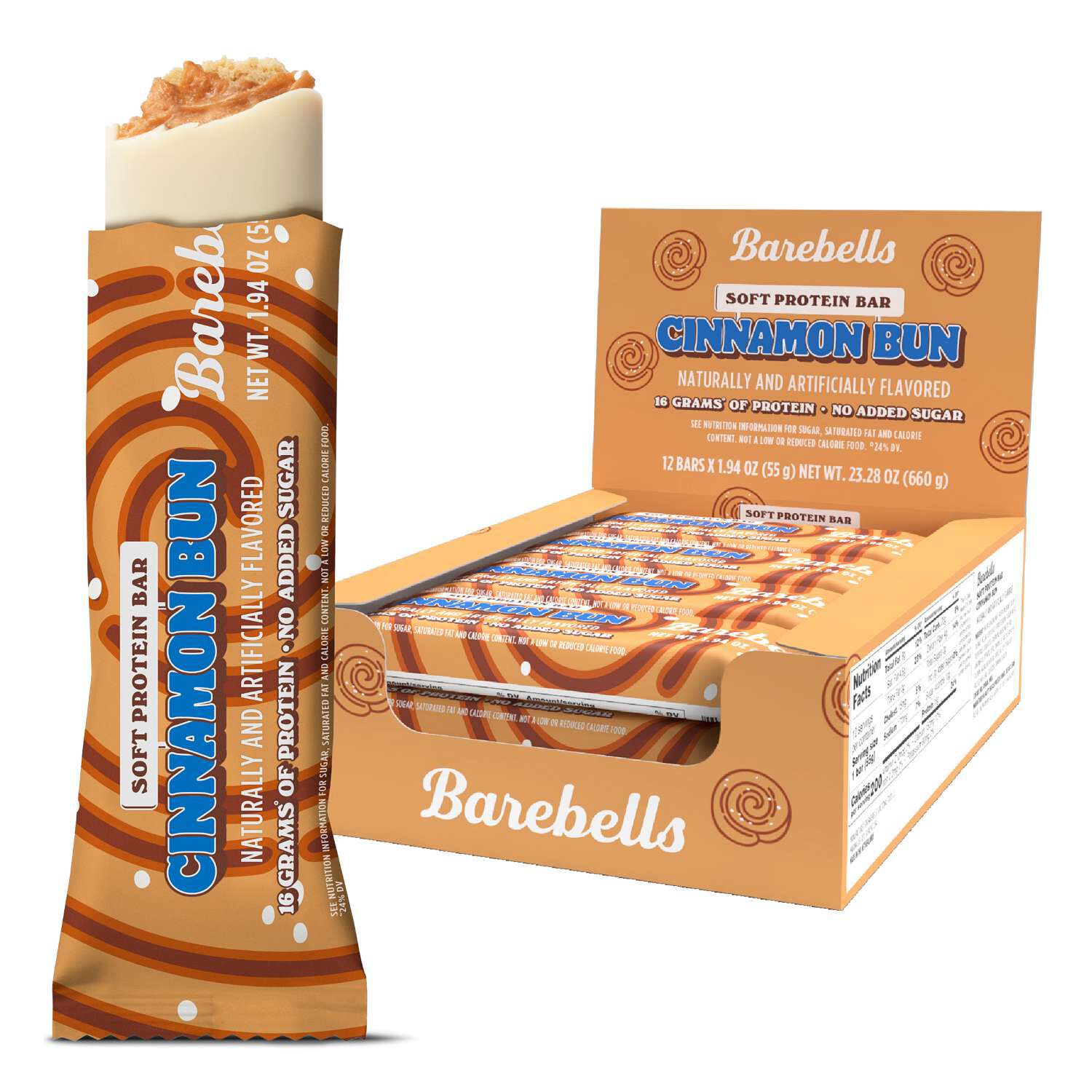
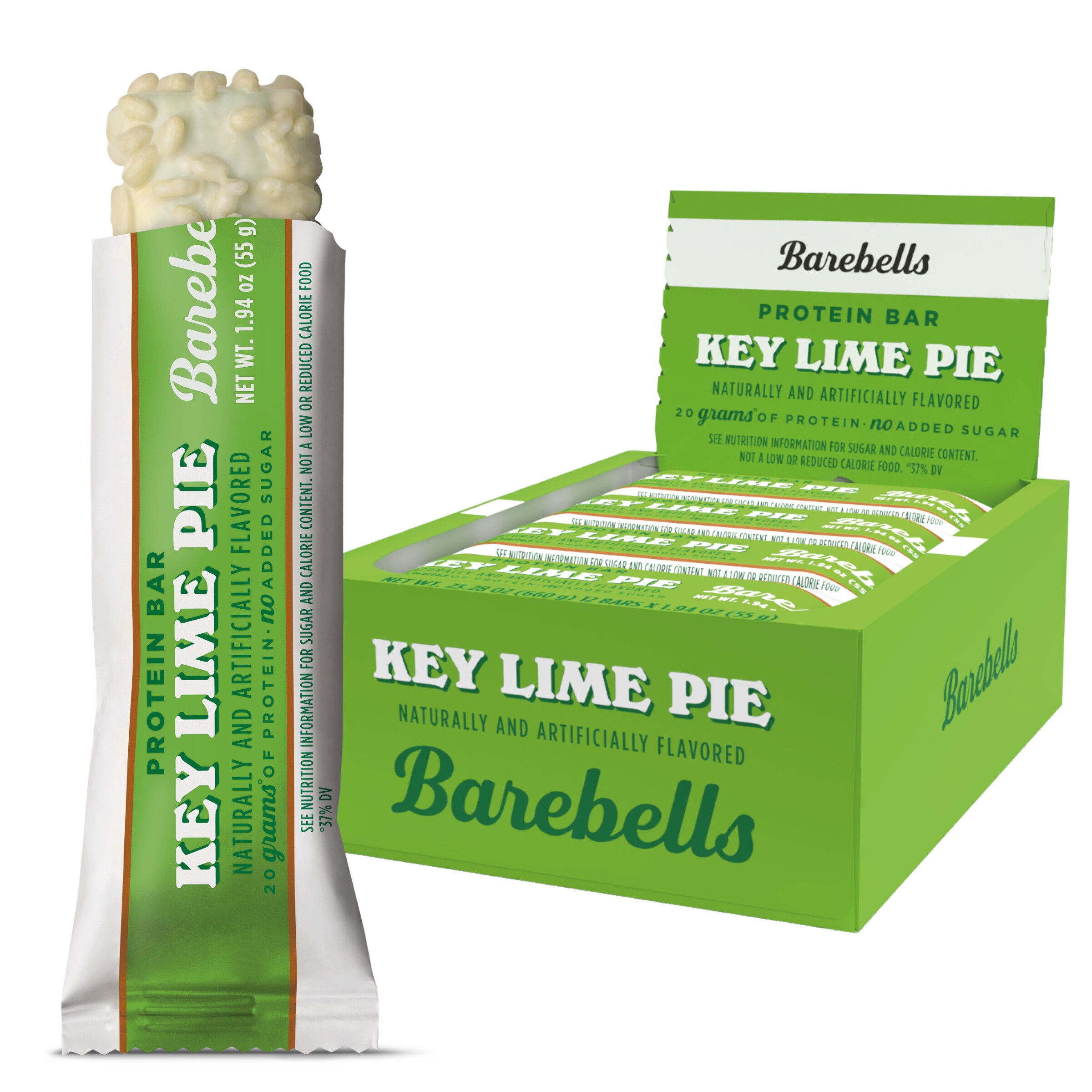
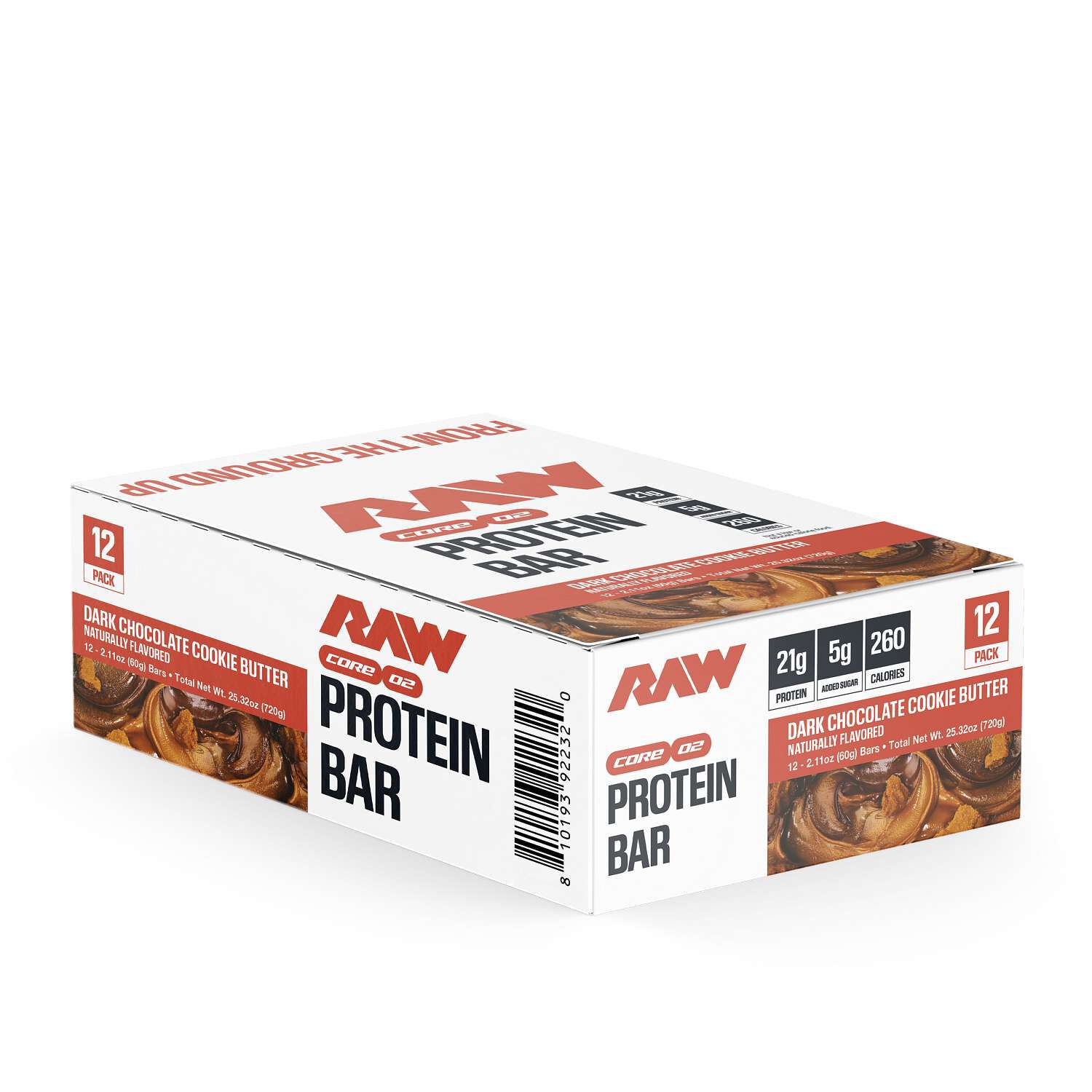
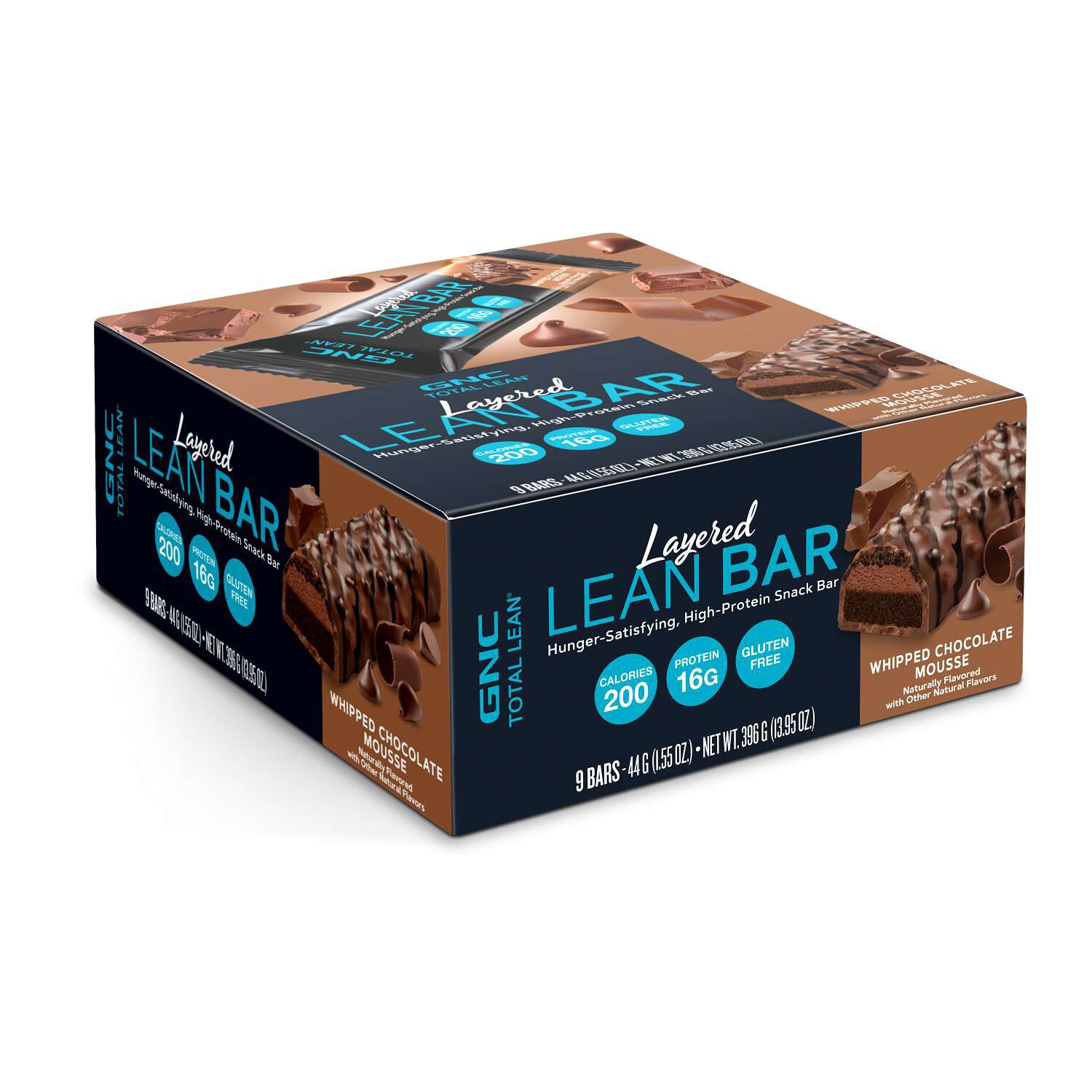
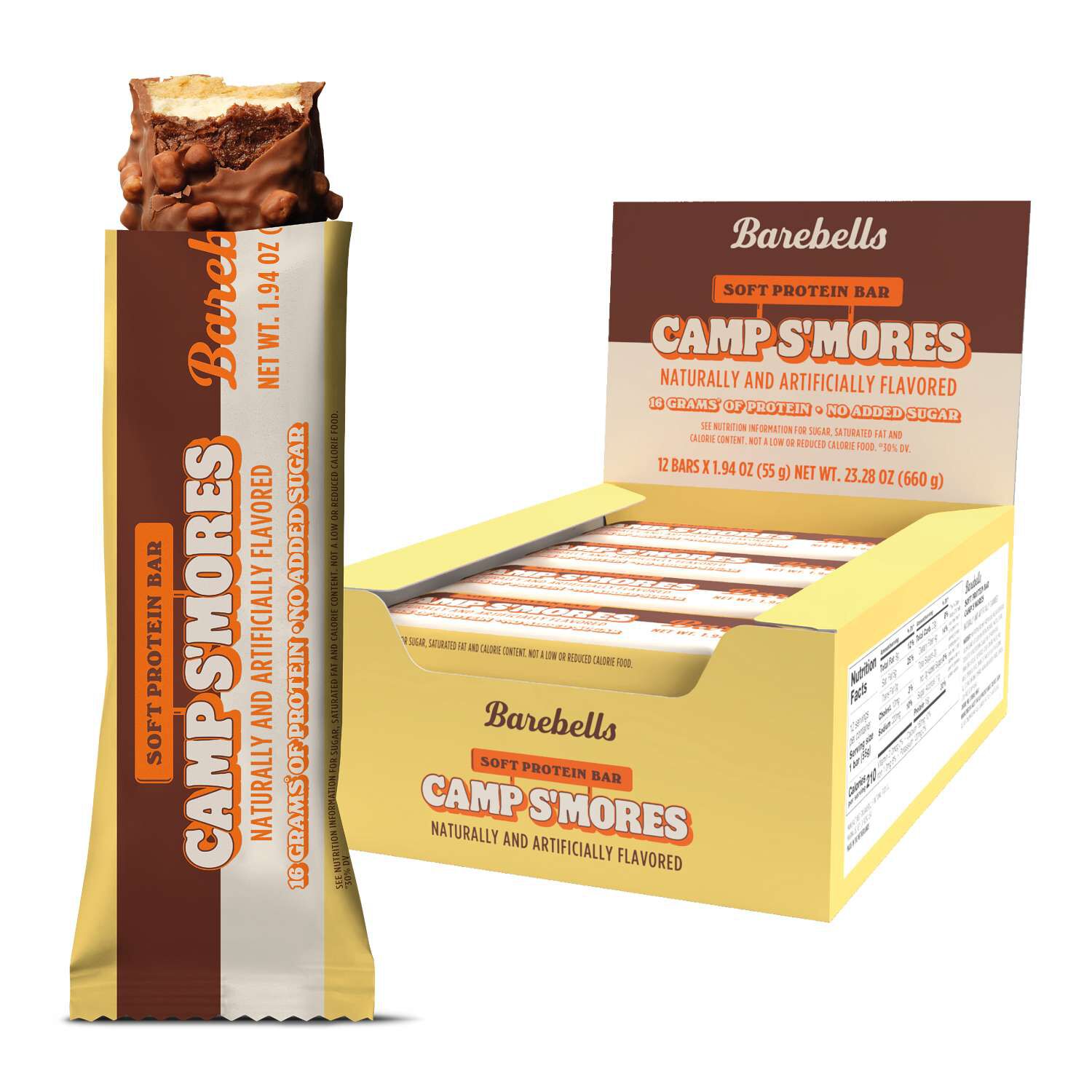

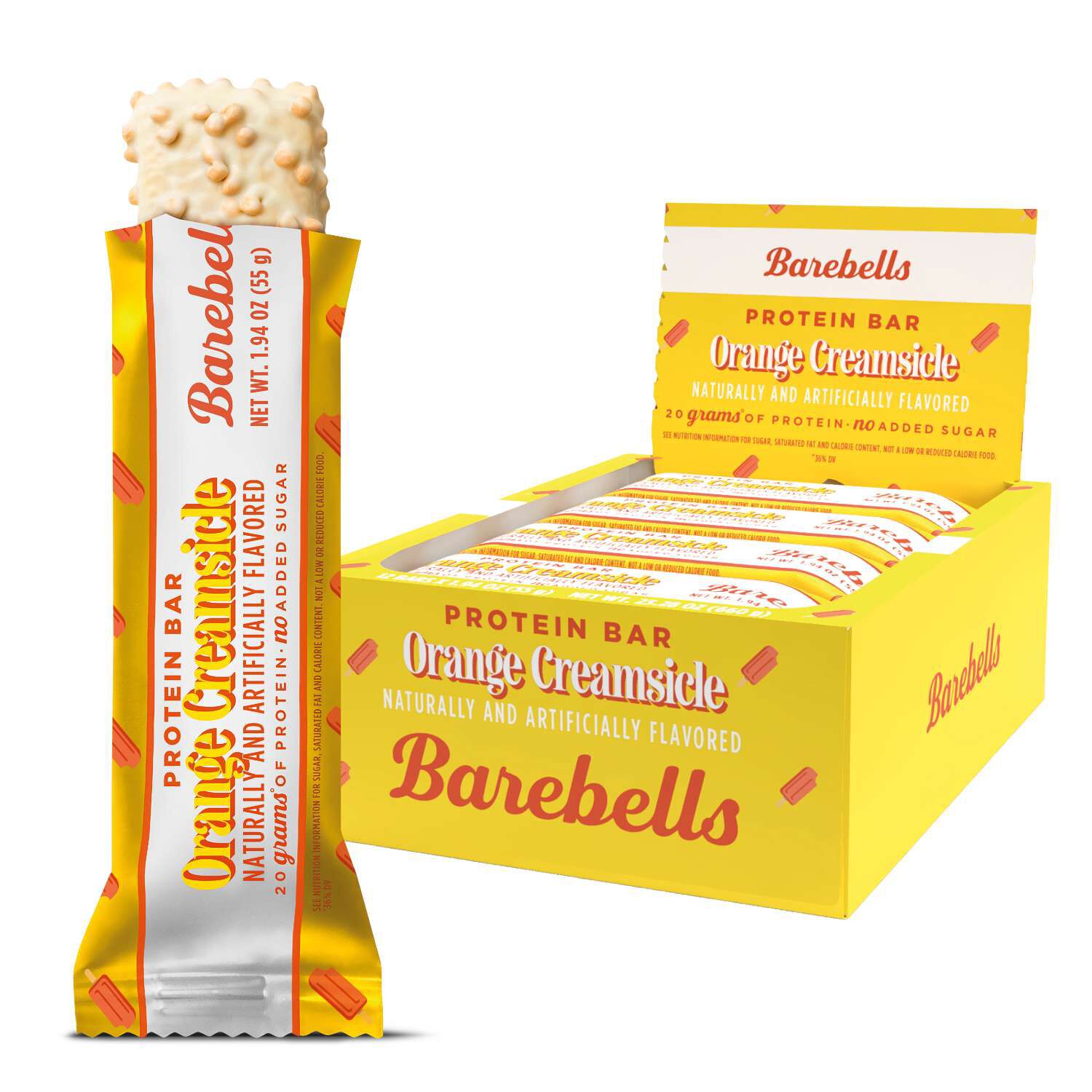
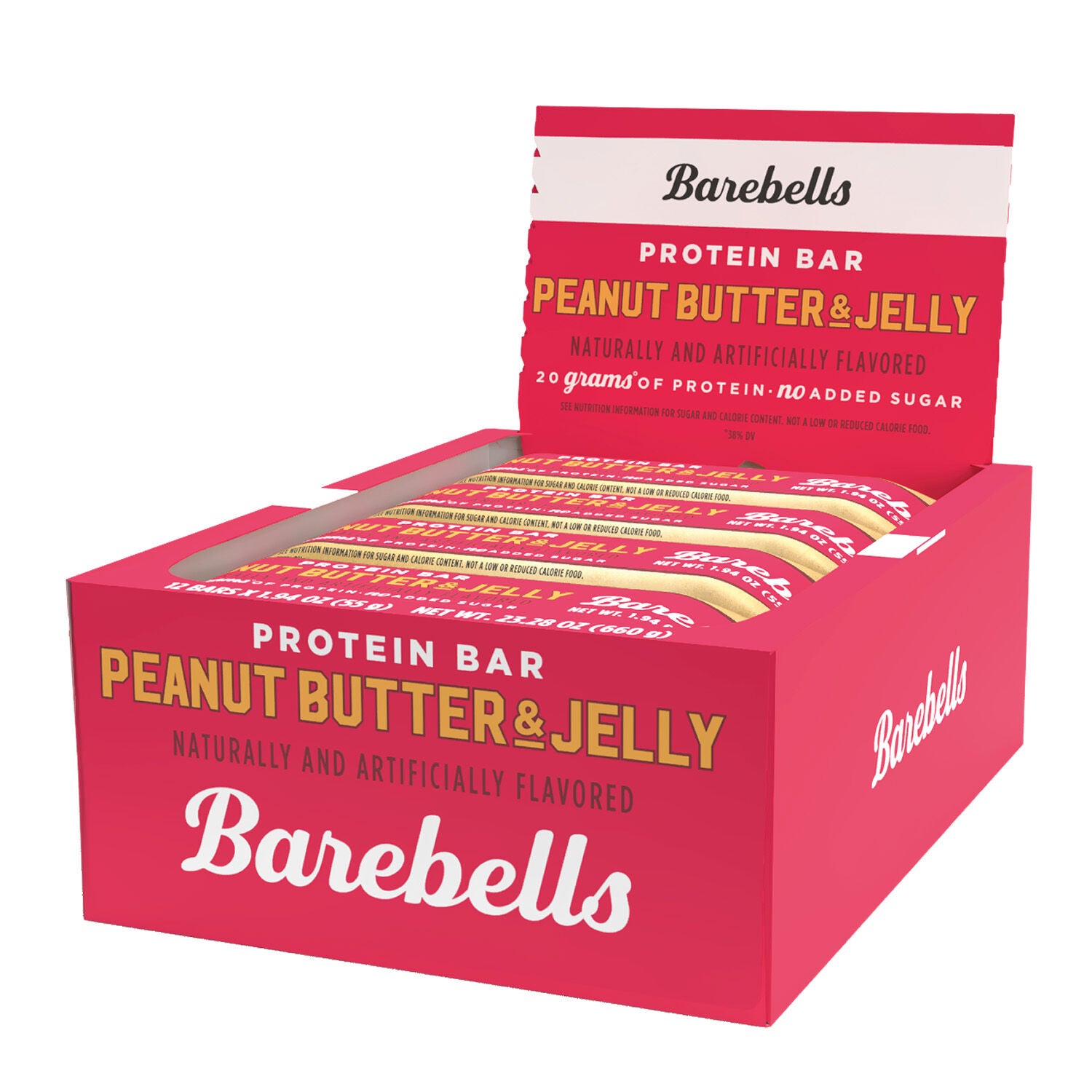
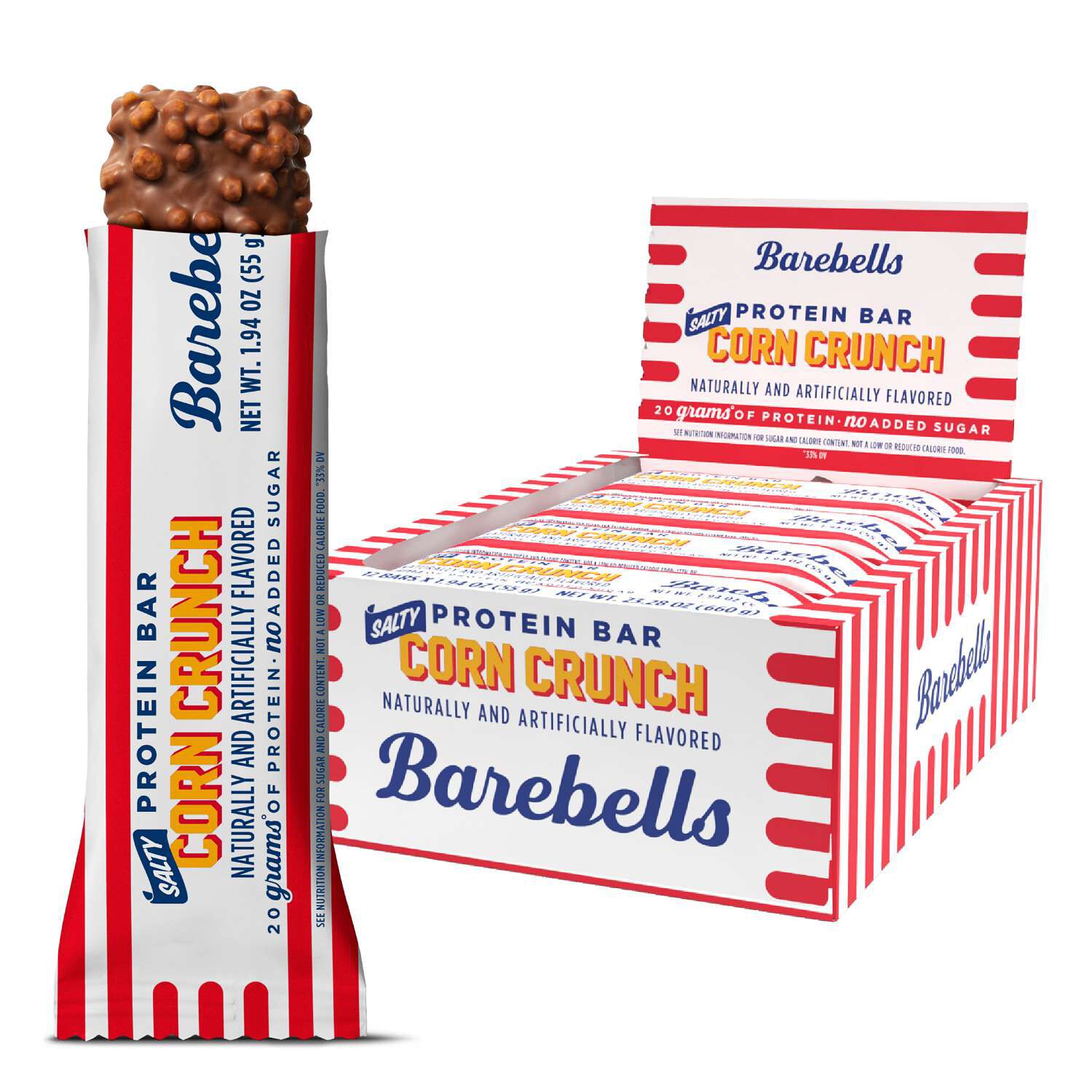


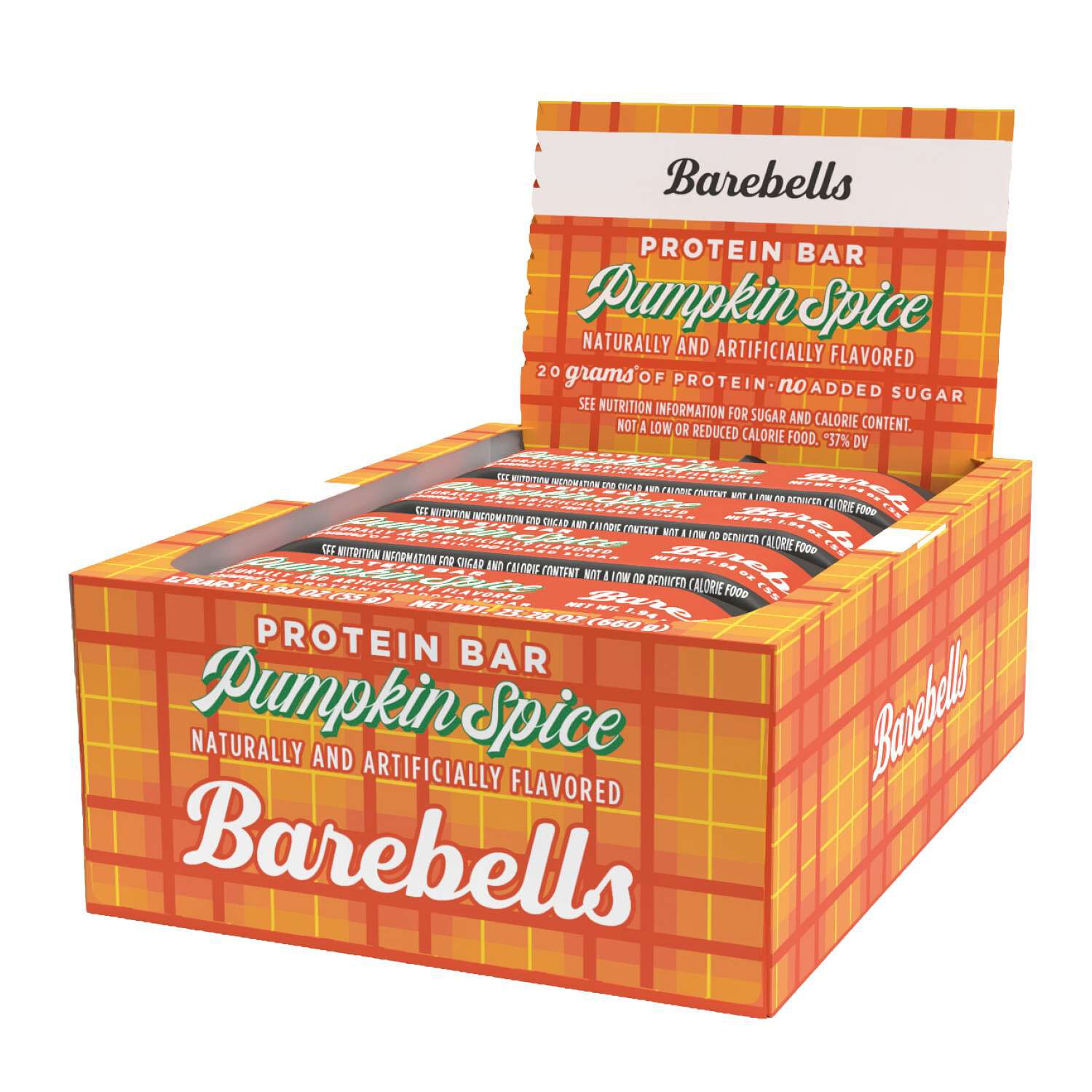
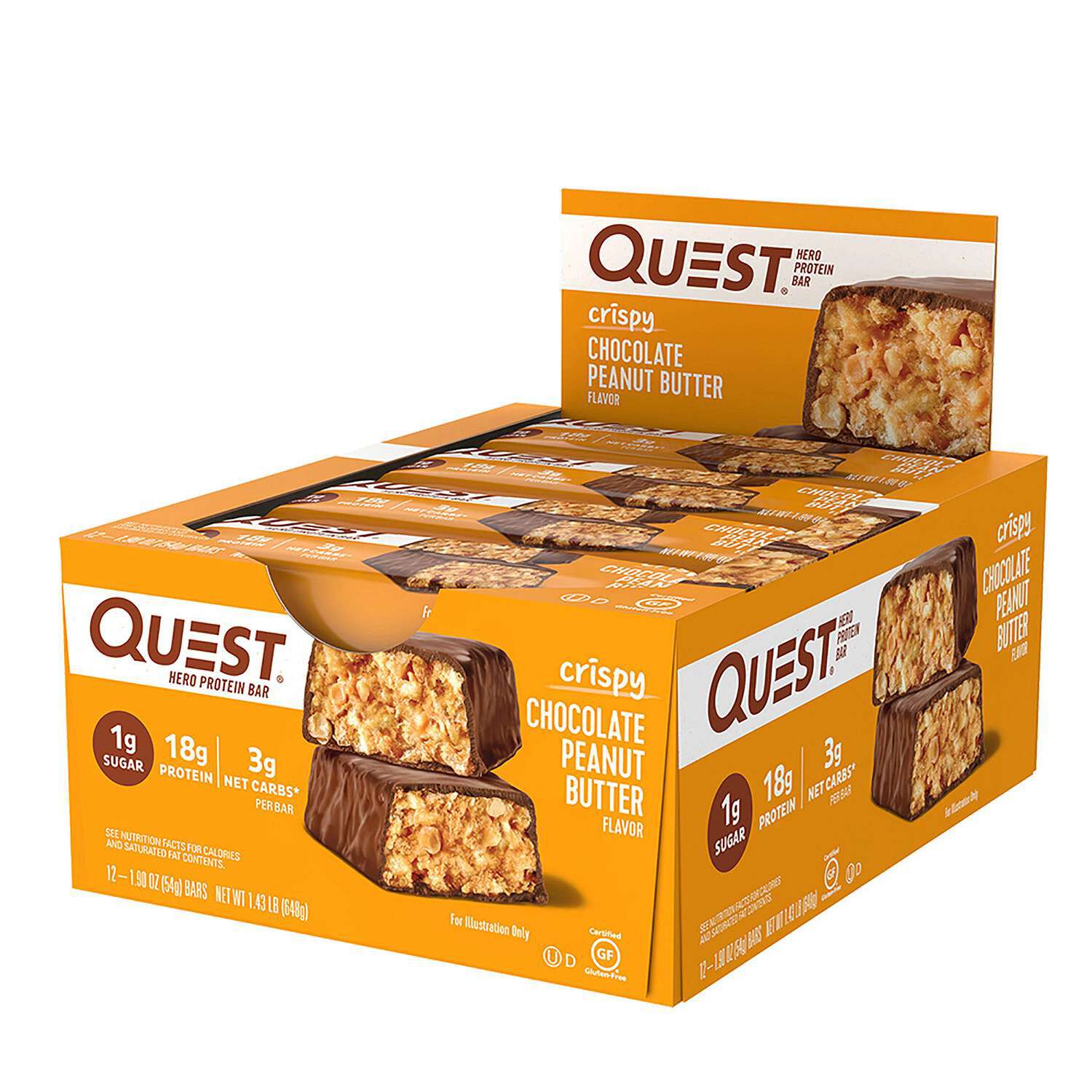


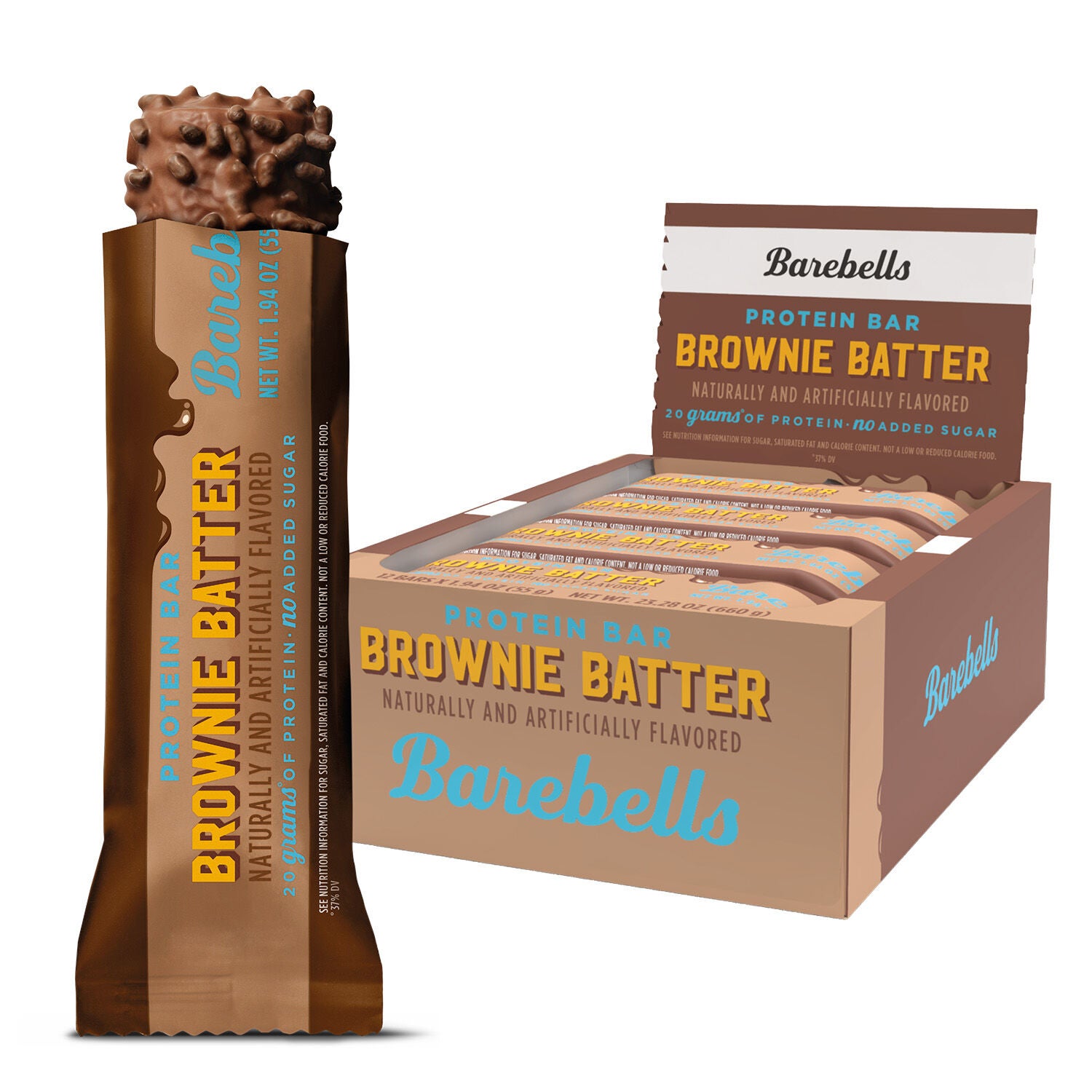
Healthy snack bars offer a portable way to enjoy ingredients such as oats, nuts, seeds, and dried fruit without packing several separate containers. The category includes chewy fruit-and-nut bars, crisp grain bars, soft protein bars, and layered varieties with creamy fillings or chocolate coatings. What makes a snack bar a good match depends on its ingredients, nutrition information, portion size, and intended place in an eating routine. A short ingredient list can be easy to understand, but length alone does not establish nutritional value; the amounts of protein, fiber, added sugars, and other nutrients provide useful context. Ingredients appear in order by weight, so oats, almonds, peanuts, dates, or seeds near the beginning indicate a different recipe from one led by syrup or a confectionery coating. Visible pieces add another dimension: chopped nuts bring crunch, rolled oats create a familiar cereal texture, and dried cherries or raisins contribute pockets of chewiness. For shoppers comparing everyday options, at least 3 grams of fiber and 4 grams of protein per serving can serve as practical comparison points rather than universal requirements. Bars with protein and fiber may help make a between-meal snack feel more satisfying, although individual preferences and portions vary. Added sugars deserve a separate look because a fruit-based bar can contain naturally occurring sugars even when its label states that no sugar has been added. Honey, maple syrup, and agave still contribute added sugars when used in a recipe. Comparing bars by the same serving size makes those differences easier to interpret. A small, dense bar and a larger, airy bar may look similar in their wrappers yet offer quite different portions. The most useful definition of a healthy snack bar brings these details together instead of relying on a single front-label description, a particular flavor, or an ingredient that happens to sound especially nutritious.
Flavor and texture matter just as much when choosing a bar that will actually get eaten. Someone who enjoys the roasted character of peanut butter may prefer a nut-forward recipe, while another shopper may reach for tart berry pieces, cinnamon oats, or cocoa with a touch of sea salt. A chewy date base feels different from a crisp rice layer, and a smooth chocolate coating changes both the sweetness and the eating experience. Protein sources also influence a recipe: whey, milk, egg whites, soy, pea, and brown rice proteins appear across the broader category, with different textures and ingredient considerations. Plant-based snack bars are not automatically vegan, since recipes may include honey or dairy ingredients; the ingredient list and relevant labeling offer a clearer answer than the overall appearance. Likewise, a bar made mainly with oats may still contain wheat ingredients elsewhere in the recipe. For shoppers with ingredient restrictions, the allergen statement and any shared-equipment information deserve attention alongside the main ingredient list. Nuts, peanuts, milk, eggs, soy, sesame, and wheat are particularly relevant to this category. Sweeteners can affect taste, too. Some recipes rely on dried fruit, others use syrups, and others contain sugar alcohols or high-intensity sweeteners. None of those choices describes the entire nutritional profile on its own. A bar with little added sugar may still have a sweet coating, while an oat-and-fruit bar may taste less sweet despite containing more sugars from fruit. Shoppers interested in recipes featuring combinations of seeds, berries, nuts, and grains can also explore Superfood Bars, keeping the same attention on serving size and ingredient details. The term superfood does not establish a fixed nutritional standard, so the actual recipe remains the better basis for comparison. Variety is often welcome in a snack drawer: a softer fruit bar, a crunchy nut bar, and an oat-based option each offer a distinct bite without requiring every choice to have the same texture or flavor.
Intended use gives these comparisons a practical setting. A compact bar tucked into a work tote serves a different purpose from a larger bar packed beside a sandwich, yogurt, or a piece of fruit. For a short break between meetings, a modest portion may be enough to suit the moment; for a longer stretch away from home, pairing a bar with other foods may make the snack more satisfying. Students, commuters, travelers, and people carrying a gym bag often appreciate individually wrapped portions because they require no utensils and occupy little space. A bar eaten before or after exercise is still a food choice with its own serving size and ingredients, rather than a reason to overlook personal taste or the rest of the day’s meals. Texture becomes especially noticeable in these everyday settings. A crumbly grain bar may be better suited to a seated break with a napkin, while a cohesive, chewy bar may be easier to manage on a busy commute. Chocolate coatings and sticky fruit fillings add richness but can leave residue on fingers, making wrapper design worth considering. Packaging condition matters as well: an intact seal helps protect the bar during ordinary handling, and keeping it away from sharp objects in a bag reduces the chance of a torn wrapper. Follow the package’s storage directions and date information, and place any unfinished portion in a suitable closed container according to the label. A desk drawer or pantry basket can keep different flavors organized, with ingredient information still attached for easy reference. For shared office snacks, care packages, or a thoughtful addition to a student’s supply box, individually labeled bars let recipients check ingredients before choosing. Familiar flavors are often a considerate starting point, but dietary preferences should shape the assortment. Across all these occasions, healthy snack bars are best compared as foods with distinct recipes, textures, and portions—not interchangeable packages. Attention to those everyday details makes it easier to choose bars that suit the person, the setting, and the kind of snack they enjoy.
Best Sellers
-
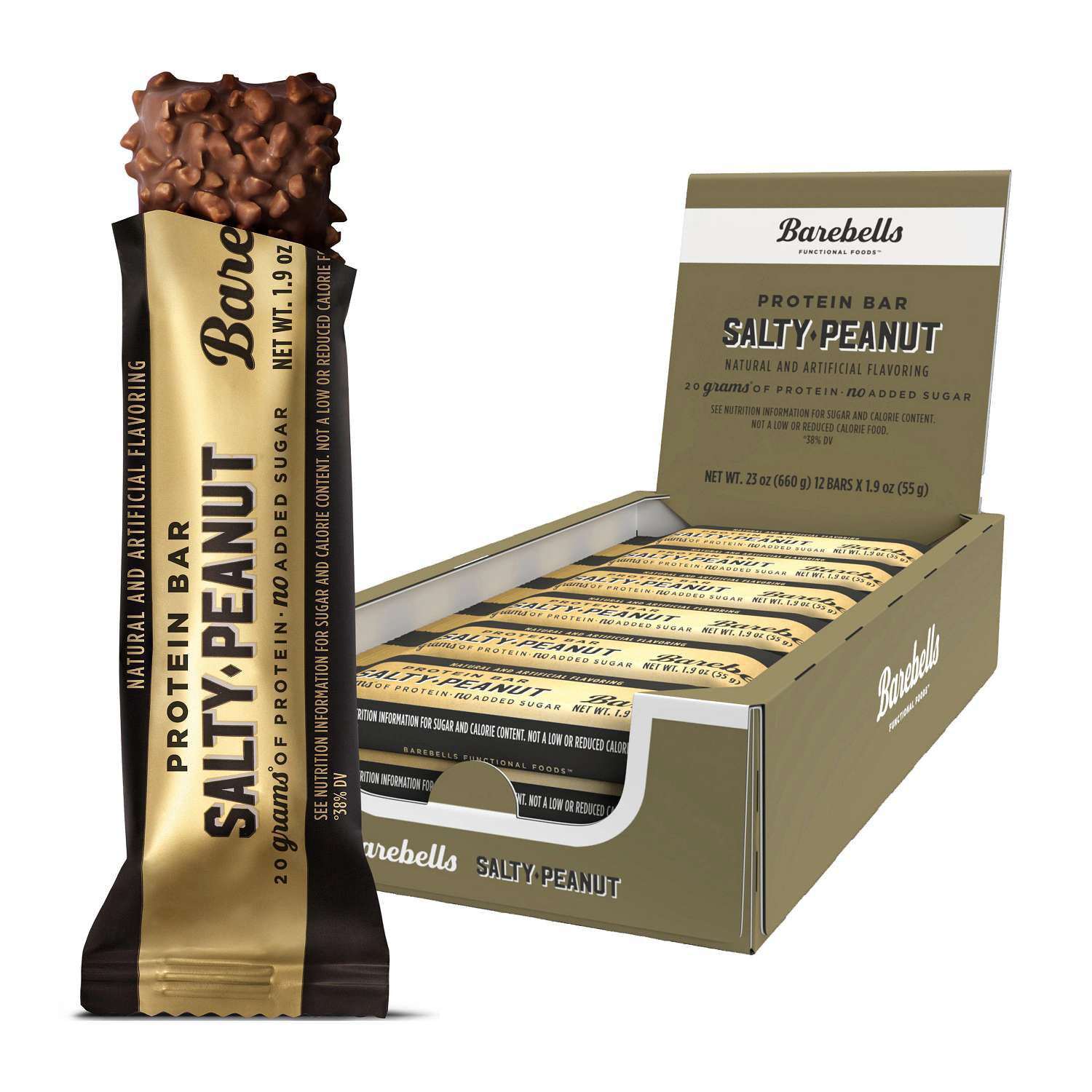 Barebells
-
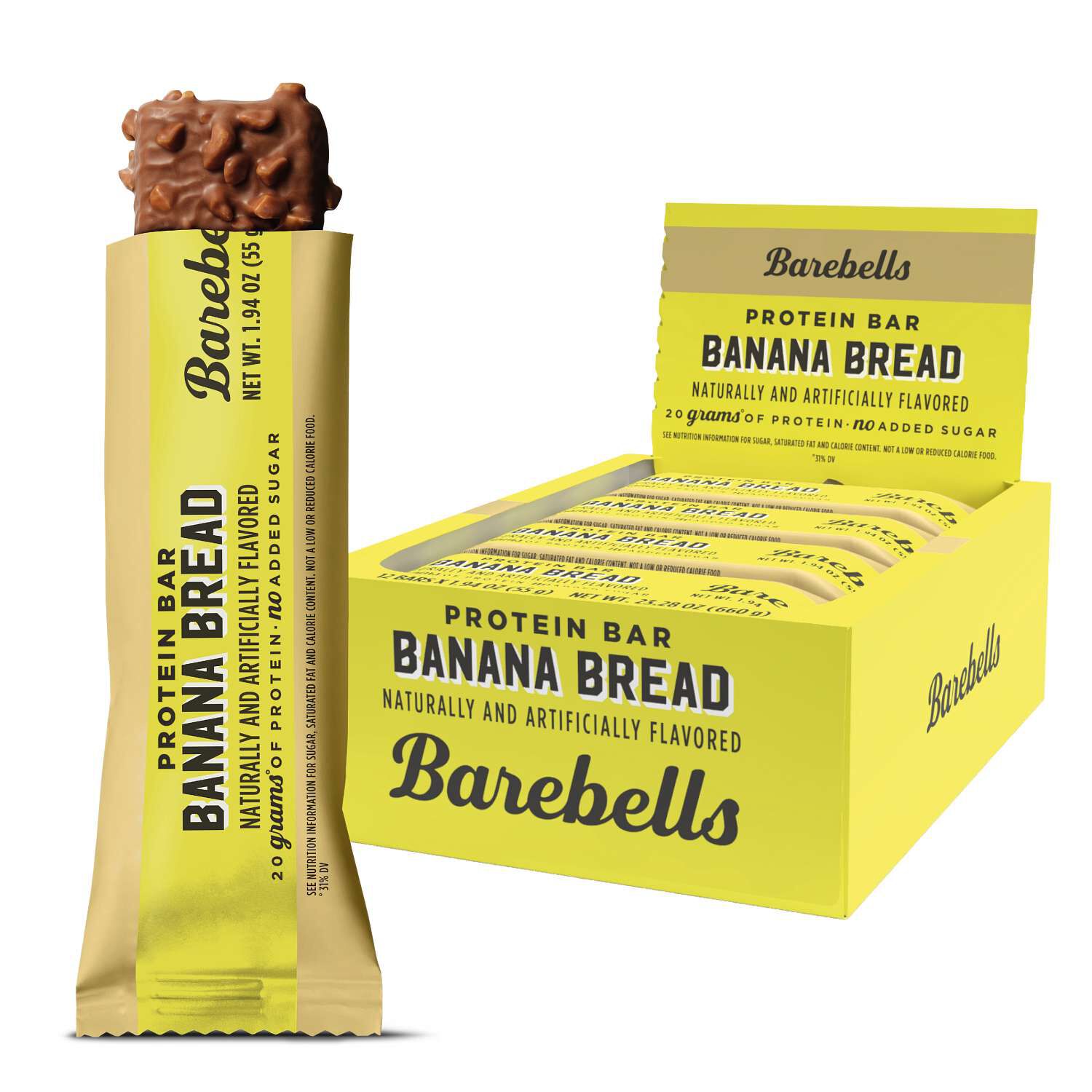 Barebells
-
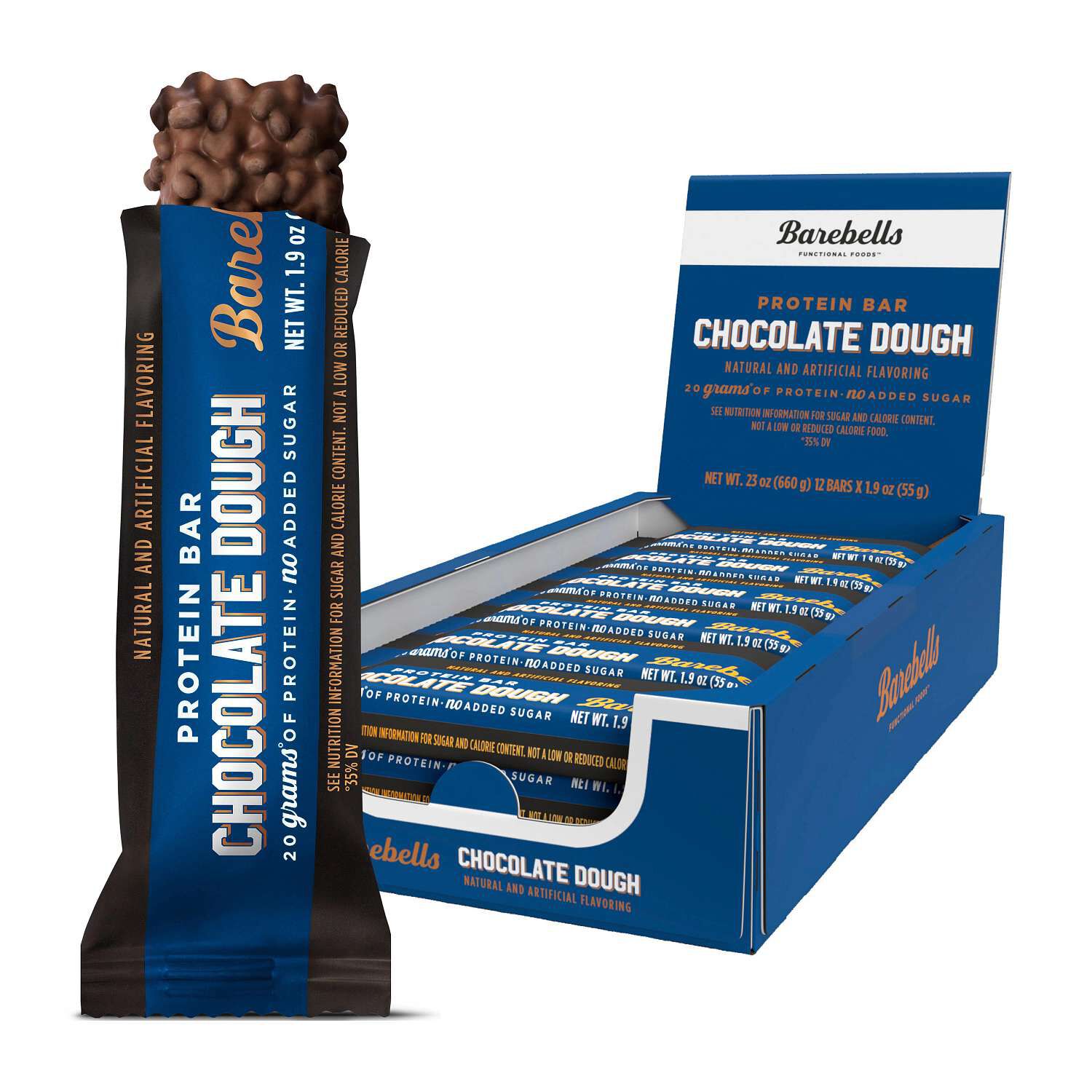 Barebells
-
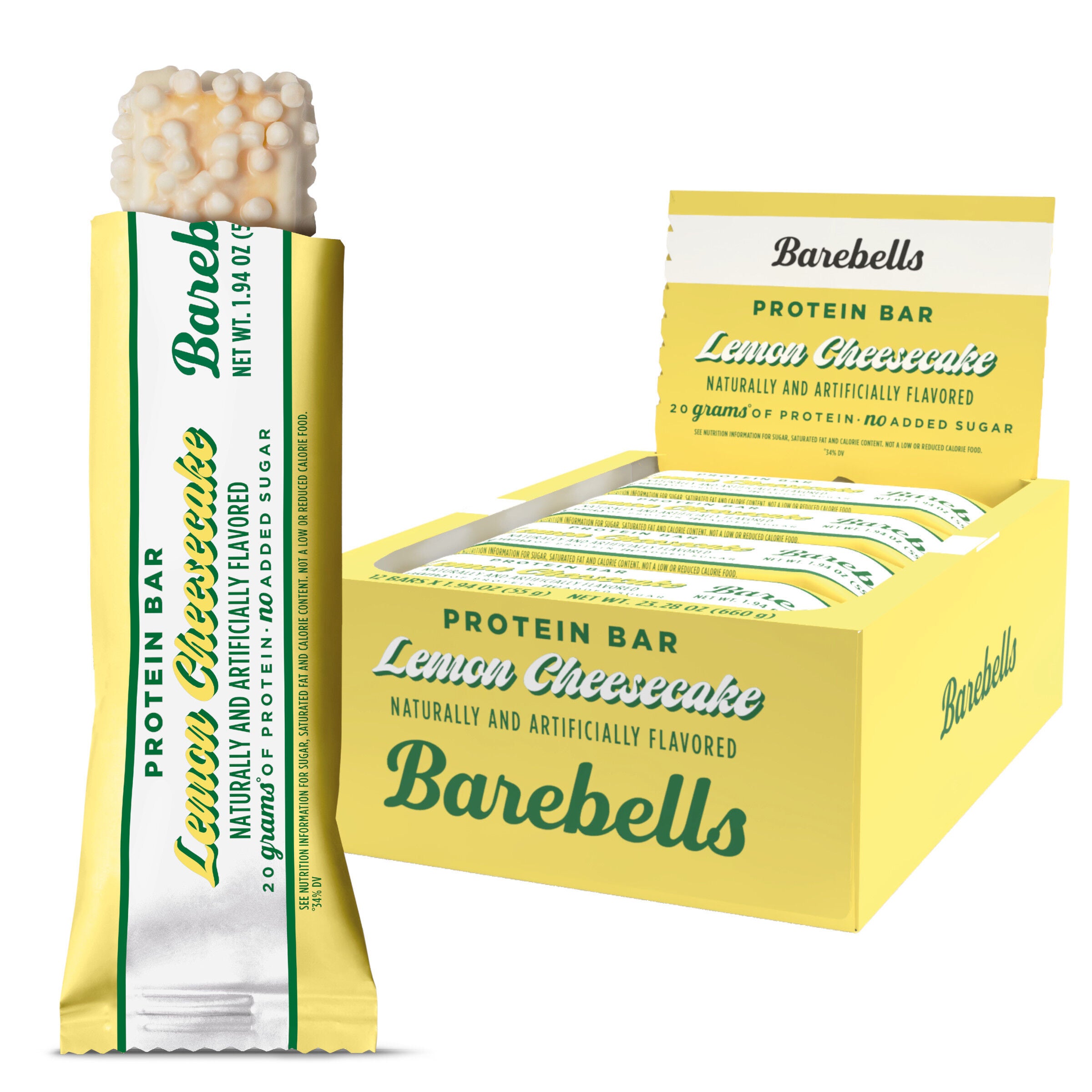 Barebells
