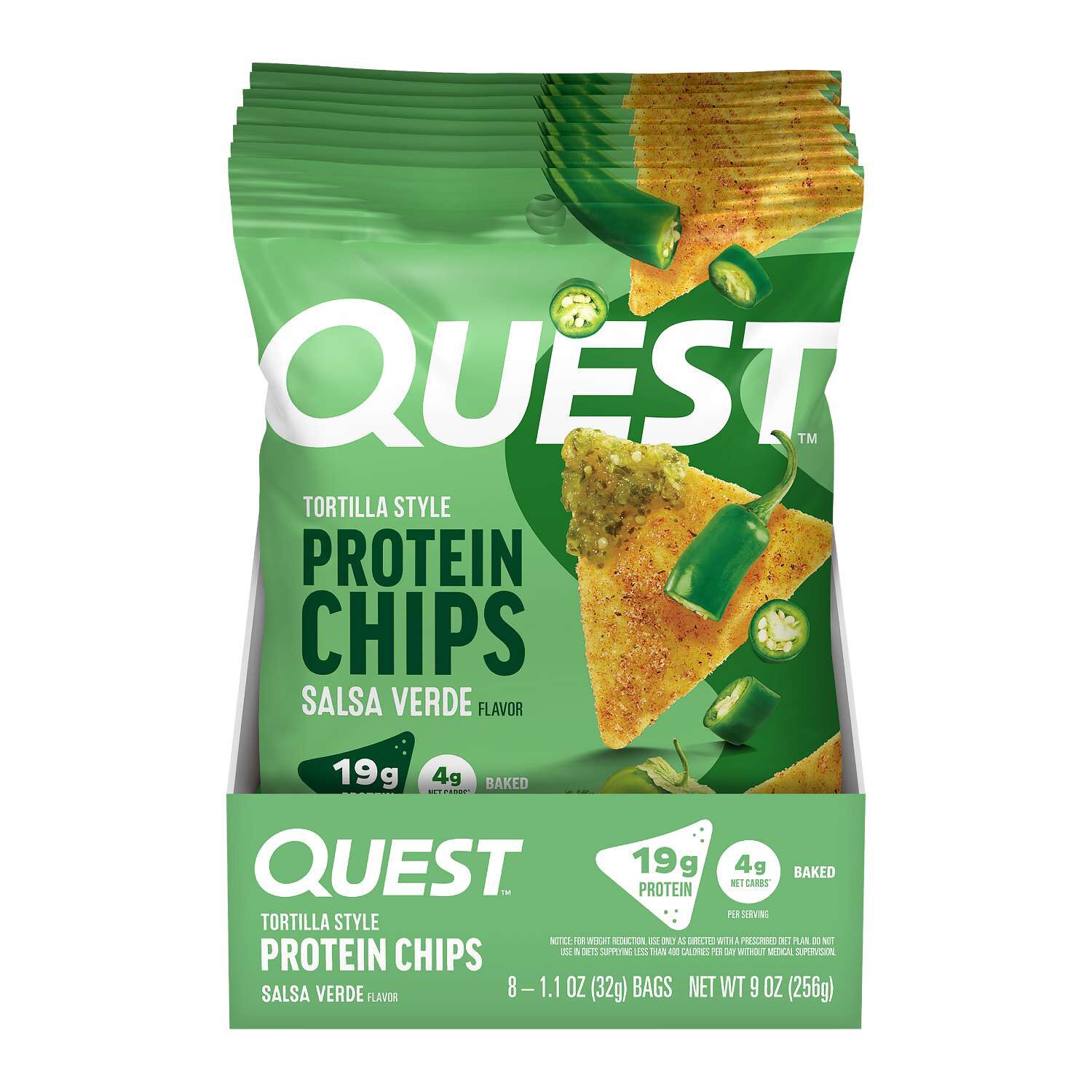
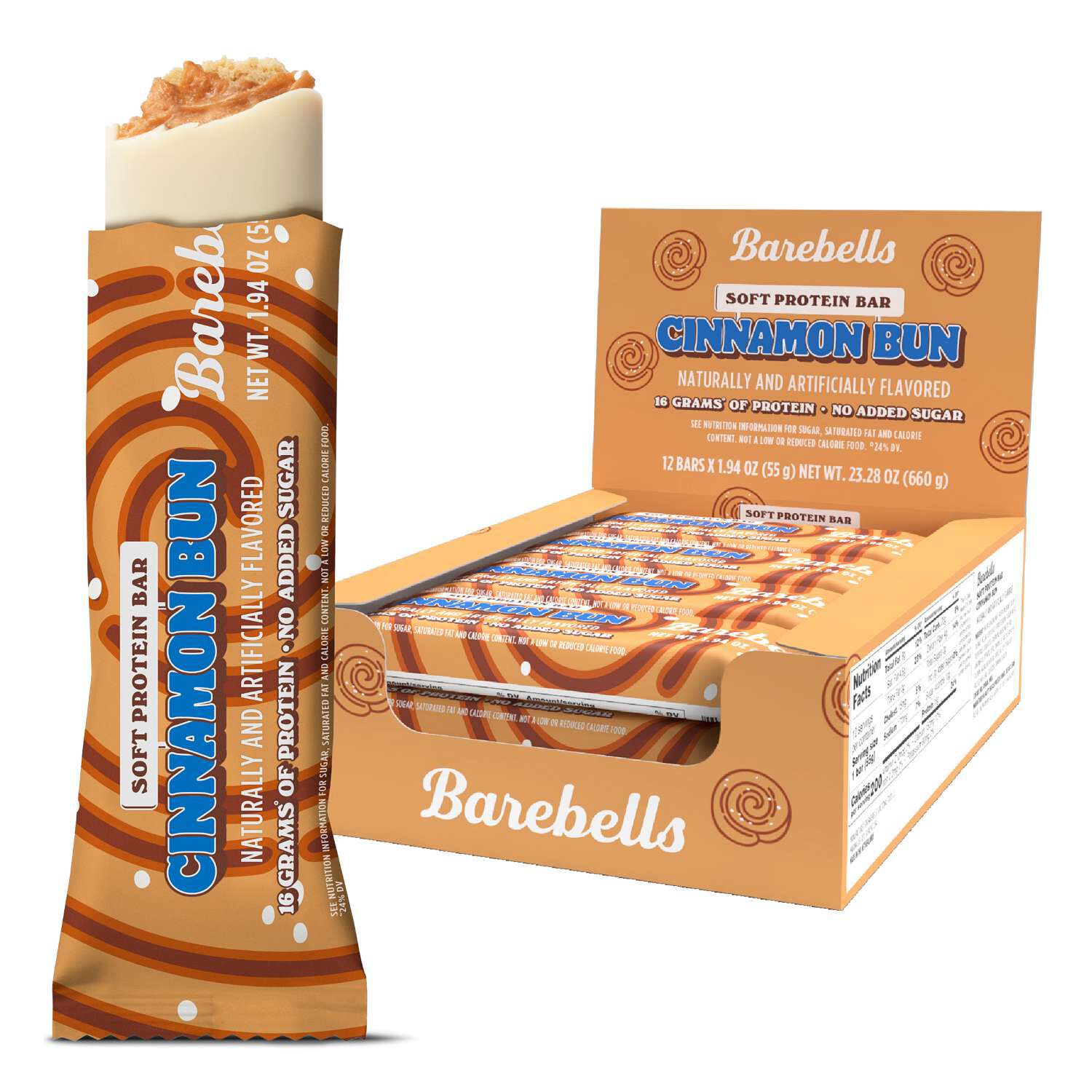
Keto snack bars are portioned snacks generally made for eating patterns that limit carbohydrates, often combining nuts, seeds, fats, fiber, and protein in a compact format. Recipes vary considerably, so the nutrition panel and ingredient list matter more than the word keto on the wrapper. Some bars emphasize nut butter and a soft, dense texture; others feature crisp protein pieces, chopped nuts, or a chocolate-style coating. Their suitability for a particular eating routine depends on the serving size, carbohydrate content, ingredients, and personal preferences. Net carbohydrates are a common point of comparison, but the calculation deserves a closer look. The figure typically starts with the carbohydrate amount and subtracts dietary fiber, with some calculations also subtracting certain sugar alcohols. Because those calculations can differ, comparing the listed carbohydrate grams, fiber, sugars, and sugar alcohols alongside any stated net-carbohydrate figure gives a clearer picture of the recipe. A bar described as having no added sugar can still contain carbohydrates from nuts, milk ingredients, or other components. Likewise, a protein-focused bar is not automatically a match for a keto eating pattern. Serving information adds another detail: a larger bar may have a different serving size than expected, making wrapper size alone an unreliable comparison. Protein grams, fat content, fiber, and calories provide additional context without any one number telling the whole story. For someone who tracks food intake, clearly stated nutrition information may make a packaged bar easier to work into an established routine. For someone focused primarily on flavor and convenience, the same label offers a practical way to compare similar-looking choices. Keto snack bars occupy a specific part of the snack-bar category: they generally place carbohydrate content at the center of the recipe, while offering a range of textures, flavors, and protein sources. That distinction matters when comparing a nut-forward bar with a traditional cereal-based bar, even when the packages are similar in size. Neither the flavor name nor the appearance reveals how those ingredients are balanced.
Ingredients shape much of the eating experience, from the first bite through the last few crumbs in the wrapper. Almonds, peanuts, pecans, and seeds contribute distinct flavors and textures, while nut butters create a more blended, dense consistency. Coconut appears in several forms, including flakes, oil, and butter, each with a different role in the recipe. Cocoa powder and cacao pieces offer a different chocolate character than a smooth outer coating, and a touch of salt can provide contrast to a sweet filling. Vanilla, cinnamon, and coffee-inspired flavors create other options for shoppers who prefer something beyond chocolate and peanut butter. Texture is worth considering alongside flavor: a chewy bar, a layered wafer-style bar, and a bar with visible nut pieces are quite different snacks, even when their nutrition panels look similar. Protein sources also vary. Whey, milk, egg, soy, and pea proteins appear in different formulations, making the ingredient list especially relevant for dietary preferences and allergen considerations. Fiber ingredients, including chicory root fiber or soluble corn fiber, can change the density and texture of a bar. Sweeteners deserve the same attention. Stevia, monk fruit, sugar alcohols, and combinations of sweetening ingredients each have a distinct taste, and the presence of one does not describe the entire recipe. A familiar flavor name can hide meaningful differences in sweetness, aftertaste, coating thickness, or the proportion of nuts to filling. A short ingredient list is not automatically the right fit for every shopper, just as a longer list does not explain the quality of every ingredient. The useful details are the named ingredients, their order on the label, the nutrition information, and the texture a person actually enjoys. For shared households, clearly labeled allergens and any statements about shared equipment are particularly important. A bar made without a particular ingredient is not necessarily produced in a setting without that ingredient, so the package remains the reference for those details. Preferences for plant-based ingredients or particular protein sources also belong in that comparison rather than being inferred from keto labeling alone.
The appeal of keto snack bars is often practical: a wrapped portion may fit into a desk drawer, a work tote, a travel bag, or a lunch bag without requiring utensils. A dense nut-butter bar might appeal to someone who prefers a softer bite during a short break, while a crisp, layered format could suit someone who enjoys a more textured snack. Smaller portions may fit a brief pause between activities; larger formats call for a closer look at serving information rather than assumptions based on package dimensions. A bar carried on a commute has different practical demands than one kept in a pantry. Sturdy individual packaging, a shape that fits a bag pocket, and a recipe that tolerates ordinary handling are useful considerations. Coated bars and delicate wafer layers may need a little more protection from being pressed beneath books or other belongings. Storage directions and the printed date remain relevant even for individually wrapped snacks. Keeping the original wrapper intact preserves access to the ingredient list, allergen information, and serving details, especially when several varieties are stored together. Once opened, the package directions provide the best reference for storage and use. For shoppers comparing keto-focused recipes with other approaches to snacking, Healthy Snack Bars offers a broader category to consider alongside individual nutrition preferences. The most useful comparison is between actual labels rather than front-of-package descriptions alone. A chocolate flavor, a nut-based recipe, or a protein statement can appear across several kinds of bars without making their carbohydrate content or serving sizes alike. Keto snack bars may suit people who want a portable option within an existing carbohydrate-conscious routine, but taste and everyday practicality still matter. A preferred texture, recognizable flavor profile, clearly stated serving size, and ingredients that match personal requirements are concrete reasons to choose one style over another. Those details make the category more meaningful than a single claim on a wrapper and may help narrow a selection to snacks that fit the way someone eats and carries food.