





Individual Snack Bags
(0 Results)
Individual snack bags offer a convenient way to enjoy your favorite treats on the go, at work, or during any busy day. Perfect for portion control and easy packing, these grab-and-go options might fit seamlessly into lunchboxes, gym bags, or travel plans. Explore a variety of individual snack bags that could make snacking simple and satisfying wherever life takes you.
-

-
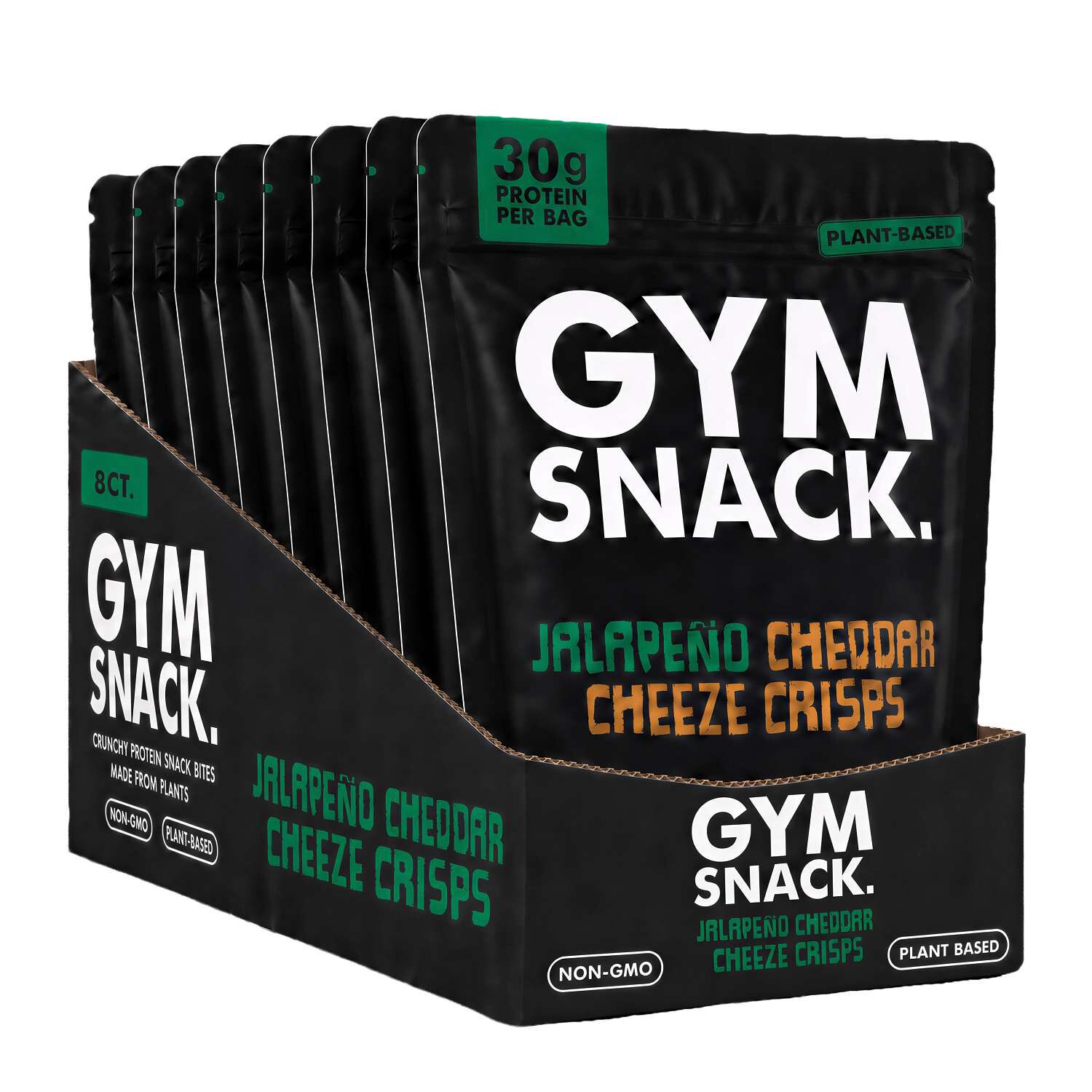 $39.99
-
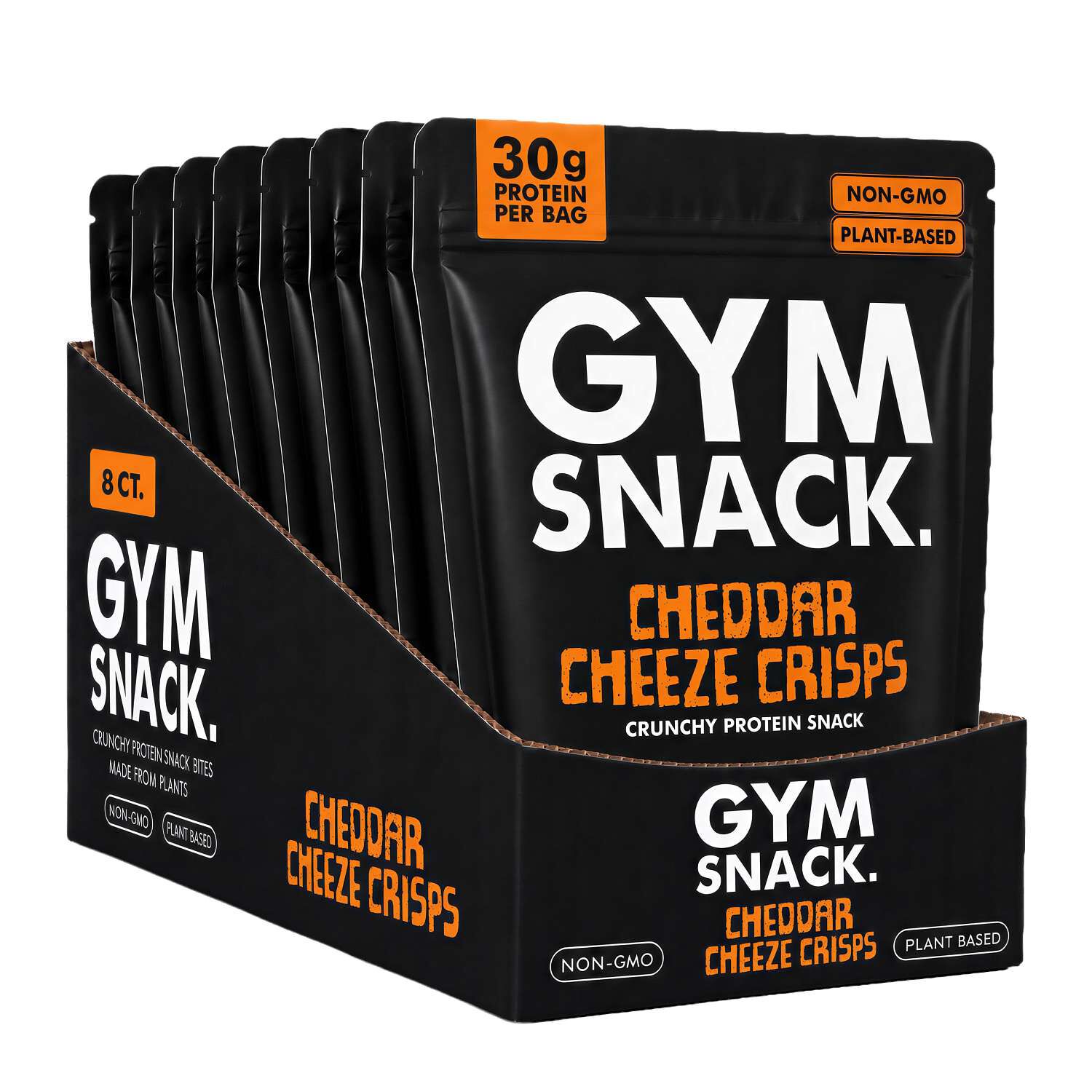 Gym Snack$39.99
-
-

-

-
-

-

-
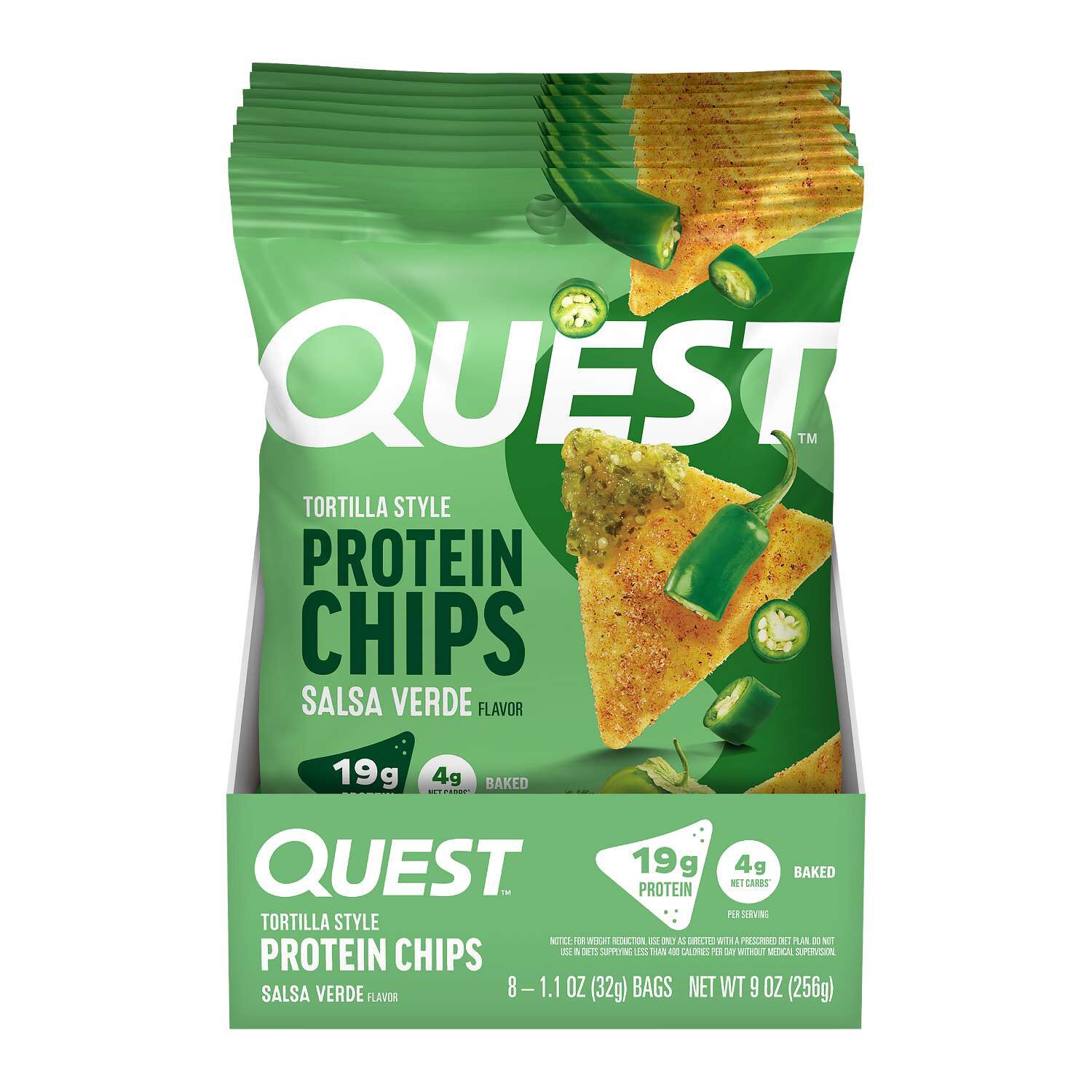
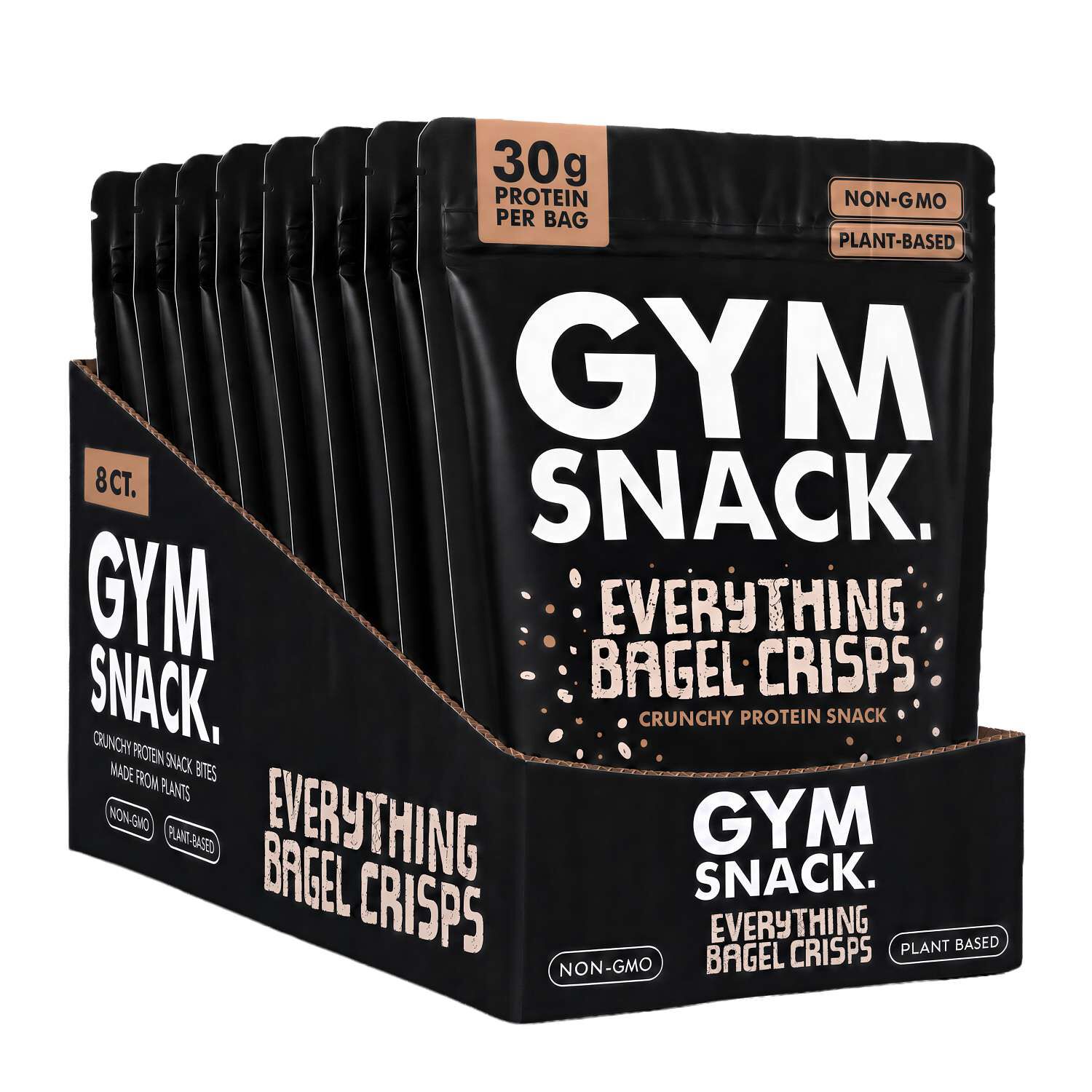 $39.99
-

-

Individual snack bags are small, separately sealed packages of food, often portioned for one eating occasion. Unlike empty snack-size storage bags filled at home, ready-to-eat snack bags contain food that has already been packaged, with ingredients, serving information, and storage directions printed on the wrapper or outer carton. Common formats include nuts, seeds, trail mixes, popcorn, pretzels, dried fruit, and crunchy protein snacks. The appeal is straightforward: a compact portion that may fit into a lunch bag, work tote, backpack, or designated snack drawer without requiring a larger container. A savory crunch between meetings, a handful of fruit and nuts during a road trip, or something to accompany a packed sandwich each calls for a slightly different texture and flavor. Some people prefer a simple, lightly salted snack, while others enjoy bold seasoning, a sweet-and-salty mix, or a crisp bite alongside softer foods. Package shape matters, too. A flat pouch may slip into a narrow lunch compartment, while an air-filled bag may need more room to avoid being compressed beneath a water bottle or notebook. Individual packaging is distinct from a large sharing bag, although a multipack may contain several separately wrapped portions of the same snack or a mixture of flavors. The outer package count describes how many bags are included, while the nutrition panel describes the food inside each serving. Those details are worth distinguishing because package size, serving size, and the number of servings are not always the same thing. For everyday routines, the most relevant choice is often the one that matches the eating occasion: a small accompaniment to lunch, a snack for a scheduled break, or a neatly contained addition to a travel bag. Familiar flavors may suit a household lunch routine, while a mixed assortment could appeal to people who enjoy rotating between crunchy, chewy, sweet, and savory choices.
The contents of individual snack bags vary considerably, even when the packages look similar in size. Nuts and seeds have a different ingredient profile from popped grains, dried fruit, or crisp snacks made with added protein, so the nutrition panel offers more useful context than the front of the bag alone. Protein, dietary fiber, sodium, added sugars, and serving weight are all details shoppers may wish to compare according to their preferences. A small pouch is not automatically one serving, and two bags with similar dimensions can contain different amounts of food. The stated serving weight and servings per container clarify that distinction. Ingredient lists also describe what gives a snack its character, from whole nuts and fruit pieces to seasoning blends, sweeteners, and oils. Someone who enjoys a short ingredient list may approach the selection differently from someone seeking a strongly seasoned crunch. Texture deserves equal attention: dense nuts, airy popcorn, chewy fruit, and crisp pretzels create very different eating experiences. A crumbly snack may be less suited to an open laptop than a contained handful eaten away from the keyboard, while a heavily seasoned option could call for a napkin at a picnic table or rest stop. For shared settings, ingredient and allergen information is especially relevant. Labels may identify milk, wheat, soy, peanuts, tree nuts, sesame, or other ingredients that matter to the people receiving the food. School, workplace, and activity policies can also shape which snacks belong in a communal basket or packed lunch. Individually wrapped does not mean that every bag suits every person, and flavor names alone do not describe the full ingredient list. Original wrappers are useful references when portions are distributed among several people, particularly if the outer carton carries additional information. Variety can be enjoyable, but a familiar selection may be a more comfortable fit for someone with clear flavor preferences. The balance is personal: texture, portion size, ingredients, and the setting all contribute to what makes a snack feel well chosen.
Packaging is part of the experience with individual snack bags, from the material around the food to the way the pouch opens. Snack wrappers may use plastic film, foil-containing layers, paper-based components, or combinations of materials, depending on the food and packaging design. Some bags have tear notches, while others use seams intended to be pulled apart; a small package does not necessarily include a resealable closure. Once opened, the printed storage directions remain the best reference for handling any remaining food. A separately sealed portion may reduce the need to reopen a larger bag repeatedly, but the condition of each wrapper still matters. Intact seams, readable date markings, and packaging without punctures are practical considerations for snacks carried in a crowded bag. Flexible wrappers are not rigid containers, so a lunch box or separate compartment may offer added protection from being squeezed under heavier belongings. Delicate, airy snacks and denser mixes also occupy space differently, making package dimensions relevant when packing several foods together. Disposal instructions vary by material, and local recycling guidance determines how a particular wrapper should be handled. Within the broader category of Bagged Snacks, individual portions have a distinct place in routines built around smaller packages rather than open bowls or large sharing bags. They may be a practical addition to a college care package, a welcome basket for a new neighbor, a road-trip tote, or an office snack station. For a gift, the recipient’s tastes and ingredient preferences matter more than an elaborate presentation; familiar flavors and clearly labeled wrappers may make the assortment feel more personal. In a household, separate portions could suit people leaving at different times or packing different lunches. At a gathering, they may offer an alternative to passing around one large bag. Across these uses, the defining features remain modest and concrete: a manageable package, clearly described contents, and a snack selected for the person and the occasion.
- Q: What are individual snack bags?
A: Individual snack bags are pre-portioned packages of snacks that may offer a convenient way to enjoy your favorite treats on the go or between meals. - Q: How can individual snack bags fit into a busy lifestyle?
A: Individual snack bags might be easy to take along to work, school, or while traveling, making them a handy option for those with active schedules. - Q: Are there different types of snacks available in individual snack bags?
A: Yes, you may find a variety of options such as nuts, trail mixes, protein snacks, and more packaged in individual snack bags. - Q: Can individual snack bags help with portion control?
A: Individual snack bags could make it simpler to manage portions since each bag contains a set amount of the snack. - Q: What occasions might be suitable for using individual snack bags?
A: Individual snack bags may be great for events like picnics, road trips, lunchboxes, or anytime you want a convenient grab-and-go option.
Best Sellers

Related Pages

Top Collections
- Supplements For Yoga Joint Flexibility
- GLP 1 Support For Adults
- Joint Mobility Supplement Packs
- Chronic Fatigue Supplements
- Adult Mobility Supplements
- Supplements For Balance
- Supplements For Anxiety Relief Support
- Capsule Supplements For Energy And Stamina
- Zinc Supplements | Top Brands at Great Prices | GNC
- Anti Aging Supplements For Women