





Bagged Snacks
(0 Results)
Bagged snacks offer a convenient way to enjoy a tasty treat whether you're at home, at work, or on the go. With several options available, these snacks may fit easily into your routine and satisfy different cravings throughout the day. Explore the selection of bagged snacks to find something that could suit your preferences and add a touch of enjoyment to snack time.


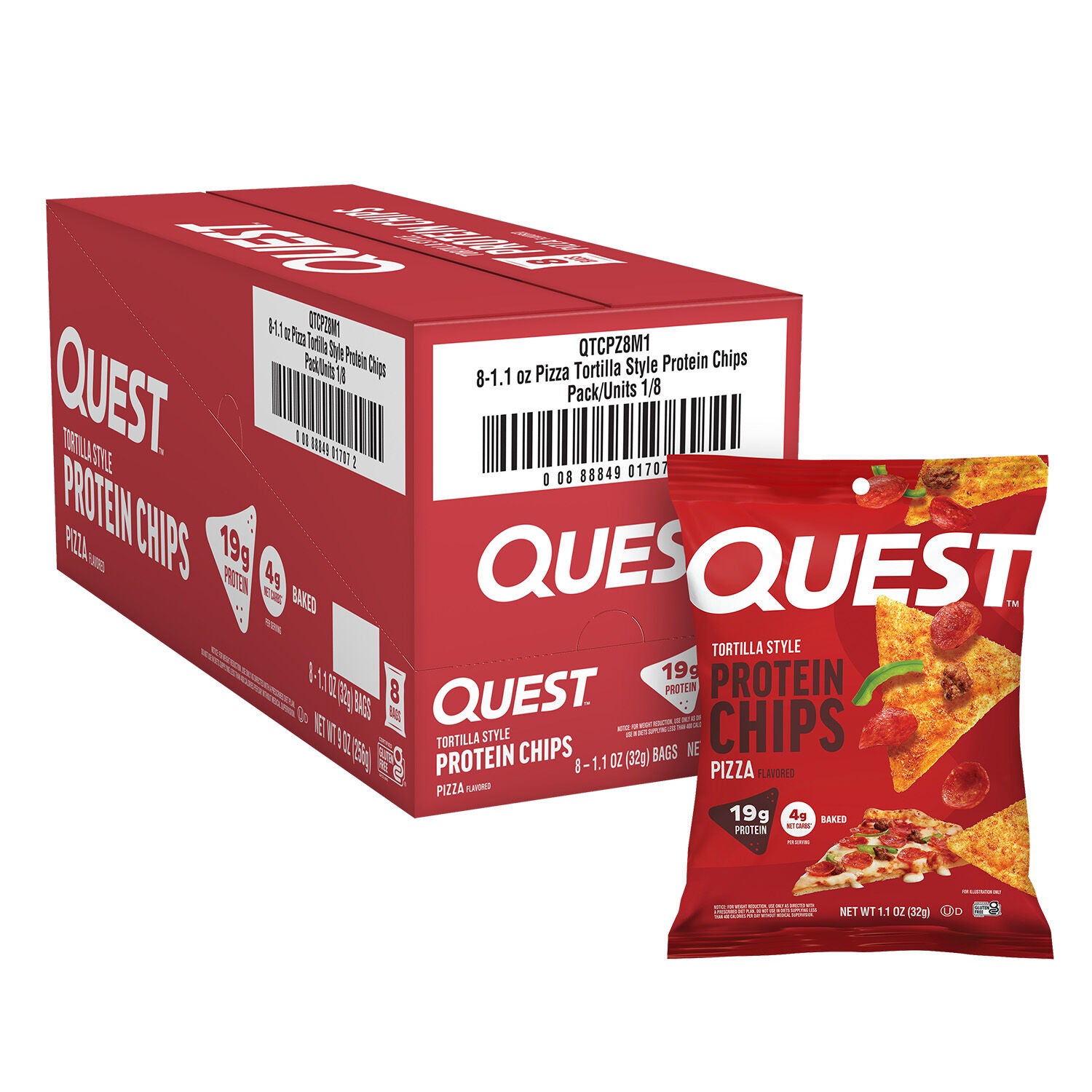


Bagged snacks are packaged foods intended for eating between meals, adding to a lunch, or sharing without much preparation. The category spans savory, sweet, crunchy, chewy, and mixed-texture choices, with packaging that ranges from small individual pouches to larger resealable bags. Familiar formats include nuts and seeds, dried fruit, roasted legumes, popped grains, pretzel-style snacks, and combinations of several ingredients. Each has a different character: a lightly salted crunch, a chewy fruit bite, a toasted finish, or a blend of sweet and savory flavors. For someone packing a work bag, organizing a lunchbox, or setting out something to share, bagged snacks may offer a convenient format for the occasion. The most suitable choice depends on the setting as much as the flavor. A dry, bite-size snack may suit a desk drawer, while a larger mix may be a better match for a bowl on the table during a game night. Texture matters, too. Delicate, airy pieces and dense, chewy pieces have different packing needs, especially when a bag will sit beneath a water bottle or lunch container. Seasoning styles range from subtle salt and toasted notes to bold spices and sweet coatings, so flavor descriptions are worth considering alongside the ingredient list. For shared spaces, a lightly seasoned option may appeal to a wider range of preferences, while a more distinctive flavor may suit someone who already knows what they enjoy. Bagged snacks also vary in how they are eaten: some are easy to pour into a small container, others work well served in a bowl, and individual portions are packaged for one eating occasion. These differences make the category relevant to everyday routines rather than just one type of snack break. A compact pouch for a commute, a portion tucked beside a sandwich, and a larger bag for a gathering all serve different purposes, even when their ingredients are similar.
Ingredients and Nutrition Facts provide a more useful picture of packaged snacks than front-of-bag descriptions alone. Serving size, servings per container, protein, dietary fiber, sodium, and added sugars are details worth comparing within the same snack category. A small-looking pouch is not necessarily labeled as one serving, and two bags with similar dimensions can contain different amounts by weight. Comparing the same serving amount may make those differences easier to interpret. Ingredient lists also distinguish a simple roasted snack from a coated or blended version with additional seasonings, sweeteners, or oils. Nuts, seeds, legumes, grains, and fruit each contribute different textures and nutrient profiles, while mixed snacks bring several components into one bag. In a blend, the proportions matter to the eating experience: a fruit-heavy mixture tastes different from one centered on roasted nuts, even when both contain many of the same ingredients. For shoppers with dietary preferences, the ingredient list and any relevant certifications are more informative than assumptions based on the snack’s appearance. Someone choosing plant-based snacks, for example, may still want to review coatings and seasonings for ingredients that do not fit that preference. For anyone avoiding particular ingredients, allergen statements and shared-equipment notices deserve attention with every purchase, since similar-looking snacks can have different formulations. Families packing snacks for school or organized activities should also account for the location’s food policies. Flavor preferences deserve the same practical attention: a heavily seasoned mix may not suit someone who prefers a plain roasted taste, and a sweet coating may change the character of an otherwise savory snack. Rather than treating all bagged snacks as interchangeable, it makes sense to consider what is inside, how much is in a serving, and where the snack will be eaten. Those details may help narrow a broad category into choices that fit an individual routine, whether the priority is a particular ingredient, a preferred texture, or a portion that fits neatly beside the rest of a packed lunch.
Packaging is another meaningful distinction when choosing snacks for home, work, travel, or sharing. Individual snack bags are portioned separately, while larger pouches call for measuring or pouring the amount wanted at a given time. Resealable closures may be useful for repeated visits to the same bag, though the closure needs to be aligned and pressed shut after opening. Flexible packaging is lightweight, but its resistance to punctures and crushing varies; a structured lunch container may be a practical companion for fragile pieces during a crowded commute. Before packing, the condition of the seams and closure matters, especially for a bag that will spend several hours inside a backpack. After opening, the package’s storage directions remain the best reference for handling and freshness. A dry cupboard away from direct sunlight is a common storage location when consistent with those directions, and a clean, dry scoop is appropriate when transferring shared snacks into bowls or containers. Keeping the original label nearby preserves access to the ingredient list, serving information, and date marking. At home, a designated snack basket may make different portions easier to see without scattering loose pouches across a shelf. In an office kitchen, a selection with clearly visible labels may suit coworkers with different preferences, while separate serving containers may make shared snack arrangements easier to manage. Bagged snacks can also be a thoughtful addition to a care package for a college student, a welcome basket for a houseguest, or a small gift for someone who enjoys sampling different flavors. Familiar tastes, readable labels, and sturdy outer packing are sensible considerations for those occasions. For households organizing snacks across several lunches or hosts planning a shared snack table, Bulk Snacks is a related category to explore. Whether the destination is a pantry shelf, a lunch tote, or a bowl among friends, the most relevant distinctions remain straightforward: ingredients, flavor, texture, portion format, and packaging suited to the way the snack will be used.
What types of bagged snacks are available at GNC?
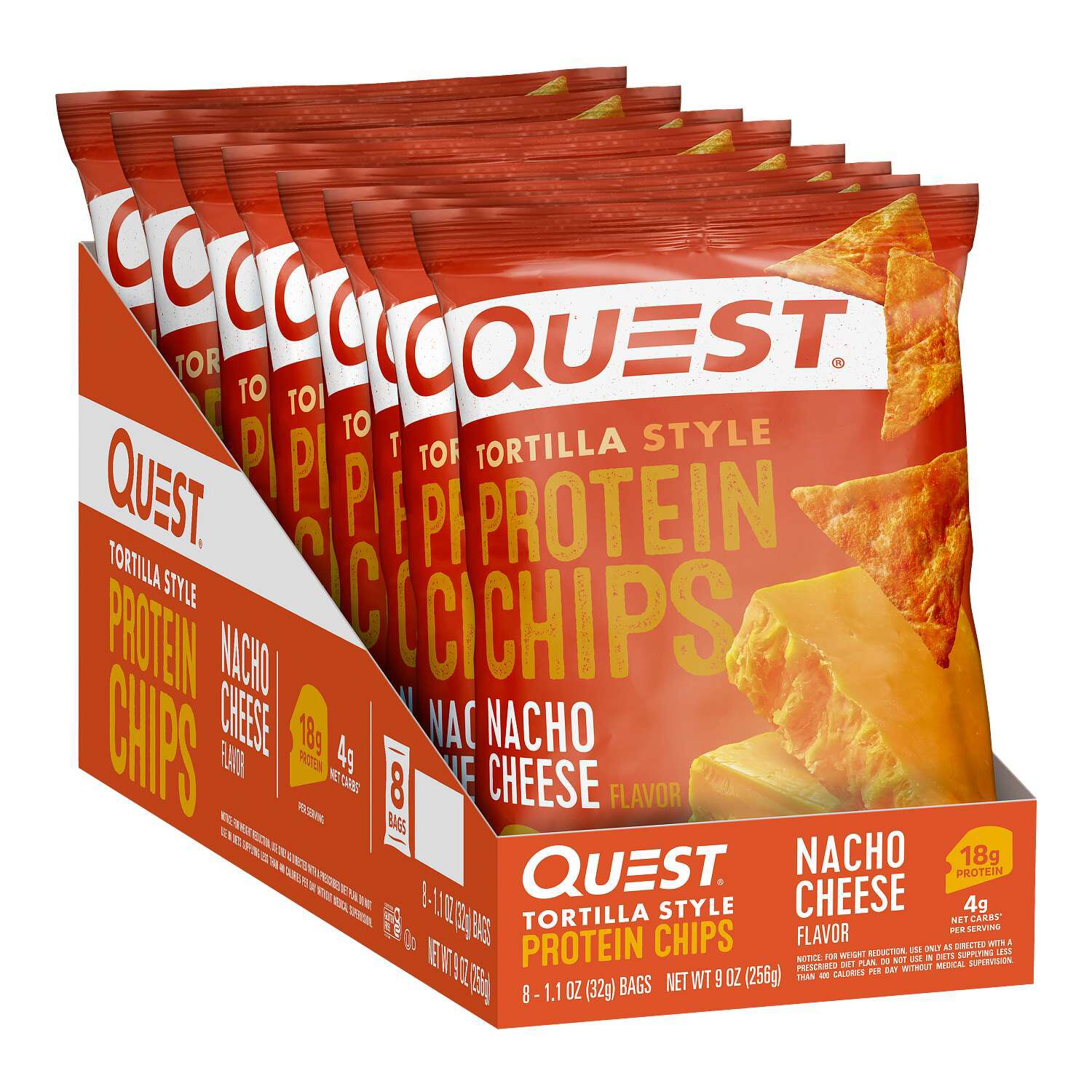
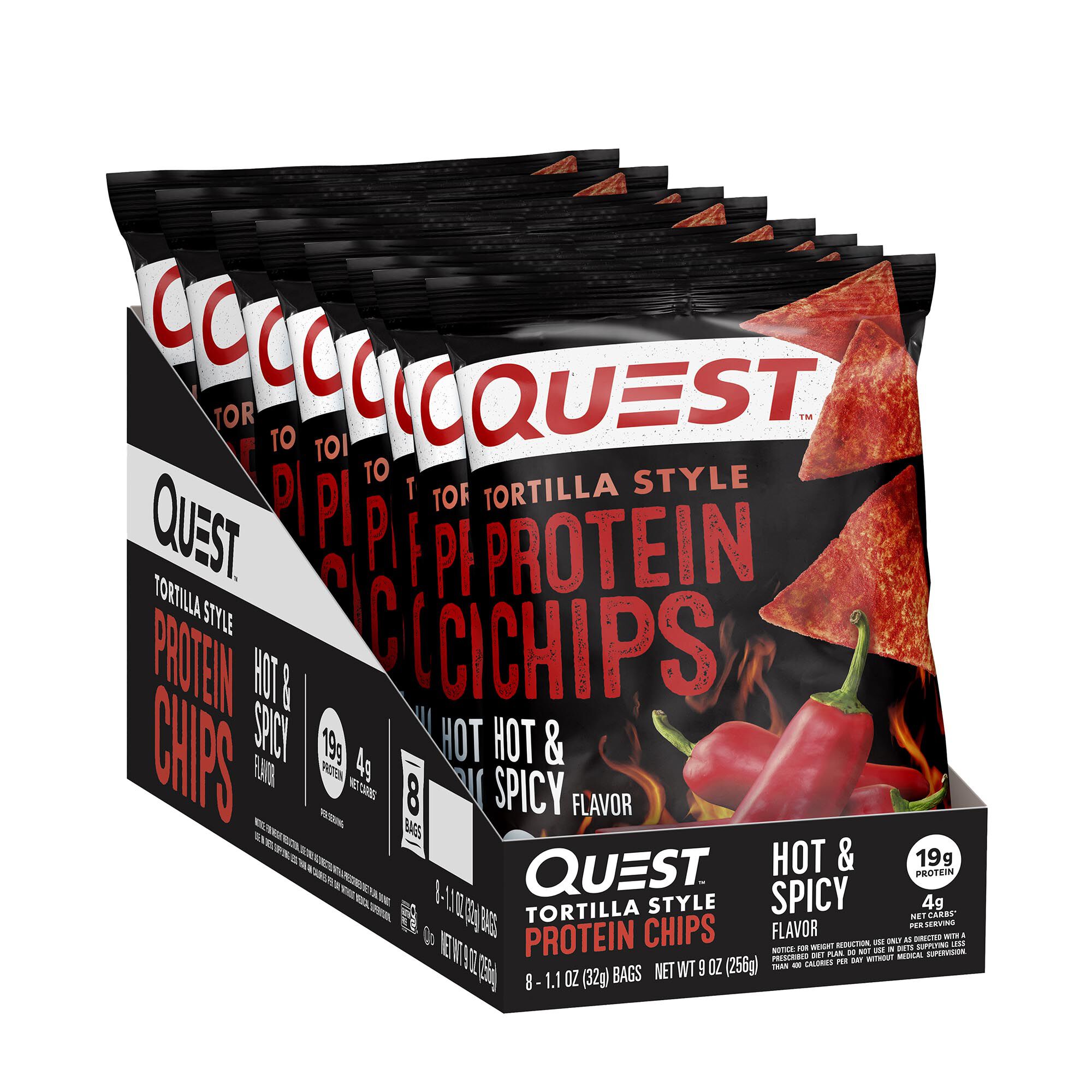
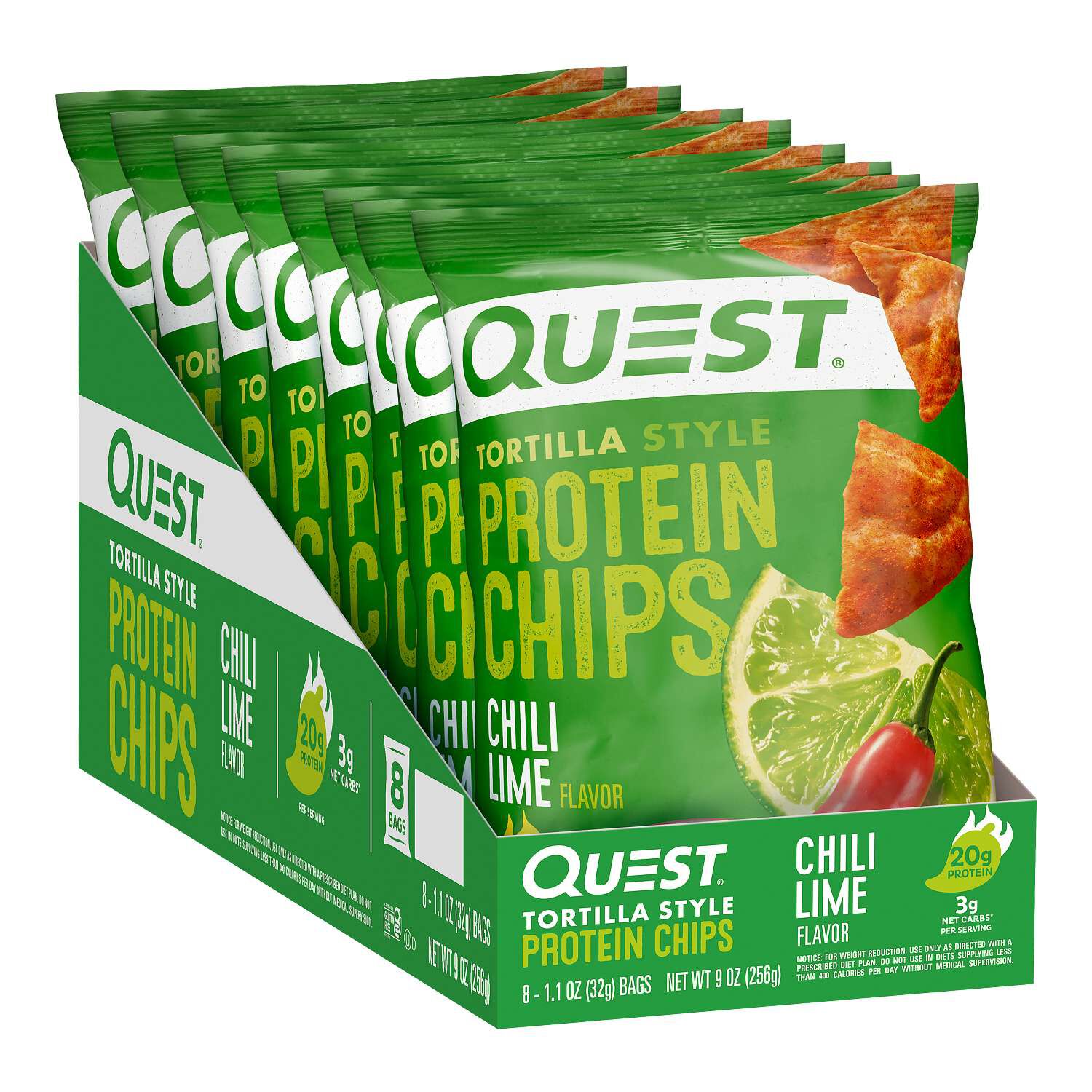
GNC offers bagged snacks such as protein chips and crunchy roasted edamame beans, with convenient options that may fit into different lifestyles and preferences.
Are there bagged snacks suitable for specific dietary preferences?
Some bagged snacks at GNC are crafted to align with various dietary preferences, such as plant-based or protein-focused options. You can explore the product descriptions to find snacks that might suit your needs.
Can I find high-protein bagged snacks at GNC?
Yes, GNC carries high-protein bagged snacks that may be a convenient option for those looking to add more protein to their routine.
Do GNC's bagged snacks come in different flavors?
Bagged snacks at GNC are available in flavors such as Buffalo Ranch, Buffalo, Sriracha, and Sea Salt, so you can choose options that match your taste preferences.
How should I store my bagged snacks after opening?
It's generally recommended to reseal the packaging tightly and store your bagged snacks in a cool, dry place to help maintain freshness.
Best Sellers

Related Pages

Top Collections
- Supplements For Yoga Joint Flexibility
- GLP 1 Support For Adults
- Joint Mobility Supplement Packs
- Chronic Fatigue Supplements
- Adult Mobility Supplements
- Supplements For Balance
- Supplements For Anxiety Relief Support
- Capsule Supplements For Energy And Stamina
- Zinc Supplements | Top Brands at Great Prices | GNC
- Anti Aging Supplements For Women