





High Absorption Turmeric Capsules
(0 Results)
High absorption turmeric capsules could be a convenient way to add the potential benefits of turmeric to your daily routine. These capsules may offer an easy option for those looking to support their overall wellness goals. Explore a variety of high absorption turmeric capsules that might fit into your active lifestyle and nutritional plan.
-

-

-

-

-

-
 Angry Supplements1$24.99
-

-
 185$24.99
-
-

-
-
-

-

-

-
 $19.99
-
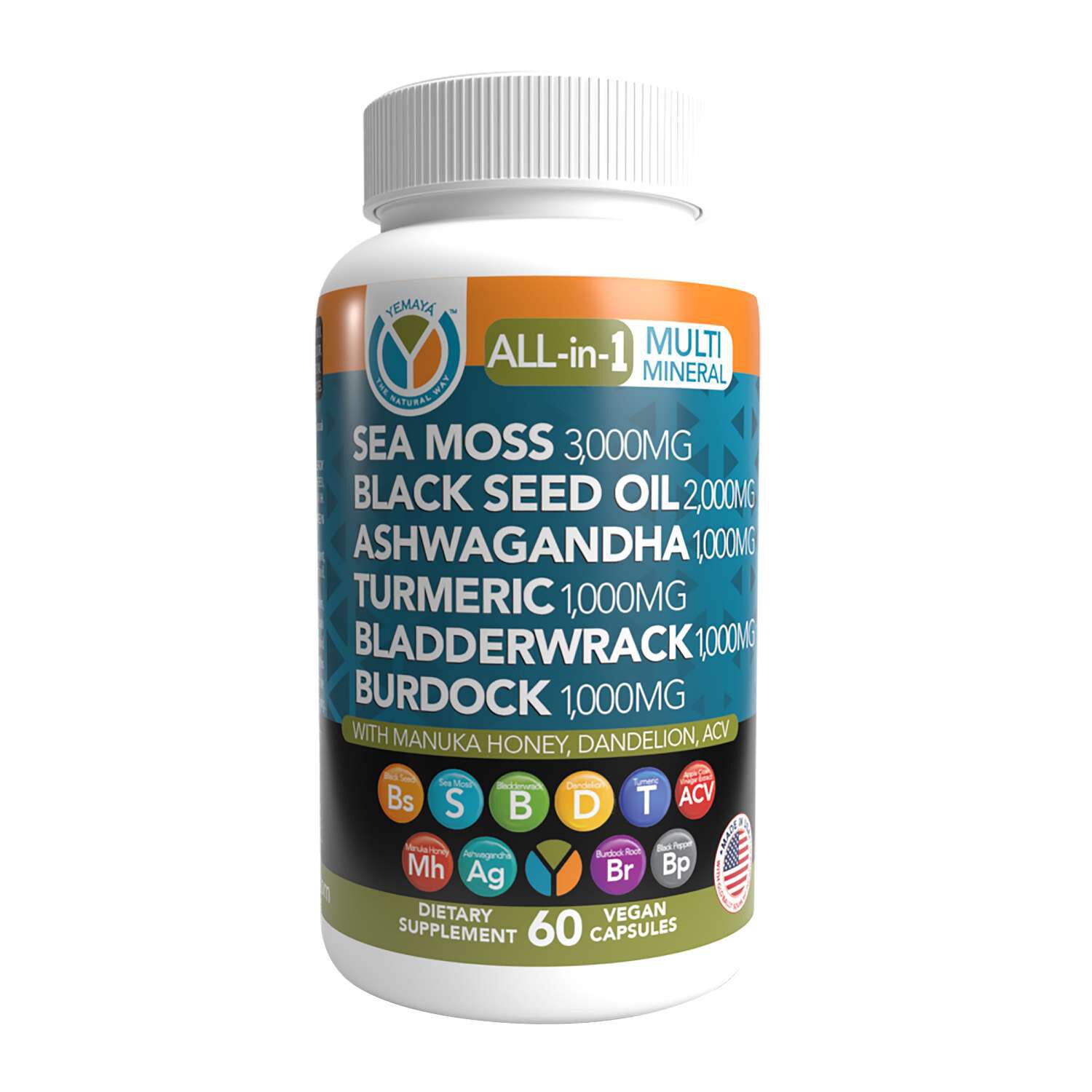 Yemaya Organics$28.99
-
 Angry Supplements$14.99


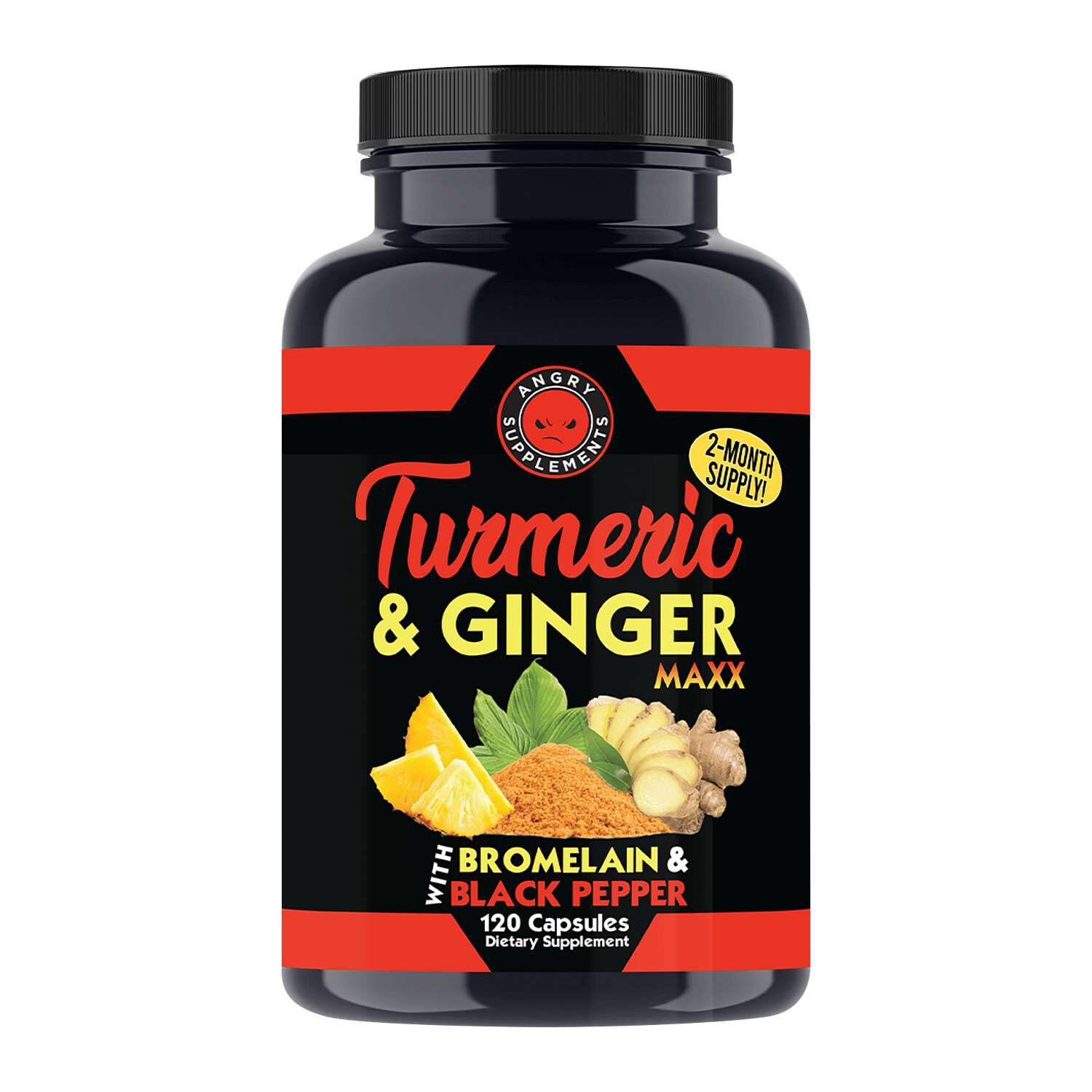
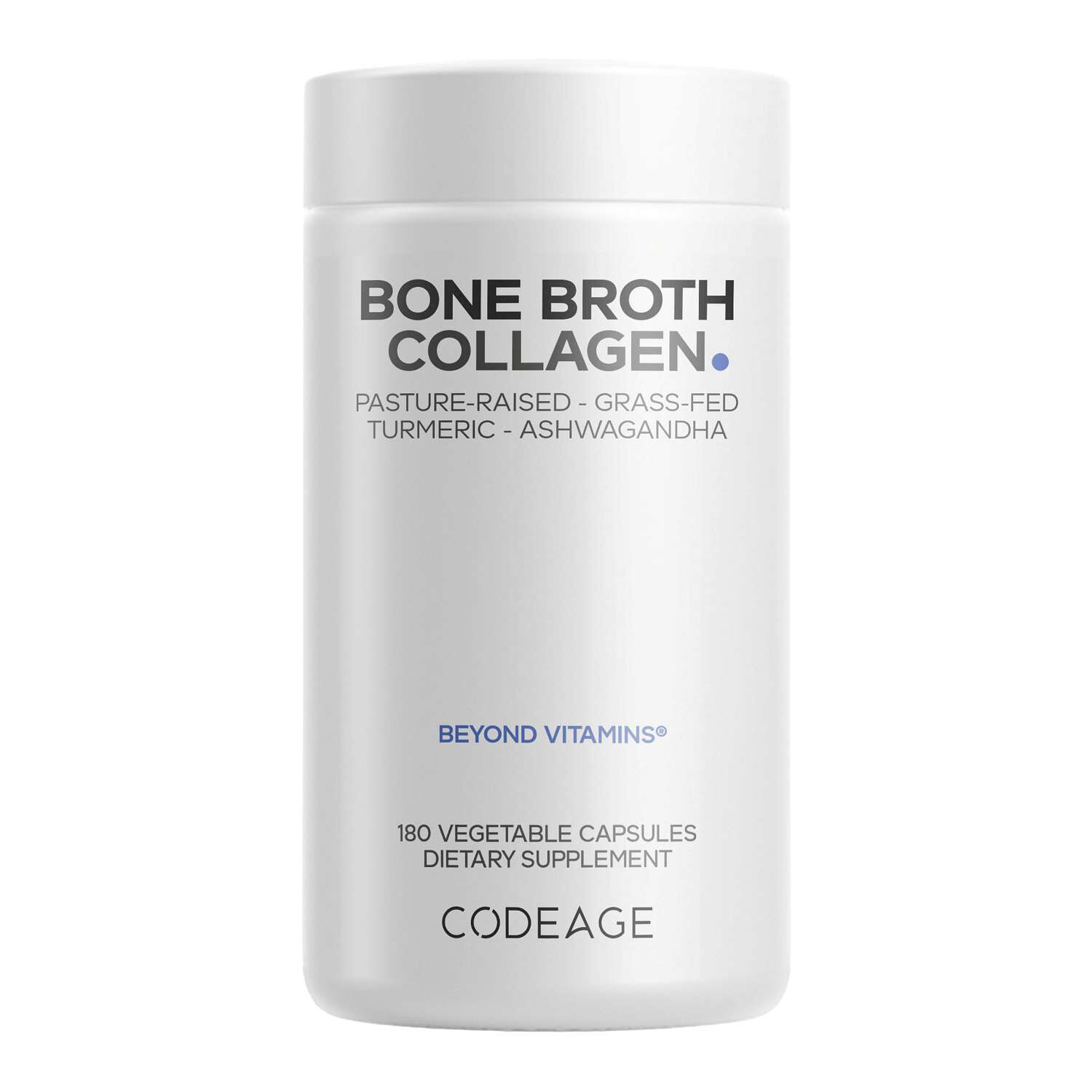
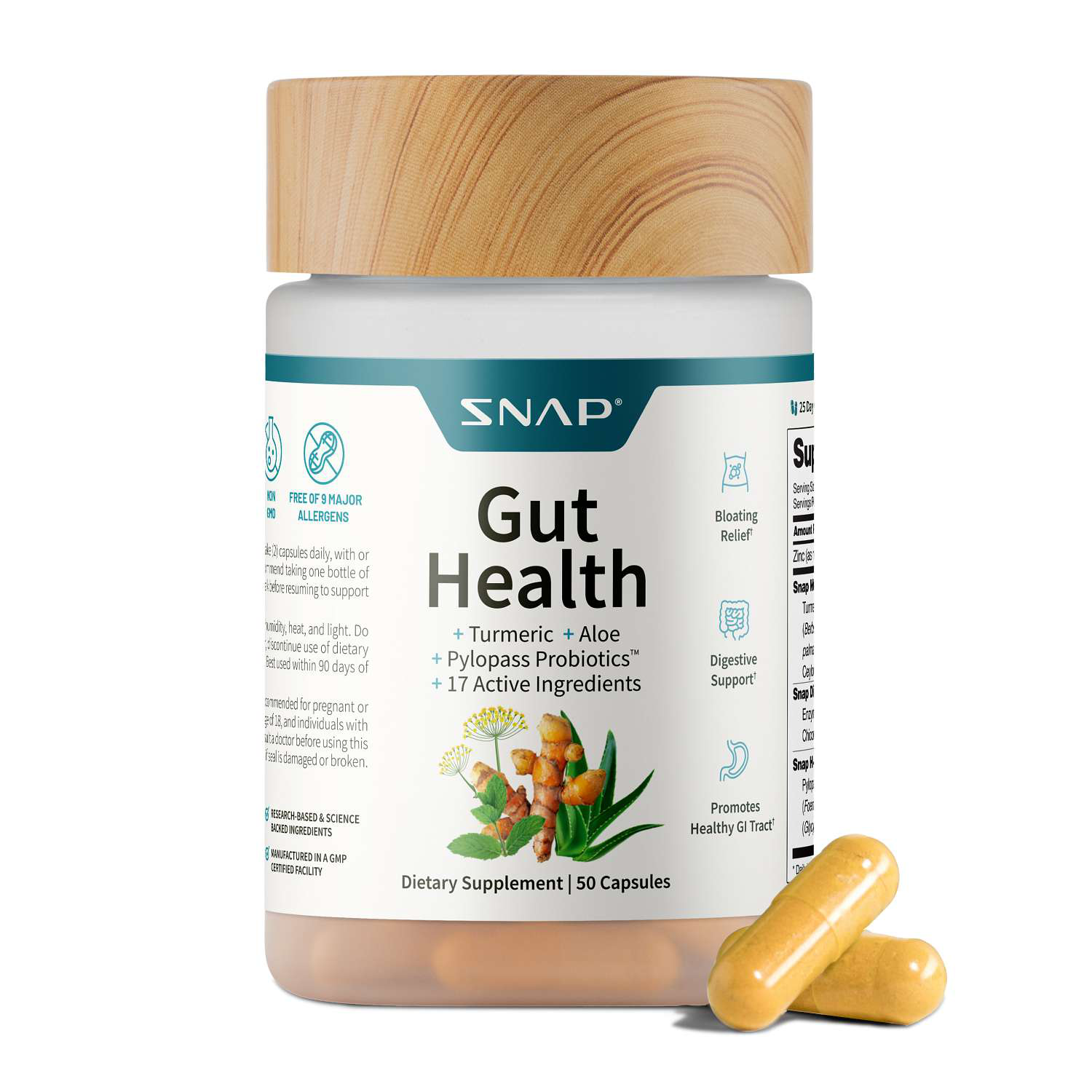
High absorption turmeric capsules package turmeric root powder, turmeric extract, or a combination in a measured supplement format, with formulations designed around how curcumin may be absorbed. Turmeric comes from the rhizome of Curcuma longa, the underground plant part commonly called turmeric root. Its familiar golden color comes partly from curcuminoids, a family of naturally occurring compounds that includes curcumin. Although turmeric and curcumin often appear together on labels, the terms do not mean exactly the same thing: turmeric describes the botanical ingredient, while curcumin identifies one of its constituents. This distinction matters when comparing capsules because a stated amount of turmeric root powder is not directly interchangeable with the same amount of a concentrated extract. An extract may contain a specified percentage of curcuminoids, whereas a root powder listing may describe the weight of the botanical without specifying that concentration. A label stating 95% curcuminoids, for example, describes the composition of the identified extract, not necessarily the composition of everything inside the capsule. Other ingredients, including the capsule shell and any carrier materials, have their own roles in the formula. High absorption turmeric capsules also differ from culinary turmeric: they are intended as dietary supplements rather than as a seasoning for soups, rice dishes, or sauces. For shoppers comparing two bottles side by side, the most useful details are often beneath the large number on the front. The Supplement Facts panel identifies the serving size, the amount of each listed ingredient, and whether the formula uses root powder, extract, or both. A prominent milligram amount may refer to several capsules rather than one, and a stated root equivalent is different from the actual weight of extract in the serving. Reading those details together creates a clearer comparison than choosing by capsule count or front-label wording alone. The phrase “high absorption” describes a formulation focus; it does not, by itself, establish that every formula uses the same approach or has the same supporting evidence.
Several formulation approaches appear within this category, and the ingredient list helps distinguish them. Black pepper extract is one familiar addition, often listed with its piperine content. Piperine may increase curcumin absorption, but its presence alone does not establish how one finished formula compares with another. Lipid-based formulations take a different approach by pairing curcumin-containing extracts with fat-related carrier materials. A phytosome generally associates a botanical extract with phospholipids, which may support absorption. Depending on the formulation, the phospholipid source may be identified as sunflower or soy, making that detail relevant to shoppers with particular ingredient preferences. Other capsules use water-dispersible preparations or different delivery systems intended to address curcumin’s limited compatibility with water. These descriptions are not interchangeable, and a capsule does not need to contain black pepper to have an absorption-focused formulation. At the same time, the presence of a specialized carrier should not be treated as proof that a formula performs better than every alternative. Meaningful comparisons depend on the particular ingredient preparation, serving amount, and conditions examined in supporting research. A study involving one formulation does not automatically describe another formula with a similar name. Shoppers comparing botanical extracts with oil-based formats may also explore Turmeric Oil Capsules, while checking each formula’s carrier ingredients and directions rather than assuming the formats are equivalent. Beyond the delivery approach, documentation can provide useful context about manufacturing and ingredient quality. Independent testing may assess ingredient identity, the amount of specified constituents, or unwanted contaminants such as heavy metals. The scope matters: verification of ingredient content answers a different question from research measuring absorption. A clearly described testing program is more informative than an unexplained seal or a broad statement about quality. When several capsules appear similar at first glance, details such as the named extract preparation, disclosed curcuminoid concentration, carrier source, and testing information offer more concrete points of comparison than terms such as “advanced” or “maximum” on their own.
The physical capsule and its place in an everyday routine deserve attention alongside the extract. Capsule shells may be made from gelatin or plant-derived materials such as cellulose, and the shell material is separate from the turmeric ingredient inside. A plant-derived shell does not establish the sourcing of every other component, so dietary suitability depends on the full ingredient list and any clearly stated certifications. Carrier oils, phospholipids, fillers, and other formulation ingredients can also distinguish otherwise similar-looking capsules. For someone who prefers a short ingredient list, a straightforward extract formula may be appealing; another shopper may place more importance on a particular delivery system, even when that requires additional ingredients. Capsule dimensions and the number of capsules per serving are practical considerations, too. A bottle containing many capsules may represent fewer servings than expected when the labeled serving uses several at a time. Someone fitting supplements into a breakfast routine may value clear meal-related directions, while someone who travels often may pay closer attention to packaging and storage requirements. Directions differ, so the label should remain the reference for intended use rather than assumptions carried over from another turmeric supplement. Storage also matters for maintaining the condition of the capsules and their packaging. A tightly closed original container, kept away from moisture and direct sunlight according to its label, helps preserve the product information and keeps the contents protected. Leaving a bottle beside a steamy sink or transferring loose capsules into an unmarked container makes it harder to maintain suitable storage and retain serving directions, lot information, and the printed date. For adults who choose botanical supplements as part of an established routine, high absorption turmeric capsules offer several formulation styles to compare without relying on one headline feature. The most useful match brings together a clearly identified turmeric ingredient, an understandable absorption approach, suitable capsule materials, and directions that fit the intended routine. Those details keep the focus on what the formula contains and how it is designed, rather than on assumptions about what a larger number or more elaborate label might mean.
Best Sellers

Related Pages
Top Collections
- GLP 1 Support For Adults
- Supplements For Yoga Joint Flexibility
- Supplements For Balance
- Joint Mobility Supplement Packs
- Zinc Supplements | Top Brands at Great Prices | GNC
- Capsule Supplements For Energy And Stamina
- Supplements For Anxiety Relief Support
- Chronic Fatigue Supplements
- Zinc Supplements For Men
- Iron Supplements