High Arginine Amino Acid Powders
(0 Results)
High arginine amino acid powders offer a convenient way to support your active lifestyle and daily wellness routine. Whether you're looking to complement your fitness regimen or simply seeking versatile options to add to your supplement stack, these powders may be an ideal addition. Explore a variety of high arginine amino acid powders that can easily mix into your favorite beverages or shakes, providing flexibility for your everyday nutrition goals.
-

-
-

-

-
-
-
-
-
-
-
-

-

-
 GNC Pro Performance19$39.99
-

-

-
-
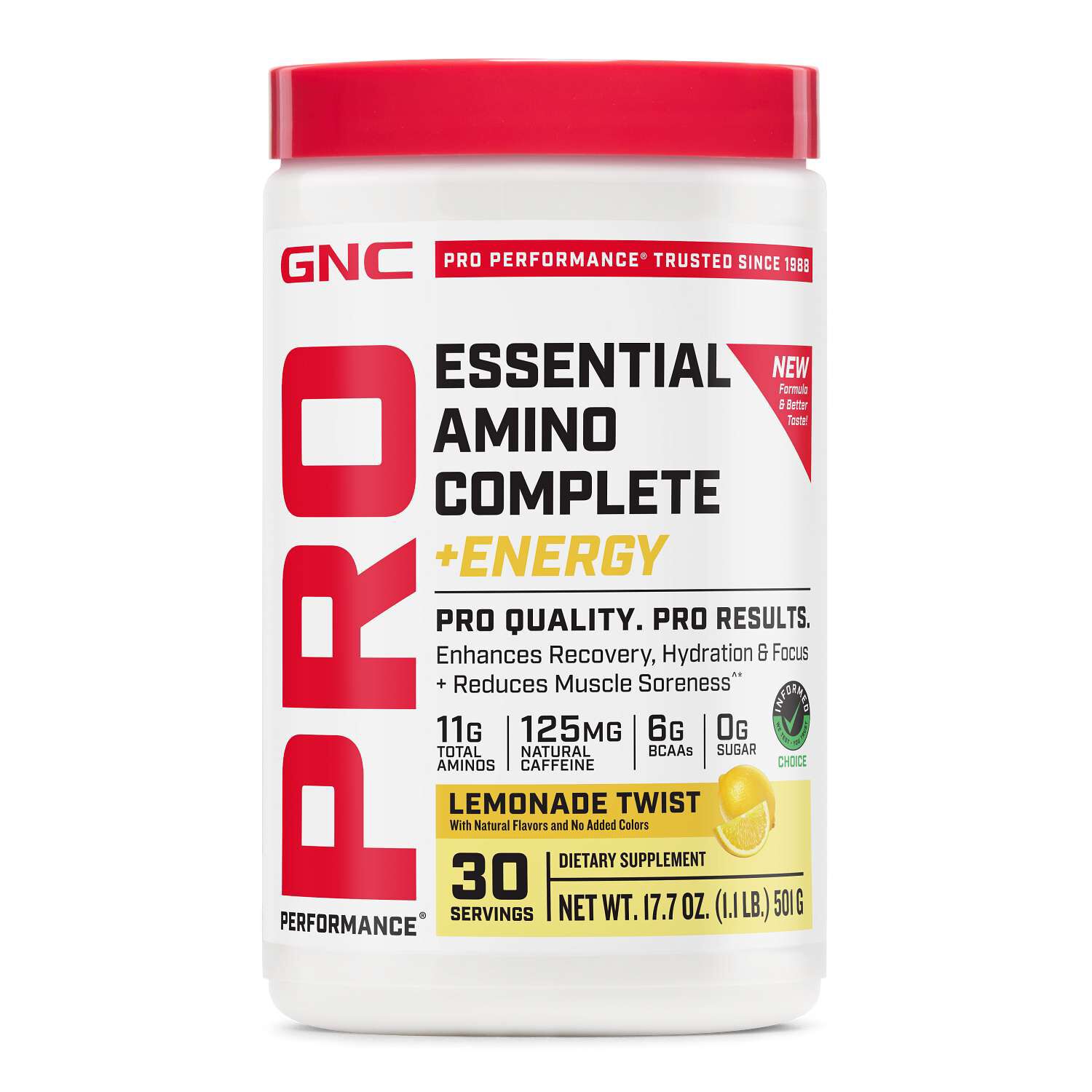
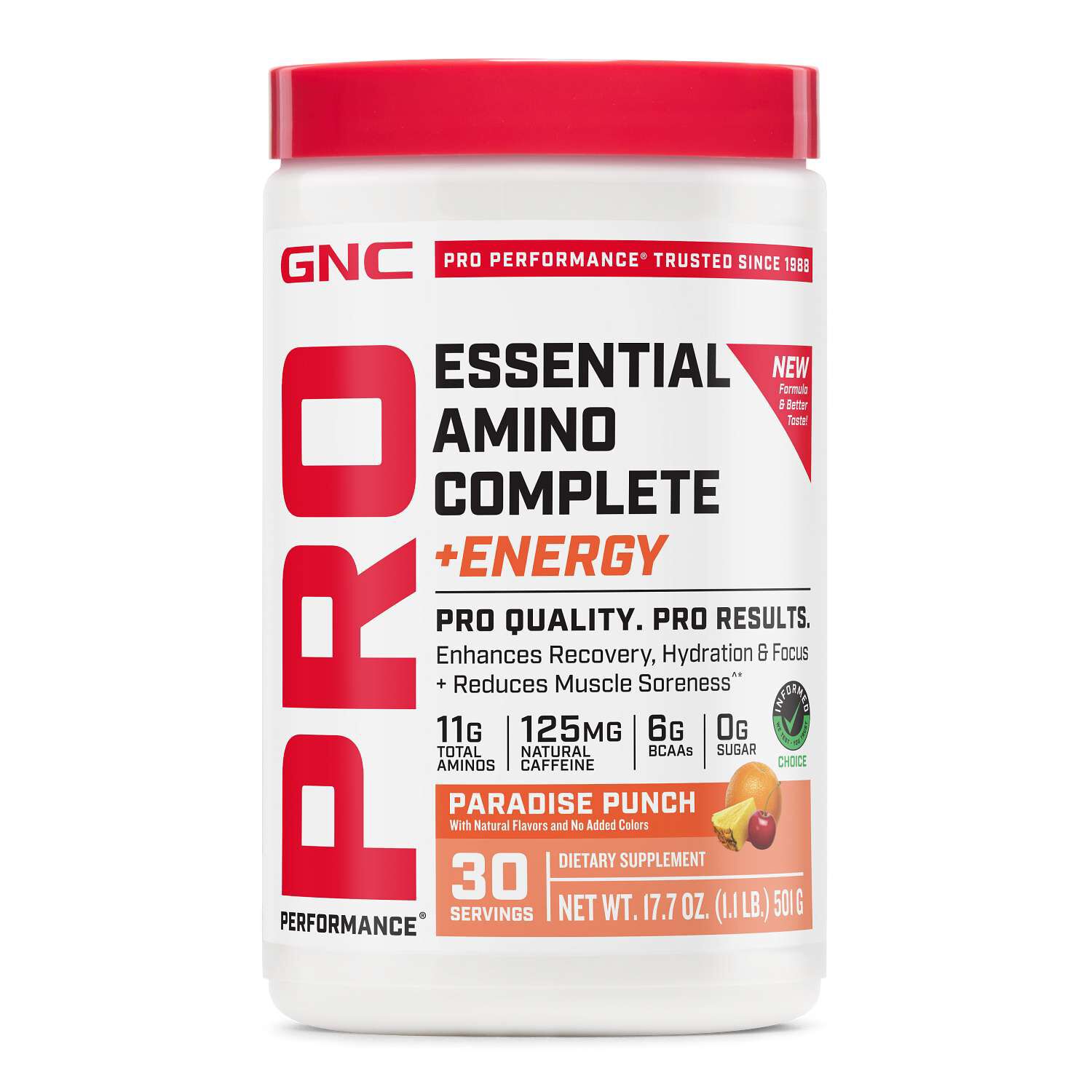
High-arginine amino acid powders are dietary supplements that provide arginine in a scoopable format, either as a single dietary ingredient or within a broader amino acid formula. Arginine is one of the amino acids found in proteins and occurs naturally in foods such as meat, fish, dairy, nuts, and legumes. On supplement labels, it commonly appears as L-arginine. An arginine-focused powder differs from a general protein powder: protein powders contain protein composed of many amino acids, while an arginine formula identifies a particular amino acid as a featured ingredient. That distinction matters when comparing containers that look similar but serve different purposes within a nutrition routine. A prominent mention of arginine on the front label is only part of the picture; the Supplement Facts panel provides the amount declared per serving and identifies other dietary ingredients. For a page organized around high arginine content, the most useful comparison is the stated amount of arginine per labeled serving, not simply the size of the scoop or container. One gram equals 1,000 milligrams, so checking the units makes side-by-side comparisons more straightforward. The serving weight may also include flavoring ingredients, other amino acids, or additional components, meaning it is not necessarily the same as the amount of arginine. Some formulas list individual amino acid amounts, while others present a combined blend amount that does not disclose each ingredient separately. A clearly stated arginine quantity provides more specific information than a blend weight alone. Ingredient names deserve attention, too: L-arginine and an arginine-containing compound are not automatically interchangeable measurements, and the label wording matters when interpreting what is declared. Shoppers exploring the wider ingredient category can also browse L Arginine for related formats. Across these options, the word “high” is best understood alongside the actual serving information rather than treated as a reason to choose the largest number. The intended use, ingredient composition, and preparation directions provide the context needed to understand how one type of formula differs from another.
Flavor, texture, and ingredient simplicity are practical distinctions among arginine amino acid powders. An unflavored formula may appeal to someone who already has a preferred beverage, although unflavored does not mean tasteless. Amino acid powders can have a noticeable taste, and the experience depends on the formula, the liquid, and the preparation method. Flavored varieties introduce another set of considerations, including sweetness, tartness, aroma, and the presence of sweeteners or coloring ingredients. Someone who dislikes a lingering sweet finish may prefer a different flavor profile than someone who enjoys a fruit-flavored drink after exercise. The ingredient list is the clearest place to check those details rather than relying on flavor names or package imagery. Texture matters as well: a powder that settles between sips creates a different drinking experience from one that remains more evenly dispersed. Mixing directions provide the intended liquid amount and preparation method, whether that involves stirring or shaking. A shaker bottle may be convenient for a gym bag, while a glass and spoon may better suit a kitchen counter routine, provided the preparation matches the label. Powder format also involves measuring, so the labeled serving measure deserves as much attention as taste. Scoops differ among containers, and a scoop from another supplement is not an interchangeable measure. Dietary preferences add another layer to the comparison. A short ingredient list does not, by itself, establish whether a formula meets a particular dietary preference or manufacturing standard. Explicit label statements, allergen information, and any relevant certification are more informative than assumptions based on the ingredient name. Single-ingredient formulas may appeal to shoppers seeking a narrowly focused supplement, while blends may interest those comparing several amino acids in one format. Neither approach automatically describes a better match; the difference lies in what is included, how clearly the amounts are disclosed, and whether the formula suits the shopper’s established routine.
Intended use helps distinguish high-arginine powders from the many other powdered supplements associated with active lifestyles. These formulas may interest adults who prefer measuring a powder rather than taking capsules, as well as shoppers who want an amino acid format without the serving volume of a conventional protein shake. They also appear in sports nutrition assortments alongside pre-workout formulas and other amino acid supplements, but sharing a shelf category does not make their ingredients or directions equivalent. A straightforward arginine powder should not be assumed to contain caffeine, electrolytes, or the other components sometimes associated with a workout drink; those details depend on the individual label. Likewise, a flavored blend may contain ingredients beyond arginine that deserve separate consideration. For someone who already uses several nutrition products, comparing ingredient panels may help make overlapping ingredients more apparent. Timing and frequency should remain tied to the labeled directions rather than a generic workout schedule, and a larger serving is not automatically a more suitable choice. Practical ownership details matter over the life of the container, too. A powder used at home has different handling demands from one carried repeatedly in a gym bag or packed for travel. A secure lid, readable directions, and an accessible serving measure make the package easier to manage in those settings. Keeping the container closed between uses and following its storage instructions are straightforward parts of caring for the product. A clean, dry measuring utensil also helps limit the introduction of moisture. The printed date, lot information, and intact packaging provide useful reference points when assessing the container before use. Quality information is most meaningful when it is specific: an identified testing program or certification communicates more than a broad statement about quality alone, although no testing statement establishes a particular personal outcome. Taken together, the declared arginine amount, ingredient transparency, flavor profile, preparation requirements, and storage details offer a grounded way to compare this category without relying on package size or workout imagery alone.