





High Fiber Snacks
(0 Results)
Looking to add more fiber to your diet without sacrificing taste? Our selection of high fiber snacks offers a delicious way to boost your daily fiber intake while satisfying your cravings. From crunchy nuts and seeds to chewy fruit bars and savory popcorn mixes, these snacks are not only convenient for on-the-go munching but also pack a nutritional punch. Whether you're looking for a midday pick-me-up or a guilt-free late-night snack, our high fiber options are sure to keep you feeling full and energized throughout your day.
-

-

-

-

-

-
-

-
-
-
-
-
-
-
-
-

-
-

-
 $16.99
-

-
-


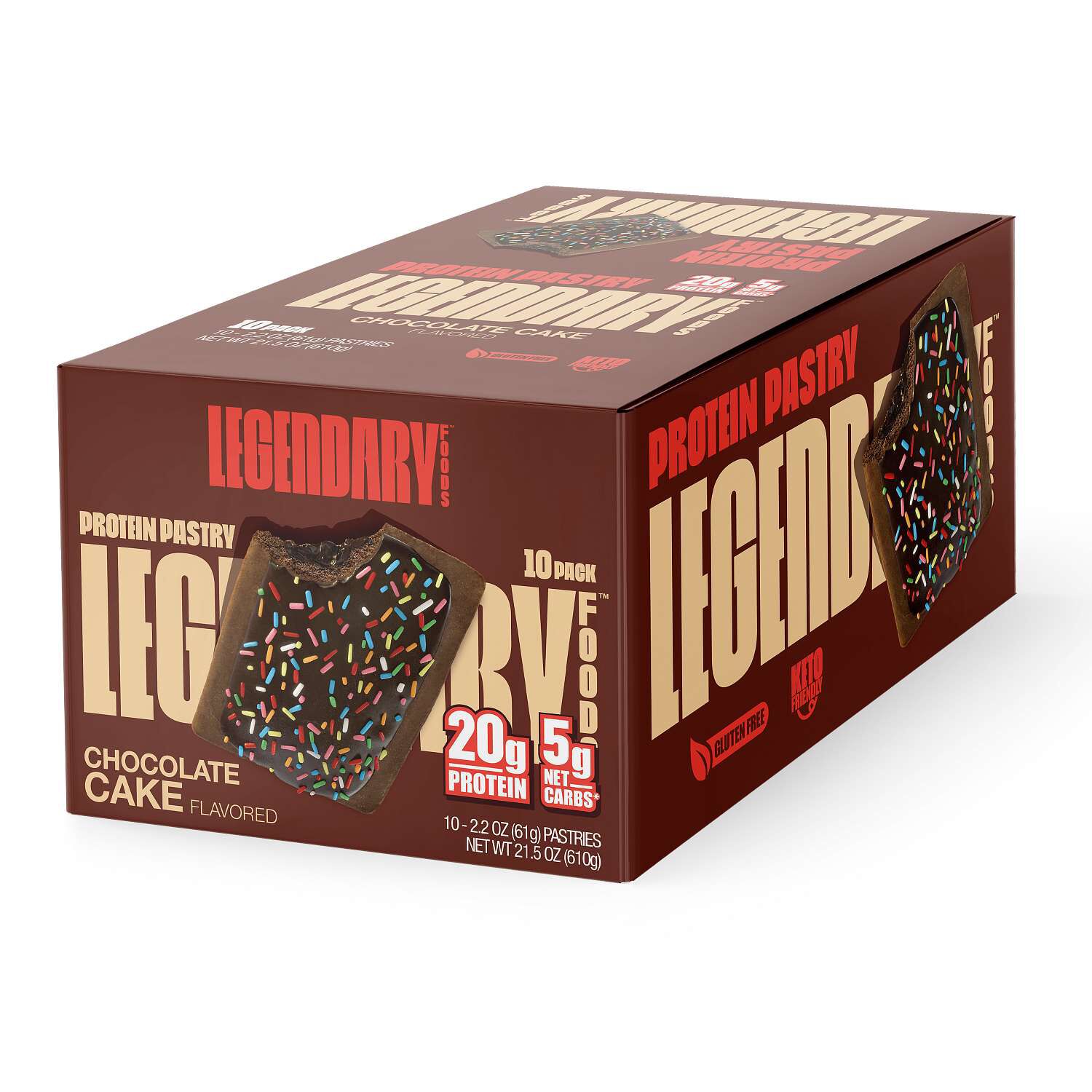
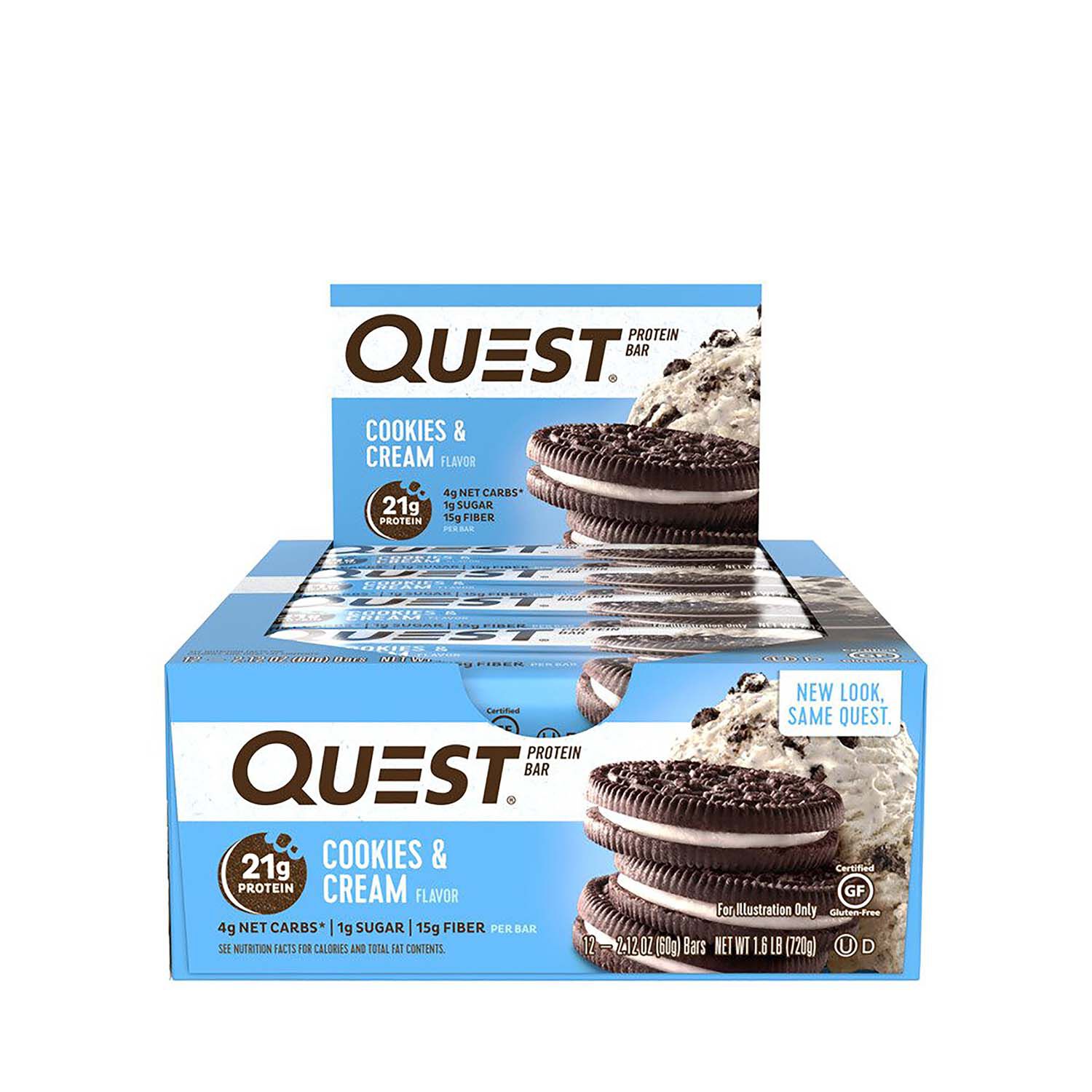
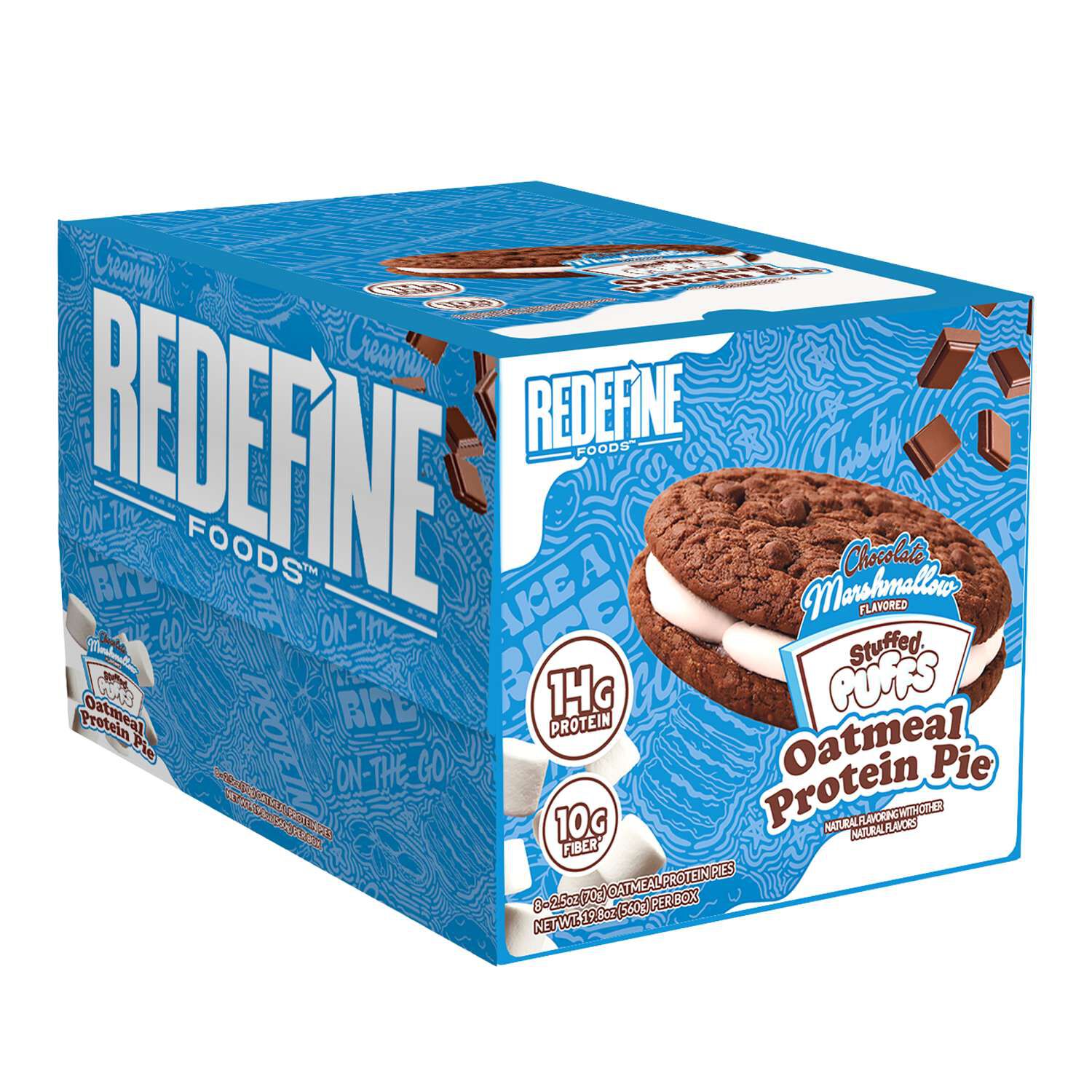
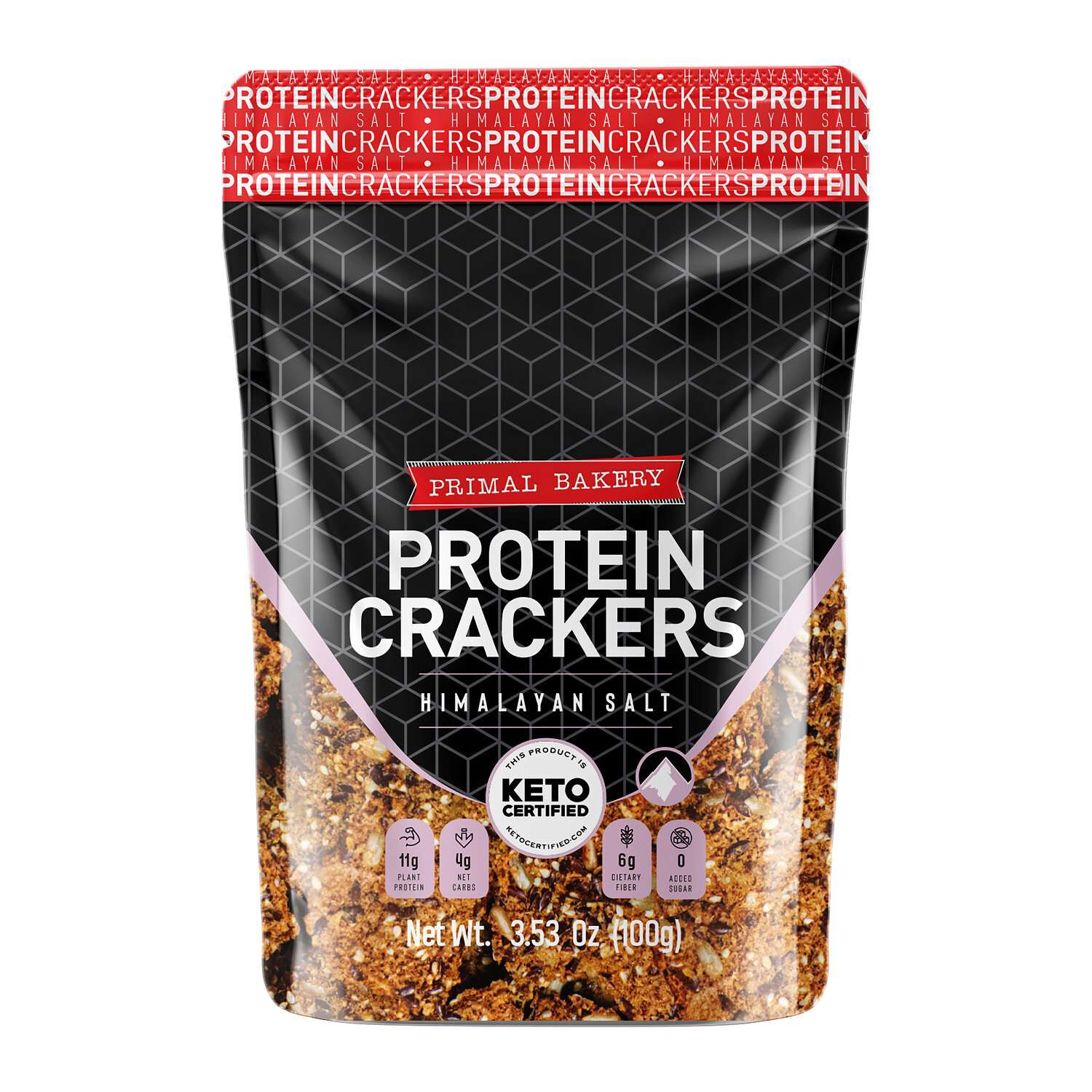
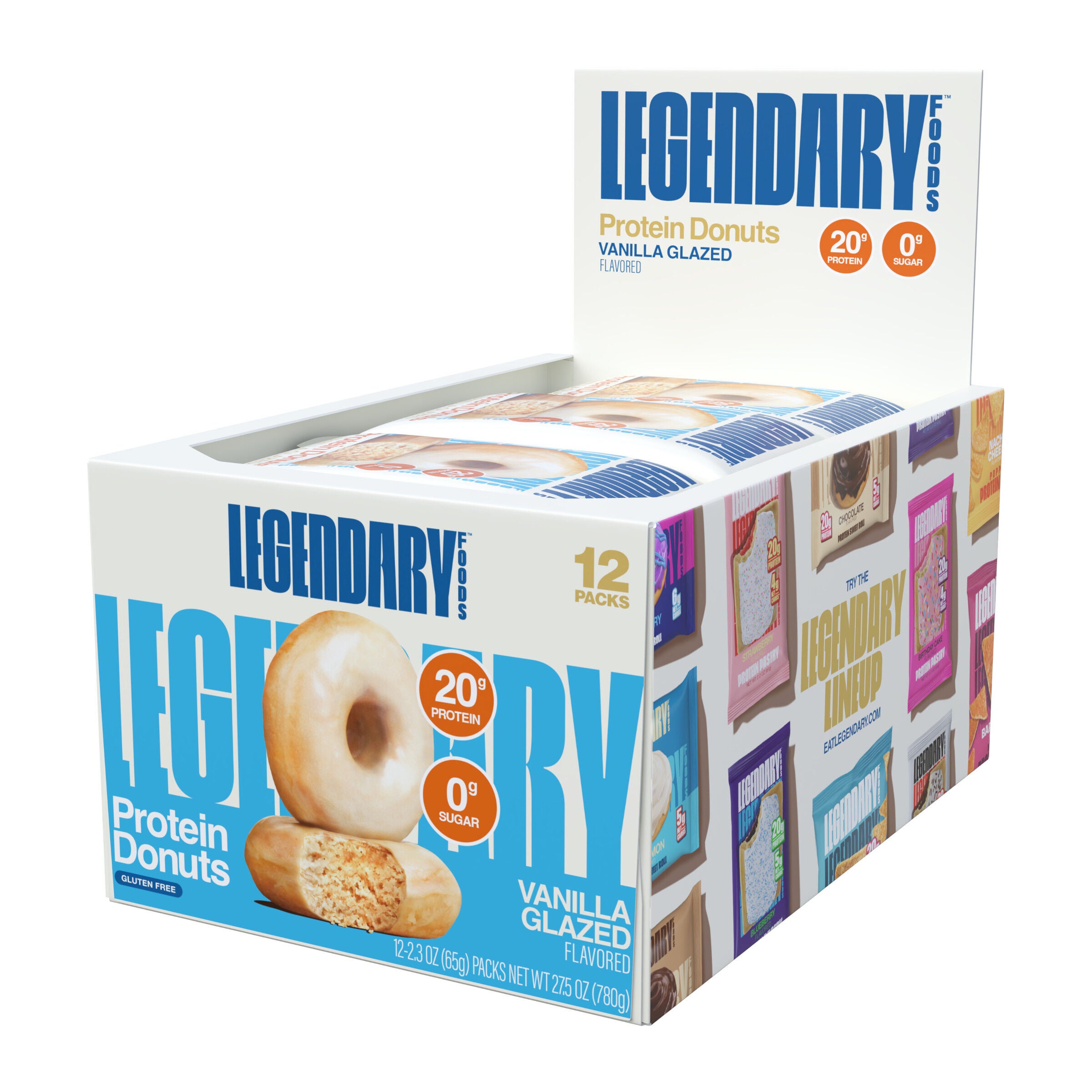
High fiber snacks bring fiber-containing ingredients into convenient foods for the space between meals, from chewy bars and crisp crackers to roasted legumes and nut-and-seed mixes. Their fiber can come from whole grains, beans, fruit, nuts, seeds, added fiber ingredients, or a combination of these sources. The amount varies by recipe and serving size, so the Nutrition Facts panel offers a clearer comparison than appearance or package size alone. The Daily Value for dietary fiber is 28 grams for a 2,000-calorie diet; a serving containing 6 grams provides about 21% of that amount. For packaged foods, a “high fiber” claim generally means at least 20% of the Daily Value per reference serving. That distinction matters because a snack made with oats or seeds does not necessarily contain the same amount of fiber as another snack with similar ingredients. Serving sizes matter, too: the numbers on a single-serving wrapper may describe the entire package, while those on a larger pouch may describe only a small portion. Beyond the numbers, ingredient choices shape the eating experience. Rolled oats can lend a hearty chew, whole-grain flours can create a crisp bite, and roasted chickpeas can offer a firm, crunchy texture. Nuts and seeds contribute their own flavors, ranging from mild and buttery to earthy and toasted. Dried fruit can add sweetness and a softer contrast to crunchy ingredients. Some recipes also include chicory root fiber, inulin, oat fiber, or soluble corn fiber, which may appear farther down the ingredient list. These ingredients are another reason two bars of similar size can have different fiber amounts. Flavor remains part of the decision: cocoa, cinnamon, fruit, sea salt, and savory seasonings offer distinct alternatives for different preferences. A clearly listed fiber amount, an appealing texture, and a familiar flavor profile provide a practical starting point for comparing snacks intended for everyday use.
The format of a high fiber snack matters just as much as its ingredients when it needs to fit into an ordinary day. An individually wrapped bar is a compact choice for a work bag, a campus backpack, or a desk drawer, especially when there is no plate or utensil nearby. A chewy texture may suit someone who likes a softer bite, while a crisp wafer or cracker offers a different experience alongside lunch. Roasted bean snacks and seed-based clusters bring a more pronounced crunch, with seasonings that can range from lightly salted to smoky or herb-forward. A resealable pouch makes sense for snacks eaten in portions over several sittings, whereas smaller packets separate each serving before the package is opened. For someone who prefers a slower snack break, whole-grain crackers paired with a spread, or a measured portion of a fruit-and-nut mix, offer contrasting textures rather than a single uniform bite. These distinctions are useful in shared settings as well. A quiet office may call for something less crumbly, while a snack carried on a commute benefits from packaging that closes securely. Soft bars tucked beneath a laptop can become flattened, and delicate crisps need more protection than dense clusters. The practical fit comes down to how the snack will be carried, opened, and eaten. Taste preferences can also change from one occasion to another without changing the overall focus on fiber. A lightly sweet oat-based option may pair naturally with coffee, while a savory legume snack may be a better match for an afternoon break after a sweet breakfast. Those choosing snacks for a household can compare textures and flavors as well as portion sizes, rather than expecting one format to appeal to everyone. Variety can come from alternating chewy, crisp, sweet, and savory choices, with the fiber amount checked separately for each serving.
Comparing high fiber snacks also means looking beyond a single number on the front of the package. Calories, protein, saturated fat, sodium, sugars, and added sugars describe different aspects of a food, and one appealing feature does not establish the rest of its nutritional profile. A snack with a substantial fiber amount can still differ considerably from another in sweetness, richness, or serving size. Nut-based recipes, for example, have a different ingredient balance from airy grain-based crisps, even when their fiber amounts look similar. For shoppers comparing fiber with a lighter snack portion, Low Cal Snacks offers another way to browse, while checking each label remains important because lower calorie content does not necessarily mean more fiber. Dietary preferences deserve the same attention. Plant-based ingredients do not automatically establish that a recipe is vegan, and a grain-based snack may contain wheat, milk, soy, peanuts, tree nuts, or sesame. Ingredient lists and allergen statements provide the relevant details for each package; a category name or familiar flavor is not a substitute for that information. Practical storage considerations help distinguish formats, too. Individually sealed portions can stay in their original wrappers until needed, while a larger bag needs a secure closure after opening. Follow the package’s storage directions, and check whether a snack requires refrigeration after opening rather than assuming every format belongs in a pantry. A rigid container may help protect thin crackers in a crowded bag, and a separate snack pouch may keep crumbs away from other belongings. Date markings and package condition are worth checking when planning snacks for several days away from home. The most useful choice is one whose serving size, ingredient list, flavor, and packaging suit the intended occasion. Whether the preference is a dense, chewy bite during a commute or a crunchy portion beside lunch, clear nutrition information and practical packaging make the comparison more straightforward.
Best Sellers

Related Pages

Top Collections
- Zinc Supplements | Top Brands at Great Prices | GNC
- Cortisol Supplements
- Joint Mobility Supplement Packs
- NAD+ Supplement Tablets
- Best Brand of Magnesium Glycinate
- Top Rated Collagen | Shop Customer Favorites | GNC
- Iron Supplements
- Peptide Supplements
- Protein Powders For Muscle Growth Support
- Vitamins That Help Support Weight Gain