Low Cal Snacks
(0 Results)
Finding delicious options that fit your wellness goals may be easier with a variety of low cal snacks. Whether you're looking for something sweet, savory, or crunchy, these snacks could be a satisfying addition to your daily routine. Explore the selection of low cal snacks that might help you stay on track while enjoying flavors you love.


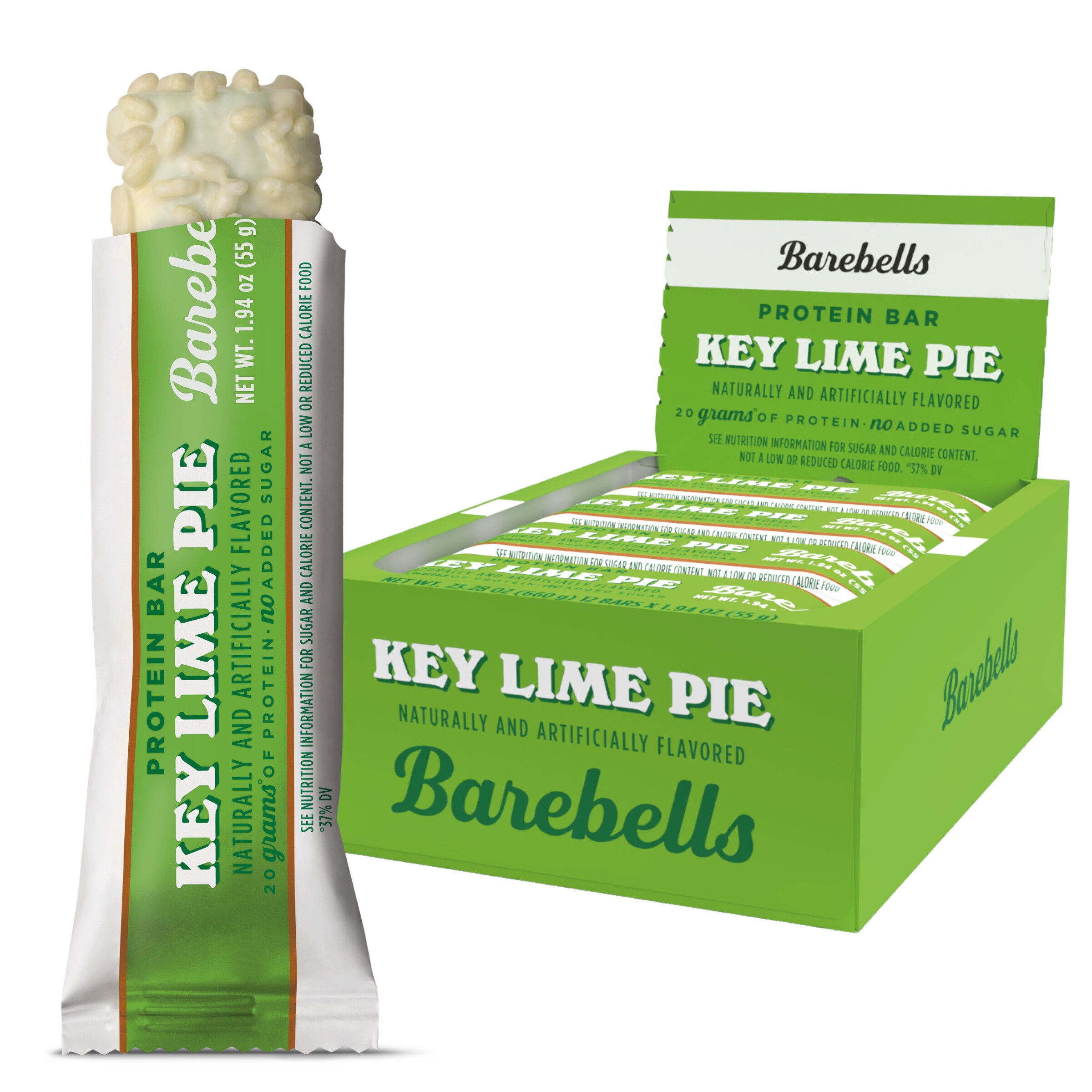
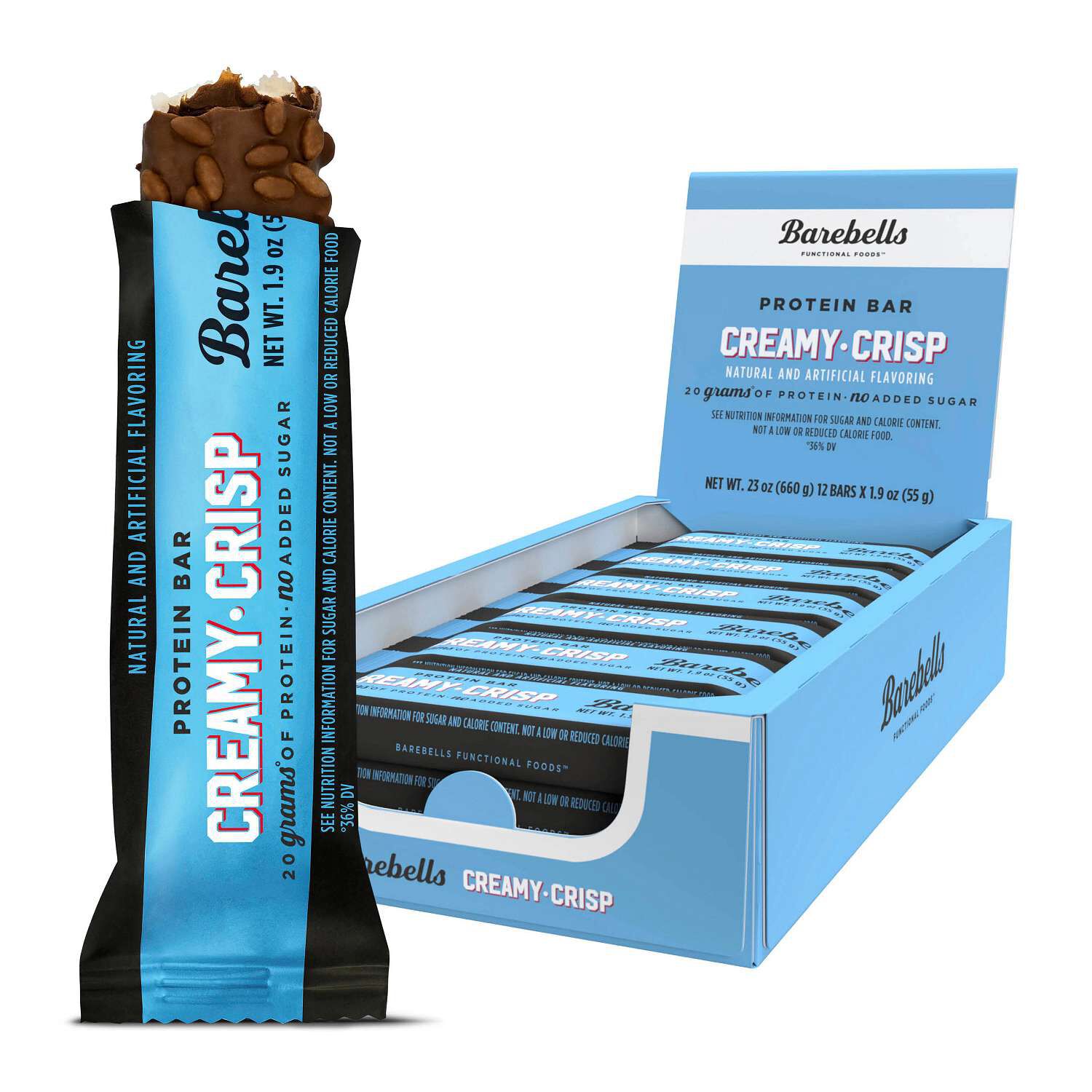
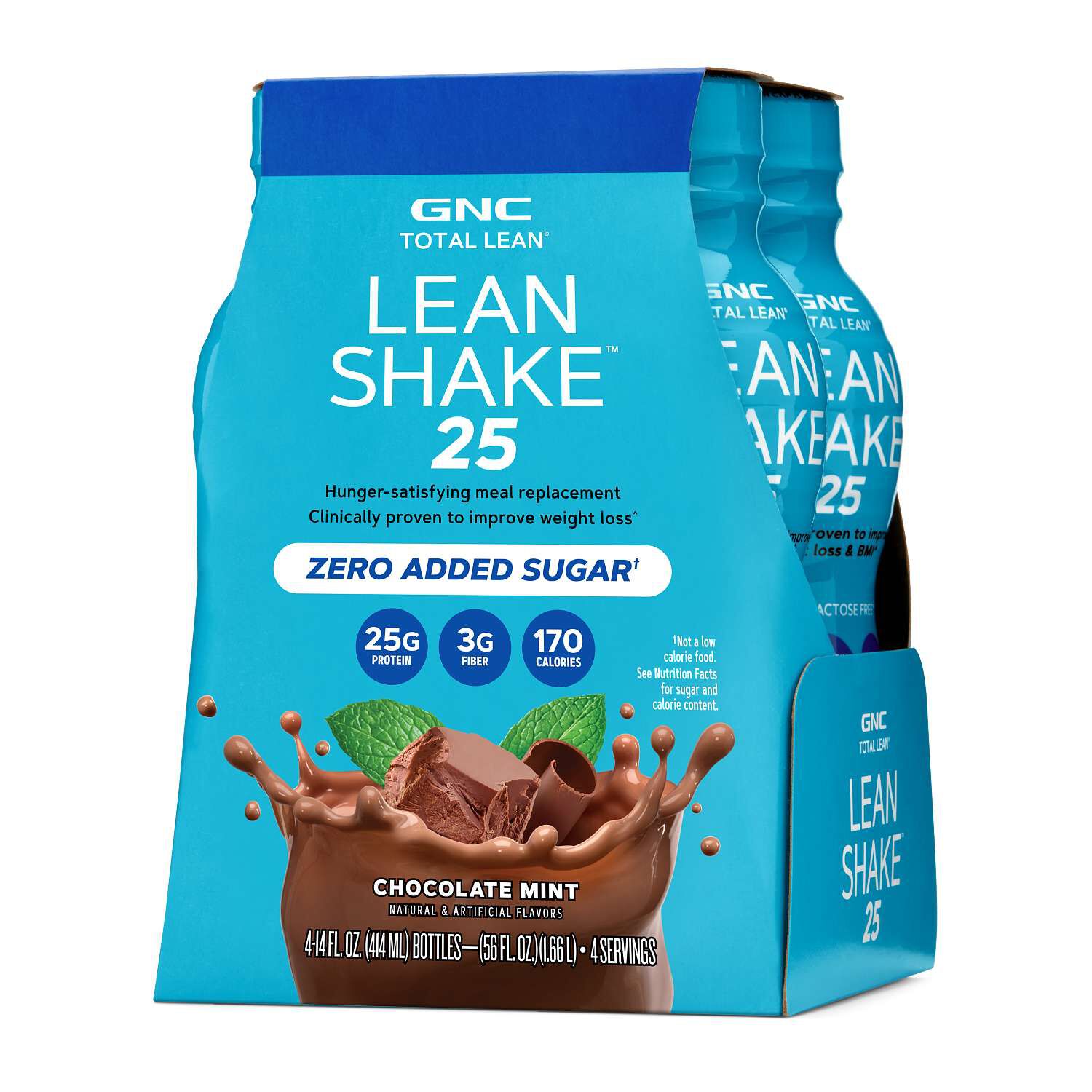
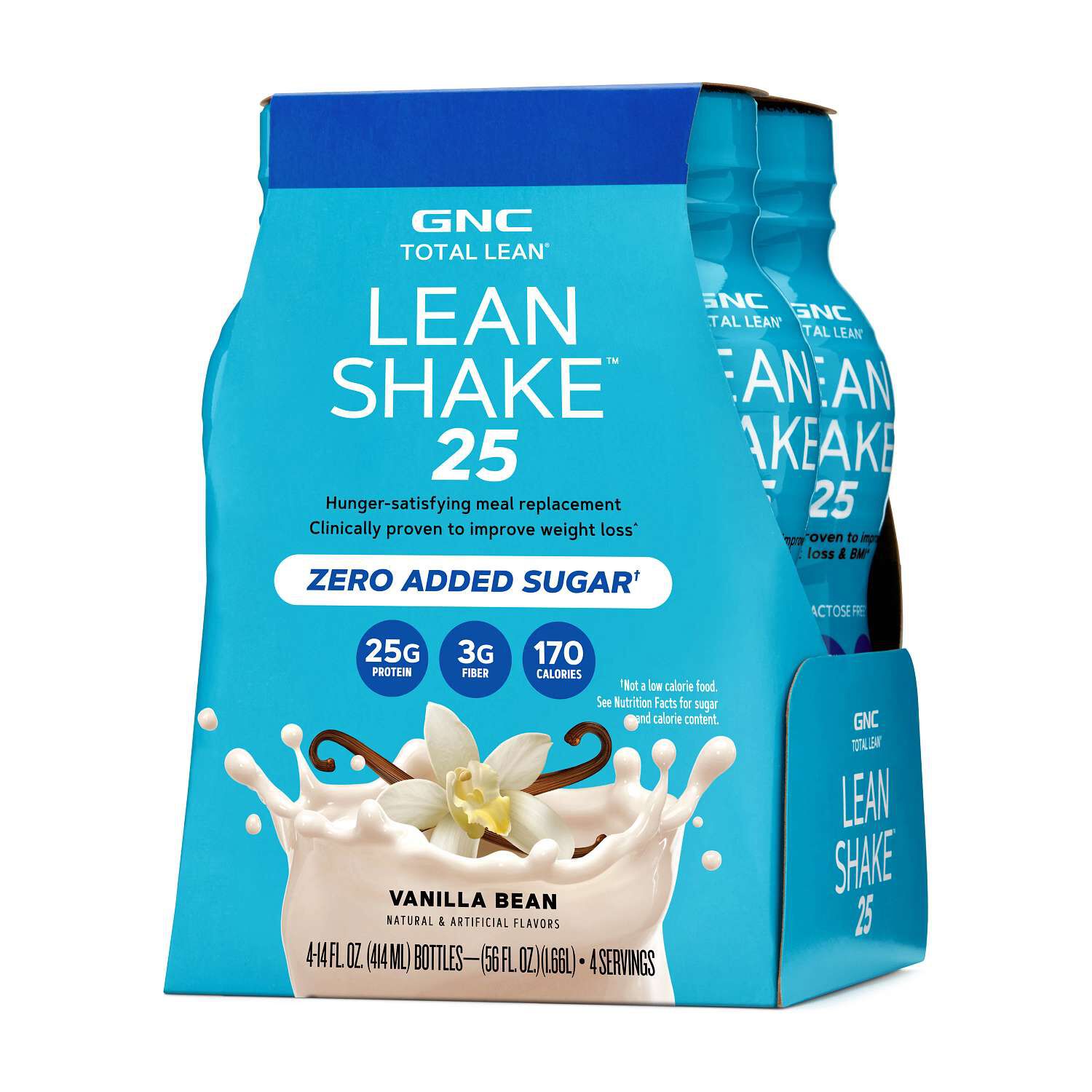
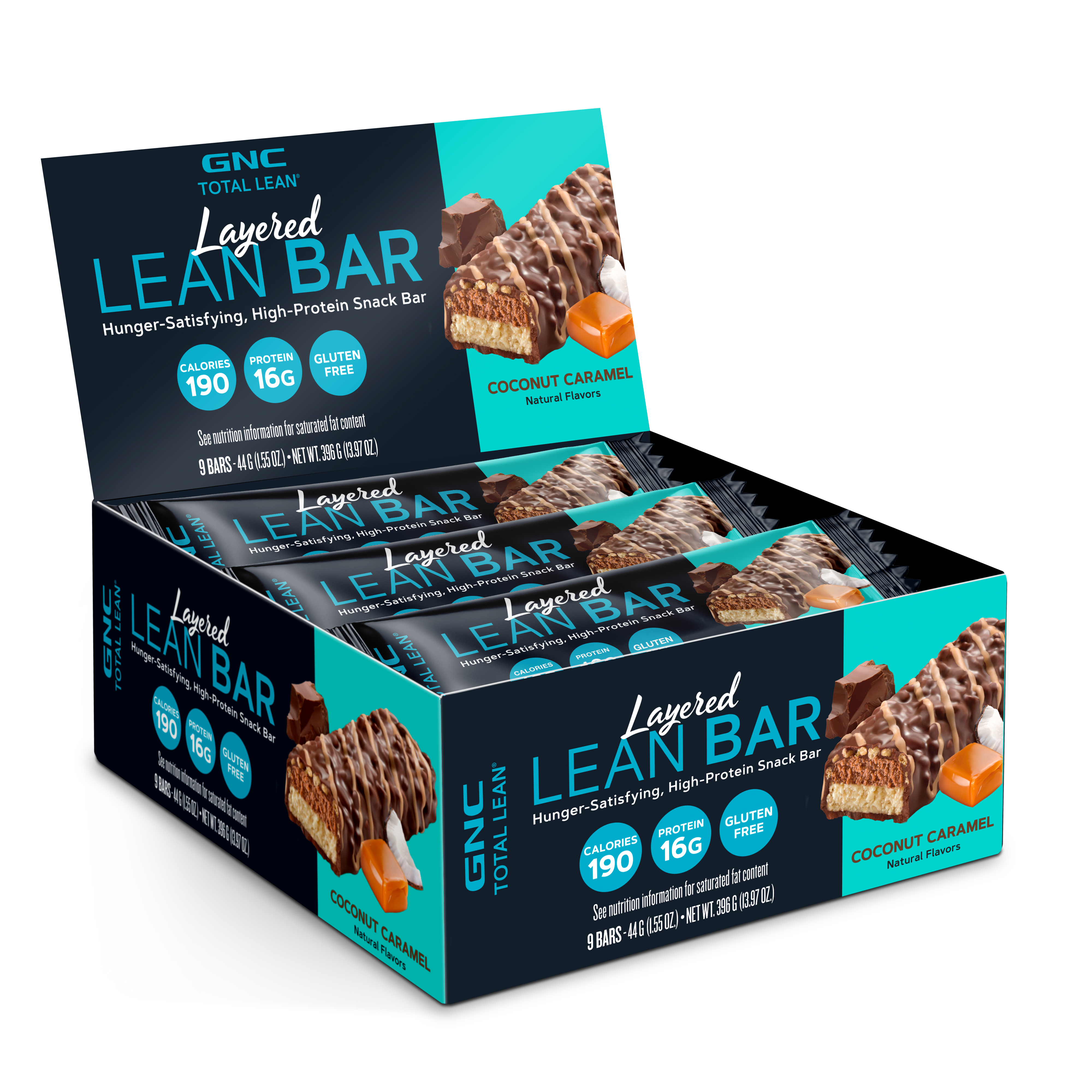
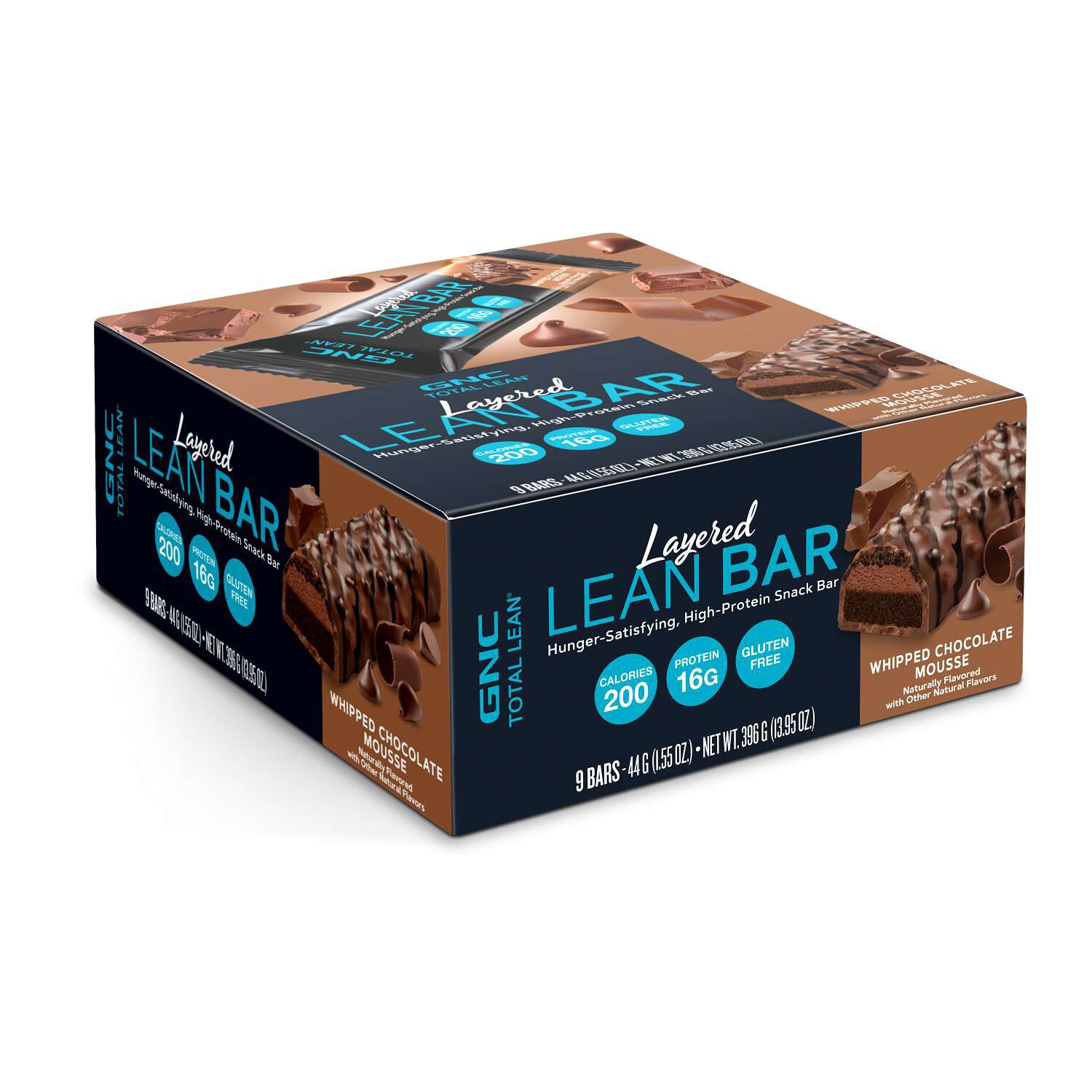

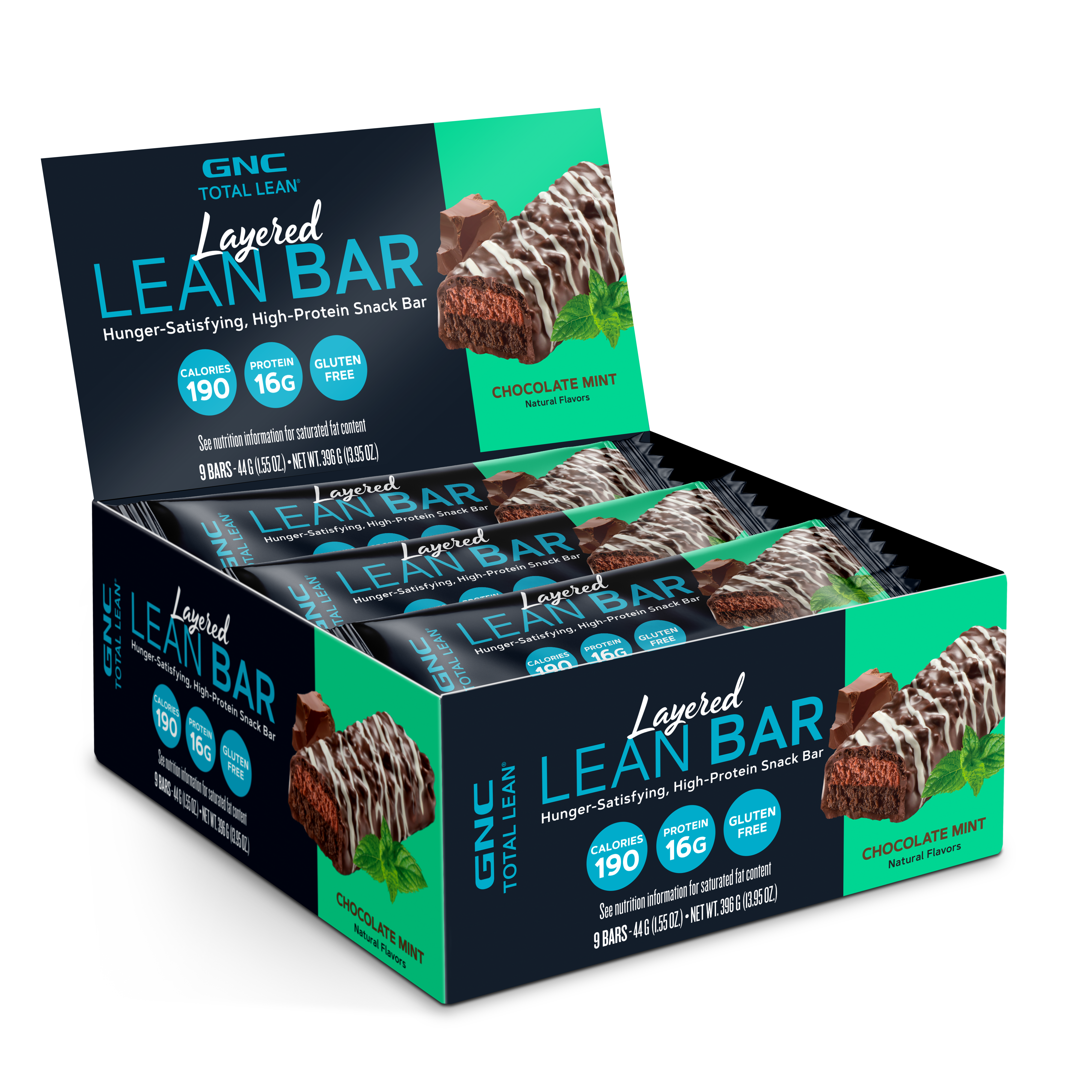

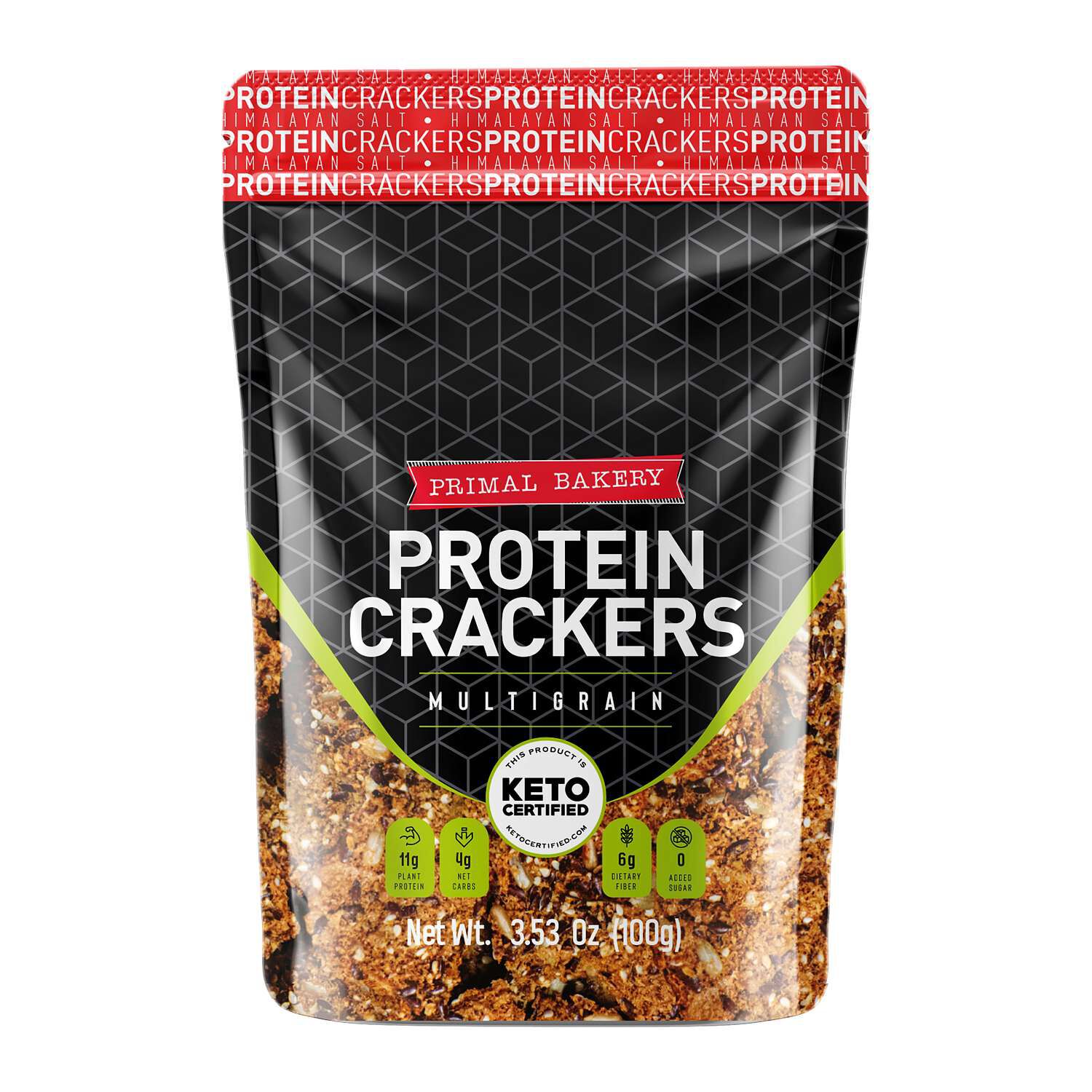
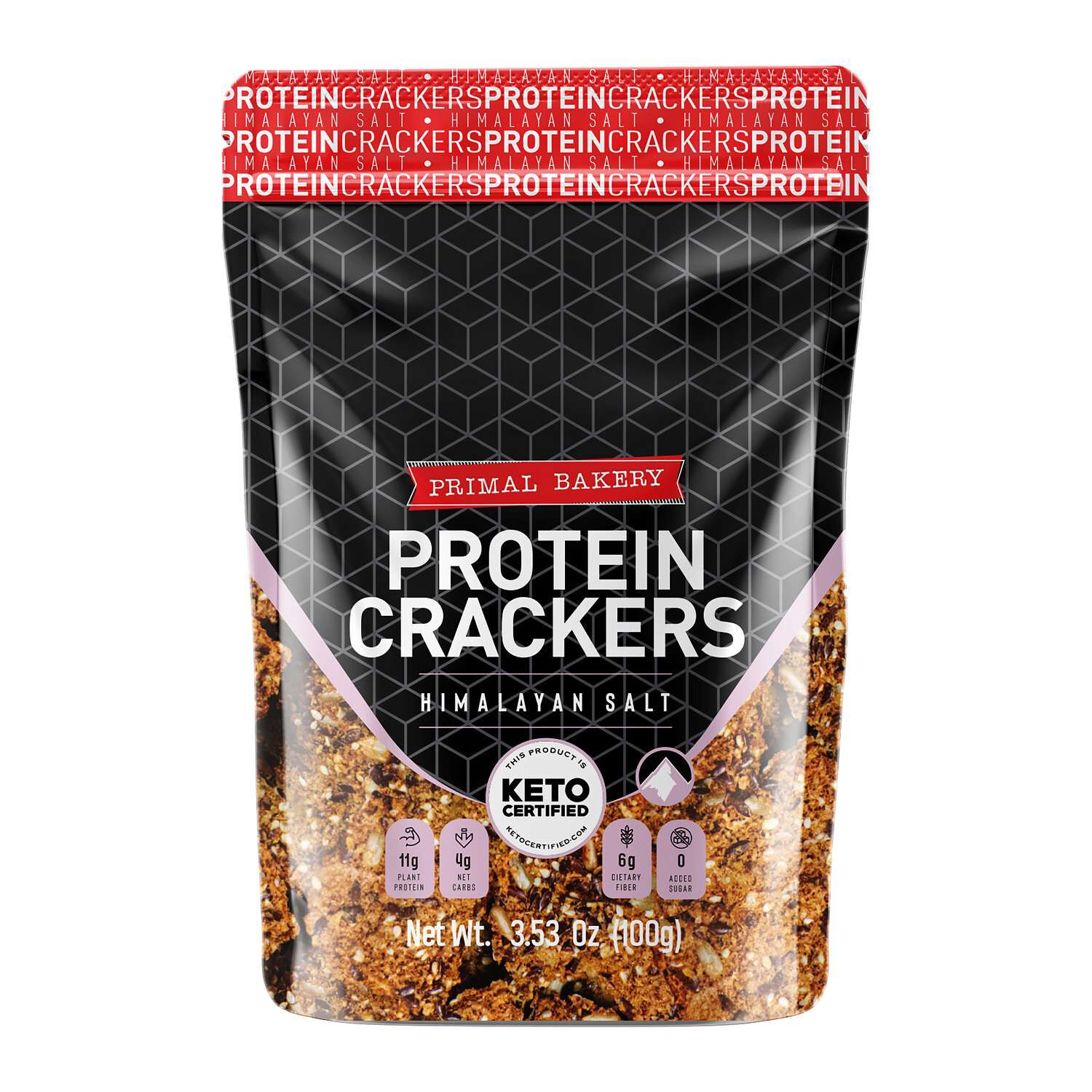


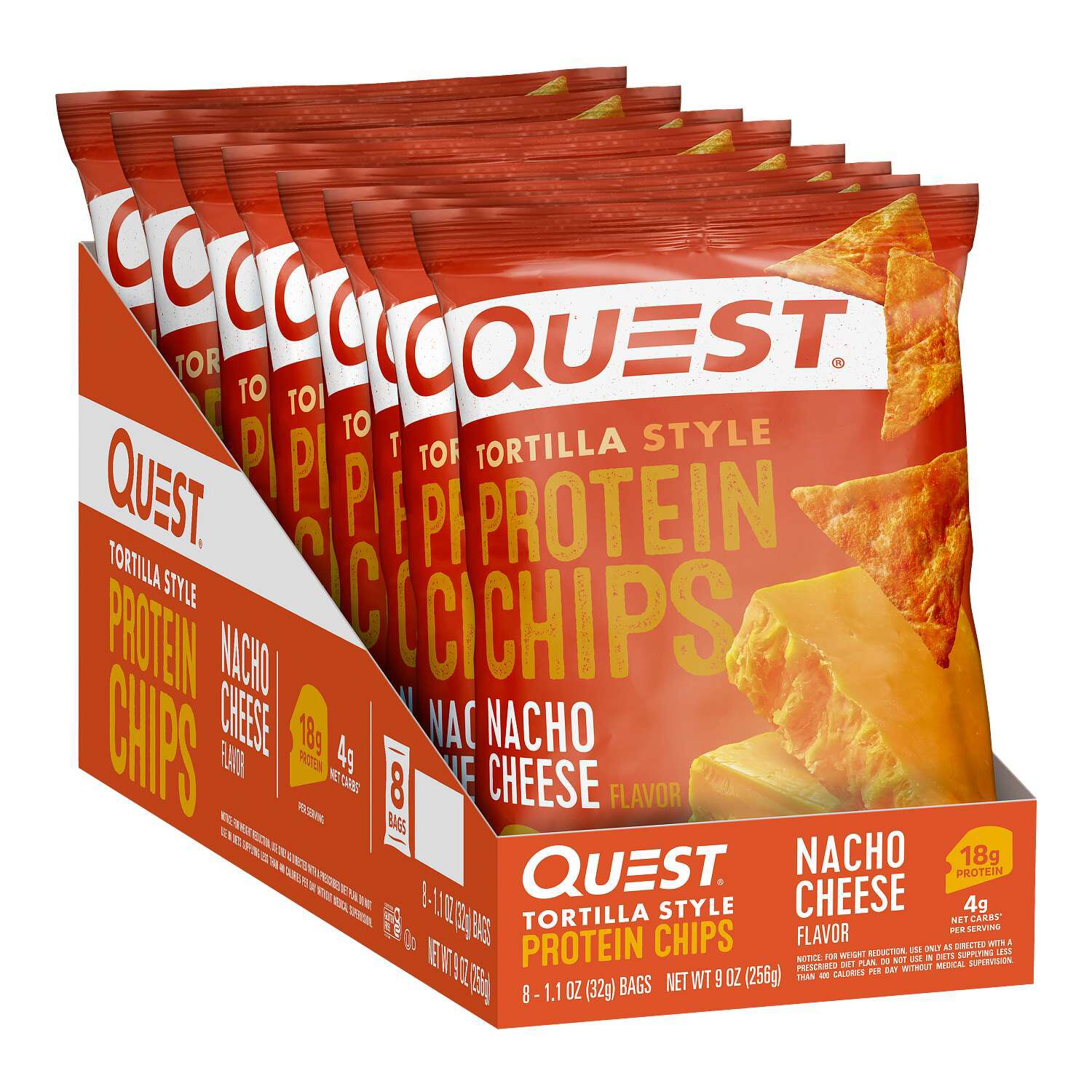
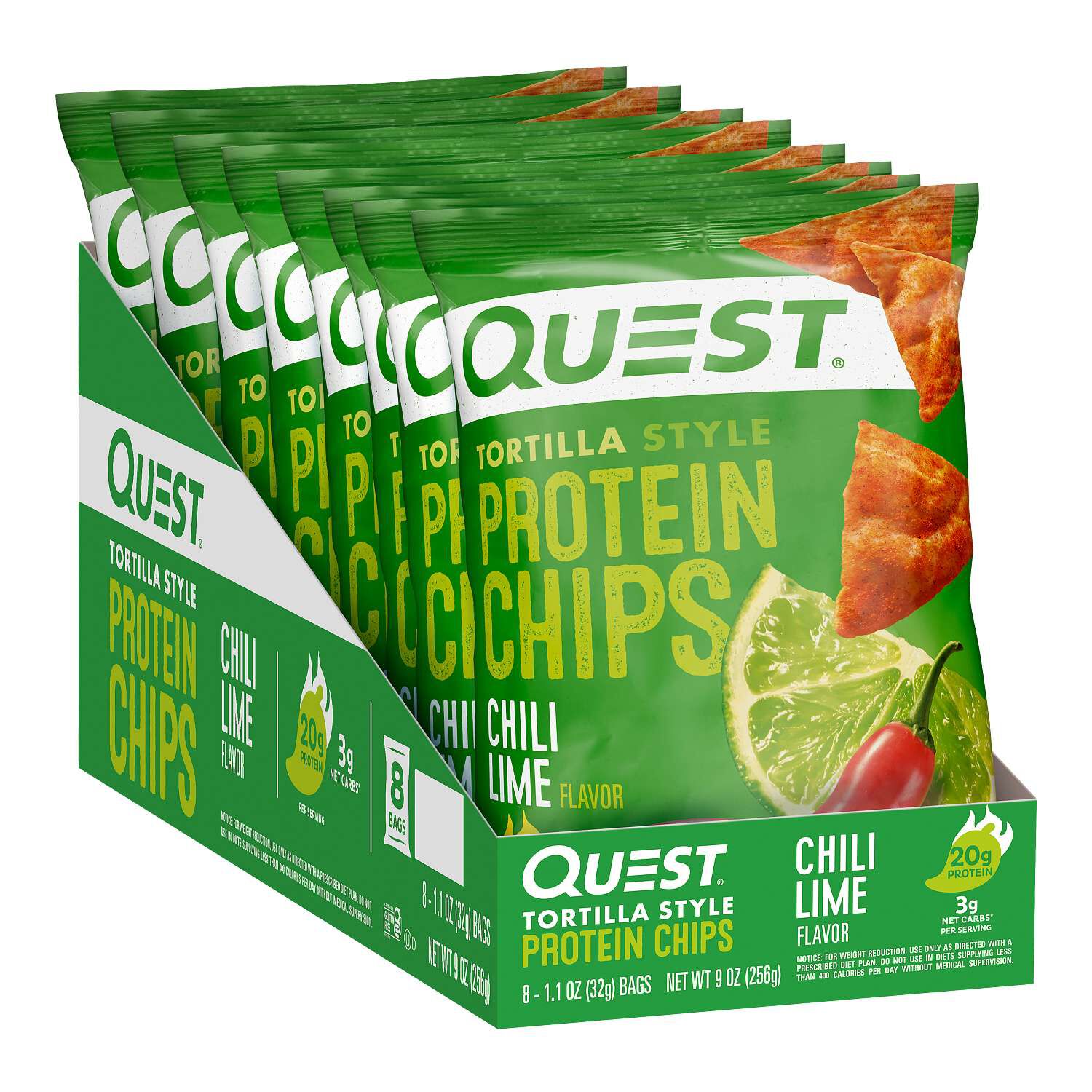
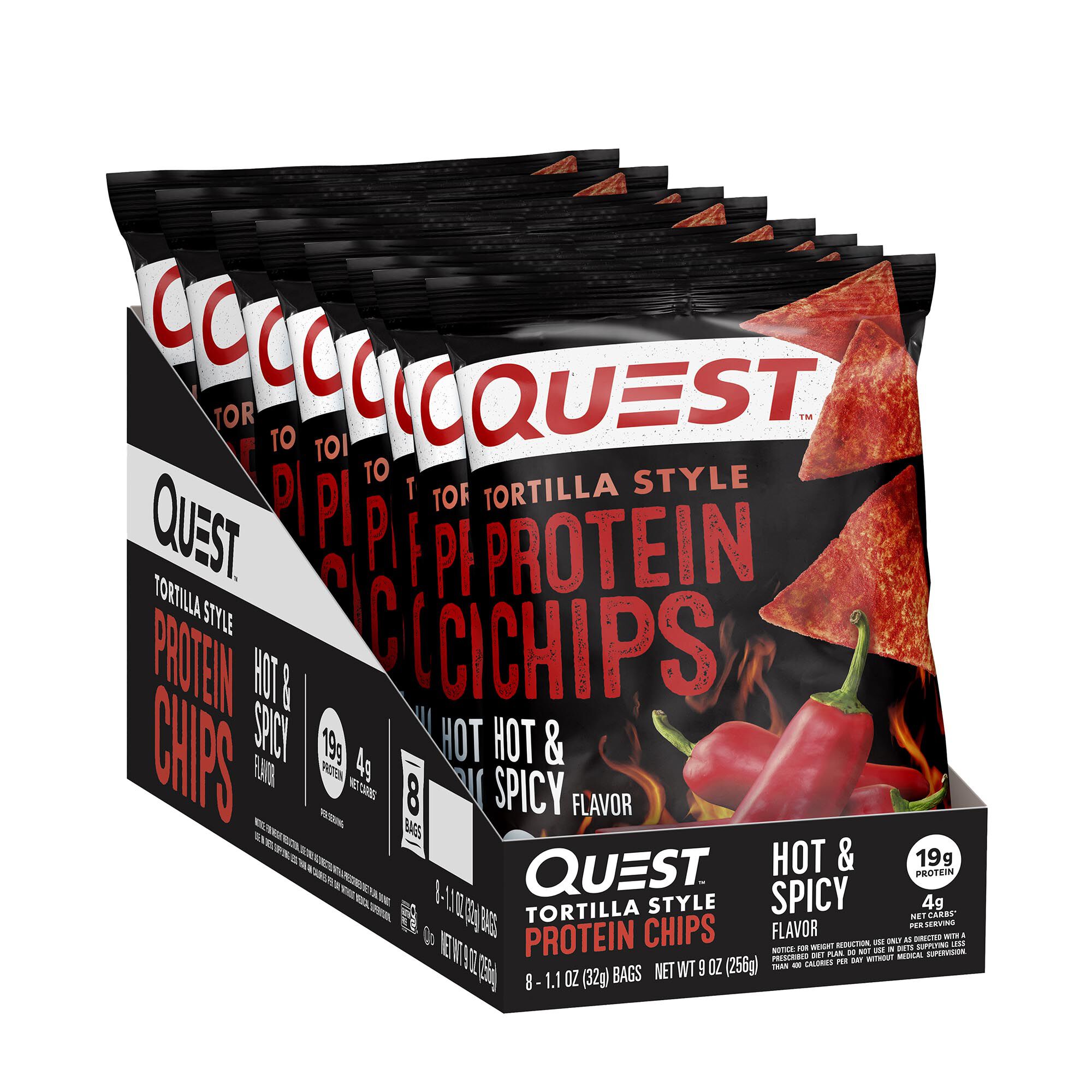
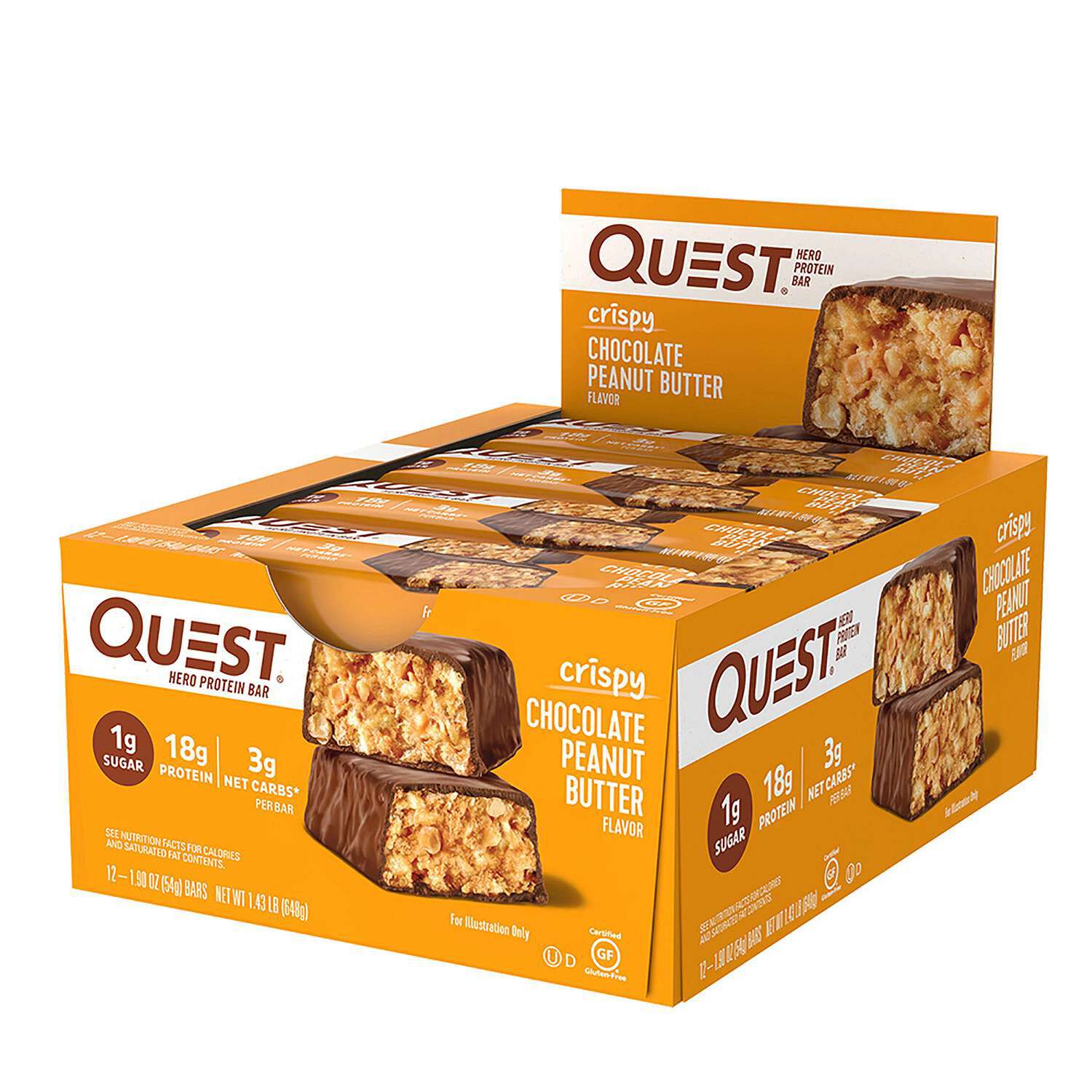
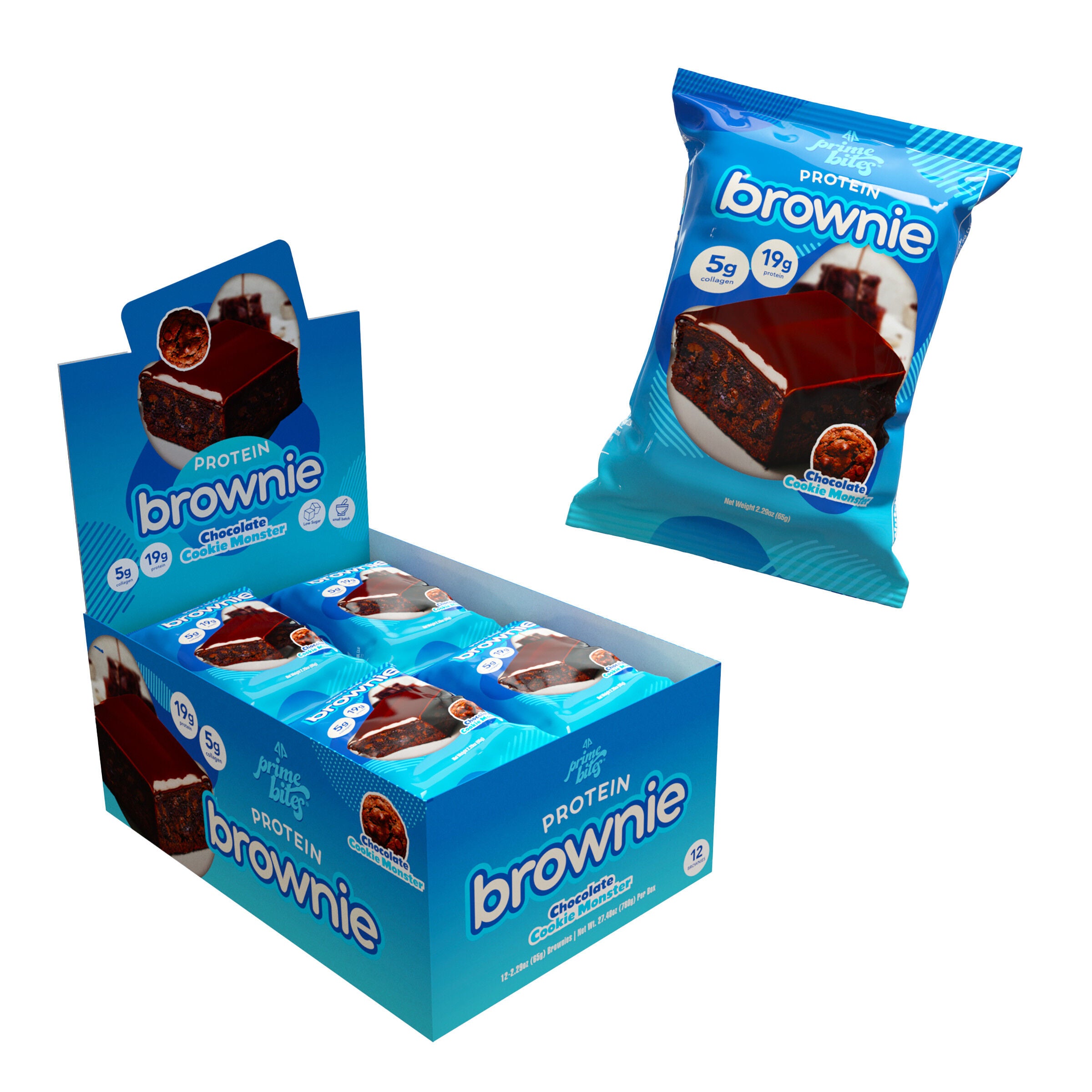
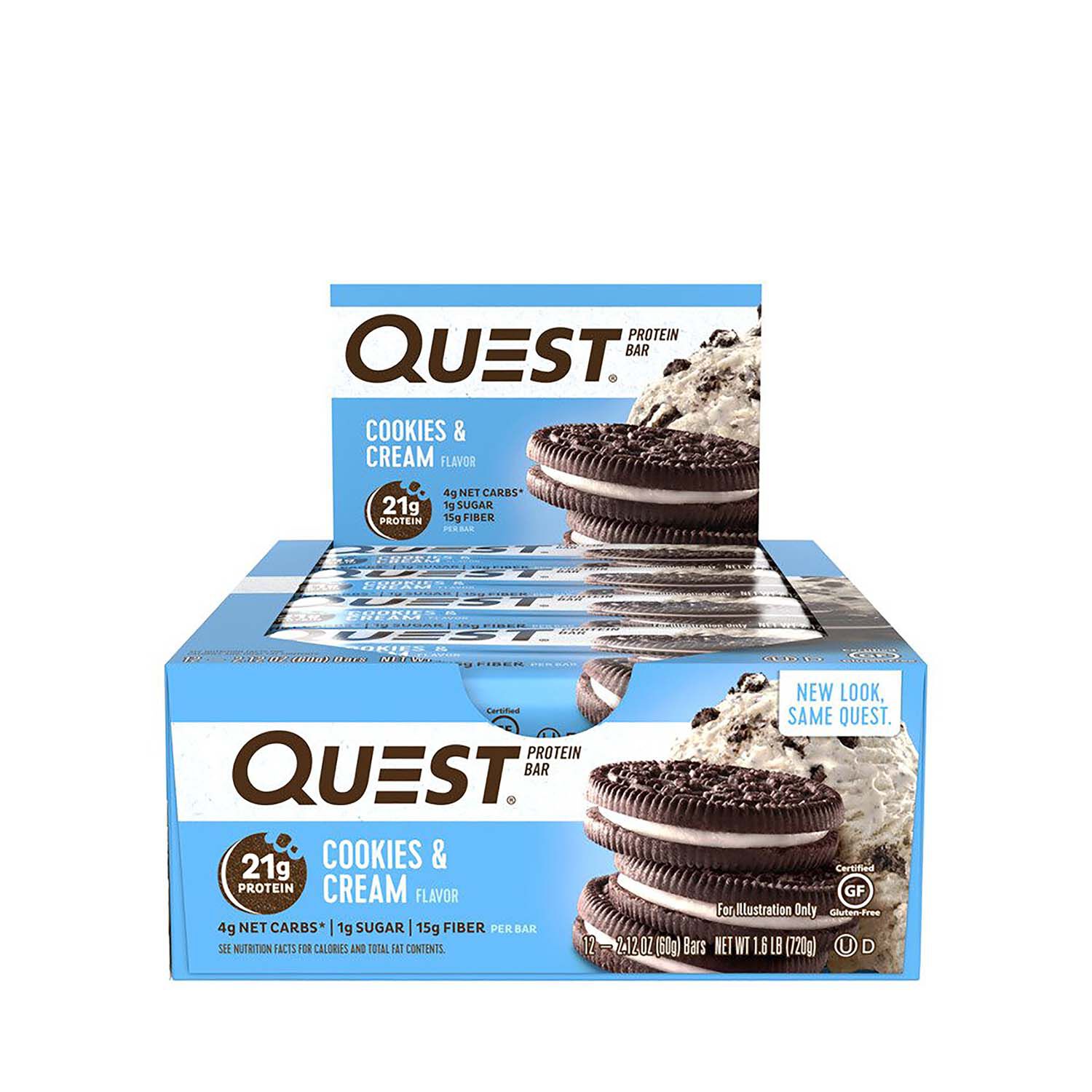
Low cal snacks include sweet, savory, crunchy, and chewy options with relatively few calories per serving, making portion size an important part of the category. For everyday shopping, snack portions around 100 to 200 calories provide a familiar point of comparison, although that range does not automatically qualify a packaged food for a low-calorie label. Calories vary with ingredients, preparation, and the amount eaten, so a small bar, a pouch of puffed snacks, and a serving of roasted legumes can have quite different nutrition profiles even when their calorie counts are similar. The serving size on the Nutrition Facts panel provides the clearest context: it identifies the amount associated with the listed calories, protein, fiber, added sugars, and sodium. A package may contain more than one serving, while an individually wrapped portion may represent a single serving. That distinction matters for a snack tucked into a work bag or opened during an afternoon break, when the package itself can look like one portion regardless of its label. Calorie-conscious snack choices also span different eating preferences, including plant-based recipes, dairy-based options, and grain-based snacks. Some emphasize protein, some contain fiber, and others center on a particular flavor or texture. Neither a small package nor a protein-focused description automatically means fewer calories. The most useful comparisons involve similar serving amounts and the same kind of eating occasion, rather than package size alone. A light bite alongside lunch serves a different purpose from a more substantial snack during a long stretch between meals. Personal preferences matter just as much: a crisp, savory handful and a soft, cocoa-flavored bite offer different experiences, even at comparable calorie counts. Low cal snacks are best understood as a varied selection of portion-conscious foods rather than one recipe, one texture, or one fixed nutrition profile. Their appeal lies in the range of choices for familiar moments, from a desk drawer snack to something packed for a commute.
Texture and flavor give this category much of its variety. Puffed and popped snacks have an airy structure, while baked crisps and roasted ingredients offer a firmer bite. Soft bars and chewy bites provide another format, with recipes that may include grains, fruit ingredients, nuts, seeds, or protein sources. Within each format, serving size and preparation can change the calorie count considerably. An airy snack with a rich coating is different from a lightly seasoned version, just as a small fruit-based bite differs from a larger bar with several ingredient layers. Savory selections range from lightly salted profiles to bold herb and spice blends; sweet selections can feature cocoa, vanilla, cinnamon, or fruit flavors. For a cocoa-centered option, low calorie chocolate snacks bring that familiar flavor into portion-conscious snack formats. Chocolate flavor alone does not indicate a particular calorie count, and coatings, fillings, and serving weights all contribute to the nutrition information on the package. The same applies to fruit and nut ingredients. Dried fruit has less water than fresh fruit, while nuts and seeds contribute concentrated calories in relatively small portions. These ingredients can still appear in calorie-conscious snacks when the serving amount fits the intended eating occasion. Ingredient lists also distinguish recipes that look similar from the outside. Milk, soy, peanuts, tree nuts, wheat, and sesame are among the ingredients that may appear in packaged snacks, making ingredient and allergen statements relevant to household preferences and dietary requirements. Sweeteners, seasonings, and coatings deserve the same attention as the main ingredients because they shape both flavor and nutrition. A lightly sweet option, a deeply cocoa-flavored bite, and a salty crunch each occupy a different place in a snack rotation. Variety does not require a large portion; it can come from alternating textures and flavor profiles across different occasions while keeping the labeled serving amount in view.
Packaging and storage are practical considerations for snacks that travel beyond the kitchen. Individually wrapped portions may suit a commute, a break between classes, or a snack packed beside lunch, while resealable bags offer a different format for a shared pantry or office drawer. Larger packages make the serving information especially relevant because the amount poured into a bowl may differ from the amount listed on the label. A small container provides a defined space for a portion and separates delicate snacks from heavier belongings in a tote or backpack. Firm packaging may help protect airy pieces from being crushed, while tightly closed containers may help limit exposure to moisture after opening. Soft or coated snacks have their own storage requirements, and the package directions remain the reference for handling, refrigeration when required, and use after opening. Shelf-stable options and refrigerated foods serve different routines; a snack that belongs in a refrigerator is not interchangeable with one designed for pantry storage. For a desk, travel bag, or shared break area, details such as crumbs, sticky coatings, strong aromas, and the need for utensils also shape everyday usefulness. A neatly wrapped chewy snack may be convenient between appointments, while a crunchy portion in a small bowl may better suit a seated break. At home, separate snack containers offer a way to organize different textures and dietary preferences without mixing ingredients. Individually sealed portions can also suit a care package for a student or a snack assortment for someone with a busy schedule, provided the recipient’s food preferences and ingredient requirements are known. Across these settings, calorie information is only one part of the purchase decision. Flavor, texture, serving size, ingredient transparency, packaging, and storage needs all contribute to how well a snack fits an ordinary day. A thoughtful selection leaves room for both sweet and savory preferences, with portions that make sense for the occasion and clear labeling that makes comparisons straightforward.
- Q: What are low calorie snacks?
A: Low calorie snacks are foods or treats that contain fewer calories per serving compared to traditional snack options. They are designed to help you satisfy hunger or cravings without significantly increasing your daily caloric intake. - Q: Who can benefit from eating low cal snacks?
A: Low cal snacks can benefit anyone looking to manage their weight, maintain a healthy lifestyle, or simply enjoy lighter snack options throughout the day. - Q: When is the best time to enjoy a low calorie snack?
A: Low calorie snacks can be enjoyed between meals, after workouts, or whenever you want something light without consuming too many calories. - Q: Are there different types of low cal snacks available?
A: Yes, low cal snacks come in a variety of forms including protein bars, chips, cookies, trail mixes, and even drinkable options like shakes or smoothies. - Q: Can low calorie snacks fit into different dietary preferences?
A: Absolutely! Many low cal snacks are available in plant-based, keto-friendly, and other dietary-specific varieties to suit different nutritional needs and preferences.