





Low Calorie Chocolate Snacks
(0 Results)
Low calorie chocolate snacks offer a delicious way to satisfy chocolate cravings while fitting into a balanced lifestyle. Whether you’re looking for a sweet treat after a workout or a convenient option for on-the-go enjoyment, these snacks may provide a satisfying option without compromise. Explore a variety of low calorie chocolate snacks that could align with your wellness goals and add a touch of indulgence to your daily routine.
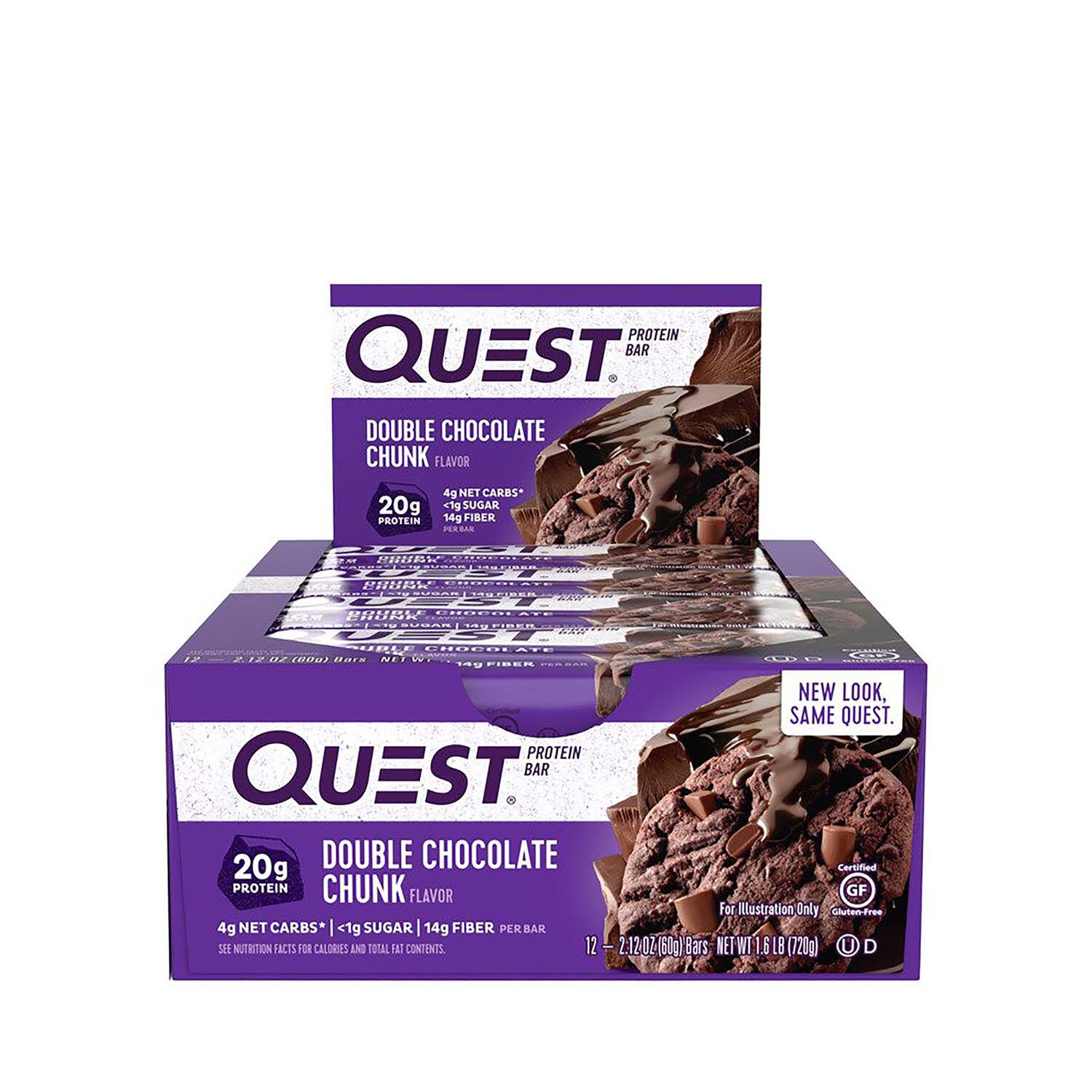
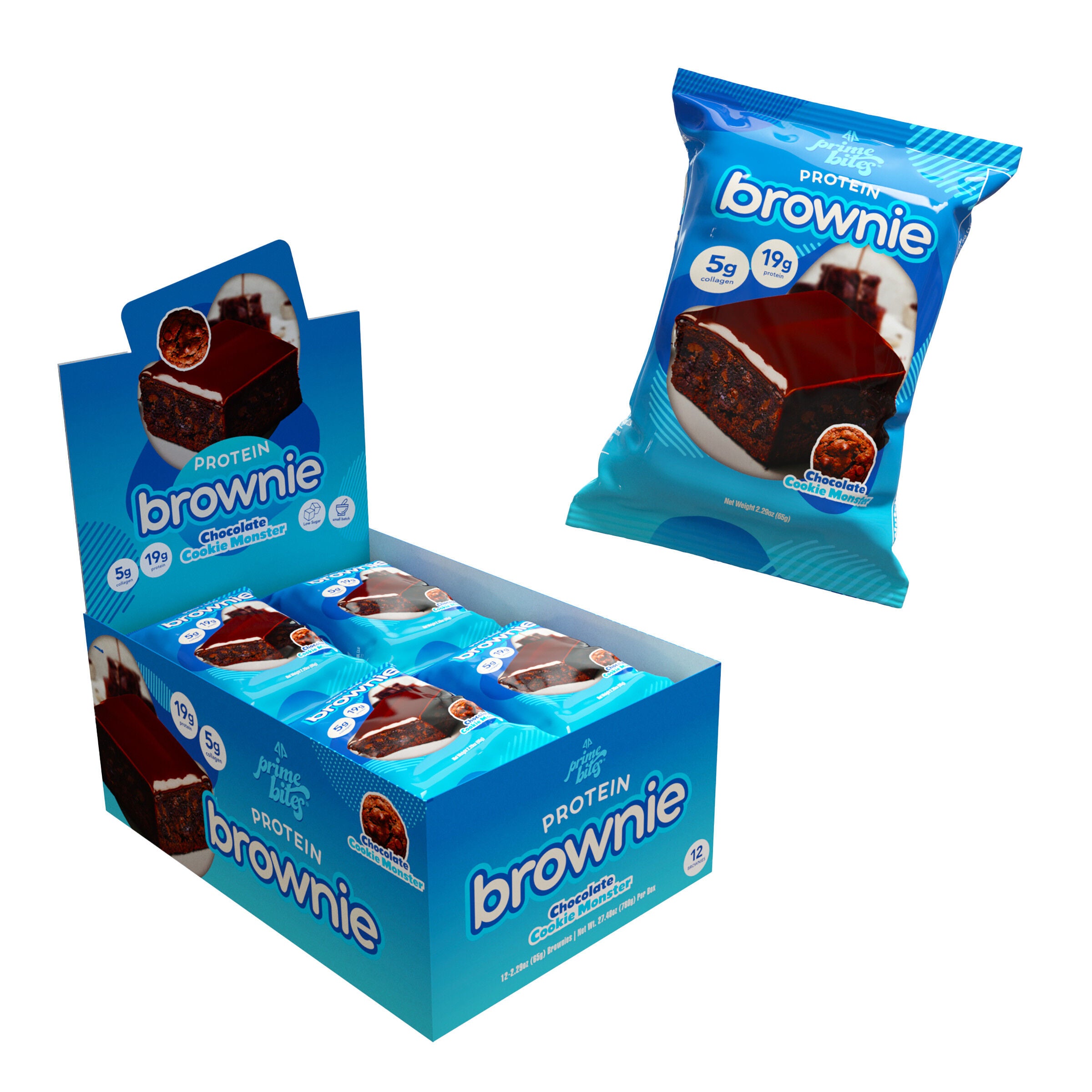
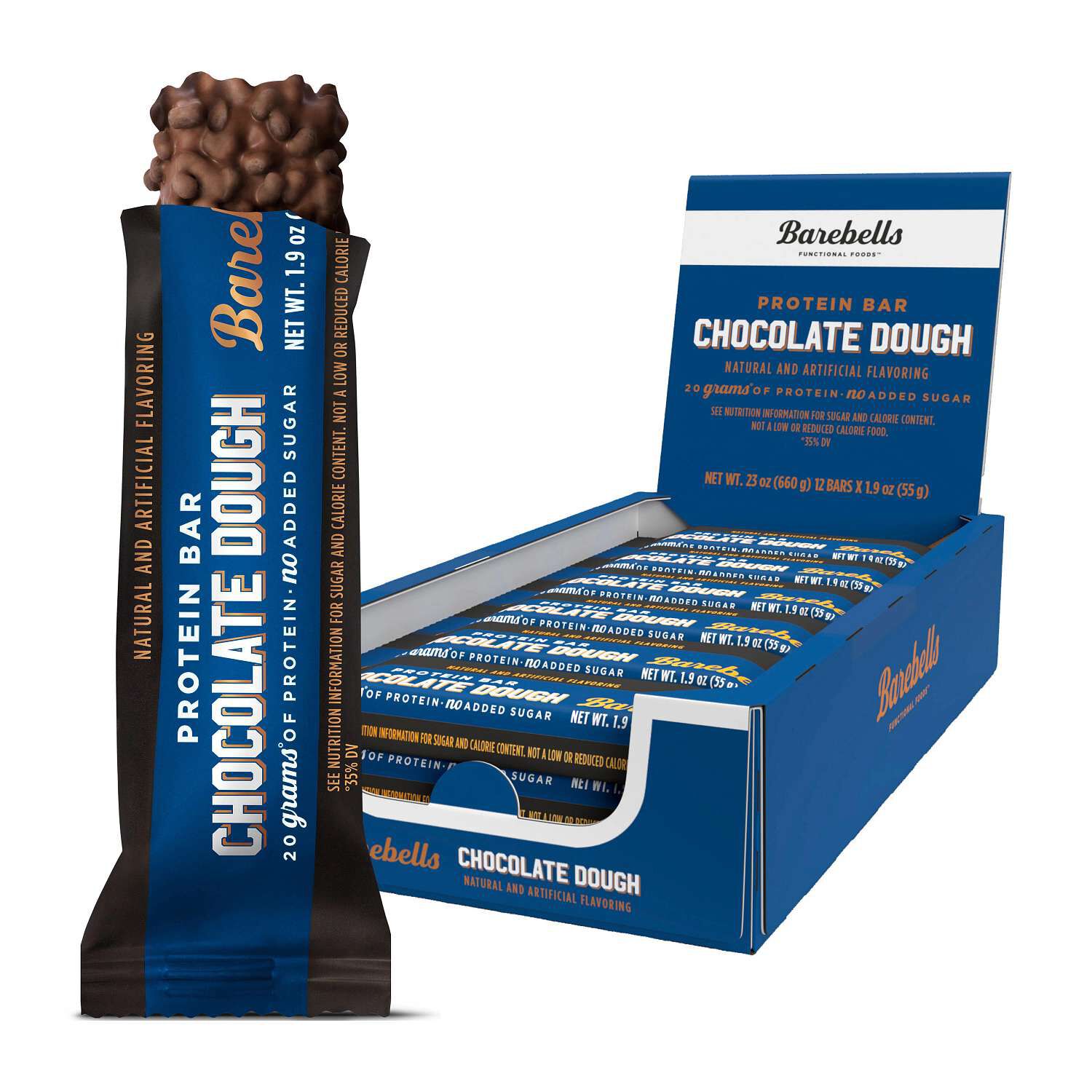
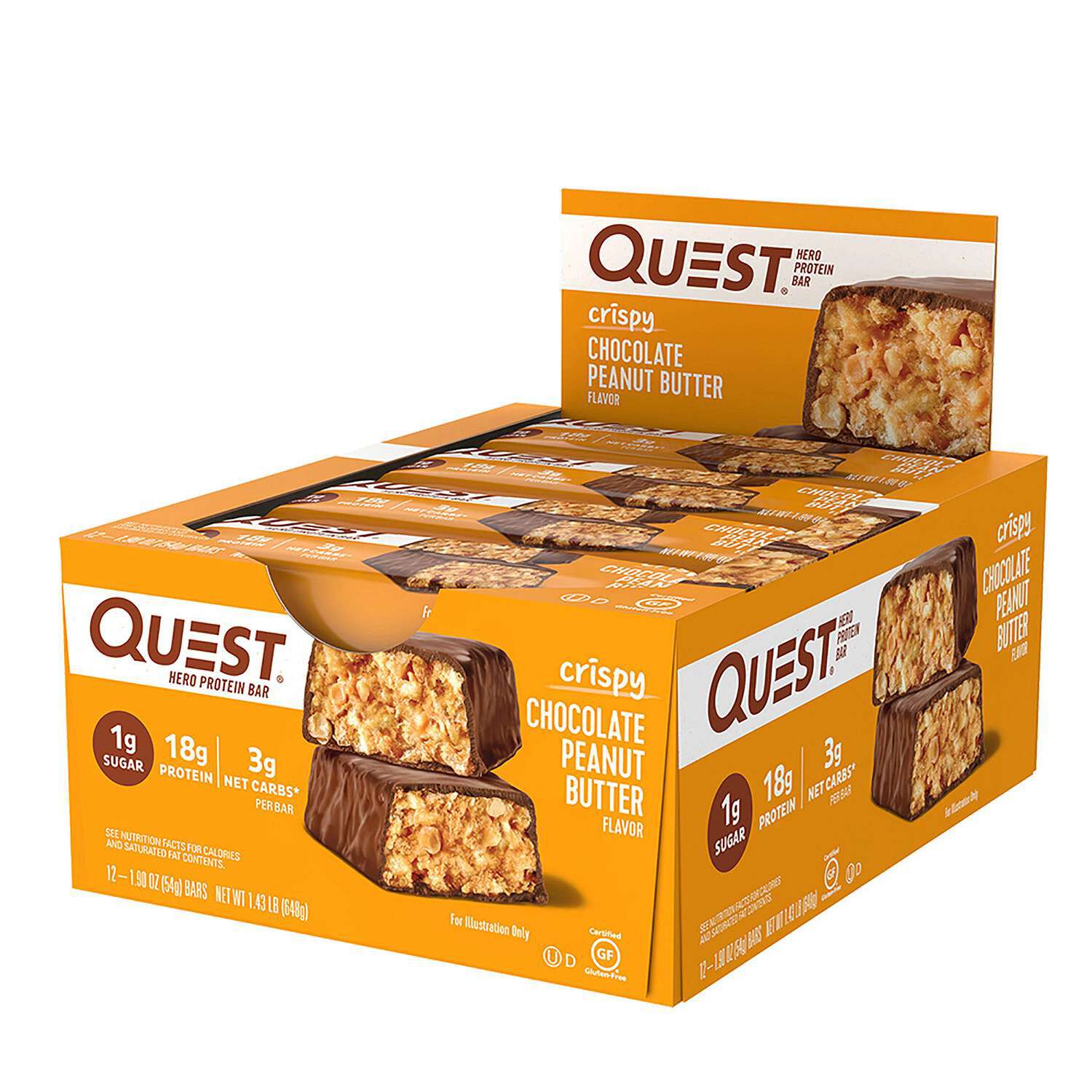
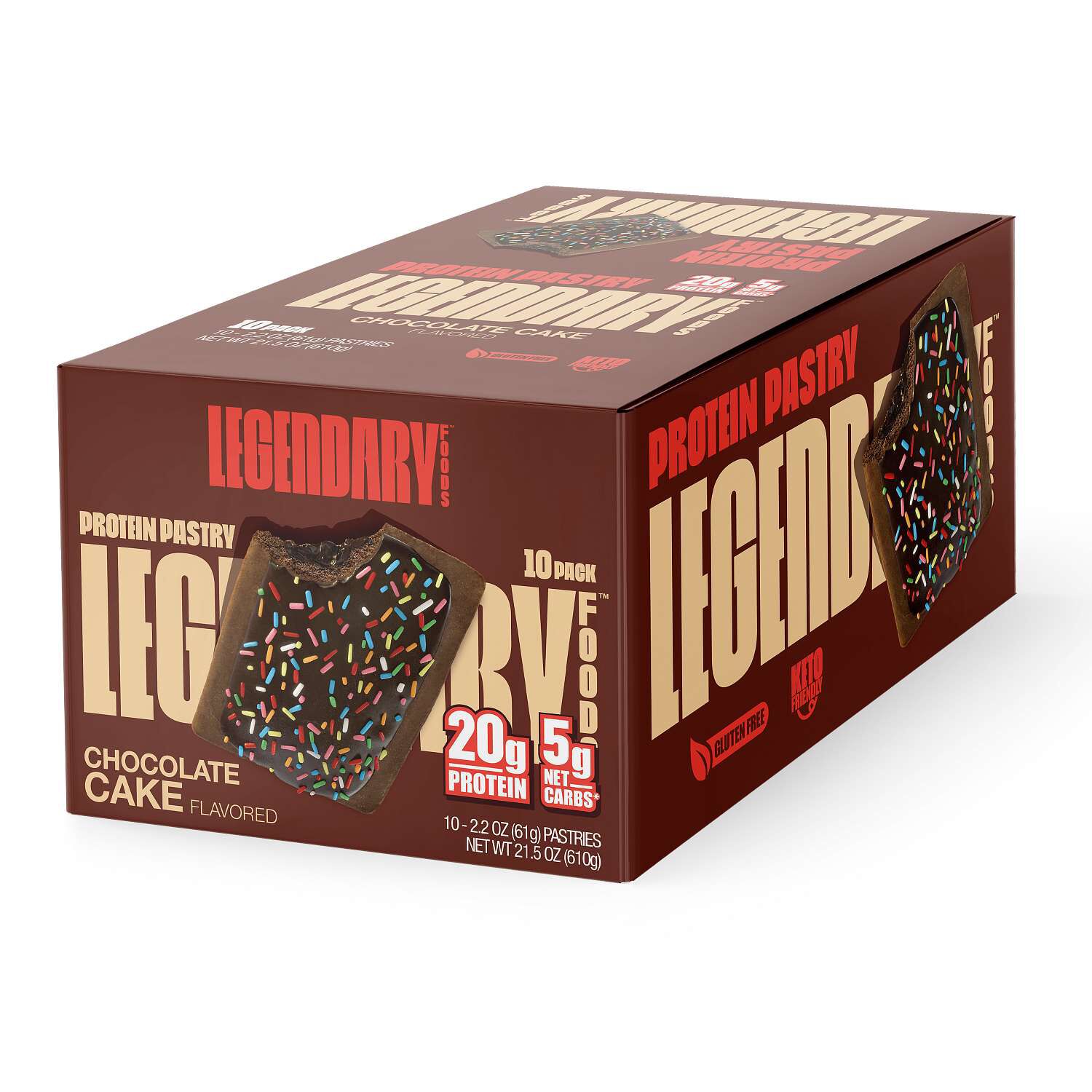
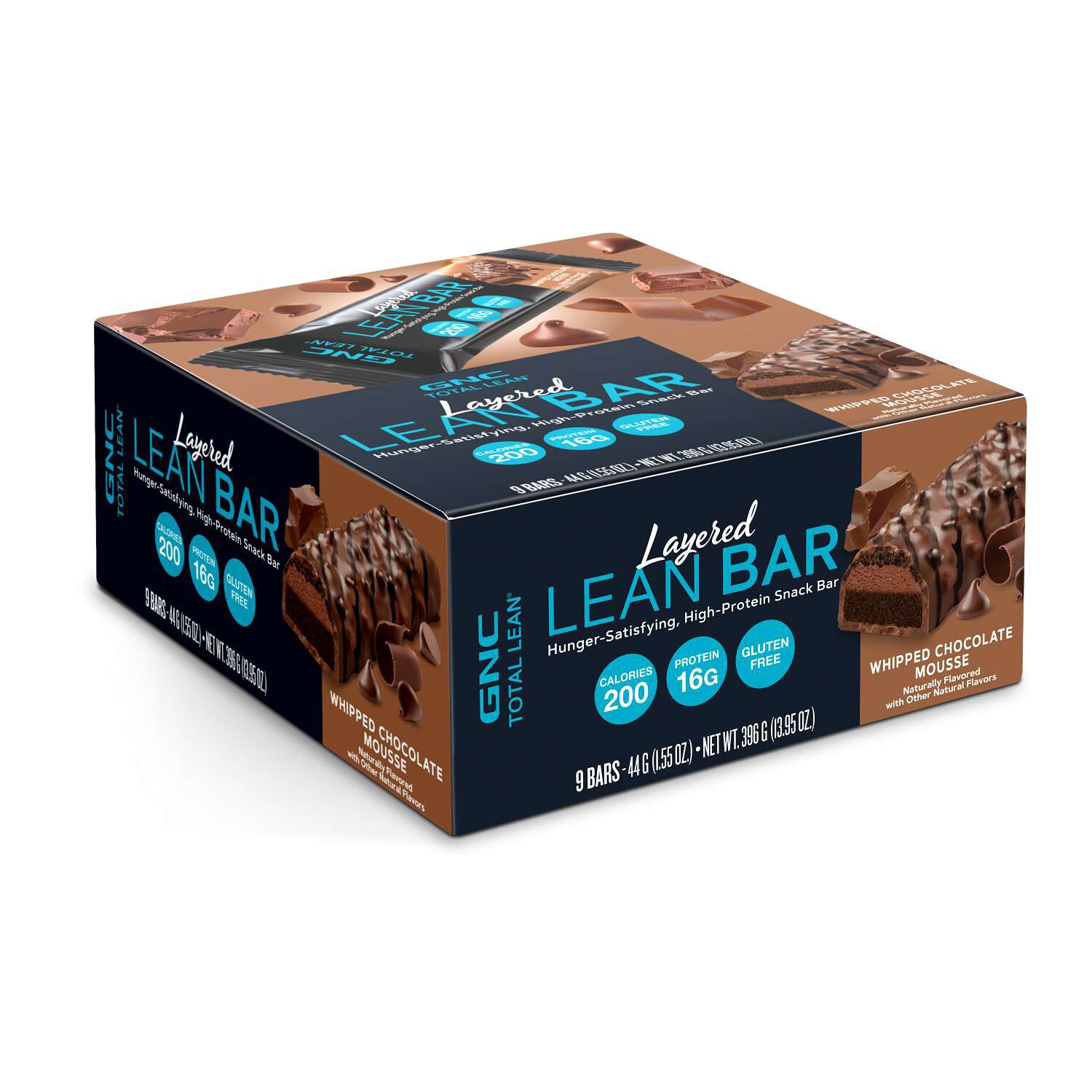
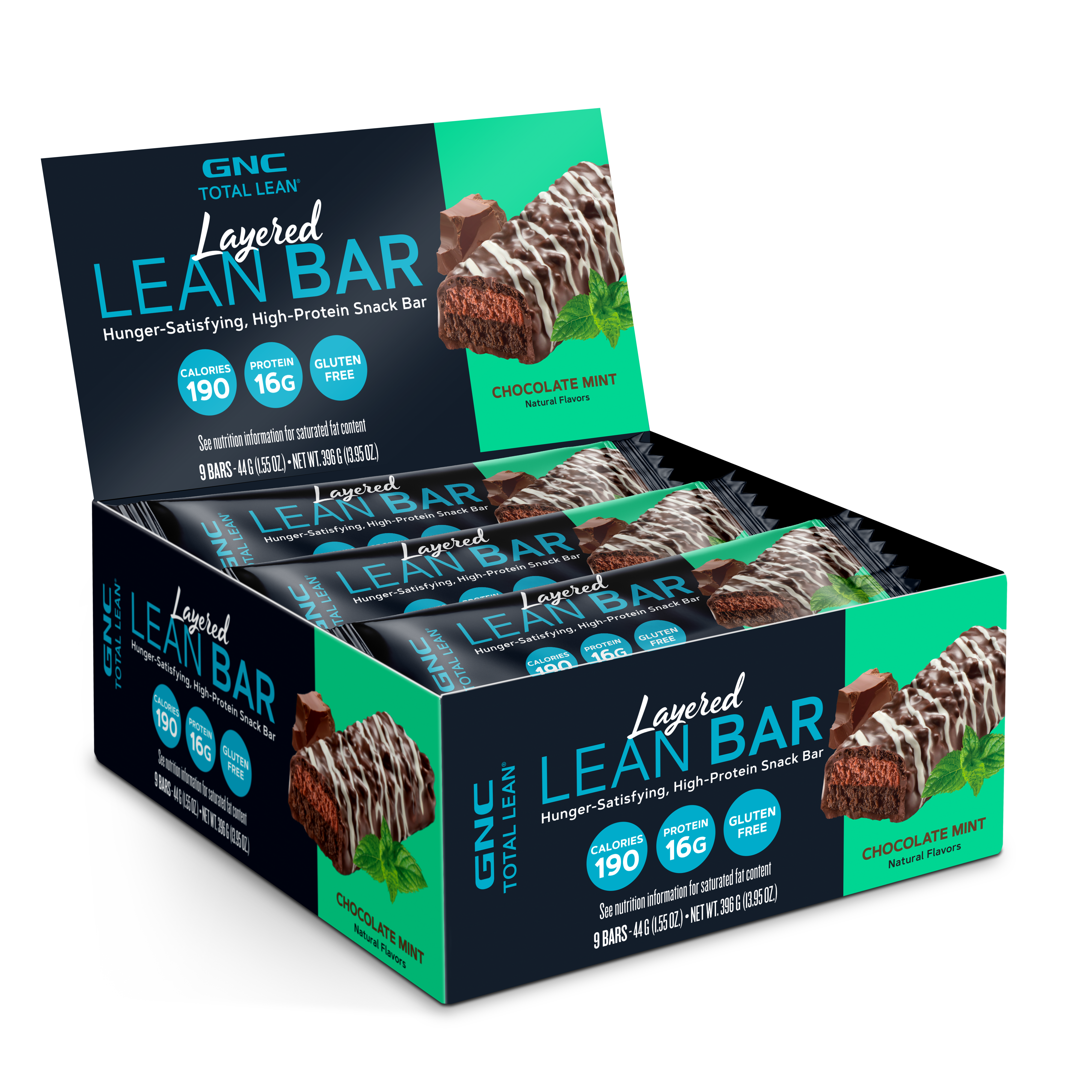
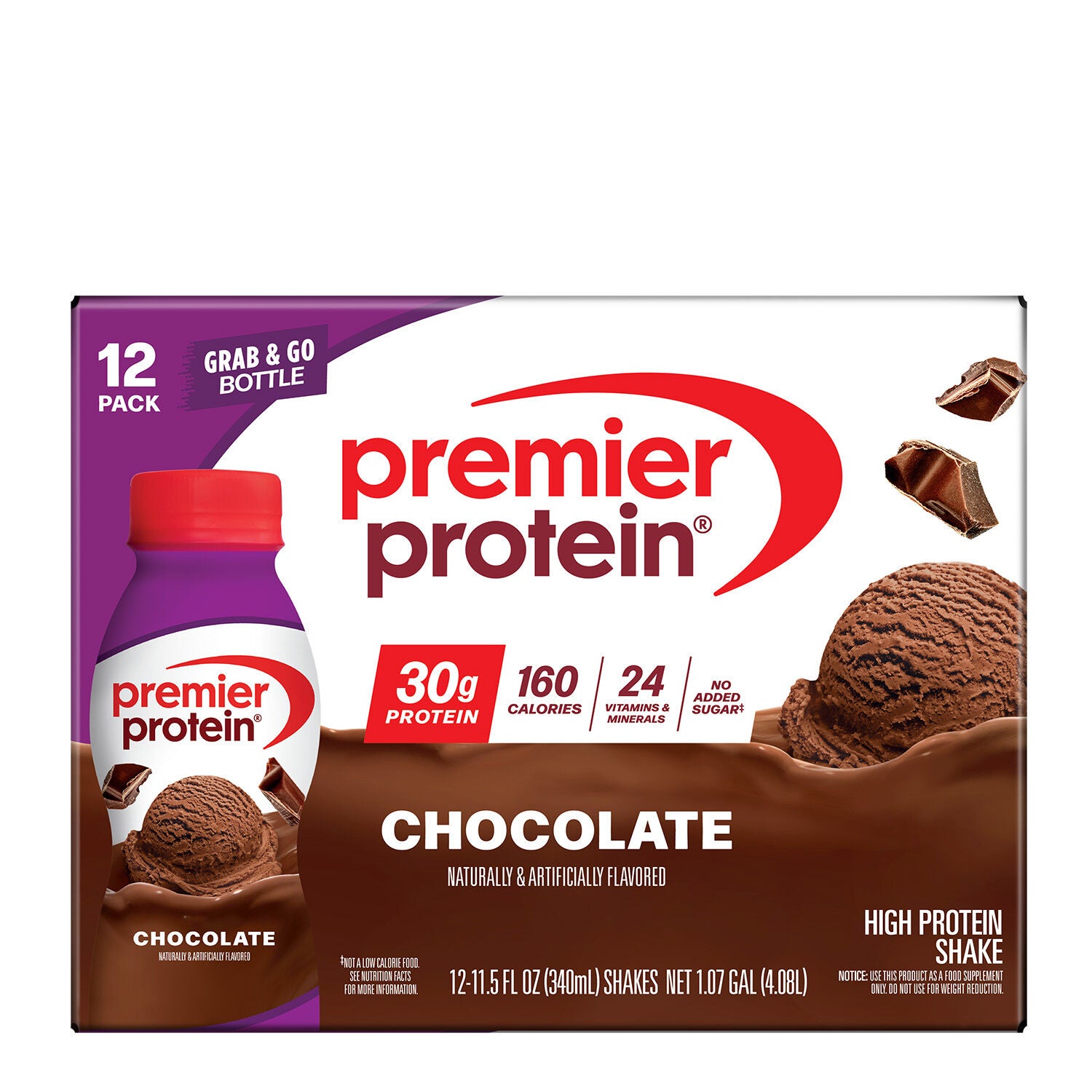
Low-calorie chocolate snacks are chocolate-flavored treats chosen for a modest calorie count per labeled serving. Common formats include small chocolate squares, miniature bars, cocoa-flavored bites, chocolate-coated crisps, and chewy snacks with a chocolate layer. For shoppers looking for a serving around 100 calories or less, the nutrition panel provides a more useful starting point than the size of the wrapper or the darkness of the chocolate. A serving might consist of one piece, several smaller pieces, or only part of a package, so calories and serving size belong together when comparing options. Some snacks rely on a smaller portion of traditional chocolate, while others combine cocoa with puffed grains, nuts, seeds, or a protein-based center. Those differences matter as much for taste and texture as they do for the ingredient list. A thin chocolate coating over a crisp center has a different eating experience from a dense, smooth square, even when the labeled calorie counts are similar. Dark chocolate generally has a more pronounced cocoa flavor, while milk chocolate typically has a sweeter, creamier character. Cocoa-flavored fillings can range from soft and fudgy to firm and chewy, with vanilla, caramel, or nut flavors adding another dimension. The percentage of cocoa describes the chocolate’s composition; it does not, by itself, establish that a snack contains fewer calories. Likewise, a label highlighting protein, fiber, or no added sugar does not replace the calorie information on the package. Chocolate, nuts, nut butters, coatings, and fillings all contribute to the nutritional profile, and recipes vary considerably. For someone who enjoys an intense cocoa flavor, a small dark chocolate portion may suit the occasion. Someone who prefers a longer-lasting crunch might lean toward several small coated pieces instead. The category leaves room for both approaches, with portion format, sweetness, and texture helping distinguish one type of snack from another. Comparing those details makes the selection more personal than choosing solely by the largest number printed on the front of a package.
Ingredient preferences offer another way to narrow a selection of low-calorie chocolate snacks. Cocoa powder, cocoa butter, milk ingredients, nuts, grains, and sweeteners can appear in different combinations, producing anything from a delicate chocolate shell to a brownie-like center. Some recipes include added protein from milk or plant sources, while others focus on a familiar confectionery texture in a smaller serving. Shoppers who also compare protein content can explore Healthy Chocolate Protein Snacks as a related collection, while continuing to check calories and serving sizes on individual labels. Protein grams describe one part of a snack’s nutritional profile rather than its flavor, texture, or calorie count. A chocolate-flavored protein snack might have a chewy center, a crisp interior, or a layered construction, and those physical details can be important to someone with a clear texture preference. Added sugar information is also separate from calories. A recipe made with alternative sweeteners can still contain calories from cocoa butter, nuts, dairy ingredients, or other components. Ingredient lists identify the sweeteners used and provide a clearer picture than a broad front-label description alone. For shoppers comparing similar formats, checking the serving weight alongside the calorie count helps distinguish a genuinely smaller portion from a larger snack divided into several servings. That distinction is especially relevant when a resealable pouch contains many bite-sized pieces or a bar has more than one labeled serving. Individually wrapped portions may make the intended serving easier to identify, while a larger package may suit a household that prefers to share. Anyone choosing a snack for another person can also check declared allergens and ingredient preferences before making a selection. Milk, peanuts, tree nuts, soy, wheat, and other ingredients may appear in chocolate snacks or their fillings, so the package deserves attention even when the flavor sounds familiar. A friend who enjoys smooth chocolate may prefer a simple square over a crunchy cluster, while a household that likes varied textures might favor a mix of chewy and crisp formats.
Everyday use and packaging are practical considerations for chocolate snacks, particularly when the same treat might spend time in a desk drawer, a lunch bag, or a kitchen cabinet. A sealed individual wrapper may be convenient for a workday break or an afternoon away from home, while a resealable pouch may be better suited to sharing at home. Package shape matters, too: thin pieces and delicate coatings need different handling from compact bites with a firmer center. Chocolate can soften with exposure to heat, and crisp ingredients can lose their texture after prolonged exposure to moisture. Following the package’s storage directions, keeping seals closed, and choosing a suitable storage spot are sensible parts of caring for the snack. Many shelf-stable chocolate treats call for a cool, dry place away from direct sunlight; refrigerated or frozen formats require their own handling instructions. The best-by date and directions after opening offer more relevant information about shelf life than the appearance of an unopened wrapper. For a lunch bag, a well-sealed portion may help keep chocolate separate from other foods, while a rigid outer container may protect thin pieces from being crushed. At home, retaining the original package keeps ingredients, nutrition information, and storage directions together. Intended use can also shape the format choice. A small wrapped square might suit a brief coffee break, several crisp bites may suit a shared bowl, and a chewy chocolate snack could be a practical choice for someone who prefers a more substantial texture. For a modest gift to a chocolate-loving friend, roommate, or coworker, individually wrapped portions may offer a straightforward way to share treats without dividing an opened bar. The most useful selection reflects the recipient’s tastes rather than assuming every chocolate lover prefers the same sweetness or cocoa intensity. Low-calorie chocolate snacks can encompass smooth, crunchy, chewy, and layered formats, so the calorie count is only one part of the comparison. Clear serving information, familiar ingredients, suitable packaging, and an appealing chocolate flavor all deserve a place in the decision.
- Q: What are low calorie chocolate snacks?
A: Low calorie chocolate snacks are treats made with chocolate or cocoa that are formulated to contain fewer calories than traditional chocolate snacks. They often use alternative sweeteners, reduced sugar, or smaller portion sizes to help you enjoy the taste of chocolate while supporting your calorie goals. - Q: Who might benefit from choosing low calorie chocolate snacks?
A: Anyone looking to manage their calorie intake, support weight management goals, or simply enjoy a lighter treat can benefit from low calorie chocolate snacks. They're also popular among individuals following specific dietary plans such as low-sugar or reduced-calorie diets. - Q: How do low calorie chocolate snacks differ from regular chocolate snacks?
A: Low calorie chocolate snacks typically contain less sugar and fat compared to regular chocolate snacks. They may also use alternative ingredients like stevia or erythritol for sweetness and may be portion-controlled to help reduce overall caloric content. - Q: Can low calorie chocolate snacks fit into a balanced diet?
A: Yes, low calorie chocolate snacks can be enjoyed as part of a balanced diet when consumed in moderation. They offer a way to satisfy sweet cravings without significantly impacting your daily caloric intake. - Q: Are there different types of low calorie chocolate snacks available?
A: Yes, there is a wide variety of low calorie chocolate snacks available, including bars, bites, coated nuts, protein-enriched options, and more. Many are designed to cater to different dietary preferences such as plant-based or suitable for those avoiding certain ingredients.
Best Sellers


Related Pages

Top Collections
- Daily Collagen Supplements | Top Brands & Deals | GNC
- Natural Collagen Supplements | Top Brands & Deals | GNC
- Top Rated Collagen | Shop Customer Favorites | GNC
- Cortisol Supplements
- Vitamins For Hair Loss
- Spirulina Tablets
- NAD+ Supplement Tablets
- Peptide Supplements
- Best Brand of Magnesium Glycinate
- Vitamins That Help Support Weight Gain