





High Potency Caplets
(0 Results)
Explore the world of high potency caplets, designed to support your wellness journey with concentrated formulations that might offer enhanced nutritional benefits. Whether you're seeking to complement your daily diet or aiming for specific health goals, these caplets could provide a convenient and effective solution. With a variety of options available, discovering the right high potency caplets could be an important step in optimizing your health regimen.

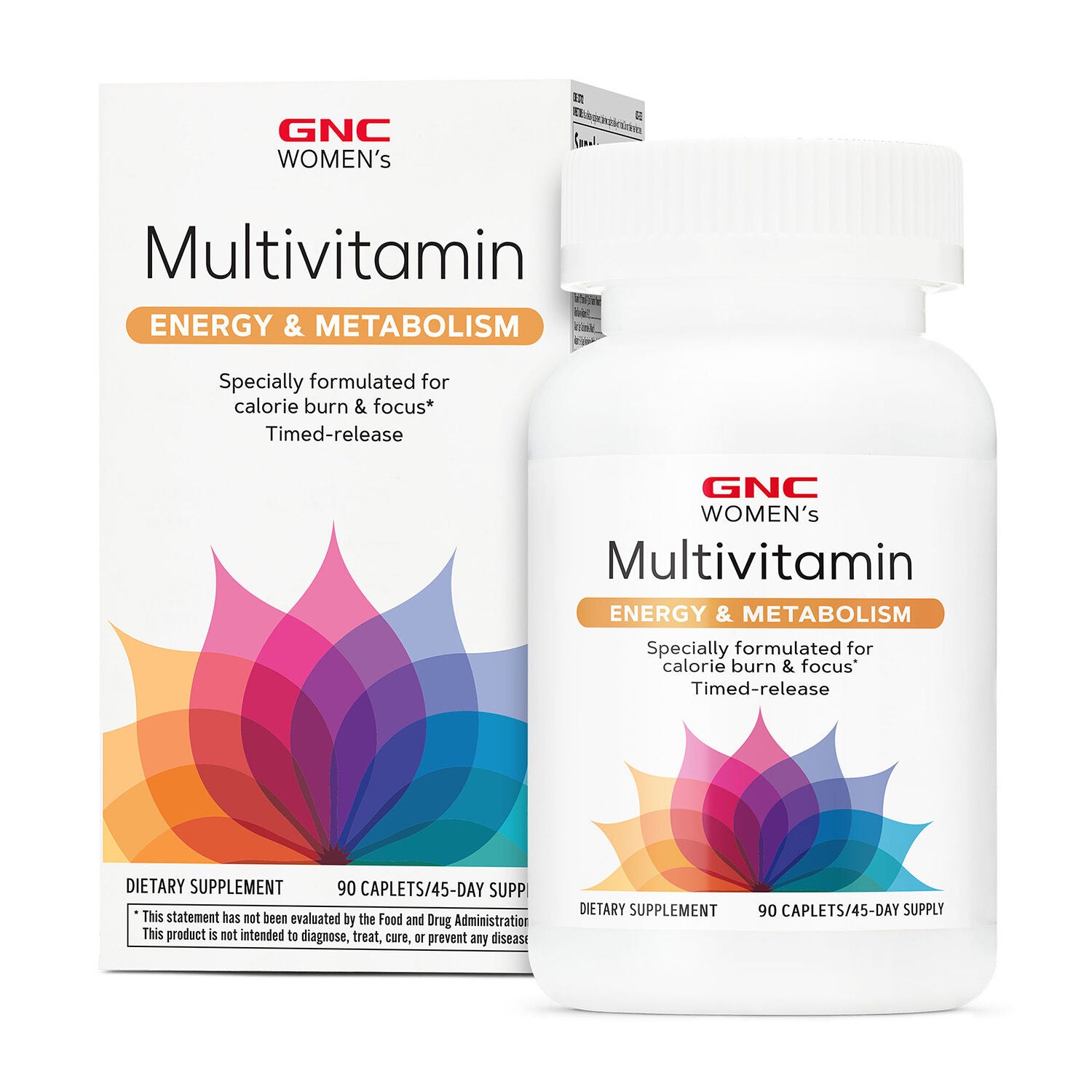

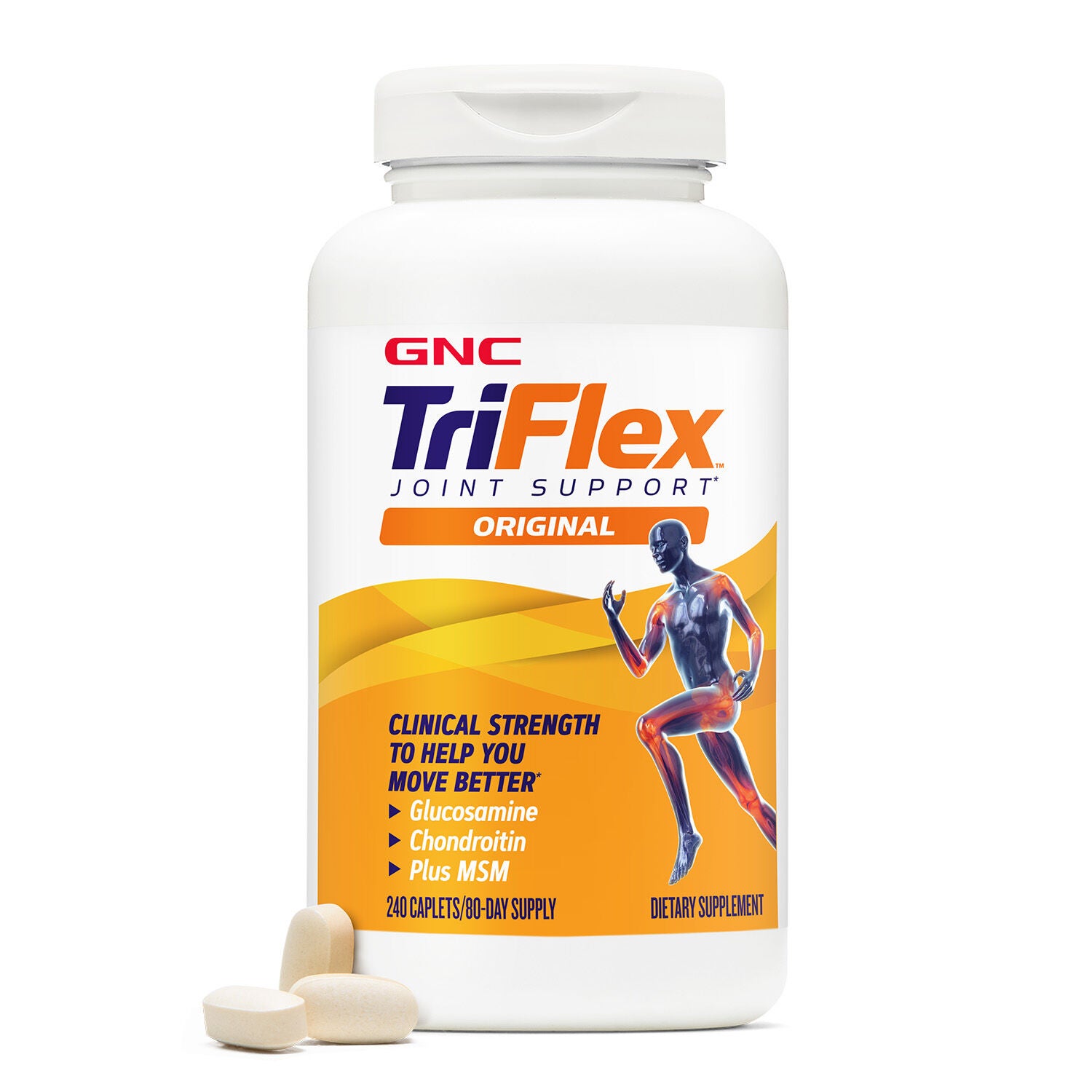

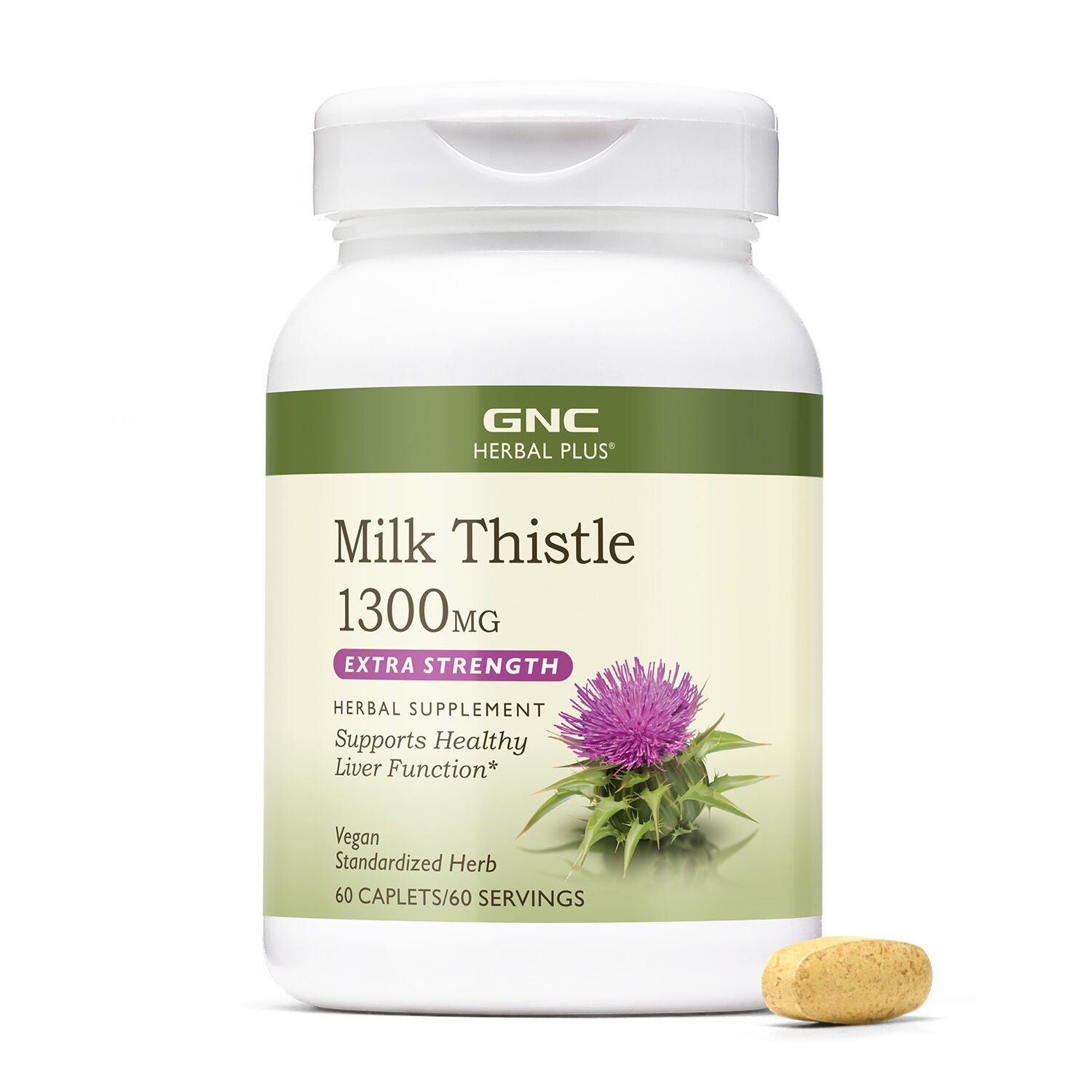


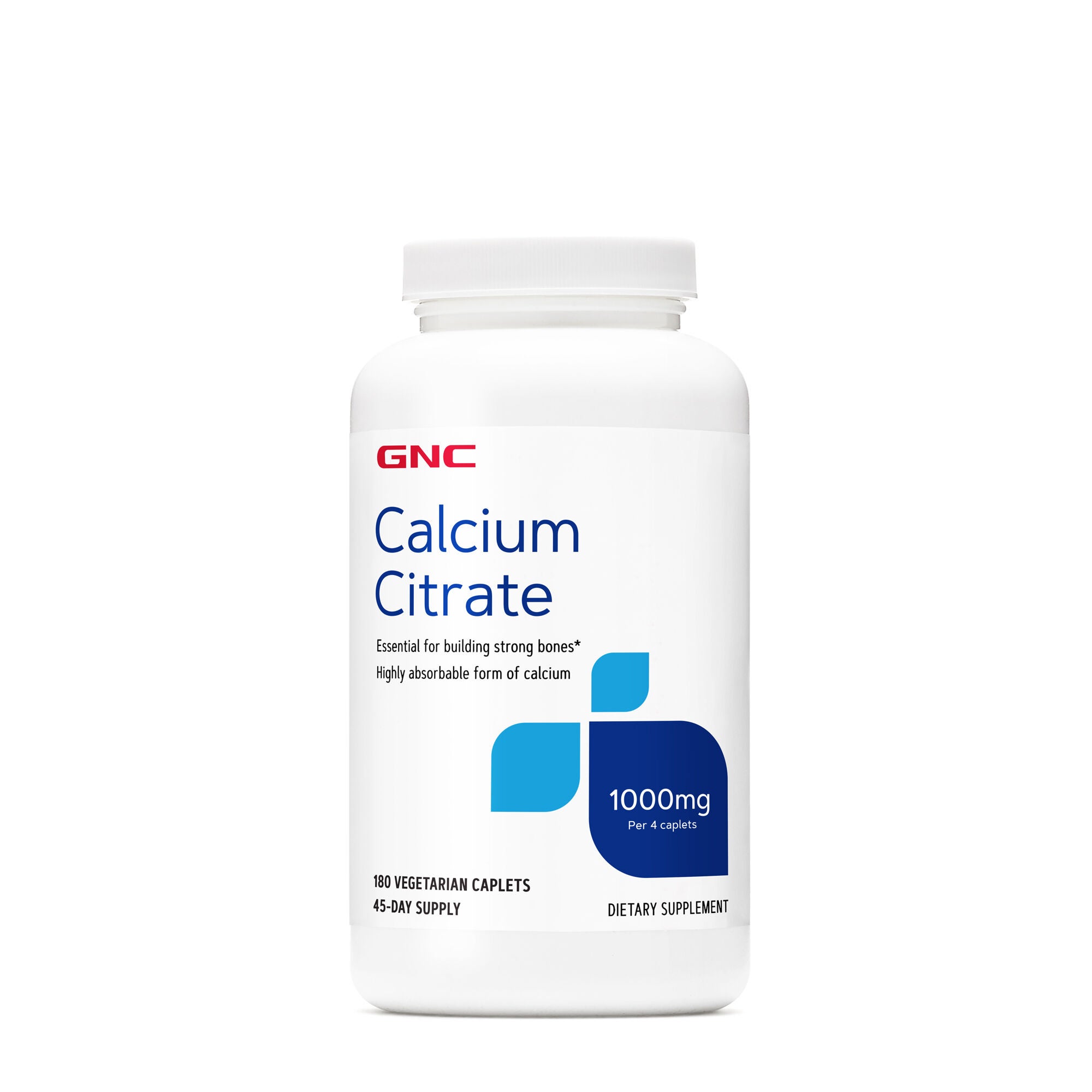
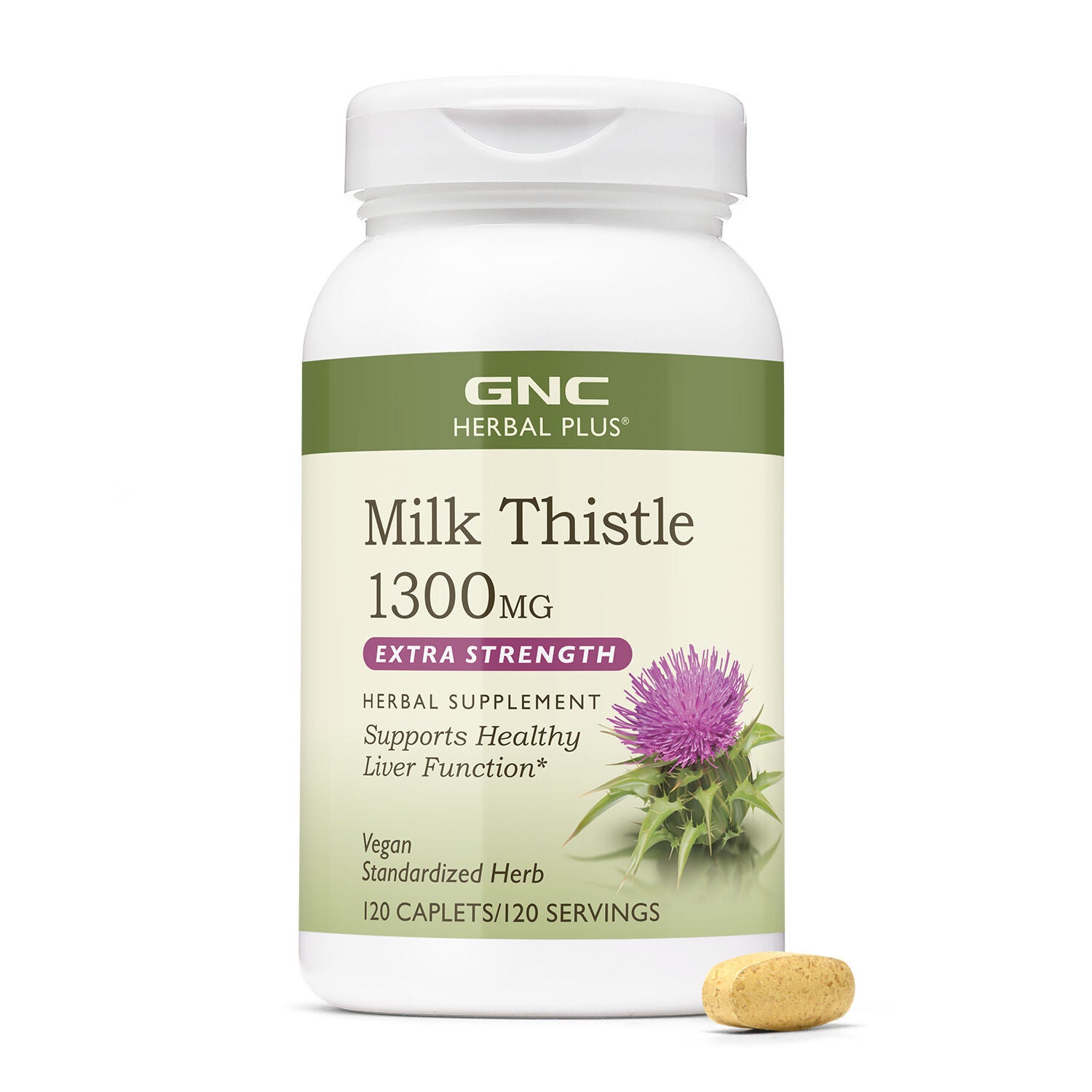


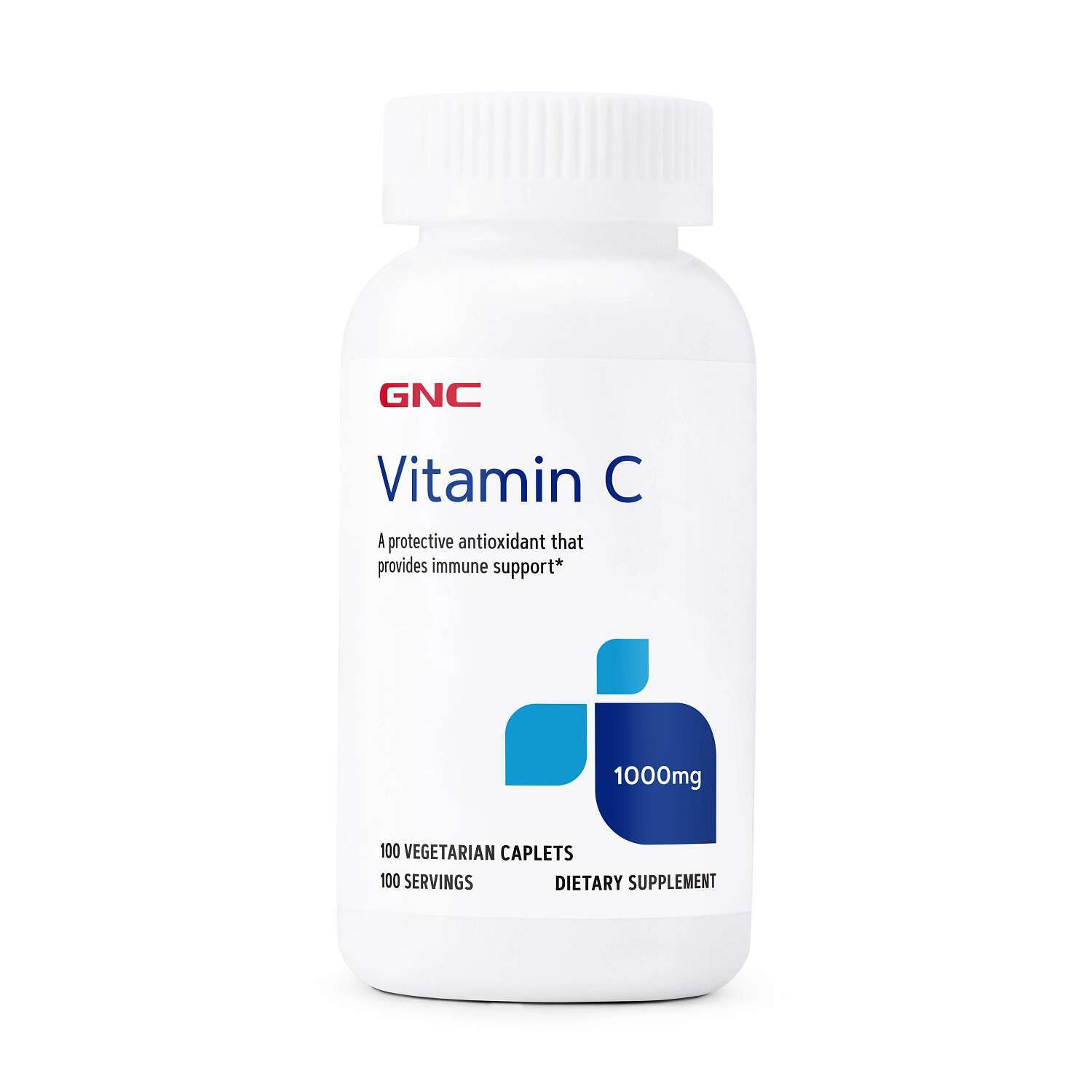


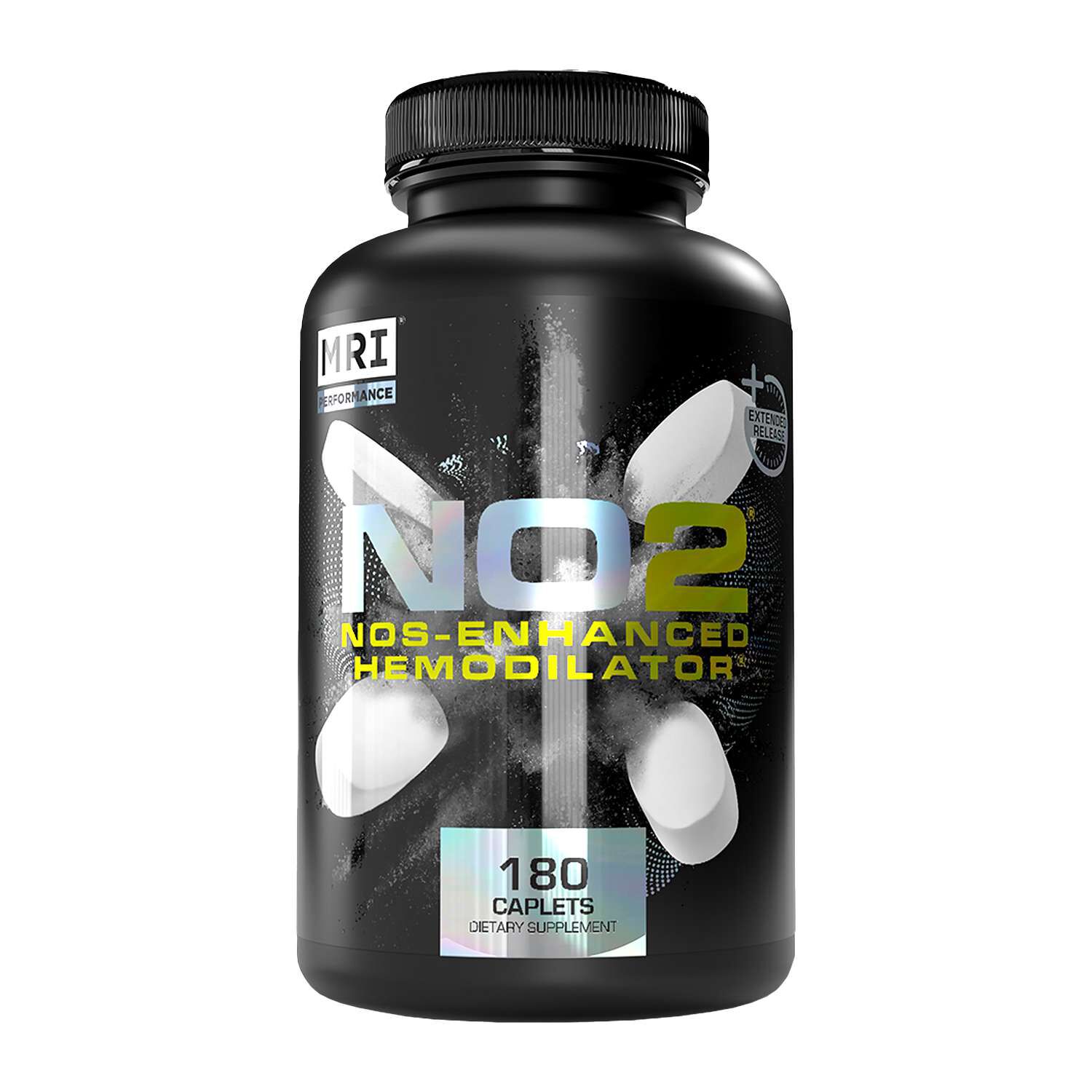
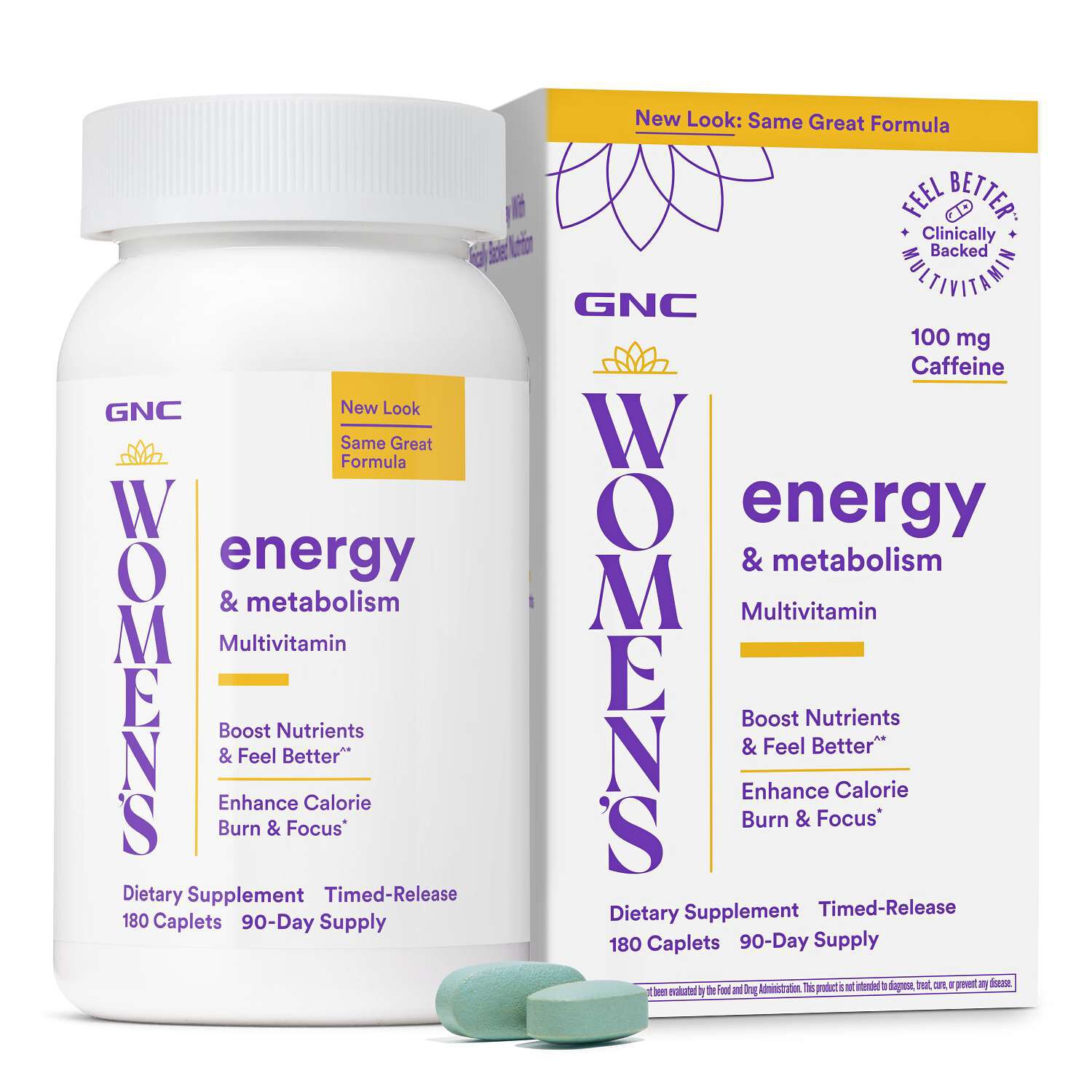
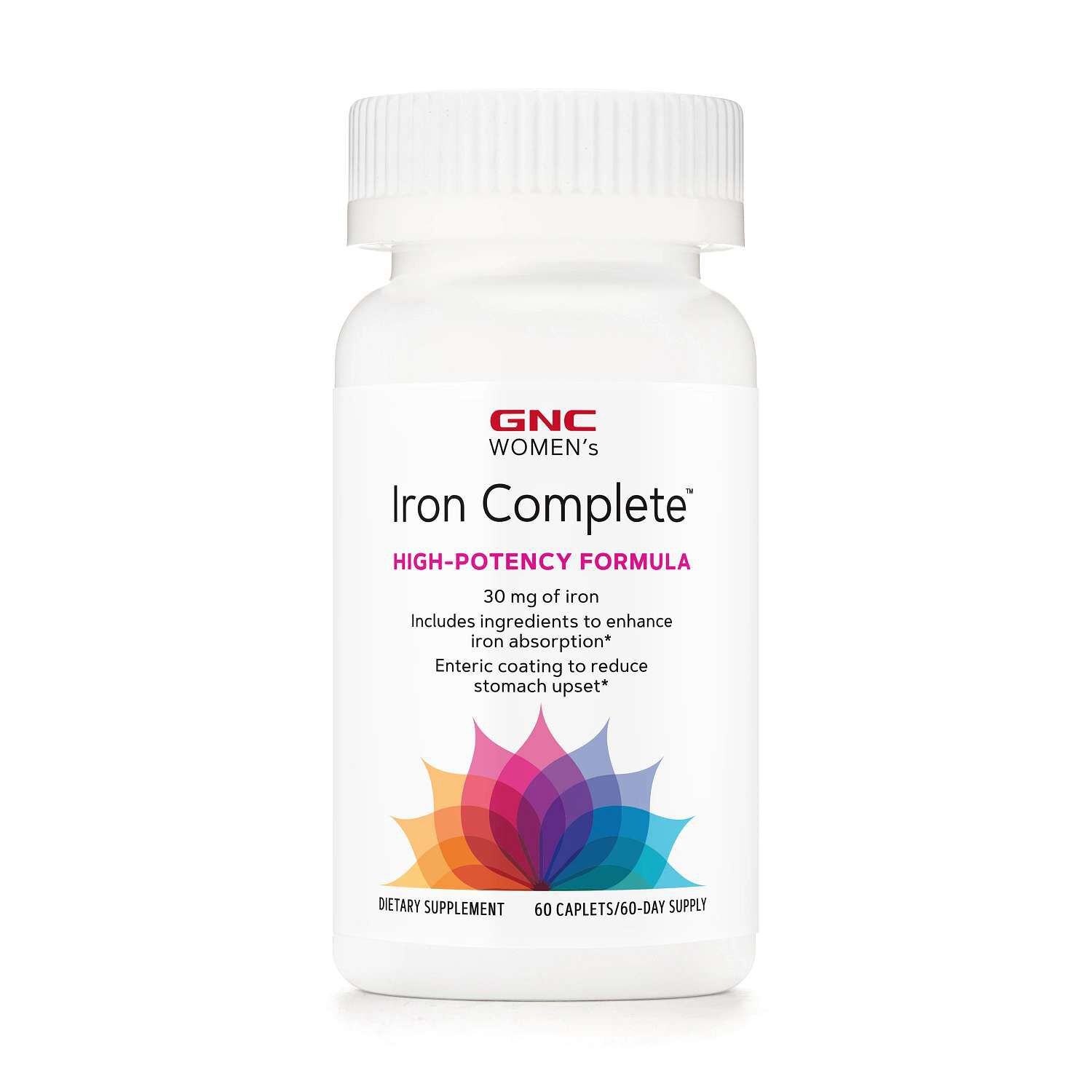
High potency caplets are dietary supplements in a compressed, typically oblong tablet format, with a concentrated amount of one or more ingredients per labeled serving. The term describes the formulation, not the physical size of the caplet, and a serving may contain more than one caplet. This category can include single-nutrient supplements, such as magnesium, as well as formulas containing several vitamins or minerals. The Supplement Facts panel provides the clearest basis for comparison because the front label does not always show every ingredient or explain how the serving is measured. For magnesium caplets, the listed milligram amount refers to elemental magnesium rather than the weight of the entire magnesium-containing compound. Some magnesium formulas list amounts such as 250 mg or 500 mg per serving, although those figures are not a universal standard for high potency caplets. A formula listing two caplets per serving also differs from one listing a single caplet, even when the featured nutrient amount looks similar. Magnesium oxide, magnesium citrate, and other ingredient sources may appear in the label information, making the source another useful distinction alongside the stated amount. Where a Daily Value is established, its percentage adds context to the quantity shown; it is not an individualized target. High potency wording may apply to a featured nutrient rather than every ingredient in a multi-nutrient formula, so the entire panel matters. Larger numbers alone do not make two formulations interchangeable. The ingredient source, amount per serving, number of caplets, and accompanying nutrients together describe what is actually in the bottle. For adults browsing concentrated supplement formats, these details offer a more meaningful comparison than a prominent number on the front of the package. A straightforward single-nutrient formula and a blend with several listed ingredients represent different product choices, even when both carry high potency wording. Neither the format nor the category name, by itself, describes how a supplement fits an individual’s nutritional circumstances.
The caplet format also has physical characteristics worth considering separately from nutrient content. Unlike a capsule, which has an outer shell containing its ingredients, a caplet is formed by compressing ingredients into a solid tablet with an elongated shape. Caplets vary in length, width, thickness, surface texture, and coating, and photographs do not always communicate those differences accurately. A narrow oblong shape is not necessarily a small serving, particularly when the labeled serving contains several caplets. Shoppers comparing physical formats may also explore Easy To Swallow Caplets, with attention to any stated dimensions, coating descriptions, and serving information. A smooth exterior may feel different from an uncoated surface, but personal preferences vary, and the word caplet does not establish a universal swallowing experience. Beyond the featured nutrients, the other ingredients list may include cellulose, starches, binders, coating materials, or manufacturing ingredients. These components are part of the finished formulation and deserve the same careful reading as the nutrient panel, especially when shopping according to dietary preferences. The shape of a caplet does not establish whether its ingredients are plant-derived, whether animal-derived materials are present, or whether it meets a particular dietary standard. Explicit label statements provide more useful information than assumptions based on appearance. Likewise, an ingredient name on the front label does not describe every component used to make the caplet. For shoppers comparing several formulas side by side, it is useful to separate three questions: what nutrients are listed, how much is present in the labeled serving, and what other materials are included. That distinction keeps ingredient concentration separate from physical format. Any stated testing or certification is another specific attribute to examine on its own terms, rather than a substitute for the ingredient list. The most informative product descriptions bring these details together without treating size, coating, nutrient concentration, and dietary attributes as though they mean the same thing.
Everyday use and storage add another practical dimension to high potency caplets. Someone organizing a morning routine at home may look closely at the number of caplets in a serving, while someone carrying a supplement bottle between home and work may pay more attention to the closure, container dimensions, and legibility of the label. These are differences in handling and convenience, not evidence that one formulation is more suitable for every shopper. A compact bottle can contain comparatively large caplets, and a larger container does not necessarily indicate a larger serving. The caplet count and the servings-per-container statement describe different things, particularly when the serving contains two or more caplets. Packaging also carries information that is easy to overlook when attention stays on the featured nutrient: storage directions, an expiration date, ingredient details, and any manufacturer cautions. Keeping the original packaging preserves access to that information throughout use. For a bottle stored in a kitchen cabinet or carried in a bag, the label’s storage requirements remain relevant; a convenient location is not automatically an appropriate one. A readable date, an intact closure, and packaging in good condition are practical points of comparison, while changes in appearance or container condition are separate from the strength printed on the label. High potency describes nutrient concentration, not resistance to moisture, rough handling, or prolonged storage. The intended role of these products is supplemental, alongside food rather than in place of meals. Foods such as beans, nuts, seeds, and leafy greens provide magnesium within a broader food context, whereas a caplet presents a measured amount in a manufactured format. Browsing this category therefore involves more than finding the largest number: it means understanding the labeled serving, recognizing the ingredient source, considering the physical format, and noting the packaging details that accompany it. Those concrete distinctions give high potency caplets their individual character within a broad supplement assortment.
Best Sellers

Related Pages
Top Collections
- Daily Collagen Supplements | Top Brands & Deals | GNC
- Joint Mobility Supplement Packs
- Zinc Supplements | Top Brands at Great Prices | GNC
- GLP 1 Support For Adults
- Supplements For Yoga Joint Flexibility
- Supplements For Balance
- Capsule Supplements For Energy And Stamina
- Adult Mobility Supplements
- Chronic Fatigue Supplements
- Vitamins For Hair Loss