Hydration Supplements For Digestive Balance
(0 Results)
Hydration supplements for digestive balance offer a convenient way to support your daily wellness routine. With options that may help you stay refreshed and maintain your body’s natural equilibrium, these supplements are designed for those looking to prioritize both hydration and digestive well-being. Explore a variety of formulas that could fit seamlessly into your lifestyle, whether you’re at home, at the gym, or on the go. Find hydration supplements for digestive balance that align with your personal wellness goals and help you feel your best every day.
-

-

-

-
-

-

-
 $17.97
-
 $17.97
-
-
$29.99
-
$29.99
-
 $34.99
-
 Raw Nutrition$34.99
-

-

-
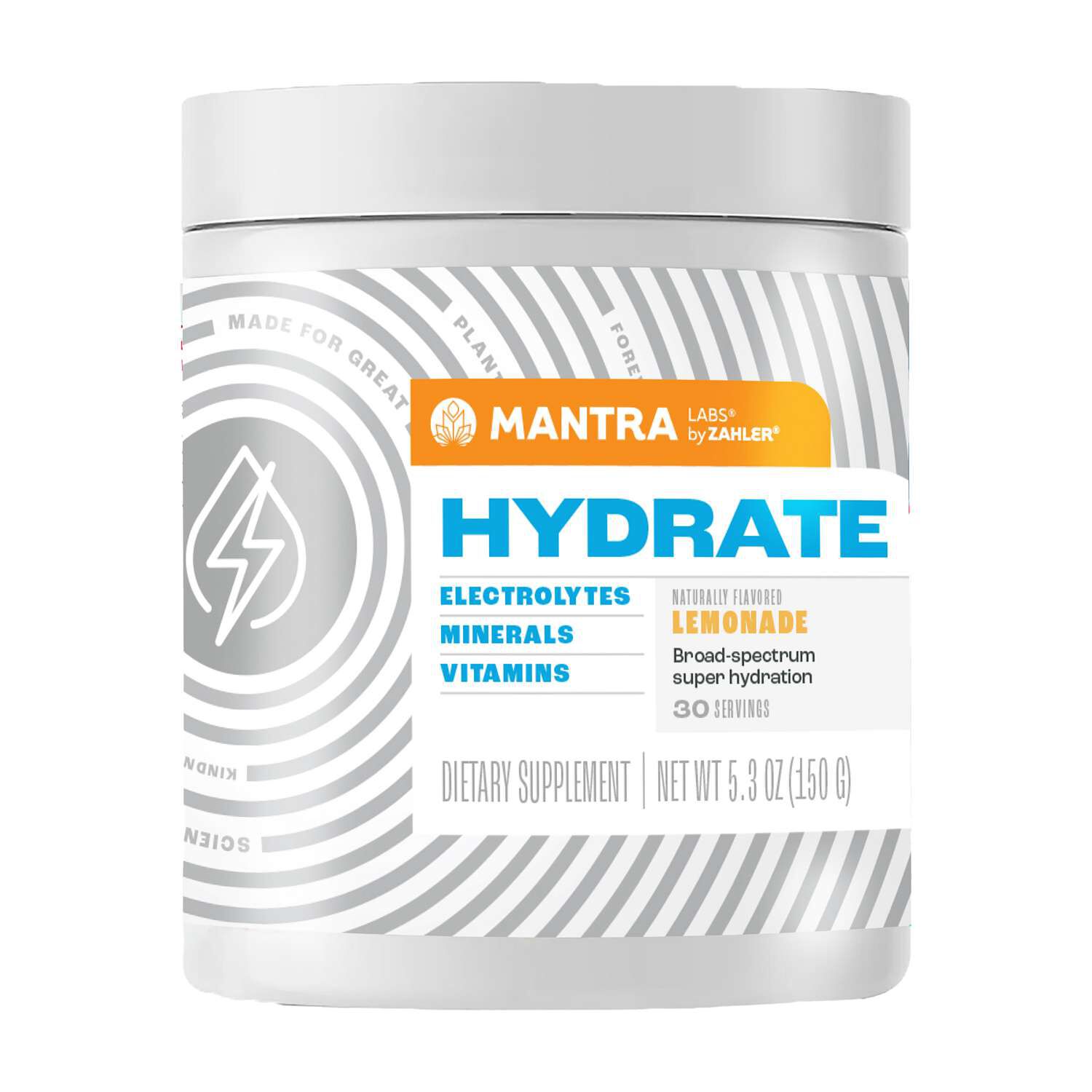 $34.99
-
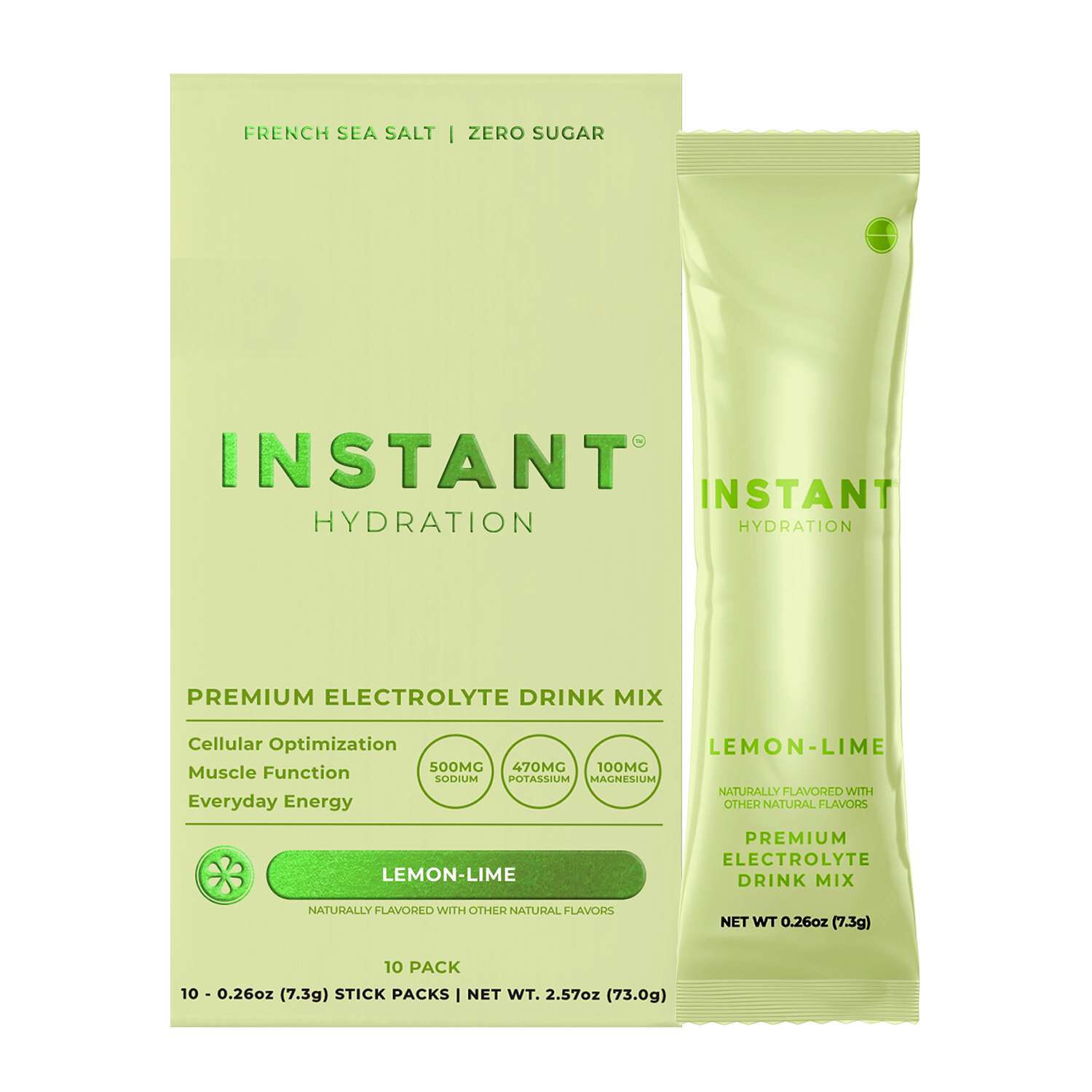 Instant Hydration$19.99
-
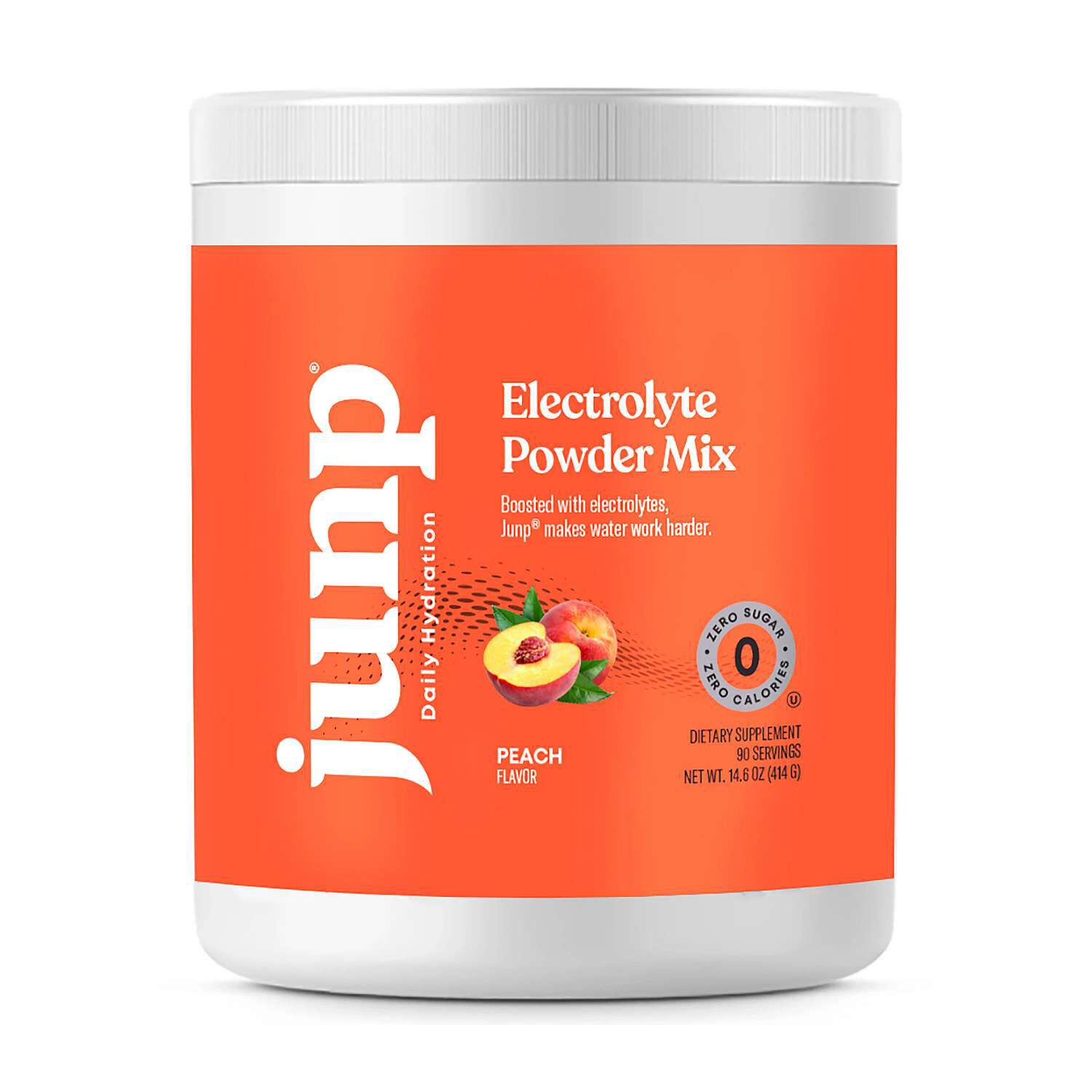
-
 $34.99
-
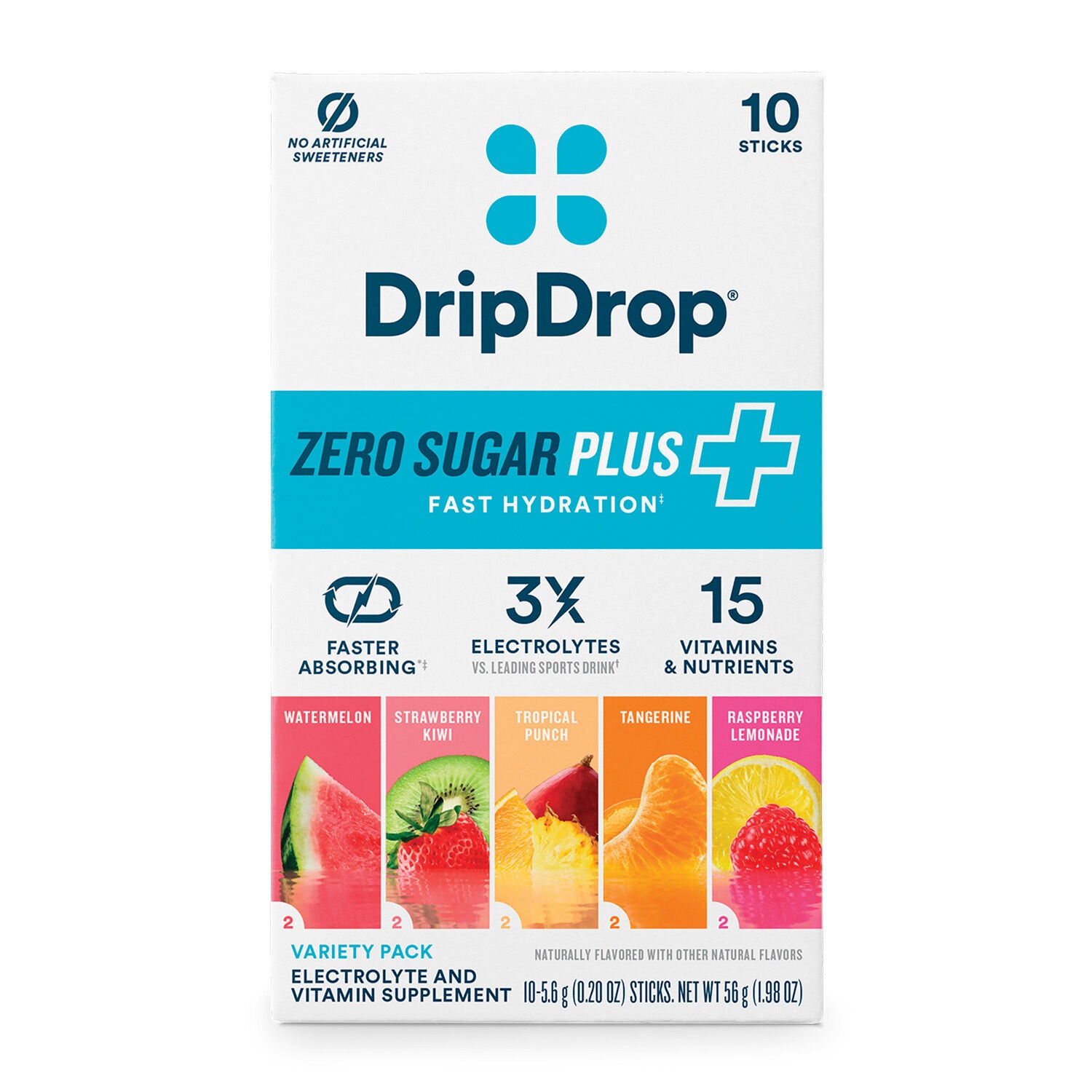
-


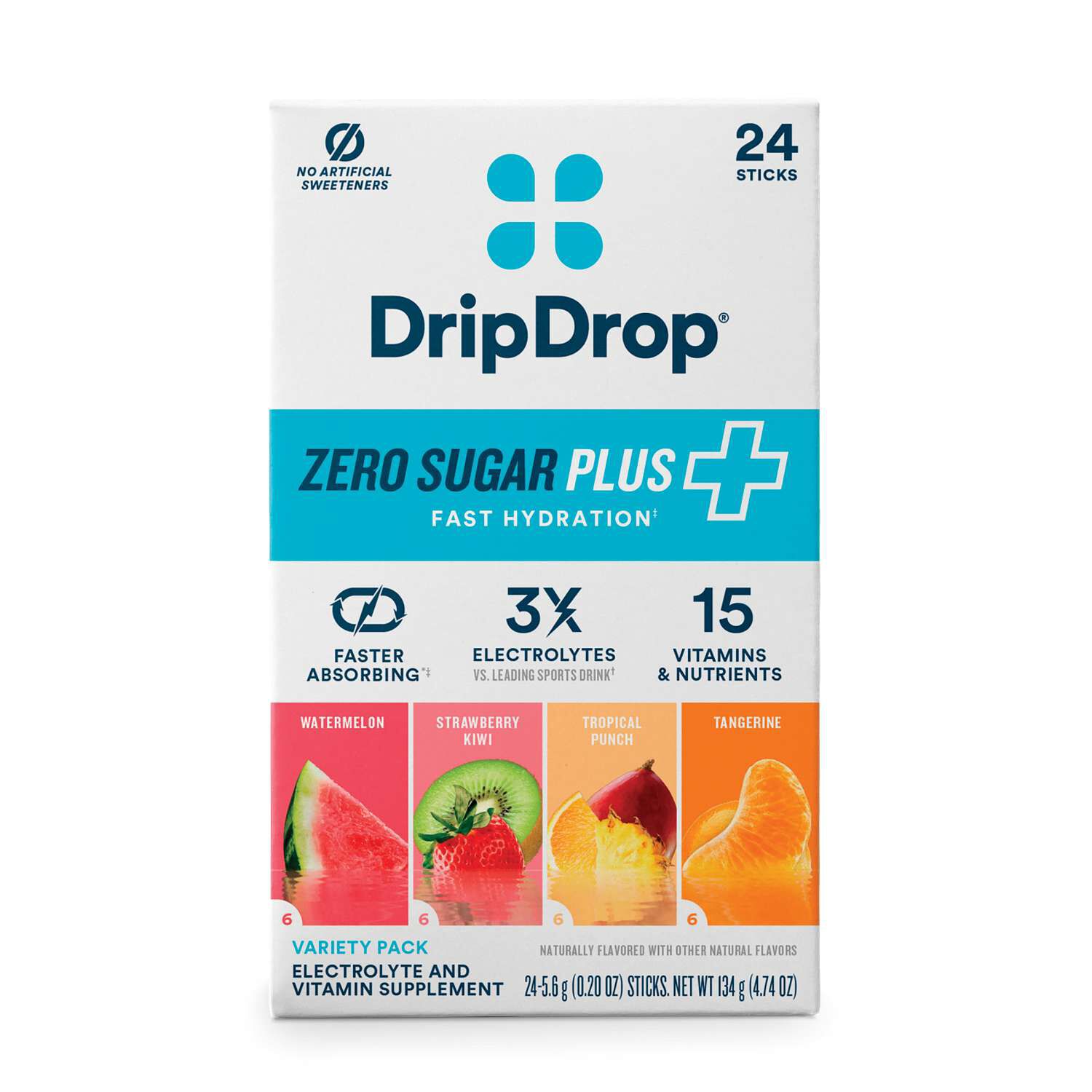
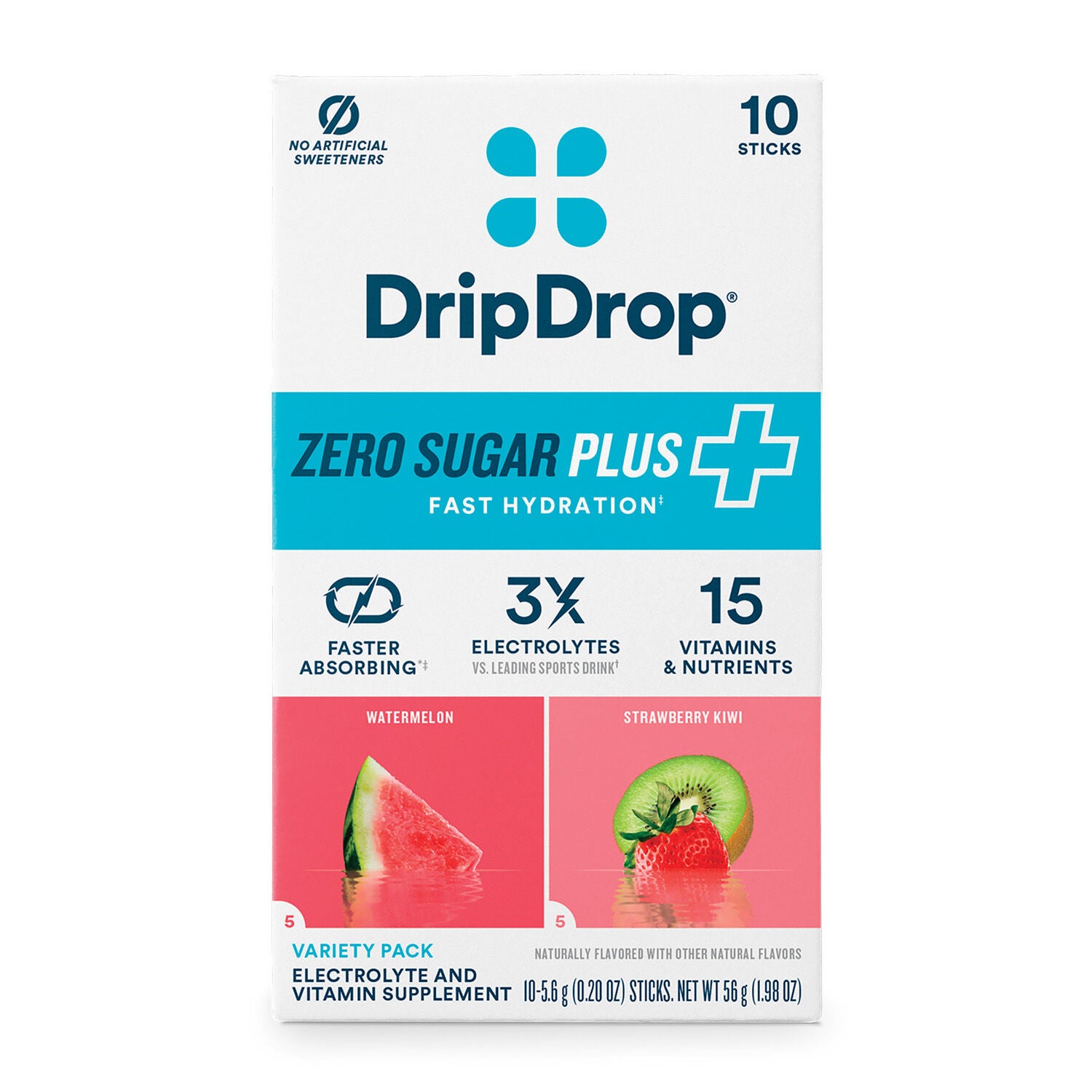
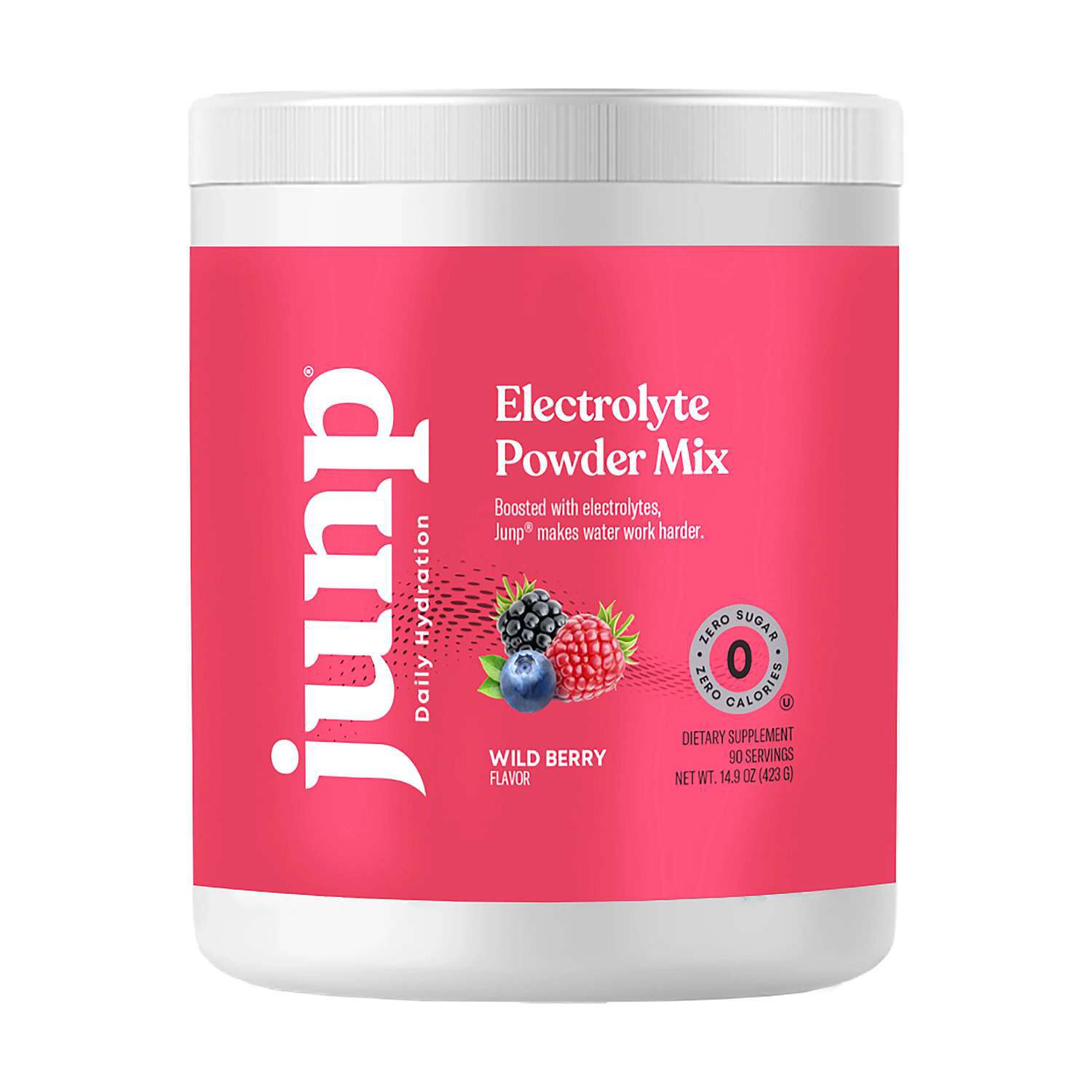
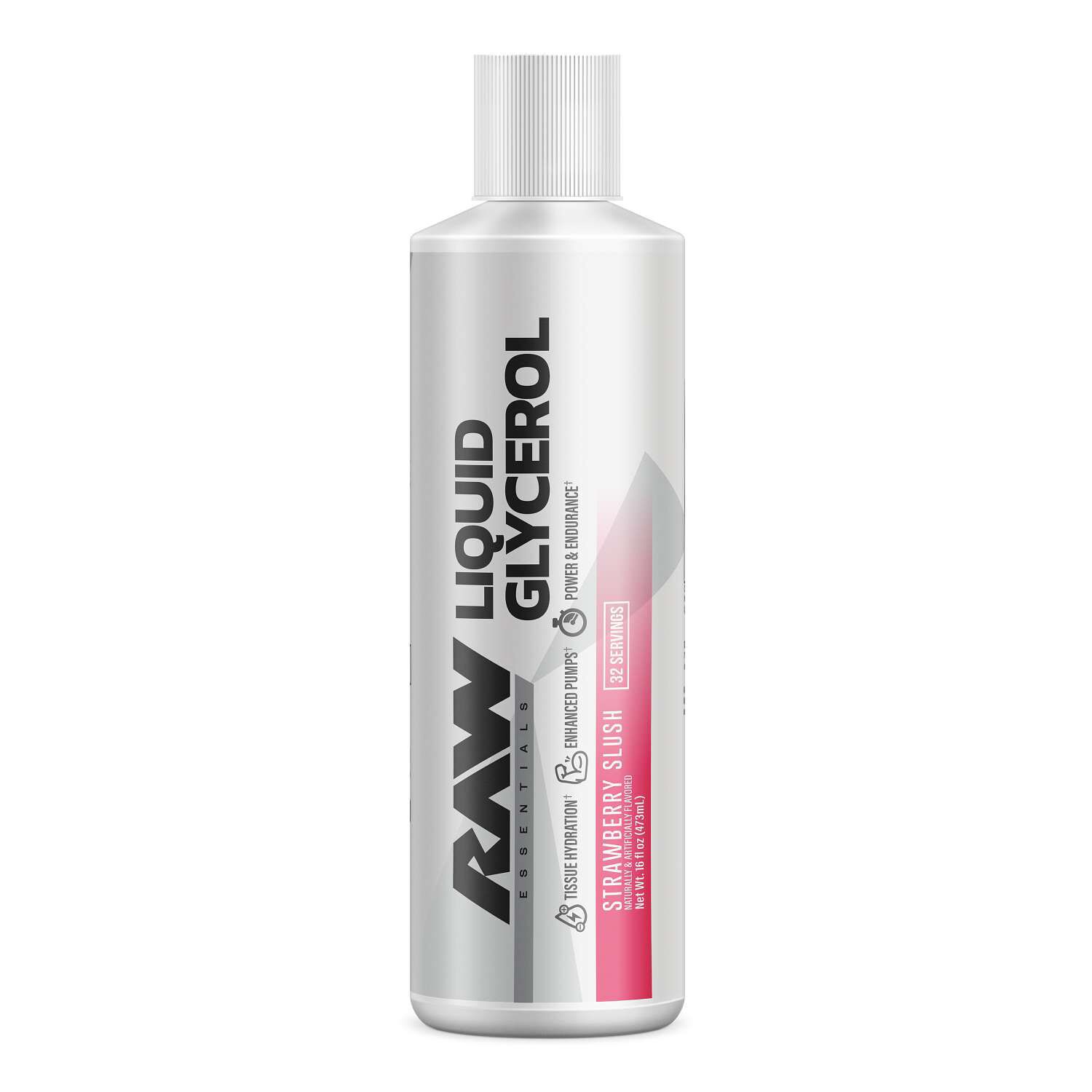
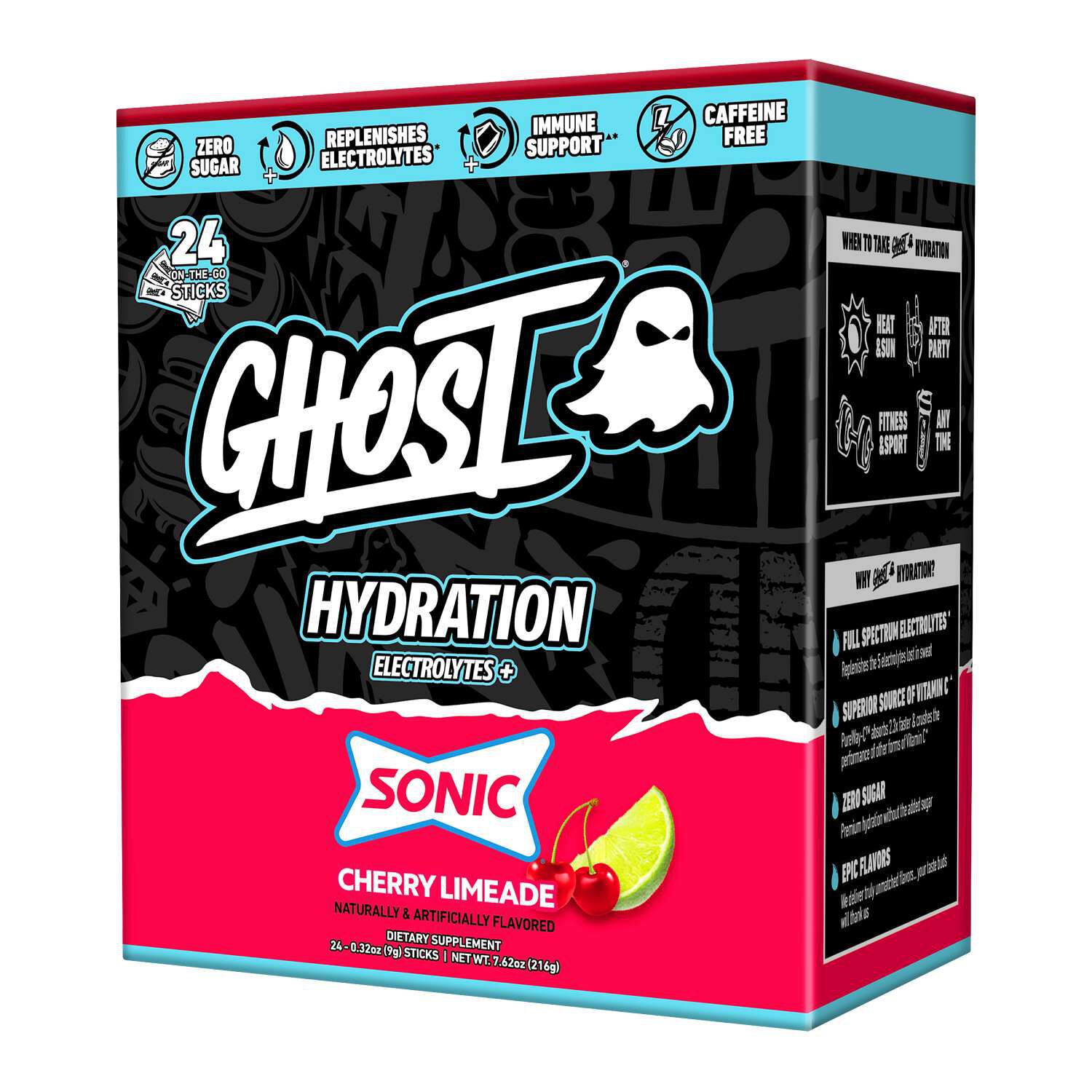
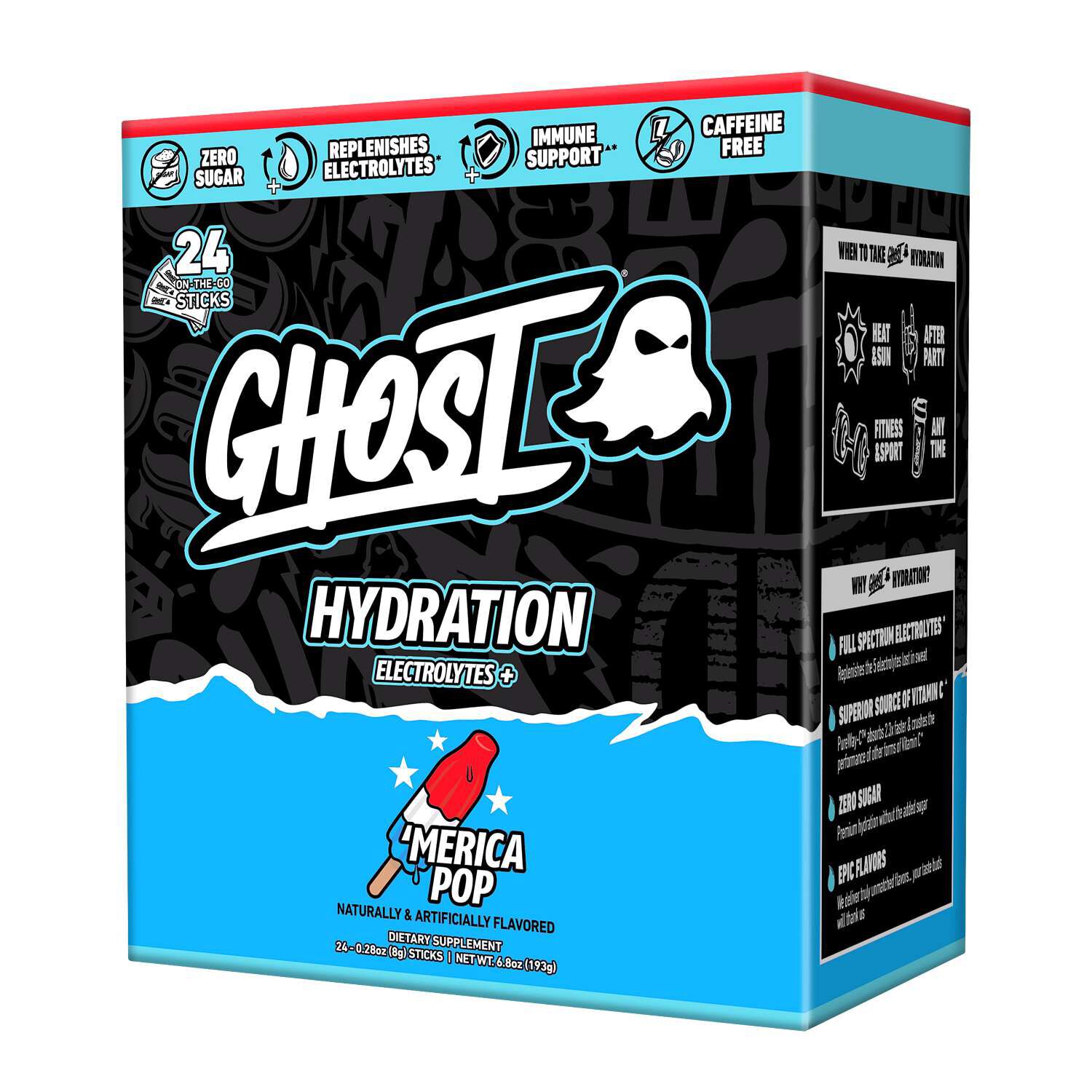
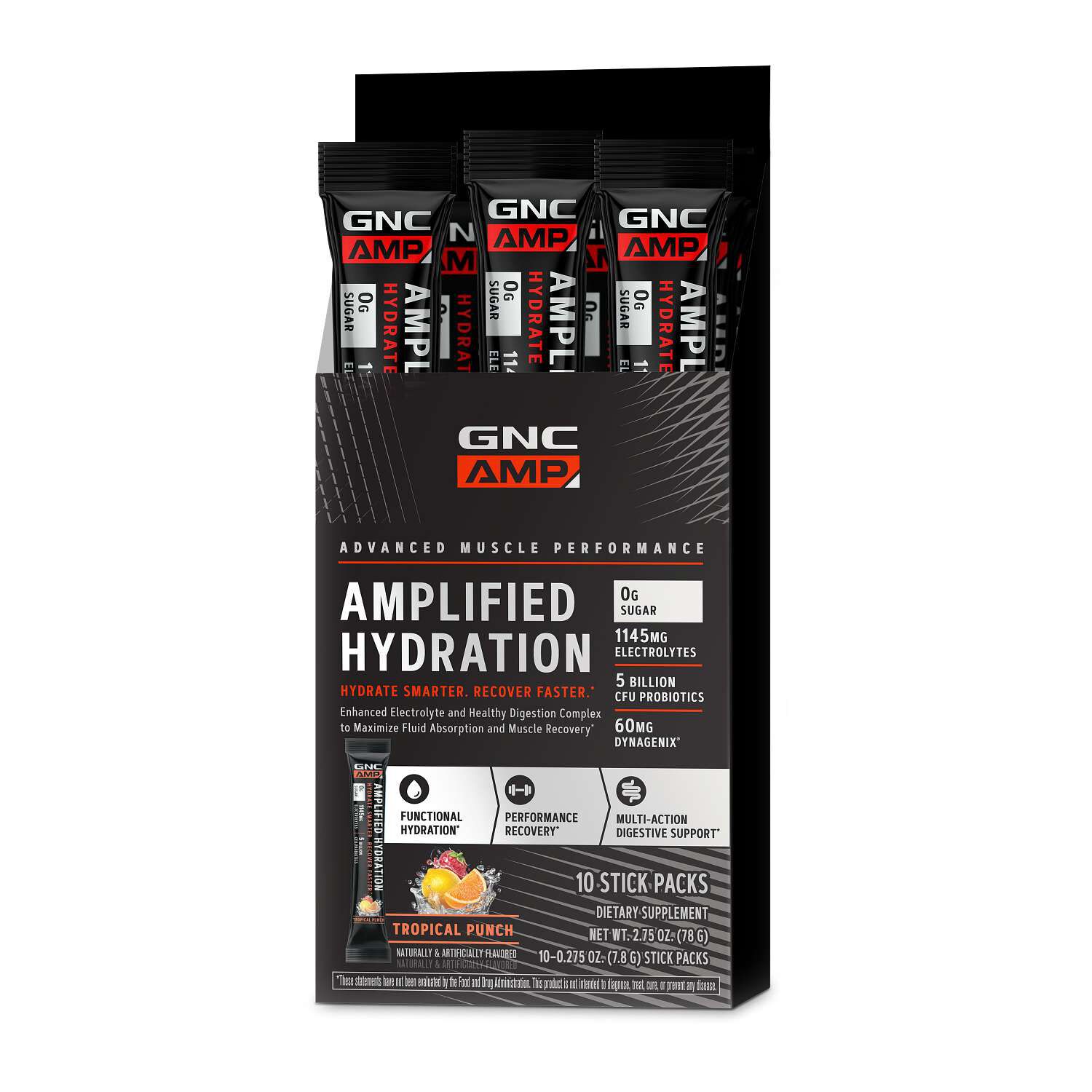
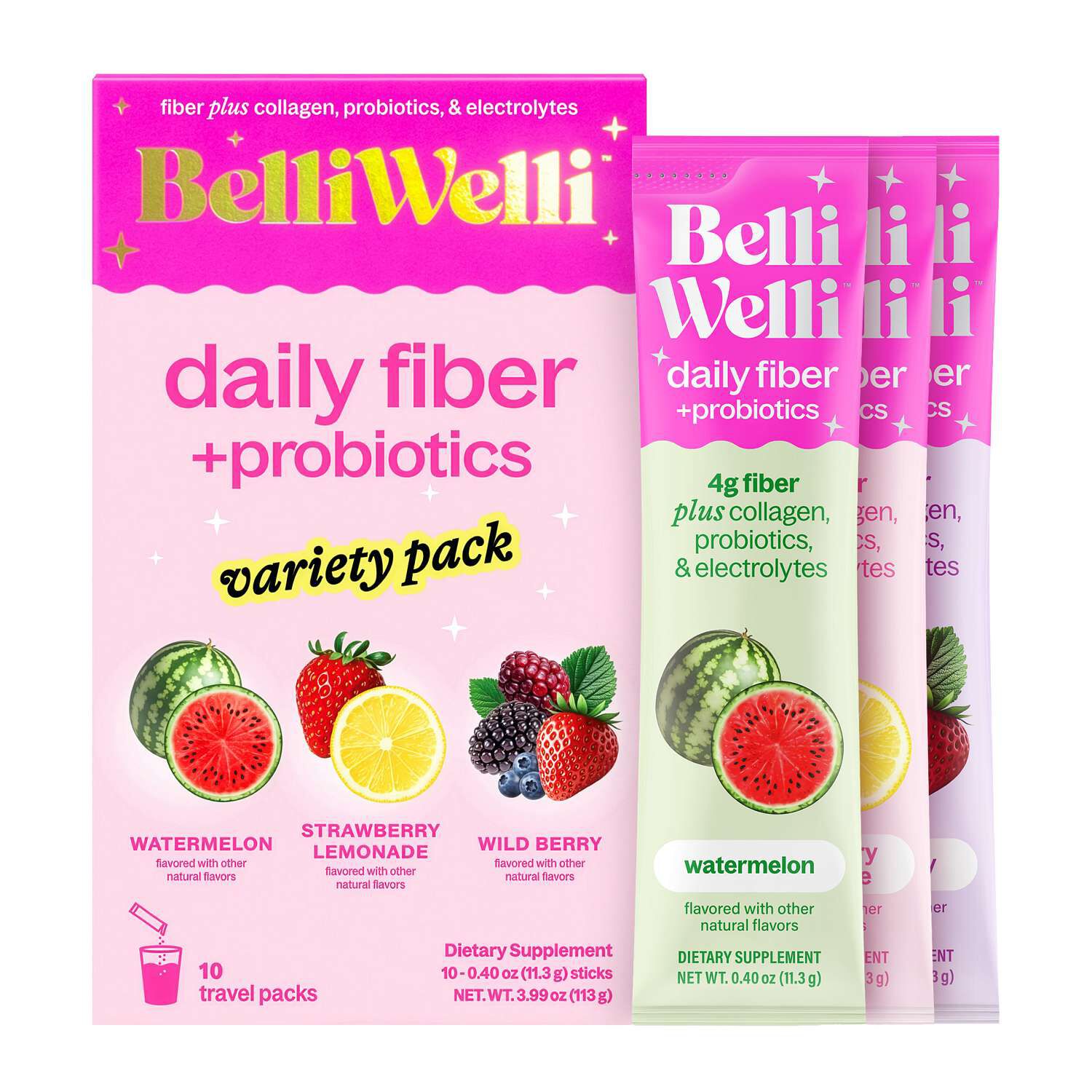
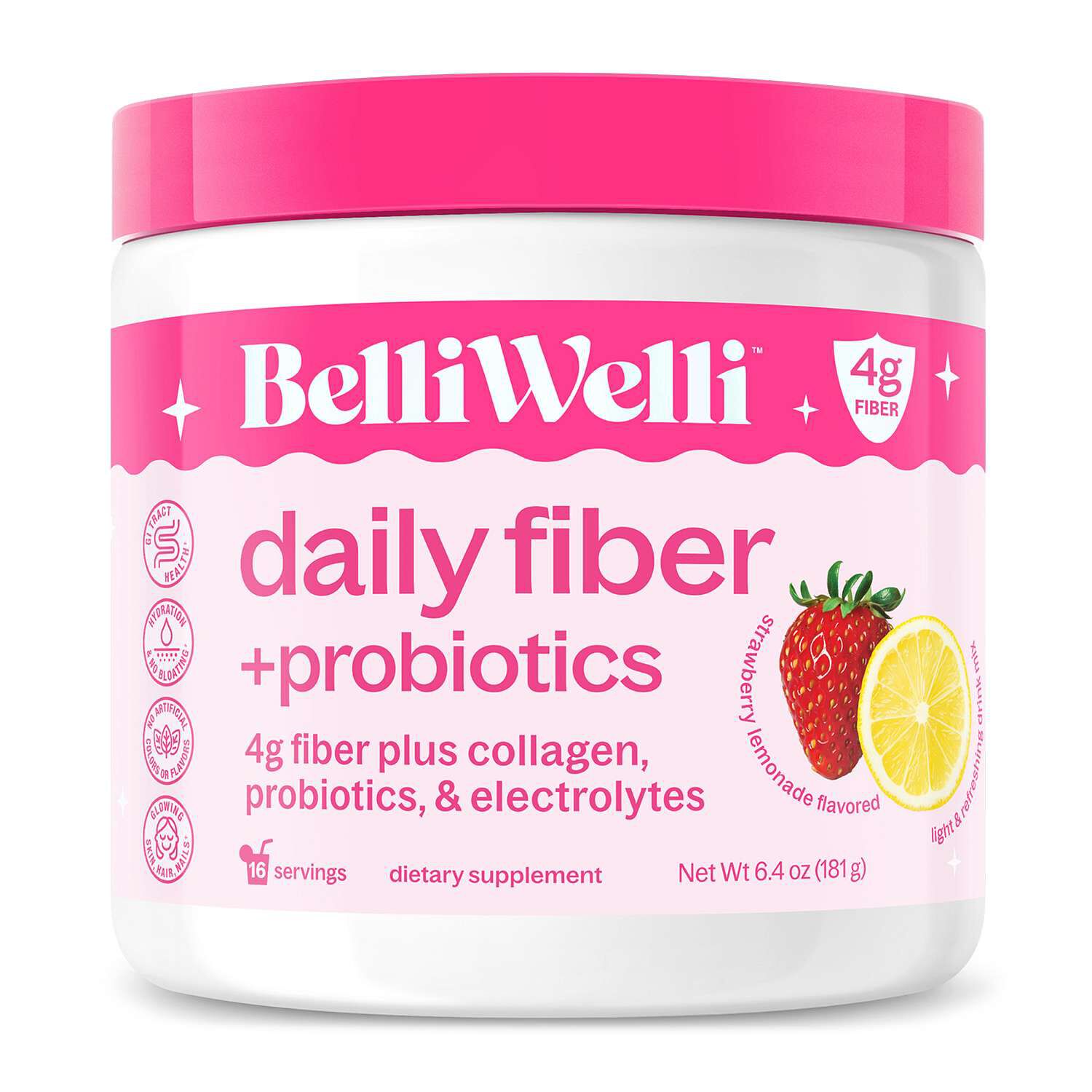
Hydration supplements for digestive balance sit at the intersection of everyday hydration habits and an interest in digestive wellness. The details on the label matter more than a flavor name or a broad wellness description. Sodium, potassium, and magnesium are common electrolytes in hydration formulas. Some formulas also include prebiotic fiber or probiotic cultures, although those ingredients are not present in every option. A shopper looking primarily for an electrolyte drink may have different preferences from someone seeking a formula that also contains fiber. Keeping those priorities separate makes comparisons more useful. The amount of each ingredient per serving, the suggested water volume, and the number of servings in a container all help describe how a supplement fits into an ordinary day. For example, a powder intended for a large bottle has a different preparation routine from a small serving stirred into a glass at lunch. Hydration supplements for digestive balance may appeal to people who prefer to bring their own drink to the office, keep a consistent routine while traveling, or give an existing water habit a little more variety. Still, digestive balance is a broad description, not a standardized ingredient list or a specific outcome. A formula with electrolytes alone is different from one containing electrolytes, fiber, and probiotic cultures, even when the packaging presents a similar overall theme. Looking at the actual ingredient amounts keeps the comparison grounded in what is inside. For probiotic-containing formulas, labels may identify particular cultures and provide storage details. For fiber-containing formulas, the fiber source and grams per serving are useful points of comparison. These details give shoppers a clearer picture of the formulation without treating every hydration supplement as interchangeable. Someone who already uses a separate fiber supplement may focus on a different set of label details than someone whose main interest is a flavored electrolyte mix. Neither preference makes a longer ingredient list automatically more suitable.
Format, flavor, and preparation are practical parts of choosing a hydration supplement, especially when the goal is a routine that feels manageable rather than another task to remember. Single-serving packets offer a premeasured format, while tubs generally require measuring each serving according to the package directions. A packet tucked beside a reusable bottle may suit a commuter’s bag; a tub stored near drinking glasses may suit someone who usually prepares beverages at home. With either format, the labeled serving size and mixing directions provide the reference point for preparation. Water volume deserves attention because a serving intended for a larger bottle can taste noticeably different when mixed into a small glass. Some powders call for stirring, while others have directions suited to a shaker bottle. Texture is another consideration: formulas containing fiber may have a different mouthfeel from simpler electrolyte mixes, and the package may include specific preparation instructions. Taste preferences are just as individual. Citrus, berry, and other fruit-inspired profiles range from lightly flavored to more pronounced, depending on the formulation. Sweetness can come from sugar, alternative sweeteners, or a combination, so the ingredient list and nutrition information are worth reading together. “No added sugar” and “unsweetened” describe different things, and neither phrase explains the entire formula. Shoppers with particular ingredient preferences can also review whether a mix contains sugar alcohols, added colors, or ingredients derived from sources they prefer to avoid. The most useful comparison is between equivalent prepared servings rather than between scoops that differ in size. A scoop is a measuring tool, not a universal serving across different containers. For shared kitchens, clearly labeled containers and a designated scoop keep preparation straightforward. For bags and backpacks, sealed packets and a tightly closed bottle are practical packaging considerations. These small details may make a chosen format easier to work into a commute, a lunch break, or an afternoon away from home without making the routine unnecessarily complicated.
Intended use also shapes the comparison between hydration supplements for digestive balance. A person choosing a drink for a desk-side bottle may prioritize flavor and a short ingredient list, while someone packing for a long training session may pay closer attention to electrolyte amounts, carbohydrate content, and the labeled serving directions. Shoppers whose routines include regular exercise can also explore Hydration Supplements For Athletes for a related category focused on active lifestyles. That comparison is useful because an activity-focused formula and a formula containing digestive-wellness ingredients are not necessarily designed around the same preferences. The front of the package provides a starting point; the ingredient panel, serving information, and usage directions tell a more detailed story. If several supplements are already part of a daily routine, comparing their ingredient lists side by side also makes repeated ingredients easier to recognize. Packaging and storage deserve the same attention as flavor. Resealable containers, individual wrappers, and clearly printed directions each suit different settings, from a kitchen shelf to a gym bag. Some formulas have particular storage requirements, especially those containing probiotic cultures, so the package instructions remain important after the container is opened. A dry measuring scoop, a securely closed lid, and storage away from a damp sink are sensible handling considerations for powdered formats. Expiration information is another useful detail when choosing a container size that matches expected use. Someone who prepares a drink occasionally may prefer a different package format from someone who includes one in a regular routine. For households where more than one person uses supplements, keeping each formula in its original labeled packaging preserves access to its ingredients, directions, and storage information. The strongest basis for selection is a clear match between the formulation and the way it will actually be used: the ingredients a shopper wants, a flavor they enjoy, preparation that fits the setting, and packaging that suits the routine. Those concrete details keep the focus on thoughtful product selection rather than broad claims about what any single drink might do.