Immune Boosting Vitamins
(0 Results)
Boost your body's defense system with our selection of immune-boosting vitamins. Keeping your immune system strong is essential for overall health and well-being, especially during times when you need extra support. Explore a variety of vitamins and supplements designed to help support your immune system so you can feel your best every day. From vitamin C to zinc and beyond, find everything you need to give your immune system a powerful boost.
-

-

-
-
-

-
-

-

-

-
 1$14.99
 -
-
-
-
 Nature's Lab$16.99
 -
-

-
-
 $18.99
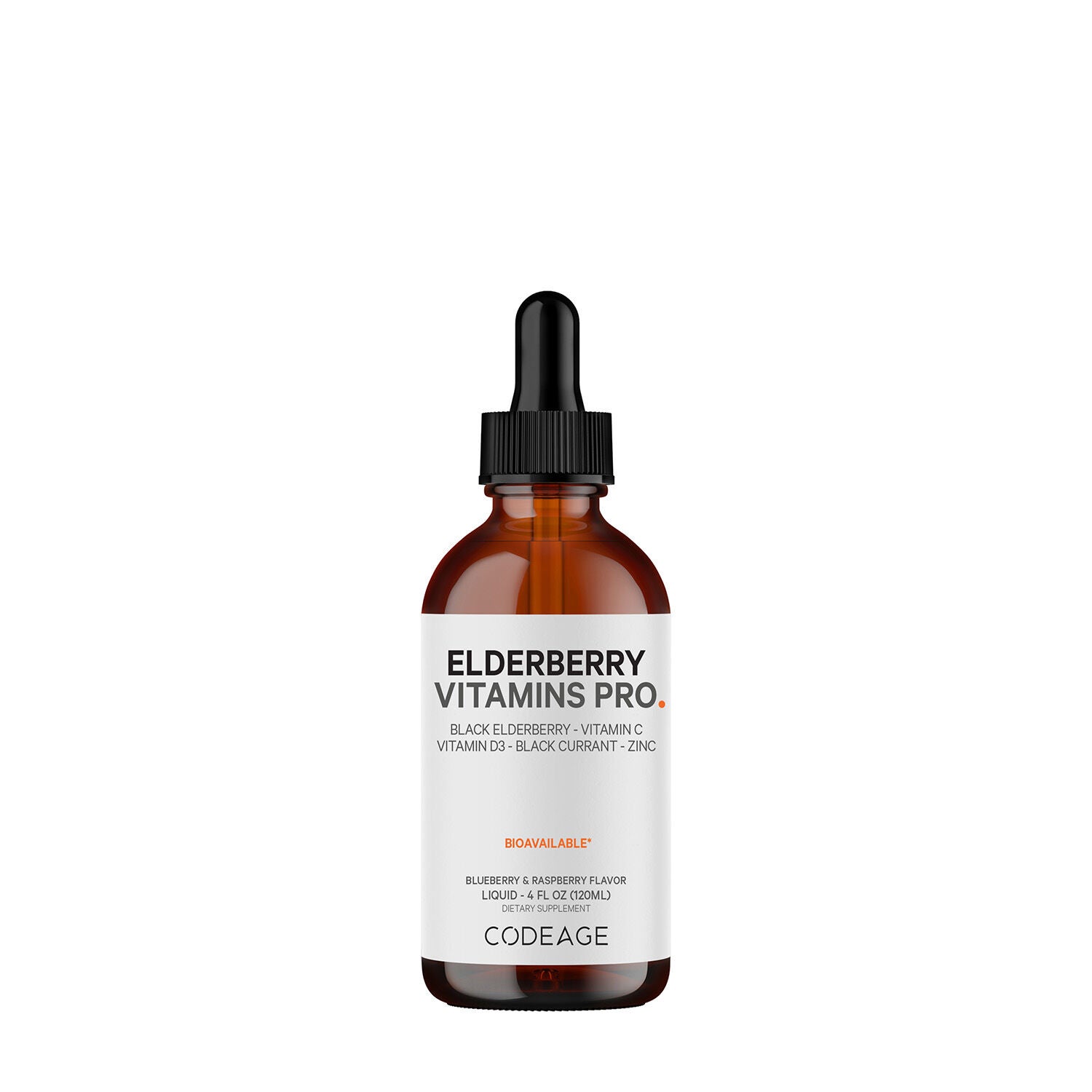

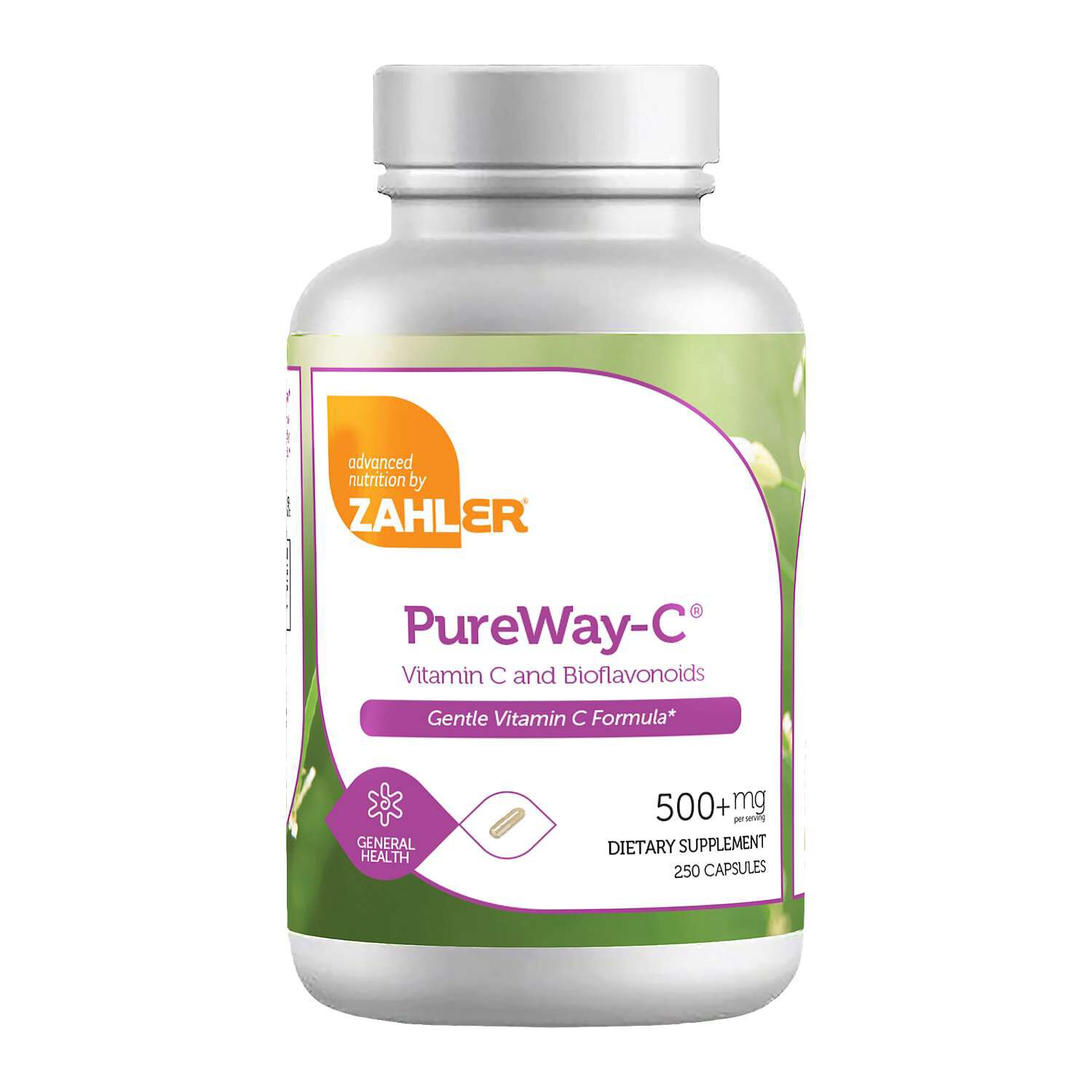
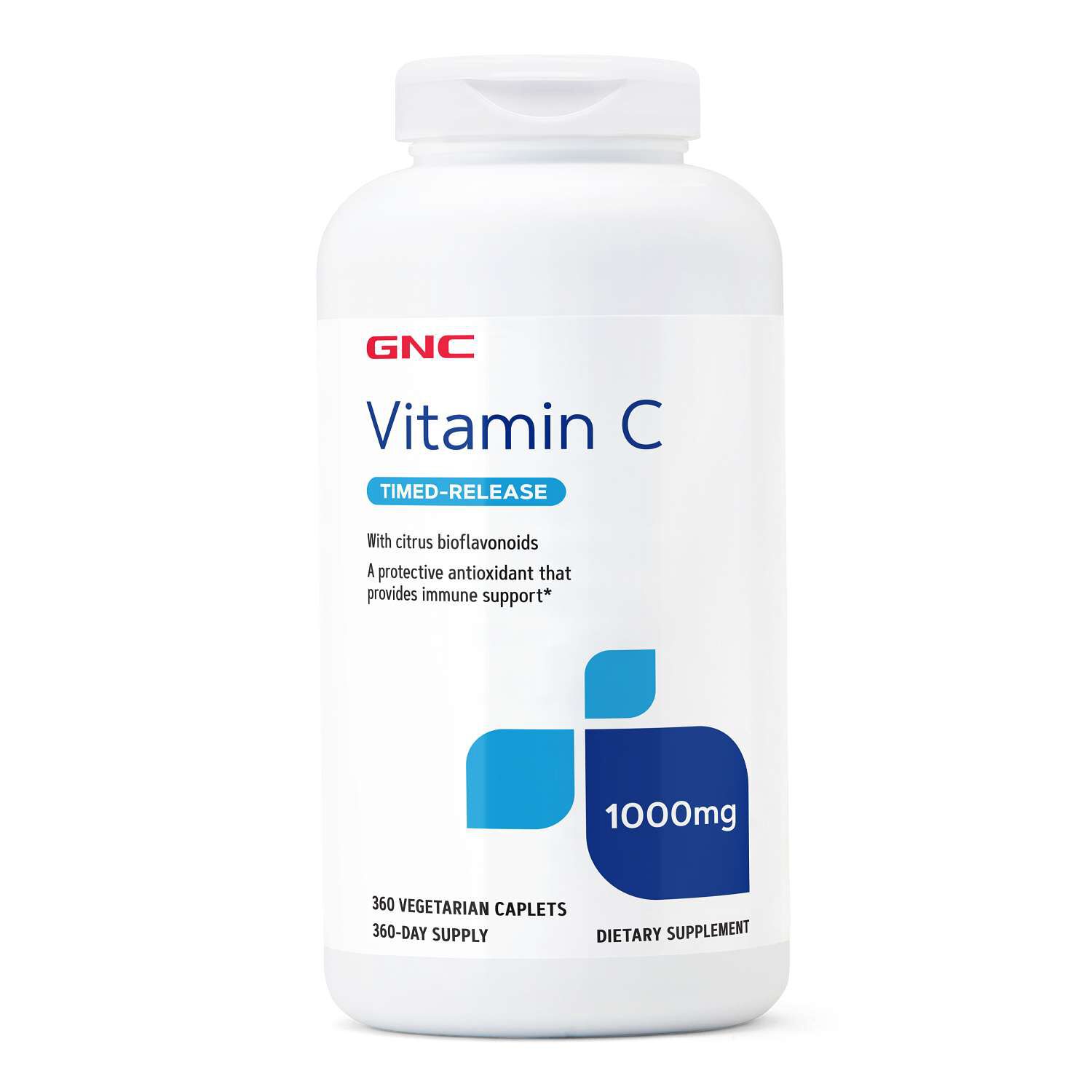
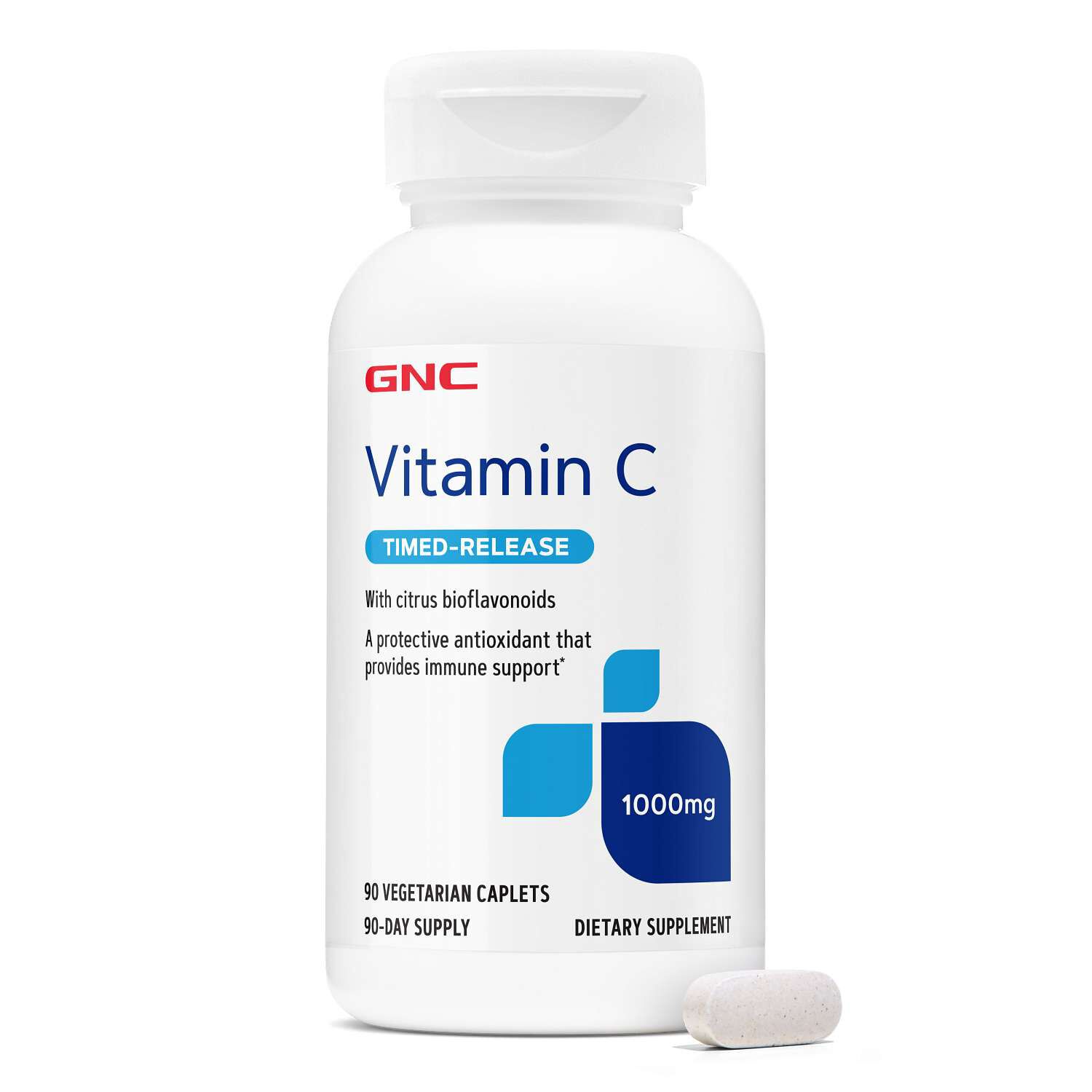
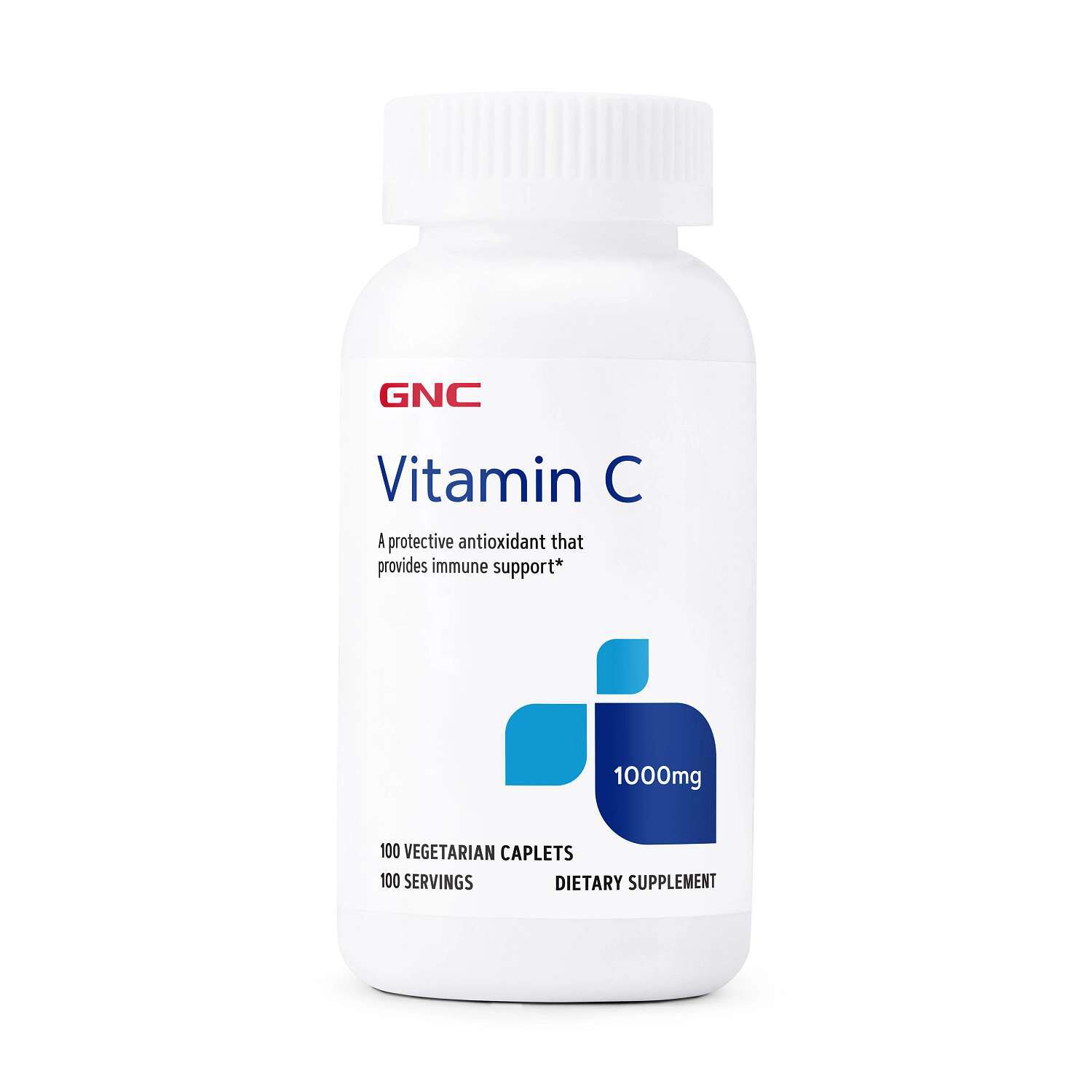
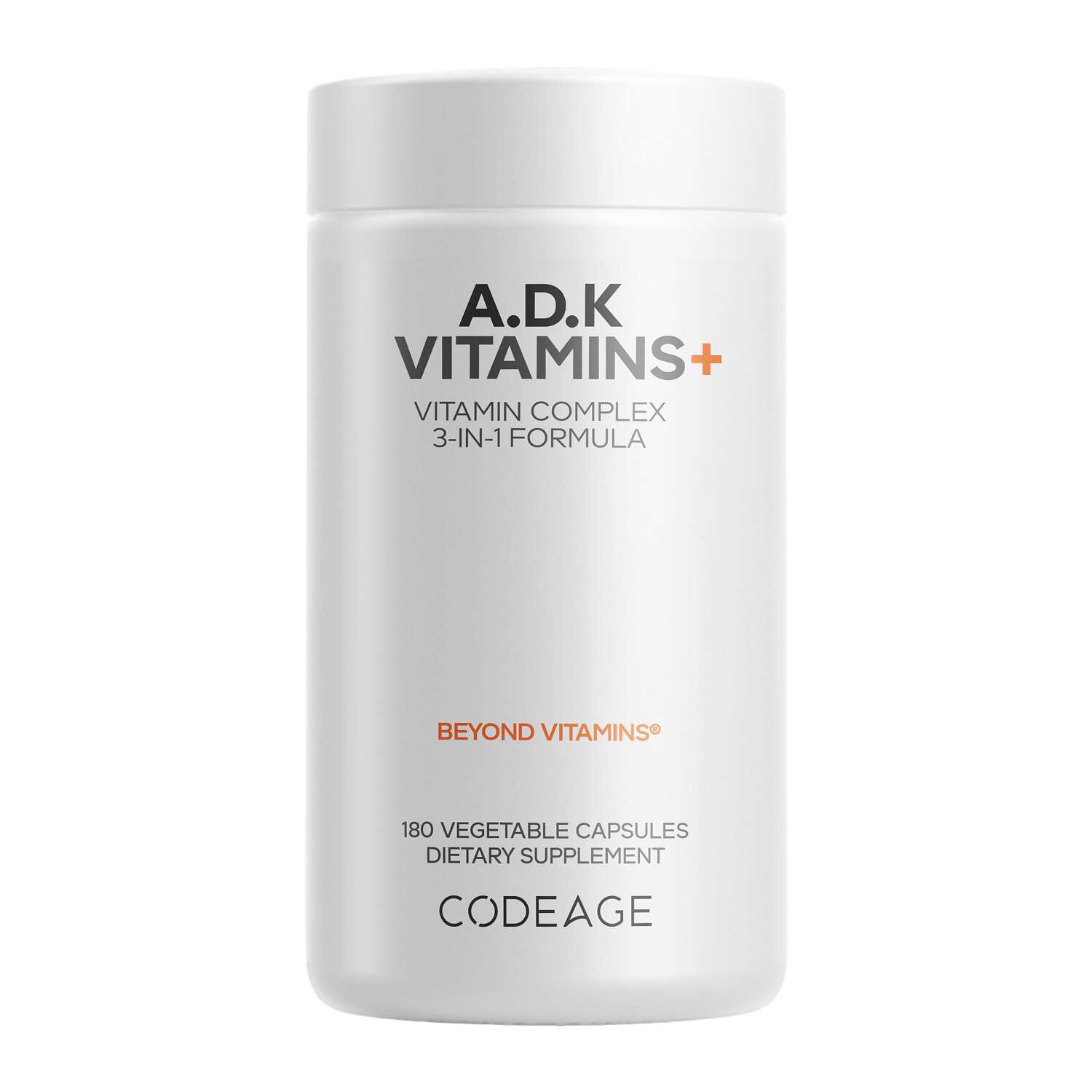
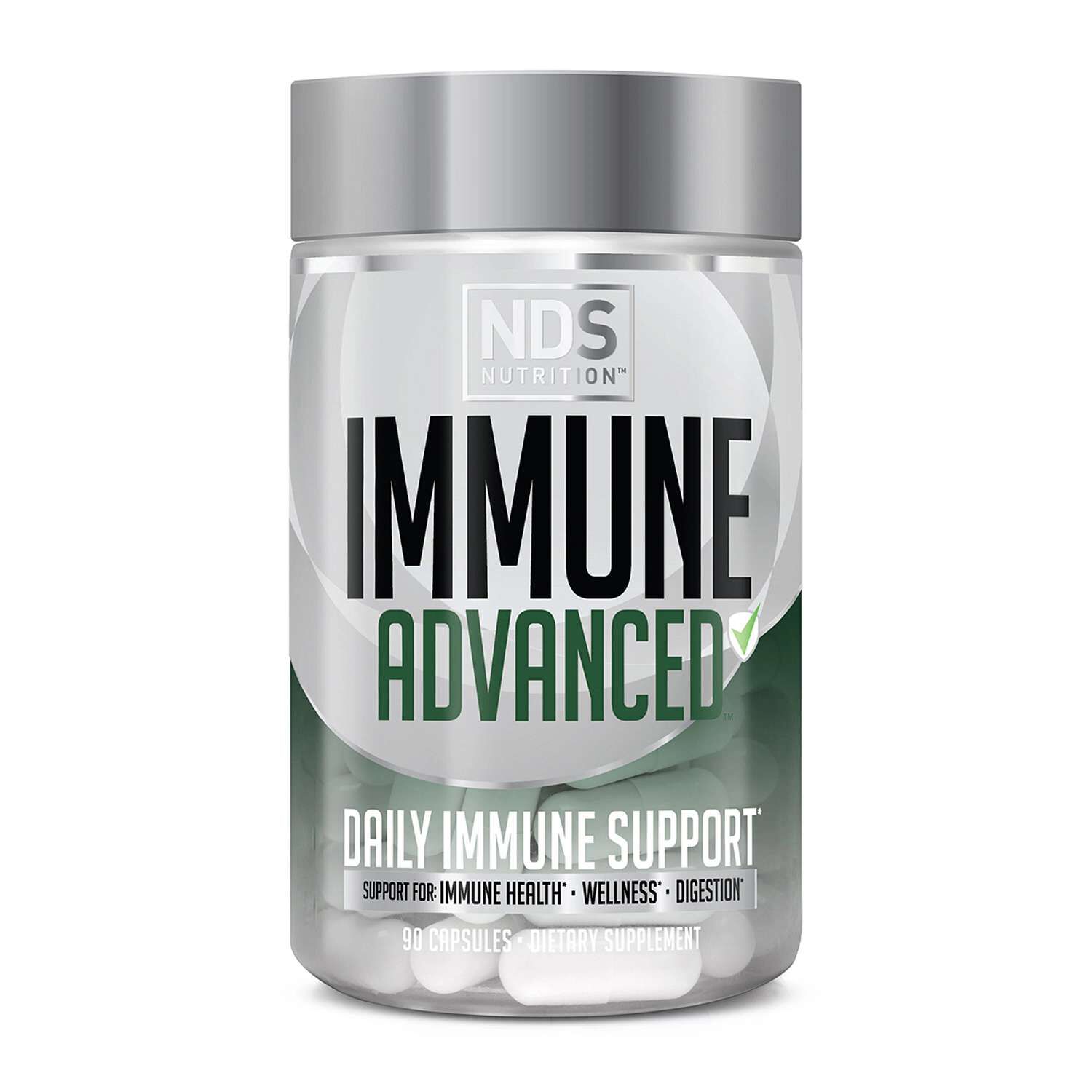
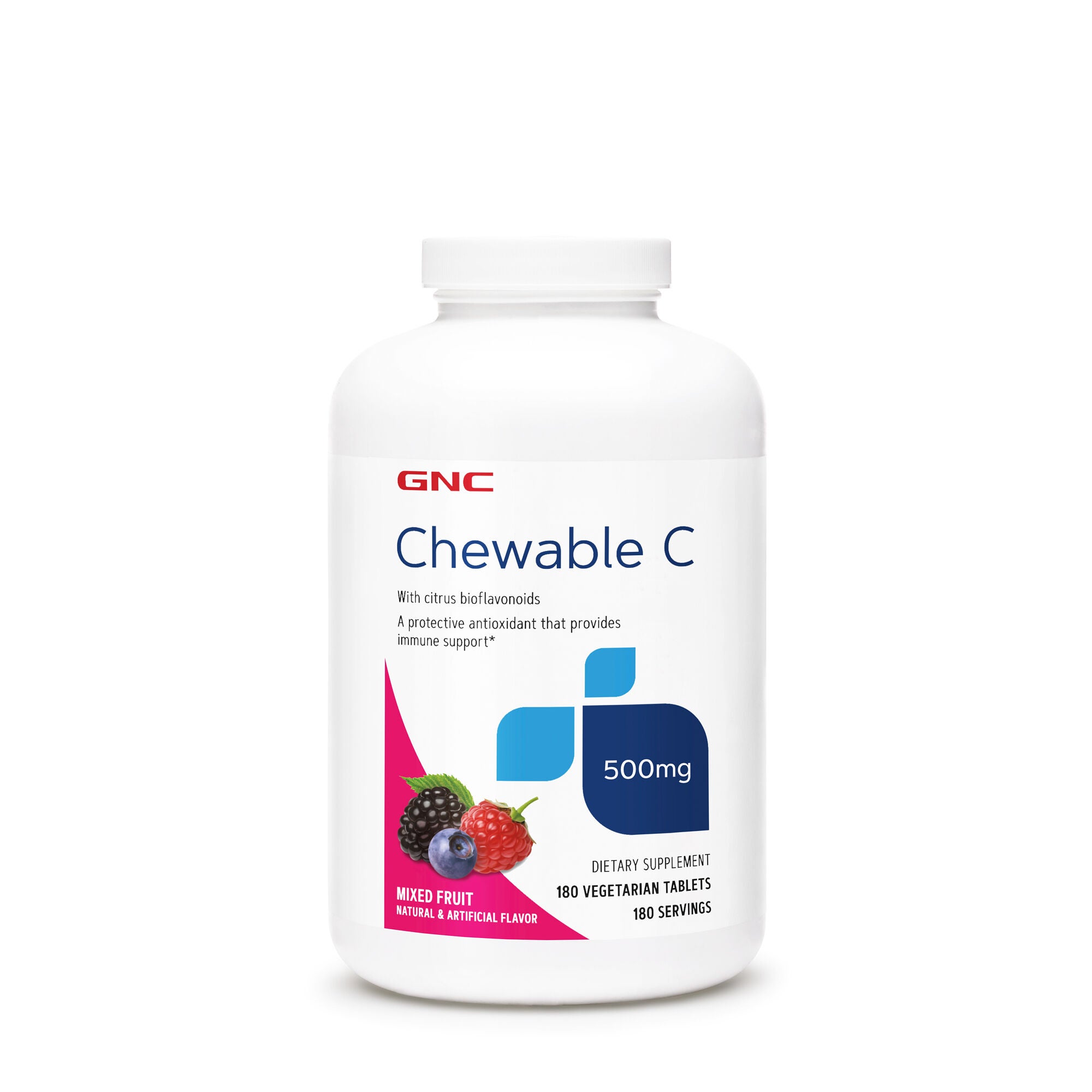
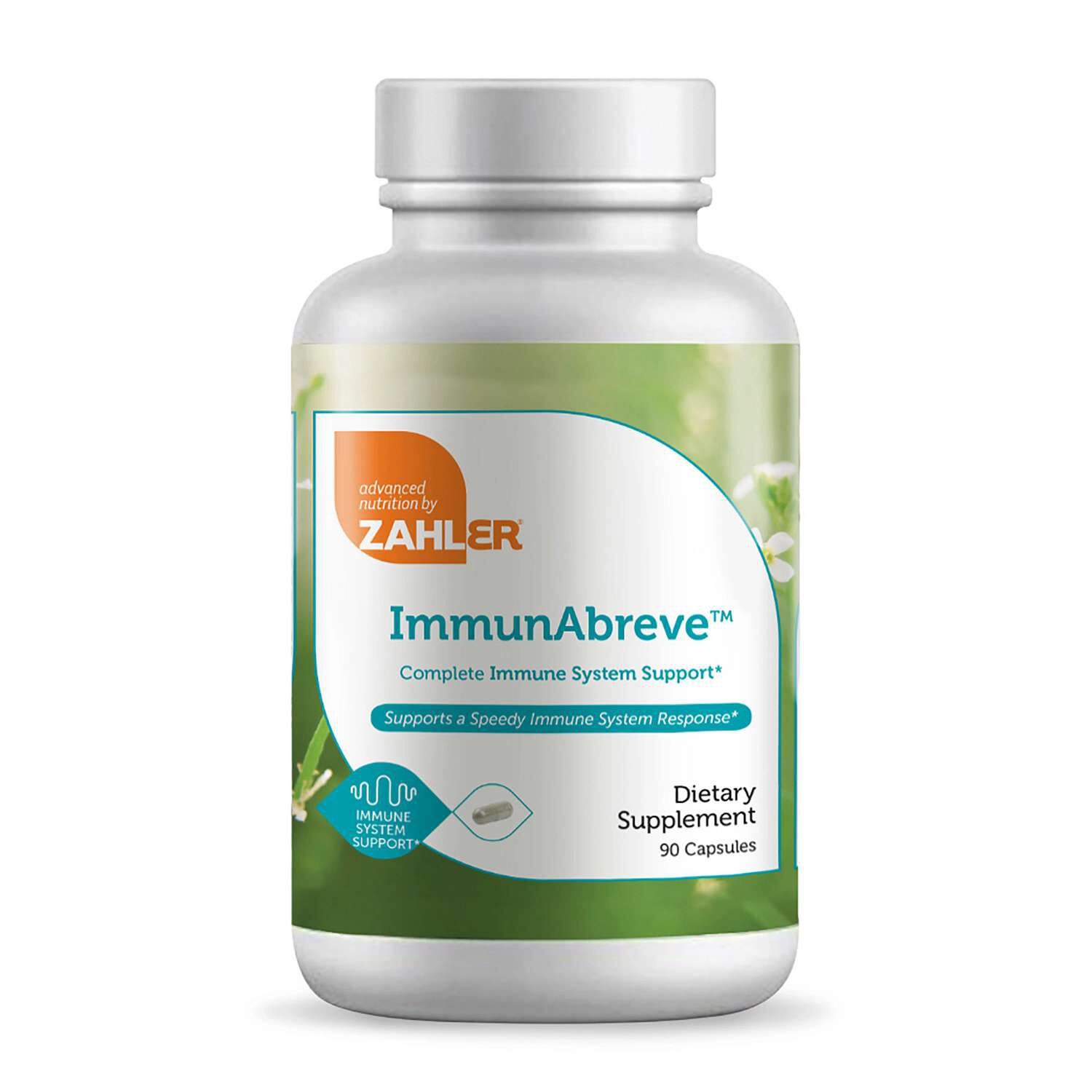
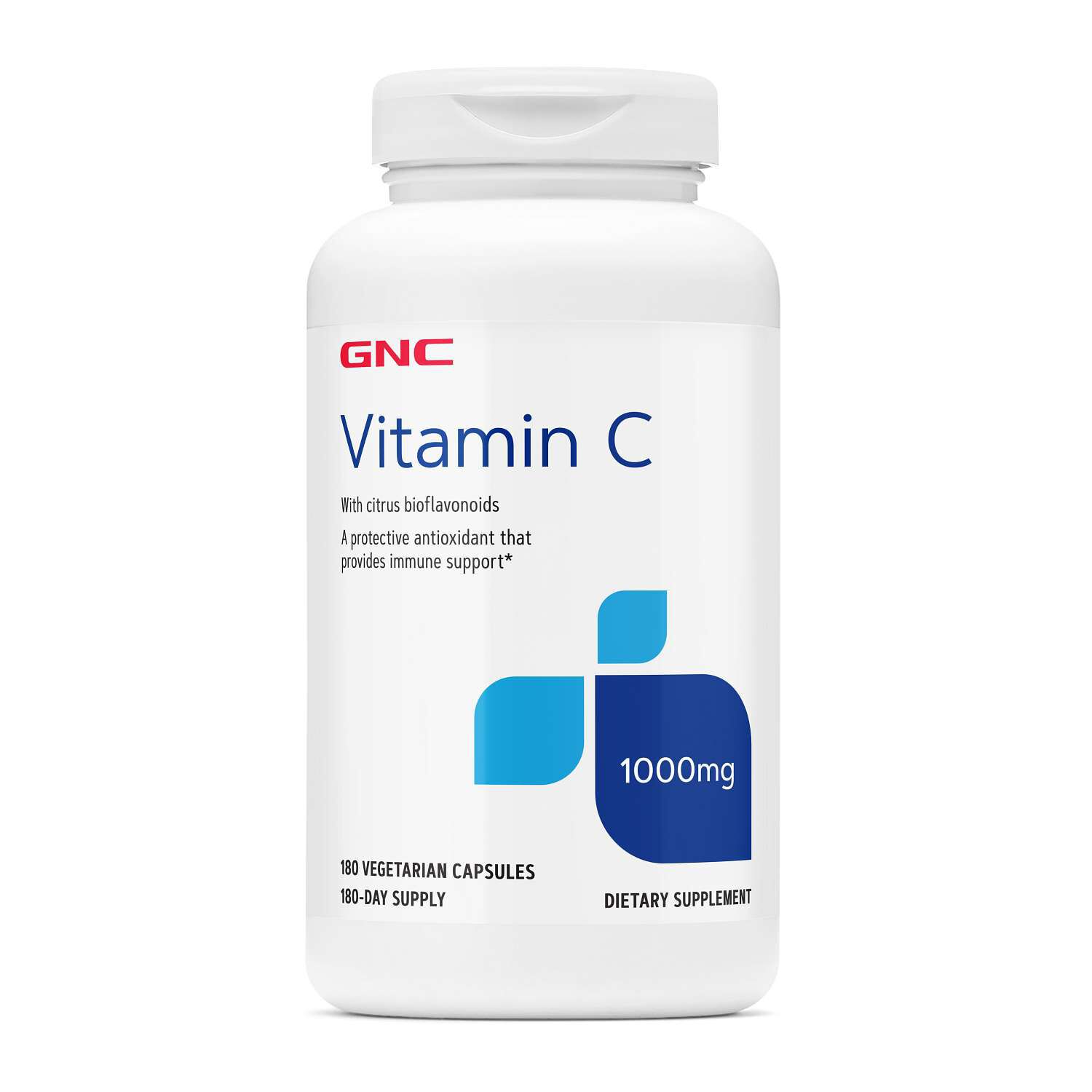
Vitamins for immune support include single-nutrient options and combination formulas designed for everyday nutrition routines. Vitamin C, vitamin D, and zinc are common ingredients in this category, although zinc is a mineral rather than a vitamin. These nutrients may support normal immune function as part of a varied diet and a balanced lifestyle. Supplements are intended to complement food choices, not replace the variety found in meals that include fruits, vegetables, grains, and protein sources. For shoppers comparing formulas, the most useful distinctions often begin with what is inside each serving: the nutrients included, their amounts, and whether the formula focuses on one ingredient or brings several together. Vitamin C may appear on an ingredient label as ascorbic acid or a mineral ascorbate, while vitamin D may be listed as D2 or D3. Zinc also comes in several forms, including zinc citrate and zinc gluconate. Those names describe ingredient forms, but they do not, by themselves, establish which option suits a particular person. A clearly presented Supplement Facts panel makes it easier to understand the composition without relying on a large number printed on the front of the bottle. Amounts per serving and percent Daily Value offer different kinds of information, and a serving may consist of more than one tablet, capsule, or gummy. Some formulas also include other vitamins, minerals, or botanical ingredients, so products with similar names can have noticeably different ingredient lists. A straightforward formula may appeal to someone who values a short label, while a combination formula may appeal to someone who prefers several nutrients in one format. Neither a longer ingredient list nor a larger amount automatically makes a formula a better match. The distinction is in the details: ingredient selection, serving size, dietary preferences, and how the supplement fits alongside foods and other products already part of an established routine.
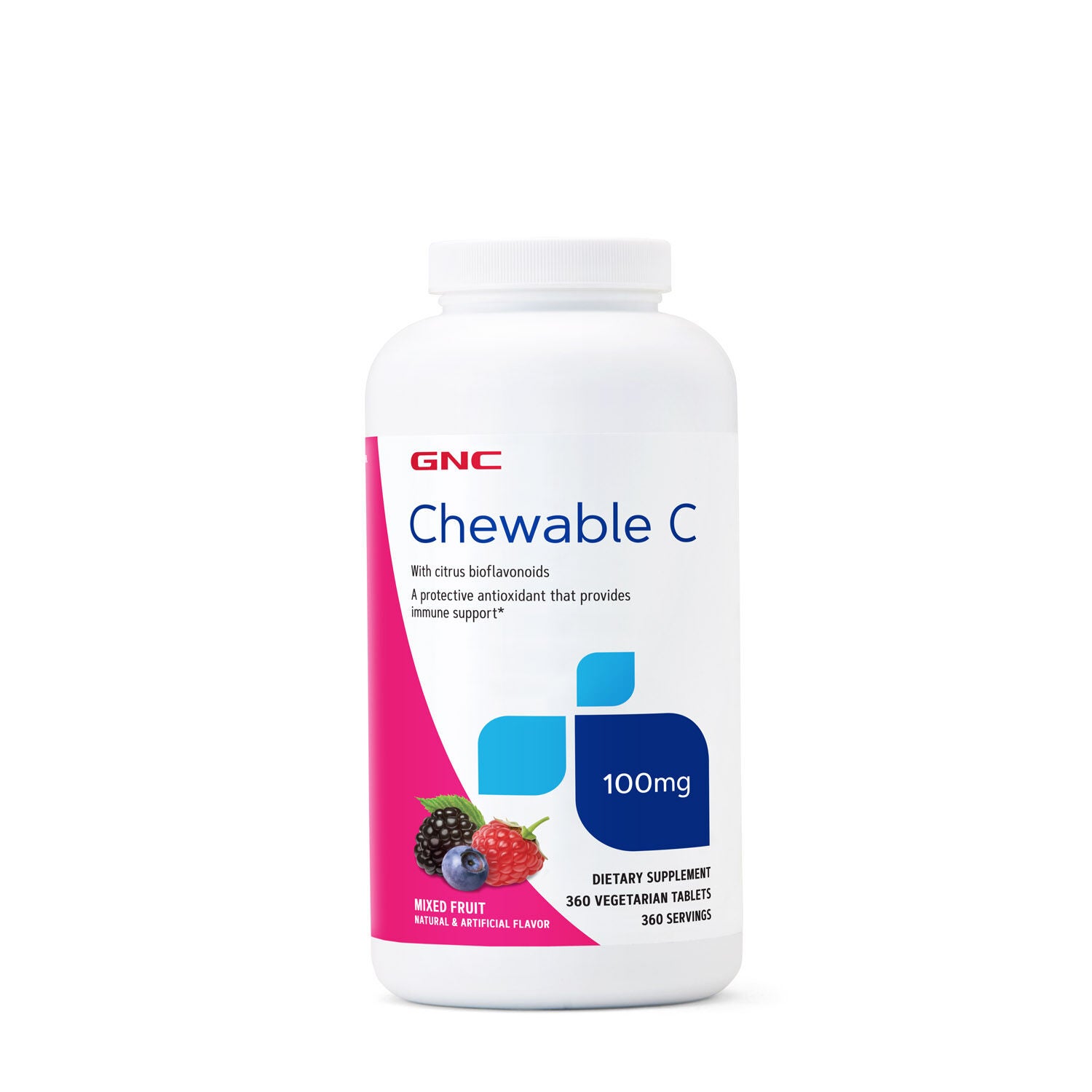
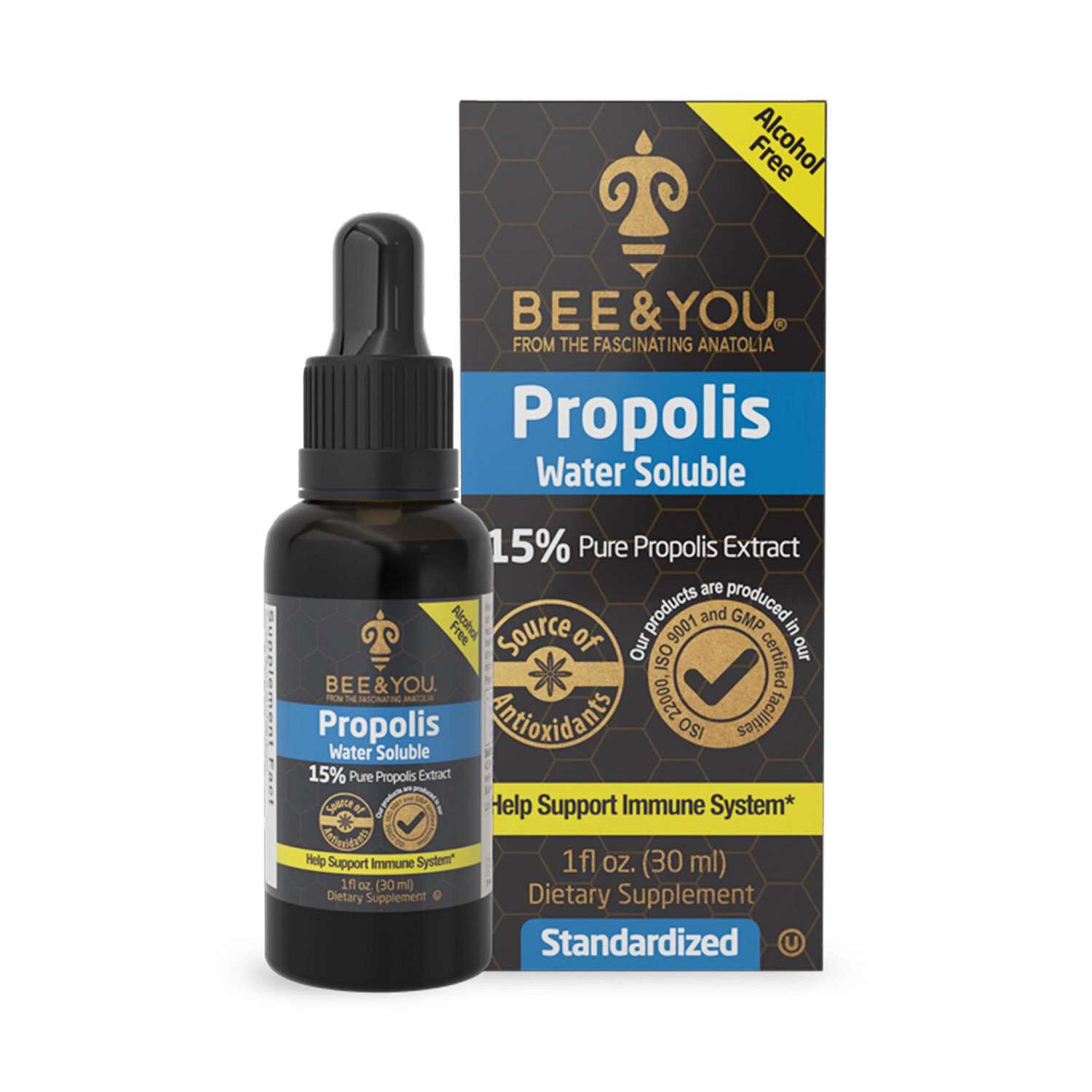
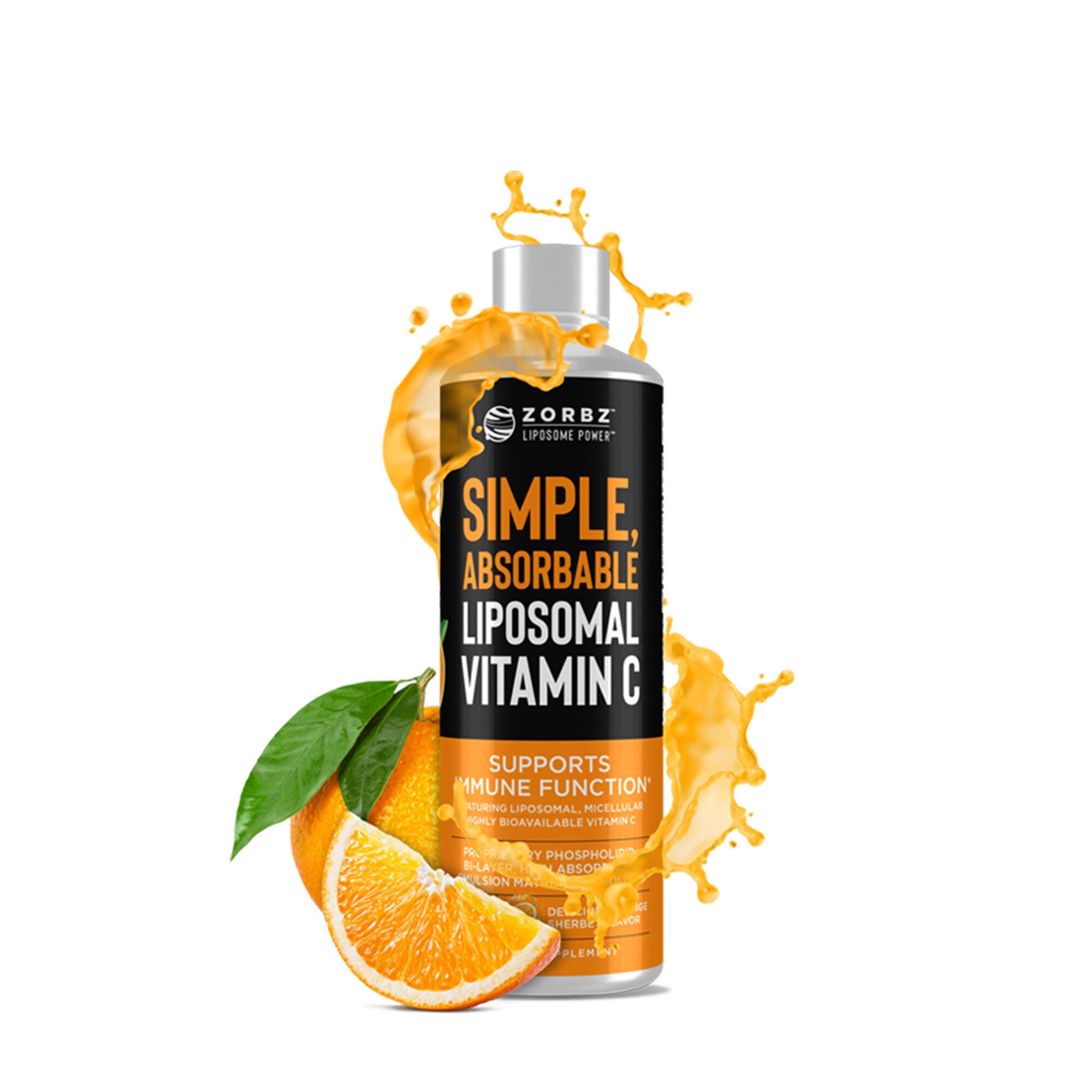
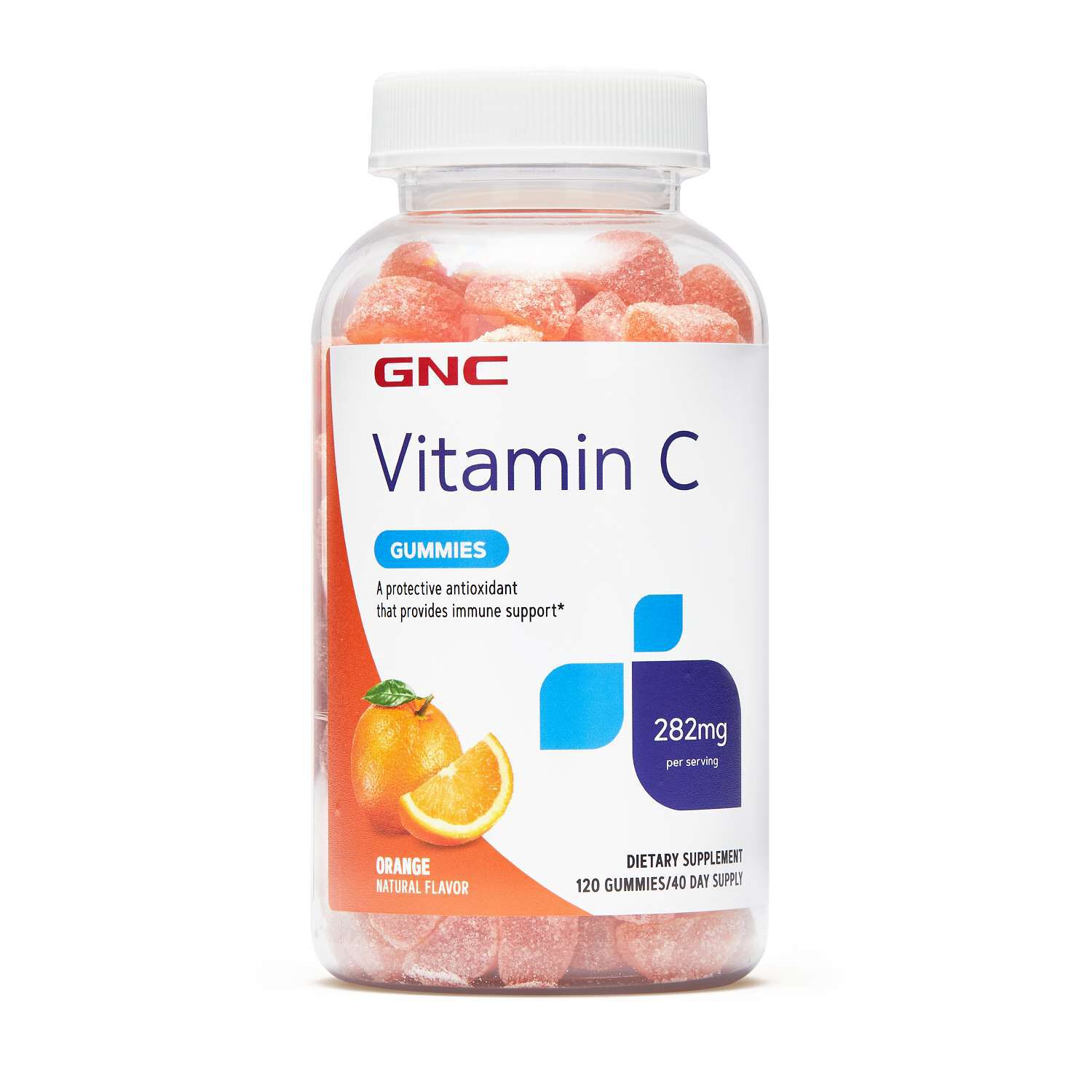
The format of an immune support supplement can matter just as much to the shopping experience as its ingredient list. Tablets and capsules offer measured servings without the flavor considerations associated with chewable options. Their dimensions, coatings, and shell ingredients vary, so the physical format is worth considering rather than assuming every bottle will feel the same to use. Capsules may have gelatin or plant-derived shells, and a formula’s suitability for a vegetarian or vegan preference depends on more than the capsule alone. Gummies and chewable tablets bring taste and texture into the comparison, with differences in sweetness, fruit flavor, firmness, and serving count. They may contain added sugars, sugar alcohols, colors, or ingredients used to create their texture. These details are typically found in the Supplement Facts panel and the other ingredients list. Powders introduce another set of practical considerations, including mixing directions, flavor intensity, and whether each serving comes in a packet or is measured from a container. A powder mixed into a beverage is a different experience from a capsule taken according to its label directions, even when both feature similar nutrients. Liquid formats likewise vary in concentration, measuring tools, and storage requirements. For someone who spends most workdays at a desk, a compact bottle might be a convenient format; for someone who prefers a beverage-based routine, individually portioned powders might feel more familiar. Packaging convenience should still be considered alongside the labeled serving rather than treated as a substitute for it. Product texture, scent, and flavor can also influence whether a format feels comfortable as part of an everyday habit. The most relevant comparison is not simply gummy versus capsule, but the combination of ingredients, serving directions, and sensory preferences that comes with each. Dietary labels and allergen statements add another useful layer, especially when a shopper has specific ingredient exclusions or household food preferences.
Beyond ingredients and format, thoughtful comparison includes the bottle, the label, and the intended user. Adult formulas and products labeled for children are separate categories, with different serving directions and age information; an appealing flavor or familiar nutrient name does not make them interchangeable. For adults shopping for their own established routines, everyday practicality often comes down to small details: whether the label is easy to read, whether the closure is manageable, and whether the container fits in the place where supplements are ordinarily kept. A bottle used at home may suit a different routine than individually packaged servings carried during travel, and original packaging keeps ingredient information and directions close at hand. Supplement quality also depends on appropriate care. Storage instructions, expiration dates, and packaging condition are relevant to these products in a way that fabric wear or equipment durability would be relevant to other purchases. Many labels specify a dry storage location away from direct light, while some formats have additional requirements. A bathroom shelf exposed to shower moisture may not match the storage directions on a particular label. Secure storage away from children is especially important for flavored and chewable formats that resemble familiar treats. When comparing container sizes, the number of servings provides more context than the number of pieces alone: a bottle containing several gummies per serving represents a different length of use than one containing a single capsule per serving. Shoppers exploring vitamins for everyday wellness may also encounter overlapping ingredients across multivitamins and more focused formulas. Looking at those labels together makes repeated nutrients easier to recognize, without assuming that adding more products creates a better routine. Immune support vitamins are personal purchases, and choosing them for another adult is most thoughtful when that person’s preferences and existing habits are already known. Whether the priority is an uncomplicated ingredient list, a particular dietary preference, or a format that fits neatly into daily life, careful attention to labeling offers a grounded way to compare this category. The result is a clearer understanding of what each type contains, how it is intended to be used, and which practical details matter most to the person using it.