





Inositol Powder With No Preservatives
(0 Results)
Discover a selection of inositol powder with no preservatives, crafted for those who value simplicity in their supplement routine. Whether you're looking to incorporate inositol into your daily regimen or exploring new options for your wellness journey, these products offer a straightforward approach. Explore different varieties that may fit seamlessly into your lifestyle and support your personal goals. Find the right inositol powder with no preservatives to complement your day-to-day routine.
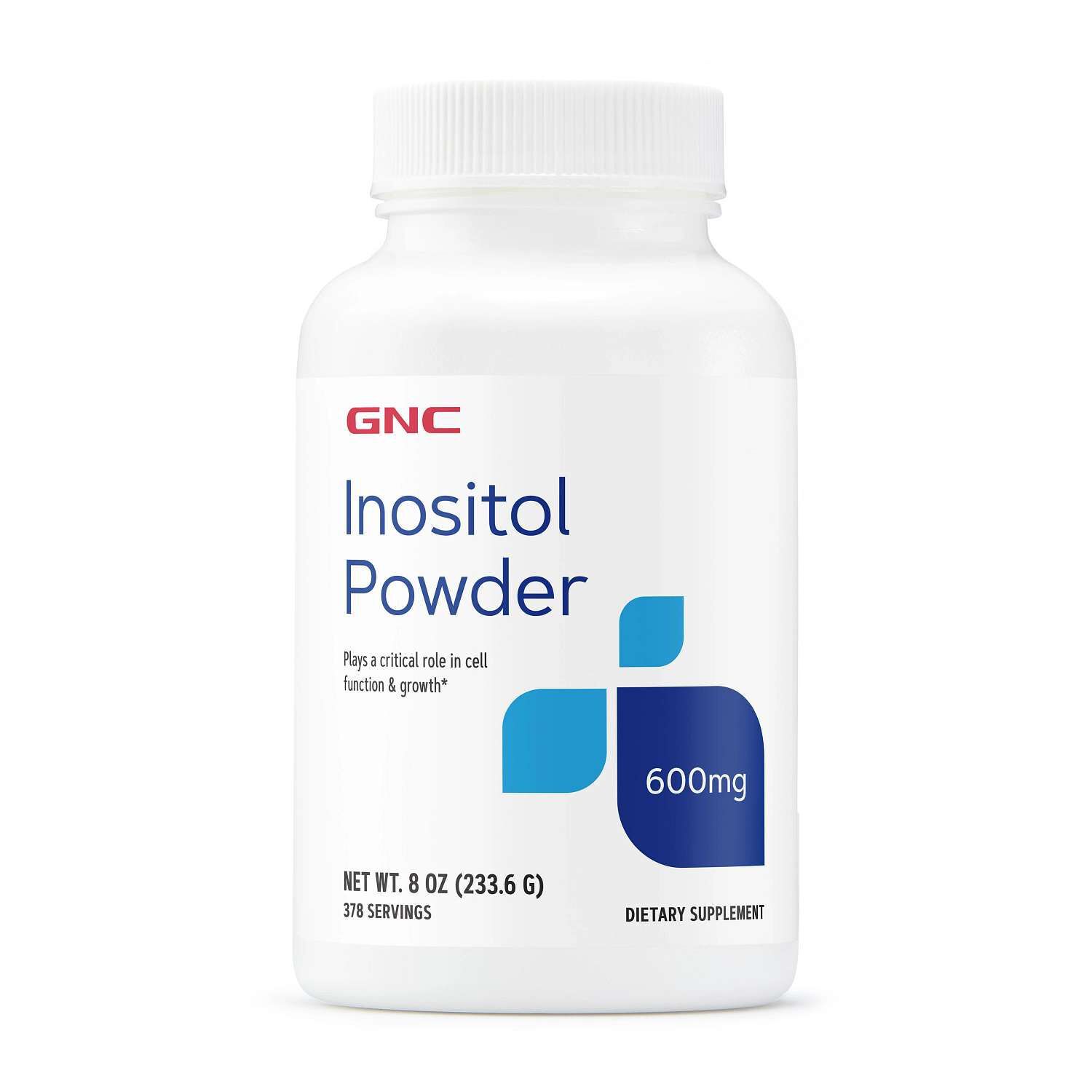
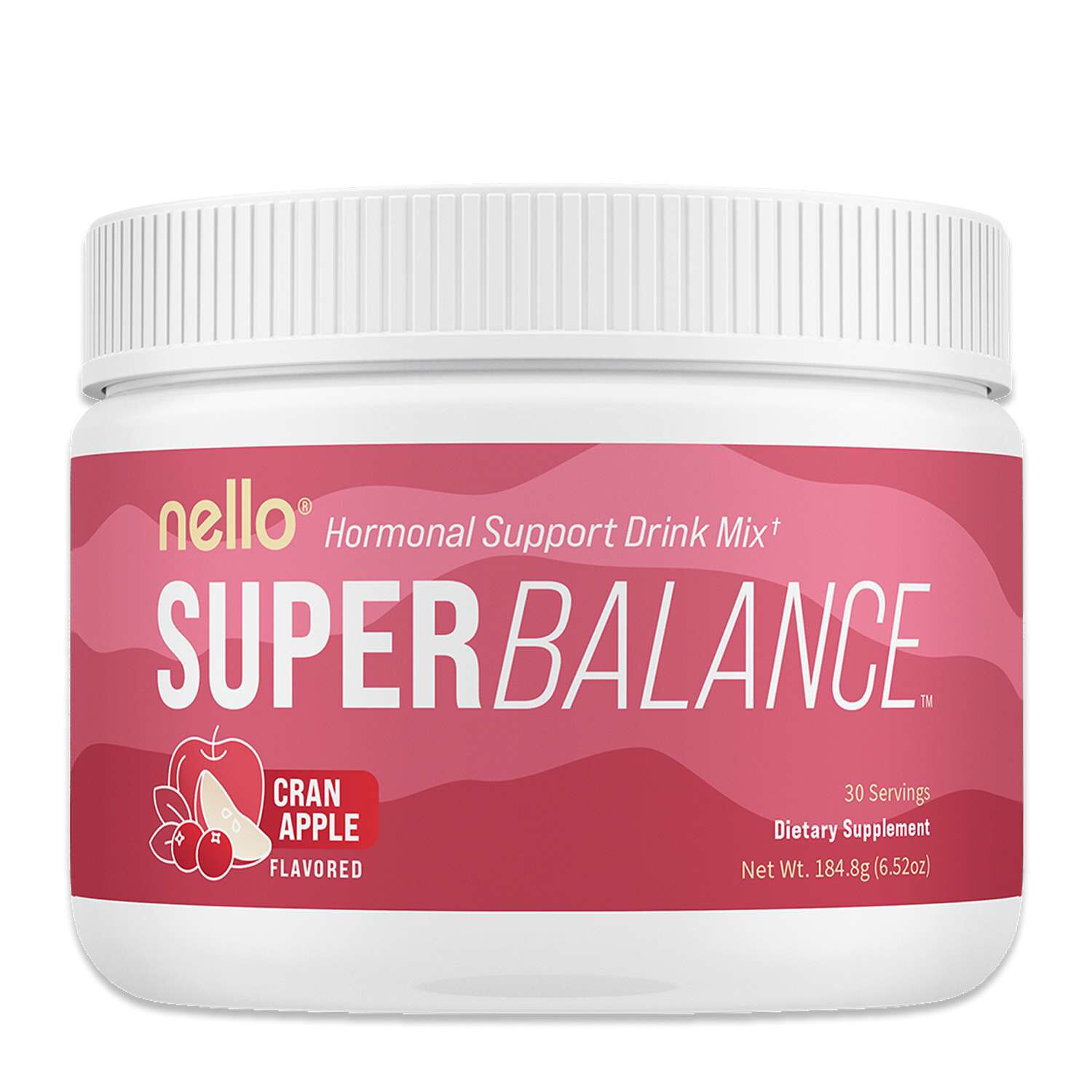

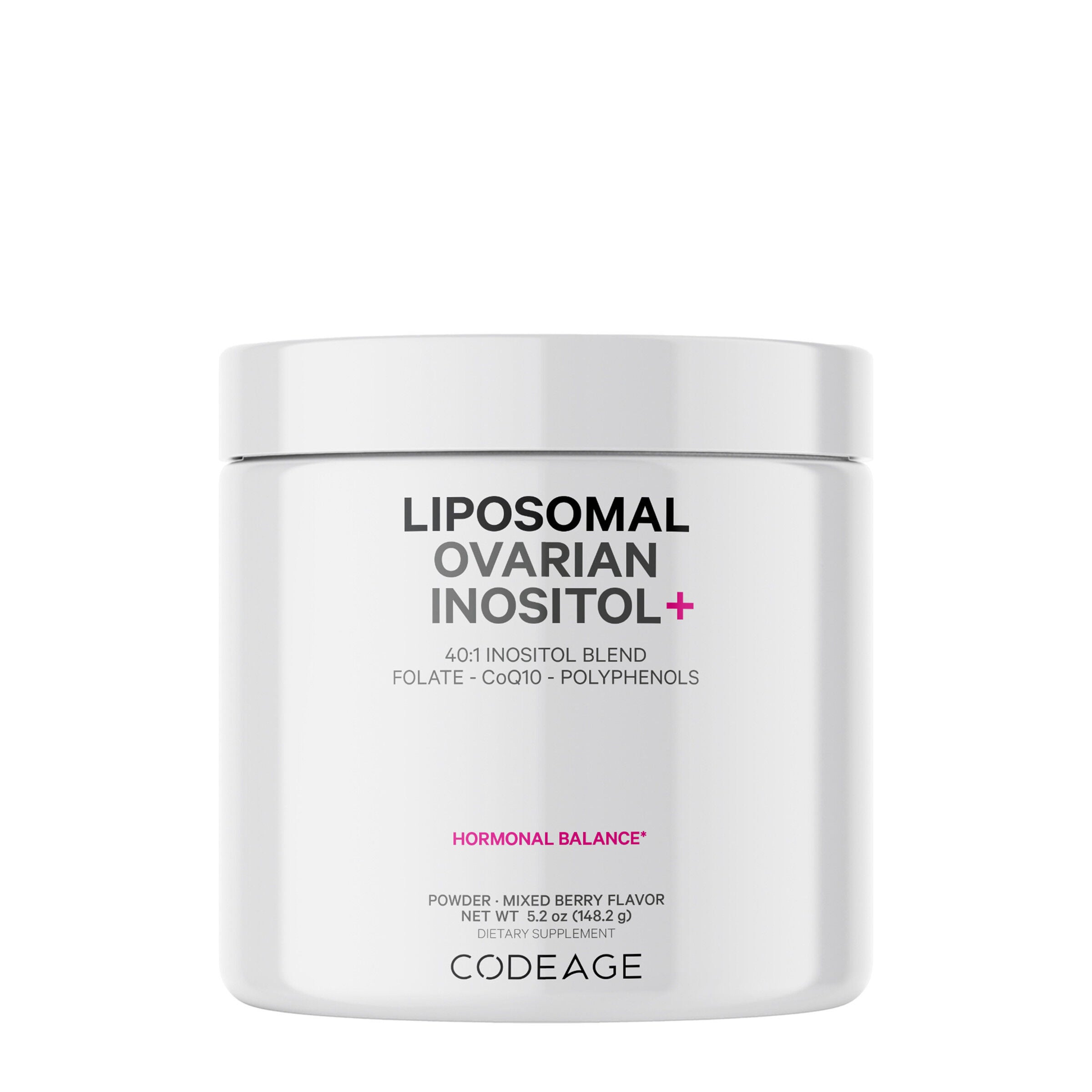
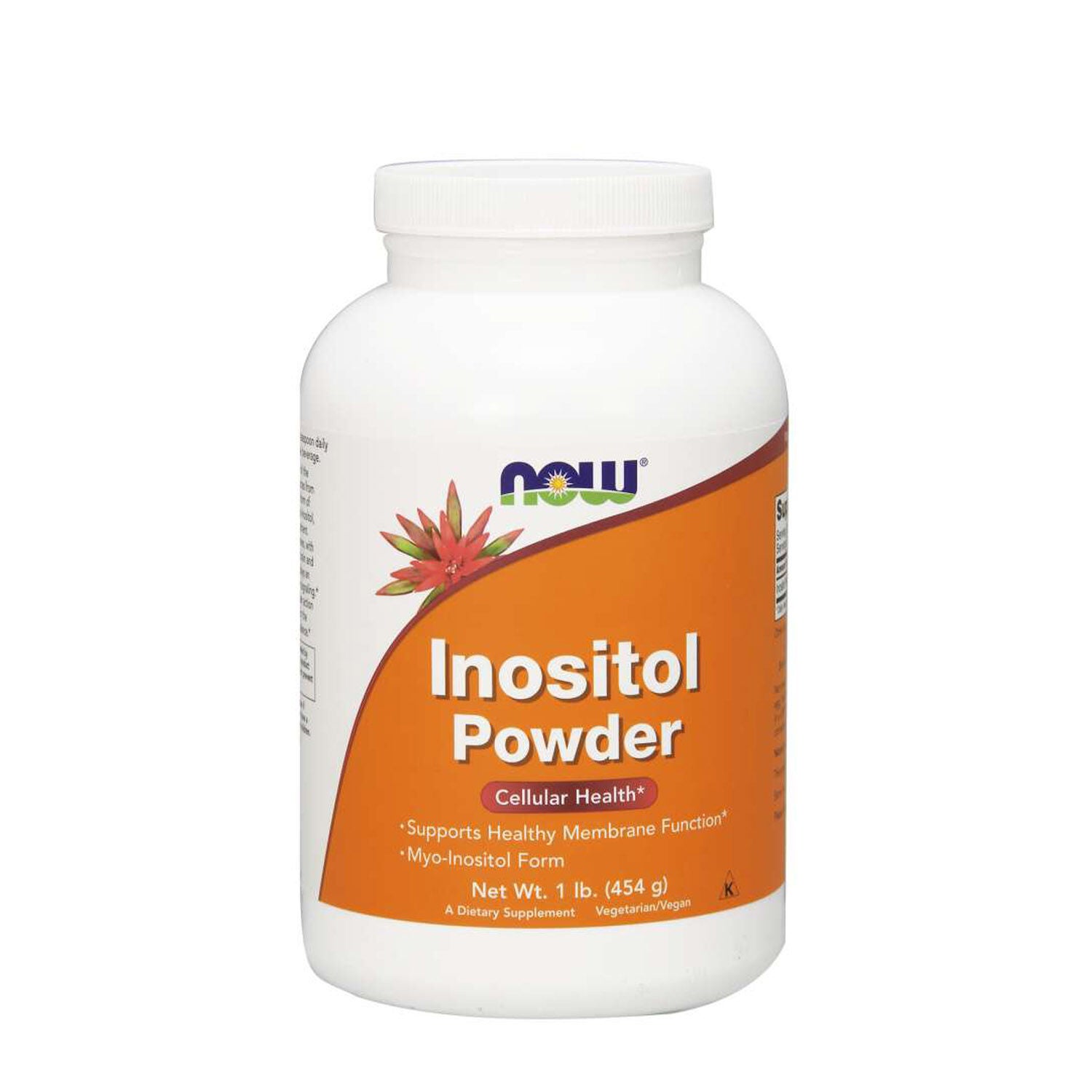

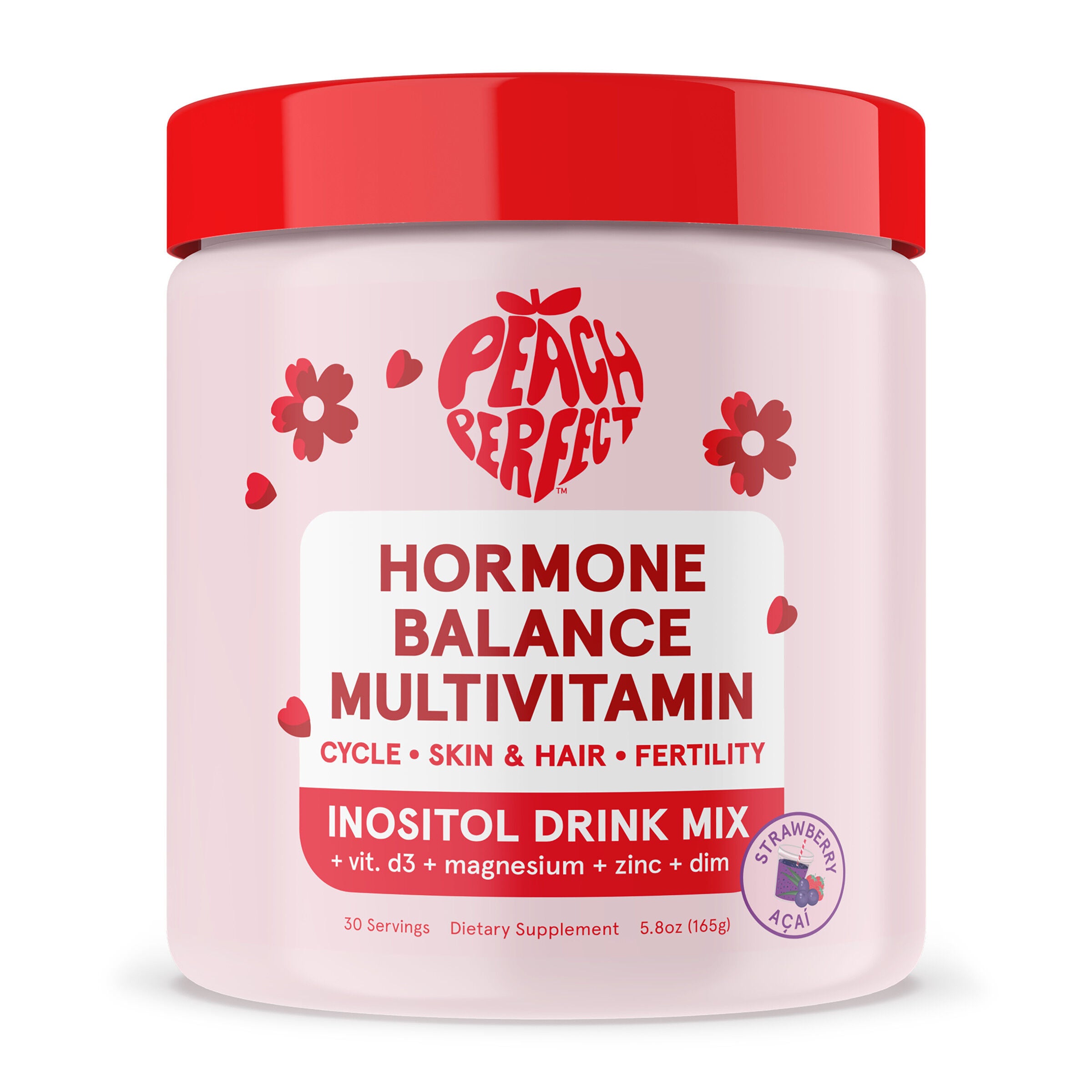
Inositol powder with no preservatives is a dietary supplement formulation made without added preservative ingredients. Some formulas contain inositol alone, while others include additional ingredients, so the Supplement Facts panel and ingredient list help distinguish a single-ingredient powder from a blend. Inositol is a naturally occurring compound found in foods such as fruits, beans, and grains. Myo-inositol is a form commonly used in dietary supplements, although labels may identify other forms or combinations. The preservative claim describes one aspect of the formula; it does not establish that a powder also contains no artificial colors, flavors, sweeteners, or other additives. For a single-ingredient option, the label generally identifies inositol or myo-inositol as the dietary ingredient, with no additional ingredients listed. A blended formula may include other dietary ingredients or ingredients used for flavor and texture while still being made without preservatives. These distinctions matter to shoppers who prefer a short ingredient list or want to understand exactly what goes into a daily supplement routine. Powder texture also varies: one formulation may look like fine white crystals, while another may have a softer, more finely milled appearance. Neither appearance alone establishes the ingredient content, making the printed label more informative than the look of the powder. Unflavored does not necessarily mean tasteless, either; inositol powder may have a mild sweetness even when no sweetener is added. That distinction is useful for someone who prefers an uncomplicated formula but still cares about how it might taste in a beverage. Dietary preferences deserve a separate look as well. A preservative statement does not establish suitability for a vegan eating pattern or confirm that a formula is made without gluten, dairy, or soy. Those attributes depend on the formulation and its labeling. Together, the dietary ingredient name, other ingredients, serving information, and any relevant certifications provide a clearer picture than a single front-label claim.
The powder format is intended for measured servings rather than a fixed amount in each capsule or tablet. That difference shapes how the supplement fits into an everyday routine. Someone who already prepares a morning beverage may prefer a powder, while someone who travels often may place greater importance on the container’s closure and the practicality of carrying a measuring utensil. Preparation directions vary by formula, so the label is the reference for the suggested serving and mixing method. The amount of inositol is generally expressed by weight, such as milligrams or grams, and a scoop description is separate from that weight measurement. A scoop supplied with one container is not a universal measure for another formula, and an ordinary kitchen spoon is not necessarily equivalent to the serving described on the package. This is especially relevant when comparing two containers that look similar but list different serving amounts. Container size and servings per container are also separate details: a larger package does not necessarily represent the same number of servings as a smaller package with a different serving size. For shoppers browsing powders, these details help make comparisons more meaningful without relying on package appearance. Mixing characteristics are another practical consideration. Depending on the formulation and the label directions, a powder may disperse into water or another beverage with stirring or shaking. Beverage ingredients and the amount of liquid may influence the resulting taste and texture, so an unflavored formulation should not be assumed to disappear into every drink. A clear glass may make undissolved particles easier to notice than an opaque shaker, while a wide-mouth container provides more room for a utensil. These are everyday differences rather than measures of nutritional value. The most suitable format depends on whether the shopper prefers preparing a measured powder serving and has a convenient place to keep the container, read its directions, and use the appropriate utensil. Powder is a format choice, not evidence that a formulation is superior to another delivery form.
Packaging and care are particularly relevant for a powder that is opened repeatedly. A container with a securely closing lid, a readable label, and an opening that accommodates the supplied utensil is worth considering alongside the formula itself. The original packaging keeps ingredient information, serving directions, storage instructions, and the best-by date together. If a container will be kept beside beverage supplies, its placement matters: a spot away from a sink or an area where spills are common is different from a dry cupboard. Moisture introduced by a damp utensil may change a powder’s texture, and leaving the lid open exposes the contents to the surrounding environment. Following the package’s storage directions and using a clean, dry utensil are straightforward considerations for routine handling. Clumping by itself does not identify whether preservatives are present, just as a fine texture does not establish their absence; formulation claims still come from the label. For shoppers with more than one ingredient preference, preservatives and coloring deserve separate comparisons. The related selection of Inositol Powder With No Artificial Colors provides another way to browse by formulation, with individual labels remaining the reference for both attributes. A shopper interested in an unflavored, single-ingredient powder may prioritize a different set of details than someone comfortable with a blend containing flavoring ingredients. Neither preference should be inferred from the words “no preservatives” alone. Likewise, certification marks identify particular standards rather than standing in for the full ingredient list. Inositol powders belong to a personal dietary supplement routine, and the choice involves the named form of inositol, the amount per labeled serving, any additional ingredients, and the practical details of preparation and storage. For an adult comparing this category, those features provide concrete points of distinction. A clearly identified formula, readable serving information, and packaging suited to everyday handling may make it easier to select a powder that aligns with individual ingredient preferences without attaching broader meaning to a preservative claim.
Best Sellers


Related Pages
Top Collections
- Joint Mobility Supplement Packs
- Daily Collagen Supplements | Top Brands & Deals | GNC
- GLP 1 Support For Adults
- Zinc Supplements | Top Brands at Great Prices | GNC
- Supplements For Yoga Joint Flexibility
- Supplements For Balance
- Capsule Supplements For Energy And Stamina
- Adult Mobility Supplements
- Chronic Fatigue Supplements
- Vitamins For Hair Loss