





Inositol Powder With No Artificial Colors
(0 Results)
Explore a variety of inositol powder with no artificial colors, designed for those who prefer straightforward ingredient profiles. These options may suit individuals seeking to support their wellness routines with products that align with their preferences for simplicity and transparency. Discover inositol powder with no artificial colors and find the right fit for your daily regimen.
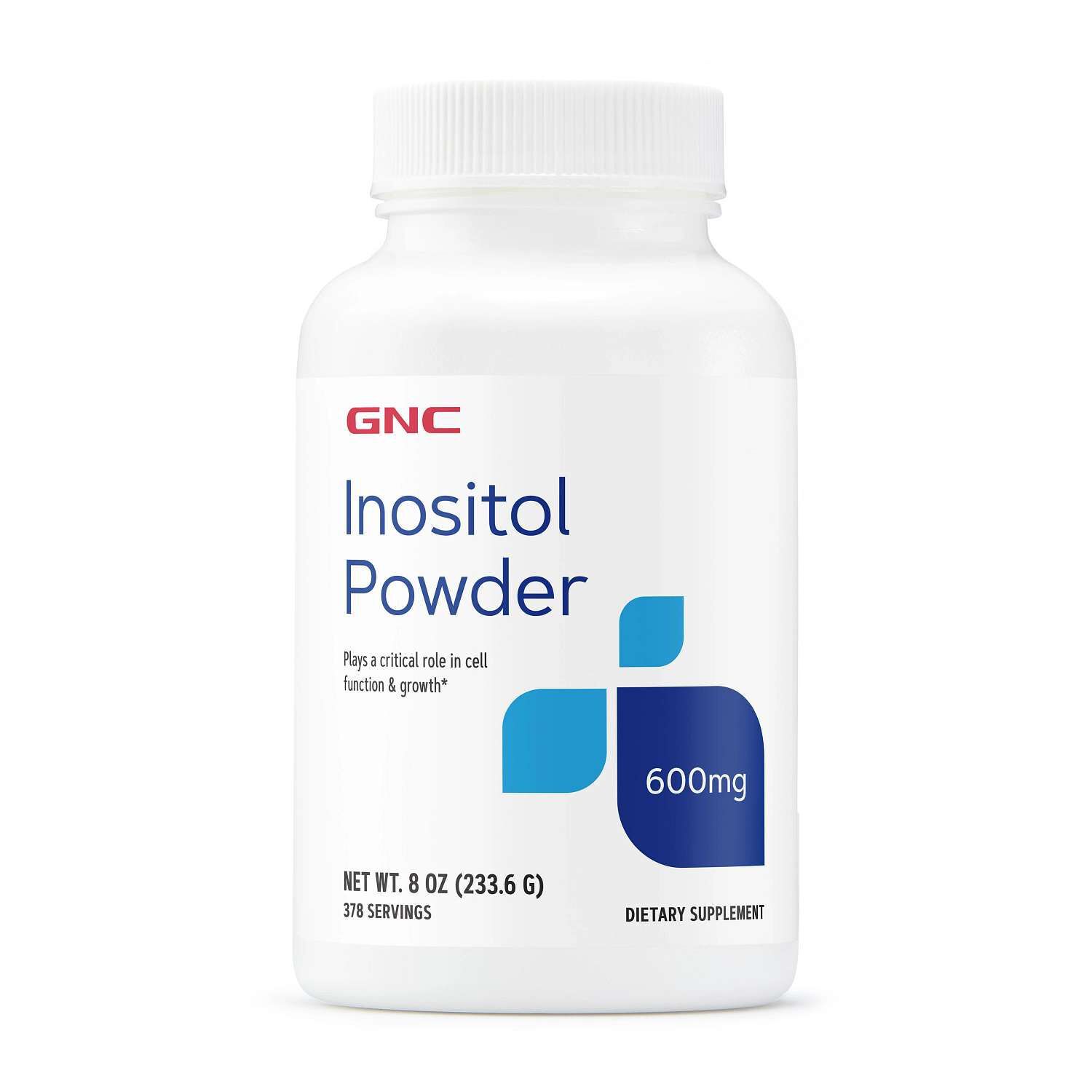
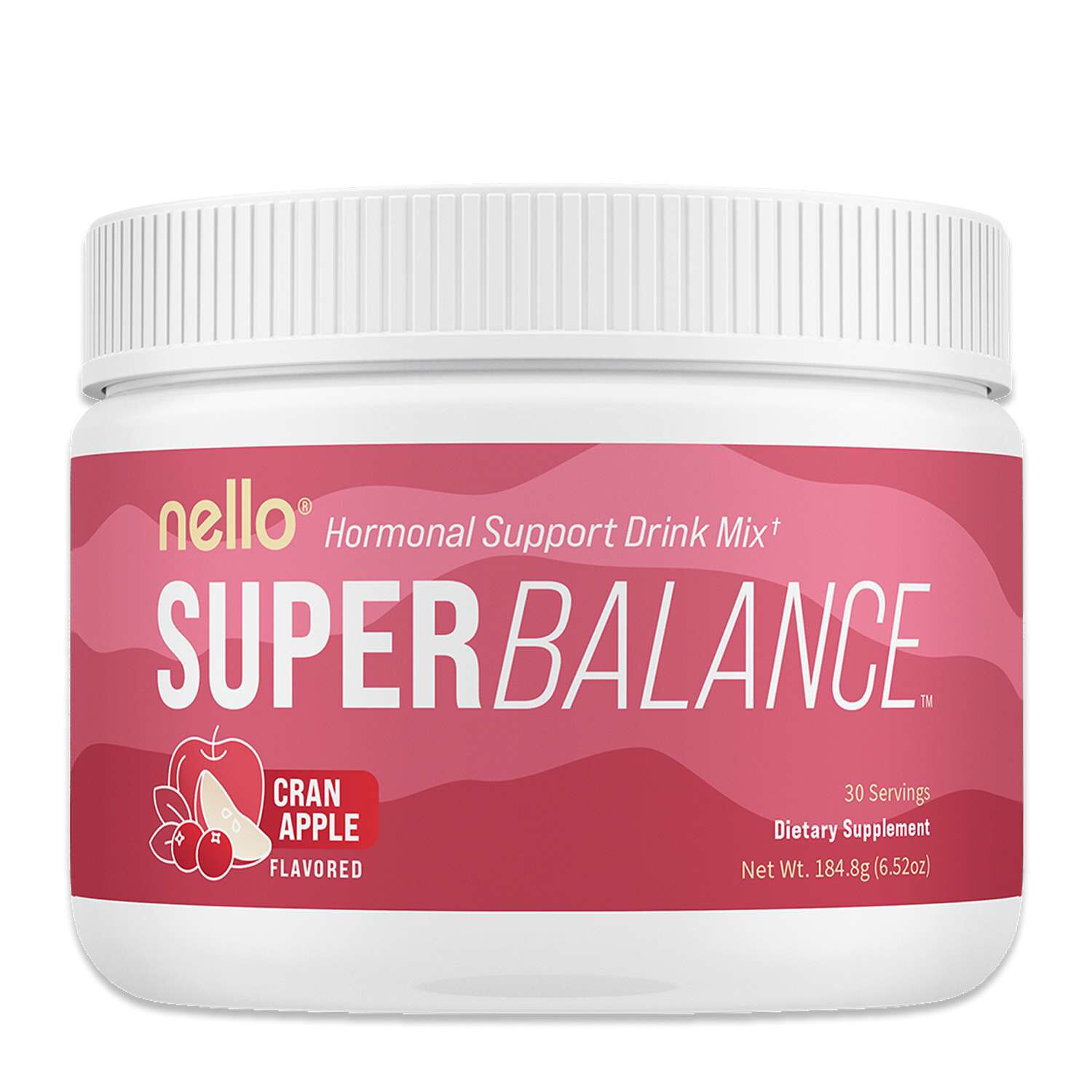

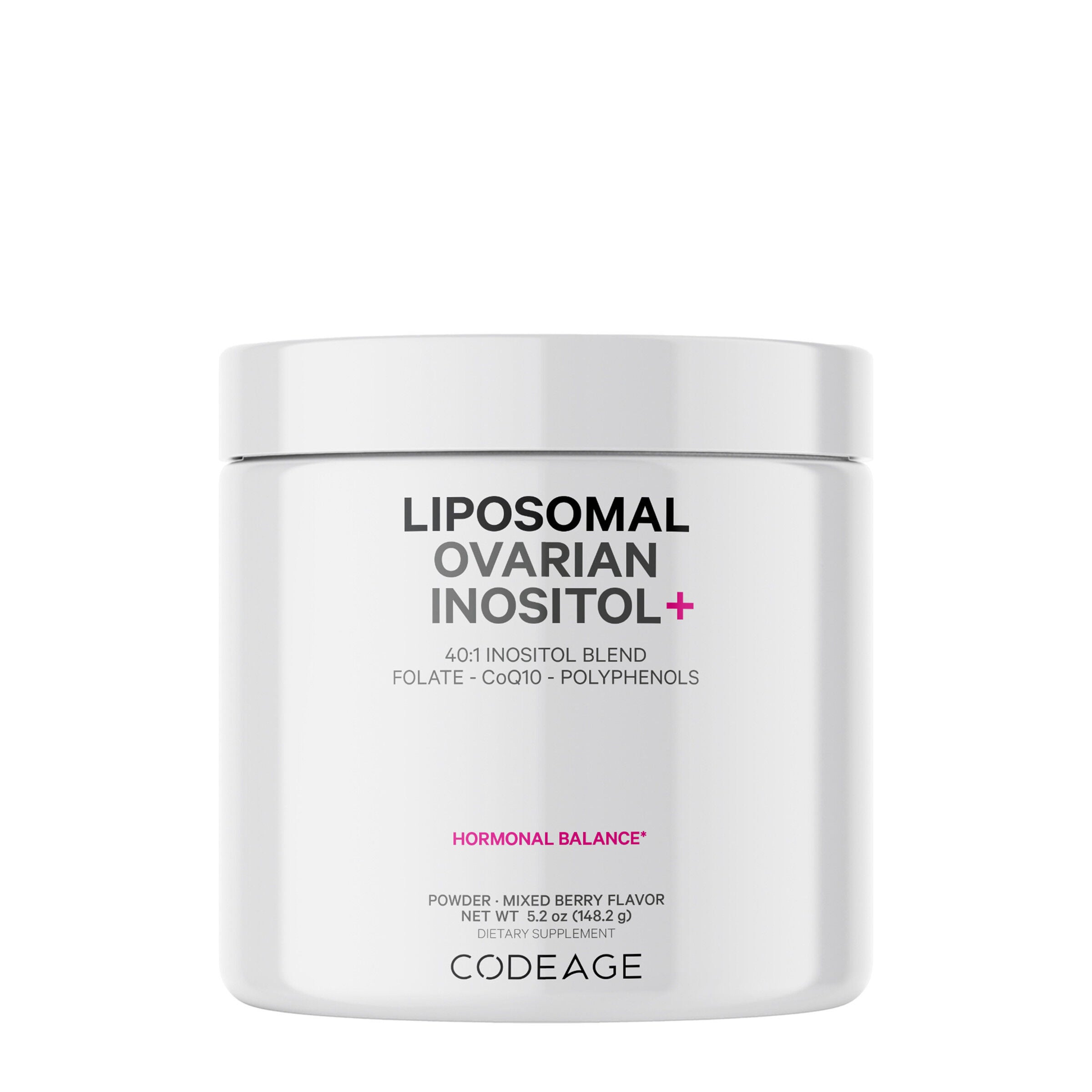
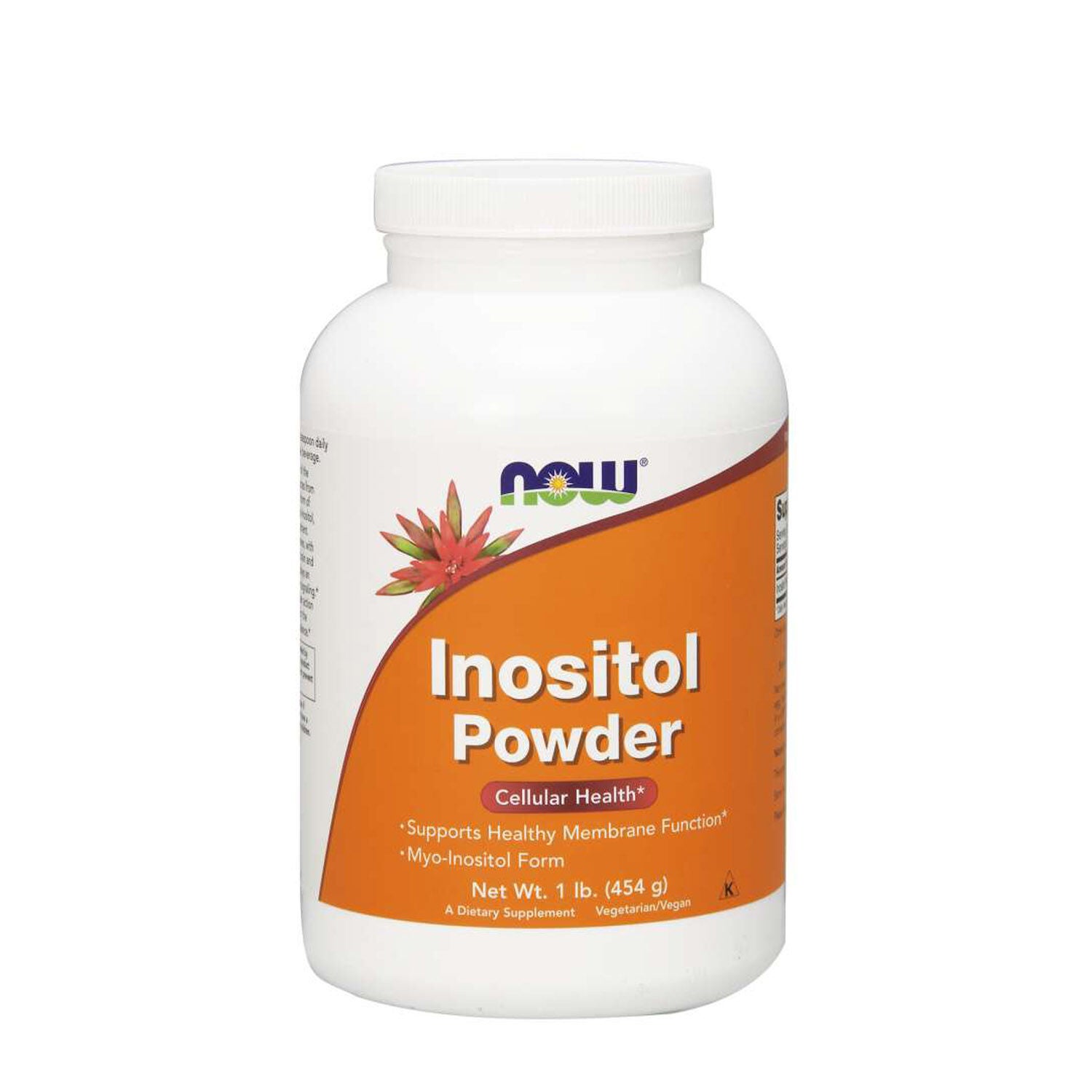

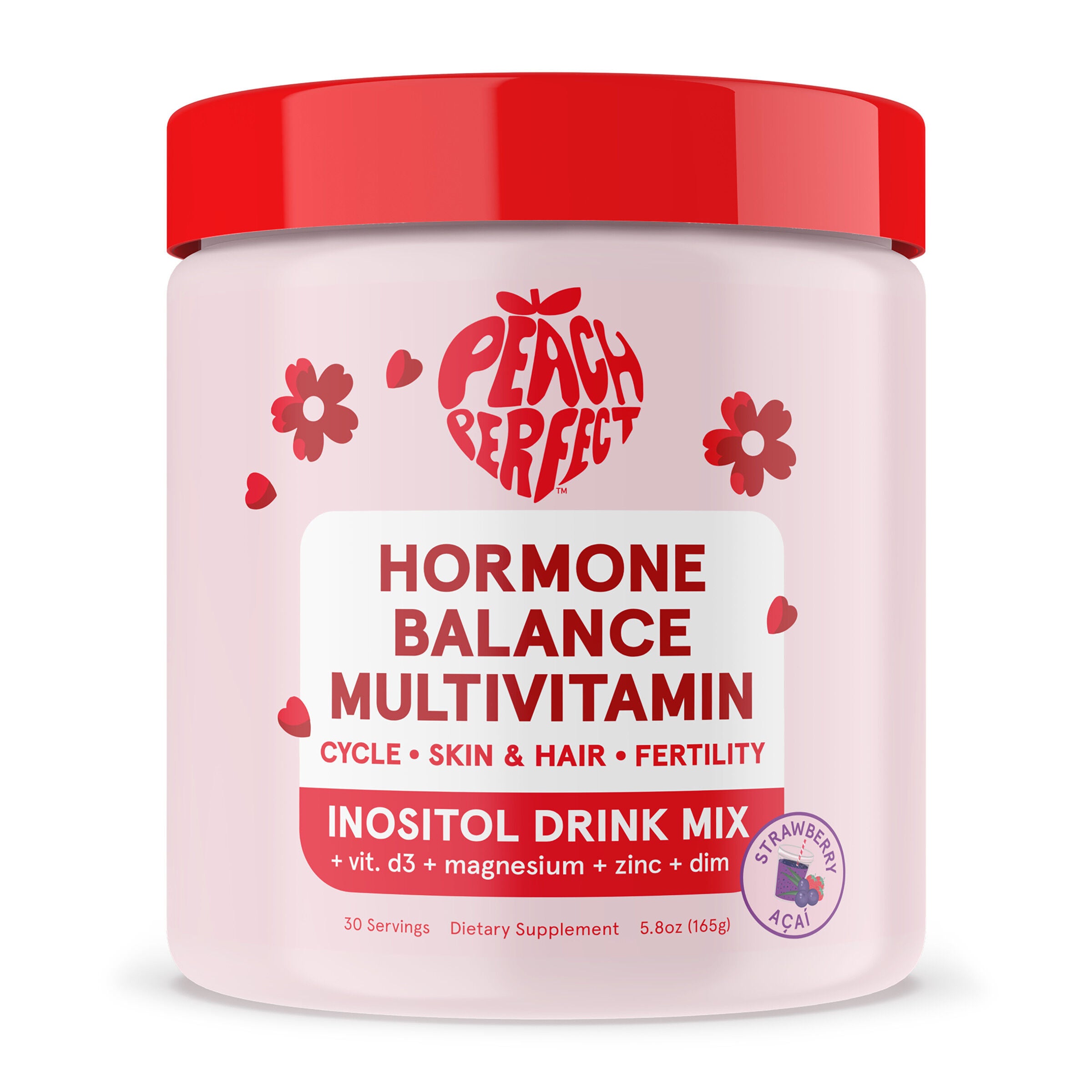
Inositol powder with no artificial colors is a dietary supplement format for shoppers who prefer powdered inositol without added artificial coloring. These products are intended for use according to their individual label directions, often mixed into a beverage or another preparation specified on the container. Inositol is a naturally occurring compound found in foods such as fruits, beans, and grains; myo-inositol is a form commonly listed on supplement labels. The powder format may appeal to adults who prefer mixing a measured serving rather than taking capsules, or who want to compare ingredient lists with a particular focus on coloring agents. “No artificial colors” describes one aspect of the formula, not every ingredient choice. It does not automatically mean the powder has no added flavors, sweeteners, preservatives, or other ingredients, and it does not establish suitability for someone with a food allergy or dietary restriction. Those details require a closer look at the individual product label. A single-ingredient powder contains only inositol, while a blended formula includes additional components. The named form of inositol also matters when comparing labels, since different forms or combinations are not identical just because they share the same general name. Appearance alone is not a reliable shortcut for checking the formula: a powder without added coloring may have a white or off-white appearance, but its color does not replace a look at the ingredient list. Likewise, unflavored and without artificial colors are separate descriptions. An unflavored formula has no added flavoring, but its ingredients may still contribute a mild taste. A useful comparison starts with the exact ingredient name, the Supplement Facts panel, the amount listed per serving, and any accompanying statements about additives. This keeps the focus on what the powder actually contains rather than broad descriptions such as “pure” or “clean.” For someone seeking a straightforward formula, a short ingredient list may be appealing, while the contents and serving directions provide the more specific information needed to compare options.
Preparation is another practical difference worth considering when choosing inositol powder without artificial colors. Water, juice, and smoothies are familiar mixing options, but the directions on each container determine the intended preparation. A person who usually carries a water bottle may prefer a formula intended for mixing with water, while someone who makes a breakfast smoothie may look for directions that accommodate that routine. Without added flavoring, a powder may fit more readily into an existing beverage preference, although the finished taste and texture depend on both the formula and the drink. A mild-tasting powder mixed into a fruit smoothie may be less noticeable than the same powder mixed into plain water. No added artificial coloring also does not mean a beverage will remain visually identical after mixing; suspended powder may temporarily affect its appearance. Follow any mixing instructions, including the suggested liquid amount, rather than assuming every powder behaves the same way. If a scoop is included, use it as directed, and distinguish the amount of inositol per serving from the amount of powder in that serving. A blended formula, for example, contains ingredients in addition to inositol, so its serving weight is not necessarily the same as its inositol content. Measurements on labels may appear in grams or milligrams; one gram equals 1,000 milligrams. That conversion helps with comparing stated amounts, but it does not determine an appropriate serving. The package directions remain the reference for preparation and use. Container size deserves similar attention: the weight printed on the front and the number of servings describe different things. A larger package does not necessarily contain more servings if its labeled serving size is also larger. For a routine built around a specific cup, shaker, or smoothie jar, clear directions and a measuring tool that matches the label may matter more than the appearance of the container. Keeping the original label accessible also makes it easier to check these details each time.
Packaging and storage are part of choosing a powder that fits everyday use. Containers may differ in opening width, closure style, and whether a measuring scoop is included. A wide opening may make it easier to reach the powder without brushing a spoon against the rim, while a resealable pouch may occupy less cabinet space. Whatever the package style, follow its storage instructions and keep the closure secure between uses. Moisture introduced by a damp scoop or droplets around a drinking glass may contribute to clumping, so a dry measuring utensil and a clean preparation area are useful practical considerations. Avoid storing a scoop in contact with a wet countertop before returning it to the container. If powder is transferred to another container, retain the original ingredient list, serving directions, and date information rather than relying on memory or an unlabeled jar. For someone who regularly prepares beverages away from home, the package’s closure and the ability to keep its directions readable deserve attention alongside the formula itself. Ingredient preferences also merit separate checks. Shoppers interested in another additive category can compare inositol powder with no preservatives, while remembering that a statement about preservatives does not establish whether artificial colors, flavors, or sweeteners are present. Similarly, a no-artificial-colors statement does not answer questions about gluten, dairy, soy, or other ingredients of personal concern. Specific label statements and ingredient information offer a clearer basis for those comparisons. The most relevant choice is a powder whose listed contents, labeled serving, preparation method, and packaging align with the shopper’s preferences and intended routine. Looking at those details together keeps the decision grounded in the formula and its practical use, rather than treating the absence of artificial colors as a description of every feature.
Best Sellers


Related Pages
Top Collections
- Joint Mobility Supplement Packs
- Daily Collagen Supplements | Top Brands & Deals | GNC
- GLP 1 Support For Adults
- Zinc Supplements | Top Brands at Great Prices | GNC
- Supplements For Yoga Joint Flexibility
- Supplements For Balance
- Capsule Supplements For Energy And Stamina
- Adult Mobility Supplements
- Chronic Fatigue Supplements
- Vitamins For Hair Loss