





Iron Complex Capsules For College Students
(0 Results)
Iron complex capsules for college students are a convenient option for those looking to support their daily wellness routine while managing busy class schedules and extracurricular activities. With the demands of coursework, part-time jobs, and social commitments, finding easy ways to prioritize well-being may be top of mind. Explore iron complex capsules for college students that fit seamlessly into your everyday regimen as you navigate campus life.

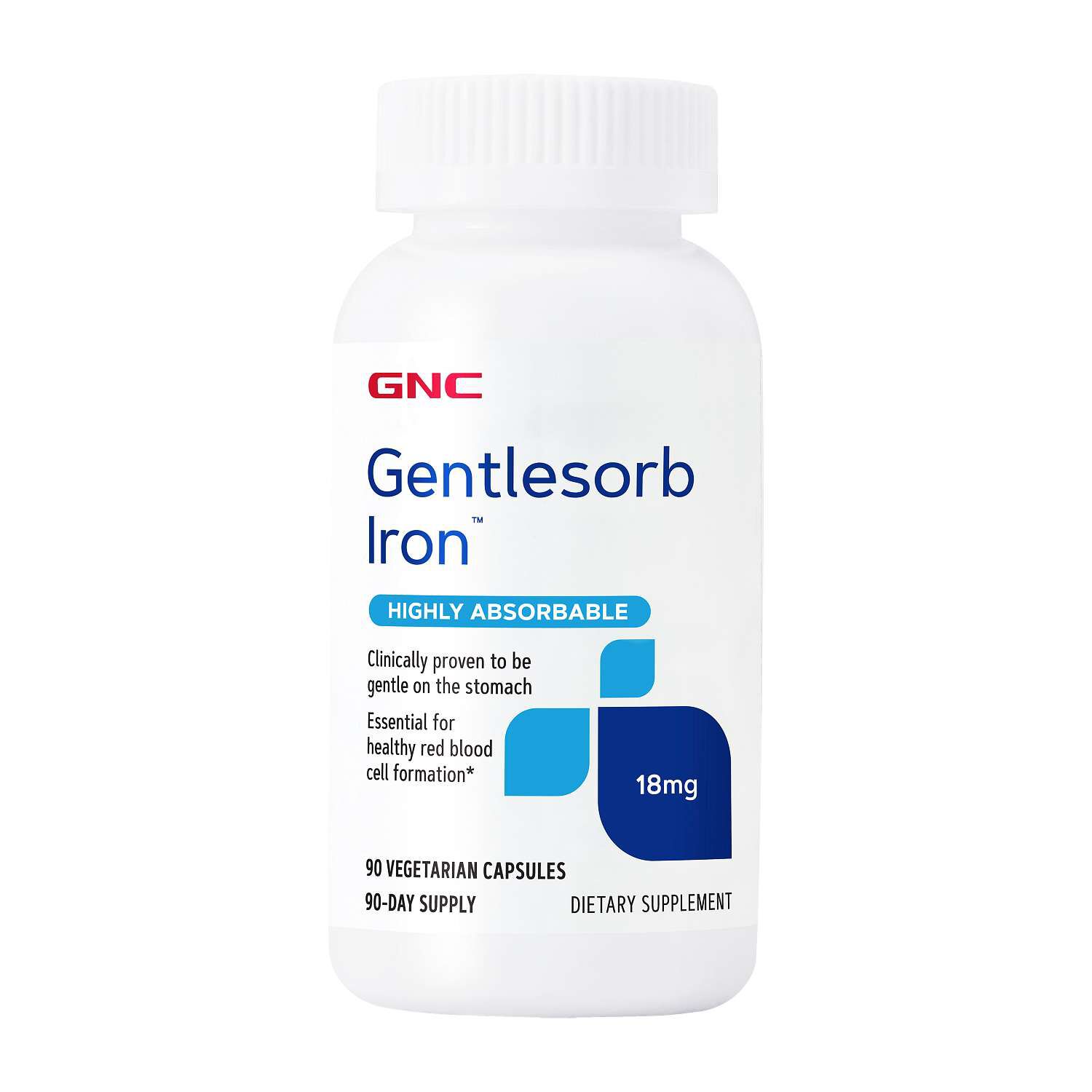
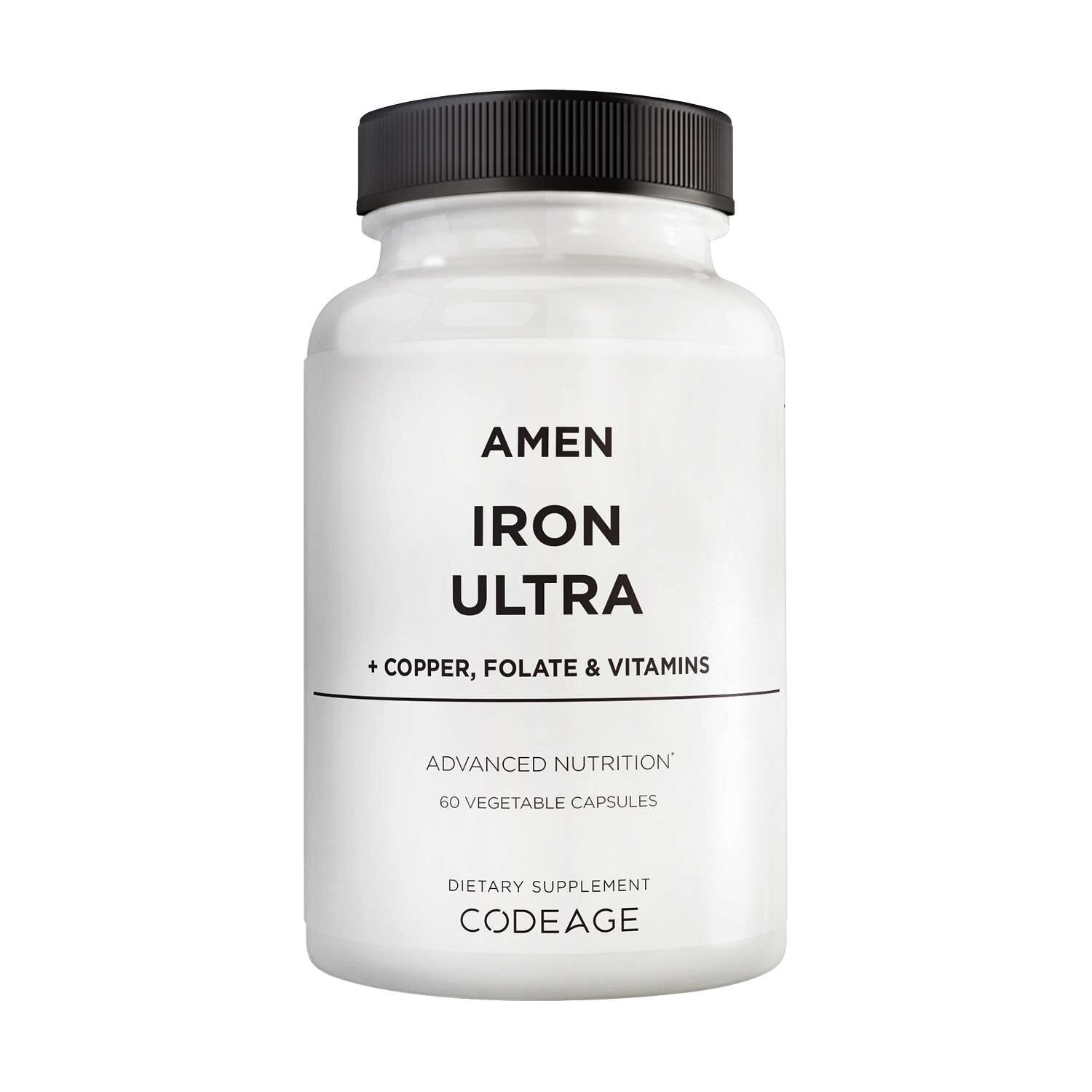
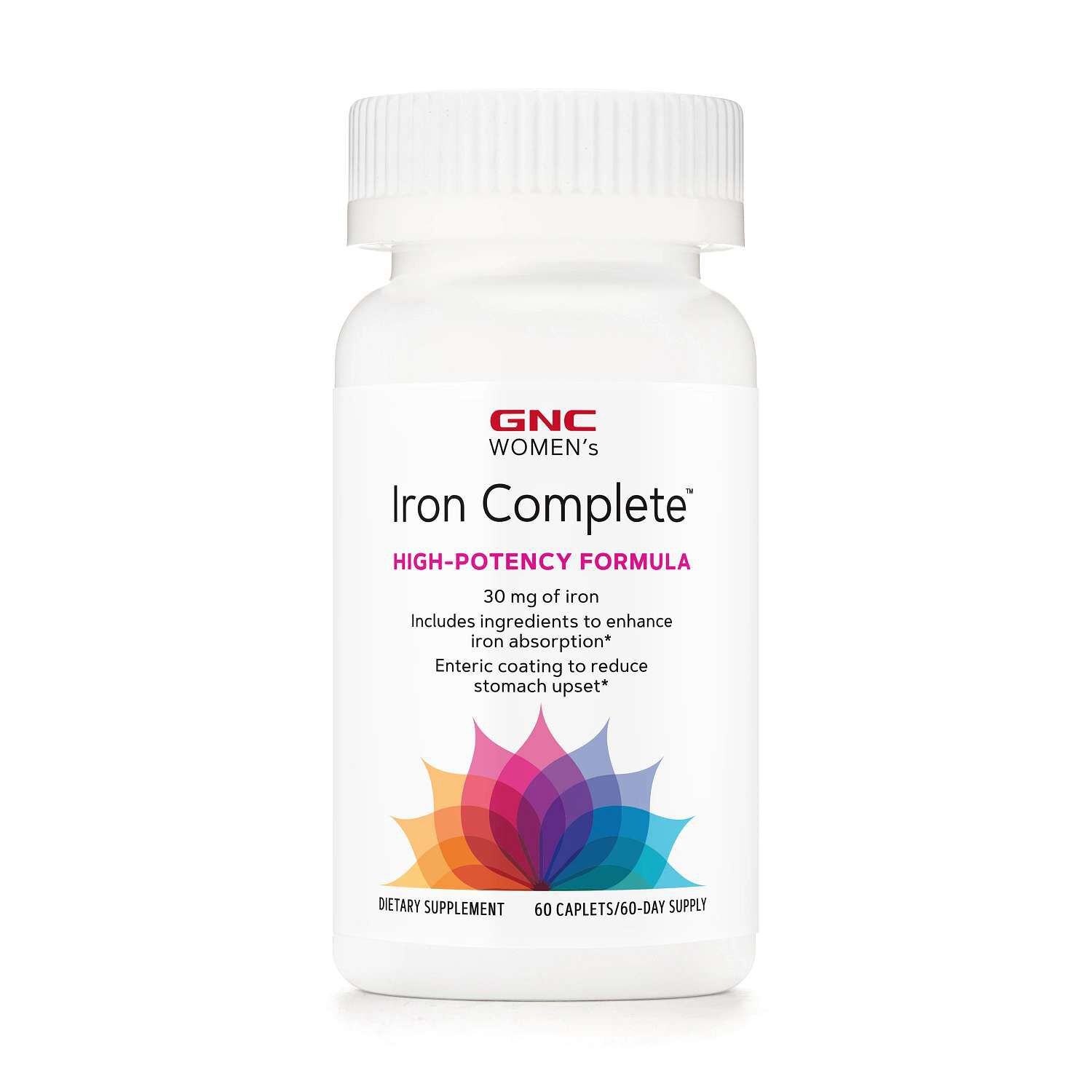
Iron complex capsules for college students are dietary supplements that pair iron with additional nutrients in a capsule format. Depending on the formulation, those accompanying nutrients may include vitamin C, vitamin B12, or folate. The word “complex” describes a combination rather than a standardized recipe, so formulas with similar names can have different ingredients, serving sizes, and amounts of iron. For students comparing options between a morning lecture, a dining hall lunch, and an evening library session, those differences are more meaningful than packaging that simply looks suited to a busy routine. Iron complex capsules may complement an eating pattern when supplemental iron is appropriate, but a packed class schedule does not establish a need for iron. College dining can range from carefully planned apartment meals to whatever fits between classes, rehearsals, work shifts, and club meetings. Familiar foods such as meat, beans, lentils, and fortified cereals contribute dietary iron, while the mix of foods on a student’s plate varies with preferences, dining access, and personal circumstances. Students following vegetarian or vegan eating patterns may have different questions about ingredients and food sources than students eating a mixed diet. Neither eating style, by itself, determines which supplement is suitable. This category is therefore better understood through its formulations and labeling than through assumptions about what every college student needs. A capsule is not a replacement for meals or sleep, and an iron supplement should not be presented as a shortcut to academic performance. Questions about whether supplemental iron belongs in an individual routine are appropriate for a qualified healthcare professional. For shoppers who already have that context, iron complex capsules offer a category in which to compare nutrient combinations, capsule materials, serving information, and packaging details. The most relevant distinctions are concrete: what is inside the capsule, how much is listed per serving, and how clearly the label describes the formula.
Within the broader Iron Capsules category, complex formulations are distinguished by the nutrients included alongside iron. Vitamin C, vitamin B12, and folate are separate nutrients, and their presence should be confirmed on the Supplement Facts panel rather than assumed from the front label. Some combinations include several accompanying nutrients; others take a narrower approach. More ingredients do not automatically make a formula more appropriate for a particular person. The amount of iron listed per serving also matters independently of the overall size of the capsule. Supplement labels generally identify the amount of elemental iron, meaning the iron itself rather than the weight of the entire compound used to supply it. Ingredient names such as ferrous fumarate, ferrous gluconate, or iron bisglycinate describe different forms, not interchangeable measures of the amount in a serving. The serving size provides another important distinction: a capsule count on the bottle is not necessarily the same as the number of servings. A package containing a given number of capsules may represent fewer servings when the labeled serving includes more than one capsule. Percent Daily Value provides a label reference, not a personalized recommendation for an individual student. These details make side-by-side comparisons more meaningful than bottle size alone. Capsule materials are another consideration, particularly for shoppers with dietary preferences. Shells may use gelatin or plant-derived materials such as cellulose, while other ingredients may include fillers, color ingredients, or substances used during manufacturing. A plant-derived shell does not, by itself, describe every ingredient in the formula. Dietary designations and allergen statements provide additional context where relevant. Capsule dimensions can also matter to someone with a preference for a smaller format, although photographs rarely provide a dependable sense of size. Clear package descriptions are useful when comparing physical characteristics. For a student who already uses a multivitamin or another supplement, overlapping ingredients are a separate point to discuss with a pharmacist or other qualified healthcare professional rather than treating each bottle as an isolated choice.
The practical side of iron complex capsules is especially relevant in shared living spaces, where a narrow desk shelf may hold textbooks, headphones, and a week’s worth of mail. Packaging with readable ingredient information, a clearly marked serving size, and an intact closure may make a supplement routine easier to organize without turning the bottle into another source of clutter. Original packaging also keeps the Supplement Facts panel, storage directions, lot information, and expiration date with the capsules. Those details can be useful when a student moves between a residence hall and a family home or brings a bottle to an appointment to discuss its ingredients. Storage requirements vary by formulation, so the package directions remain the reference for where and how the capsules belong. A bottle’s closure, label quality, and suitability for repeated handling are more relevant durability considerations than the capsule shell itself, which is intended for consumption rather than extended exposure outside its container. In a shared apartment or dorm room, a designated personal storage location may also help distinguish one person’s supplements from a roommate’s belongings. Students who travel for internships, performances, or visits home may place particular value on packaging that keeps identification and directions together. Parents and other supporters researching this category may find the ingredient and label details more useful than broad language about college life; supplements are personal purchases, not an automatic addition to a campus care package. Preferences about capsule materials, existing supplement use, and professional guidance can all affect whether a formula is relevant to the intended recipient. Across these everyday situations, the category remains centered on dietary supplementation rather than studying stamina or long nights at the library. Thoughtful comparison comes back to the same practical features: the iron amount per serving, the accompanying nutrients, the capsule composition, and the information supplied on the label. Those specifics provide a clearer picture of an iron complex than a student-focused name alone.
What are iron complex capsules and how do they differ from regular iron supplements?
Iron complex capsules typically combine iron with other nutrients such as vitamin C, B vitamins, or folic acid and may support absorption and overall wellness. This combination may be helpful for college students with busy lifestyles who want additional nutritional support.
Why might college students consider taking iron complex capsules?
College students often have demanding schedules and may not always get enough iron-rich foods in their diets. Iron complex capsules may help fill nutritional gaps and support everyday wellness during periods of intense study.
How should iron complex capsules be incorporated into a daily routine?
Serving sizes and timing can vary by product, so follow the directions on the product label. Many students may choose to pair supplements with a meal as directed and maintain a balanced diet.
Are there any dietary considerations when taking iron complex capsules?
Certain foods and beverages, like coffee, tea, or high-calcium foods, may affect iron absorption. Check product directions for timing guidance, and consider water or juice if noted on the label.
Can both men and women in college consider iron complex capsules?
Both male and female college students may consider iron complex capsules, especially if their diets do not include many iron-rich foods. Individual needs can vary based on factors like diet, activity level, and overall health.
Best Sellers

Related Pages


Top Collections
- Joint Mobility Supplement Packs
- Daily Collagen Supplements | Top Brands & Deals | GNC
- GLP 1 Support For Adults
- Zinc Supplements | Top Brands at Great Prices | GNC
- Supplements For Yoga Joint Flexibility
- Supplements For Balance
- Capsule Supplements For Energy And Stamina
- Adult Mobility Supplements
- Chronic Fatigue Supplements
- Vitamins For Hair Loss