Kosher Amino Acids
(0 Results)
Kosher amino acids could be a convenient option for those seeking to support their wellness goals while adhering to dietary guidelines. Whether you’re looking to complement your fitness routine or simply add variety to your daily regimen, kosher amino acids may fit seamlessly into a balanced lifestyle. Explore a selection that might align with your nutritional preferences and support your journey toward overall well-being.
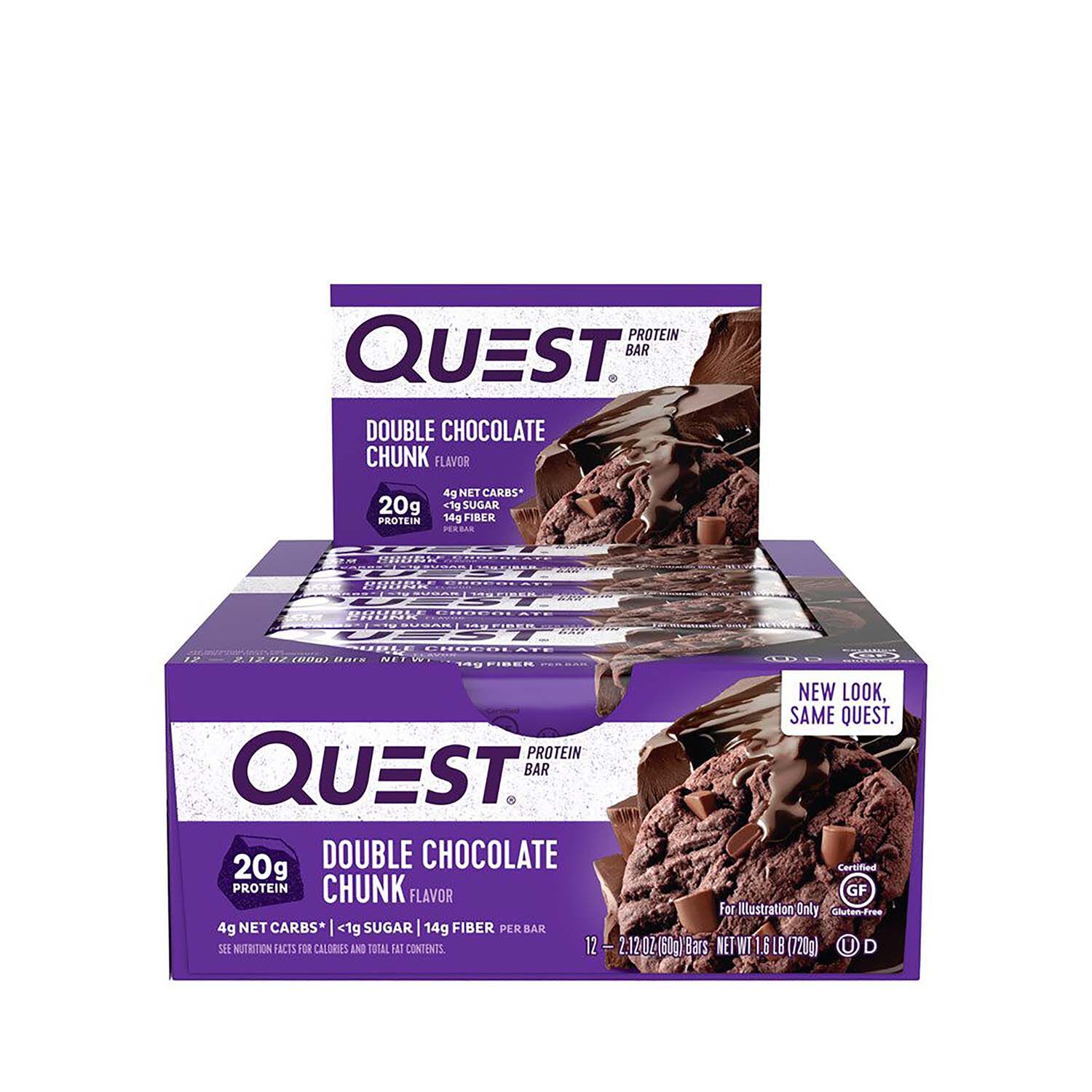
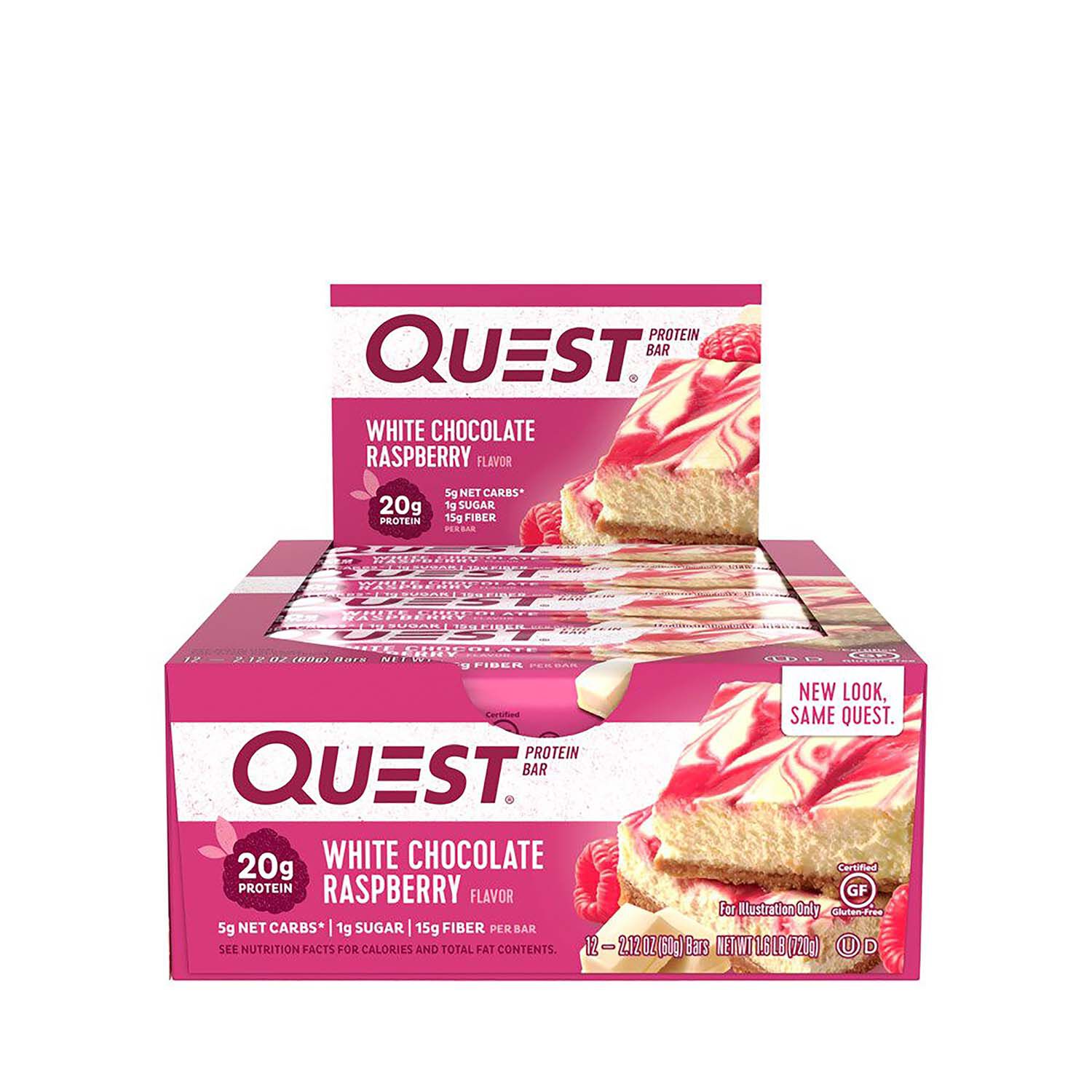


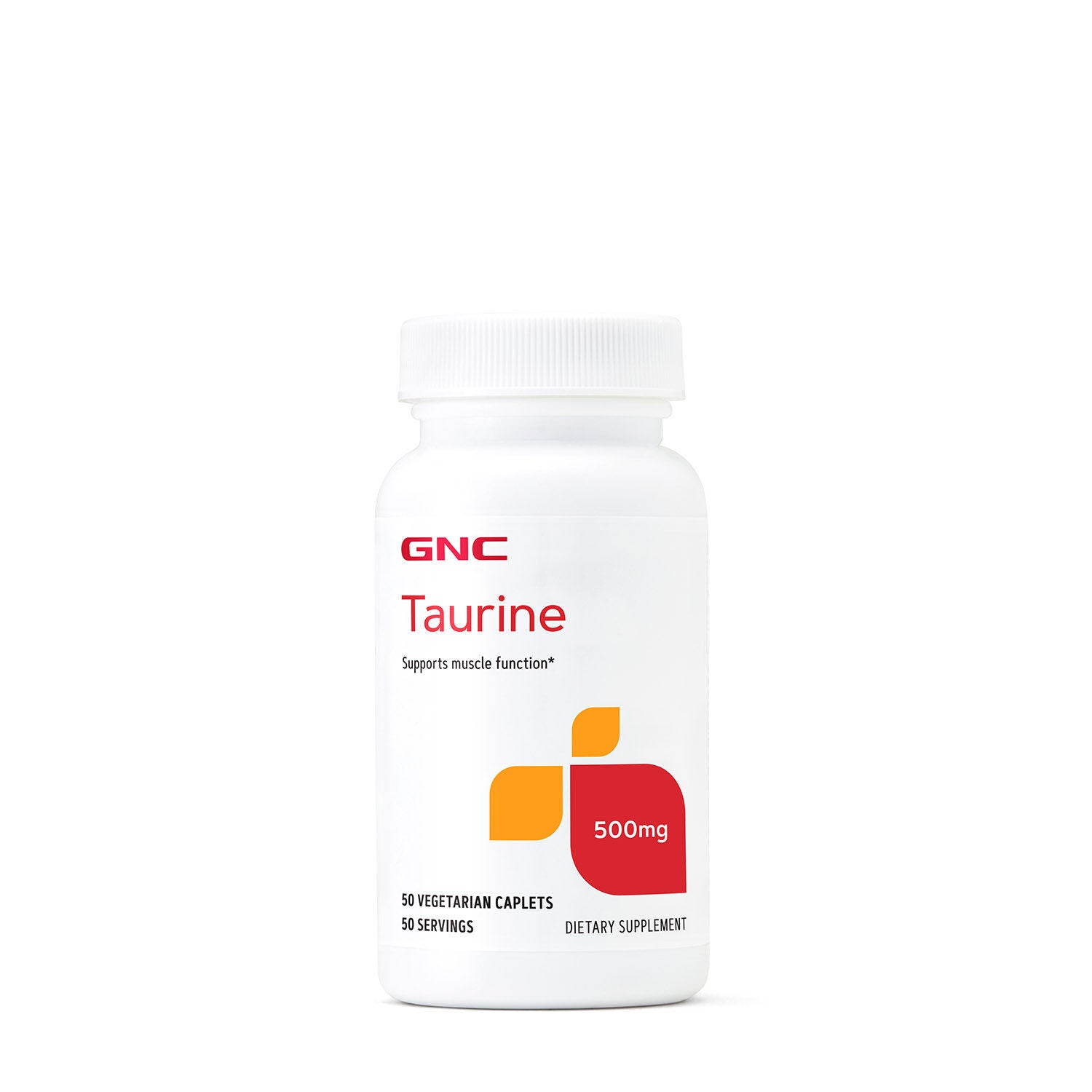





Kosher amino acids offer a convenient way to shop for amino acid supplements while keeping kosher dietary practices in view. These products may include capsules, powders, tablets, or liquid concentrates, with formulas made from plant sources, dairy proteins, egg proteins, or manufactured amino acid compounds. Amino acids are commonly described as building blocks of protein, so shoppers may choose them as part of a broader nutrition routine that includes meals, hydration, and regular movement. Because formulas can vary considerably, reading the Supplement Facts panel and the ingredient list remains an important part of the purchase process. Pay attention to the serving size, the amount and type of amino acids included, flavoring agents, sweeteners, colors, and any additional ingredients. Some shoppers prefer a simple formula with individual amino acids, while others may look for blends designed to fit around a workout routine or a convenient daily schedule. The selection of Free Form Amino Acids may be useful for comparing formats and ingredient profiles before choosing a kosher option. A powder can be stirred into water or another beverage at home, capsules may suit a packed schedule, and liquid formulas could appeal to people who prefer a ready-to-use option. These products may be used according to the directions on the label, often alongside meals or around physical activity, depending on the formula and personal preferences.
Kosher supervision involves more than reviewing the primary amino acid source. Processing aids, fermentation media, flavorings, capsule materials, and other supporting ingredients may also be reviewed as part of certification. Look for a recognized kosher symbol on the package, such as OU, Kof-K, or Star-K, and check the exact symbol and designation rather than relying only on a general description in a product title. The difference between Pareve and Dairy may also matter. Pareve products are generally made without dairy ingredients and may be a practical choice for shoppers who wish to keep a neutral designation in mind when planning meals. Dairy products may contain ingredients derived from milk proteins and may be appropriate for shoppers whose kosher practices allow that designation. Plant-based or manufactured formulas are often associated with Pareve certification, although the certification shown on the specific package remains the best reference. Ingredient sources can be especially relevant for people who avoid particular foods, follow a vegan or vegetarian pattern, or prefer to know whether a formula comes from soy, corn, egg, dairy, or another source. Shoppers may also want to review allergen information, serving directions, storage instructions, and whether the product is flavored or unflavored. When a package has a kosher symbol that differs from one a household usually purchases, checking with a trusted kosher authority may help clarify whether it fits personal observance.
Kosher amino acids may fit a variety of routines, from someone organizing a gym bag before an early workout to a busy professional looking for a compact supplement format for travel. A shaker bottle and single-serve packets may be convenient during the warmer season, while capsules or a shelf-stable liquid may feel especially practical during the cooler months, when daily schedules often become more structured around work, school, and indoor activities. Athletes and recreational exercisers may include amino acid products in a larger nutrition plan that features balanced meals and sufficient fluids, while other shoppers may simply appreciate the format and the ability to select a formula that matches their dietary preferences. As with any supplement, product directions provide the appropriate serving information, and personal dietary needs can vary. A kosher amino acid product could also make a thoughtful gift for a friend who enjoys cooking, training, hiking, or maintaining a carefully organized pantry, provided the kosher designation, source ingredients, and format match that person’s preferences. For a gift, an unflavored powder may offer flexibility, while a flavored powder or liquid may be easier for someone who values convenience. A well-chosen option may feel personal without requiring knowledge of a recipient’s exact routine: consider whether they prefer capsules or beverages, Pareve or Dairy products, plant-based ingredients or another source, and a compact container for a gym bag or travel case. Reviewing these details can make it easier to compare kosher amino acids with confidence and select a product that fits the shopper’s everyday habits.