L Carnitine Energy Support Liquids
(0 Results)
L carnitine energy support liquids offer a convenient way to incorporate this popular supplement into your daily routine. Designed for those with active lifestyles, these liquid formulas may fit seamlessly into your wellness plan. Explore a variety of options that could support your fitness goals and help you stay on track. Discover how l carnitine energy support liquids might become a valuable part of your supplement regimen.
-

-

-

-

-
-

-

-
-

-
-
-
 NDS Nutrition$69.99
-

-

-
-
-
-
 NDS Nutrition$69.99
-
 NDS Nutrition$69.99
-

-
 $29.99
-

-
-

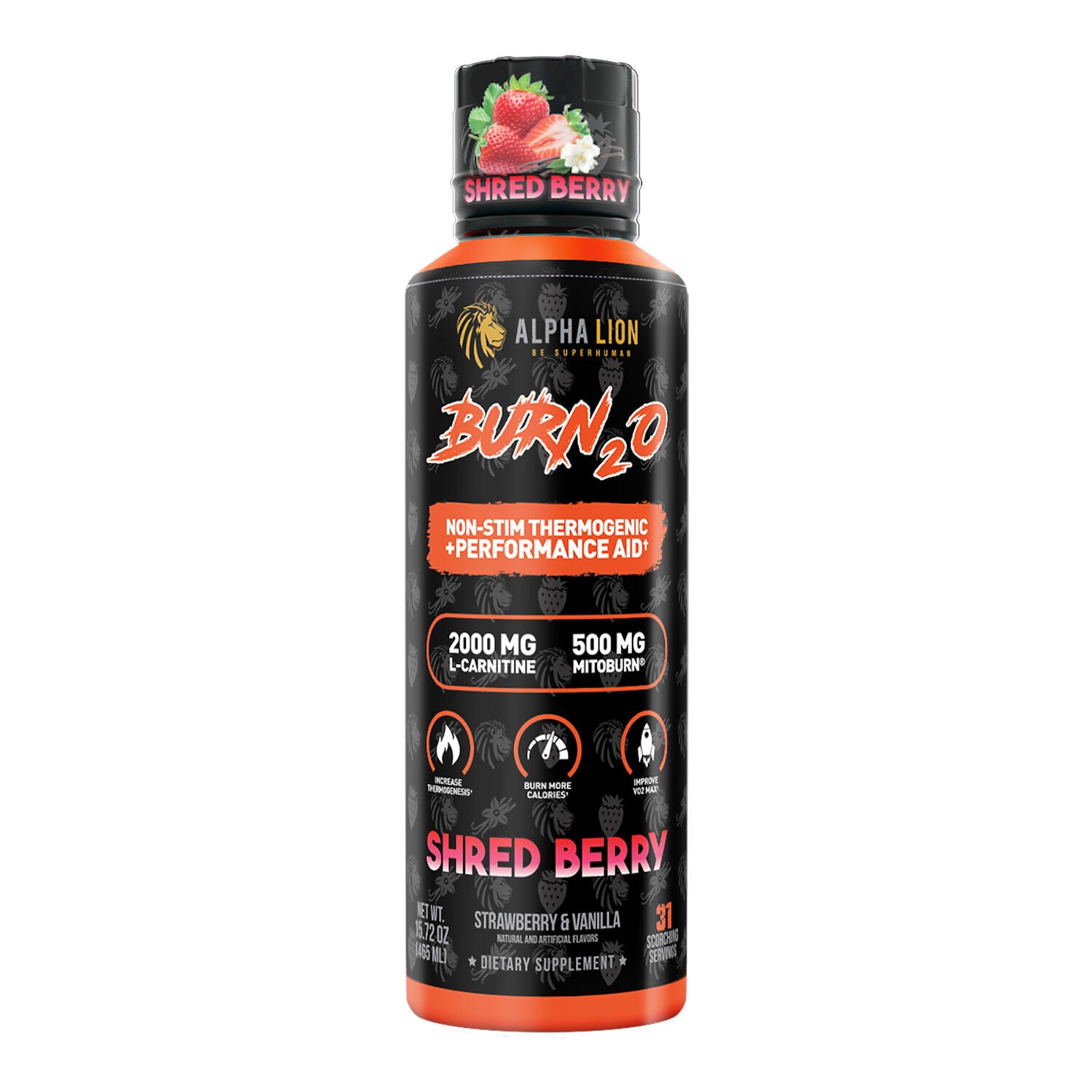
L-carnitine energy support liquids are dietary supplements that offer carnitine in a pourable format, often with flavoring for a more approachable taste. These formulas may support cellular energy metabolism, making them a consideration for adults interested in nutrition for an active lifestyle. Carnitine is a compound naturally present in the body and found in certain foods. Its biological role involves the transport of long-chain fatty acids into mitochondria, where cells use those fats in energy production. That background helps explain why carnitine appears in sports nutrition, but it does not mean a liquid supplement will create an immediate feeling of energy or change the outcome of a workout. Liquid L-carnitine is also distinct from a caffeinated energy drink: some formulas contain no caffeine, while others may combine carnitine with additional ingredients. The individual label, rather than the category name, identifies what a formula contains. For someone who prefers a measured liquid to a tablet or capsule, the appeal may be as practical as the format itself. A bottle can fit into an established supplement routine without adding another solid serving to swallow. Depending on the directions, the liquid may be taken on its own or mixed into a beverage. Flavored versions bring another consideration, especially when a supplement becomes part of a familiar daily ritual. A concentrated fruit flavor taken by itself offers a different experience from the same measured serving diluted in water. Neither the liquid format nor a strong flavor establishes how well a supplement works, and a liquid should not automatically be assumed to absorb faster than other formats. The most useful distinctions are the carnitine form, the amount per serving, the supporting ingredients, and the intended use described on the label. Together, those details provide a clearer picture of an L-carnitine liquid than broad language about energy alone.
Comparing liquid L-carnitine formulas starts with separating the size of the serving from the amount of carnitine it provides. A milliliter measurement describes the volume of liquid, while a milligram amount describes the quantity of the listed ingredient. Two bottles can have similar dimensions yet contain different concentrations and different numbers of servings. A smaller measured portion is not necessarily a smaller amount of carnitine, which makes the Supplement Facts panel a more useful point of comparison than the bottle’s appearance. Ingredient naming matters as well. Labels may identify L-carnitine or a particular carnitine form, and blend formulas may include vitamins, caffeine, or other components. Those additions deserve the same attention as the ingredient named on the front. For someone who already uses several supplements, comparing their ingredient lists can reveal overlap before another formula joins the routine. Flavor, sweetness, and texture are equally practical considerations, even though they do not establish a product’s effects. Fruit-forward liquids can range from bright and tart to softer and sweeter, with the experience depending on the flavoring system and serving method. Shoppers drawn to pineapple, mango, or similar flavor profiles can explore L Carnitine Tropical Flavor Supplements as a related category. The word tropical describes a flavor direction, not a uniform recipe or a statement about fruit content. Sweeteners, preservatives, colors, and other ingredients vary by formula, so the full ingredient list offers context that a flavor name cannot. Preferences around sugar content, animal-derived ingredients, and particular dietary patterns also require label-by-label attention. A liquid format alone does not establish whether a supplement fits a vegetarian or vegan routine. Similarly, an appealing fruit name does not establish its sweetness or how it will taste when diluted. For regular use, those small sensory details may matter more to the experience than an elaborate flavor description.
The everyday fit of an L-carnitine energy support liquid depends on where and how it will be used. An adult who keeps supplements beside breakfast dishes may value a bottle that pours neatly and has clearly readable serving directions. Someone who packs a gym bag before leaving home may pay closer attention to bottle dimensions, closure design, and whether the package is suitable for transport. A screw cap, a narrow opening, or an included measuring component can change the handling experience, although none should be assumed from a product image alone. Liquid containers also need more thought than a pocket-sized capsule organizer: the bottle must stay securely closed, and the label’s storage directions still apply away from home. Material and packaging details matter primarily for protection, cleanliness, and convenience rather than athletic performance. A sturdy-looking container is not necessarily designed to withstand repeated drops or rough handling. At home, a stable storage spot and a clean, appropriate measuring device make the routine more orderly. A kitchen spoon is not a precise substitute for a marked measure, and any instruction to shake the bottle belongs to that particular formula. Directions about refrigeration after opening, expiration dates, and care of the closure likewise vary and should remain attached to the bottle rather than left to memory. These practical details are especially relevant for people who dislike complicated supplement routines and want a format that fits an existing habit. Liquid carnitine may appeal to recreational exercisers, strength-training enthusiasts, or adults comparing alternatives to tablets, but interest in fitness does not make every formula suitable for every person. It is not a substitute for meals, hydration, sleep, or a thoughtfully planned activity routine. Nor does an energy support label establish that a serving belongs immediately before exercise. The stated directions and intended audience remain the appropriate reference points. Viewed this way, the category offers a specific combination of ingredient, liquid delivery, and flavor choice, with the best personal fit resting on transparent labeling and manageable everyday use rather than expectations of a dramatic sensation.