





Lemon Flavored Proteins
(0 Results)
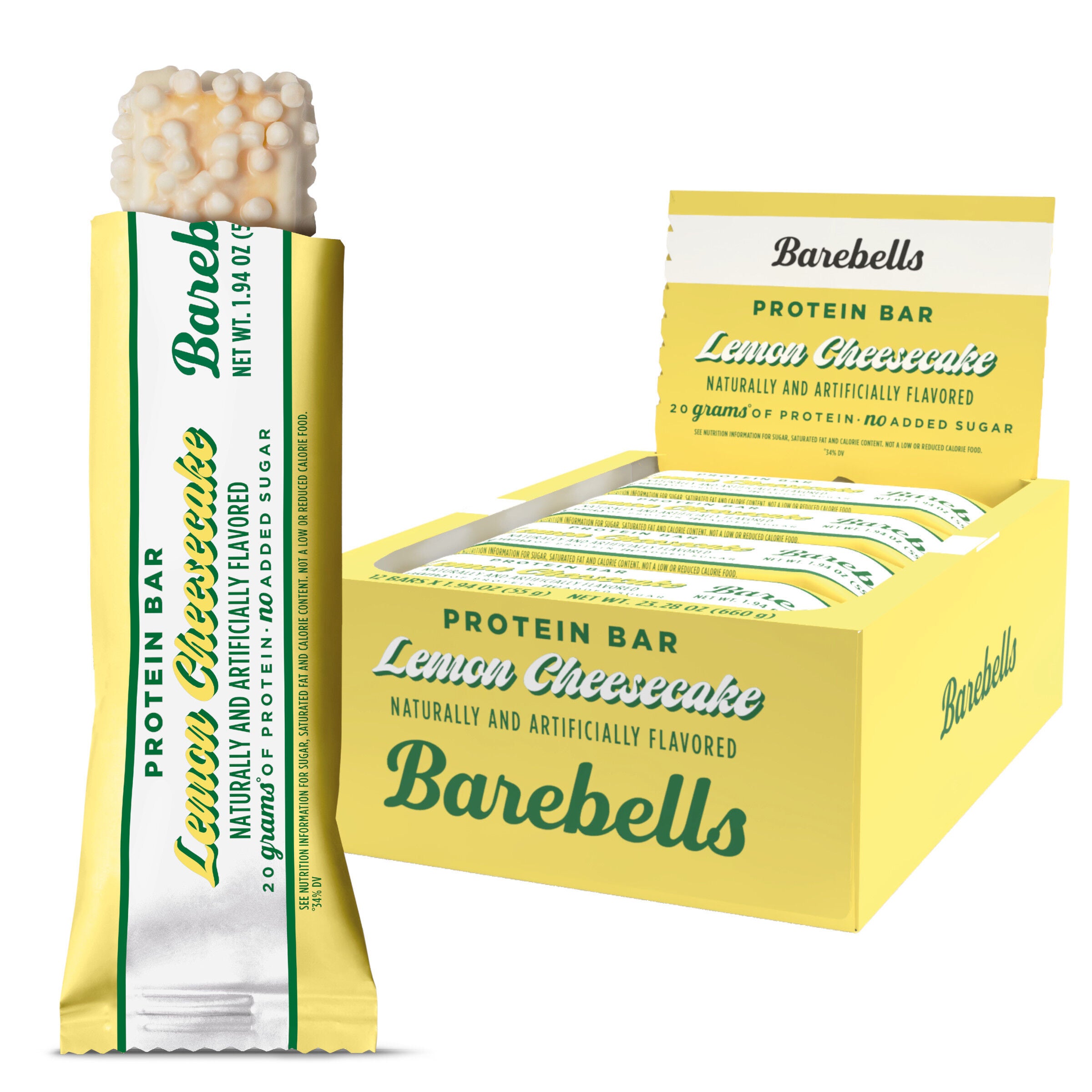
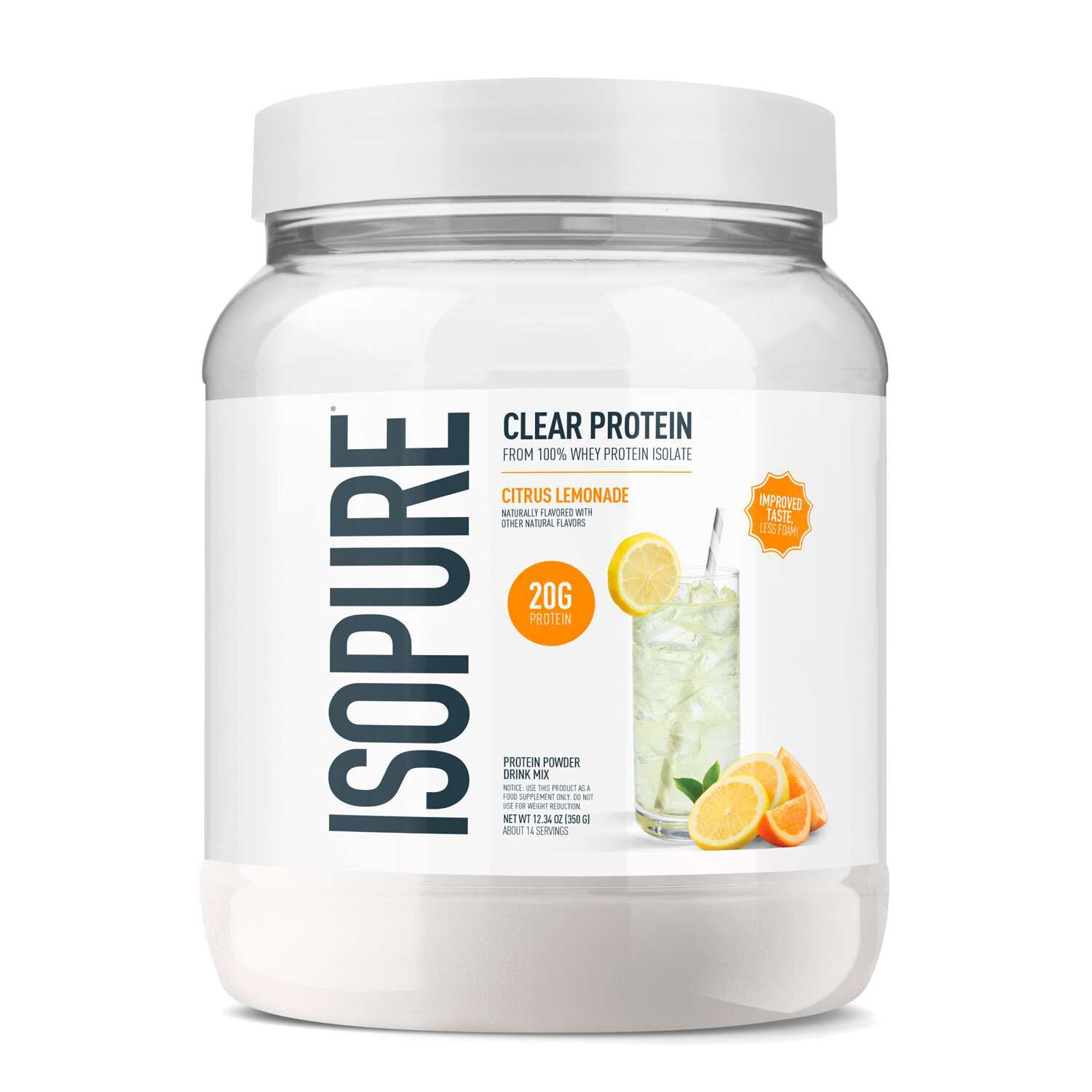
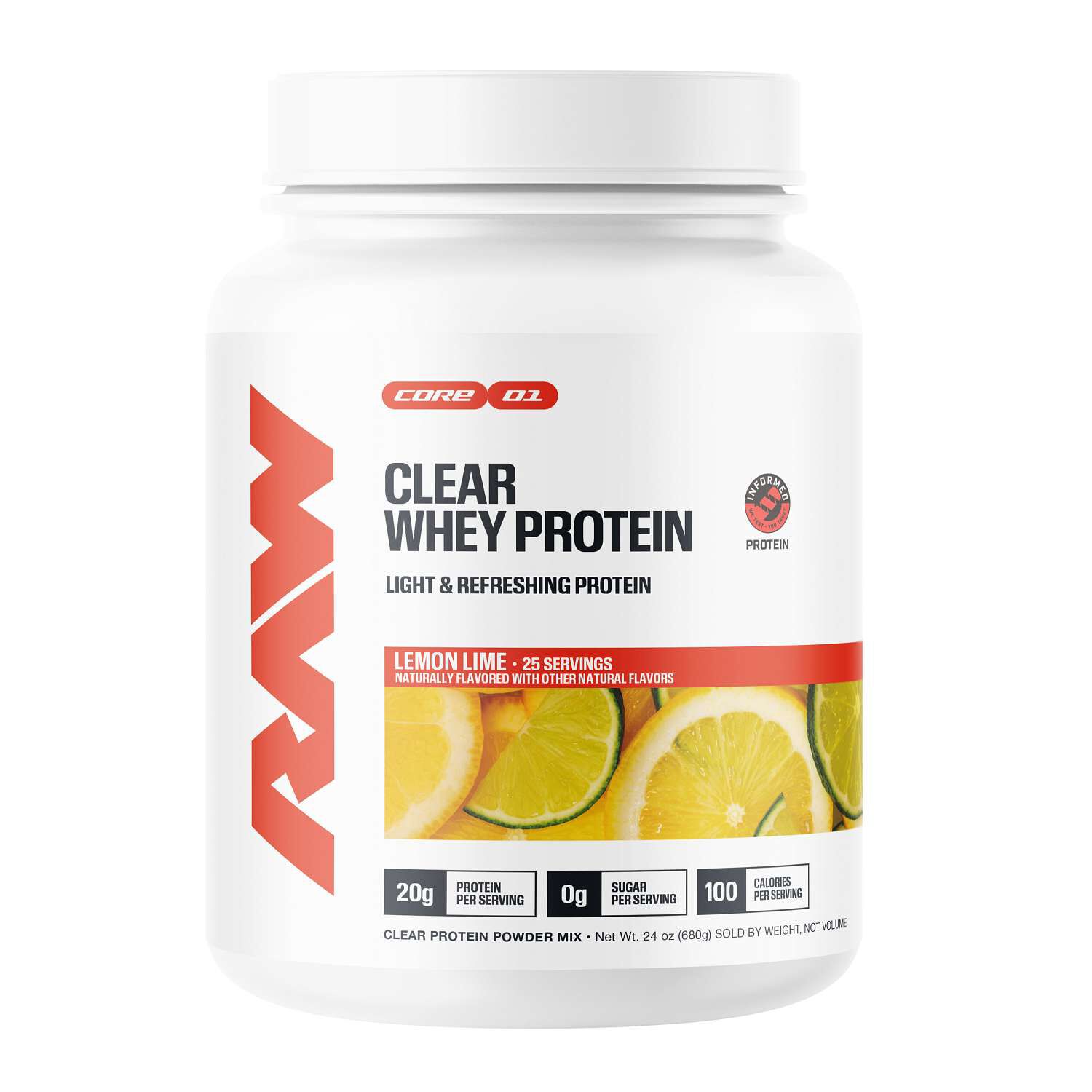
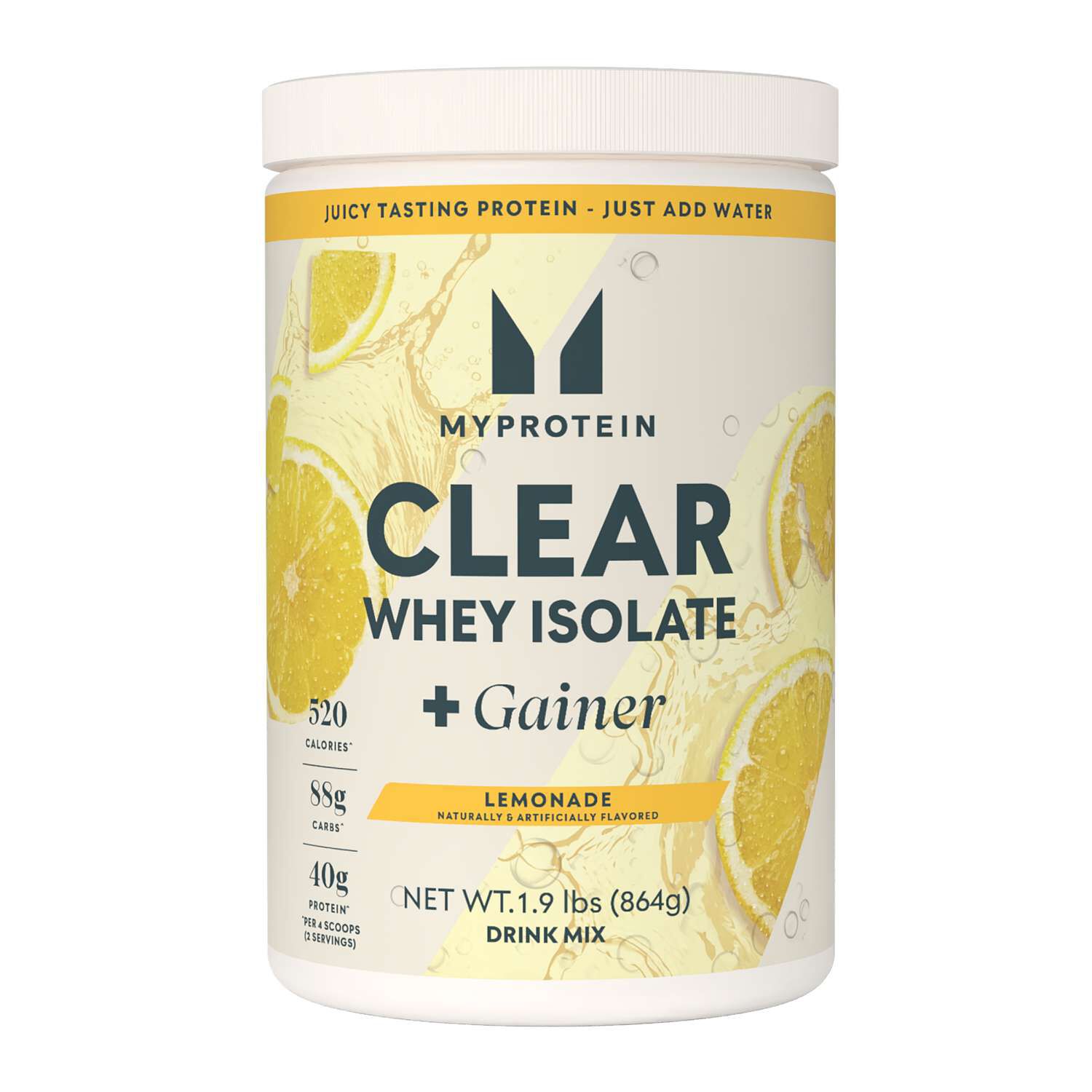
Lemon flavored proteins bring a refreshing twist to your daily routine, offering a bright and citrusy taste that stands out from traditional options. Whether blended into smoothies or mixed with water, these options may provide a flavorful way to enjoy your protein intake. Explore a range of lemon flavored proteins designed to fit seamlessly into your lifestyle and add a zesty note to every serving.
-
-
-

-
.jpg?sw=305&sh=305&sm=fit "Clear Whey Isolate Protein Drink - Lemonade (12 Count) | GNC")
-
-
 $44.99
-
 $12.99
-
 GNC Pro Performance$39.99
-
-
-
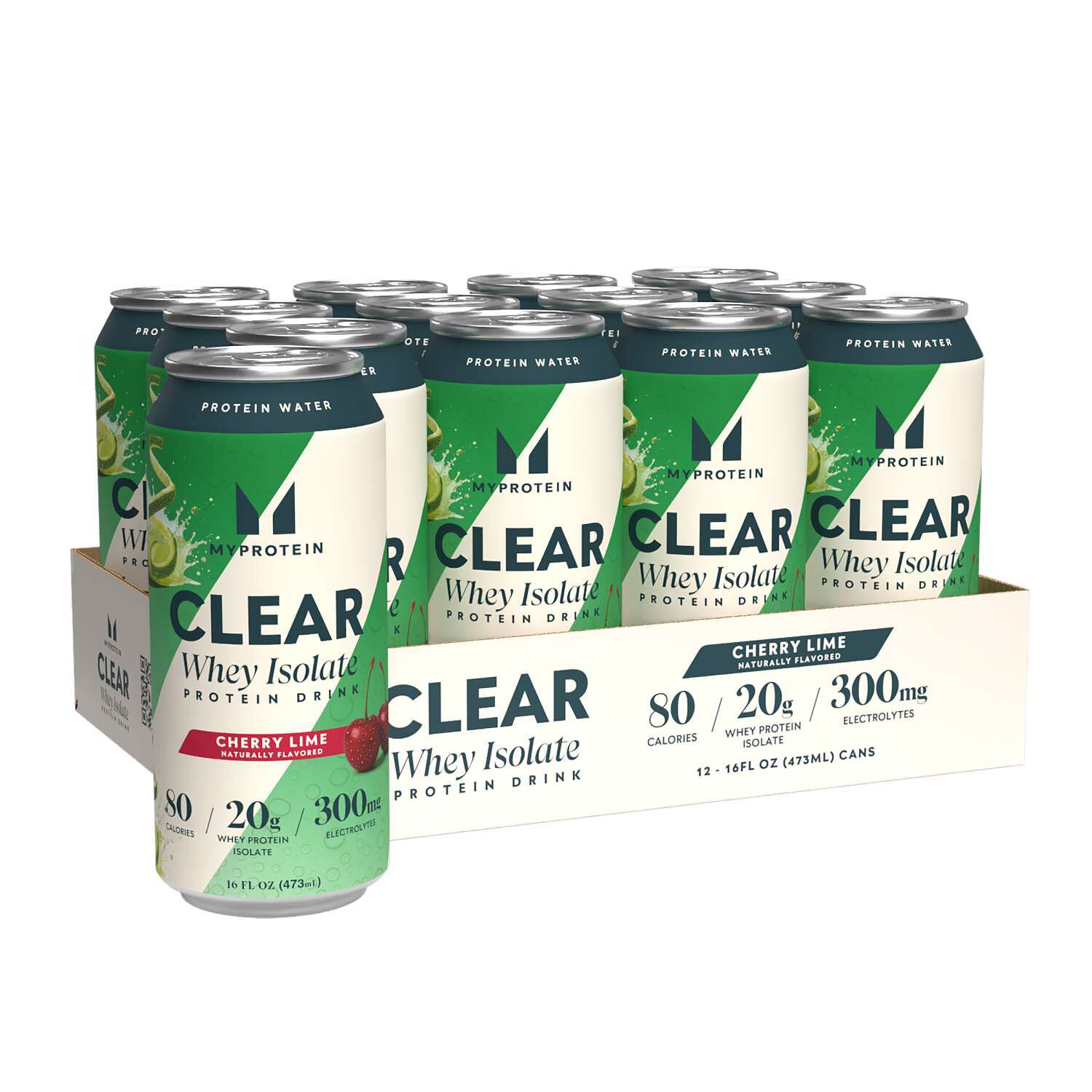
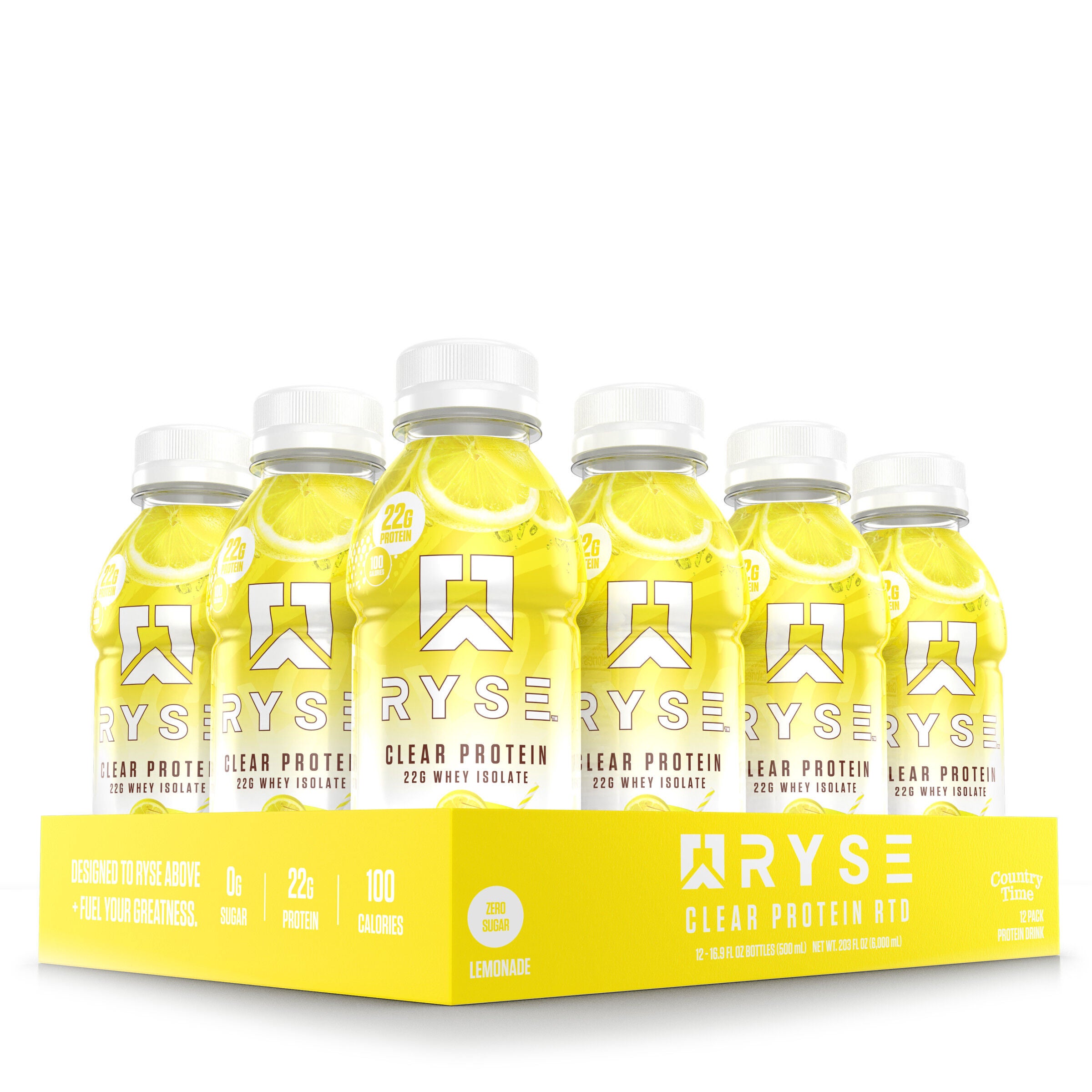
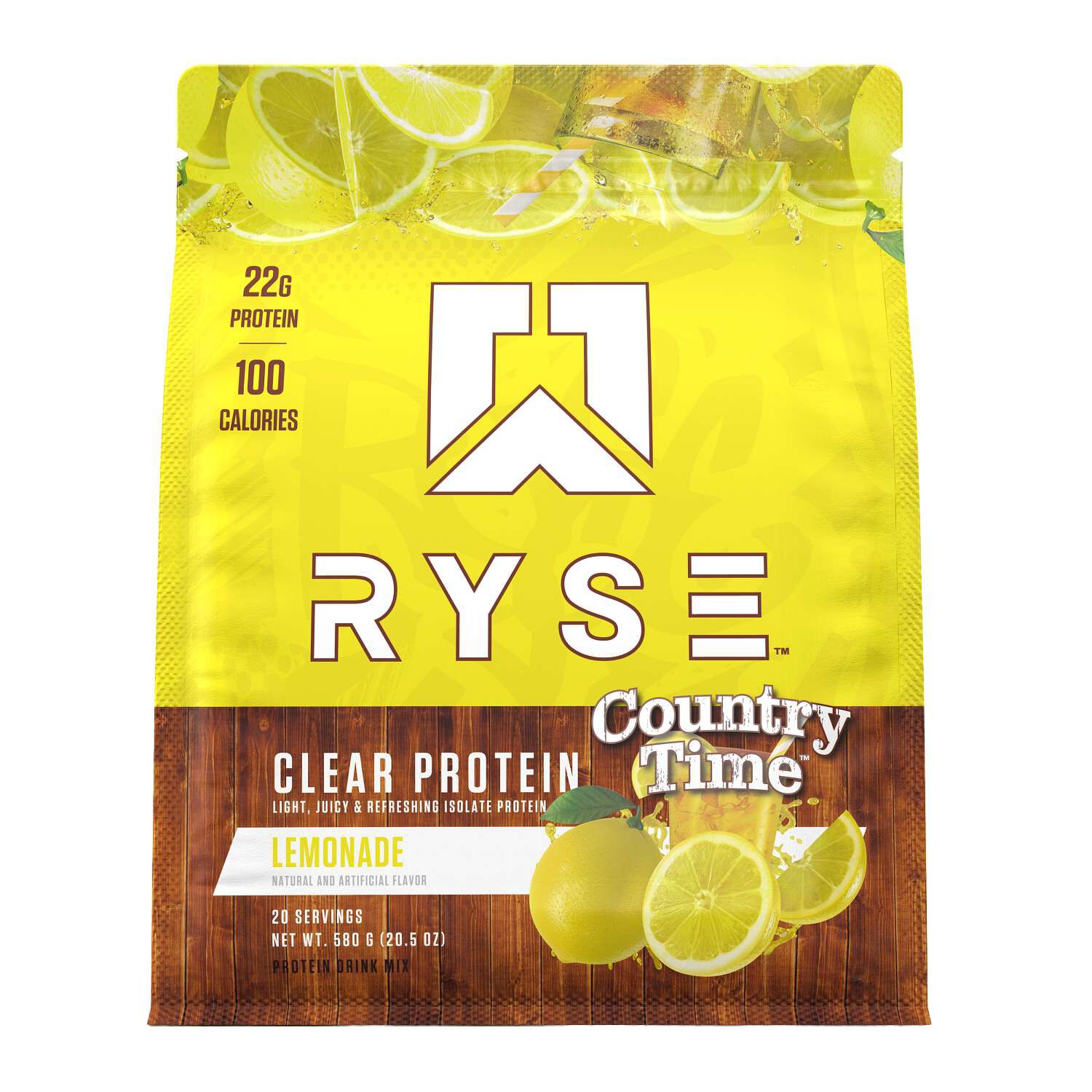
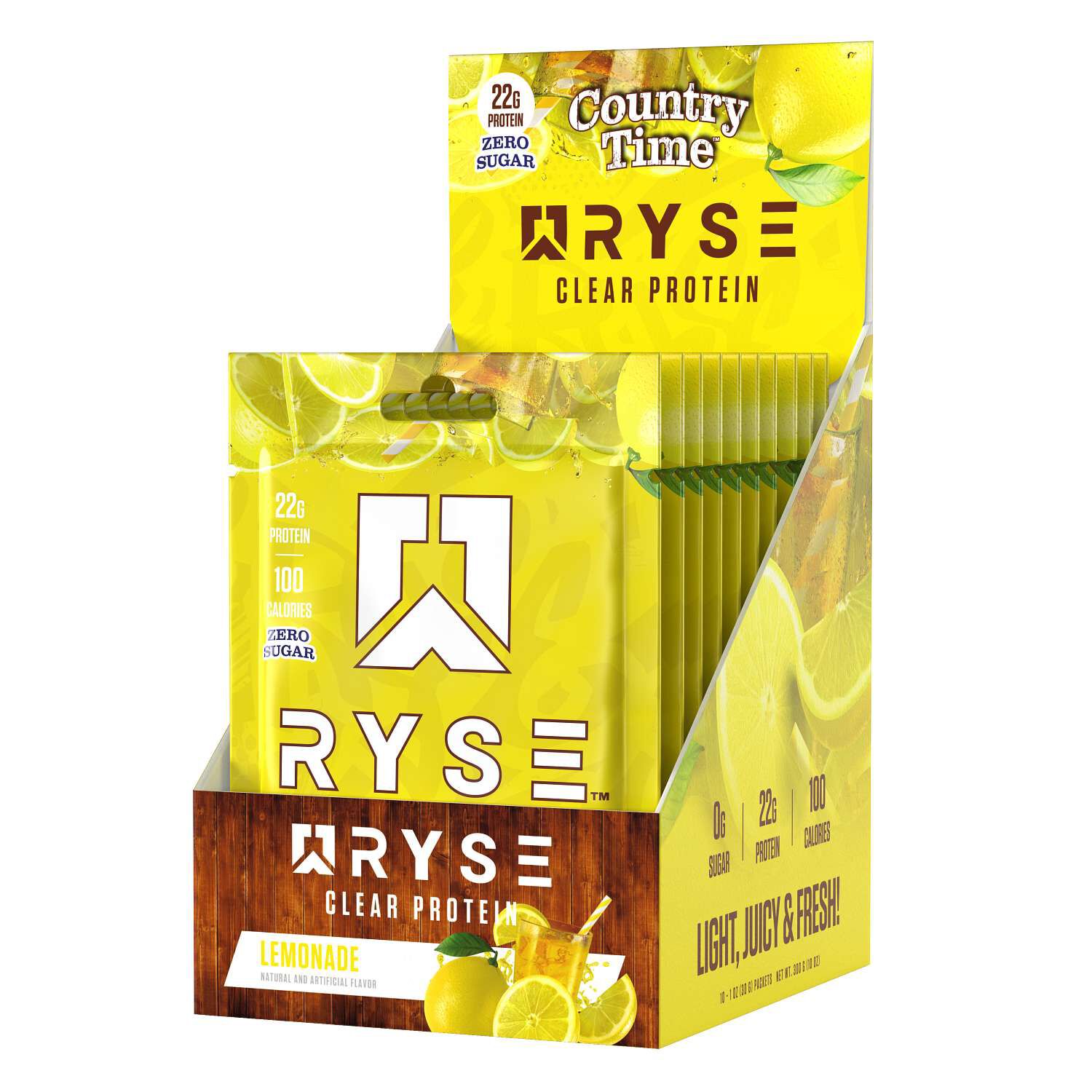
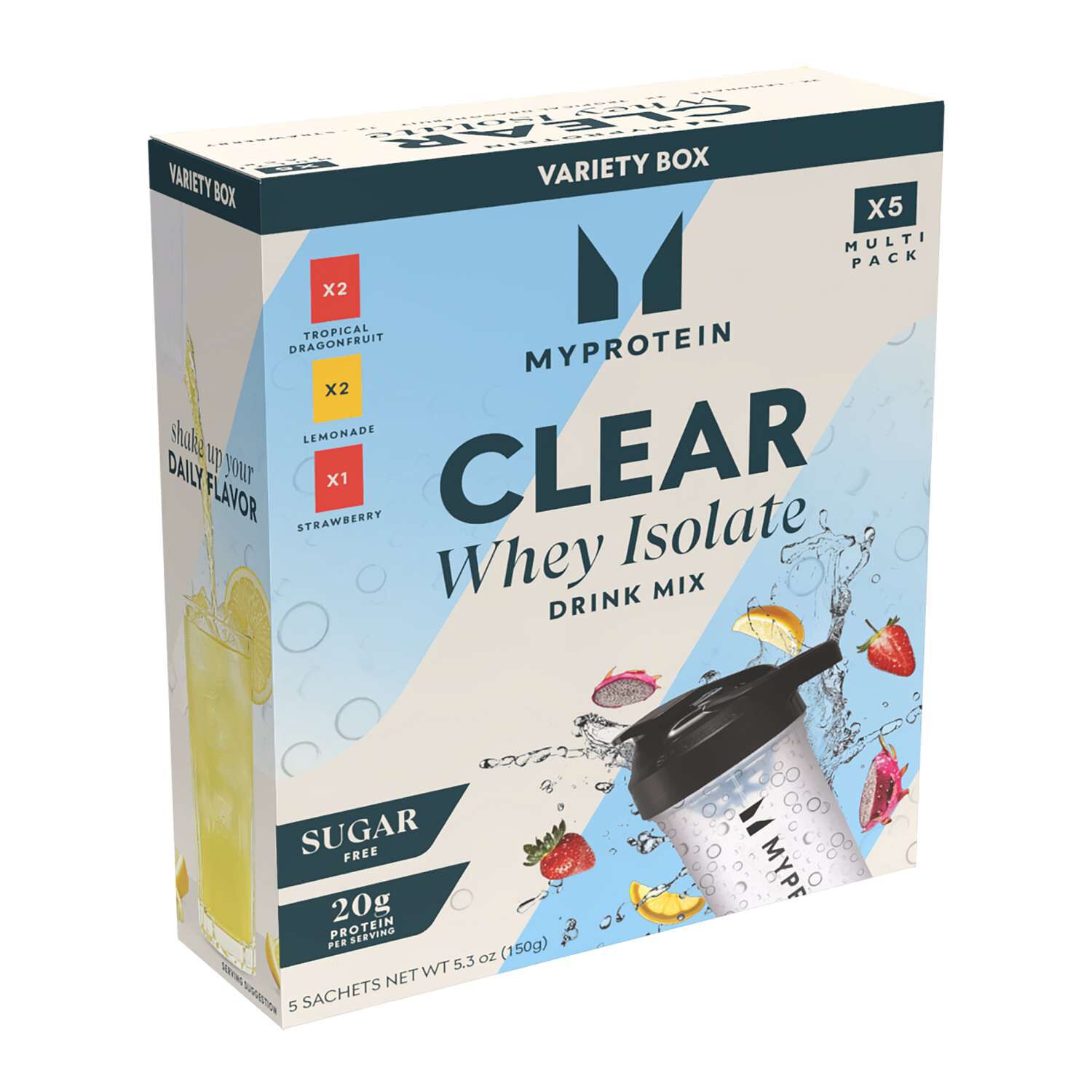
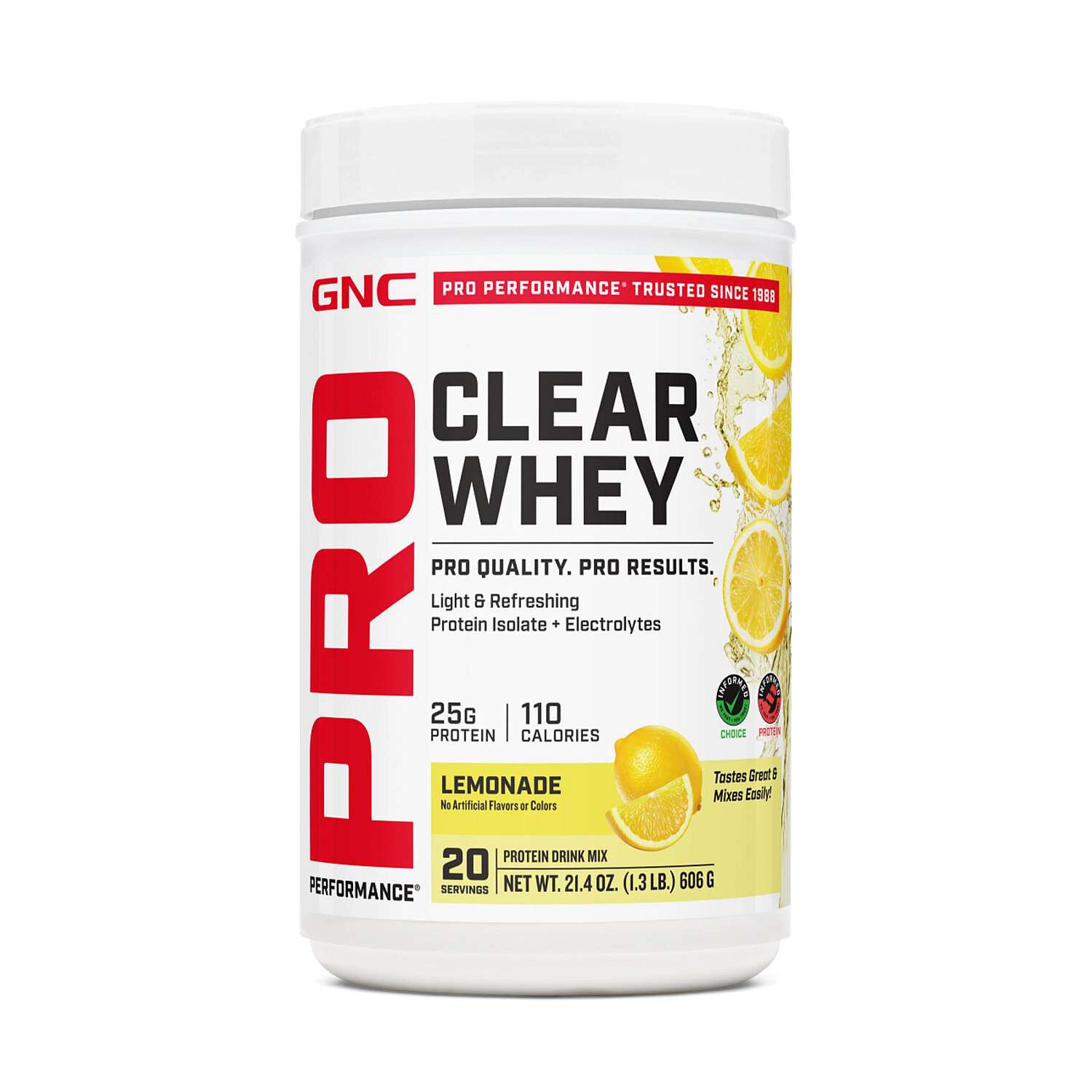
Lemon-flavored proteins are protein supplements with a citrus flavor, offered in creamy shake formats and lighter, juice-style formulas. The category includes whey-based and plant-based protein powders, with texture and flavor varying according to the protein source, ingredient blend, and preparation method. Creamy versions often lean toward lemon custard, lemon yogurt, or a dessert-inspired balance of sweetness and tartness. Clear whey formulas are designed for a thinner, more translucent drink, with a flavor profile closer to lemonade than a traditional milkshake. Clear whey is still derived from milk, even when the prepared drink looks more like juice. Plant-based formulas use ingredients such as pea, rice, or soy protein, either individually or in blends, and their texture depends on the particular formulation. For someone who enjoys citrus but prefers an alternative to familiar chocolate or vanilla flavors, lemon protein powder may add variety to a regular protein routine. The flavor also has a place beyond a shaker bottle: depending on the directions and ingredients, a creamy lemon powder might suit a yogurt bowl, an oat-based breakfast, or a blended drink with berries. A lighter formula may suit someone looking for a less creamy beverage after a workout or alongside an afternoon snack. These are different drinking experiences rather than interchangeable versions of the same shake. A lemon dessert flavor typically suggests a rounded, sweet-tart profile, while a lemonade-style description suggests a sharper citrus character. Neither description necessarily means the powder contains lemon juice or pieces of fruit; the ingredient list identifies the sources used. Flavor names, preparation directions, and nutrition information together give a clearer picture of what is inside the container. That distinction matters when the goal is a thick, spoonable breakfast mixture rather than a drink for sipping from a bottle. Lemon is the common thread, but the protein source and overall formula shape how each format fits into everyday meals and snacks.
The most useful differences among lemon-flavored protein powders appear on their labels. Protein grams per serving, serving size, ingredient order, and the recommended amount of liquid all contribute to a meaningful comparison. A larger scoop does not automatically indicate a more concentrated protein powder, since serving weights vary between formulas. Comparing the stated protein amount alongside the serving weight and prepared portion keeps the focus on what each serving contains. Carbohydrates, fat, added sugars, and sodium also vary, so a citrus flavor alone says little about the nutrition profile. Some formulas use sugar, others use alternative sweeteners, and some combine several sweetening ingredients. Those choices may influence the sweetness, tartness, and lingering taste of the prepared drink. Ingredient preferences matter just as much as flavor preferences: someone who prefers plant-derived ingredients has different considerations from someone specifically seeking whey. Allergen statements remain important for both groups, especially because a clear appearance does not mean a formula contains no milk ingredients. A plant-based description also does not replace reading the full ingredient and allergen information. Beyond the protein source, ingredients used for texture or mixing may help explain why one powder produces a thicker shake and another is intended for a thinner drink. Nutrition details should refer to the powder itself unless the label states otherwise; adding milk, a plant-based beverage, yogurt, or fruit changes the prepared serving. For someone planning a breakfast before commuting, that distinction may help match the portion to the rest of the meal. For someone packing a shaker for the gym, the practical concern may be whether the directions call for water or another liquid that requires refrigeration. Lemon-flavored proteins may offer a convenient way to add protein to a meal or snack, but a flavor preference is only one part of choosing a suitable format. The labeled serving information, dietary preferences, and intended use provide context for comparing otherwise similar citrus options without assuming that matching flavor names mean matching ingredients or nutrition.
Preparation and storage are practical parts of the experience with lemon protein powders. The liquid amount printed on the package is a useful reference because some formulas are intended for a concentrated, creamy shake, while others call for more water. Depending on the formula, changing that amount may produce a thicker or more diluted drink, along with a different balance of sweetness and tartness. Mixing directions also matter for clear proteins, which may form foam immediately after shaking and require a short resting period before drinking. A shaker bottle with enough room above the liquid gives the mixture space to move, while a blender is another format for recipes that include fruit or yogurt. Lemon pairs naturally with familiar ingredients such as strawberries, blueberries, vanilla, and plain yogurt, though the finished result depends on the powder’s sweetness and texture. A creamy blend might suit a lemon-berry smoothie, while a lemonade-style formula may be better suited to preparation with water according to its label. Powders are not automatically interchangeable in recipes, particularly when heating is involved; baking changes moisture, texture, and flavor, and recipe results depend on the other ingredients as well. For everyday handling, a dry scoop, a securely closed container, and storage according to package directions help keep the powder in appropriate condition. Keeping moisture out also helps prevent clumping before preparation. Prepared drinks need separate care based on their ingredients and the package instructions, especially when mixed with milk or yogurt. Container format matters for routines, too: a resealable tub has different packing considerations from individually portioned packets, particularly for a work bag or gym bag. Related citrus categories, including Lemon Flavored Diet Supplements, offer other formats to explore, with their own labeled purposes and serving directions. Within lemon-flavored proteins, the central distinctions remain straightforward: creamy or juice-style texture, milk-derived or plant-derived protein, the nutrition listed per serving, and a preparation method that suits the way the drink will be enjoyed.
Best Sellers


Related Pages



Top Collections
- Supplements For Yoga Joint Flexibility
- GLP 1 Support For Adults
- Joint Mobility Supplement Packs
- Chronic Fatigue Supplements
- Adult Mobility Supplements
- Supplements For Balance
- Supplements For Anxiety Relief Support
- Capsule Supplements For Energy And Stamina
- Zinc Supplements | Top Brands at Great Prices | GNC
- Anti Aging Supplements For Women