





Liposomal K2 Supplements
(0 Results)
Liposomal K2 supplements may offer a convenient way to support your daily wellness routine. These supplements are designed to help you meet your nutritional goals with ease, making them a popular choice for those looking to incorporate vitamin K2 into their regimen. Explore a wide selection of liposomal K2 supplements and discover options that could fit your lifestyle and preferences. Whether you’re searching for capsules, liquids, or other forms, find products that may align with your health journey.
-
-

-

-
-

-
-
 $24.99
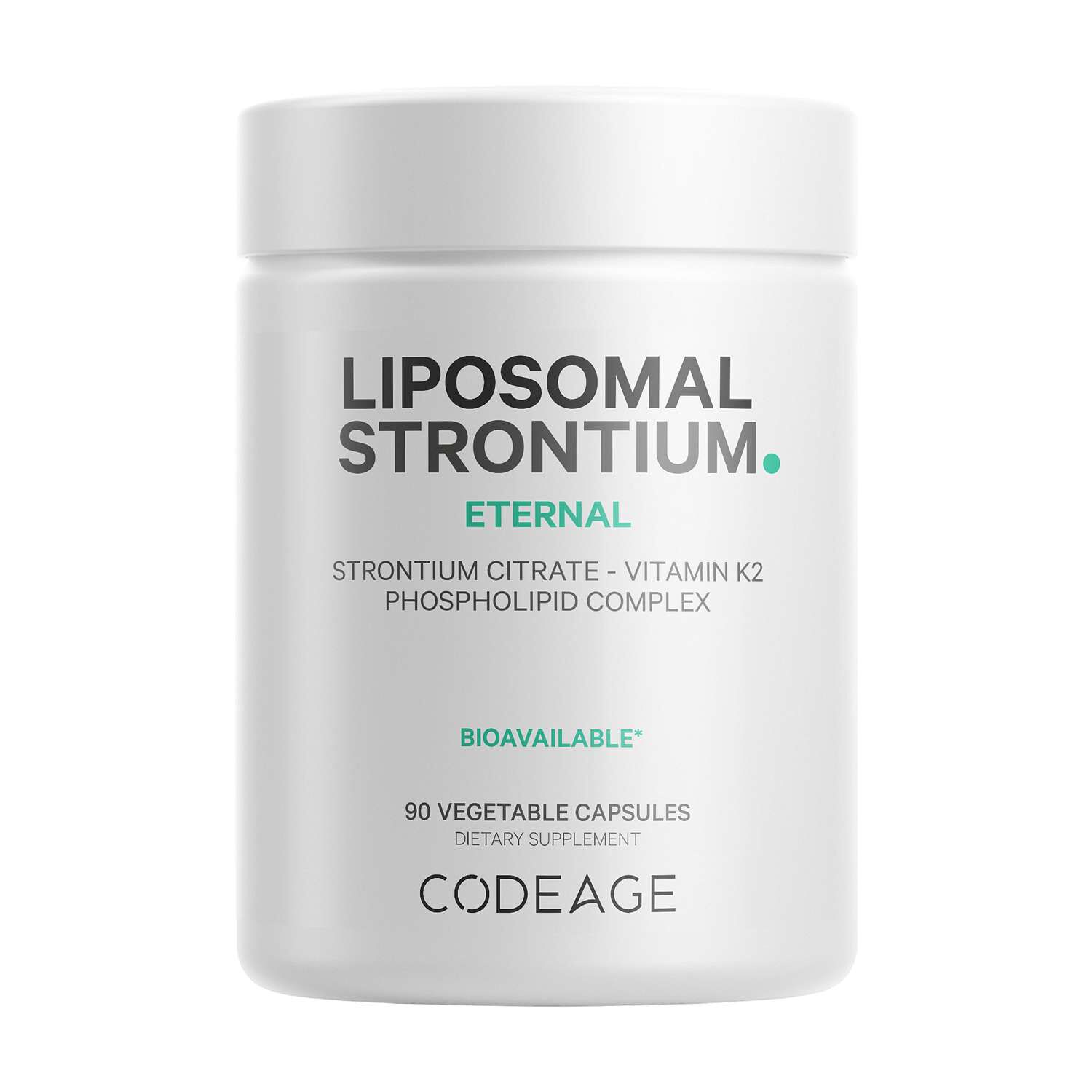
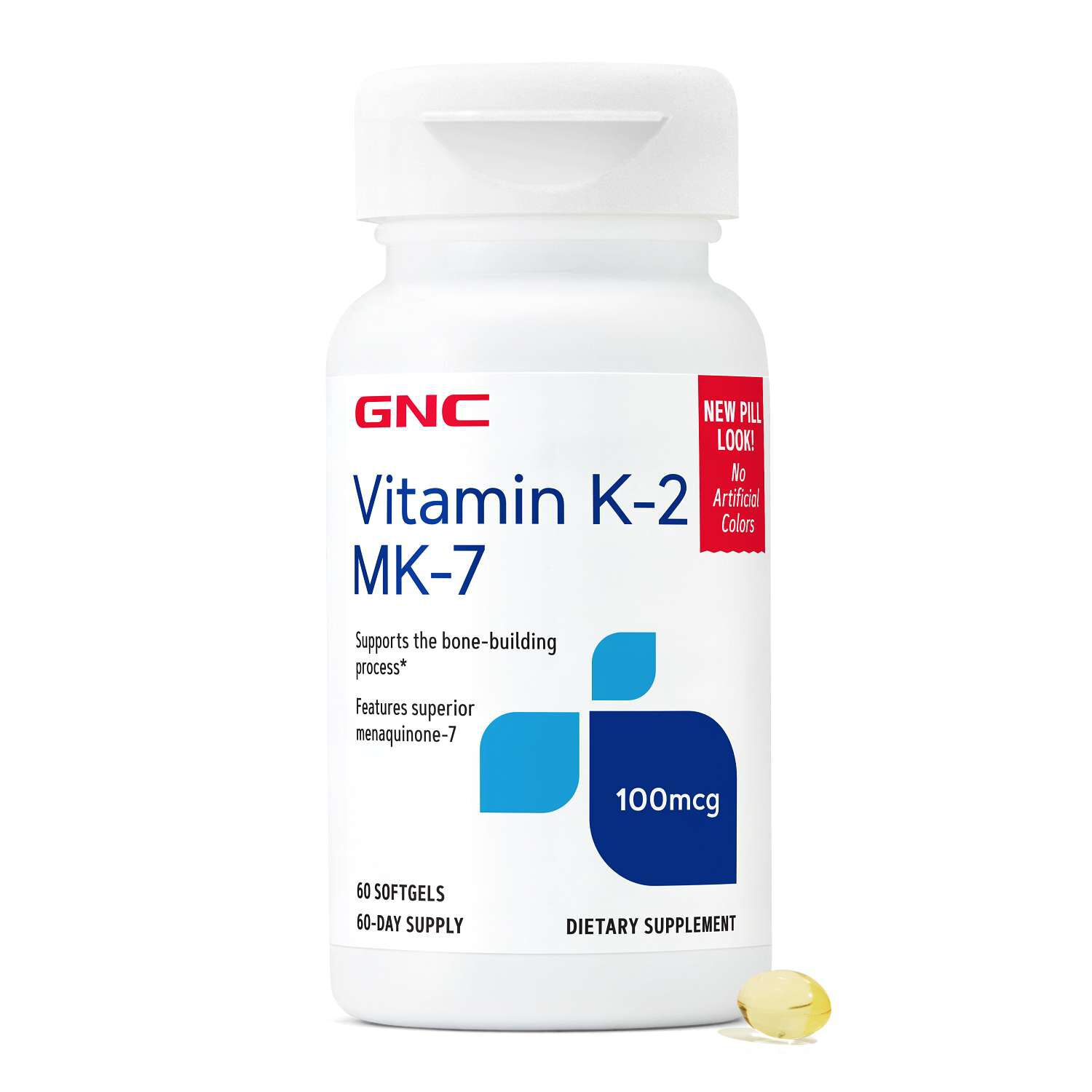
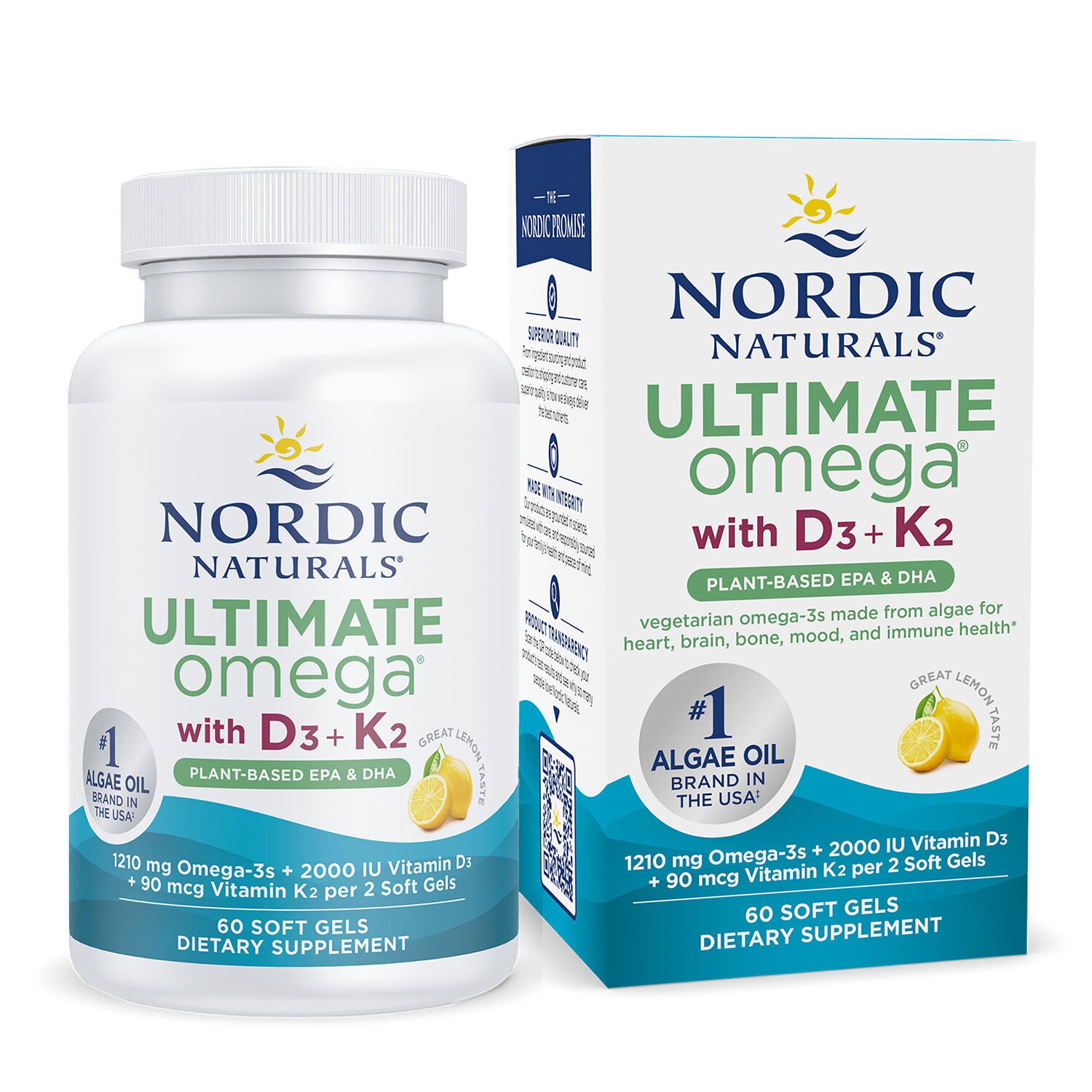
Liposomal K2 supplements combine vitamin K2 with a phospholipid-based delivery system. Phospholipids are fat-based molecules that form liposomes, microscopic structures with one or more bilayer membranes surrounding an inner compartment. These structures may serve as carriers for nutrient ingredients. Vitamin K2 is a fat-soluble vitamin, and “liposomal” describes its formulation rather than a separate type of vitamin. That distinction matters when comparing labels: the form of K2, its amount per serving, the accompanying ingredients, and the delivery format are separate details. Two forms commonly used in supplements are menaquinone-7, labeled MK-7, and menaquinone-4, labeled MK-4. Both are forms of vitamin K2, but their names are not interchangeable, and neither name by itself identifies a liposomal formula. Some formulations contain K2 alone, while others pair it with vitamin D3 or additional nutrients. A combination formula therefore has a different ingredient profile from a K2-only supplement, even when both use similar language on the front of the package. Liposomal delivery may influence nutrient absorption, but the word “liposomal” alone does not establish better absorption than another format. A description of the delivery system is different from evidence comparing finished formulations. Likewise, the presence of an oil or another fat-based ingredient does not, by itself, describe a liposomal structure. Detailed formulation information provides more context than a prominent front-label term. For shoppers browsing liposomal K2 supplements, the most useful background is this separation between what the nutrient is and how it is formulated. MK-7 or MK-4 identifies the vitamin form; phospholipid information describes part of the delivery system; and the Supplement Facts panel identifies the stated serving and nutrient amount. Together, these details provide a clearer description of the category without treating every liposomal K2 formula as identical. Ingredient origins, capsule materials, flavorings, and storage directions add further distinctions that are relevant to everyday preferences and intended use.
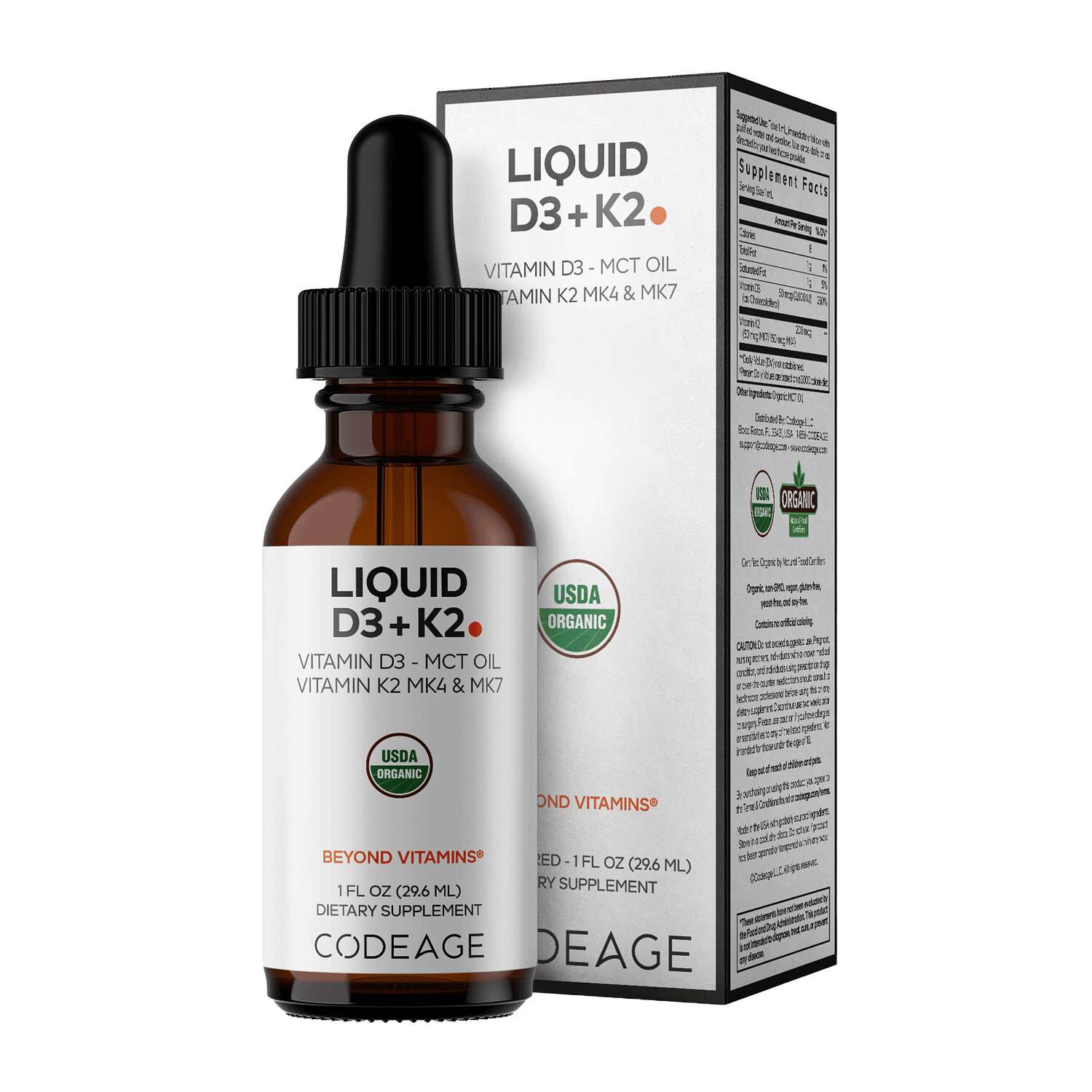
The physical format is another meaningful difference within liposomal K2 supplements. Liquids, capsules, and softgels involve different packaging, measuring methods, and ingredient considerations. A liquid label may describe a serving in drops, pumps, or milliliters, while a capsule label lists a serving by capsule count. Those measurements are not interchangeable: a full dropper is not automatically the stated serving, and one capsule is not necessarily the serving listed on the panel. For someone who prefers a measured liquid, the dispenser design, serving instructions, and flavor description may matter as much as the nutrient name. A person who prefers an enclosed format may place more emphasis on capsule dimensions, shell materials, and the number of capsules in a labeled serving. Shoppers comparing that format with other nutrient categories can also browse Liposomal Vitamin Capsules for broader context on capsule-based formulations. The distinction between a softgel and a capsule is worth noting, since the outer materials and enclosed contents differ by formula. Shell ingredients may include gelatin or plant-derived materials, while the contents may include oils, phospholipids, or other formulation ingredients. Phospholipids may come from sources such as sunflower or soy, so source information is relevant to dietary preferences. Liquid formulations may also include water, glycerin, flavorings, sweeteners, or ingredients used to maintain consistency. The full ingredient list describes these components more precisely than the flavor name or package appearance. A citrus description, for example, does not explain the sweetener used, just as a plant-derived shell does not describe every ingredient inside it. Practical fit also includes the setting in which a supplement will be stored and handled. A bottle kept in a kitchen cabinet, a liquid requiring refrigeration after opening, and a tightly closed capsule container each involve different storage routines. These everyday distinctions give the category more definition than delivery terminology alone, particularly for shoppers who already have clear preferences about liquids, enclosed formats, or ingredient sources.
Label details bring the comparison into focus without making the largest printed number the deciding feature. Vitamin K2 amounts are commonly expressed in micrograms, abbreviated mcg, while other ingredients may use milligrams or different units. The stated amount applies to the labeled serving, so serving size and nutrient amount belong together when reading the panel. A formulation containing both K2 and D3 also lists the amount of each nutrient separately; the presence of one does not describe the amount of the other. For shoppers whose routines already include a multivitamin or another combination supplement, overlapping ingredient names are a relevant part of understanding the labels. Clear identification of MK-7 or MK-4, a readable Supplement Facts panel, and an accessible ingredient list make the formula easier to understand. Information about independent testing may add context about ingredient identity, stated amounts, or other specified quality criteria, although the scope of testing matters more than a logo alone. Such information does not establish that every liposomal formulation performs the same way. Packaging and care deserve similar attention because a supplement remains in its container between uses. Storage directions may specify refrigeration after opening, protection from light, or a tightly closed cap. A liquid may have an opening-related use period as well as a printed date, while enclosed formats may have different handling instructions. A steamy bathroom shelf or an open bottle beside a sink presents a different storage setting from a dry cabinet that matches the label directions. Original containers keep serving information, ingredient details, lot information, and dates together, which is useful when revisiting a formula’s specifications. For travel, container closure and any stated storage requirements remain relevant rather than disappearing once a bottle goes into a bag. Liposomal K2 supplements are ultimately distinguished by a combination of nutrient form, formulation details, serving format, and practical care requirements. Those concrete characteristics provide a grounded way to understand the category and compare it with personal preferences, without assuming that a delivery-system name tells the whole story.
Best Sellers



Related Pages



Top Collections
- Supplements For Yoga Joint Flexibility
- GLP 1 Support For Adults
- Joint Mobility Supplement Packs
- Chronic Fatigue Supplements
- Adult Mobility Supplements
- Supplements For Balance
- Supplements For Anxiety Relief Support
- Capsule Supplements For Energy And Stamina
- Zinc Supplements | Top Brands at Great Prices | GNC
- Anti Aging Supplements For Women