Low Calorie Energy Drinks
(0 Results)
Looking to boost your energy without all those extra calories? Our selection of low-calorie energy drinks is here to help you power through your day without weighing you down. Packed with energizing ingredients and refreshing flavors, these beverages are perfect for anyone looking for a quick and convenient way to stay alert and focused. Whether you need a pick-me-up before hitting a workout or a mid-afternoon productivity boost, our low-calorie energy drinks are sure to keep you going strong.

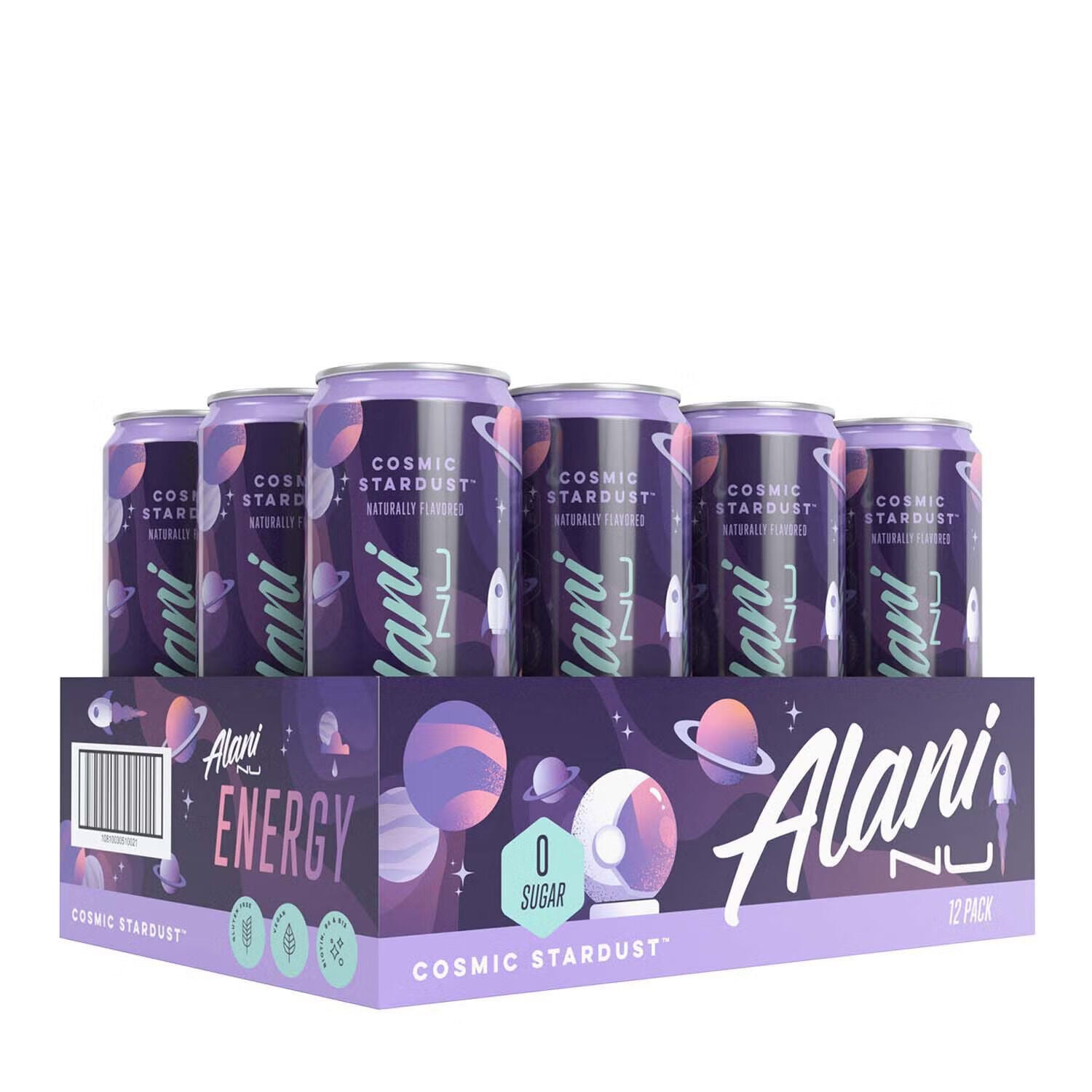

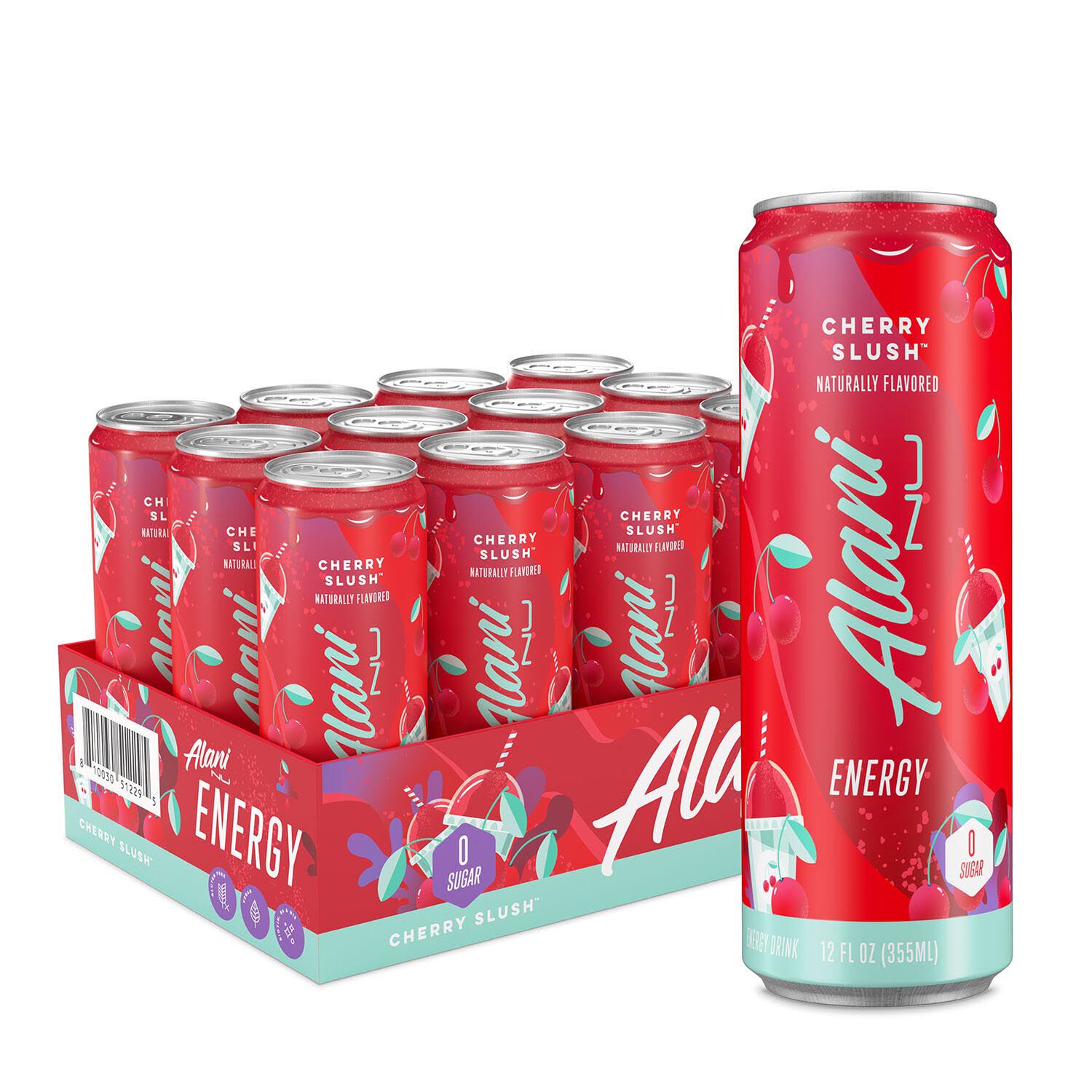

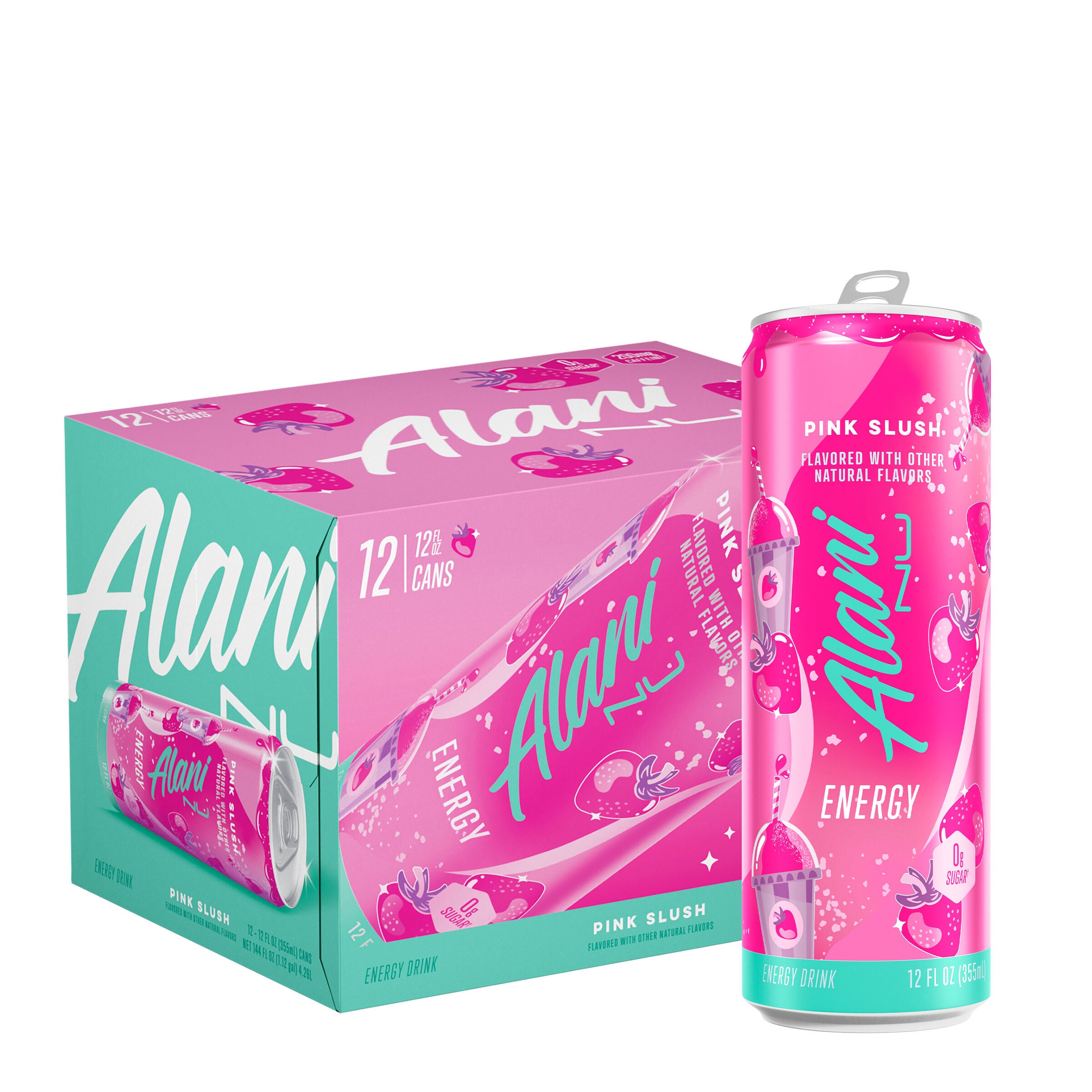


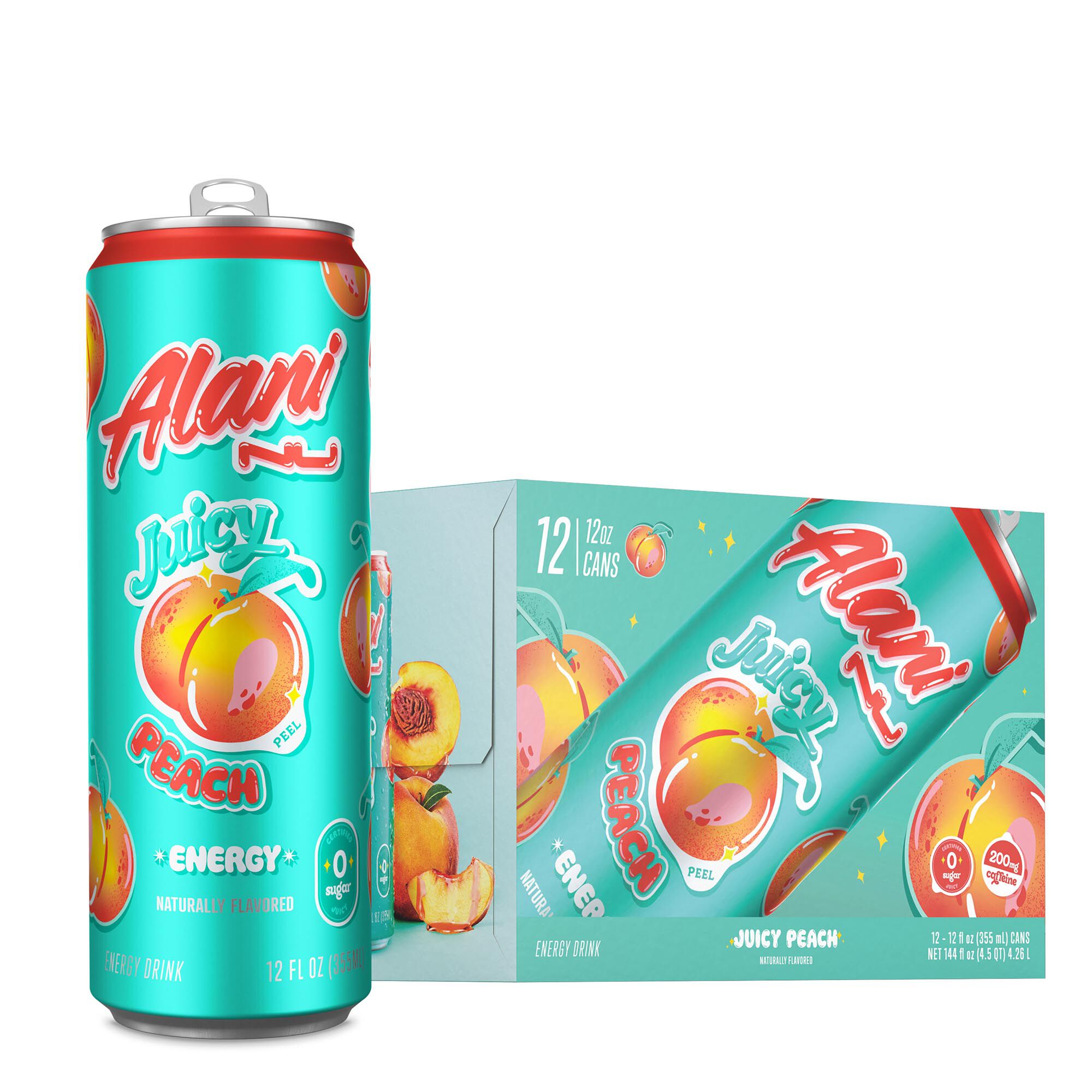
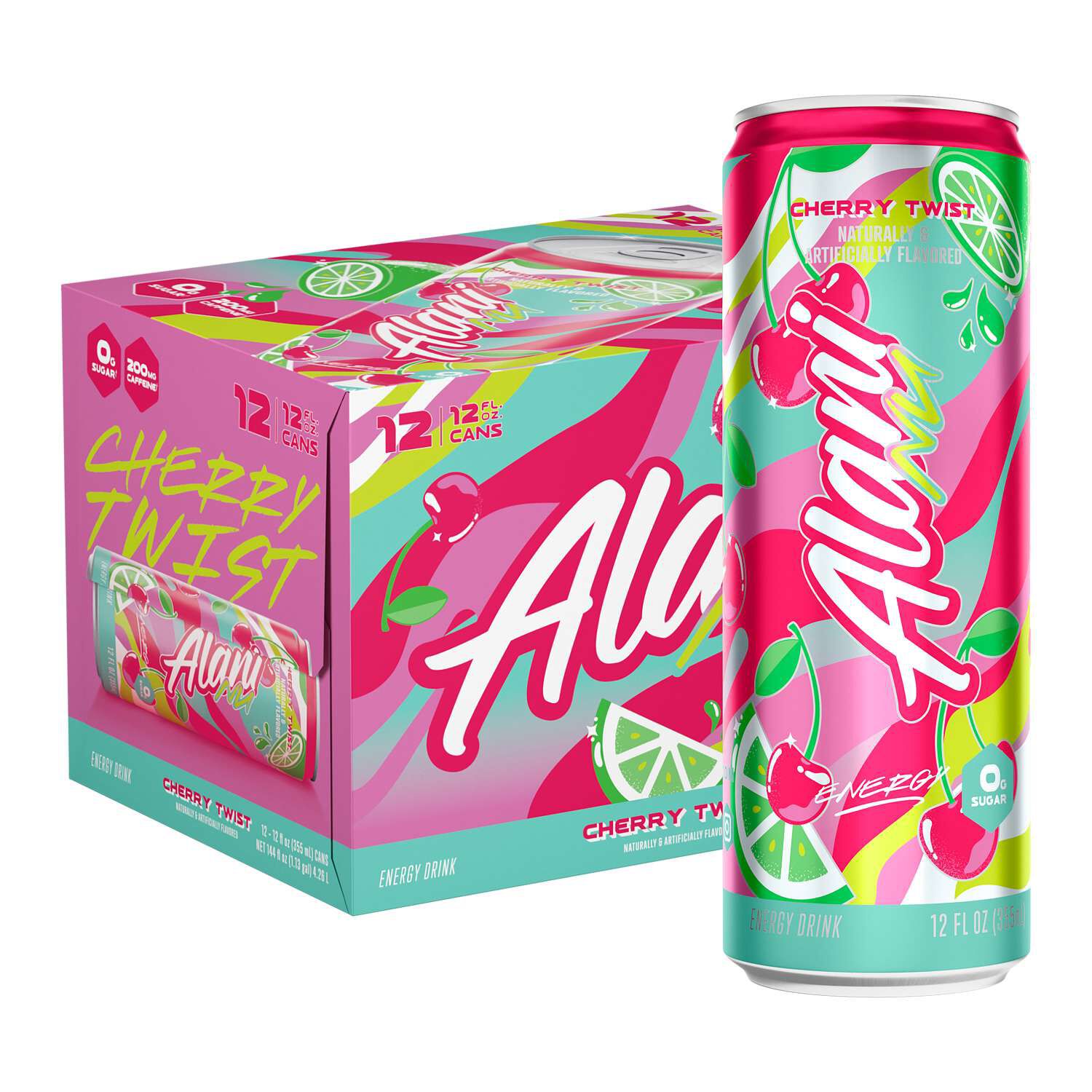
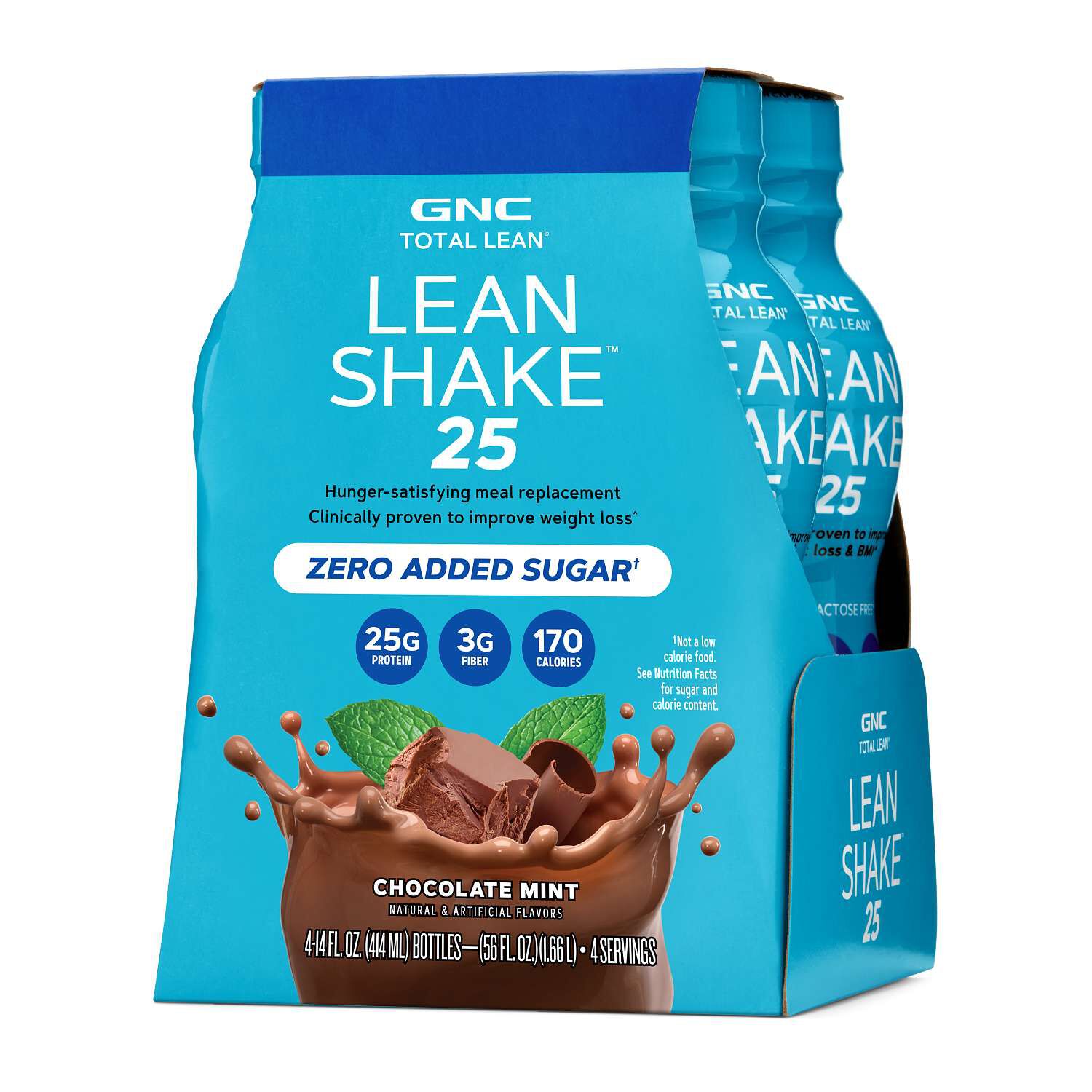

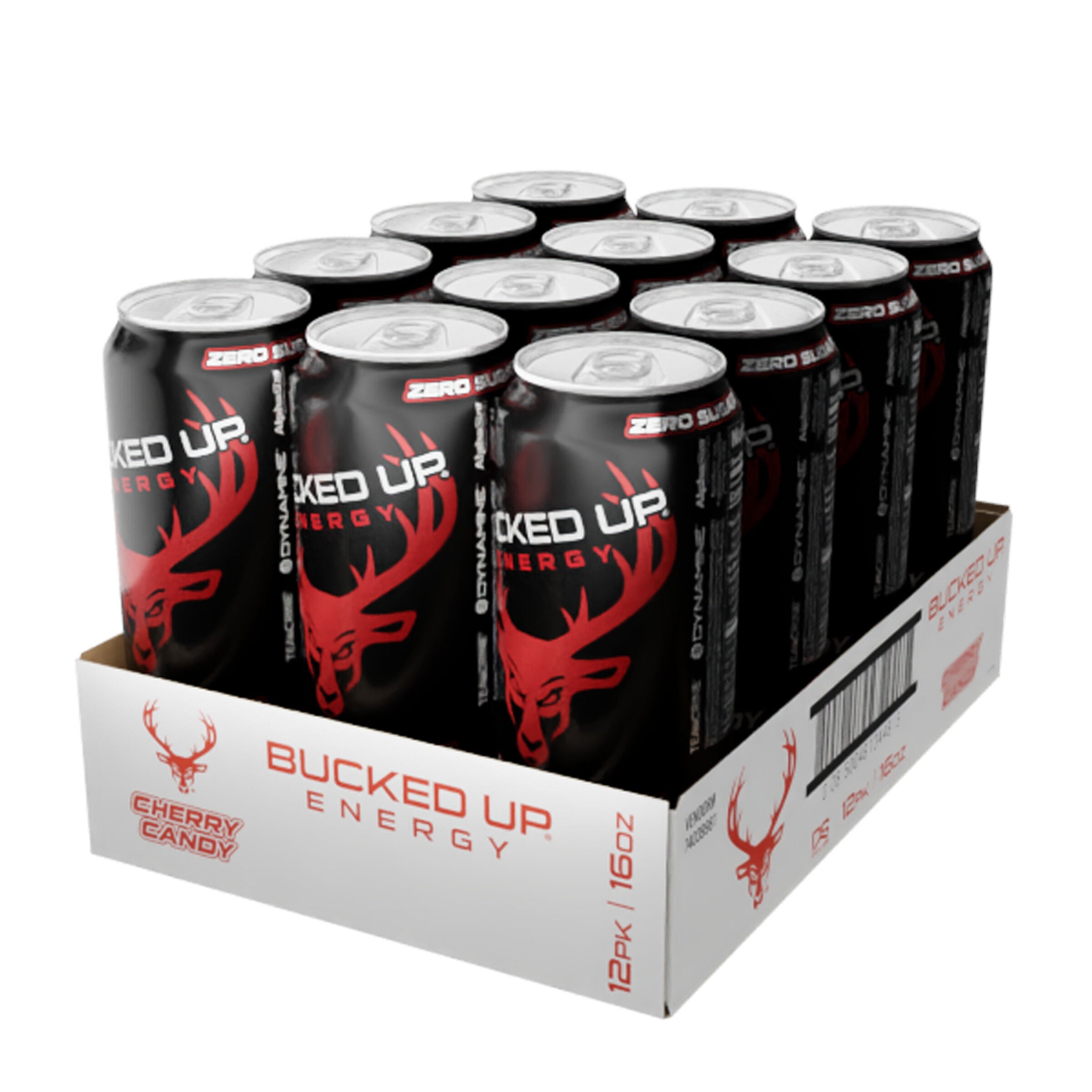
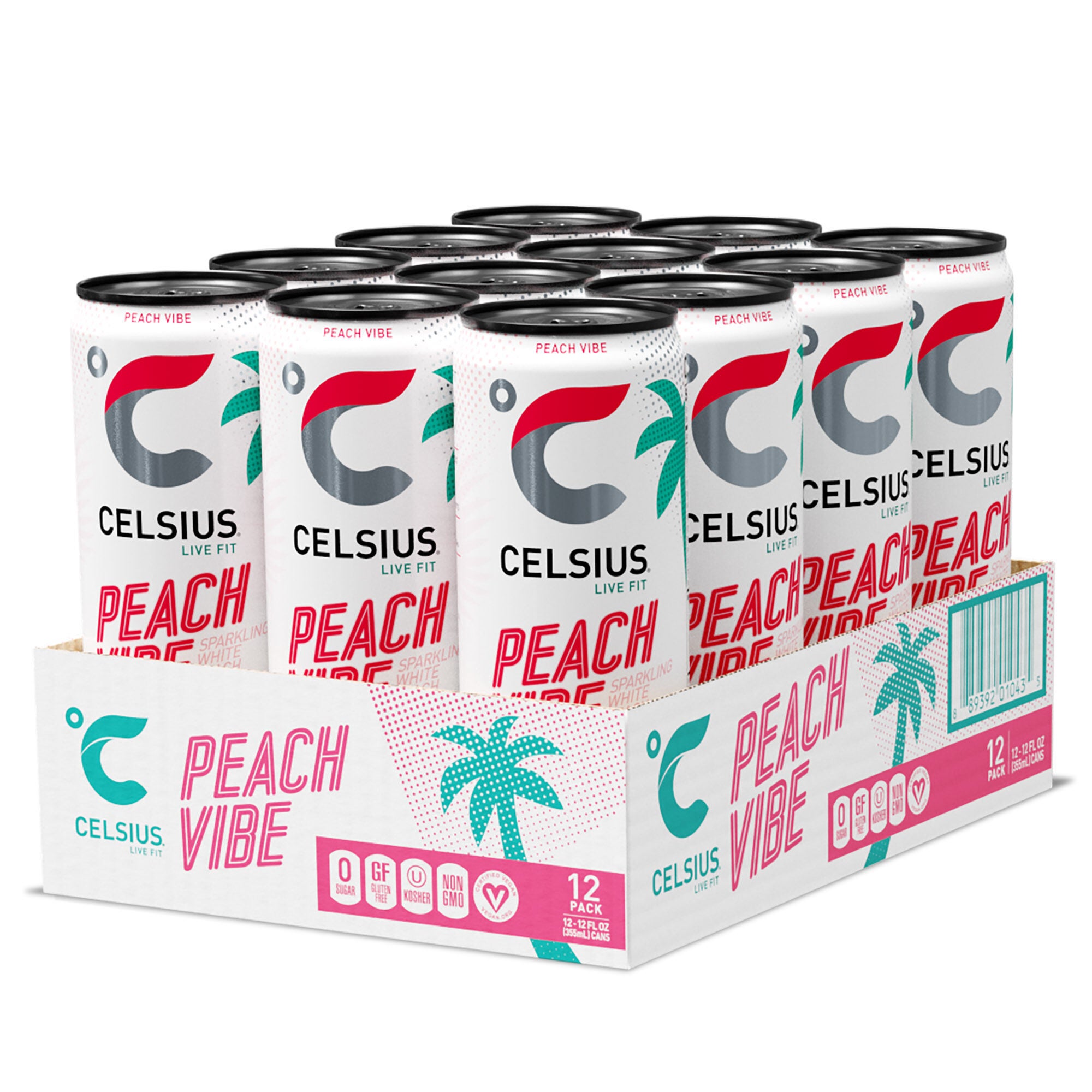


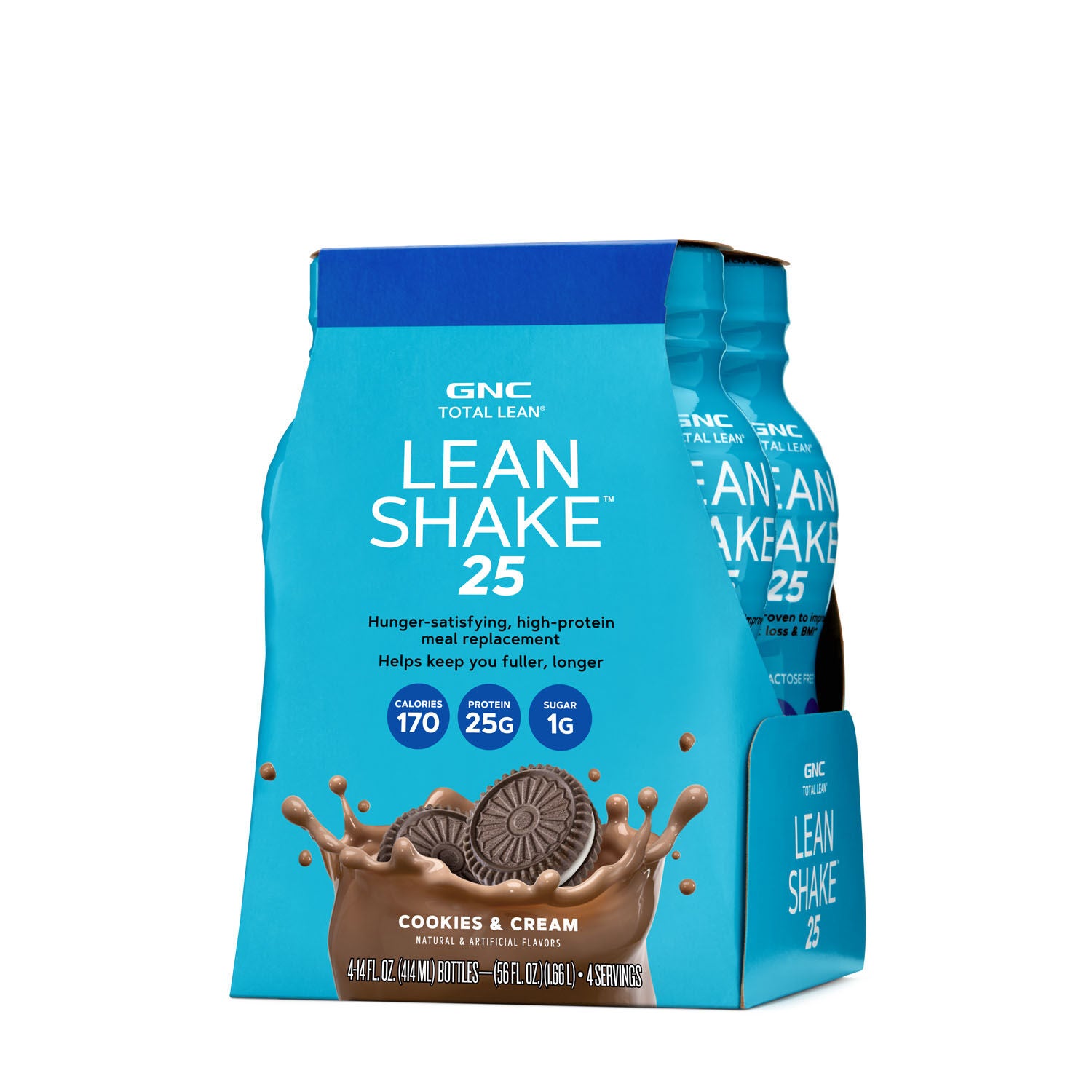
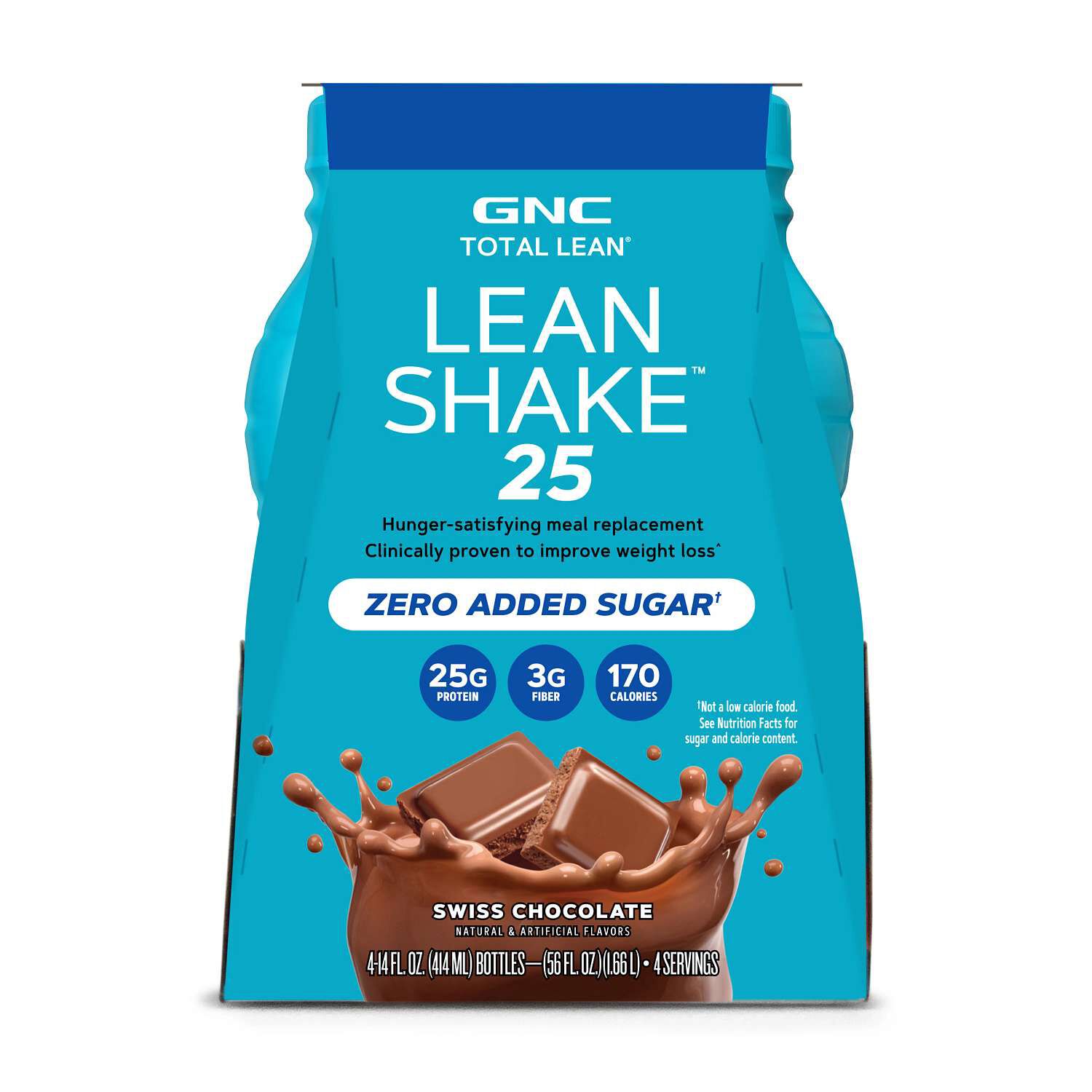
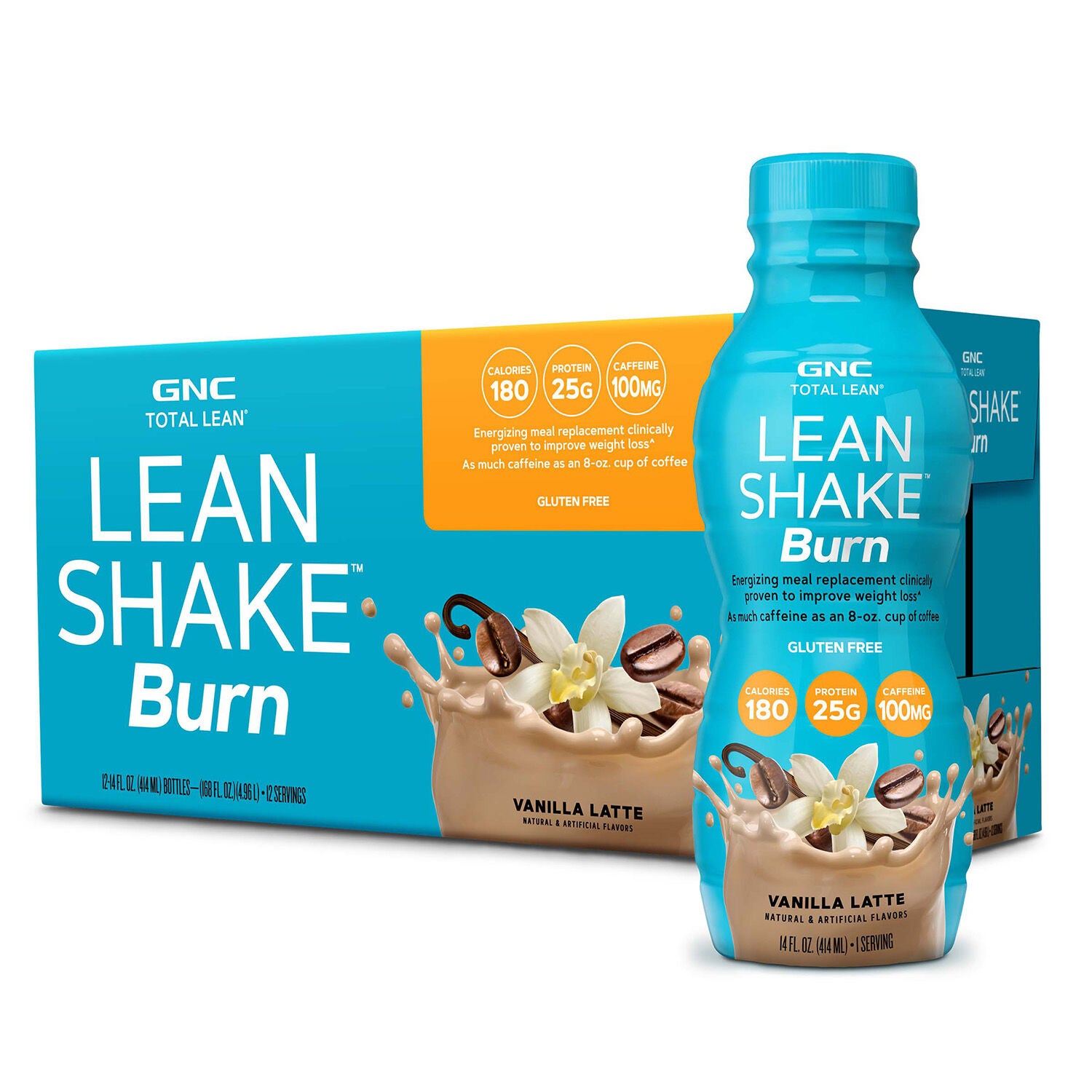
Low calorie energy drinks pair a modest calorie count with caffeine in a ready-to-drink format, offering adults a beverage option that fits a range of everyday routines. Many contain between zero and 15 calories per serving, although formulations vary and some contain more. The number on the nutrition label is more useful than a broad category description, especially when comparing containers of different sizes. A 12-ounce can and a 16-ounce can may list similar calories per serving without providing the same amount of beverage or caffeine. Serving size, servings per container, and the amount someone actually plans to drink all matter when making that comparison. These beverages often use sweeteners such as sucralose, acesulfame potassium, or stevia-derived ingredients to provide sweetness with little contribution to the calorie count. Others include small amounts of sugar or juice alongside these ingredients. Low calorie does not necessarily mean zero sugar, and zero sugar does not always mean zero calories; the nutrition panel distinguishes those details. Flavor choices commonly include citrus, berry, tropical fruit, and combinations inspired by familiar beverages. A fruit name describes a flavor profile, but it does not necessarily indicate that the drink contains fruit juice. Carbonated varieties have a fizzy texture, while noncarbonated versions offer an alternative for people who prefer a drink without bubbles. The appeal can be as straightforward as a portable can for a commute, a flavored beverage during an afternoon break, or a familiar choice packed alongside gym clothes. For shoppers comparing low calorie energy drinks, the most meaningful differences are often the caffeine amount, sweetness, flavor, serving size, and carbonation rather than the artwork on the container. Considering those features together creates a clearer picture of how one formula differs from another, without assuming that every drink in the category has the same ingredients or intended use.
Caffeine deserves its own comparison because calorie content says little about how much caffeine a drink contains. Two beverages with 10 calories each can have substantially different caffeine amounts, and a smaller can is not necessarily the lower-caffeine option. Caffeine can come from sources such as coffee beans, tea, or guarana, or it can be added separately as an ingredient. Its source alone does not establish the amount in a serving. Some labels state caffeine per can, while others describe it per serving, so the unit beside the number is important. Coffee, tea, and other caffeinated products already included in a daily routine are also relevant context when comparing drinks. Caffeine may support alertness, but individual experiences can differ, and the category name does not describe a uniform effect. Added B vitamins, amino acids, and botanical ingredients are other common points of distinction. Their presence does not by itself establish that a beverage is a better match for a particular person or occasion. Ingredient amounts and label descriptions provide more useful detail than broad statements on the front of a package. A drink intended for everyday use may differ from one positioned for use before exercise, even when their flavors and calorie counts look similar. For an adult who wants a beverage to take to an early work shift, a clearly stated caffeine amount and a manageable container size may be more relevant than a long ingredient list. Someone selecting a drink to accompany a workout routine might also compare the formula with any other caffeinated products in that routine. Package directions and caution statements remain part of the product comparison, not just small print. An energy drink is a distinct beverage choice rather than a substitute for a meal, sleep, or water during exercise. This distinction helps keep the focus on what the package actually provides: a particular quantity of liquid, calories, caffeine, flavoring, and any other listed ingredients.
Taste and packaging often determine whether a low calorie energy drink suits repeat use. Sweetener blends can create different impressions even when the calorie counts match. One formula might taste sharply citrusy with a brief sweet finish, while another could have a softer fruit flavor and a lingering sweetness. Acidity and carbonation also contribute to that impression; bold bubbles and tart flavoring can make a drink feel quite different from a smooth, noncarbonated version. Shoppers who dislike a pronounced sweet finish may prefer a different blend rather than simply a lower sugar number. Those comparing sugar content specifically can also explore Low Sugar Energy Drinks, a related category whose calorie counts and caffeine amounts still deserve a separate look. Package format brings another set of practical differences. A conventional pull-tab can is convenient for one sitting but cannot be closed again, while a resealable container can be secured between sips. Container dimensions matter when fitting a drink into a lunch bag, a desk drawer, or a car cup holder. A larger format means more liquid to carry and finish, which is not always the best match for a short break. Multipacks built around one flavor suit a settled preference, while mixed-flavor packs offer variety; the nutrition information may differ among flavors within a pack. Packaging condition, printed dates, and storage directions are useful details for beverages kept at home or carried through a busy day. Dented seams, leaking containers, or damaged seals are reasons to set a package aside rather than judge it by appearance alone. Once opened, the package’s handling directions apply, and carbonation may fade if a fizzy drink sits unfinished. For shared household beverage storage, keeping labels visible makes it easier to distinguish caffeinated drinks from other beverages. Ultimately, a thoughtful comparison rests on straightforward details: calories for the portion consumed, sugar content, caffeine amount, ingredient preferences, and a format that works for the intended occasion. Those details make the category easier to navigate while leaving room for the flavor and drinking experience each adult shopper prefers.